San Juan
San Juan, Puerto Rico’s capital, is a city where cobblestone streets lead to centuries-old forts and pastel-colored buildings overlook the Atlantic. The district of Old San Juan is a UNESCO World Heritage Site, known for its Spanish colonial architecture and thick stone walls that once defended the city from pirates and naval attacks. The city hosts regular events such as La Campechada, which celebrates Puerto Rican art and literature with live performances and open-air exhibits.
Toyama
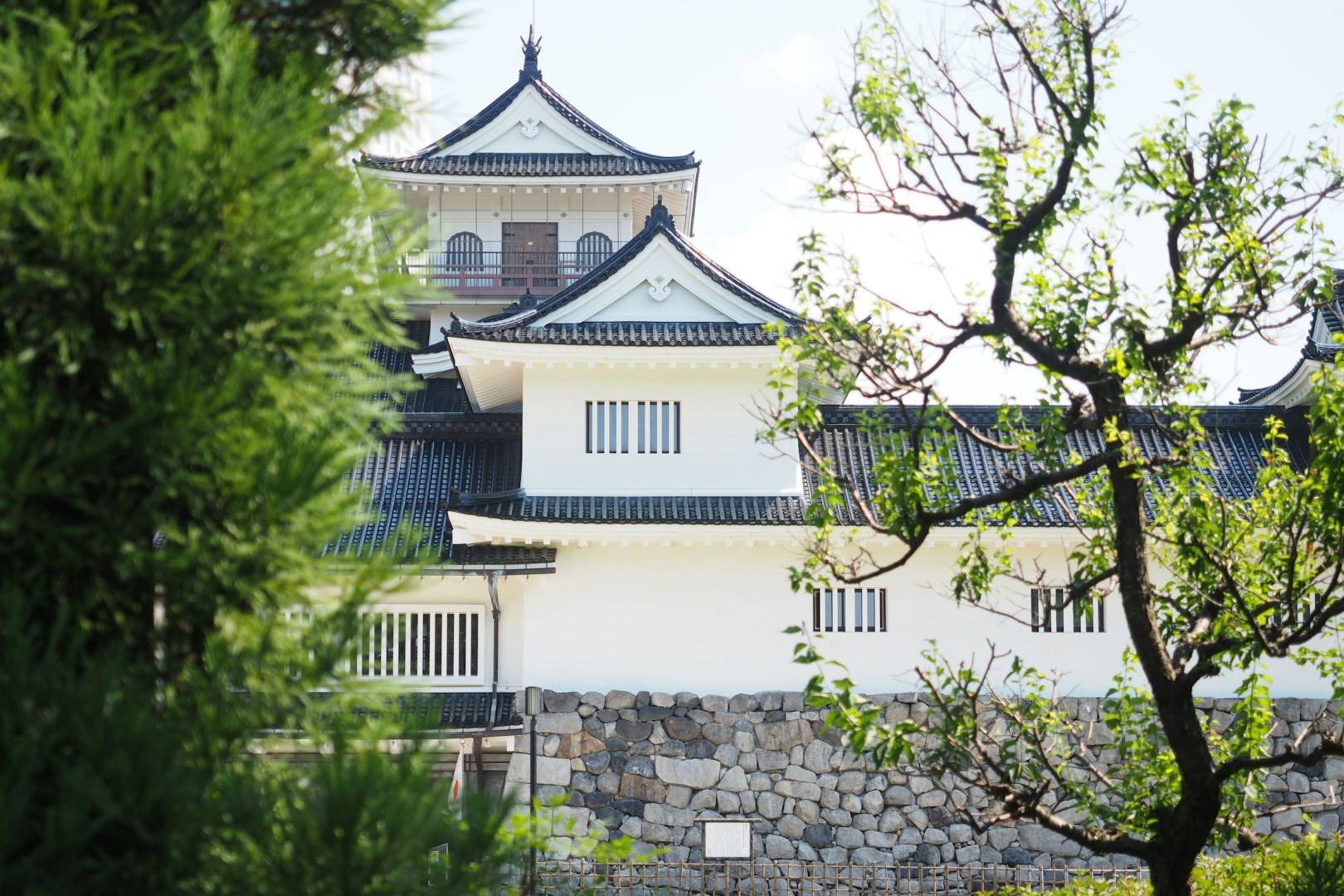
Toyama is a regional capital on the Sea of Japan coast, set between Toyama Bay and the mountains of the Northern Japan Alps. The city is known for its close relationship with both the sea and the alpine interior, with waterways, fertile plains, and snow-fed rivers shaping the surrounding landscape. Toyama also serves as a gateway to the Tateyama Kurobe Alpine Route and the mountain communities of the wider prefecture.
Liberia
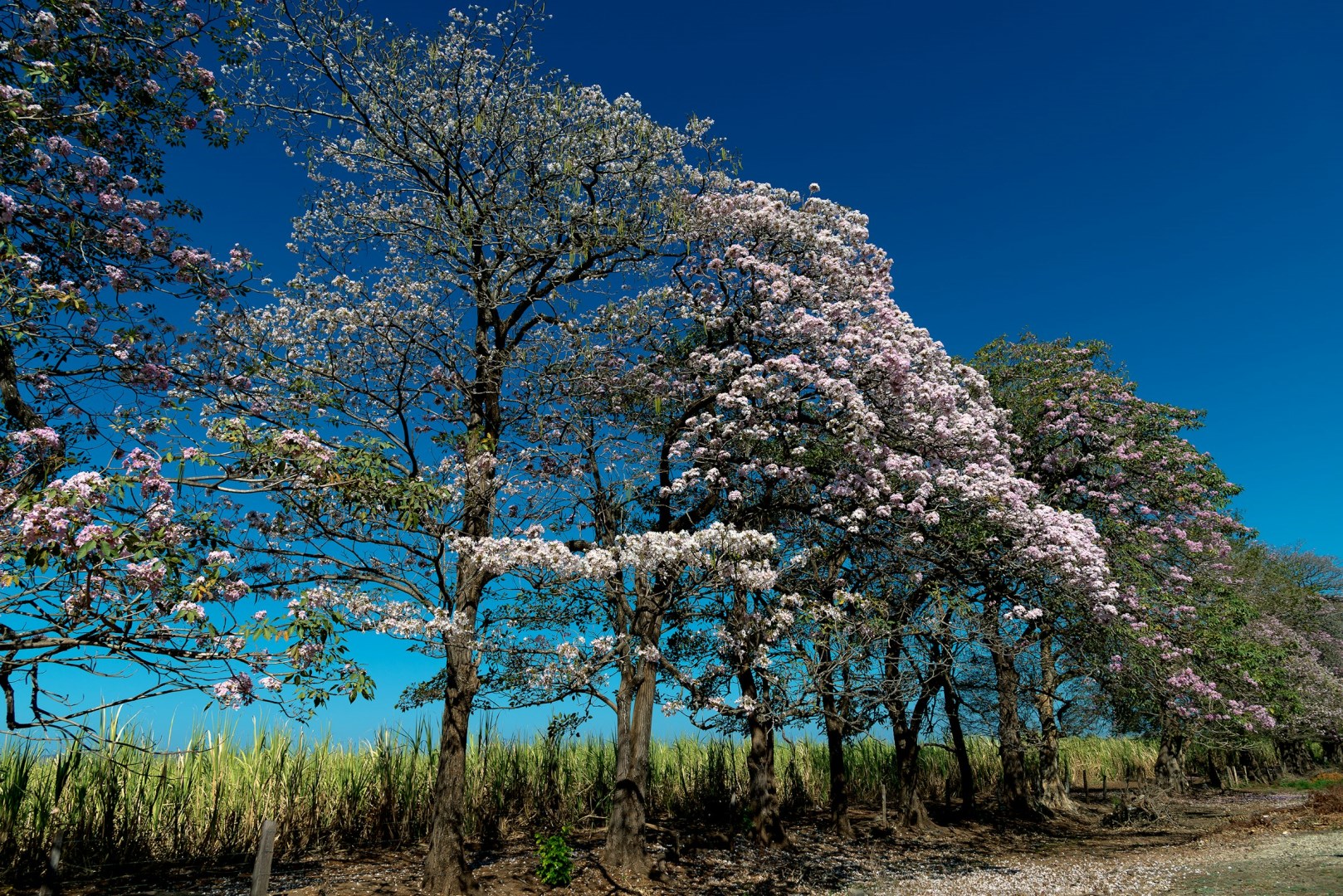
This Northern Costa Rica city is known for its volcanoes (both active and inactive), the Catholic church Ermita de La Agonía, and the Museo del Sabanero.
Kekova
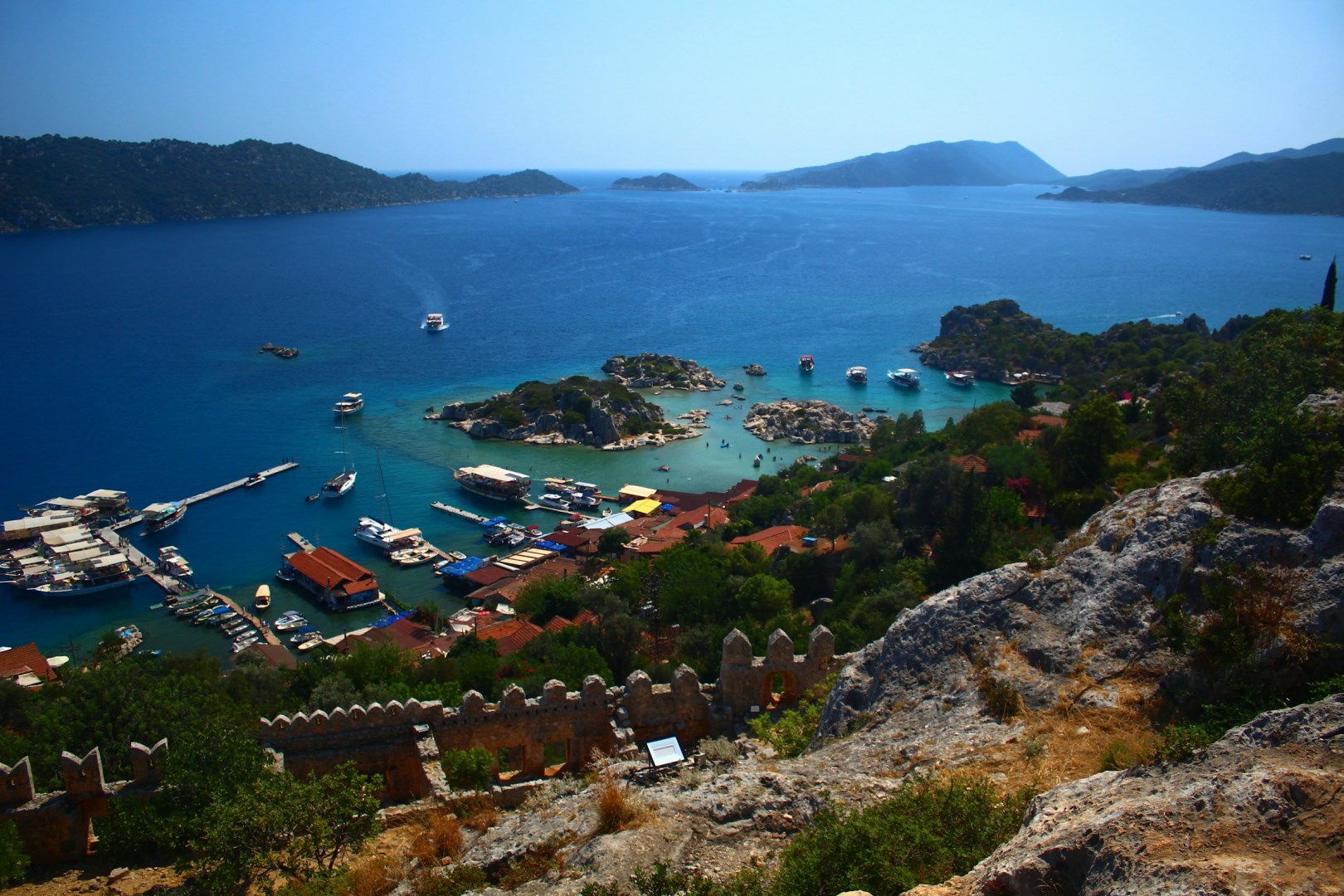
Kekova is an island an hour from Dalyanagzi by sea as well as the name of a whole ensemble of picturesque islands, numerous bays and ancient cities. These bays provide natural harbors in all seasons, and yachtsmen particularly enjoy exploring the unspoilt landscape.
Kunturiri
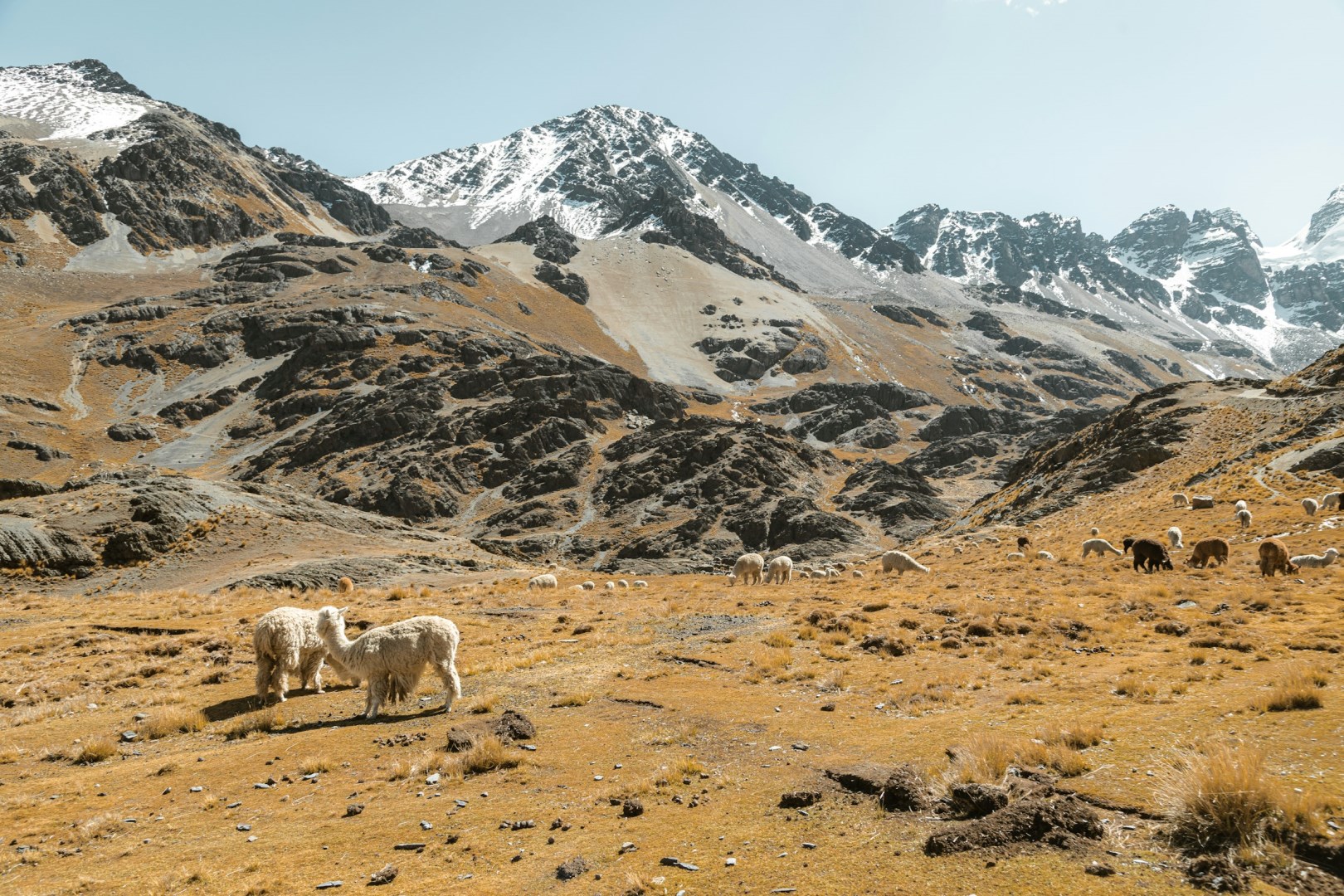
Kunturiri is a high-altitude mountain area in Bolivia’s Cordillera Real, north of La Paz. The name comes from the Aymara word for condor, reflecting the region’s close connection with Andean landscapes and wildlife. Kunturiri is characterized by rugged peaks, glacial terrain, mountain lakes, and broad views across the high Andes. The area lies within a remote section of the Cordillera Real, where steep mountains rise above the surrounding Altiplano.