Puerto Barrios
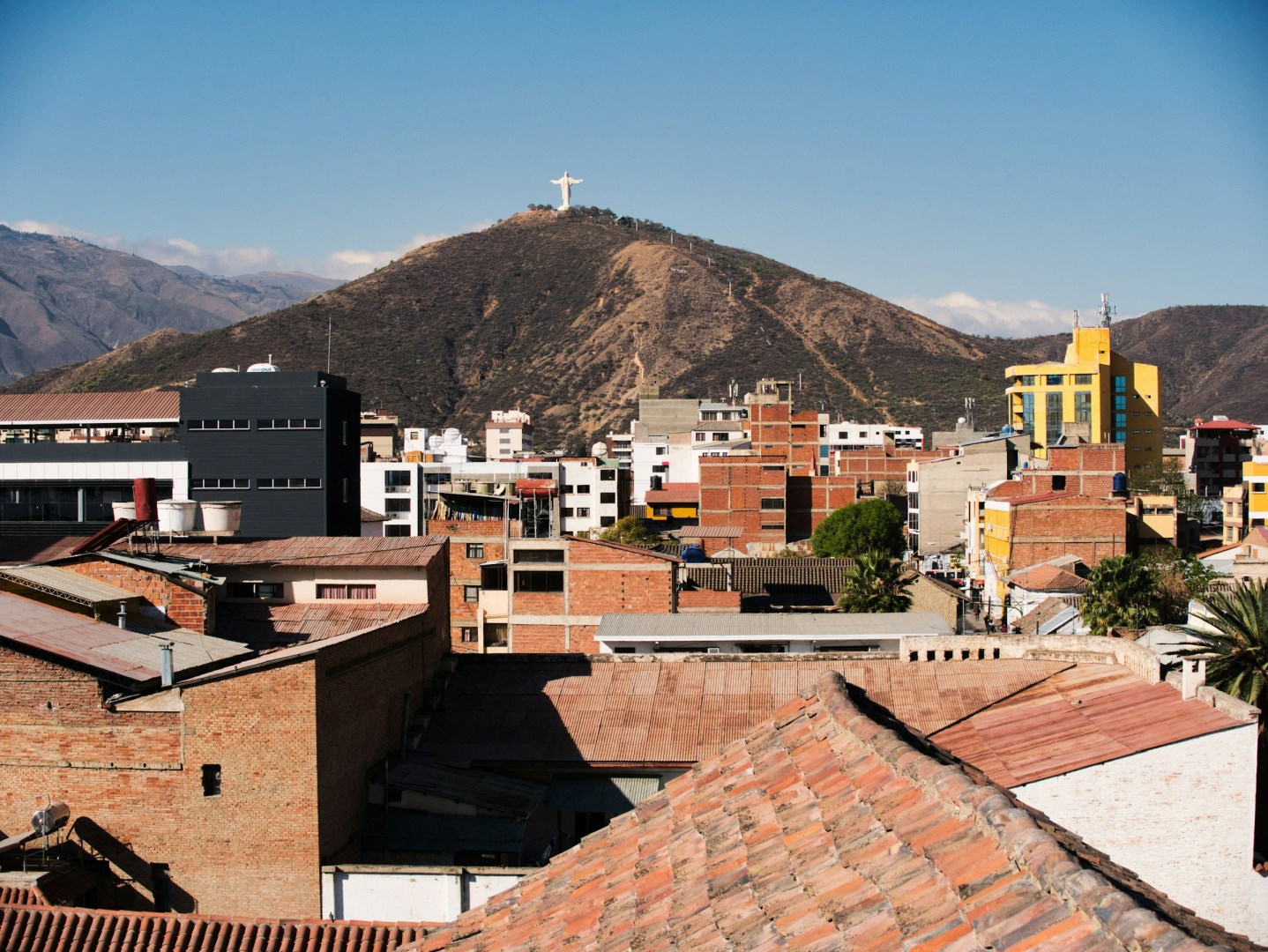
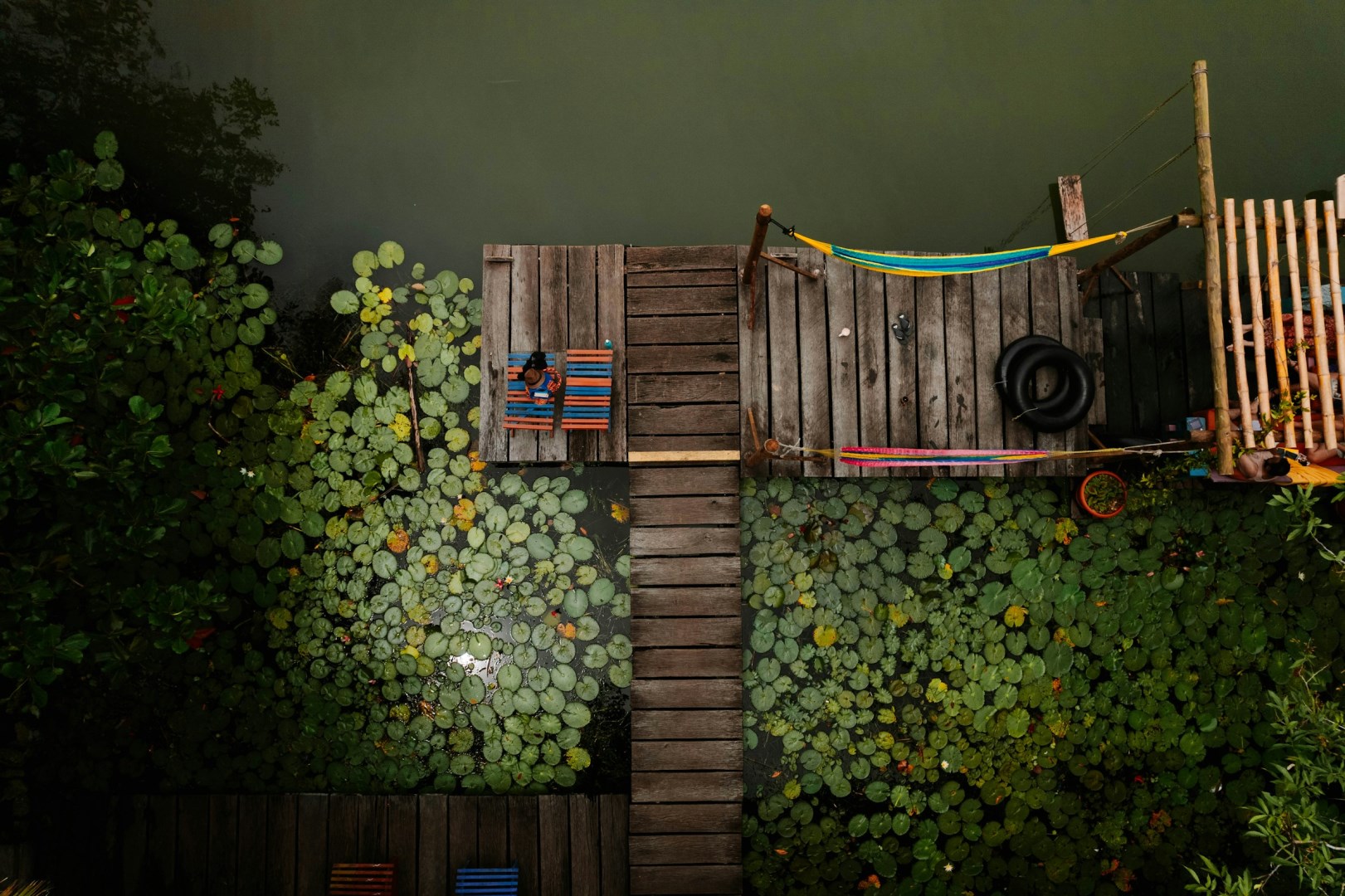
Located in the Gulf of Honduras, this area of the Mayan offers jungle tours along the Rio San Carlos or walking through the Mayan ruina at Quirigua. In ancient Mayan culture, priests used to drive sting ray spines through their tongues to appease their gods.
Noord
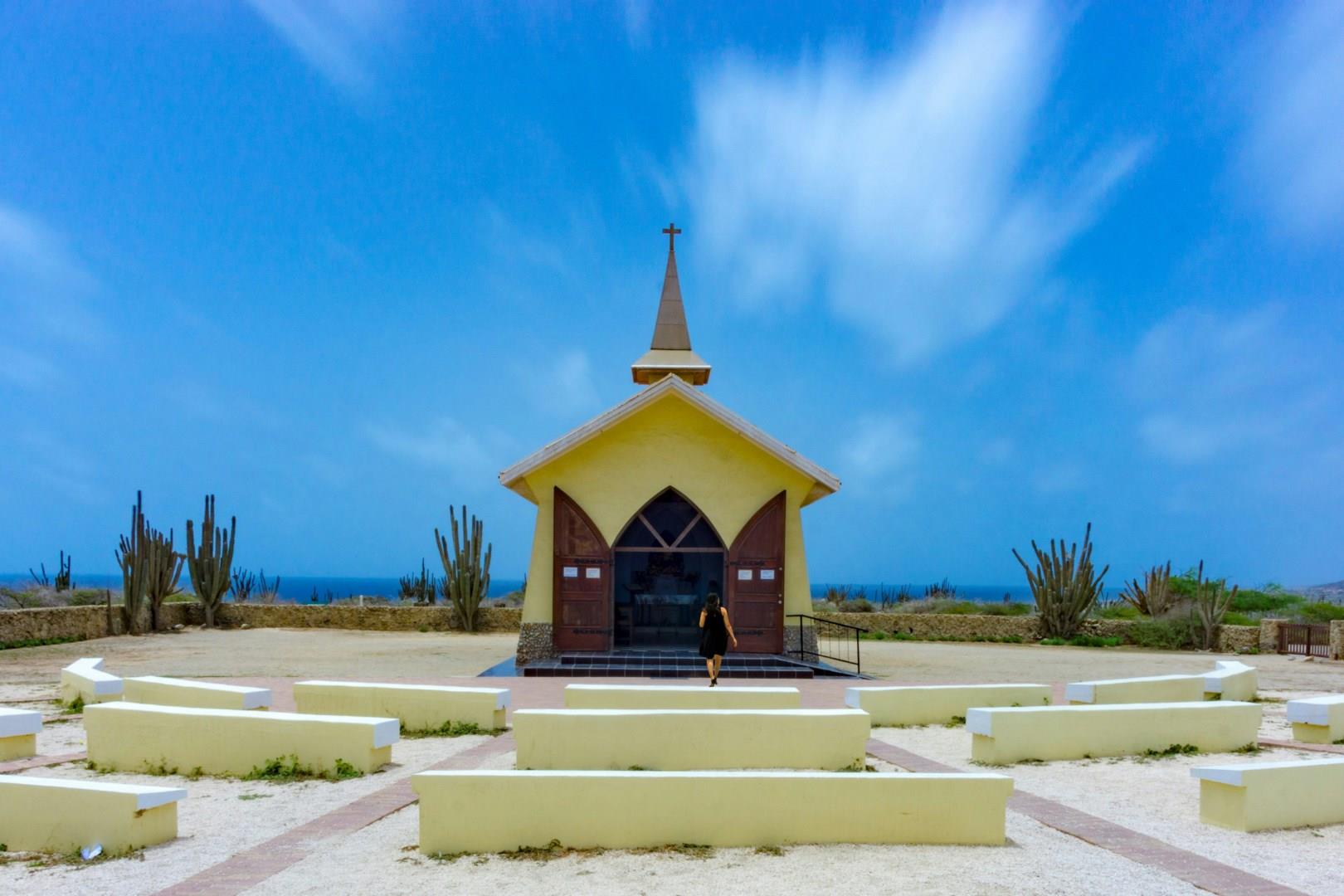
Noord, located on the northern tip of Aruba, is where much of the island’s lively tourism scene comes to life. This district is home to the famous Palm Beach, a two-mile stretch of soft sand lined with high-rise resorts, chic beach clubs, and a vibrant mix of restaurants and nightlife.
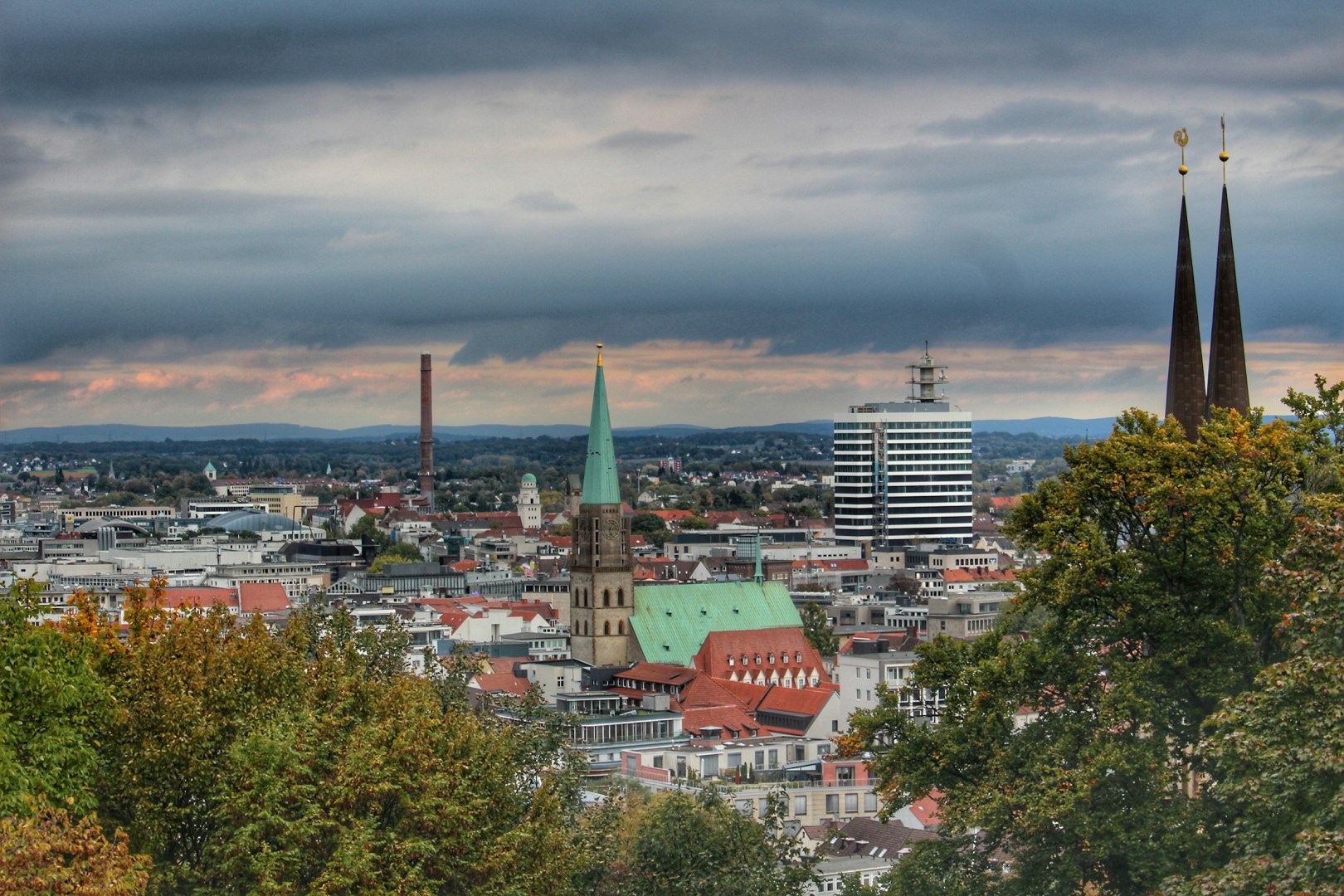
Bielefeld
Southwest of Hannover in western Germany, Bielefeld lies near the Teutoberg Forest, the site of the 9th century Battle of Teutoberg Forest.
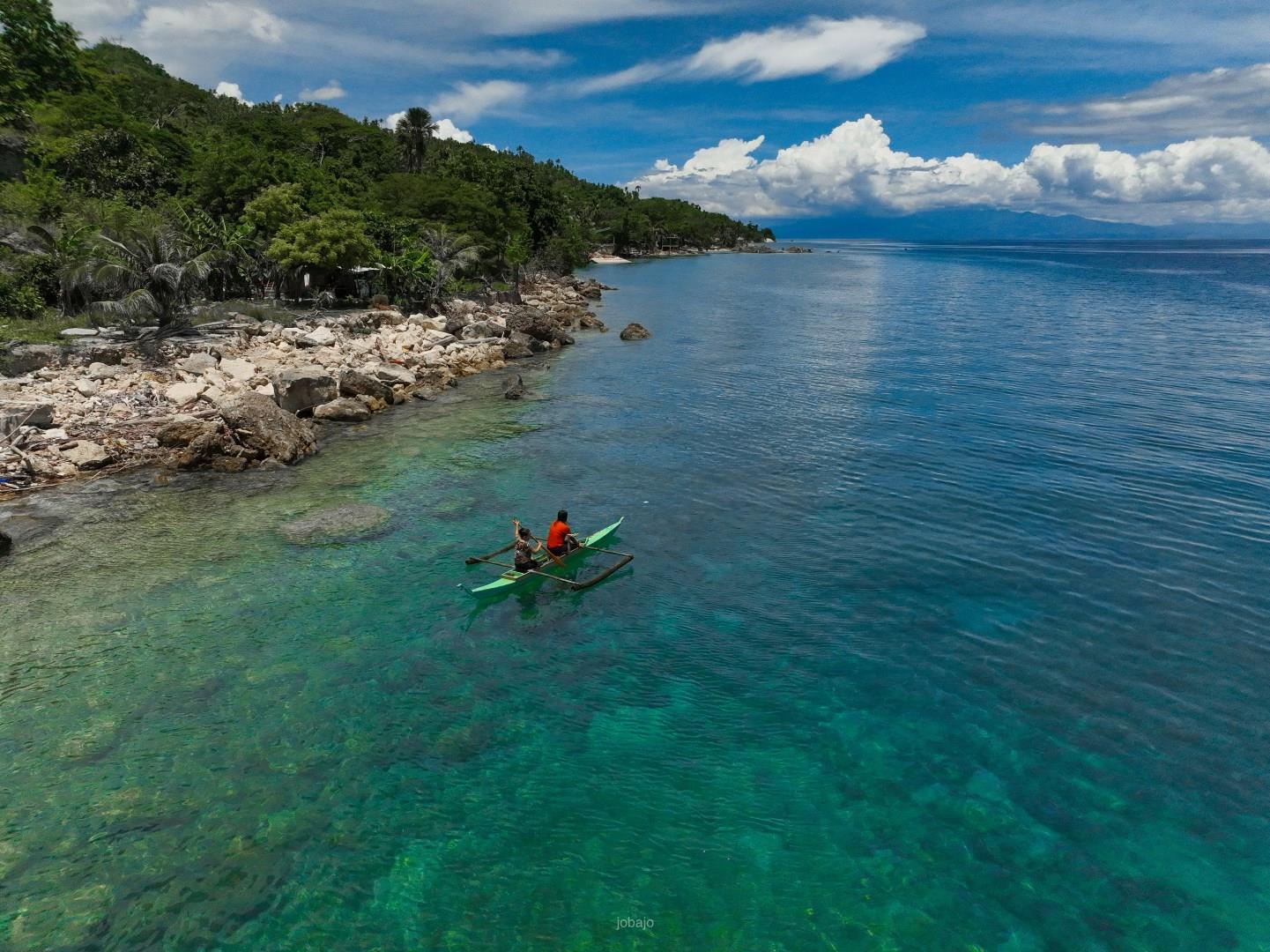
Cebu
Cebu sits at the center of the central Philippines, shaped by seafaring trade and early colonial contact. It was here that Spanish rule first took hold in the 16th century, leaving a legacy visible in churches, street patterns, and long-standing ties to Catholic tradition.
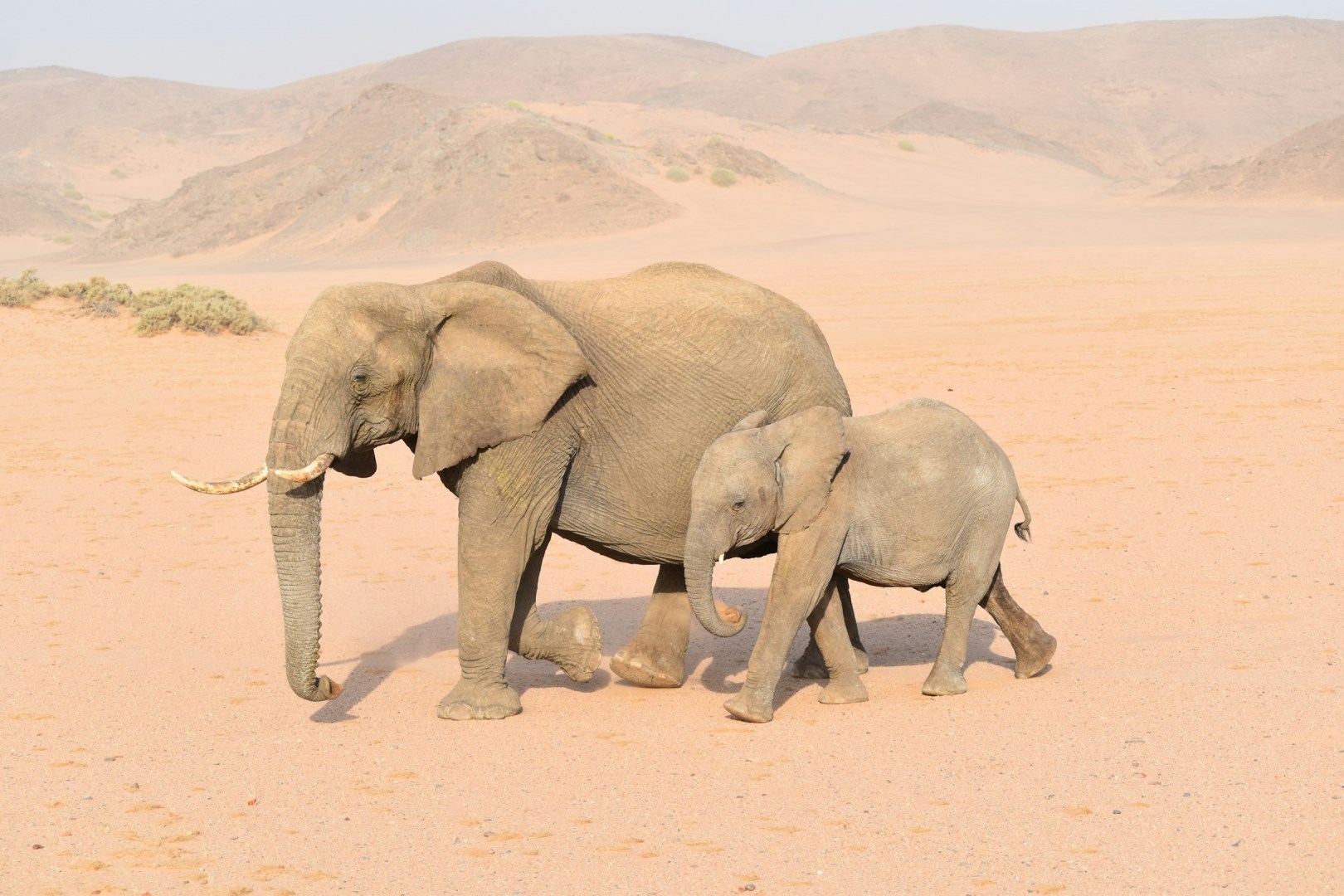
Damaraland
Damaraland, located in northwestern Namibia, is a mesmerizing landscape where ancient history and natural beauty converge. This rugged region, part of the larger Kunene region, is renowned for its dramatic landscapes, including the breathtaking Brandberg Mountain, the highest peak in Namibia.