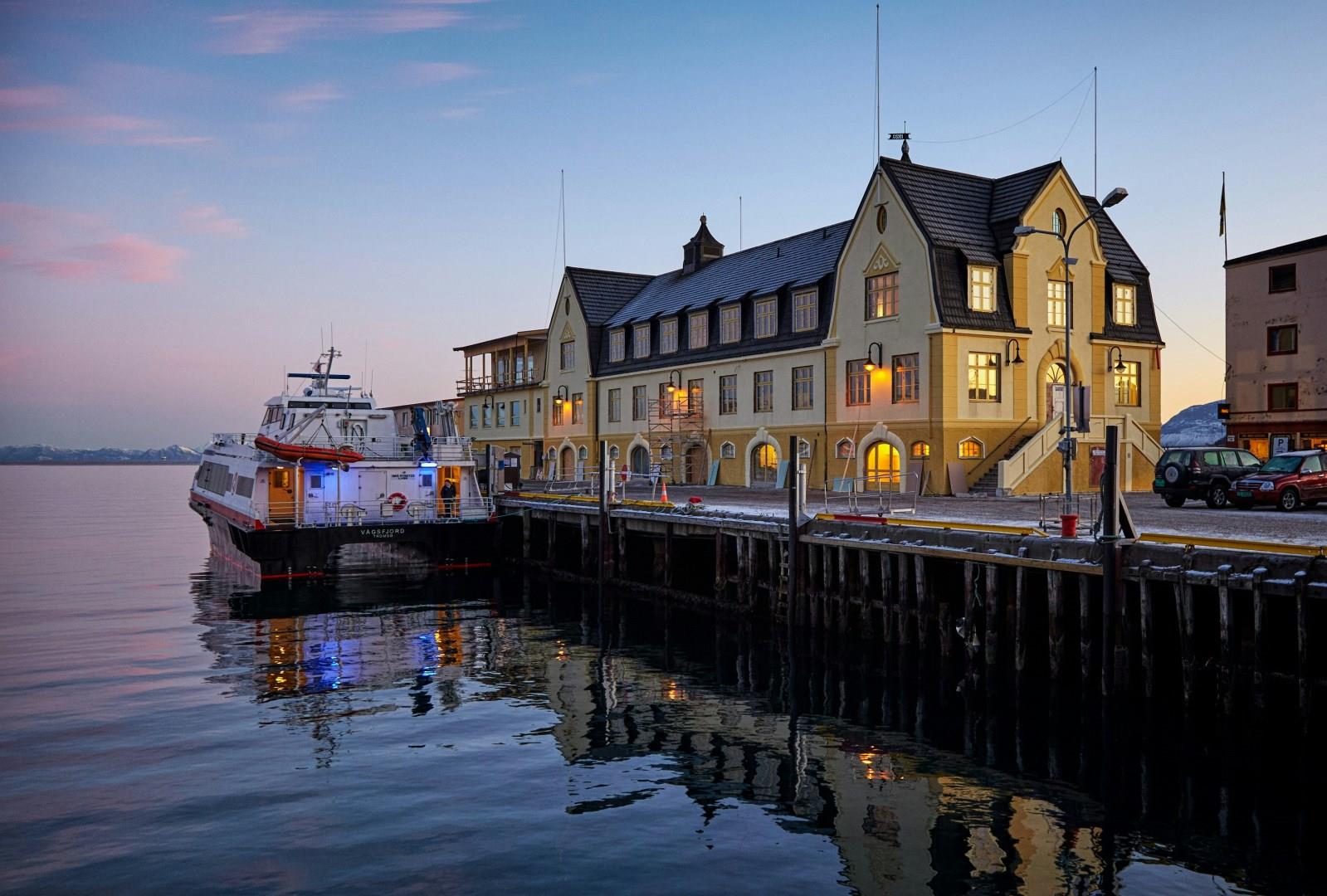
Harstad
Harstad is a coastal town in northern Norway, located on Hinnøya, the country’s largest island, and overlooking the strategic waters of Vågsfjorden. Its history spans from Viking settlements to modern fishing and shipping, giving the town a blend of maritime heritage and regional importance.
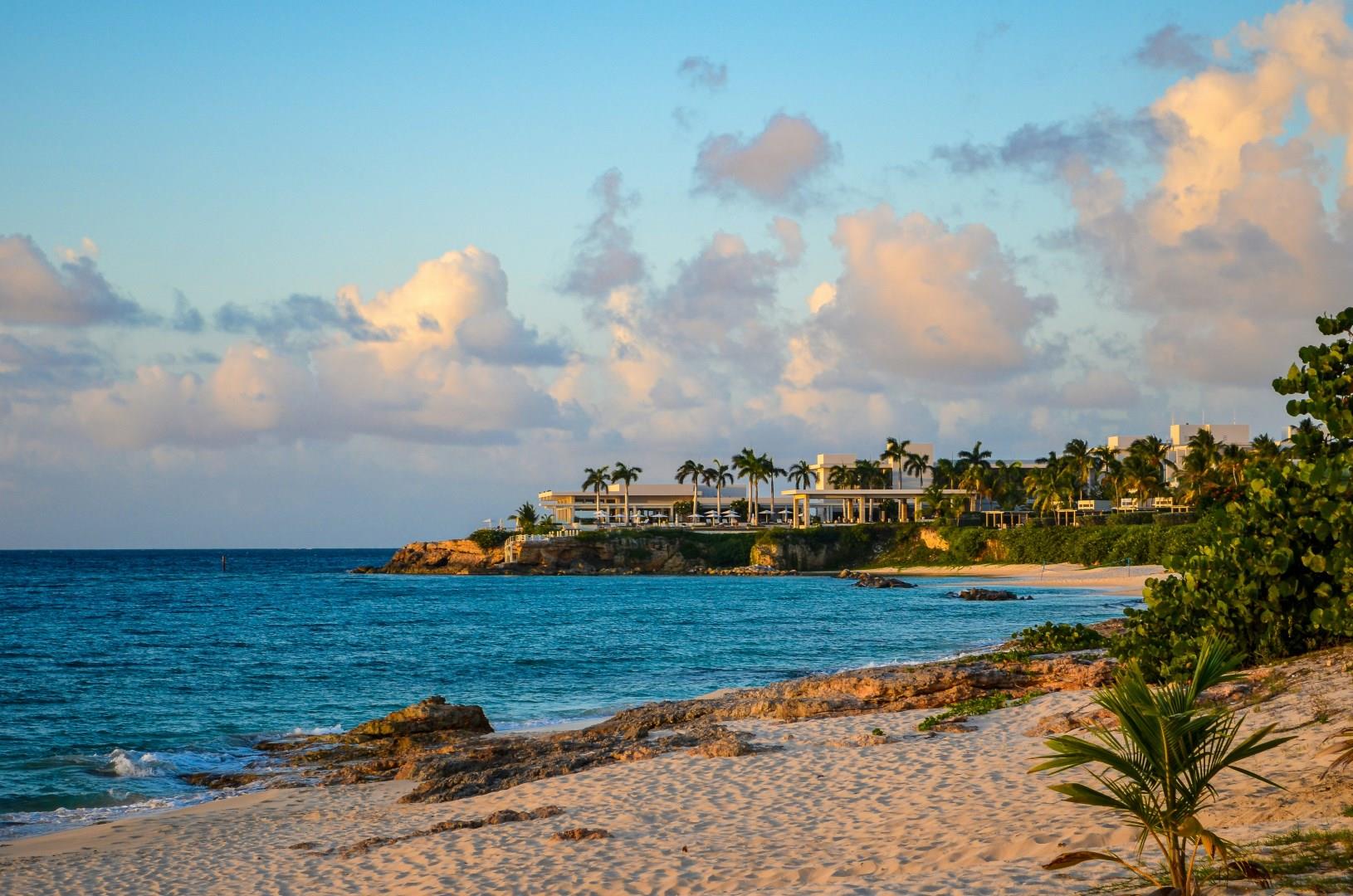
Barnes Bay
Barnes Bay, on Anguilla’s western coast, is one of the island’s most striking beaches, known for its golden sand and dramatic backdrop of rugged cliffs. The bay is less frequented than some of Anguilla’s more famous shores, giving it a serene, secluded atmosphere that makes it a favorite for those seeking a quieter escape.

Mt. Rushmore
Located about twenty-five miles southwest of Rapid City, South Dakota, lies Mount Rushmore. Following Highway 244 from the west leads to the orientation center. There exhibits tell how sculptor Gutzon Borglum carved away twice the rock needed to construct Egypt's Great Sphinx (which isn't even as tall as Washington's nose).
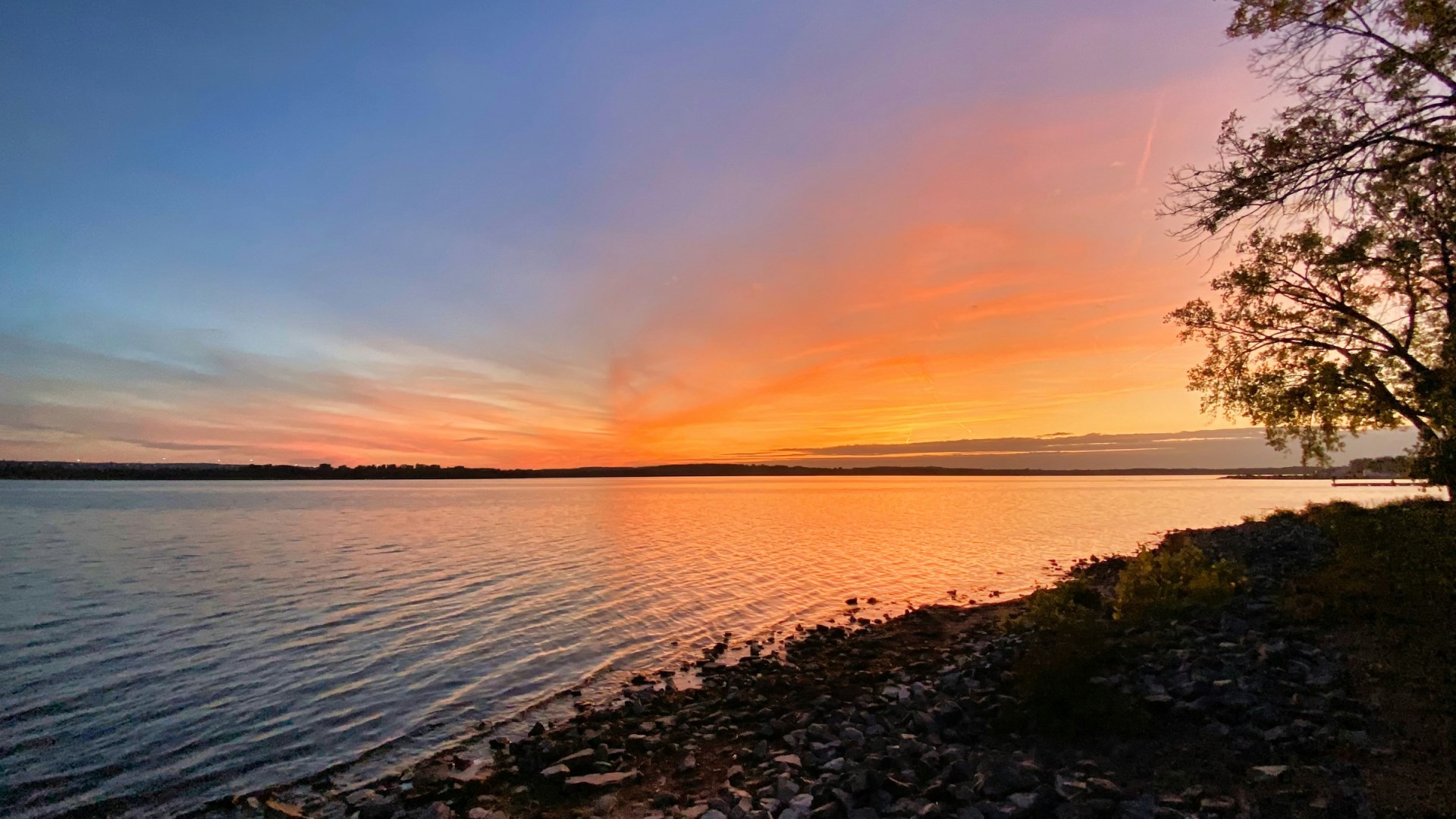
Liverpool
Liverpool, New York, offers a charming retreat with its blend of historical appeal and picturesque landscapes. Nestled along the eastern shore of Onondaga Lake, this village boasts a rich history dating back to the early 19th century. A highlight of Liverpool's heritage is the Onondaga Lake Park, which provides scenic walking trails, picnic areas, and views of the lake

Bandon
Bandon is a coastal city on Oregon’s southern coast, positioned beside the Coquille River and the Pacific Ocean. Its setting combines a small harbor, sandy beaches, forested areas, and a rugged shoreline marked by offshore sea stacks. The city is known for its relaxed coastal character and its connection to the surrounding landscape rather than large-scale development. Bandon’s Old Town district contains shops, galleries, restaurants, and historic buildings, while the waterfront provides access