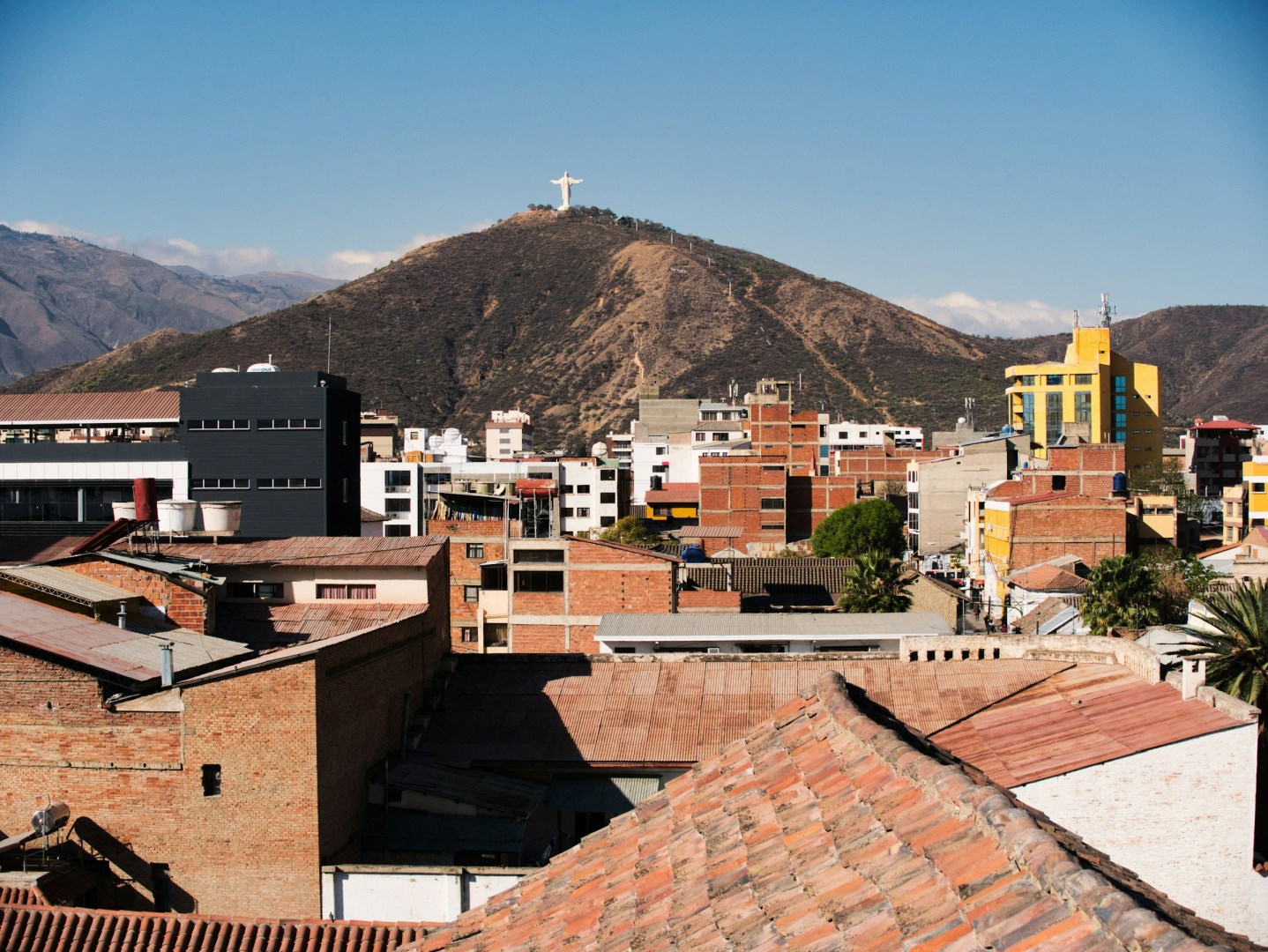
Utah
Utah is renowned for its diverse landscapes and outdoor adventures. The state is home to the "Mighty 5" national parks: Arches, Bryce Canyon, Canyonlands, Capitol Reef, and Zion. Each park offers unique geological formations and breathtaking scenery, from the iconic Delicate Arch in Arches to the towering cliffs of Zion.
Socotra
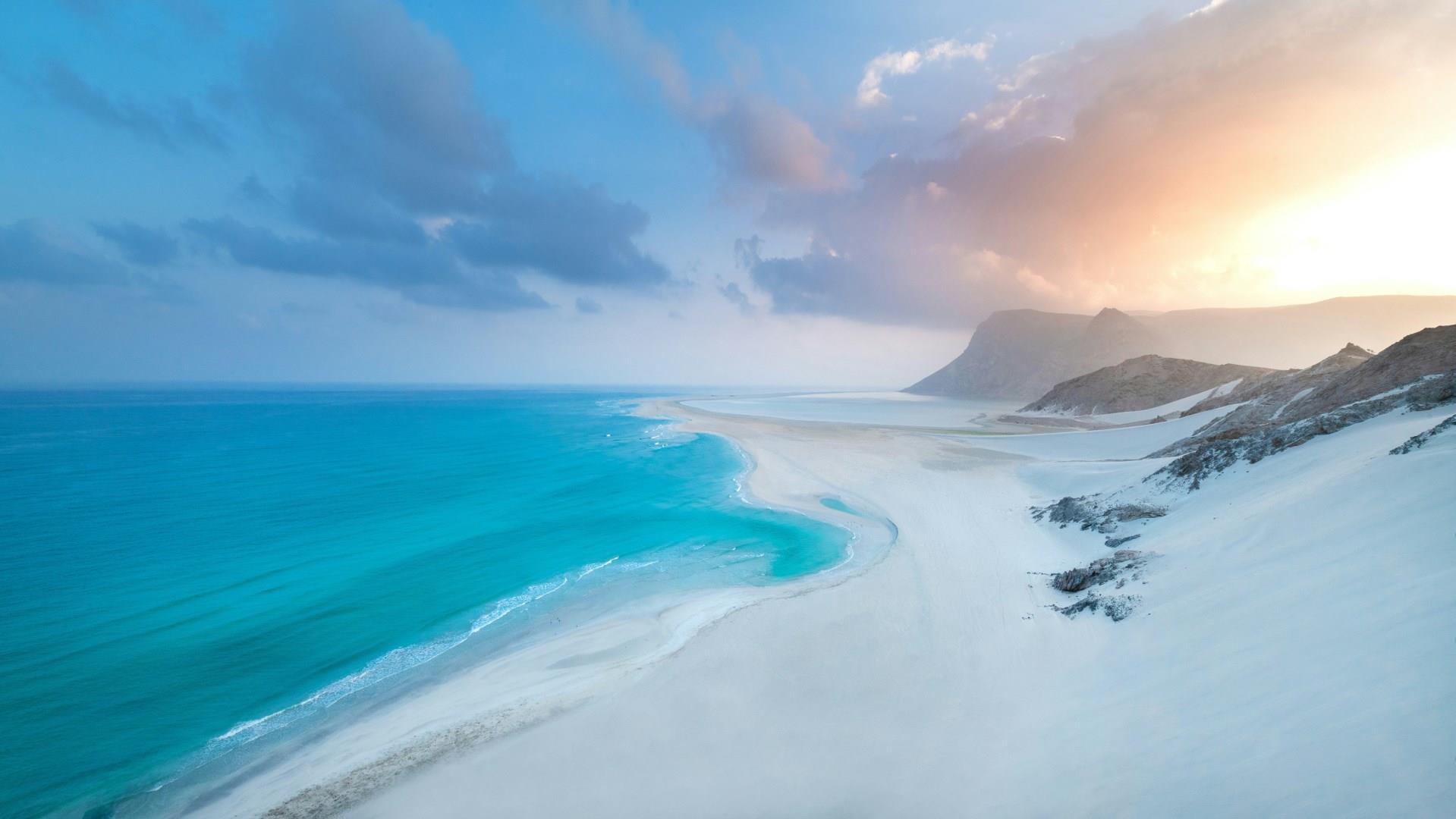
Socotra rises from the Arabian Sea like a world apart, its landscapes shaped over millennia. The Dragon’s Blood Trees, with their umbrella-shaped crowns and deep red sap, stand among the most iconic sights here. In places like Dixam Plateau and Homhil Forest, these trees gather in sparse formations, creating scenes that feel both ancient and alien. The resin remains valued for traditional dyes and remedies.
Saranda
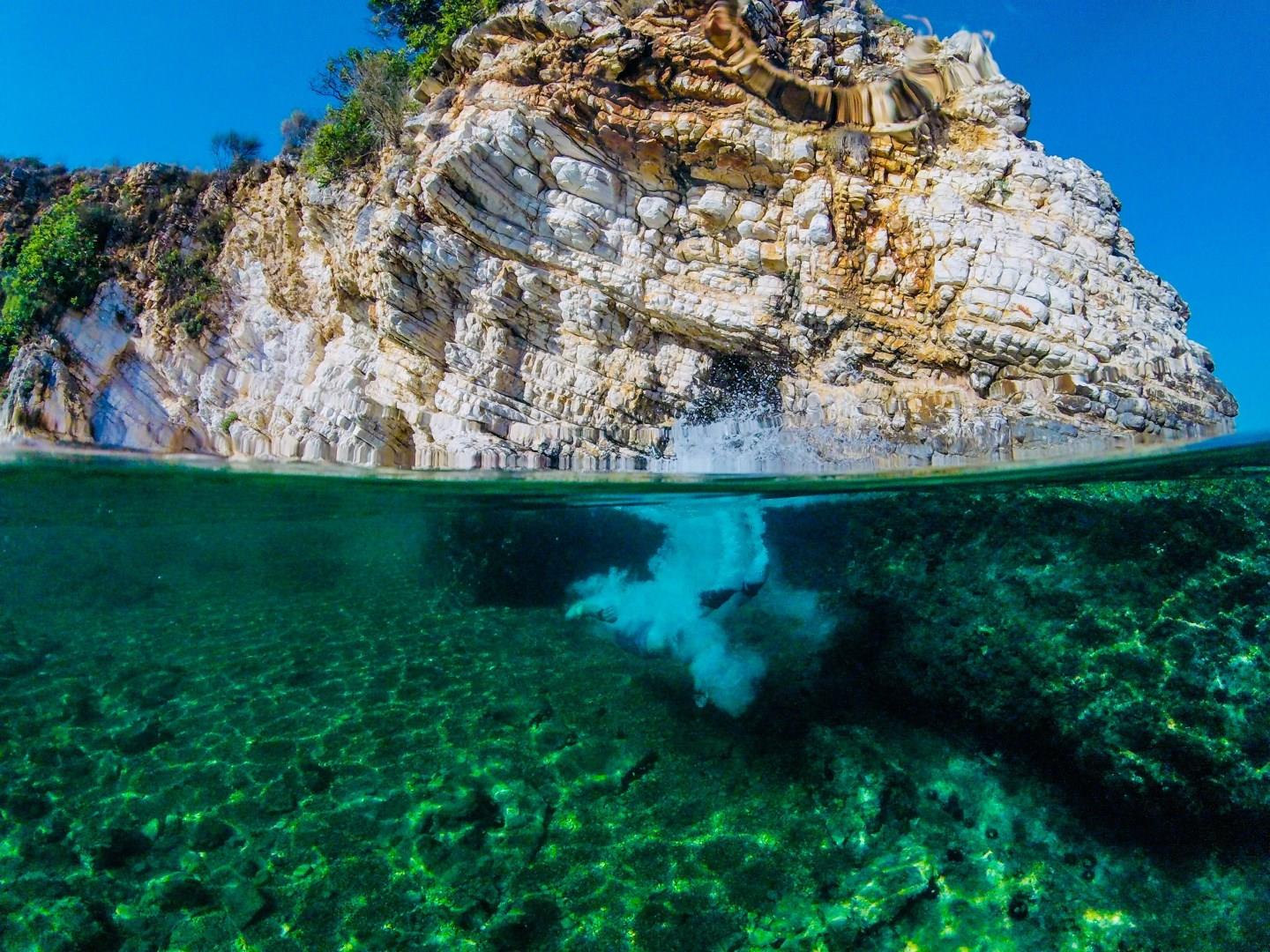
Saranda, a coastal town in southern Albania, is a hidden gem with stunning beaches and crystal-clear waters. The town's vibrant promenade is lined with cafes, restaurants, and shops. Saranda is known for its mild Mediterranean climate, making it a year-round destination for those looking to escape colder weather. During the summer months, Saranda's population multiplies several times.
La Esperanza
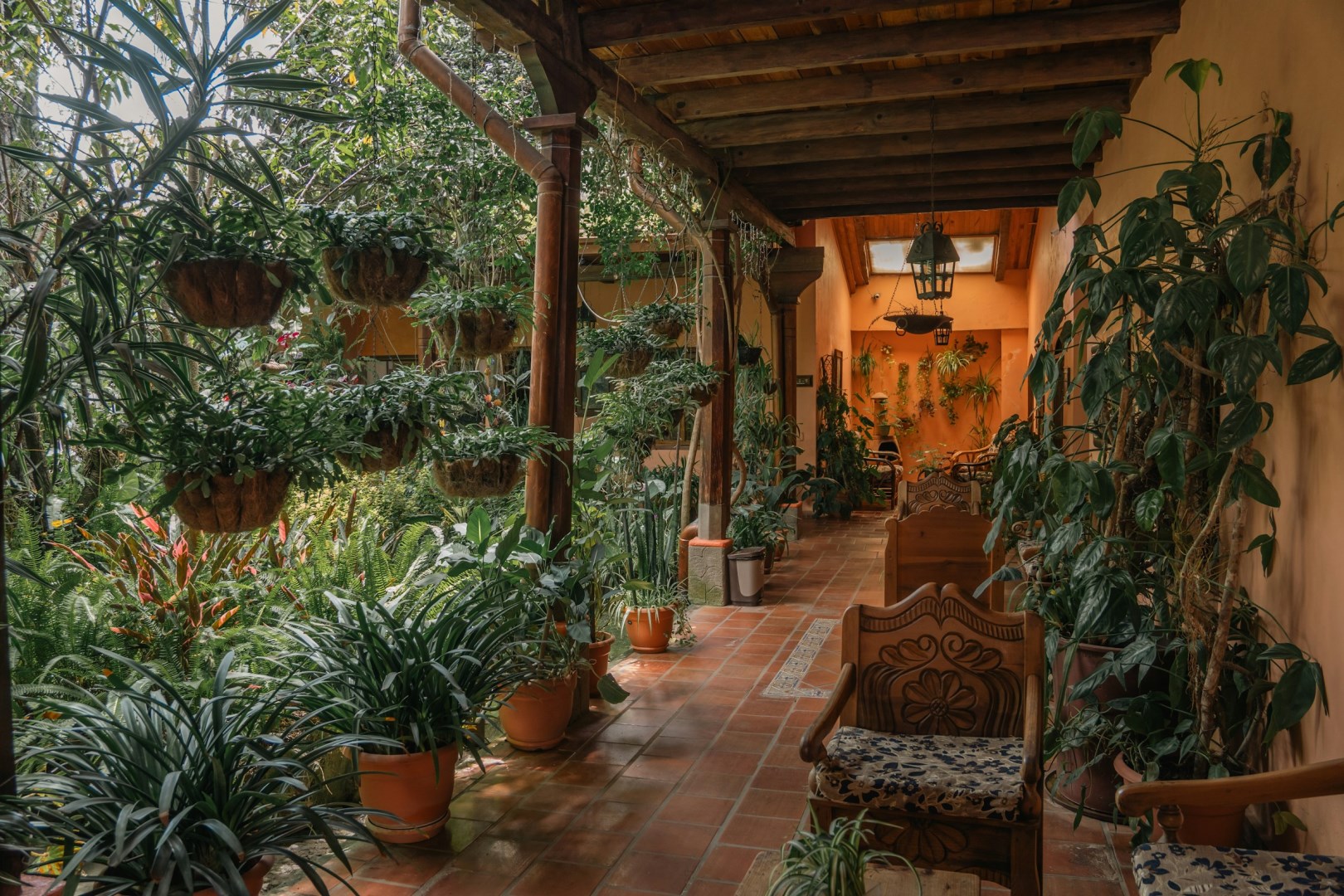
La Esperanza is a highland city in Honduras and the capital of Intibucá department, situated in a cool mountain valley surrounded by pine-covered slopes. The city forms part of the Ruta Lenca, a cultural route through western Honduras, and is closely connected with the Lenca people and their traditions.
Ballito
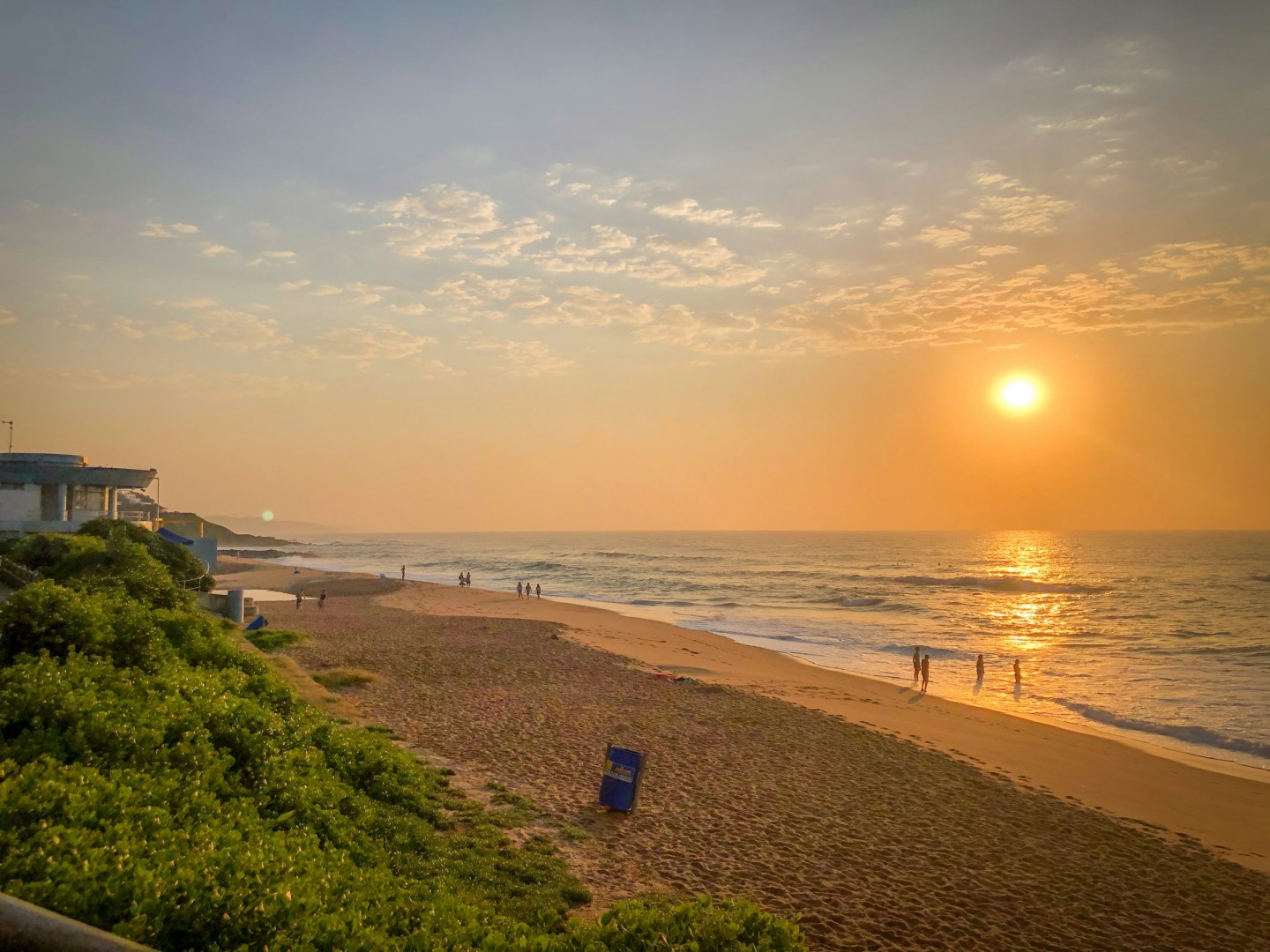
Ballito is a coastal town on South Africa’s KwaZulu-Natal North Coast, forming part of the area commonly known as the Dolphin Coast. It lies north of Durban along a subtropical stretch of the Indian Ocean, with sandy beaches, rocky coves, and warm coastal waters defining much of its setting. The town has grown from a small holiday and farming community into a busy residential and visitor centre, with restaurants, cafés, shopping areas, and accommodation. Its position also makes it a useful base