Gallipoli
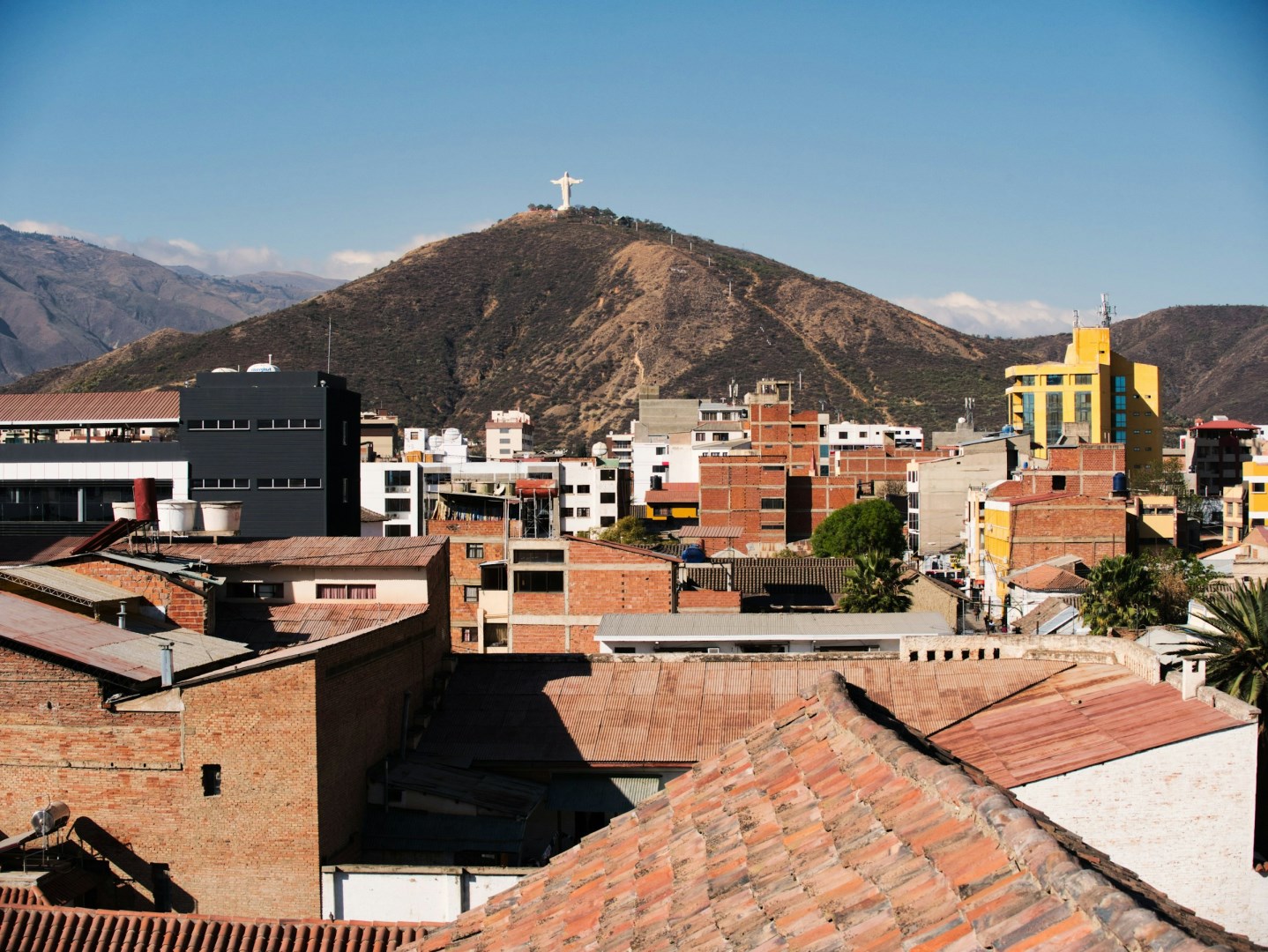
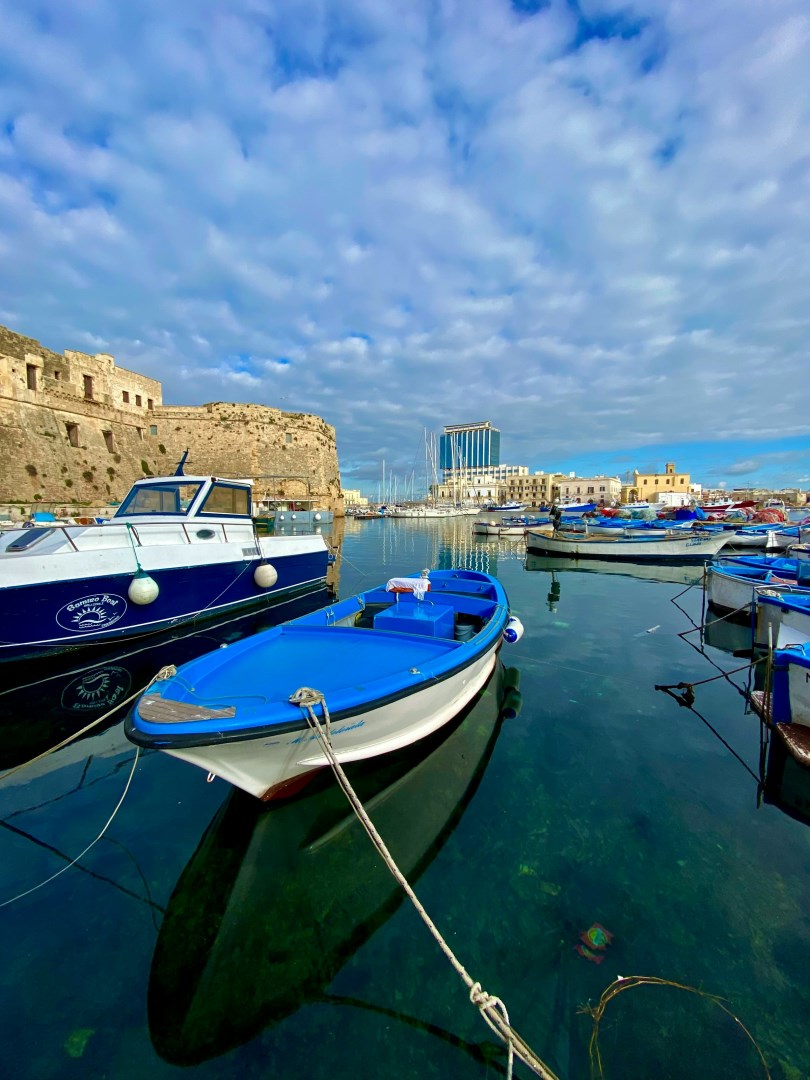
Gallipoli is a coastal town in Puglia’s Salento peninsula, built around an old city that occupies a limestone island just offshore from the modern mainland. A bridge connects the historic island with the newer part of town, creating a distinctive layout shaped by the sea. The old center contains narrow streets, whitewashed buildings, small squares, churches, and remnants of defensive walls, while the waterfront opens toward the Ionian Sea.

Massachusetts
Massachusetts, a state steeped in American history and vibrant culture, offers visitors a rich tapestry of experiences. Begin your journey in Boston, the state capital, where history comes alive along the Freedom Trail. This 2.5-mile route takes you through pivotal sites such as the Massachusetts State House, Paul Revere’s House, and the Old North Church, where the famous signal lanterns were hung during the American Revolution.

Dominica
Dominica, known as the “Nature Island of the Caribbean,” is a haven for eco-tourists and adventure seekers. Nestled between the French islands of Guadeloupe and Martinique, this lush island boasts a remarkable landscape of volcanic mountains, dense rainforests, and stunning waterfalls. Dominica’s most iconic natural wonder is the Boiling Lake, the second-largest hot spring in the world.
Panama City
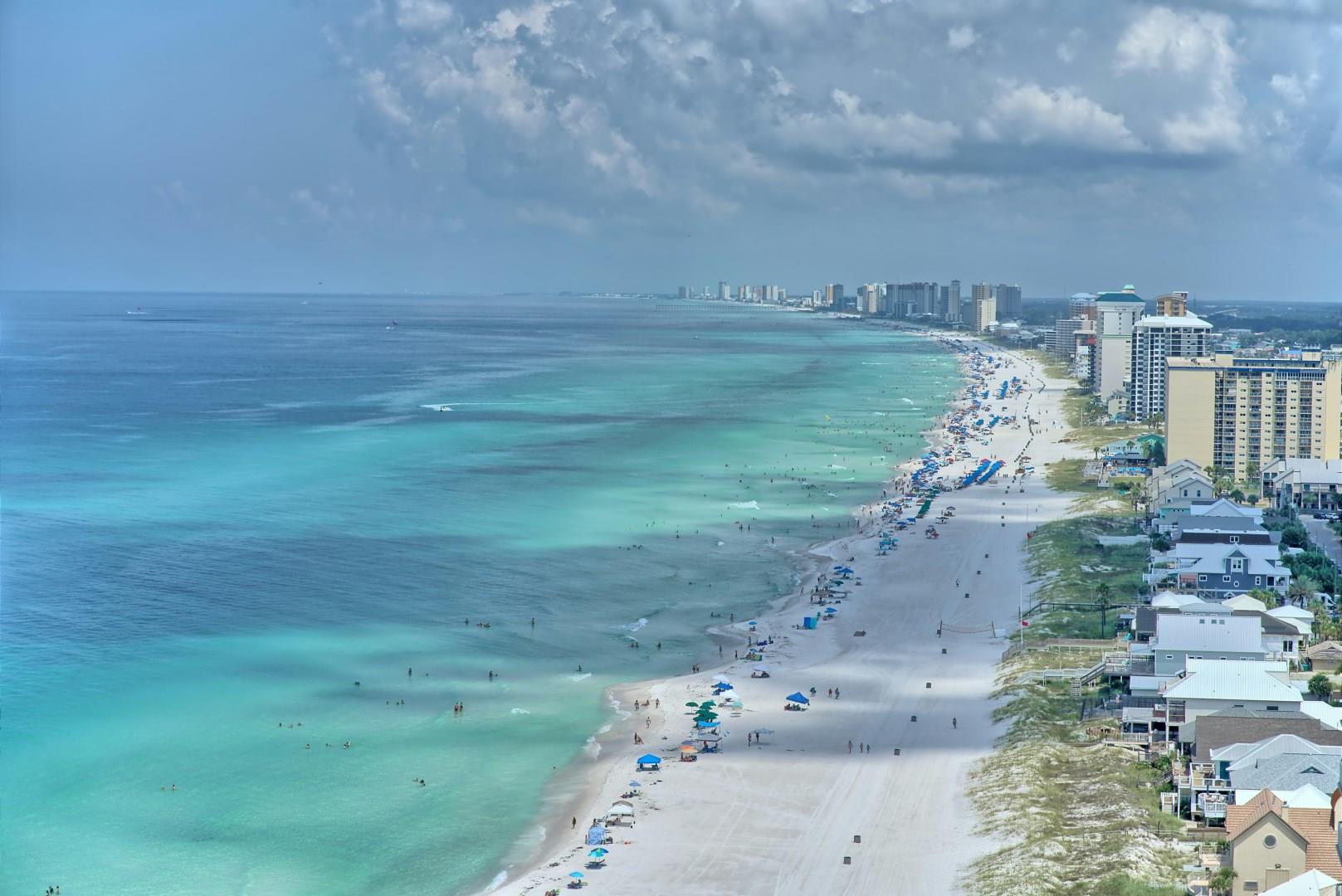
Panama City, Florida, sits along the Gulf Coast where maritime history and modern beach culture intersect. Originally tied to shipbuilding and fishing, the city developed around St. Andrews Bay, which still anchors local identity through working marinas and long-established neighborhoods.
Snæfellsnes
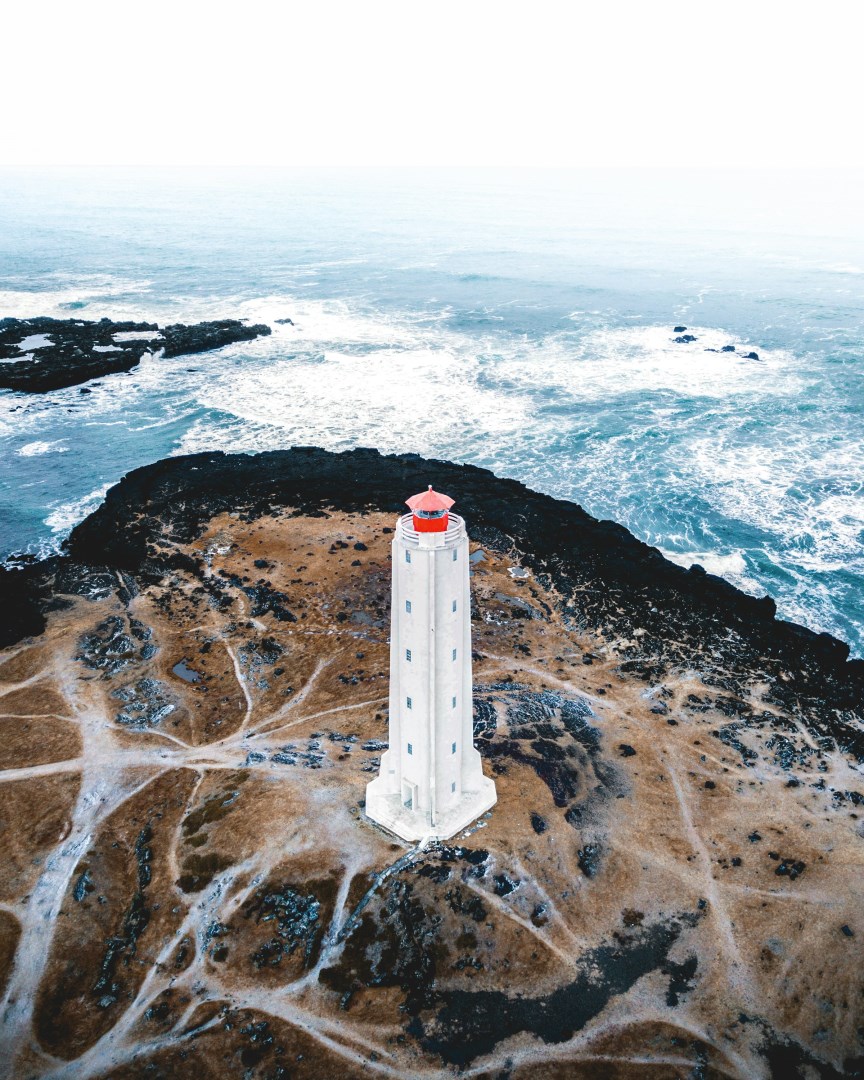
The Snæfellsnes peninsula in western Iceland is sometimes referred to as "Iceland in Miniature" thanks to the many national sights found in the nearby area. The diverse landscape includes fascinating vistas of glistening fjords, dramatic volcanoes, and rugged seascapes.