Cankuzo
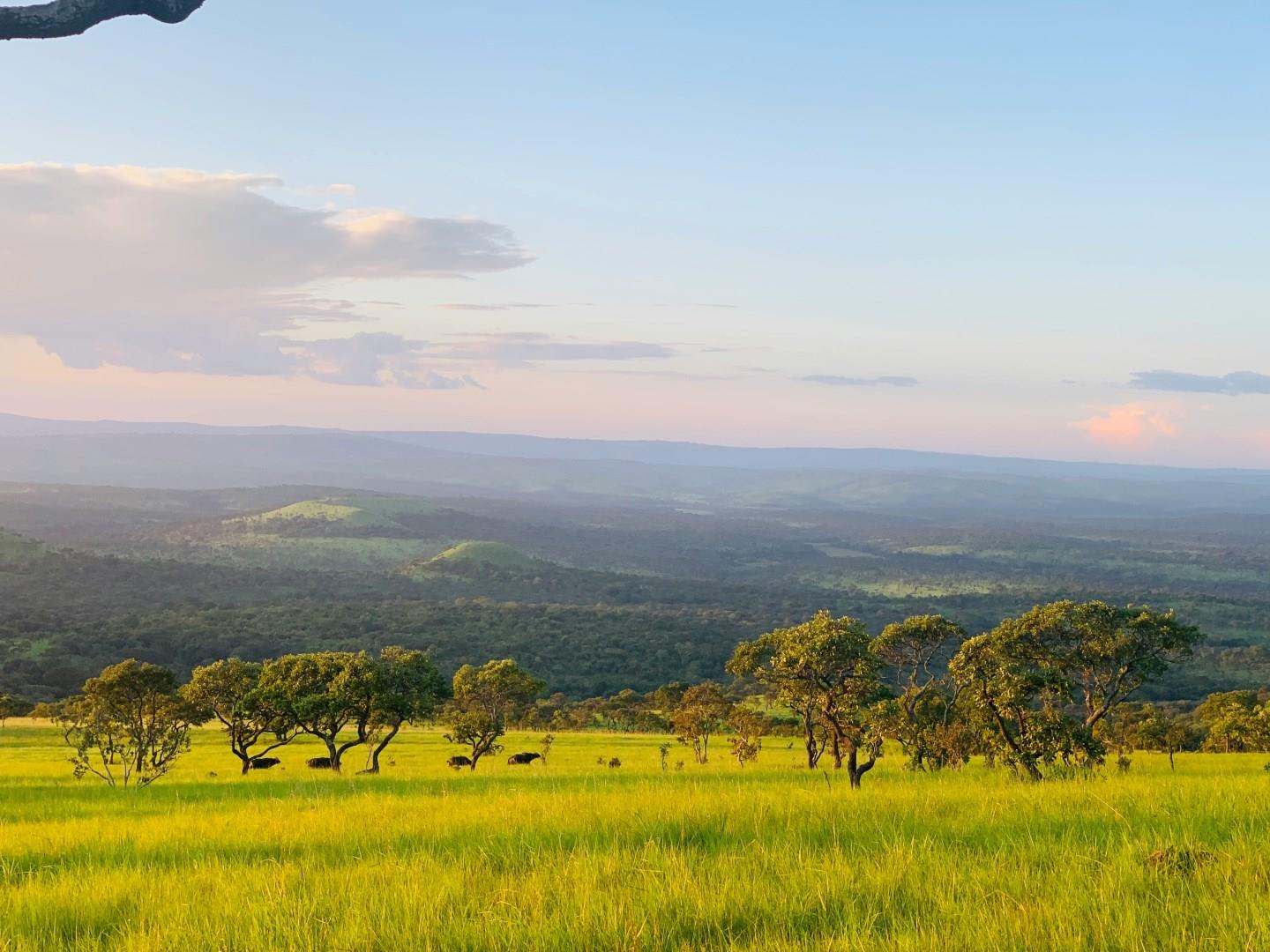
Cankuzo, tucked in Burundi’s eastern corner near the Tanzanian border, offers travelers a lesser-known but deeply rewarding experience. Known for its rolling hills, scattered woodlands, and untouched landscapes, Cankuzo is one of the country’s least populated provinces, which adds to its charm. The region’s peaceful setting makes it an ideal place to experience rural Burundi in its most genuine form.
Ka'anapali, Maui
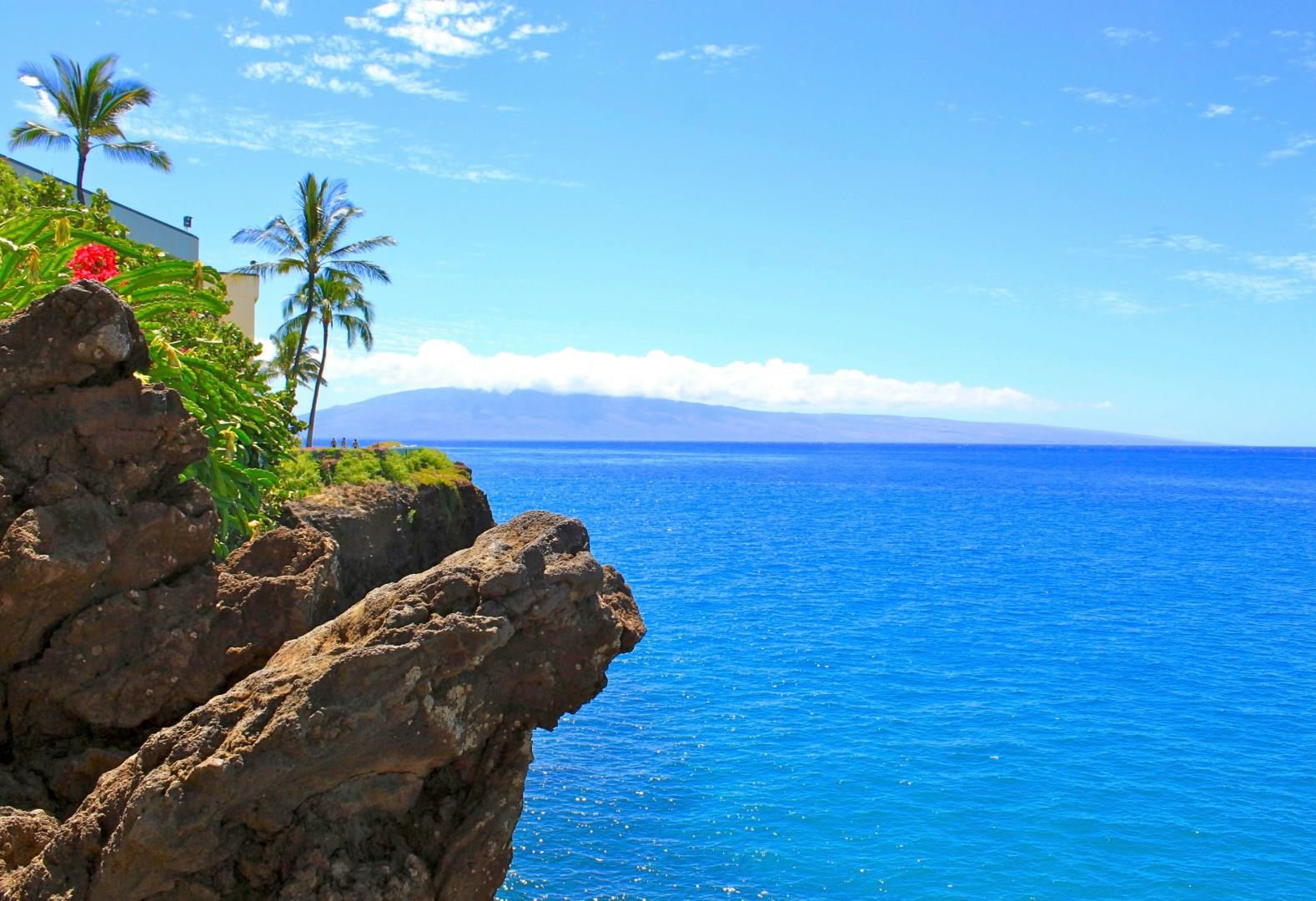
In ancient times, Kaanapali was a royal retreat for the rulers of Maui, who delighted in the perfect three-mile stretch of white sand beach, the gentle waves, warm sunny days and the majestic West Maui Mountains. Maui royalty surfed, raced their outrigger canoes, feasted at luaus that lasted for weeks, and where the Kaanapali Golf Course now blankets the land, they played ulu maika, a form of lawn bowling with heavy lava balls.
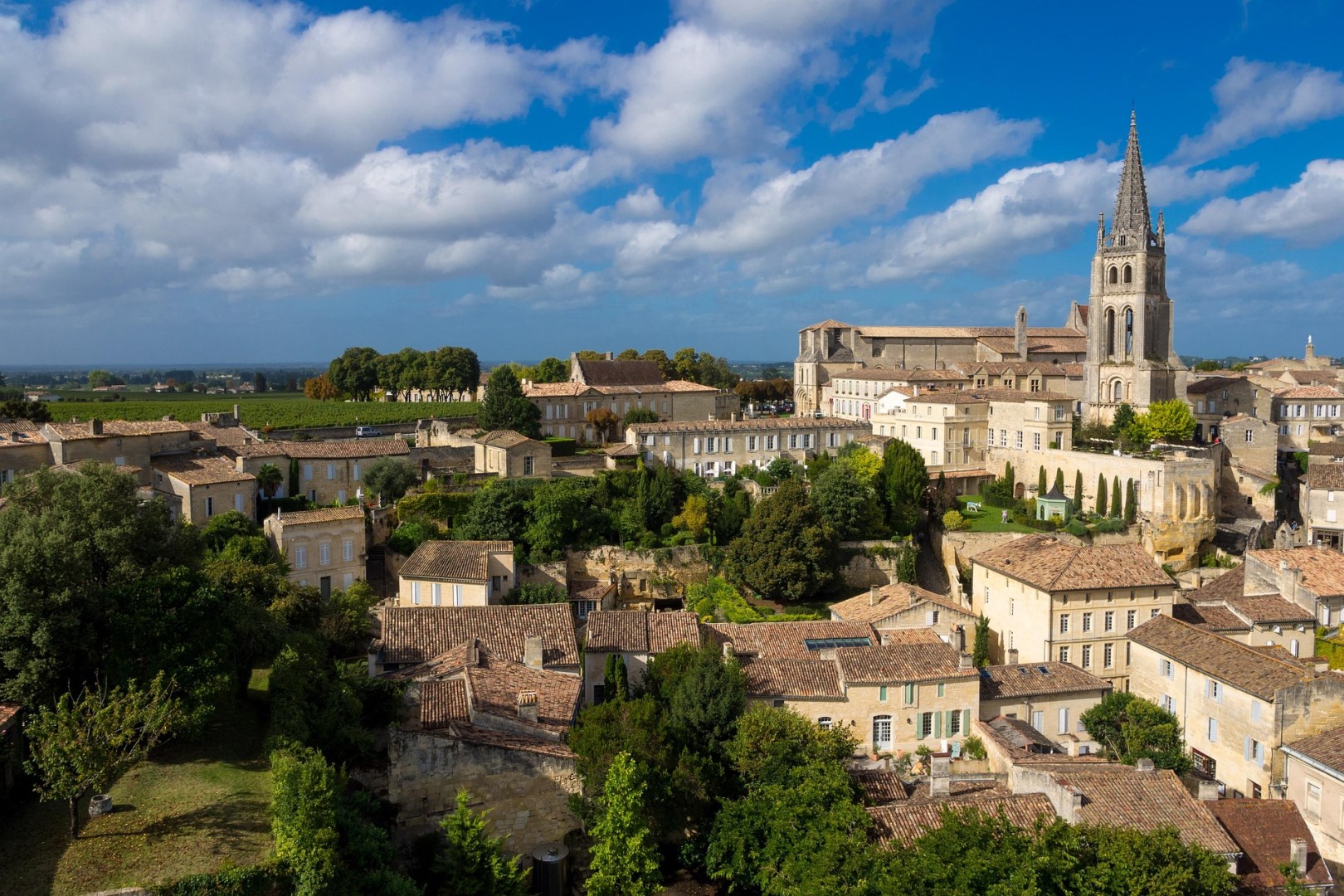
Saint-Émilion
Saint-Émilion, nestled in the heart of southwest France, is a living monument to centuries of craftsmanship, faith, and wine-making. Recognized as a UNESCO World Heritage Site since 1999, this medieval town sits on a limestone plateau surrounded by vineyards that date back to Roman times. Visitors can explore cobbled streets that wind past centuries-old stone houses, descend into underground catacombs carved by monks, and visit the astonishing Monolithic Church.
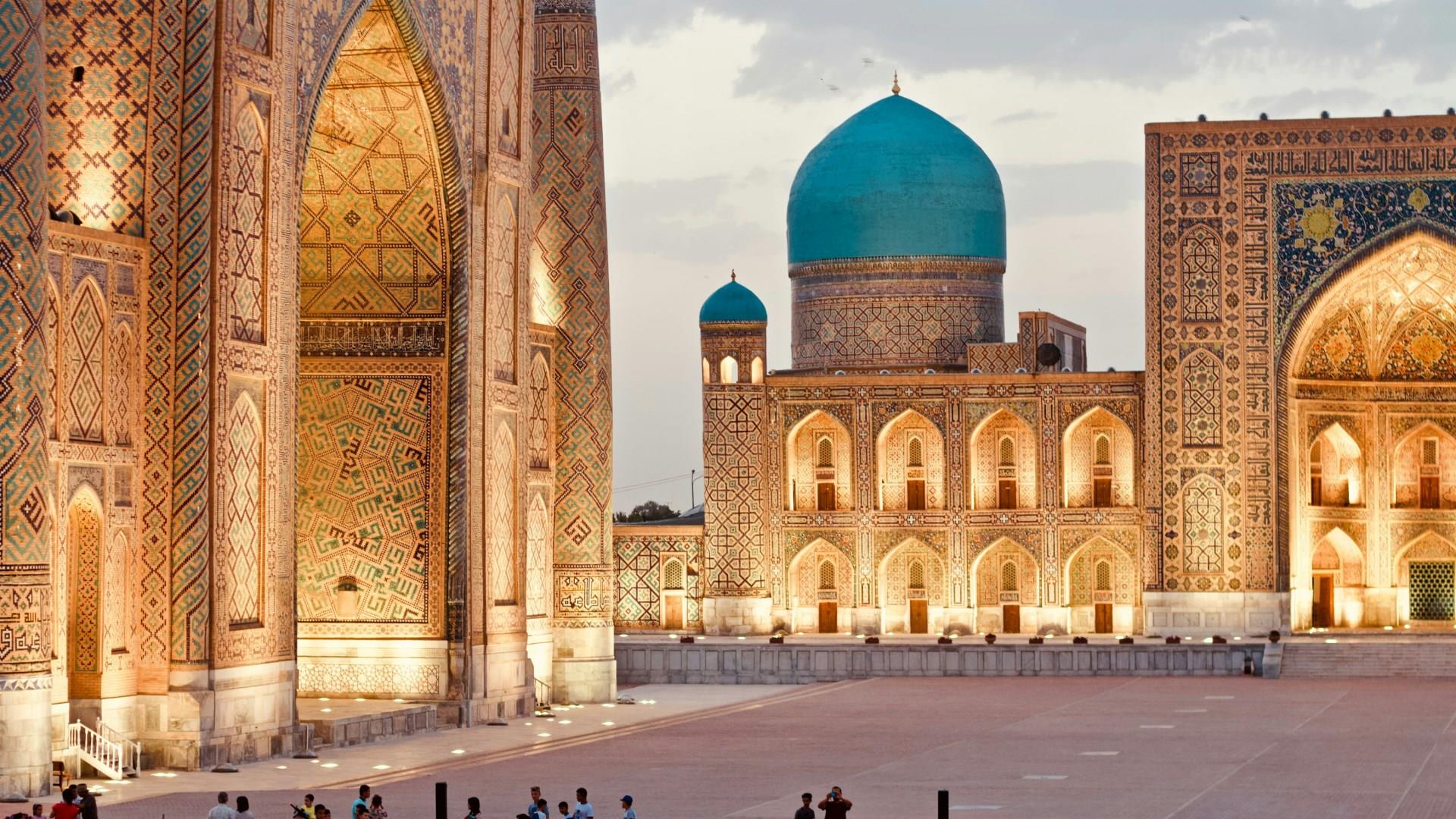
Uzbekistan
Uzbekistan lies at the heart of Central Asia and is renowned for its pivotal role along the ancient Silk Road. The country is home to some of the world’s most storied cities, where intricate Islamic architecture and centuries of trade have left a rich cultural legacy.

Vigo
Vigo is a vibrant city nestled in the heart of Galicia, Spain, on the shores of the Atlantic Ocean. It is a treasure trove of history, culture, and natural beauty with origins dating back to Roman times and a fascinating evolution that has transpired through the centuries.