Delft
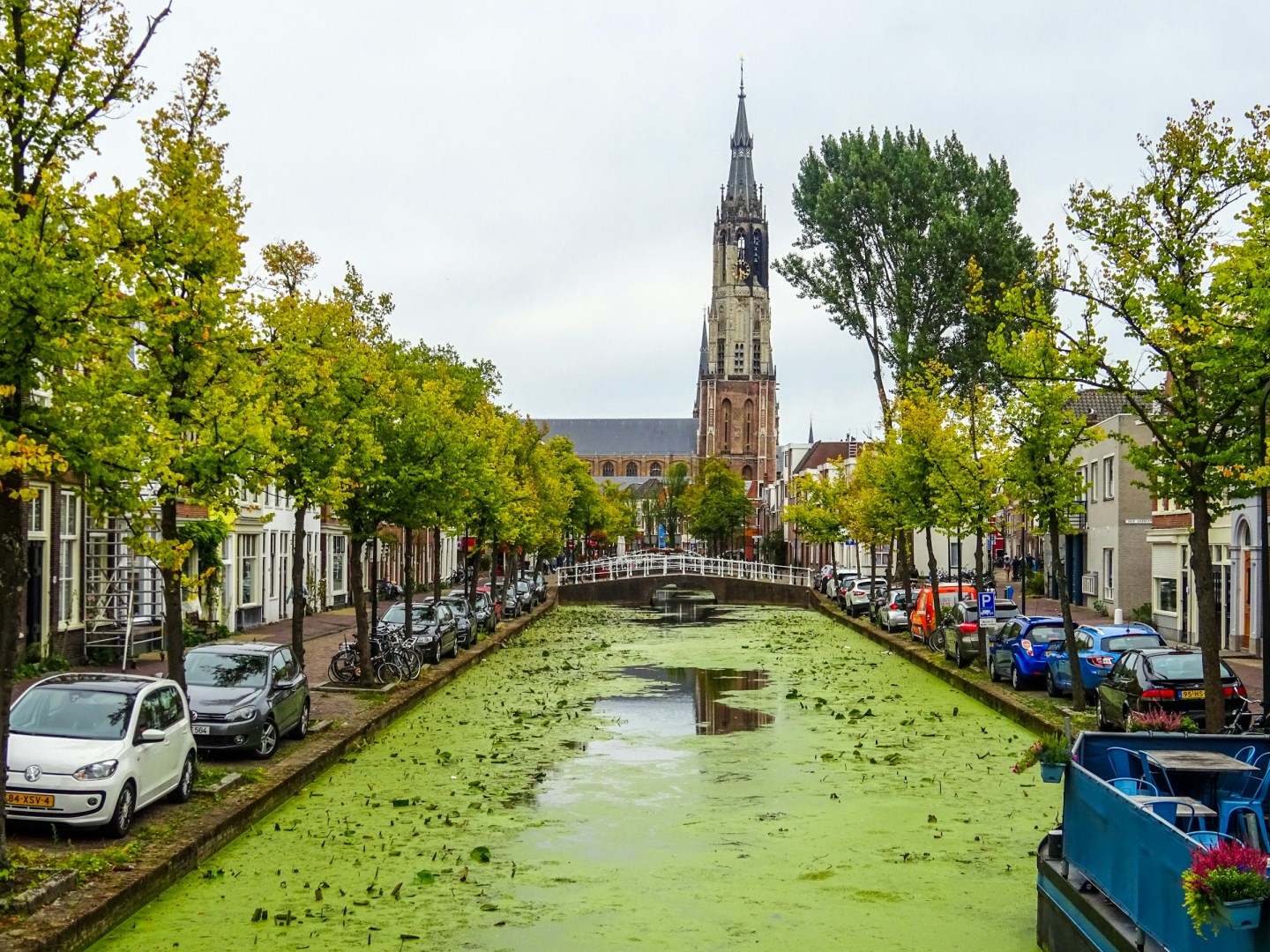
Delft is a historic city in the Dutch province of South Holland, situated between The Hague and Rotterdam and shaped by a network of canals and waterways. Its compact center contains narrow streets, brick houses, bridges, and quiet squares, with the Markt serving as a central public space. The Nieuwe Kerk rises on the eastern side of the square, while the Oude Kerk, recognizable by its leaning tower, stands beside one of Delft’s oldest canals.

Luxembourg
Luxembourg City, the capital of the Grand Duchy of Luxembourg, is a stunning blend of medieval charm and modern sophistication. Perched atop dramatic cliffs and surrounded by deep gorges, this city offers a unique and breathtaking landscape. The UNESCO-listed Old Town is an essential starting point for visitors, with its ancient fortifications, narrow cobblestone streets, and grand squares.

Tromso
Tromsø, a gem nestled in the Arctic Circle, offers an unparalleled blend of natural wonders and cultural richness. Known as the "Gateway to the Arctic," this Norwegian city is famed for its spectacular Northern Lights. Between September and April, Tromsø becomes a prime location for witnessing the aurora borealis, a mesmerizing display of green, purple, and pink lights dancing across the polar sky.
Ipole Iloro
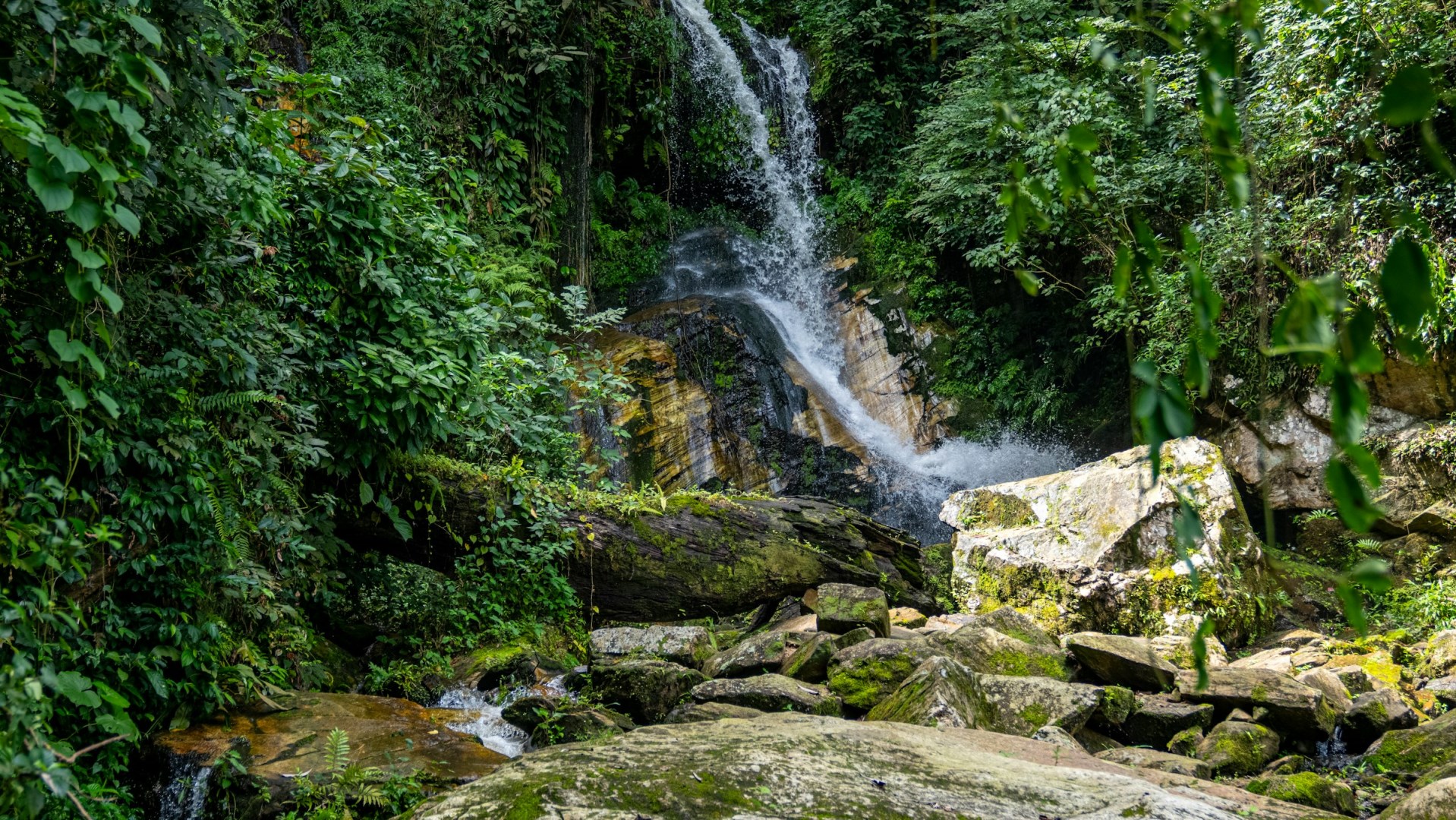
Ipole Iloro is a small town in Ekiti West Local Government Area of Ekiti State, southwestern Nigeria. Set within Ekiti’s hilly interior, the community is surrounded by forest, rocky slopes and agricultural land.
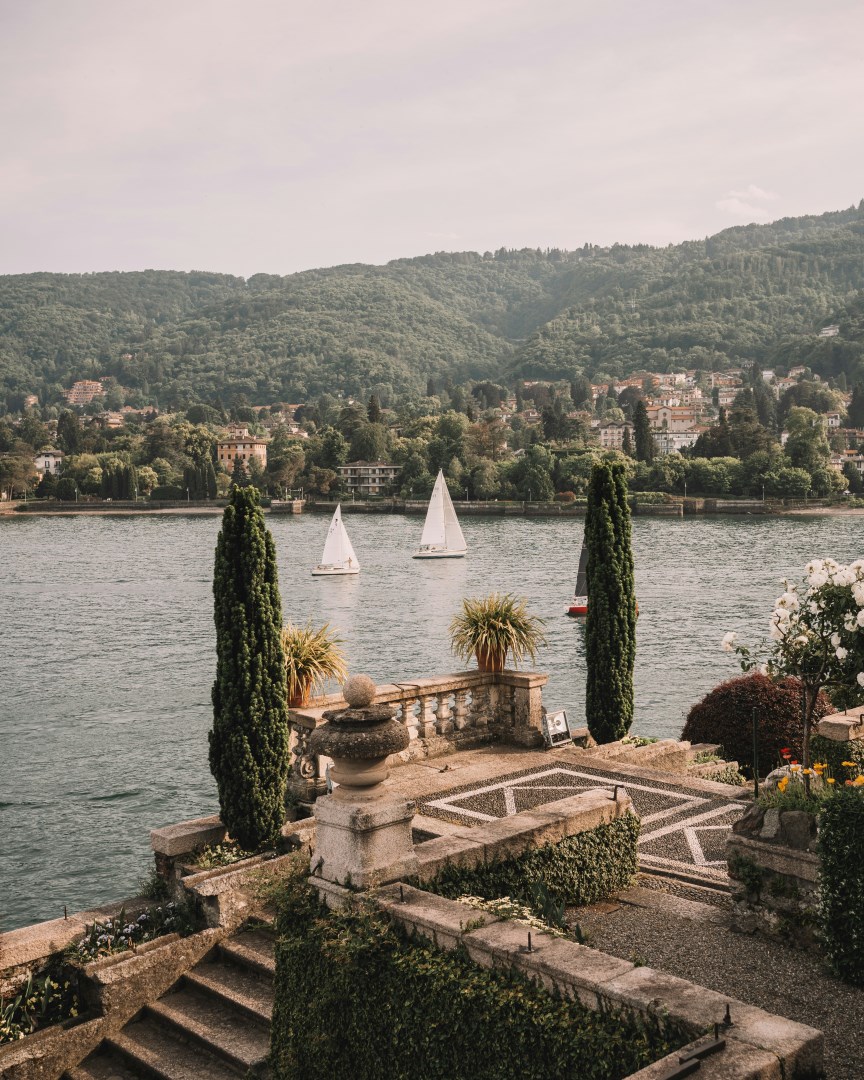
Stresa
Set along the western shore of Lake Maggiore, Stresa is one of northern Italy’s most graceful lakeside towns. Its elegant promenade, framed by grandhotels and views of the Borromean Islands, has attracted travelers since the 19th century, from European nobility to writers like Ernest Hemingway.