Peso da Régua
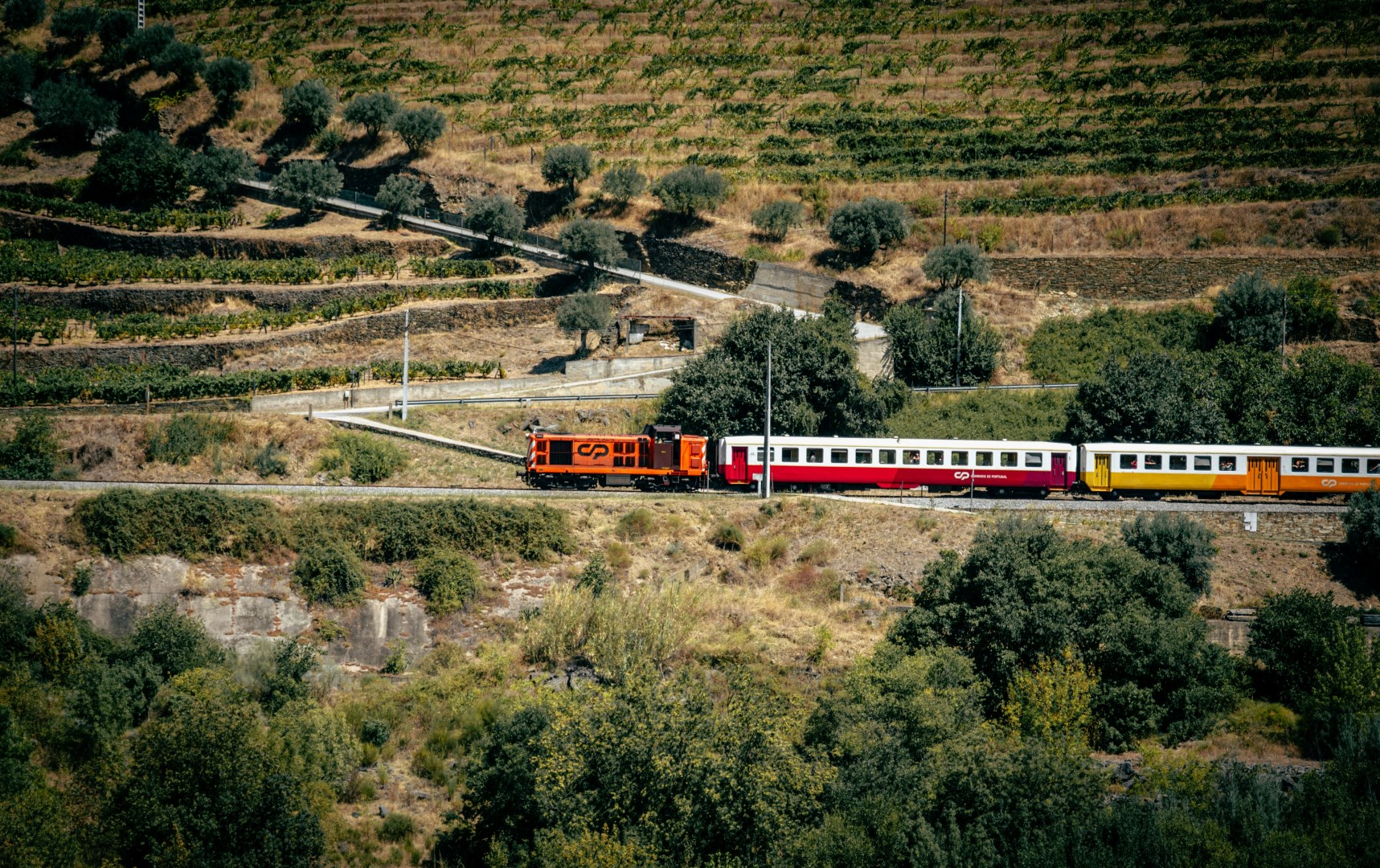
Peso da Régua, often called the gateway to Portugal's Douro Valley, sits along the banks of the Douro River and is surrounded by steep, terraced vineyards. The town has long been central to the production of the world-famous Port wine, and visitors can explore the rolling hills covered with neatly arranged grapevines that climb dramatically from the river’s edge. The town itself offers a quiet riverside charm, with narrow streets, historic buildings, and scenic viewpoints.
Maligne Lake
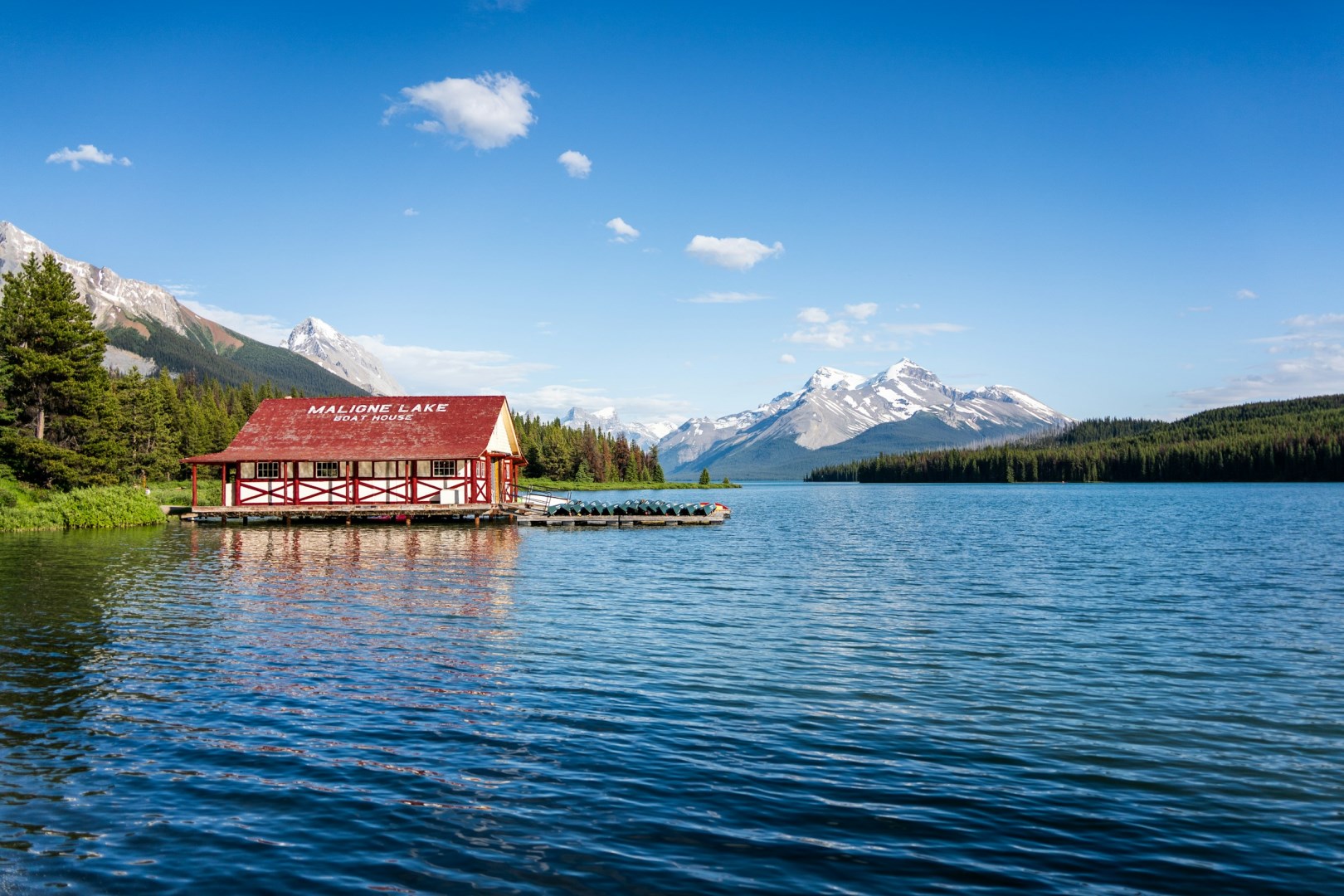
Maligne Lake is a long, glacially fed lake in Jasper National Park in Alberta’s Canadian Rockies. Surrounded by steep mountain peaks, forests, and alpine terrain, it is one of the largest lakes in the park and an important part of the Maligne Valley. The lake extends deep into the mountains, with several smaller islands and sheltered bays along its shoreline.
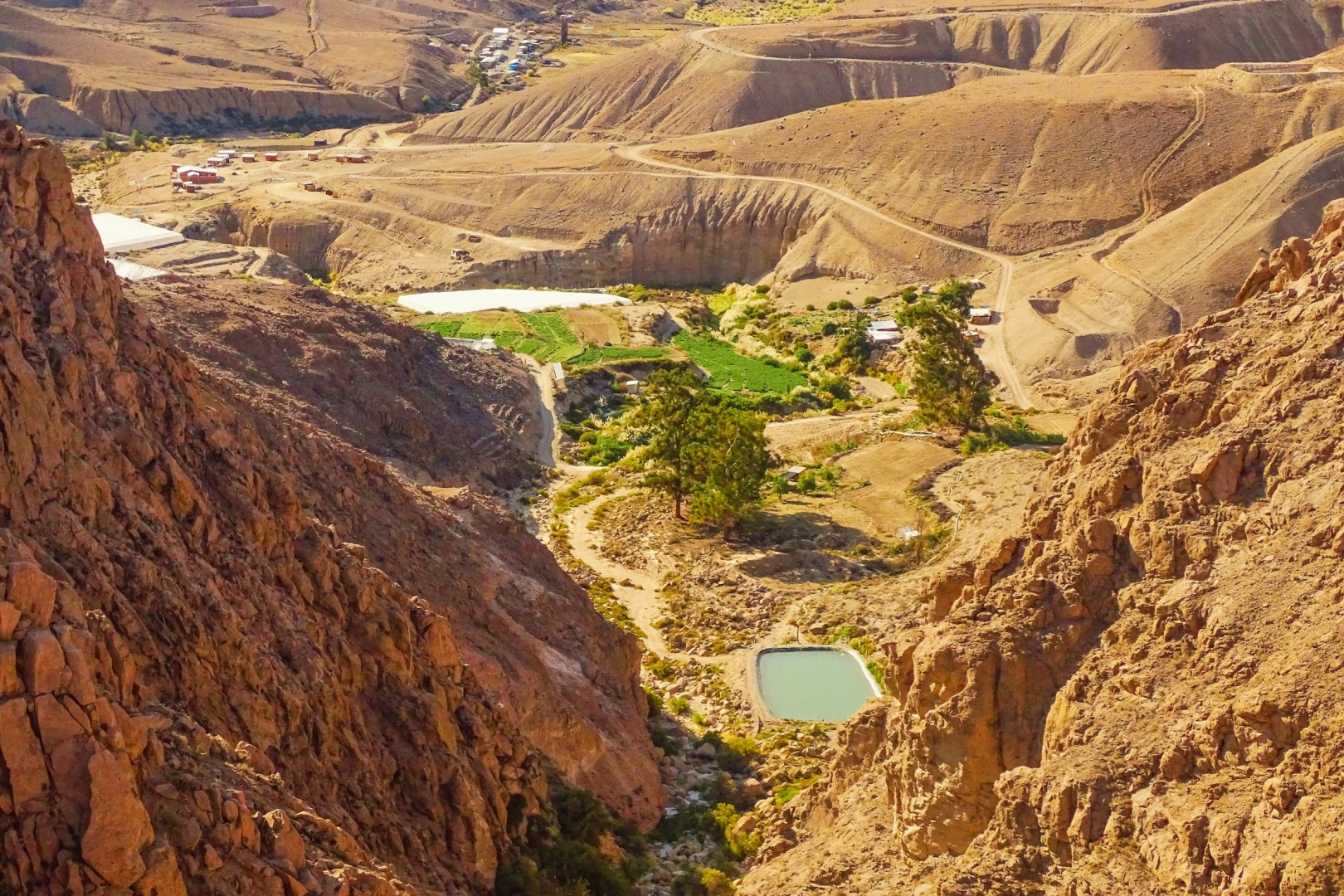
Arica
At Chile's northernmost end, the dizzying railway from high Bolivia comes down to the sea. Arica, the City of Eternal Spring, has a population of 169,000. and is located in the Atacama Desert. See San Marcos Cathedral, designed by Gustave Eiffel, and marvel at Pre-Incan relics in the City Museum. Or leave the city to venutre to the White City of Arequipa, the Incan capital of Cuzco and Machu Picchu and the ancient Inca city in the clouds.

Graz
Graz, Austria's second-largest city, is a hidden gem that offers a perfect blend of history, culture, and modernity. Its well-preserved medieval old town, a UNESCO World Heritage Site, invites visitors to stroll through cobblestone streets lined with Renaissance courtyards and Baroque façades. At the heart of the city is the Schlossberg, a forested hill crowned by the iconic clock tower, Uhrturm.
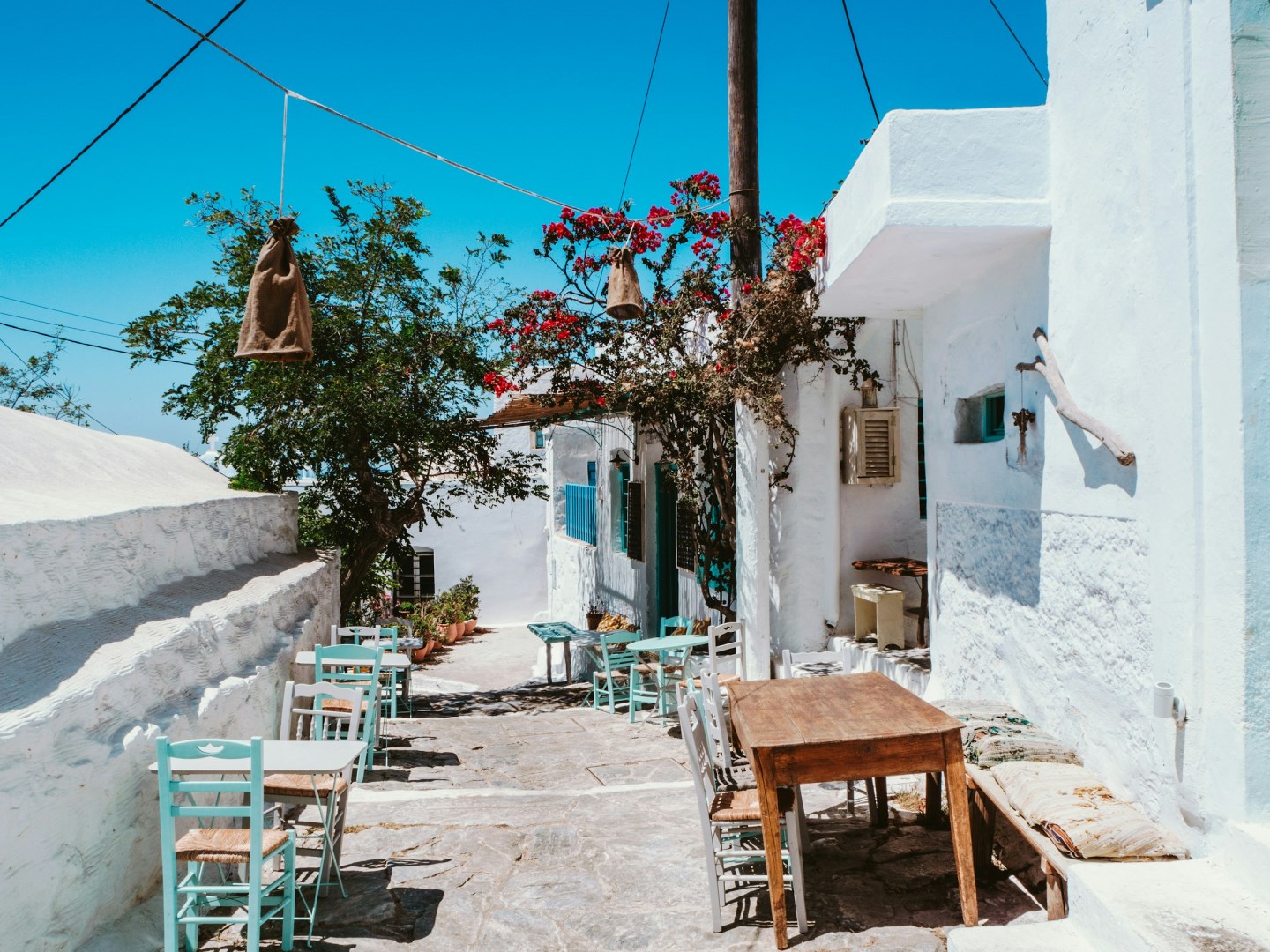
Amorgos
Amorgos is an island in the eastern Cyclades, known for its steep rocky coastline, whitewashed villages, stone paths, and broad views across the Aegean Sea. Unlike flatter Cycladic islands, much of Amorgos is mountainous, with Mount Krikelos reaching 821 metres and deep valleys separating its settlements. The main ports are Katapola and Aegiali, while Chora, the island’s inland capital, is built around narrow lanes, small squares, windmills, and traditional Cycladic houses.