IJmuiden
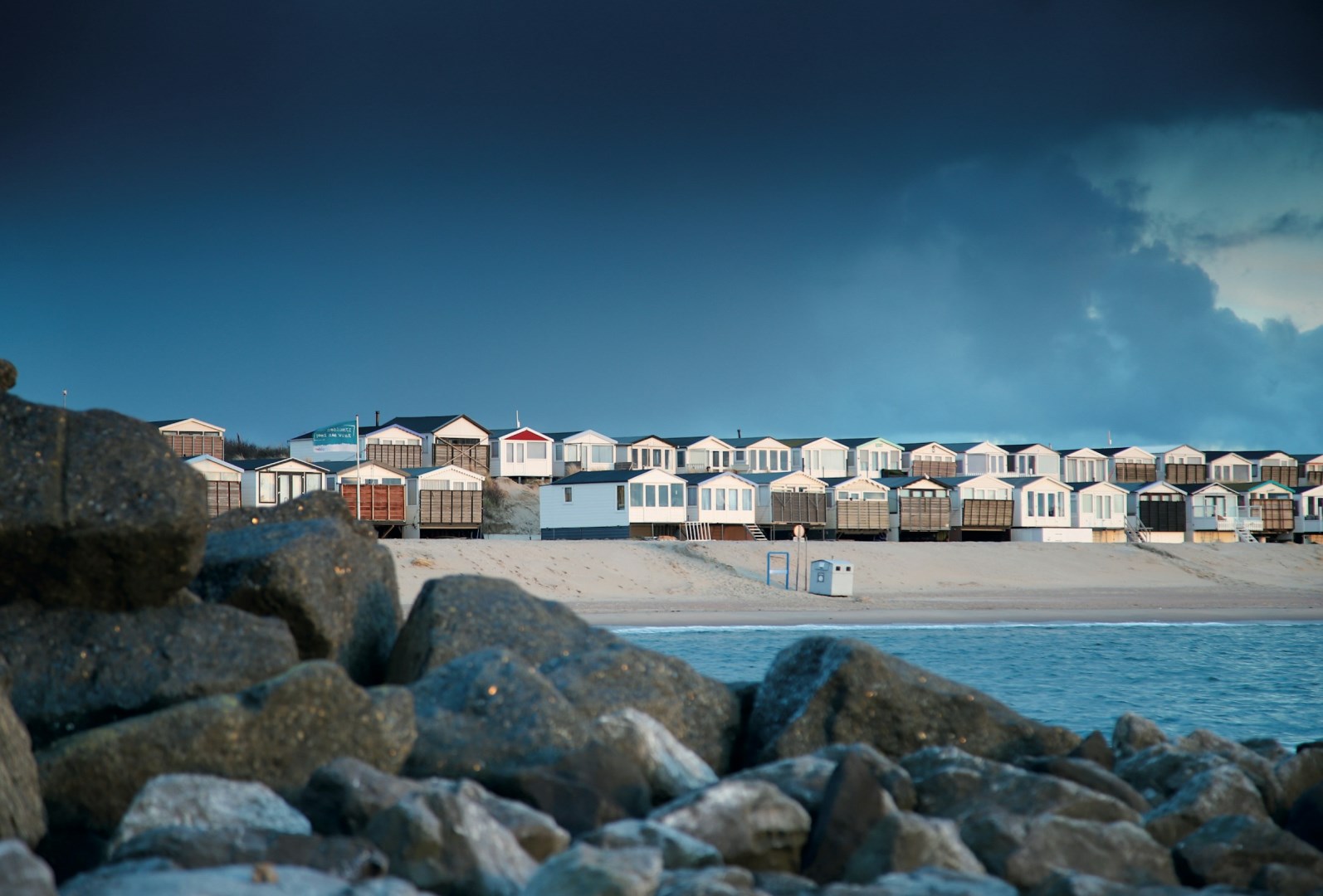
IJmuiden is a North Sea port town in the province of North Holland, positioned at the mouth of the North Sea Canal. Its identity is closely tied to fishing, shipping, industry, and the sea, with working harbors and large vessels forming part of the everyday landscape. The town also has a broad sandy coastline and extensive dunes, creating a contrast between maritime industry and open coastal scenery.
Thekkady
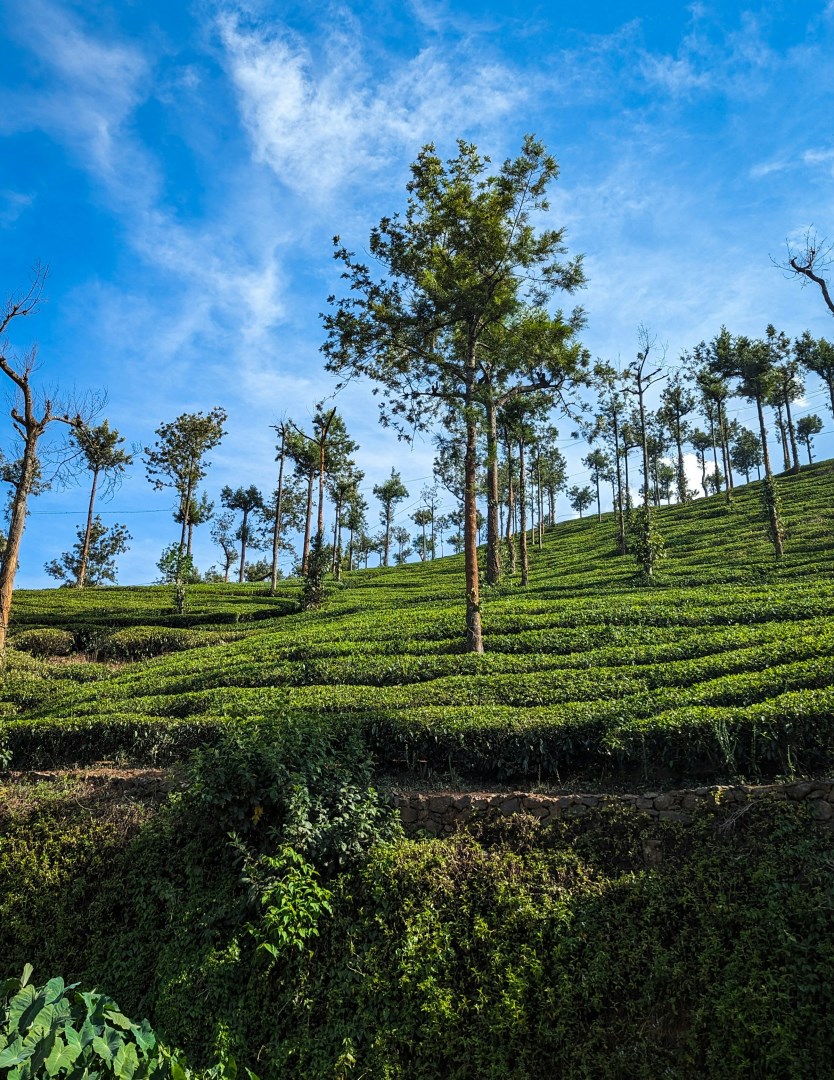
Thekkady is a town in India, located in the Idukki district of Kerala near the Periyar Wildlife Sanctuary in the Western Ghats. It serves as a key entry point to one of the country’s well-known protected forest areas, where hills, dense vegetation, and a large artificial lake define the landscape. The town itself is modest, with roads lined by spice shops, small lodges, and tour offices. Its setting within a highland region gives it a cooler climate compared to the plains, while its proximity to
Arctic Bay
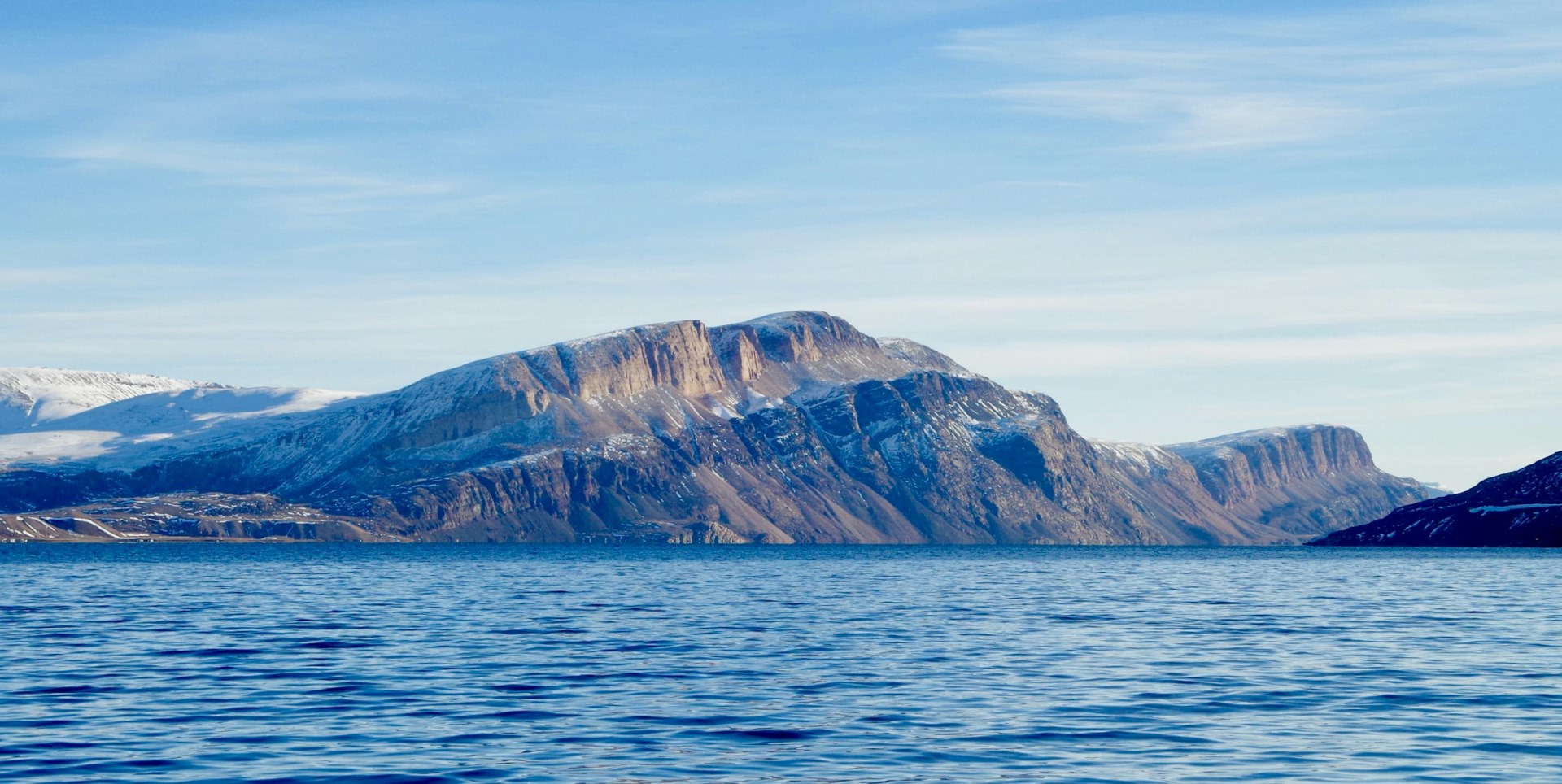
Arctic Bay is a small Inuit community on the northern coast of Baffin Island in Nunavut, situated beside Adams Sound in a landscape of mountains, sea ice, tundra, and rocky shoreline. The community is surrounded by low Arctic terrain and lies within a region known for long periods of winter darkness, seasonal sea ice, and cool summers.
Port Said
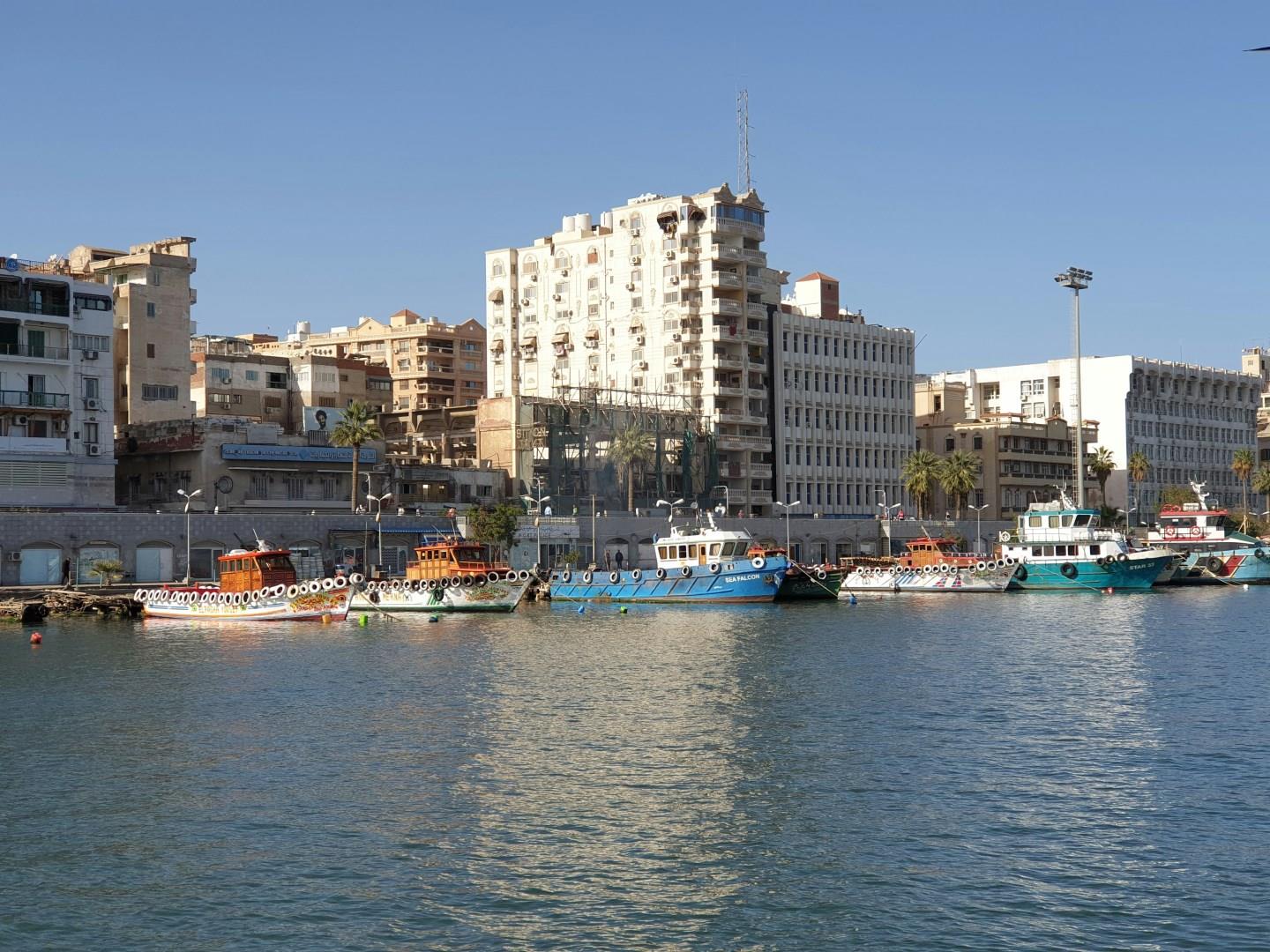
Egypt’s Port Said sits at the northern entrance of the Suez Canal, where the Mediterranean meets one of the world’s most famous waterways.

Gdansk
Gdańsk, a vibrant port city on Poland's Baltic coast, is a hidden gem that seamlessly blends rich history with modern charm. As the largest city in northern Poland, Gdańsk has a unique identity shaped by centuries of trade, political turmoil, and cultural exchange. The city's Old Town is a feast for the eyes, with its beautifully reconstructed buildings that harken back to its Hanseatic glory days.