Santa Monica
Santa Monica, California, a gem on the Pacific coast, offers a quintessential Southern California experience. The city is renowned for its iconic Santa Monica Pier, which features an amusement park, aquarium, and family-friendly dining. A ride on the historic Ferris wheel provides stunning ocean views and a sense of nostalgia.
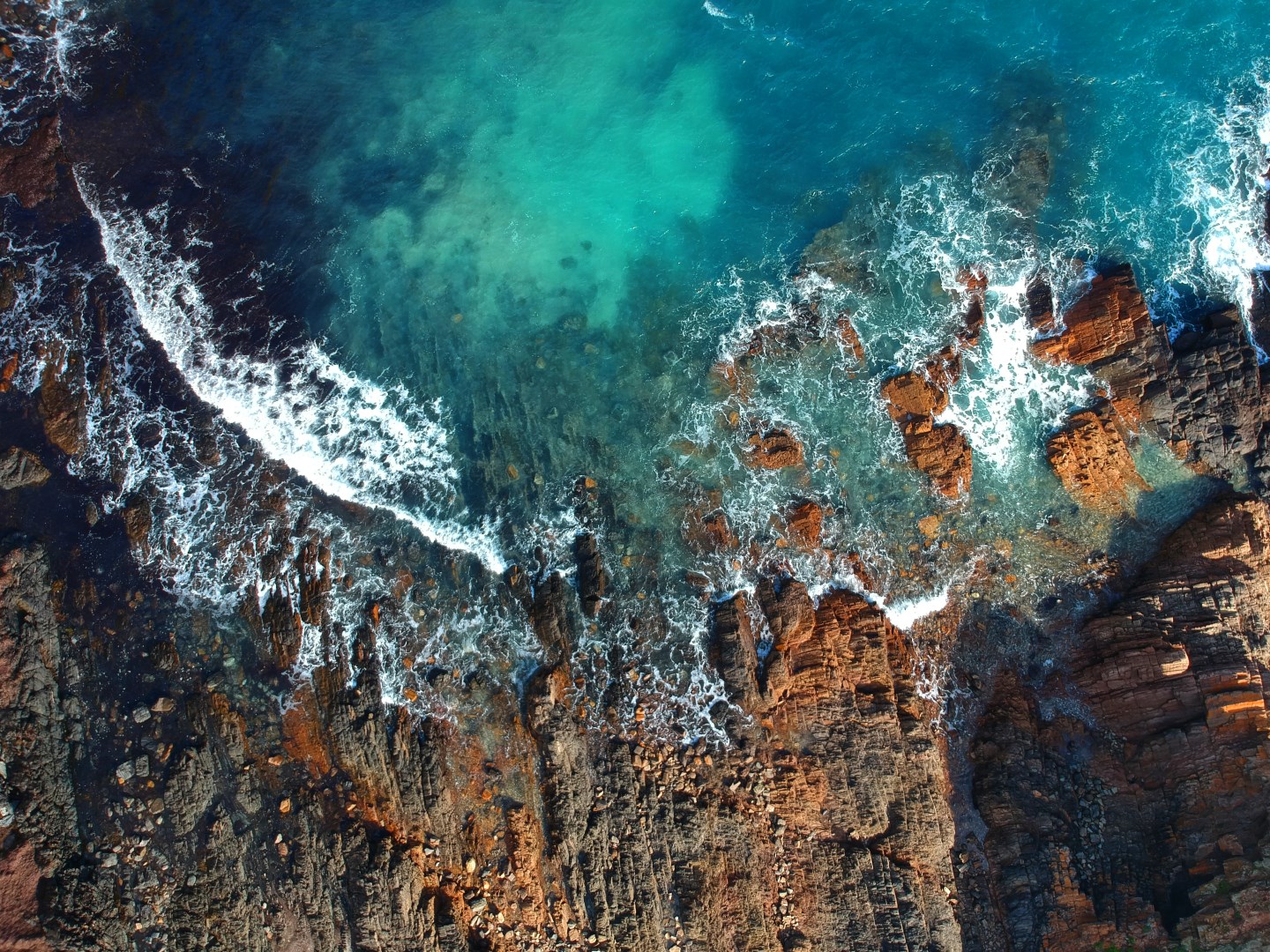
Fleurieu Peninsula
South of Adelaide, the Fleurieu Peninsula blends vineyards, rolling countryside, coastal towns, sandy beaches and rugged ocean scenery.
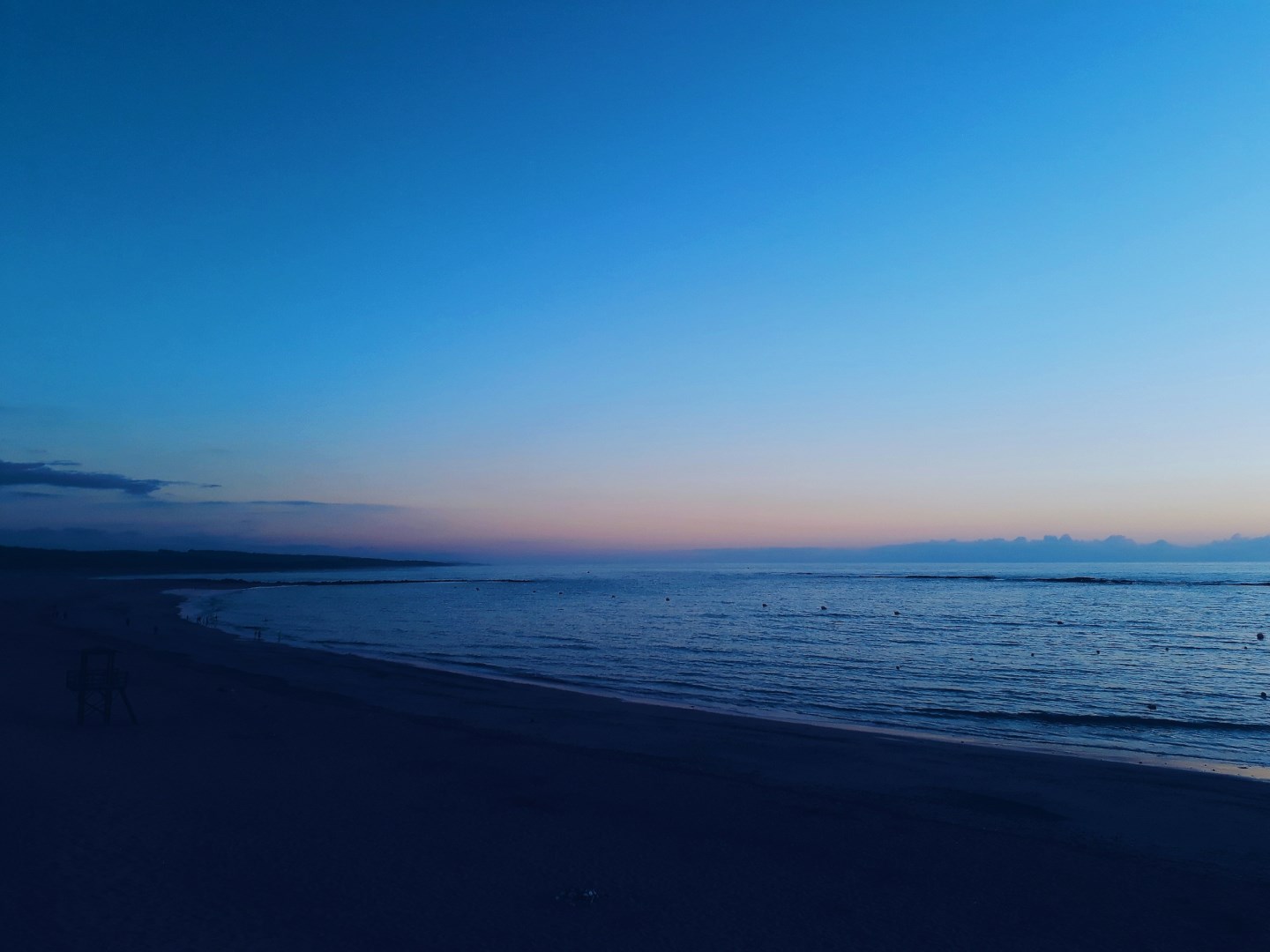
M'diq
M’diq is a coastal town on Morocco’s Mediterranean shore, situated between Tetouan and Fnideq along the sheltered waters of Tamuda Bay. The town combines a working fishing port with a long sandy beach, a seafront promenade, and access to nearby marinas. Its position at the foot of the Rif Mountains gives the coastline a backdrop of wooded hills, while the Mediterranean provides calm waters for swimming and boating.
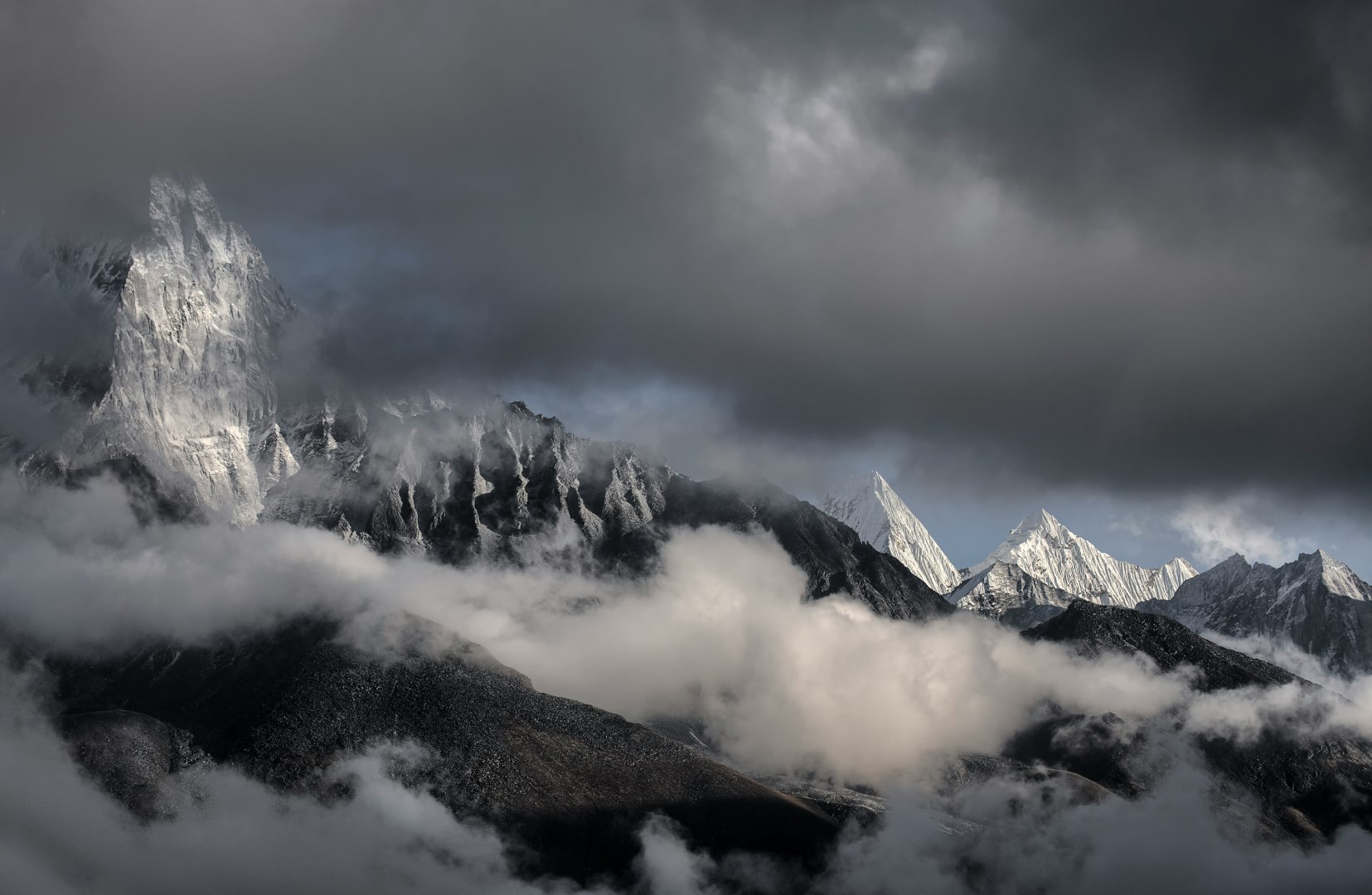
Pheriche
Set high in the Khumbu Valley, Pheriche offers a quiet yet striking stop along the route toward Mount Everest. Surrounded by wide landscapes and rugged peaks, this small settlement sits in a windswept valley where the air is crisp and the views stretch for miles. Unlike busier stops along the trail, Pheriche gives travelers space to pause, adjust to the altitude, and take in the scale of the Himalayas without distraction.
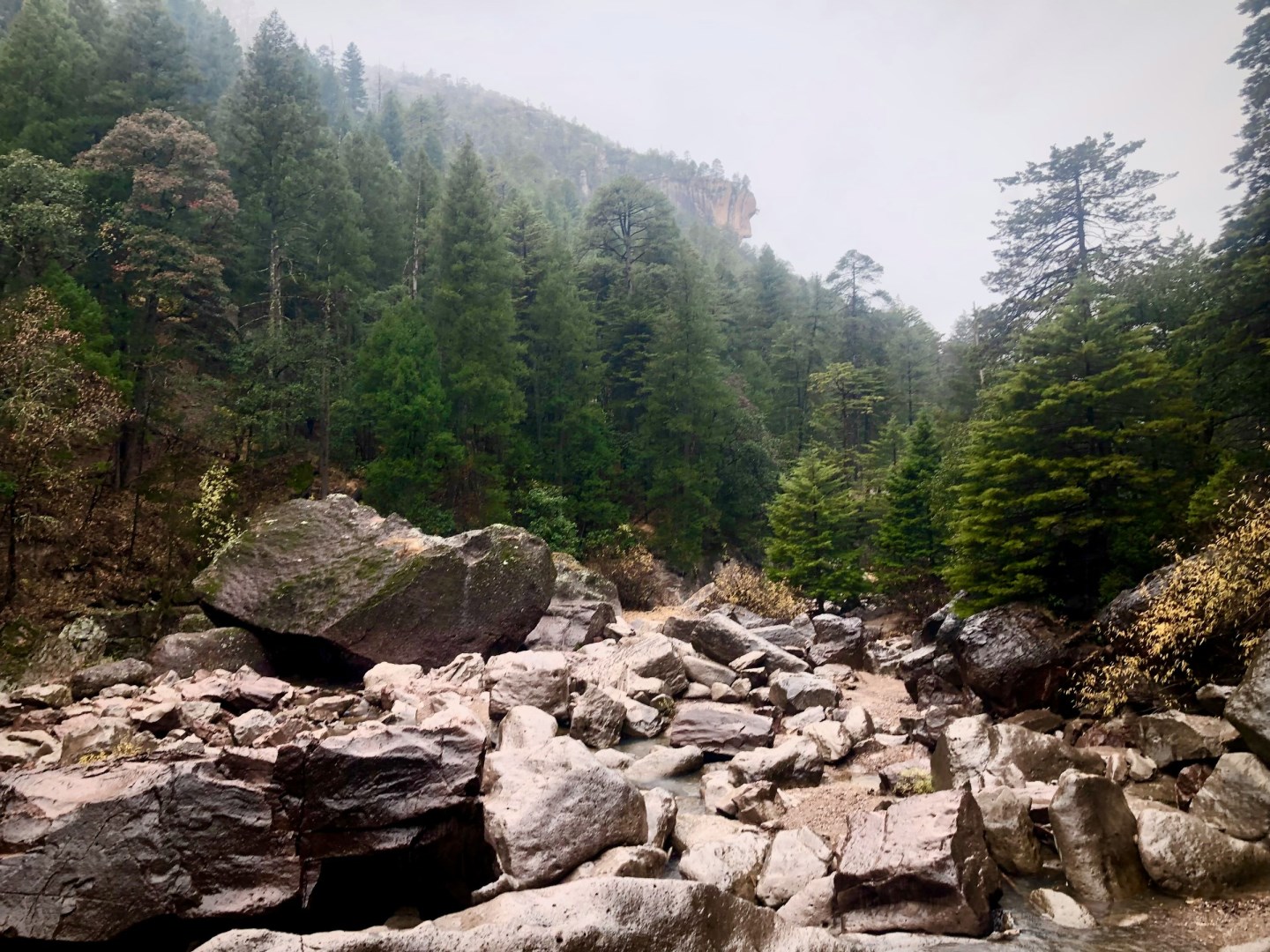
Copper Canyon
Copper Canyon is actually not a single canyon, but rather a series of more than 20 canyons running through the northern region of Mexico. The canyon covers over 20,000 square miles and is four times larger than the Grand Canyon in the United States.