Anguilla
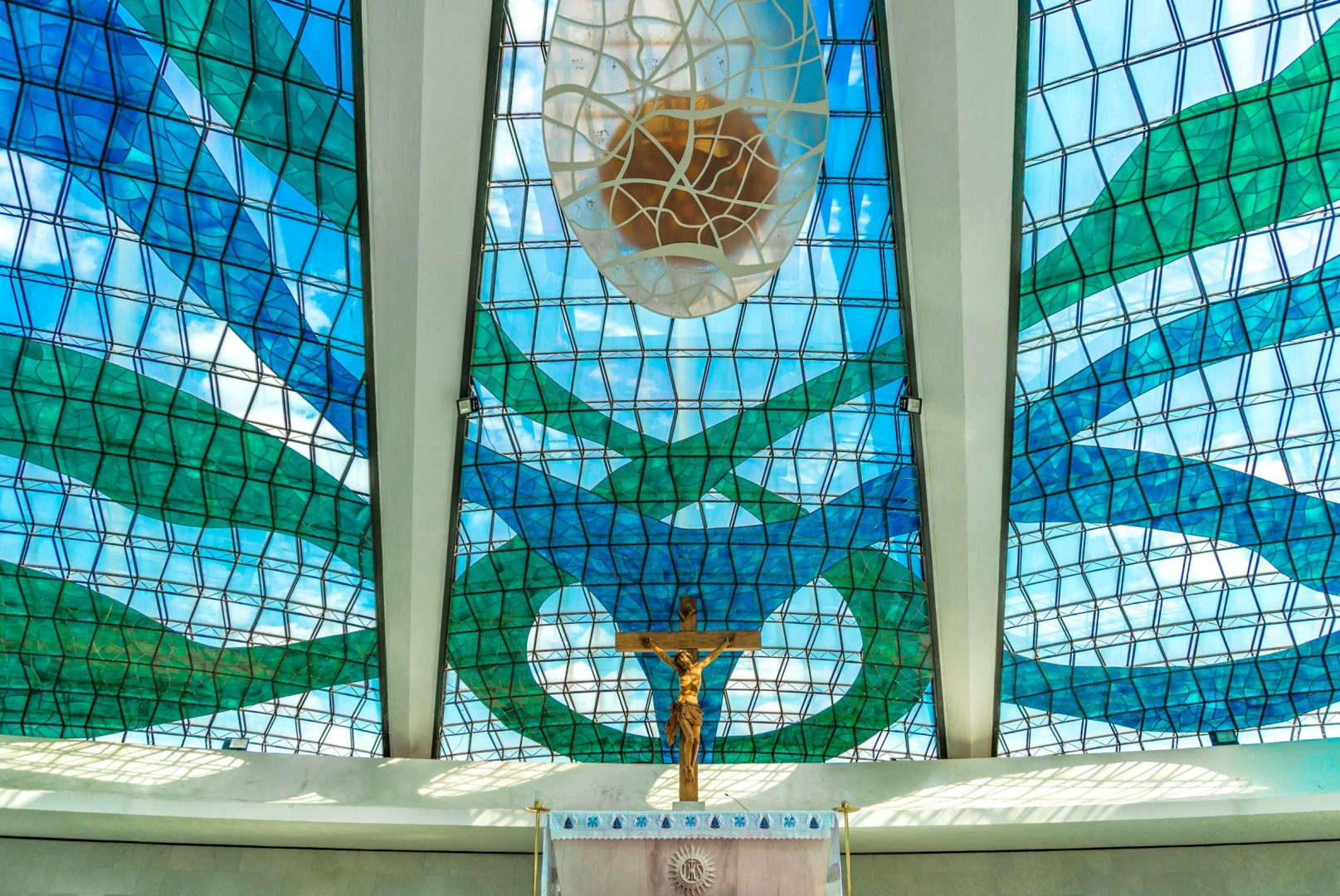
Anguilla, a serene island in the eastern Caribbean, offers a slice of paradise with its pristine beaches and crystal-clear waters. Known for its luxurious resorts and laid-back atmosphere, Anguilla invites visitors to unwind on its 33 stunning beaches, such as Shoal Bay East and Rendezvous Bay, which are consistently ranked among the best in the world.
Dover
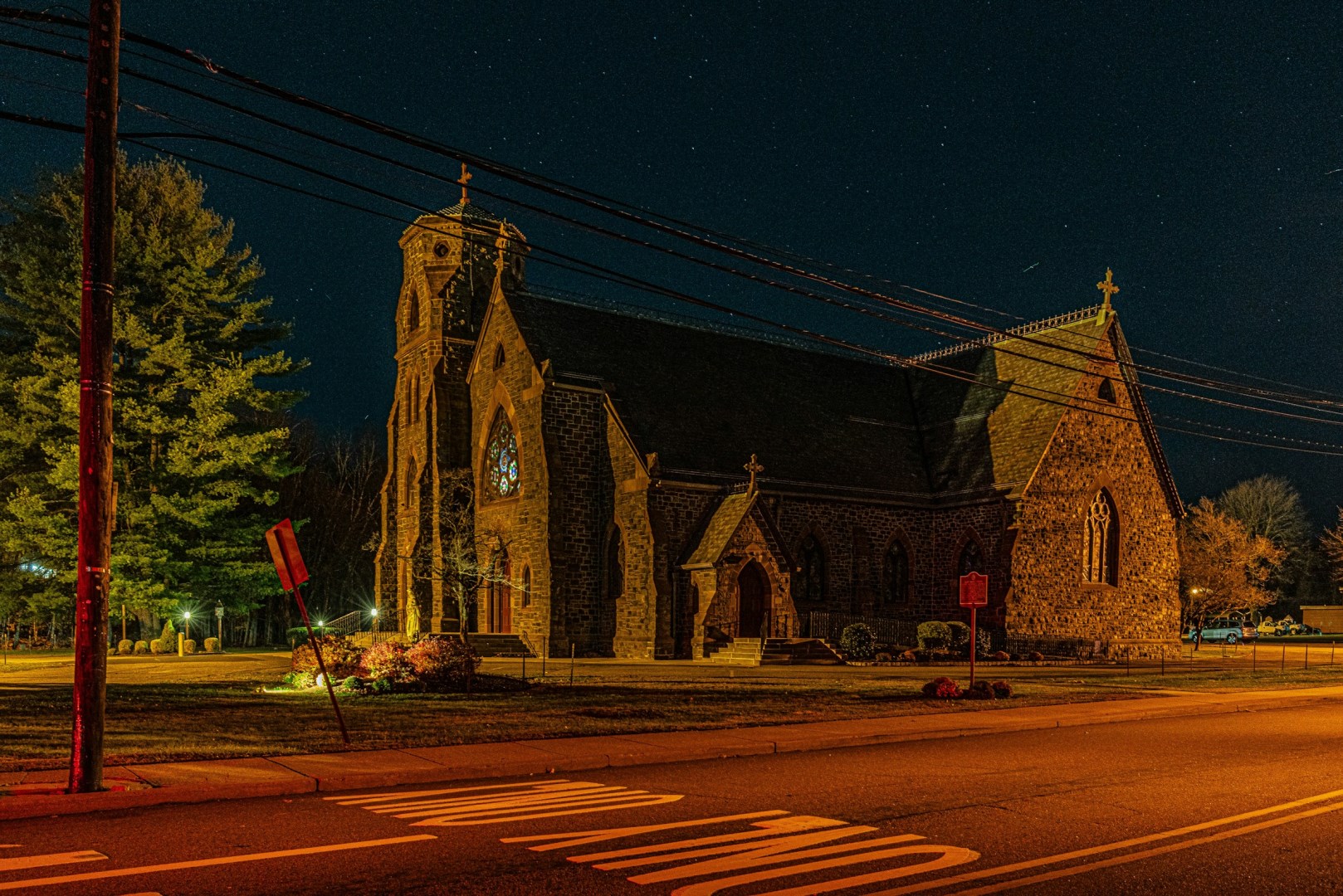
Dover, located in Morris County, New Jersey, is a small yet historically rich town nestled along the Rockaway River about 30 miles west of New York City. Founded in the early 1700s, Dover grew as an important ironworking and industrial center during the 18th and 19th centuries, thanks to its proximity to the Morris Canal and the region’s abundant natural resources.

Belgium
Belgium may be compact, but it offers a surprising variety of experiences shaped by centuries of shifting borders, artistic innovation, and culinary tradition. In Brussels, the Grand Place sets the stage for history and architecture in one square lined with ornate guild halls. The city is also home to the European Union’s headquarters, surrealist painter René Magritte’s former house, and a lively comic book trail that winds through murals of Tintin and other Belgian icons.

Wuxi
Wuxi is an industrial and resort city located along the Da Yunha (Grand Canal). Settled some 3,000 years ago, it has long been known for its silk production. Today, Wuxi is still known for its silk industry, which has been revitalized since 1949, as well as for its high technology industries. It is also the center of a rich agricultural area.
Minneapolis/St. Paul
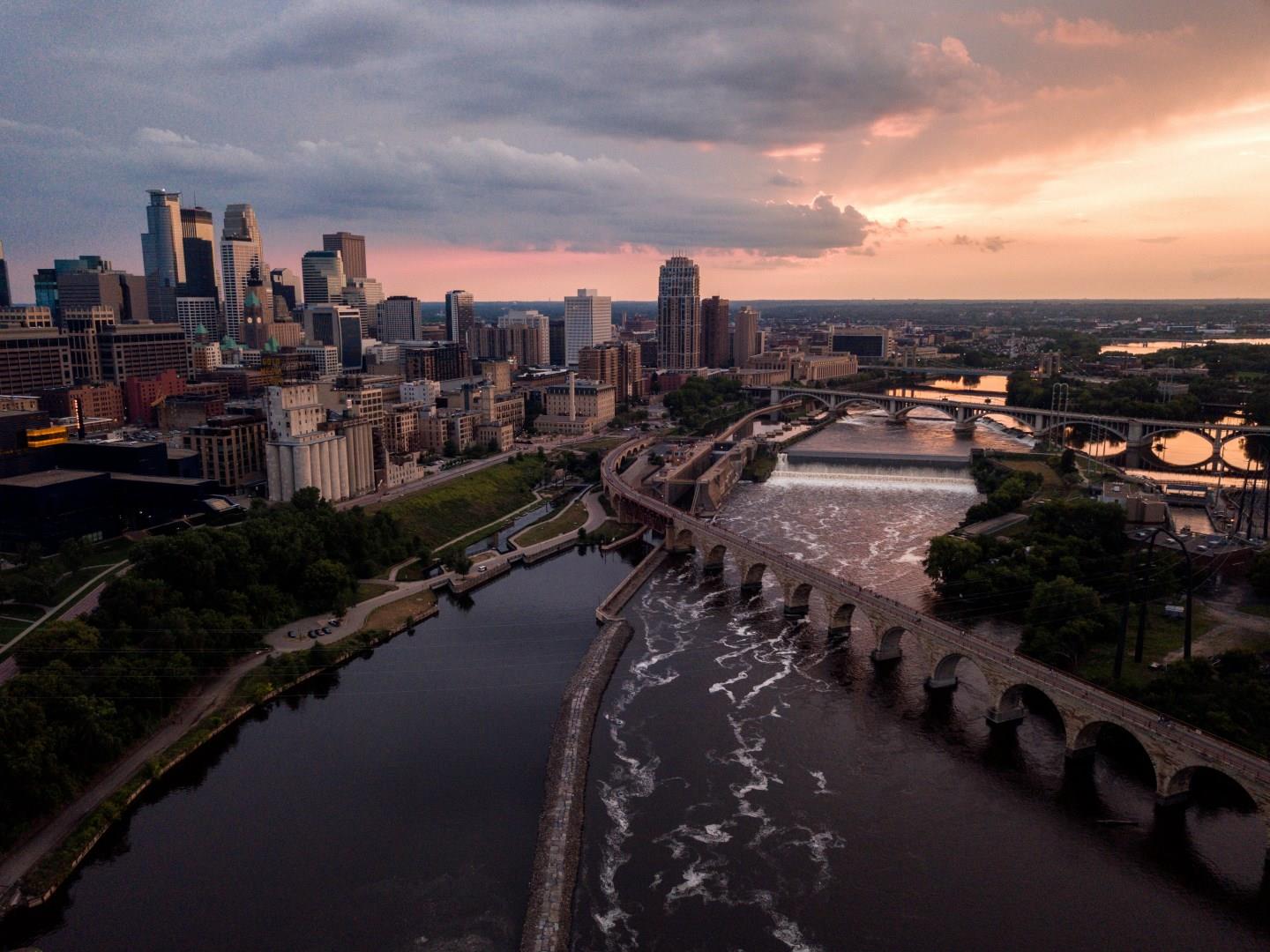
Minneapolis stands out with its unexpected blend of urban energy and freshwater calm. Built along the banks of the Mississippi River, the city has grown from a flour-milling powerhouse into a hub of creativity, design, and culture. At the heart of downtown, the Mill City Museum, housed inside the ruins of what was once the world’s largest flour mill, offers hands-on exhibits that bring Minneapolis’s industrial past to life. Just outside, the Stone Arch Bridge spans the river with sweeping views