Dominica
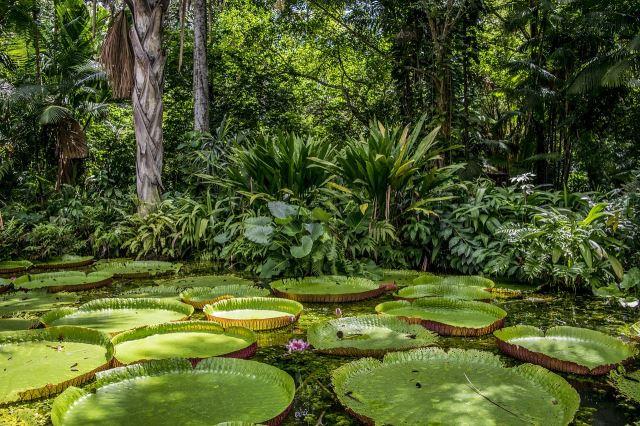
Dominica, known as the “Nature Island of the Caribbean,” is a haven for eco-tourists and adventure seekers. Nestled between the French islands of Guadeloupe and Martinique, this lush island boasts a remarkable landscape of volcanic mountains, dense rainforests, and stunning waterfalls. Dominica’s most iconic natural wonder is the Boiling Lake, the second-largest hot spring in the world.
Livingstone
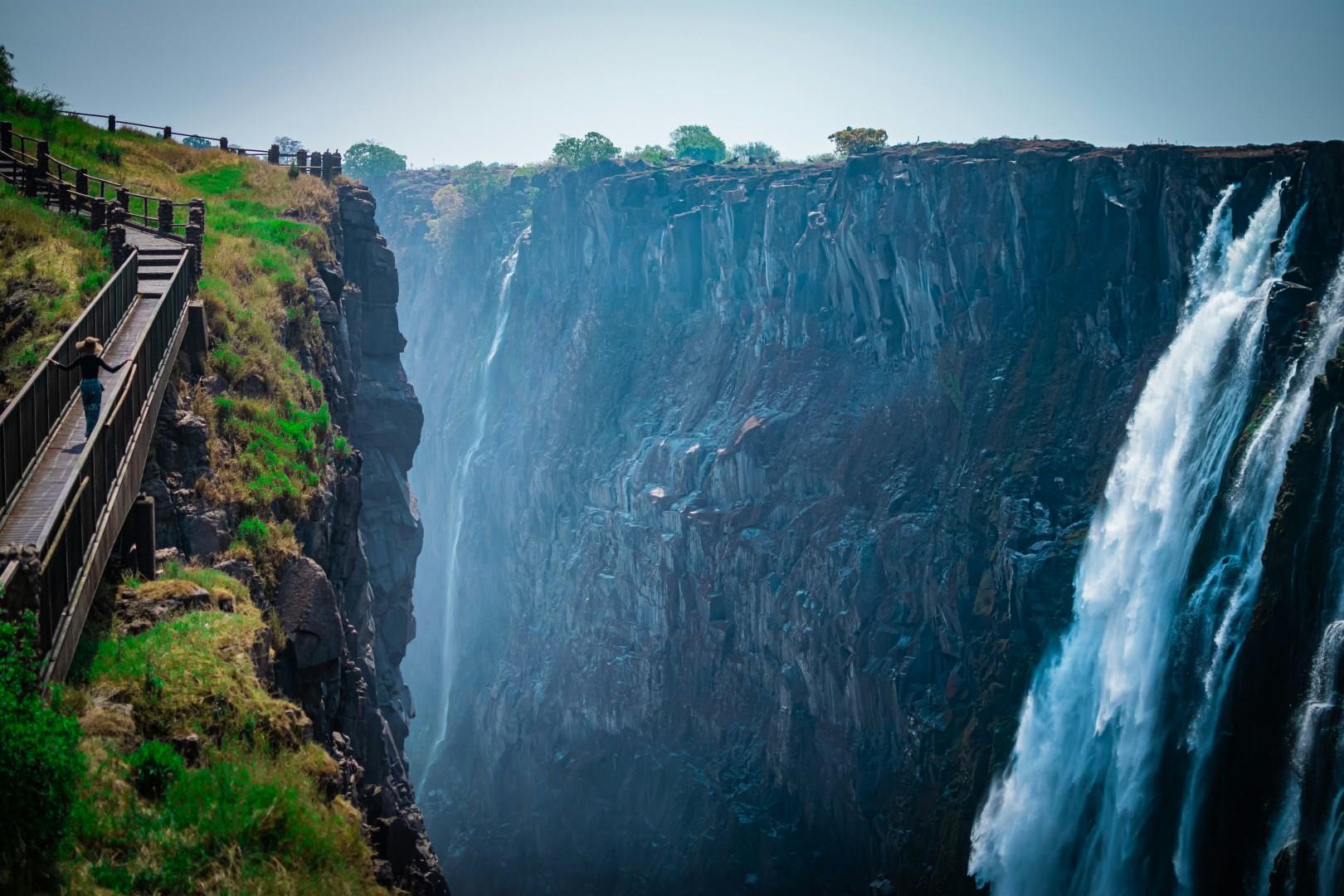
In the heart of Zambia lies Livingstone, a city that serves as the gateway to one of the most spectacular natural wonders in the world: Victoria Falls. This UNESCO World Heritage Site, often referred to as "The Smoke That Thunders," is renowned for its breathtakingly powerful waterfalls on the Zambezi River. The falls, which span over 1,700 meters wide and plunge 108 meters deep, offer a mesmerizing display of nature's might.

Bhutan
Bhutan, often called the “Land of the Thunder Dragon,” is a Himalayan kingdom known for its dramatic landscapes and deeply rooted traditions. Towering peaks, forested valleys, and winding rivers set the stage for a country that has long prioritized harmony between nature and culture.

French Riviera
The French Riviera, or Côte d'Azur, is one of the most iconic and glamorous coastal destinations in the world, attracting visitors from all over the world. Stretching along the southeastern Mediterranean coast of France, it is renowned for its stunning beaches, crystal-clear waters, and picturesque towns such as Nice, Cannes, and Saint-Tropez.
Grenoble
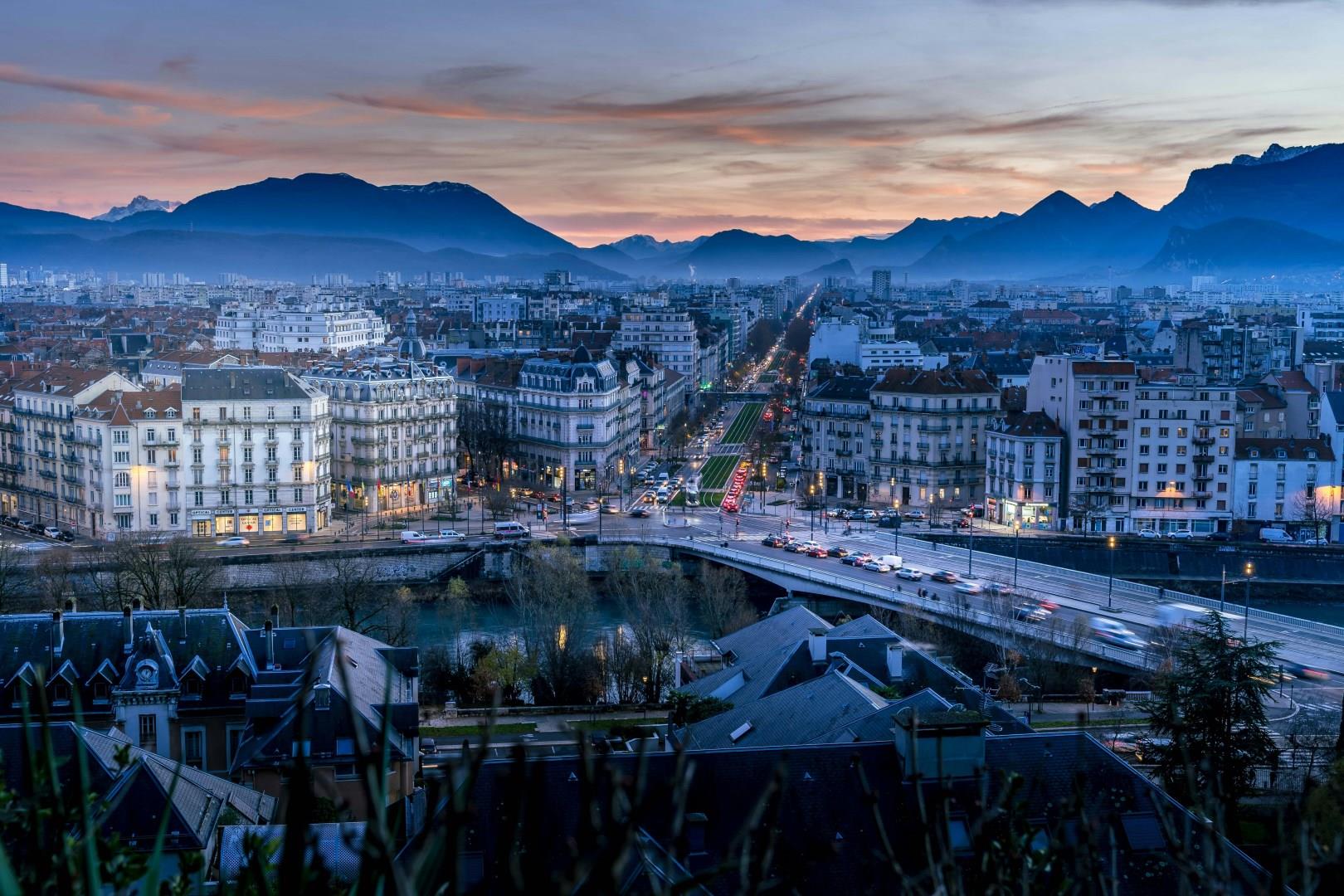
Grenoble sits at the meeting point of three Alpine mountain ranges in southeastern France, giving it a setting that feels both dramatic and lived-in. With origins dating back to Roman times, the city has long been a crossroads of trade, science, and political thought.