Saltillo
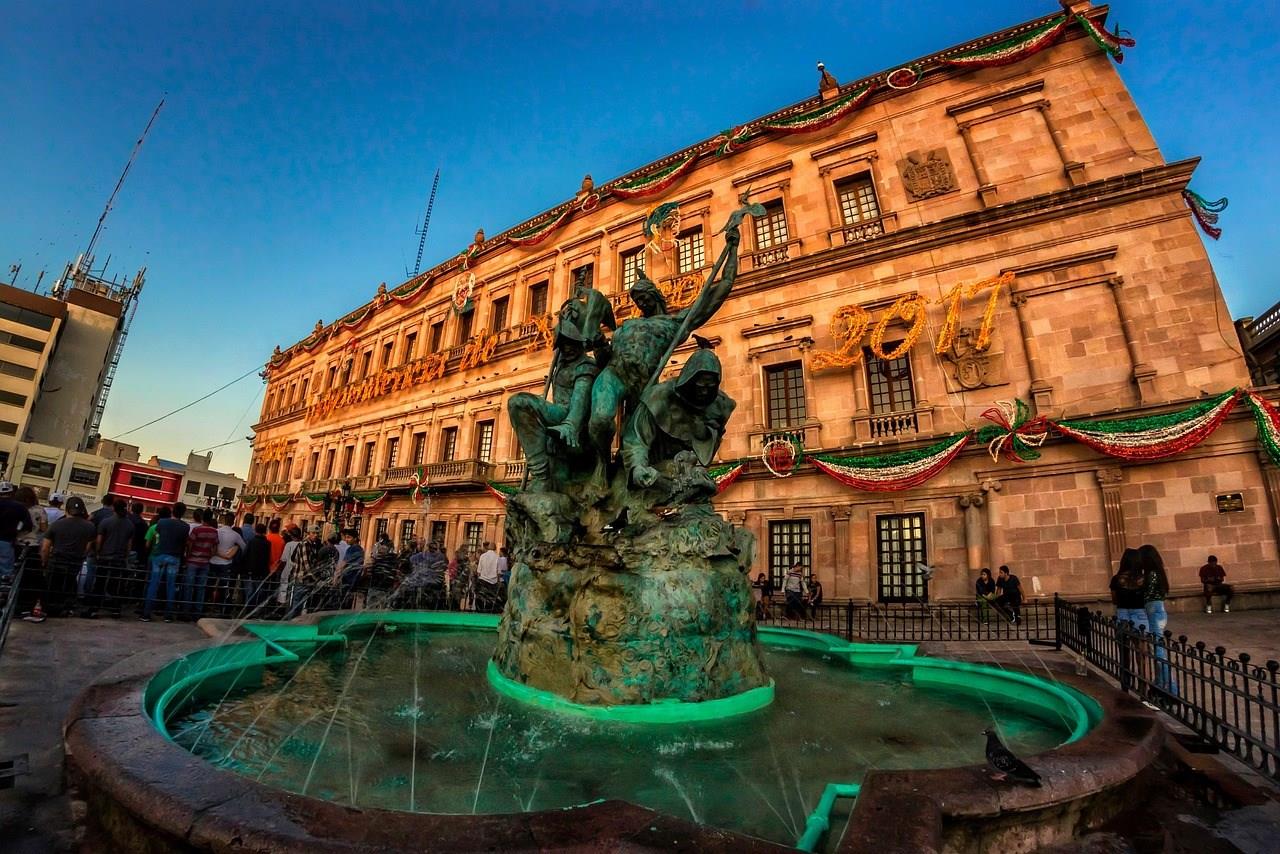
Saltillo, the capital of Coahuila, blends centuries of tradition with a quiet confidence that rewards travelers looking for something different. Founded in 1577, the city’s colonial heritage is on full display in its well-preserved downtown, where the Catedral de Santiago towers above Plaza de Armas. Just steps away, the Alameda Zaragoza park offers shaded paths and fountains, providing a peaceful break between stops at nearby museums.
Abaco
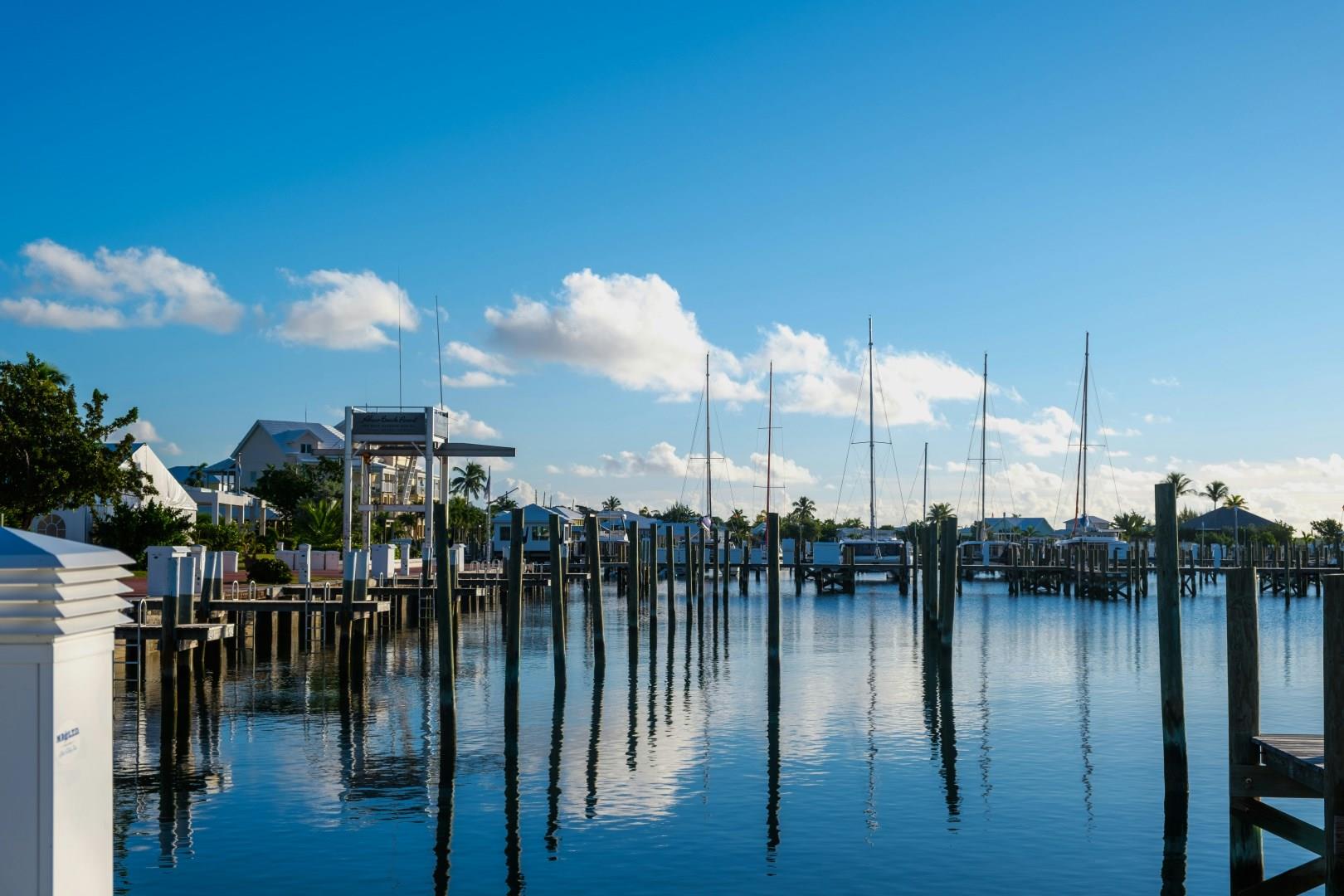
The Abaco Islands, part of The Bahamas, stretch across more than 120 cays and islands, offering a laid-back yet adventurous escape. Known for their calm waters and sheltered harbors, the Abacos are often called the sailing capital of The Bahamas, drawing boaters and yachters from around the world.
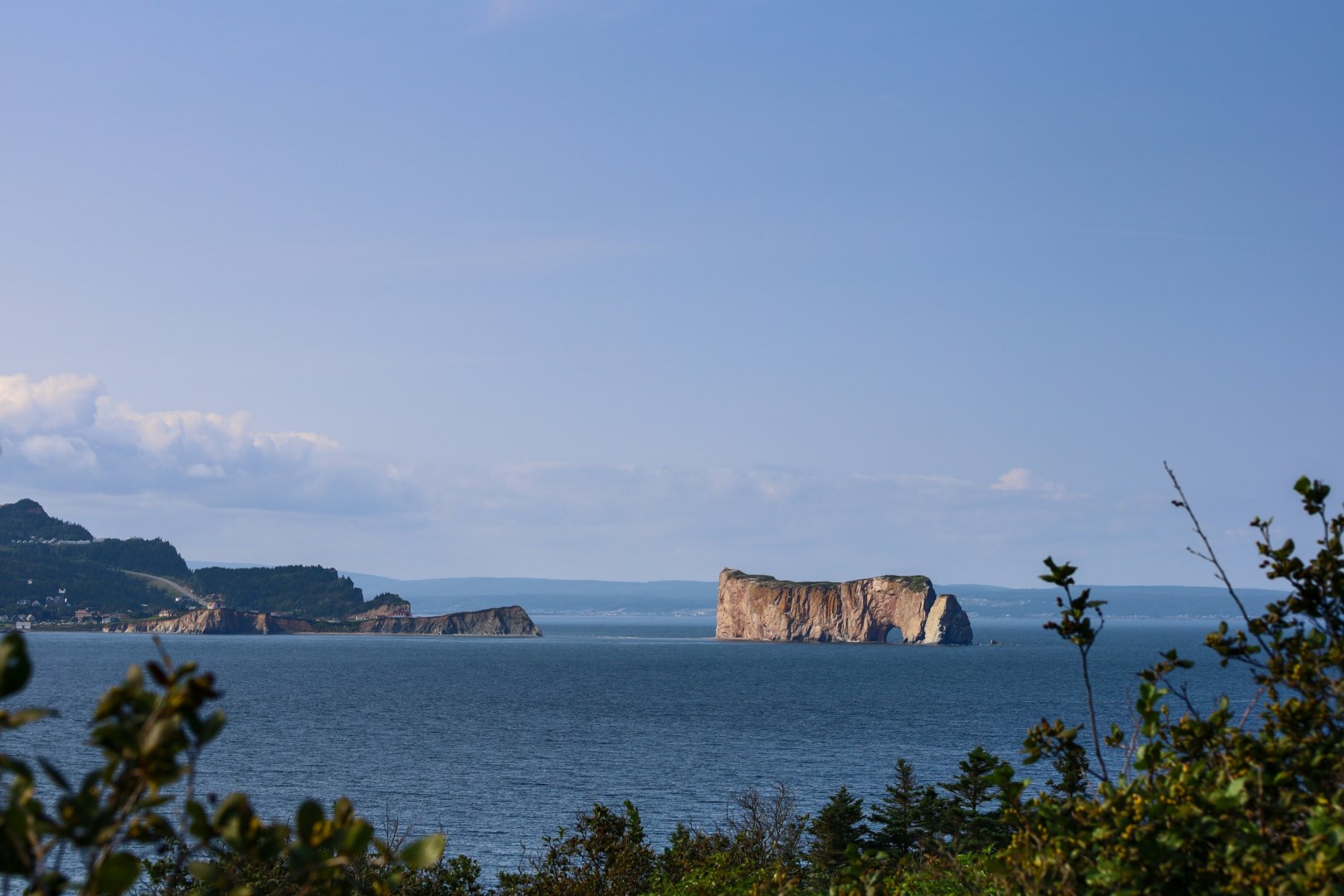
Île Bonaventure
Bonaventure Island is a small island off the coast of Percé in Quebec's Gaspésie region, within the Parc national de l'Île-Bonaventure-et-du-Rocher-Percé. Surrounded by the Gulf of St. Lawrence, the island combines coastal cliffs, forests, meadows, rocky shorelines, and open sea. Its best-known feature is its large colony of Northern Gannets, one of the world's largest and most accessible colonies of the species.
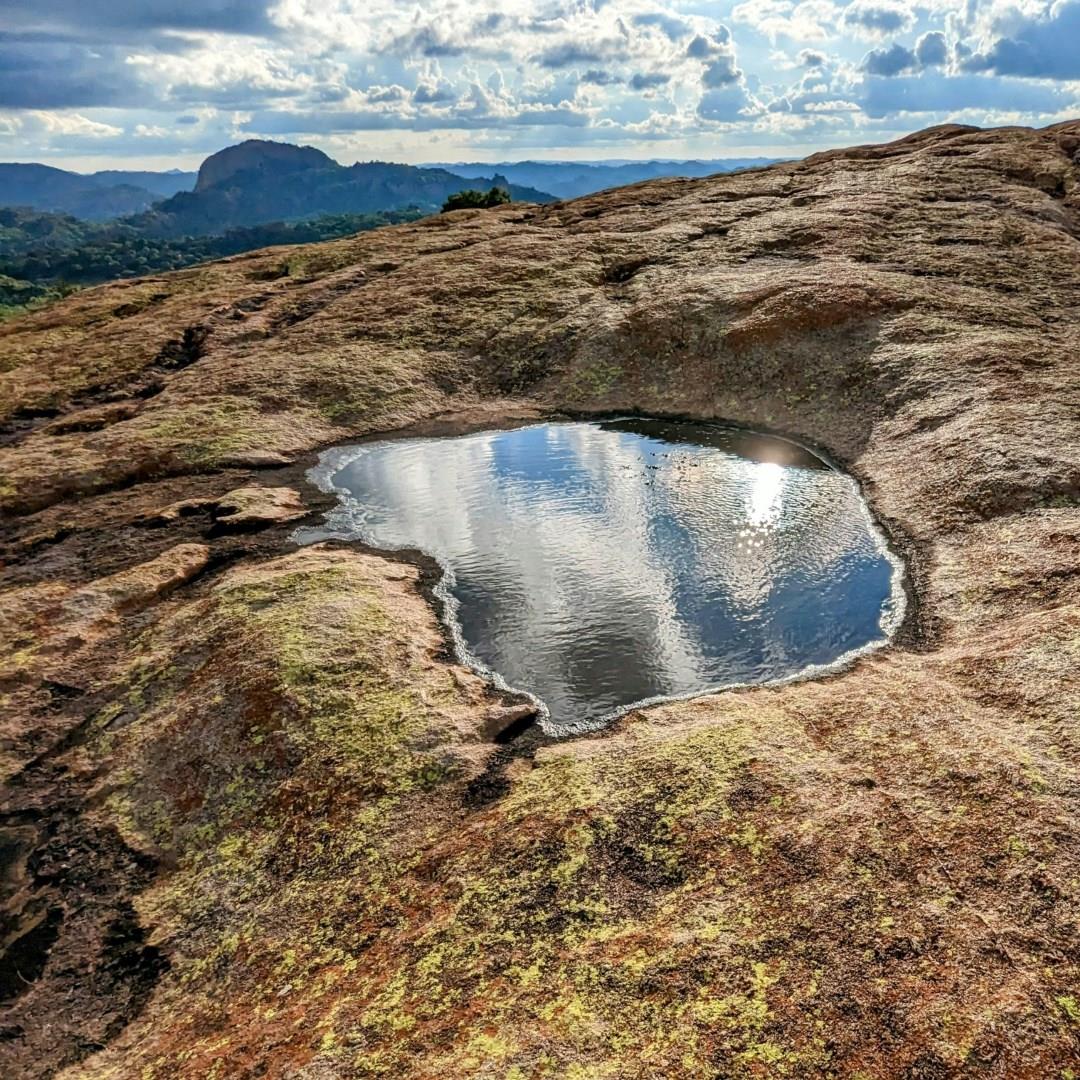
Matobo National Park
Matobo National Park sits in the rolling hills of southern Zimbabwe stands as one of the country’s most remarkable landscapes. Its granite domes, balancing rocks and wooded valleys have formed over more than two billion years, creating a setting that feels both ancient and alive. As a UNESCO World Heritage cultural site, the park preserves a landscape that has shaped human life here for millennia, drawing travelers to explore its unusual terrain and storied past.
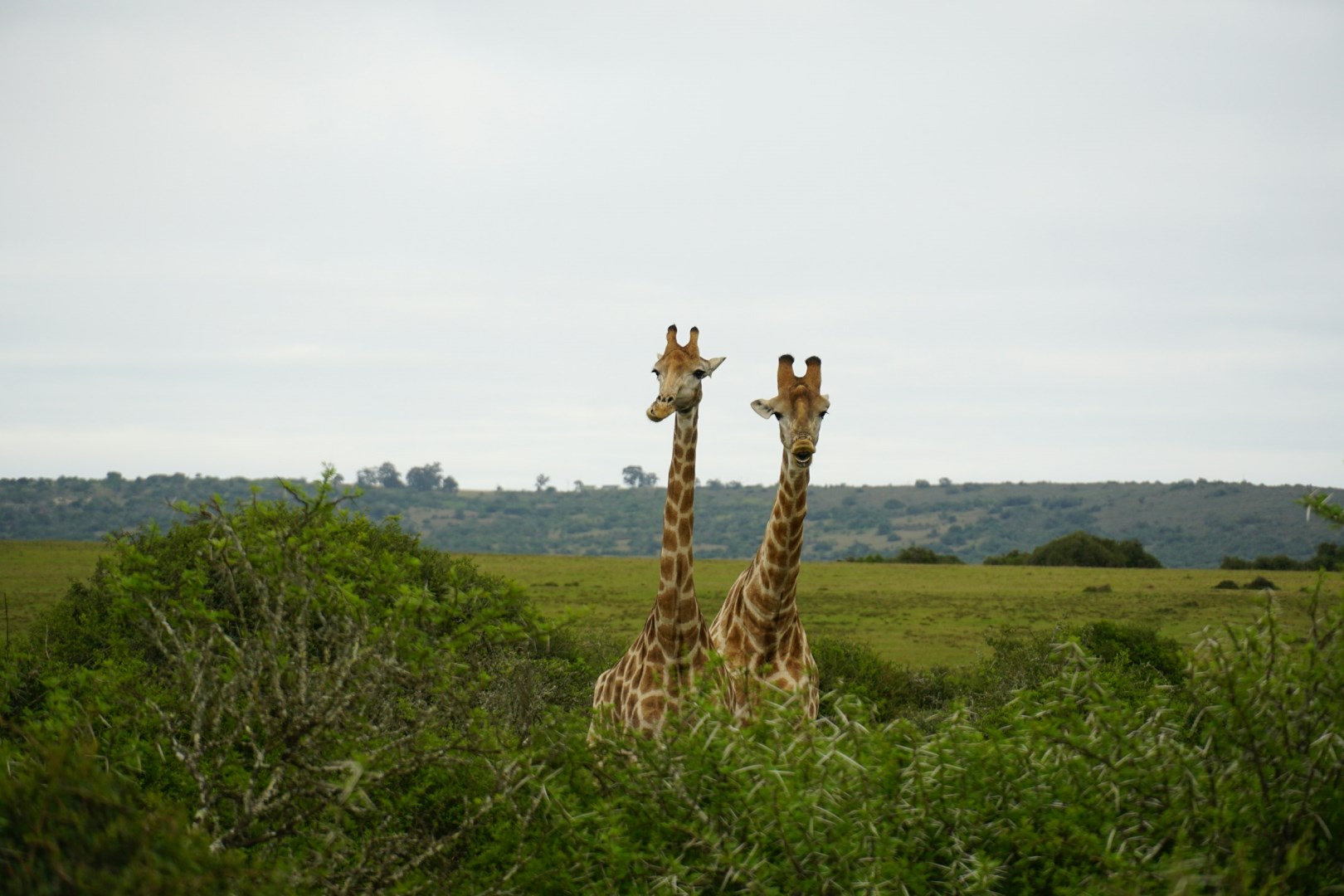
Shamwari Private Reserve
The Samwari Private Reserve is formed at the conjunction of five eco-systems, supporting a wide range of flora and fauna including the recently reintroduced "Big Five".