Gran Canaria
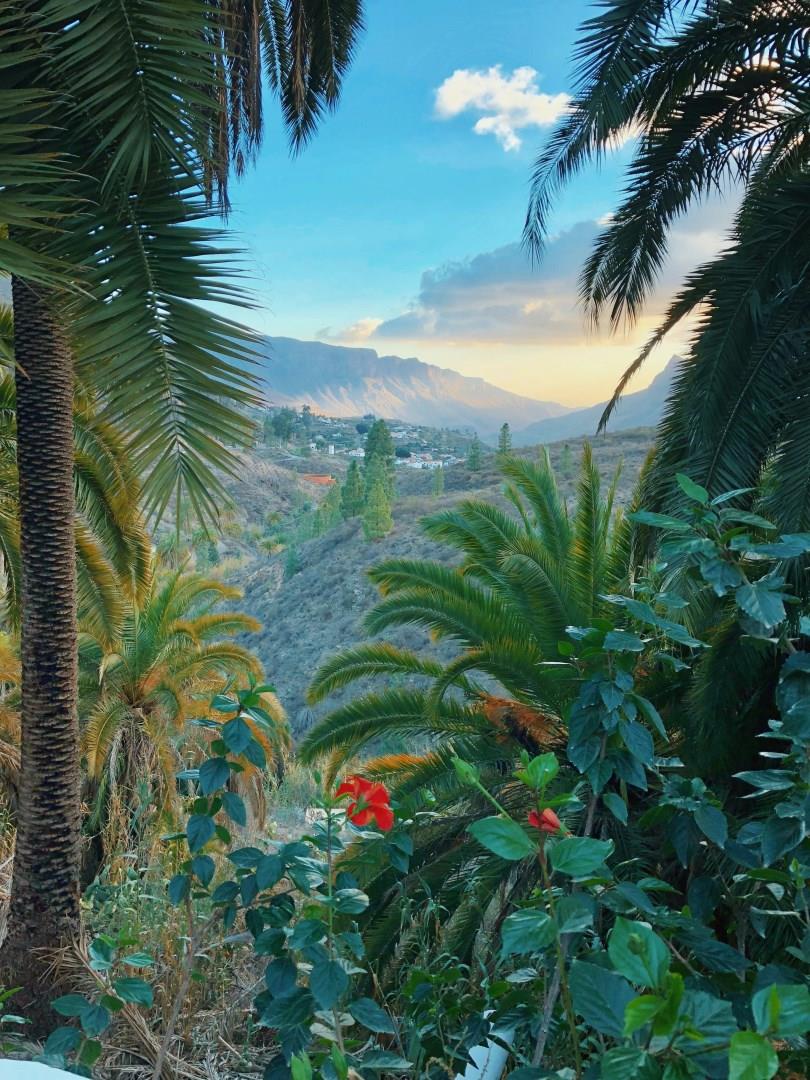
There is no other place with such a variety of scenery - deserts, mountains, lush tropical vegetation, and valleys filled with thousands of banana trees. Agriculture here offers everything: lime trees, vine-yards, coffee plantations, sugar cane, almond, tomato and banana crops, as well as, pine and palm forests.
Moyenne Island
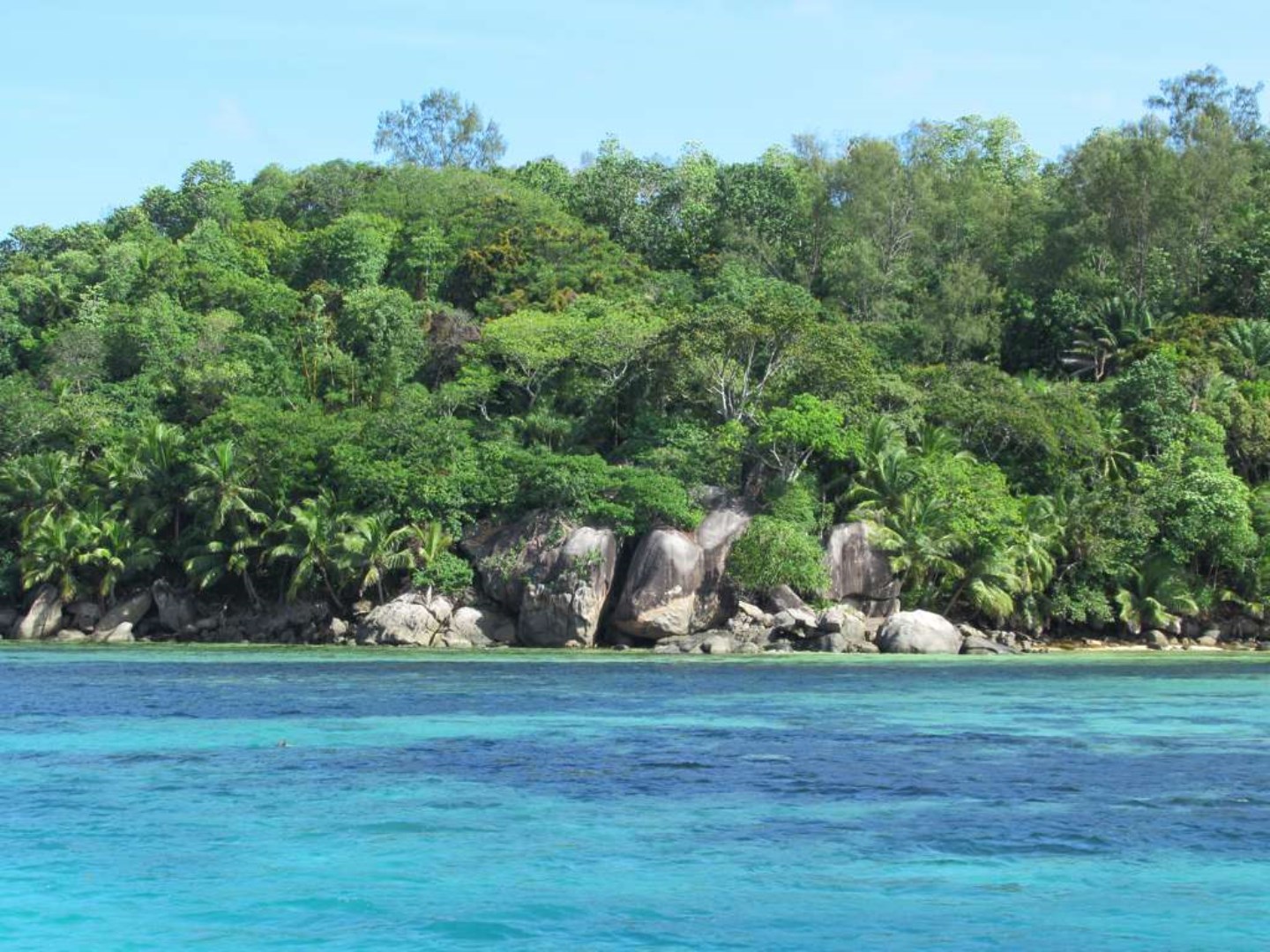
Moyenne Island, part of the Sainte Anne Marine National Park in the Seychelles, offers a delightful escape into a tropical paradise. Situated just a short boat ride from Mahé, the largest island in the Seychelles, Moyenne is known for its lush greenery, secluded beaches, and abundant wildlife.

Alaska
Known for its vast wilderness, towering mountains, glaciers, and wildlife, Alaska offers unmatched outdoor experiences and endless opportunities for exploration.

Belgrade
A historic capital in the heart of the Balkans, Belgrade will absolutely charm you with its picturesque cafés, striking religious monuments, riveting museums, and thriving nightlife.
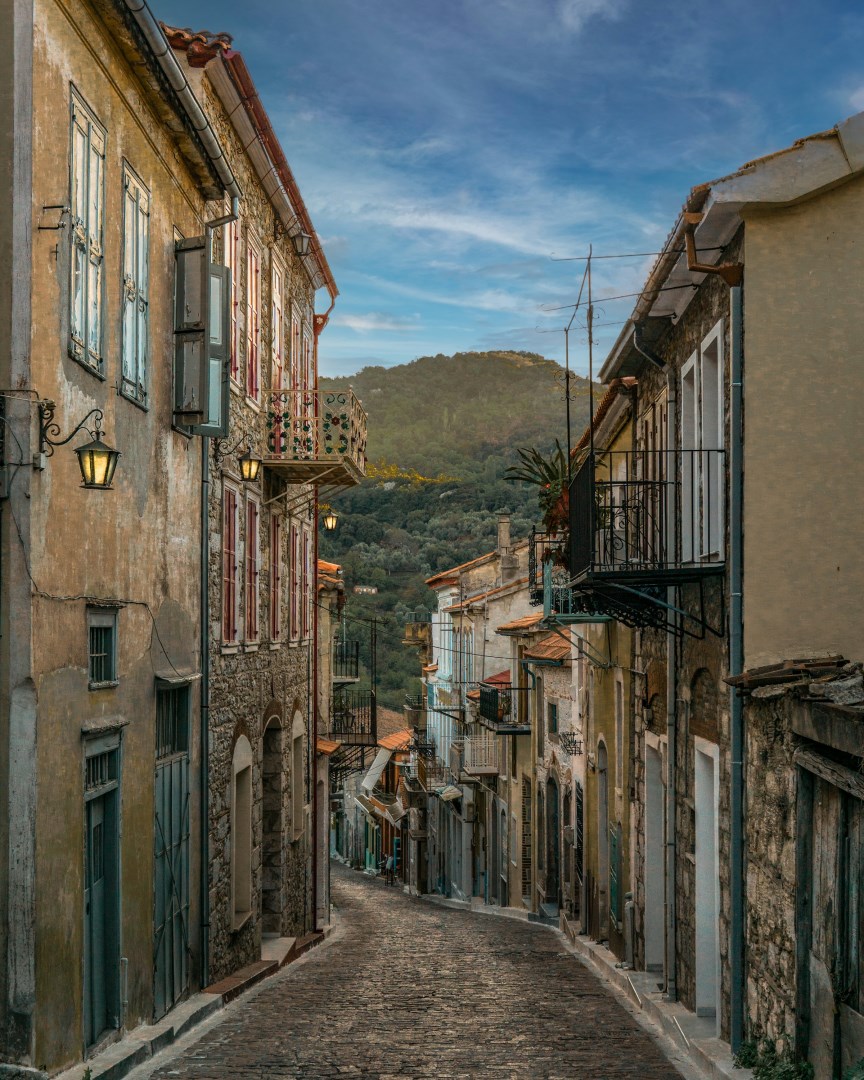
Mytilene
Mytilene, ancient Greek city, the capital of Lésvos (Lesbos), an island in the Aegean Sea. It was colonized in early times by the Aeolians and is known as the birthplace of the poet Sappho and the philosopher Theophrastus. The city became a great naval power and established colonies in Mysia and Thrace.