Tongariro National Park, on New Zealand’s North Island, holds deep cultural meaning as well as striking geological presence. It was the country’s first national park, gifted to the nation by Ngāti Tūwharetoa chiefs in the 19th century, establishing a model that tied conservation to Māori guardianship. The volcanic peaks of Tongariro, Ngāuruhoe, and Ruapehu are considered ancestors, giving the landscape a living cultural identity rather than a purely scenic one.
American Samoa consists of a group of seven islands in the southern Pacific Ocean, comprising Tutuila; the Manua group, consisting of Tau, Olosega, and Ofu; Aunuu; Rose Island; and Swains Island.
In ancient times, Kaanapali was a royal retreat for the rulers of Maui, who delighted in the perfect three-mile stretch of white sand beach, the gentle waves, warm sunny days and the majestic West Maui Mountains. Maui royalty surfed, raced their outrigger canoes, feasted at luaus that lasted for weeks, and where the Kaanapali Golf Course now blankets the land, they played ulu maika, a form of lawn bowling with heavy lava balls.
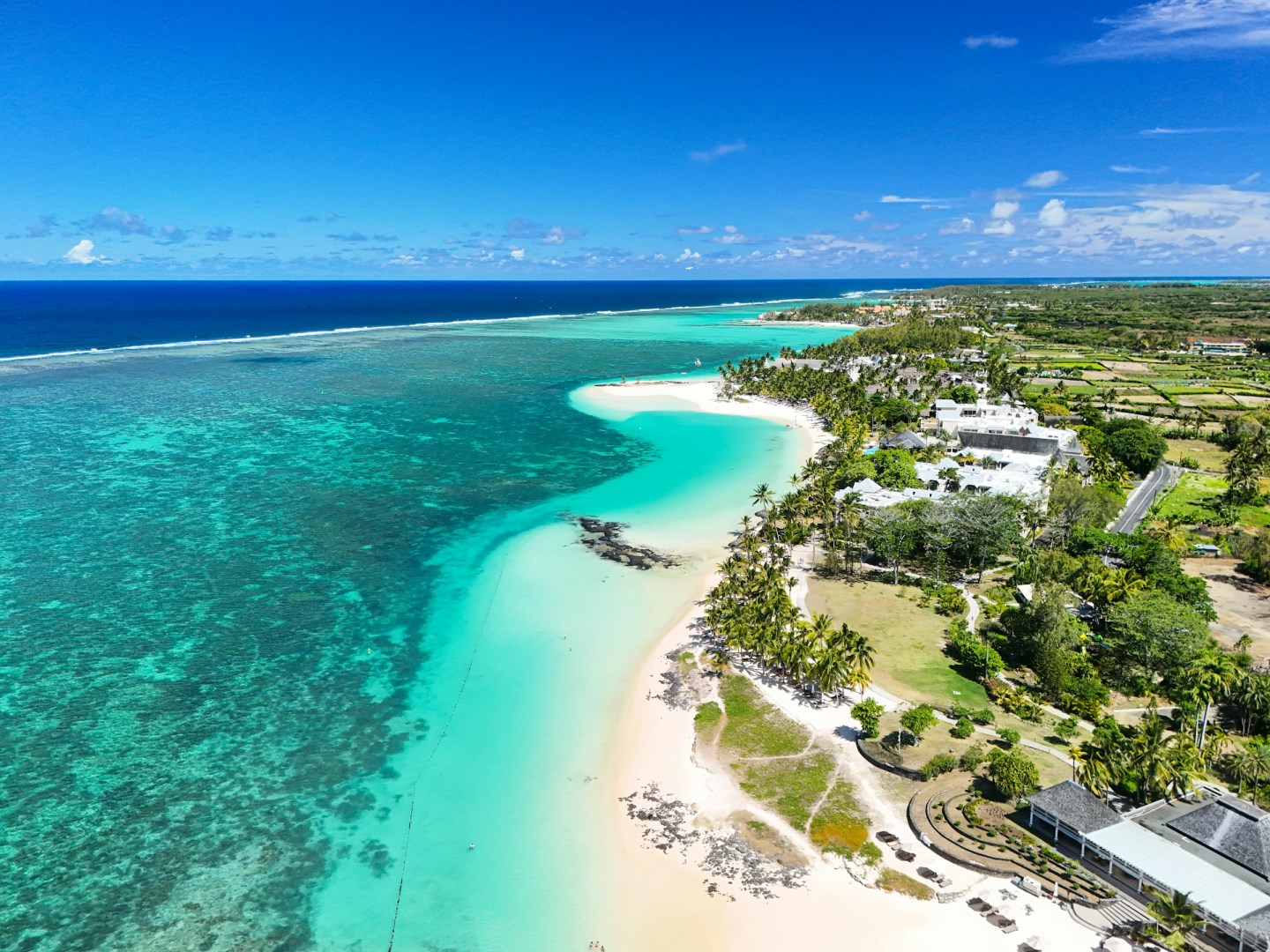
Benguerra Island, part of Mozambique’s Bazaruto Archipelago, is a tropical paradise known for its pristine beaches, turquoise waters, and rich marine life. Accessible by boat from Vilankulo, the island offers a secluded retreat where visitors can enjoy sun-soaked sandbanks, coral reefs, and the gentle sway of palm trees. Its small size and limited development help maintain an intimate atmosphere that feels far removed from bustling tourist hubs.
M’Hamid El Ghizlane sits deep in southeastern Morocco’s Sahara, where the paved road ends and endless sands begin. Travelers often arrive from Zagora, taking in the wide palm groves fed by ancient irrigation channels that show how people have sustained life here for centuries. At sunrise and sunset, the dunes glow with waves of gold and copper, offering unforgettable views few places on earth can match.
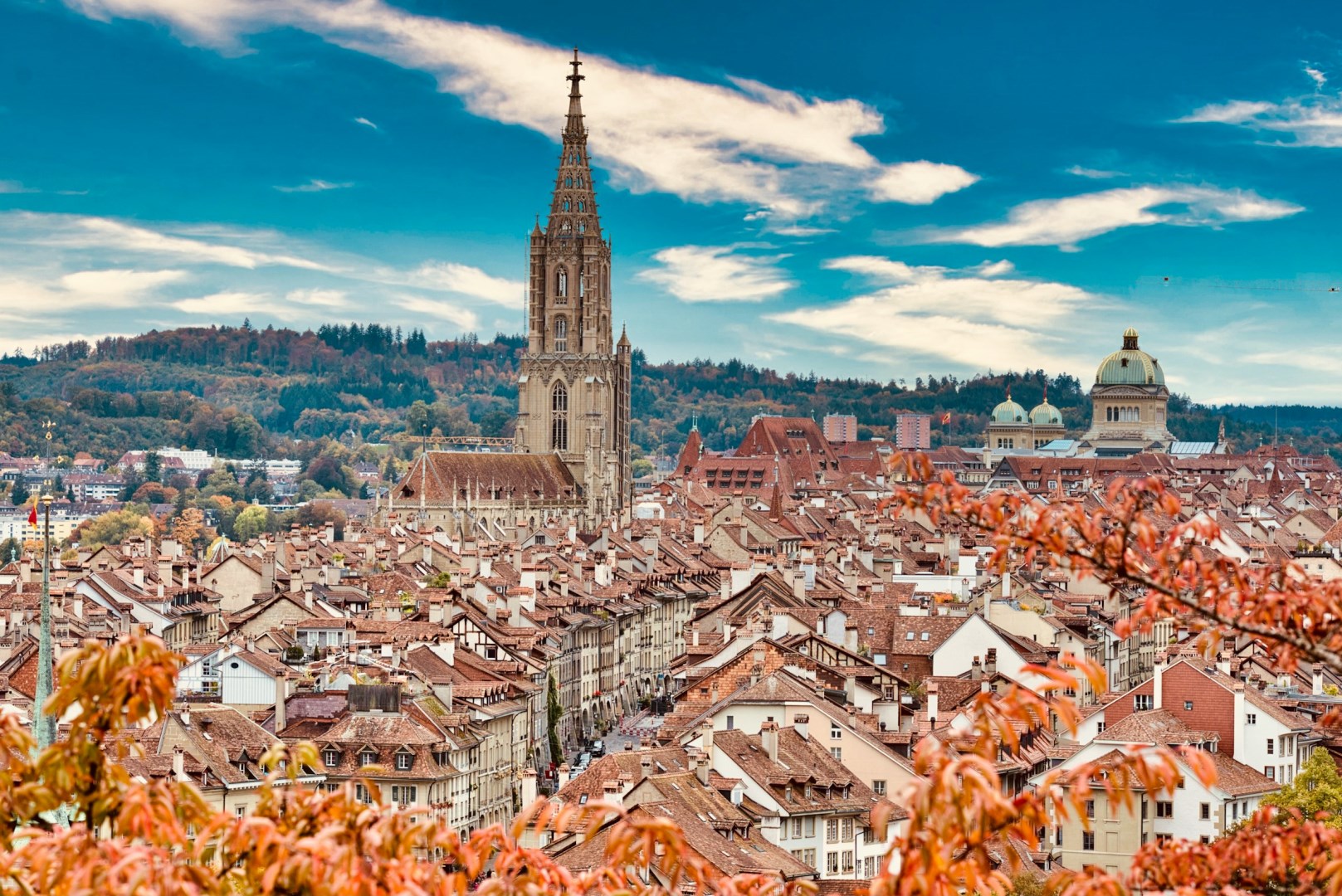
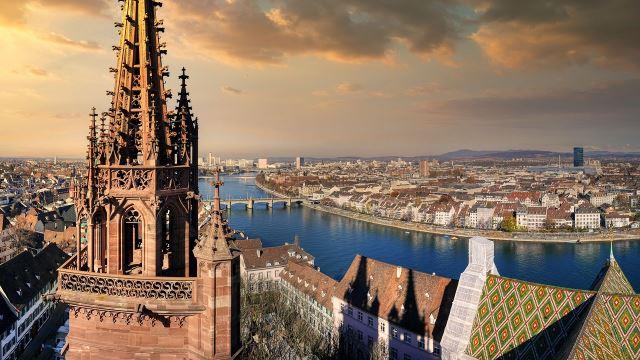
The superb city of medieval magic is the capital of Switzerland. Home of the many embassies, international organizations, the seat of Federal Government and Federal Congress, Berne also has a definite artistic side. Explore the magnificent museums filled with art treasures; enjoy the famous Berne Symphony Orchestra or visit the cozy, historical basement pubs, Kellerlokale.
First founded in 1191 and nearly destroyed in its entirety in 1405 when the great fire razed the wooden built town, the city of Berne is today constructed in hardier sandstone and stands as an unchanged paeon of carefully conserved medieval architecture.
Berne is in itself a living museum, the craftsmanship of which is emphasized in her artisans like the stone masons who still ply their trade in the open for all to see. Each one of the city's 13 magnificent museums yields an adventure into artistic and cultural endeavor without peer. From the largest Paul Klee collection in the world at the Kunstmuseum to literature through the ages at the Stadtbibliothek to the special experience that is the Symphony Orchestra performing in the
superb Gothic cathedral whose 254 steps take the intrepid visitor to the top of the highest church tower in Switzerland, Berne is a magical voyage of discovery.
Set within the medieval atmosphere is the largest and most modern sheltered shopping center in Europe. The 6 kms of arcaded passageways direct the visitor to a network of exclusive boutiques and stores, and the quaint old-town shops.
Top off an enchanting day with a visit to one of Berne's historical Kellerlokale or a good cabaret show and dancing.