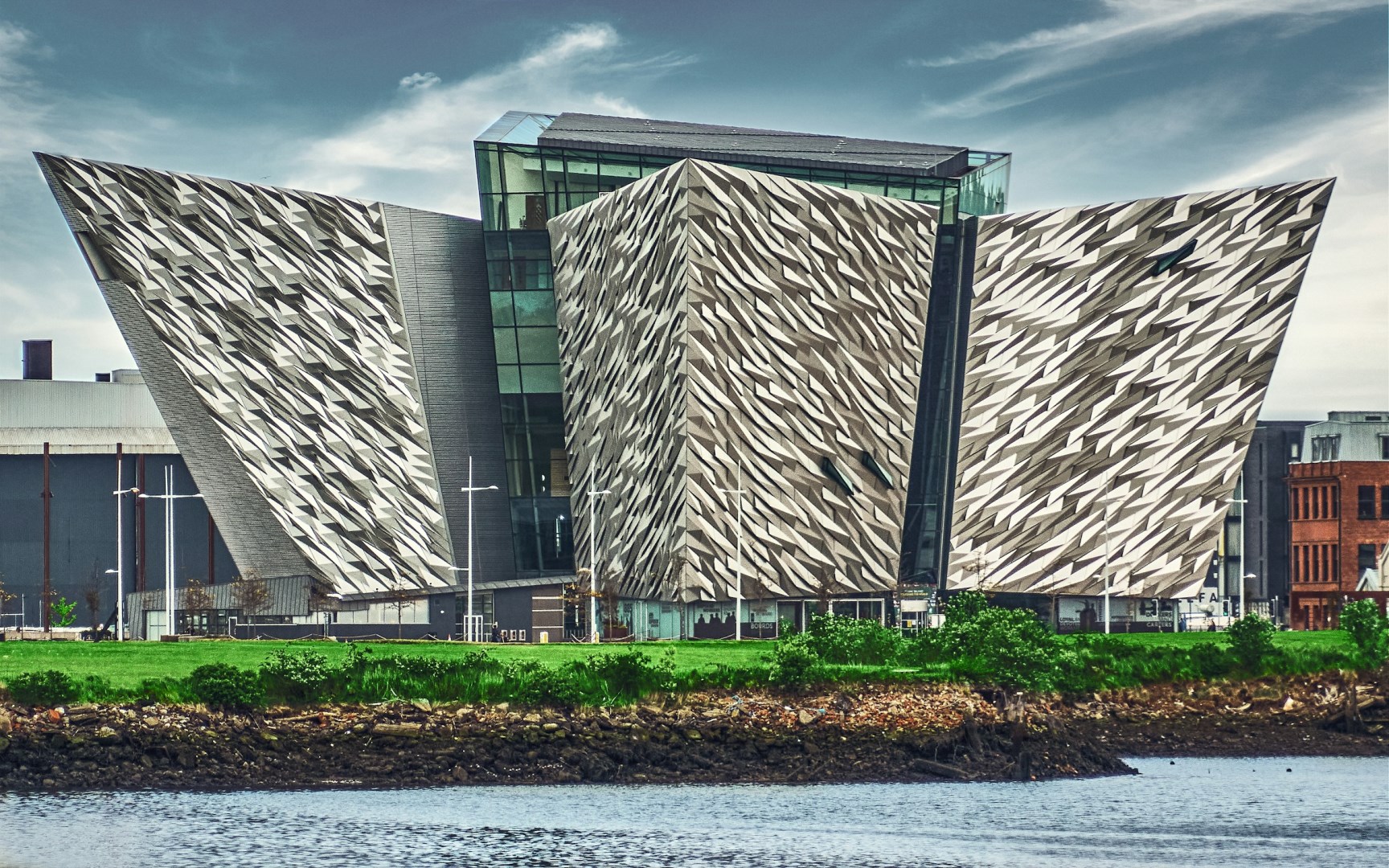
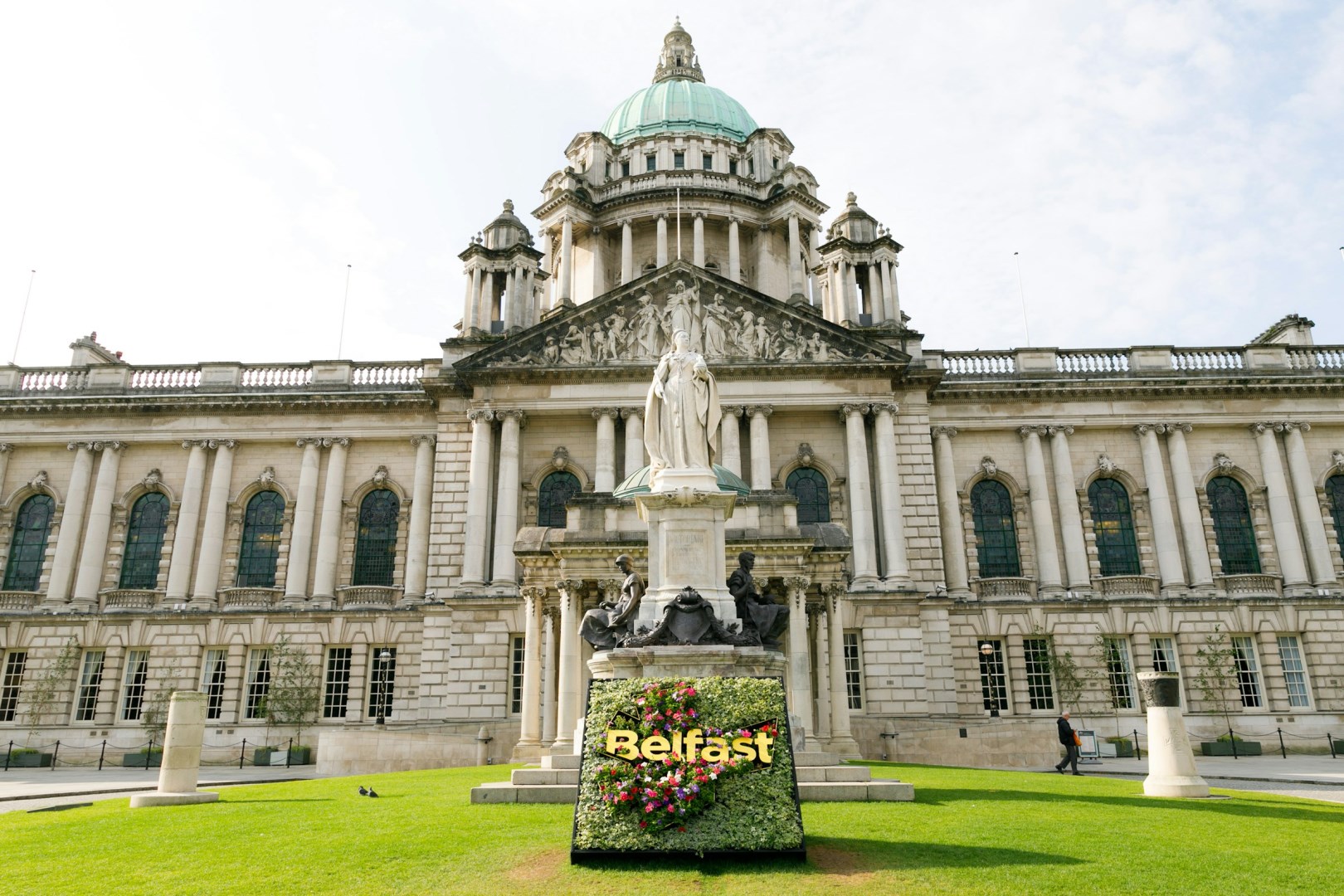
Belfast, the vibrant capital of Northern Ireland, is a city steeped in rich history and brimming with cultural charm. Known for its role in the Industrial Revolution, it was once a major shipbuilding hub, most famously the birthplace of the RMS Titanic. Today, visitors can explore the Titanic Quarter, where the Titanic Belfast museum stands as a modern architectural marvel, offering a fascinating and interactive journey through the ship's history. The city’s maritime heritage is also reflected in attractions like the SS Nomadic, the last remaining White Star Line ship, which once ferried passengers to the Titanic.
The cultural scene in Belfast is equally captivating, with a rich tapestry of music, art, and festivals. The city has been designated a UNESCO City of Music, reflecting its vibrant music scene that ranges from traditional Irish sessions in cozy pubs to contemporary performances at venues like the SSE Arena. Art enthusiasts can visit the MAC (Metropolitan Arts Centre) to experience cutting-edge exhibitions and performances, while the annual Belfast International Arts Festival showcases a diverse array of local and international talent.
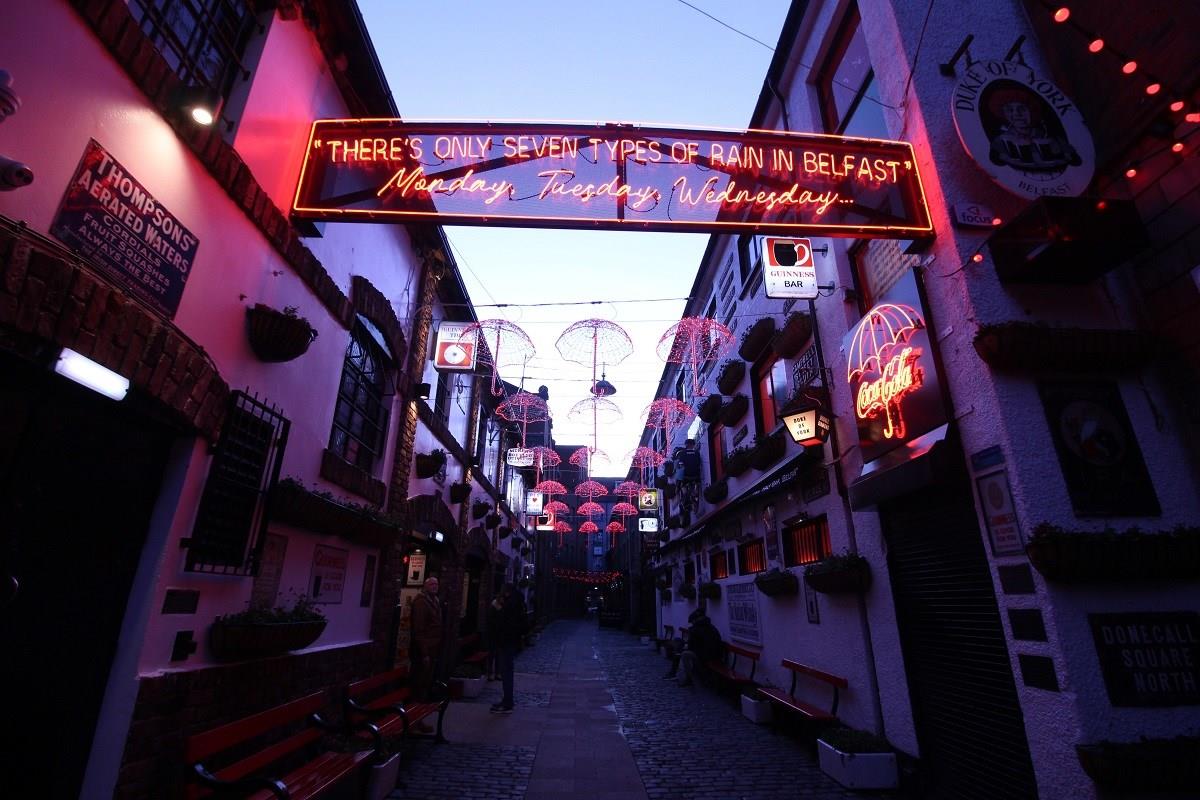
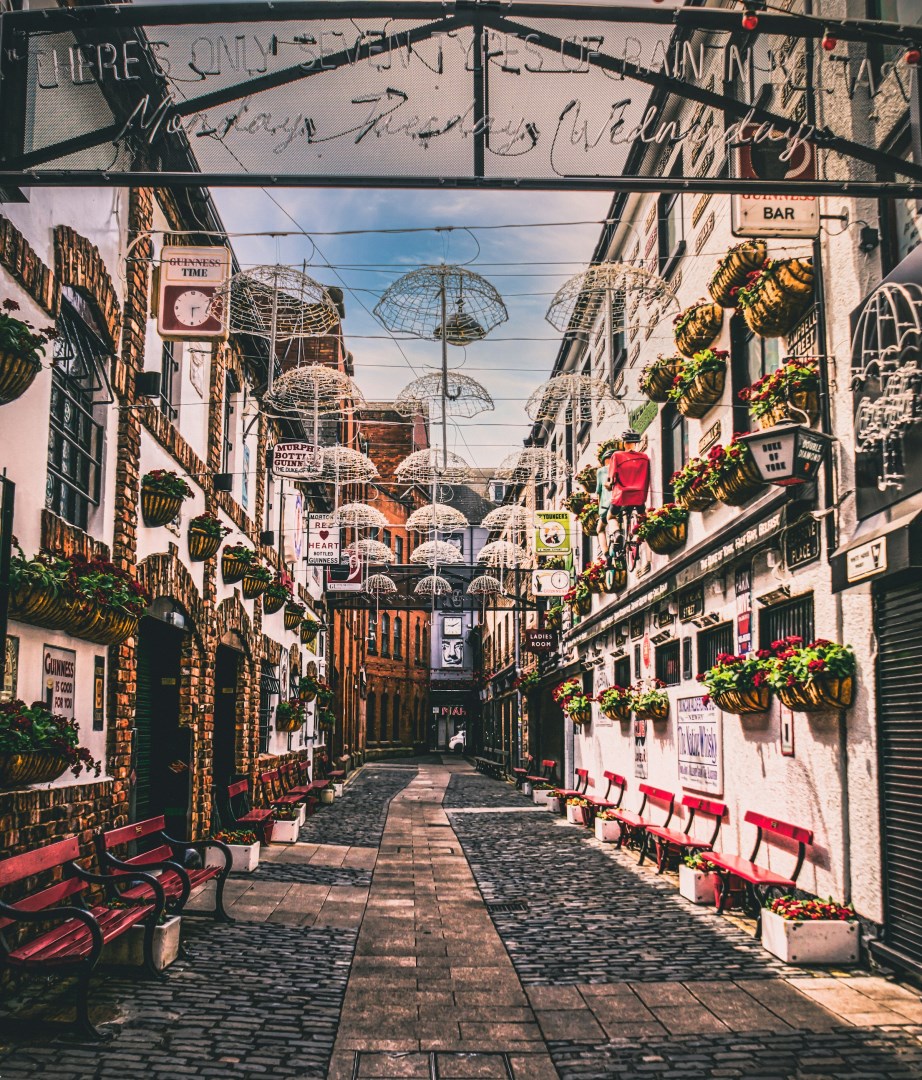
The Duke of York is a traditional Belfast pub tucked into Commercial Court, a narrow cobbled alley in the city’s historic Cathedral Quarter. The bar is known for its collection of original mirrors, signs, photographs, and other memorabilia gathered from across Northern Ireland, giving the interior a strong connection with Belfast’s pub and distilling heritage. The building was destroyed by a bomb during the Troubles and later rebuilt, while the surrounding alley has been decorated with murals and vintage advertising signs. The pub also hosts live music and is noted for its extensive selection of Irish whiskeys.
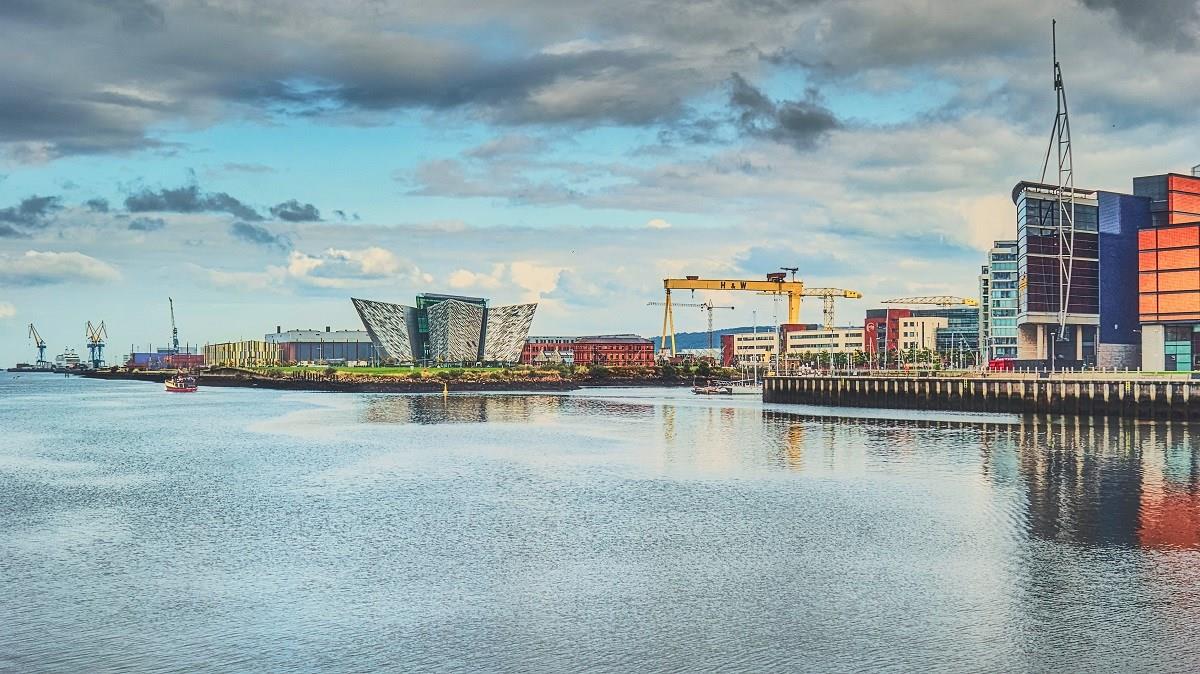
Titanic Belfast is a maritime museum and visitor attraction in Belfast’s Titanic Quarter, built beside the original slipways where RMS Titanic was designed, constructed, and launched. Its distinctive building houses an interactive Titanic Experience that traces the ship’s development, construction, launch, maiden voyage, sinking, and later discovery through themed galleries. The site also includes SS Nomadic, Titanic’s former tender and the last surviving White Star Line vessel. Outside, visitors can see the historic slipways, Hamilton Graving Dock, and the former Harland & Wolff drawing offices, connecting the museum directly with Belfast’s shipbuilding heritage.
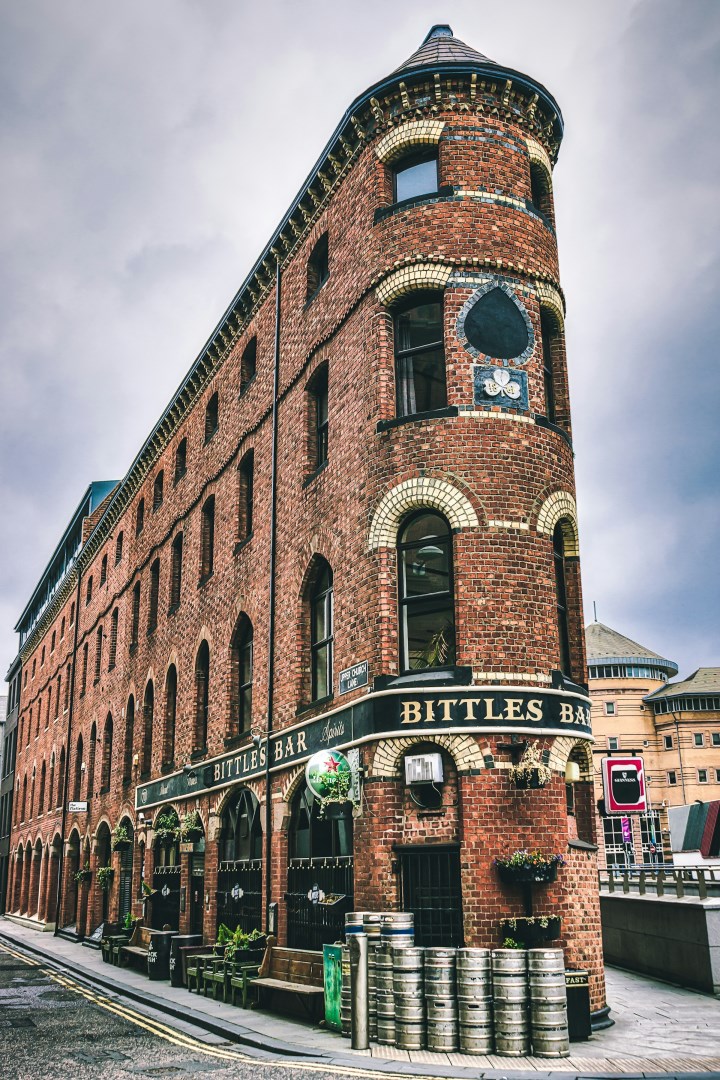
The Flat Iron Building is a distinctive historic commercial building in central Belfast, occupying a prominent corner site where High Street meets Bridge Street. Its name comes from the wedge-shaped footprint, which gives the building a form similar to a household flat iron. The structure reflects Belfast’s Victorian-era commercial architecture, with ornate stonework, tall windows, and a rounded corner that follows the shape of the junction. Its position near the River Lagan and the Cathedral Quarter places it among several important historic streets and buildings, making it a recognizable feature of Belfast’s older city center.
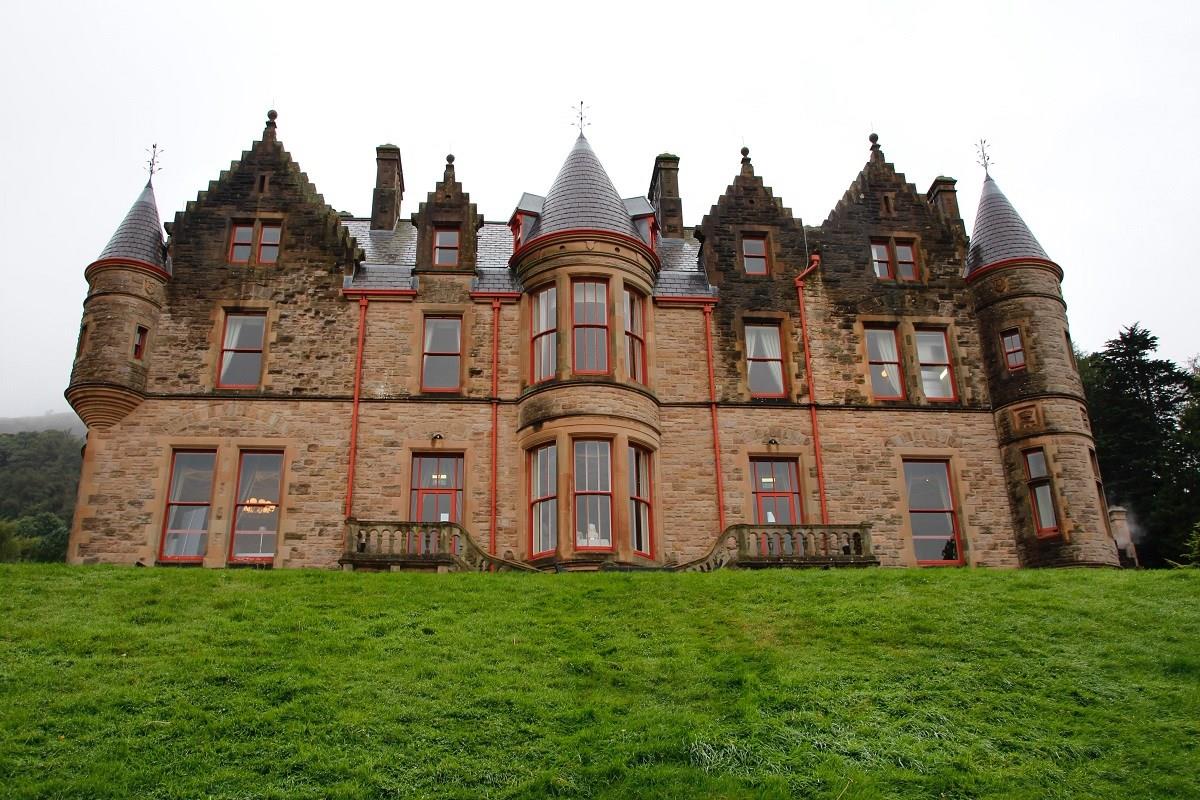
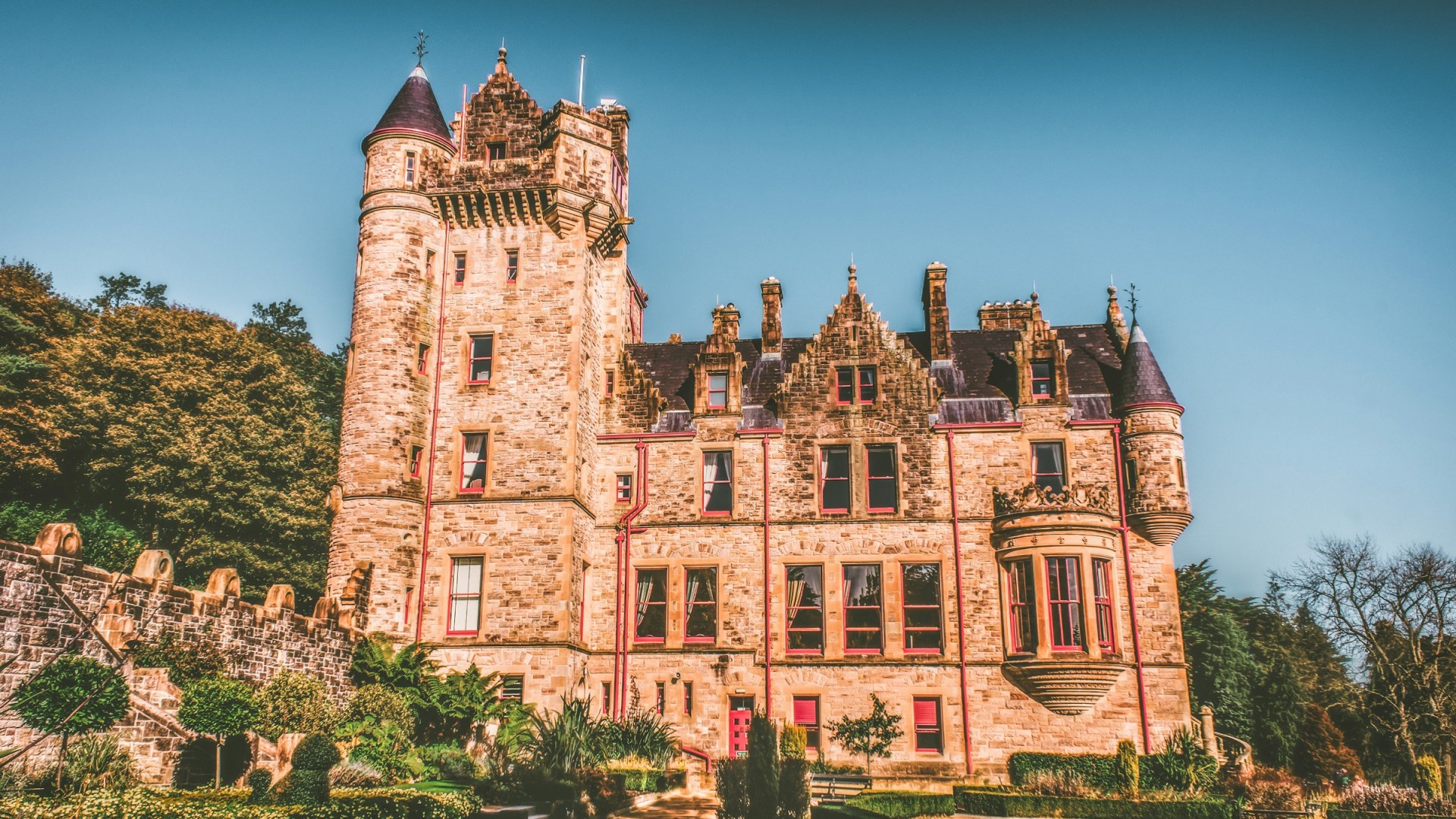
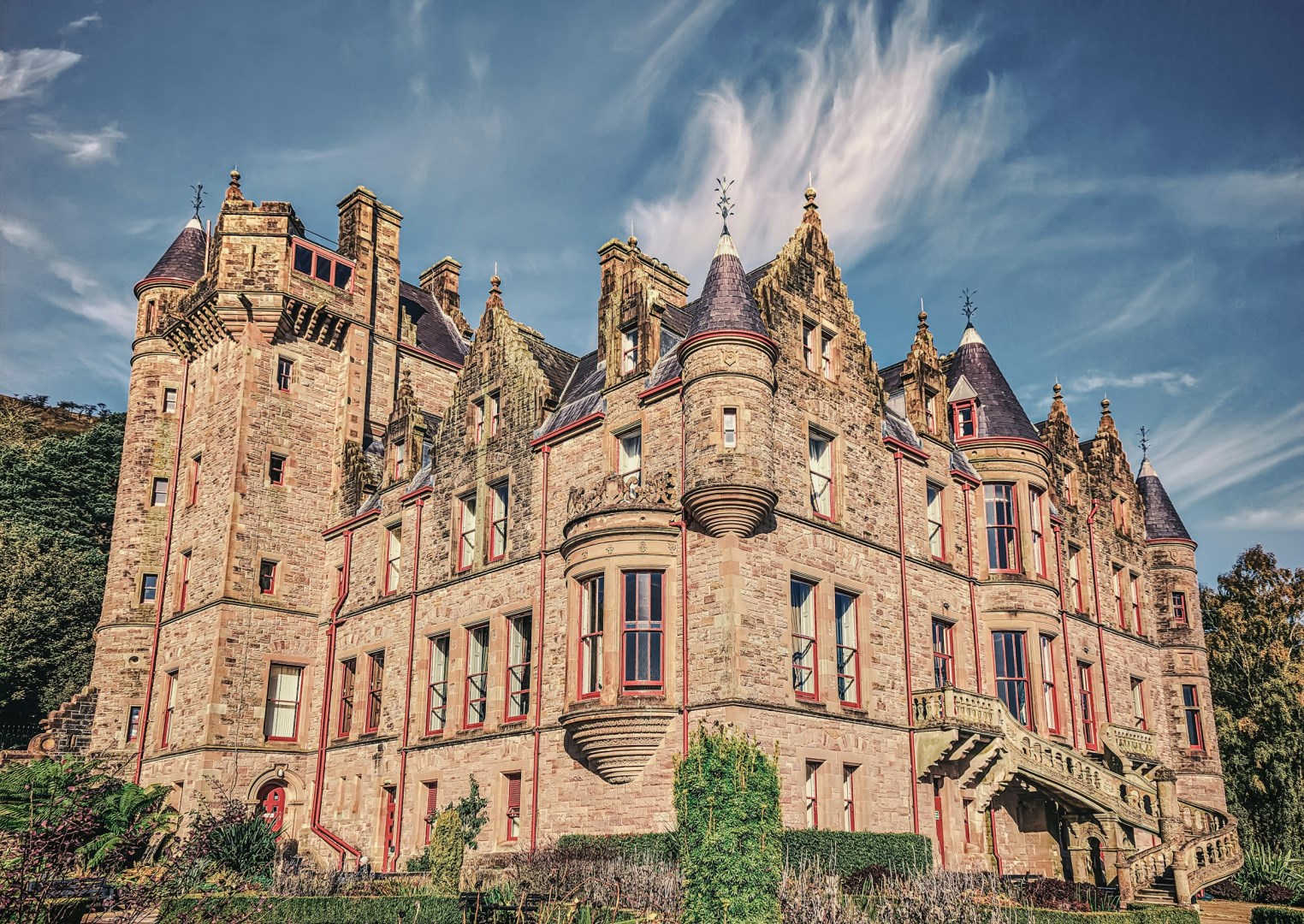
Belfast Castle stands on the slopes of Cave Hill in north Belfast, overlooking the city from a wooded estate. The present castle was designed by John Lanyon in the Scottish Baronial style and built for the Donegall family, with its distinctive turrets, gables, and ornamental details giving it a strong architectural identity. The surrounding Belfast Castle Estate includes landscaped gardens, woodland paths, and views across Belfast. Cave Hill Country Park extends beyond the grounds, with walking routes leading toward landmarks such as Napoleon’s Nose and McArt’s Fort. The castle and estate were later presented to the city and remain a public attraction.
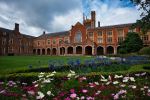
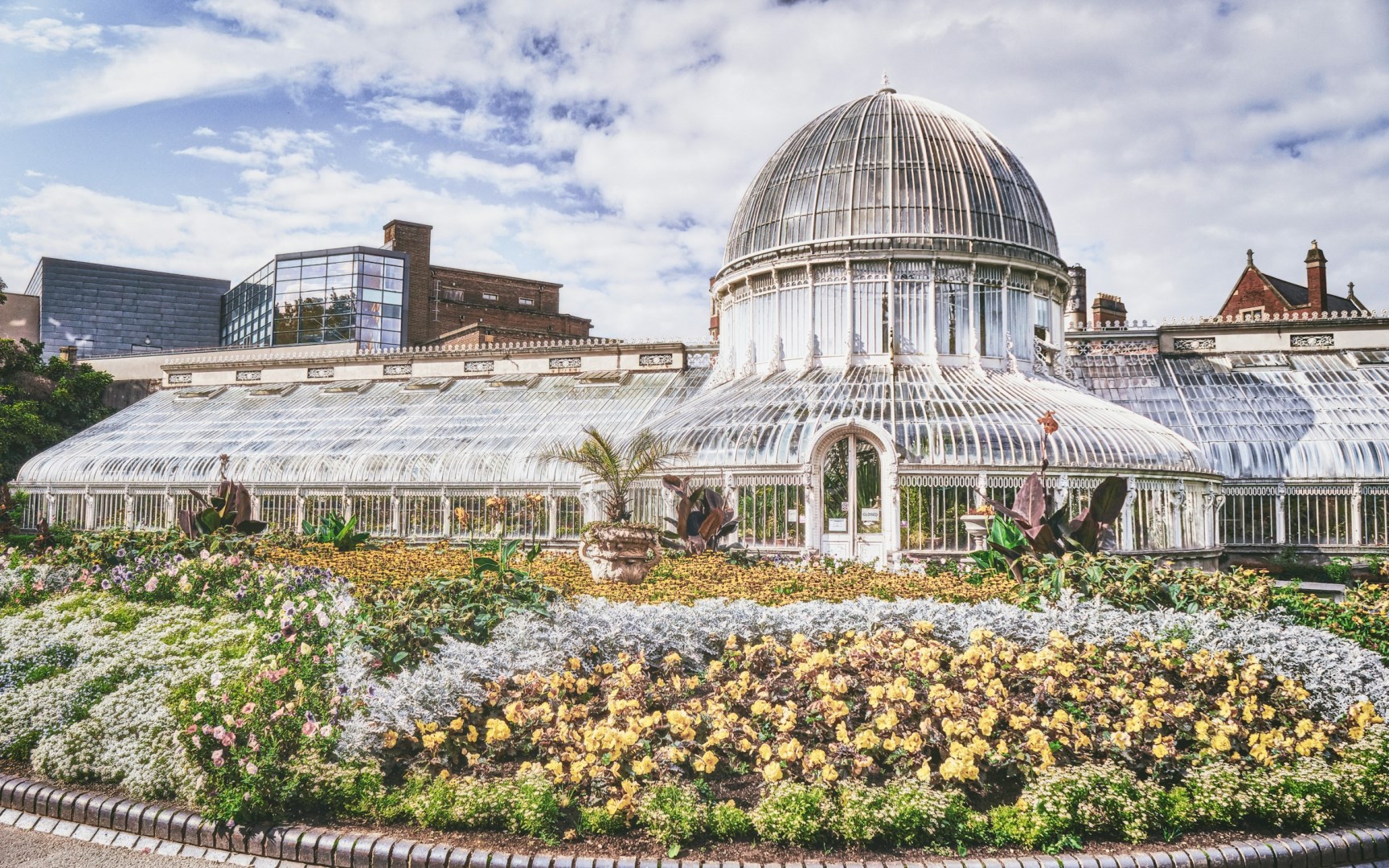
Botanic Gardens in Belfast’s Queen’s Quarter is a historic public park beside Queen’s University, known for its plant collections, mature trees, flower beds, rose garden, and distinctive Victorian glasshouses. The Palm House, designed by architect Charles Lanyon with ironwork by Richard Turner, is one of the park’s defining features, while the Tropical Ravine contains tropical plants including orchids, bananas, cinnamon, bromeliads, and cycads. The gardens also include walking paths, sculptures, and lawns, making them an important green space within south Belfast. Their setting near the university and Ulster Museum places them within one of the city’s principal cultural districts.
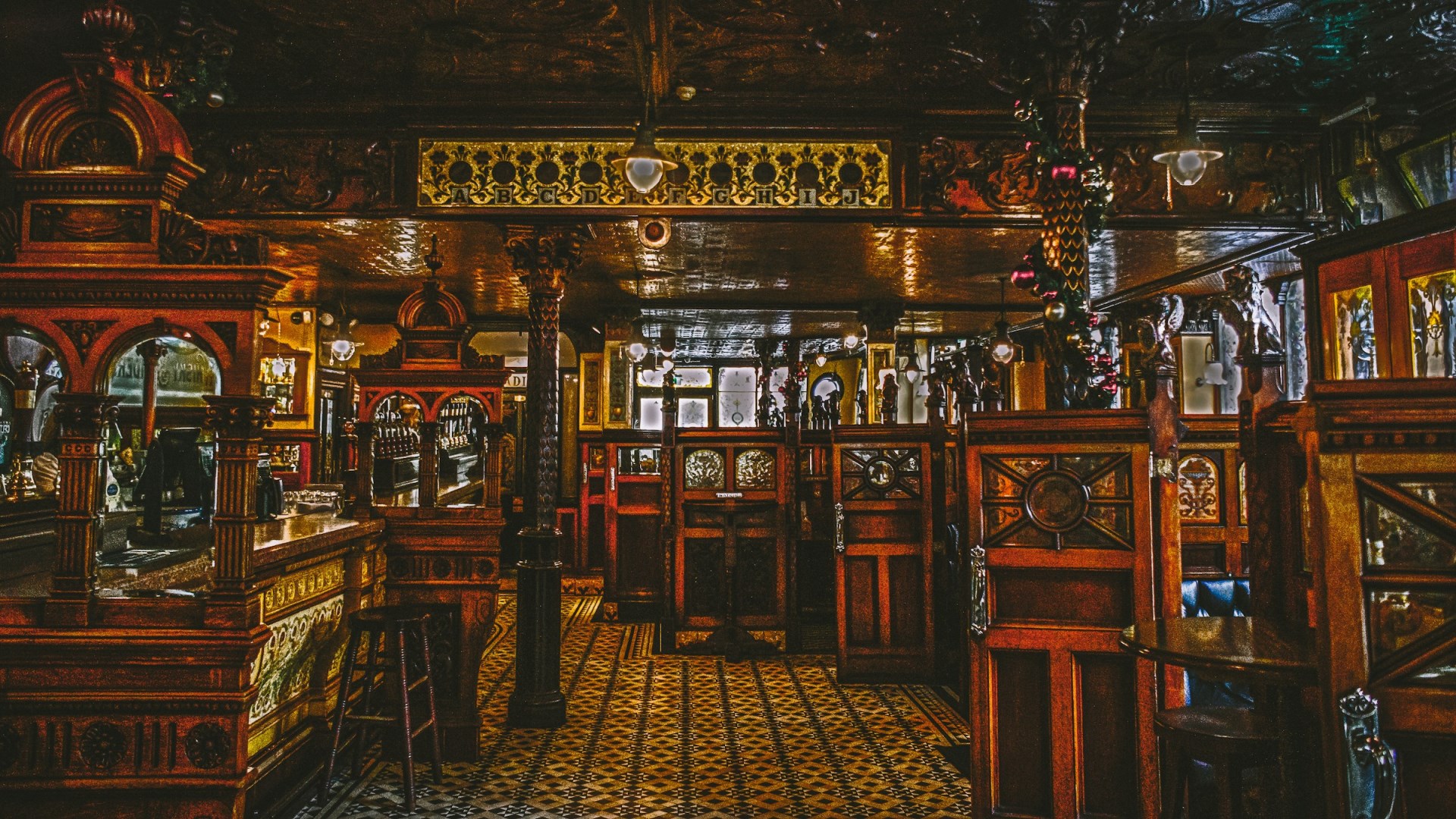
The Crown Liquor Saloon on Great Victoria Street is one of Belfast’s best-preserved Victorian pubs and a Grade A listed building. Once a Victorian gin palace, it is known for its richly decorated interior, including mosaic floors, colorful tiles, carved woodwork, etched and stained glass, period gas lighting, and a red granite-topped bar. Ten private wooden snugs line the interior, each designed to provide privacy and equipped with its own bell for calling staff. The National Trust cares for the building, which remains a working pub and an important example of Belfast’s historic drinking-house architecture.
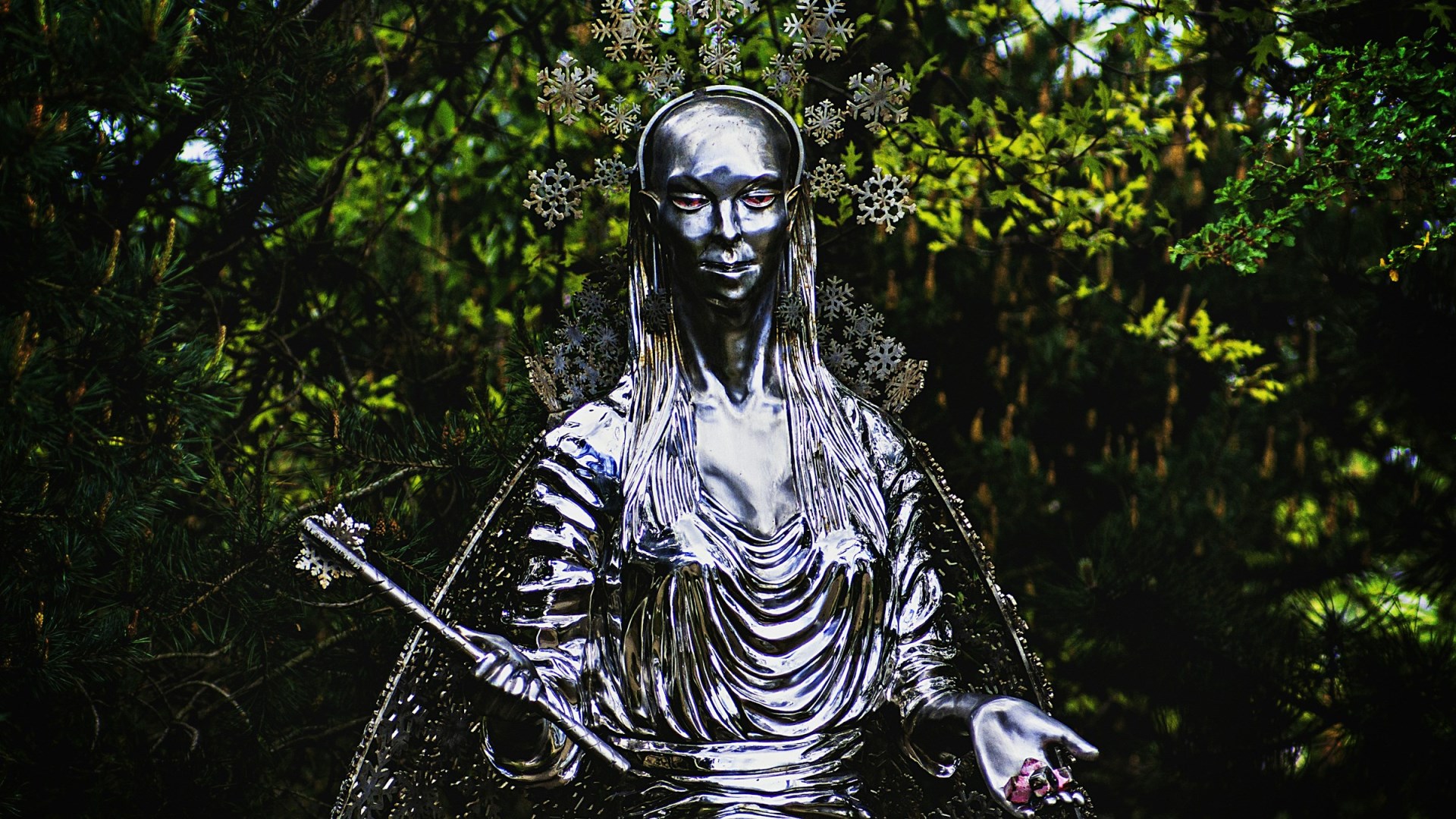
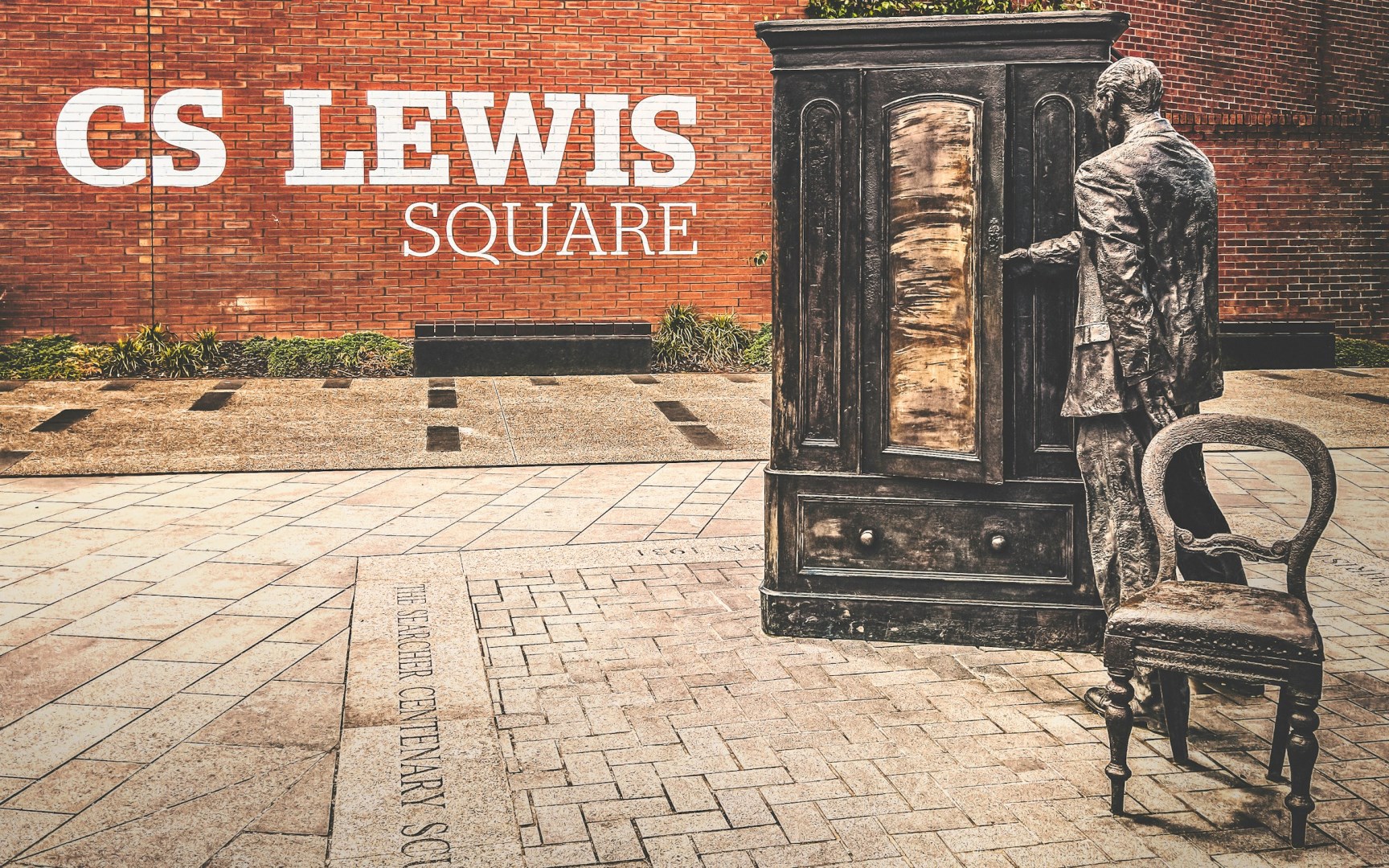
C. S. Lewis Square is a public space in east Belfast dedicated to the life and work of writer C. S. Lewis, who was born in the city. The square features seven bronze sculptures by artist Ross Wilson depicting characters from The Chronicles of Narnia, including Aslan, the White Witch, Mr. Tumnus, the Beavers, and the Stone Table. Set beside the Connswater Community Greenway, the square also includes landscaped areas, seating, and pathways. A sculpture of Lewis himself stands nearby, while the surrounding EastSide district contains locations associated with his childhood and literary heritage.
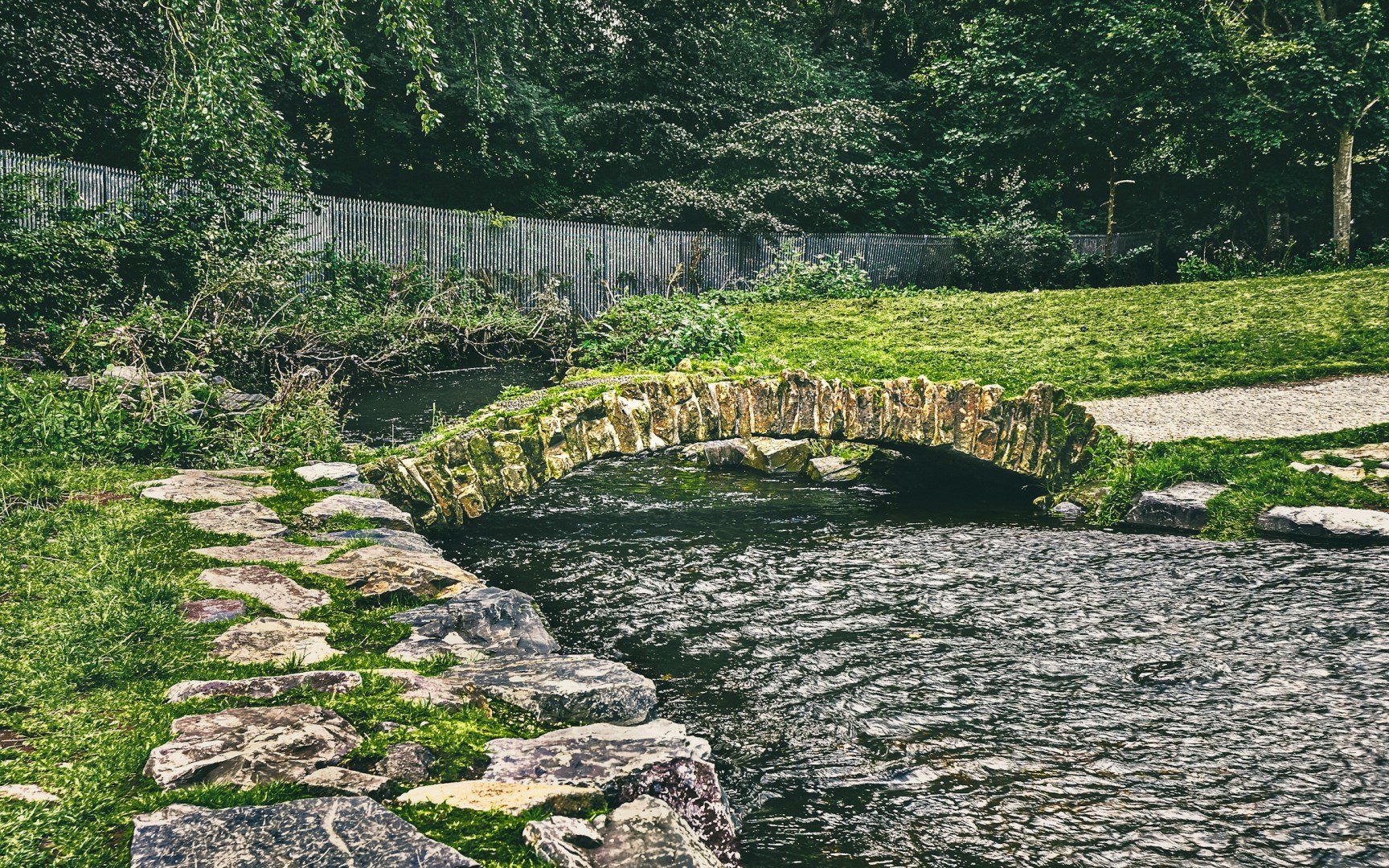
Conn O’Neill’s Stone Bridge is a historic masonry bridge spanning the River Lagan at Minnowburn, on the southern edge of Belfast. Traditionally associated with Conn O’Neill, a Gaelic lord of Clandeboye, the bridge is a surviving example of the older routes that connected settlements around the Lagan before modern roads transformed the area. Its simple stone arches and wooded riverside setting give the site a distinctly rural character, despite its location close to the city. The bridge forms part of the Lagan Valley Regional Park, where nearby paths follow the river through woodland, meadows, and historic landscapes.
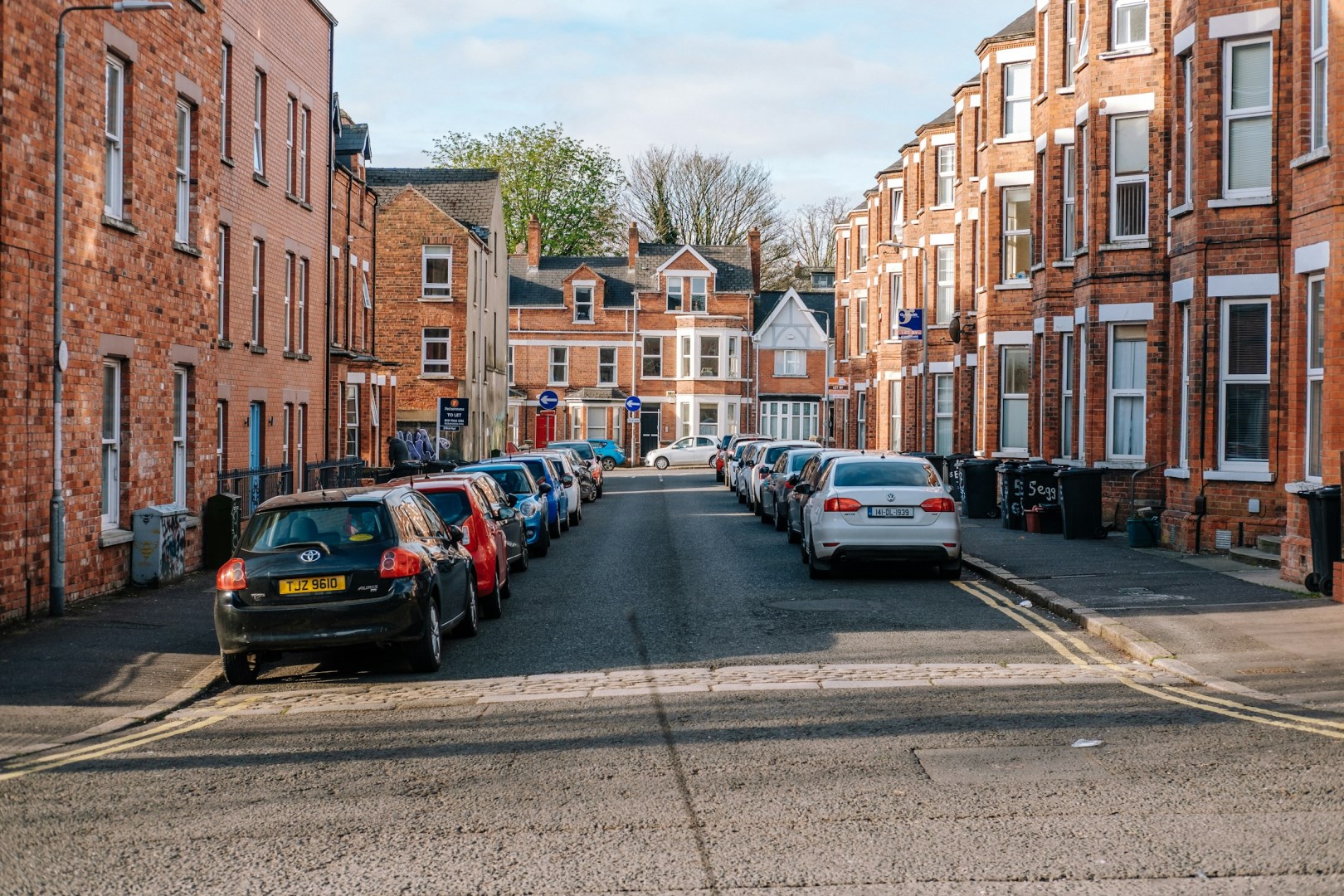
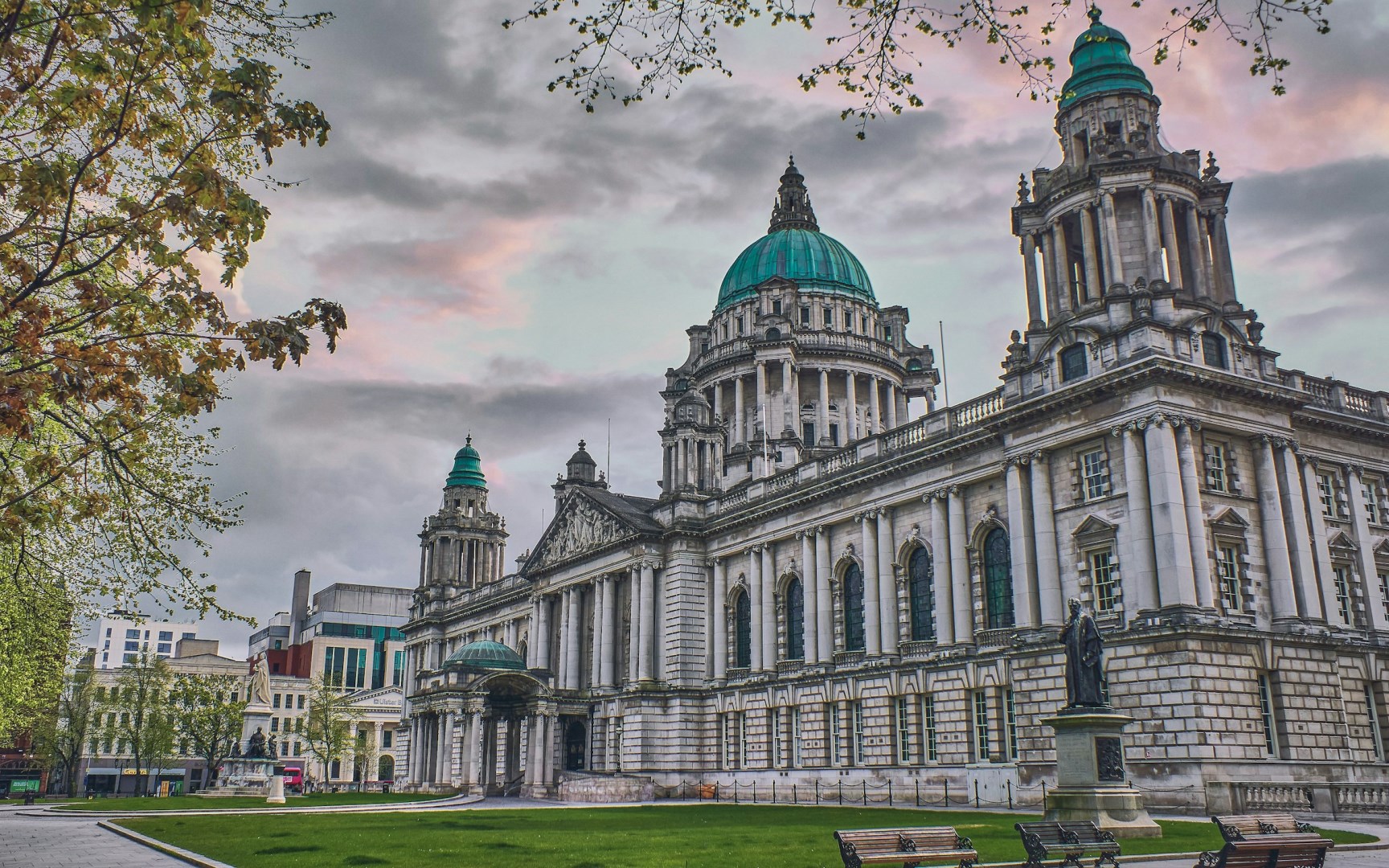
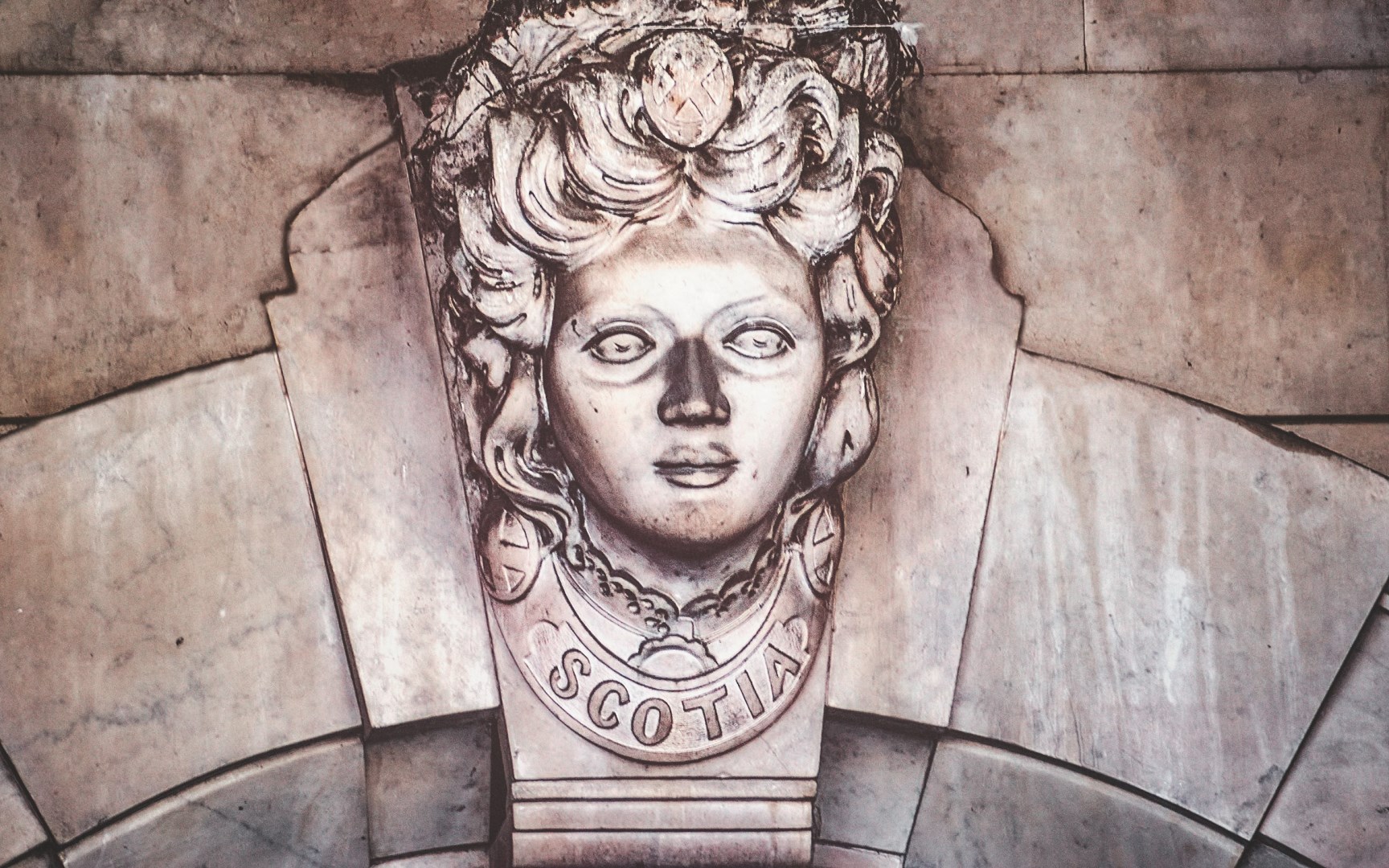
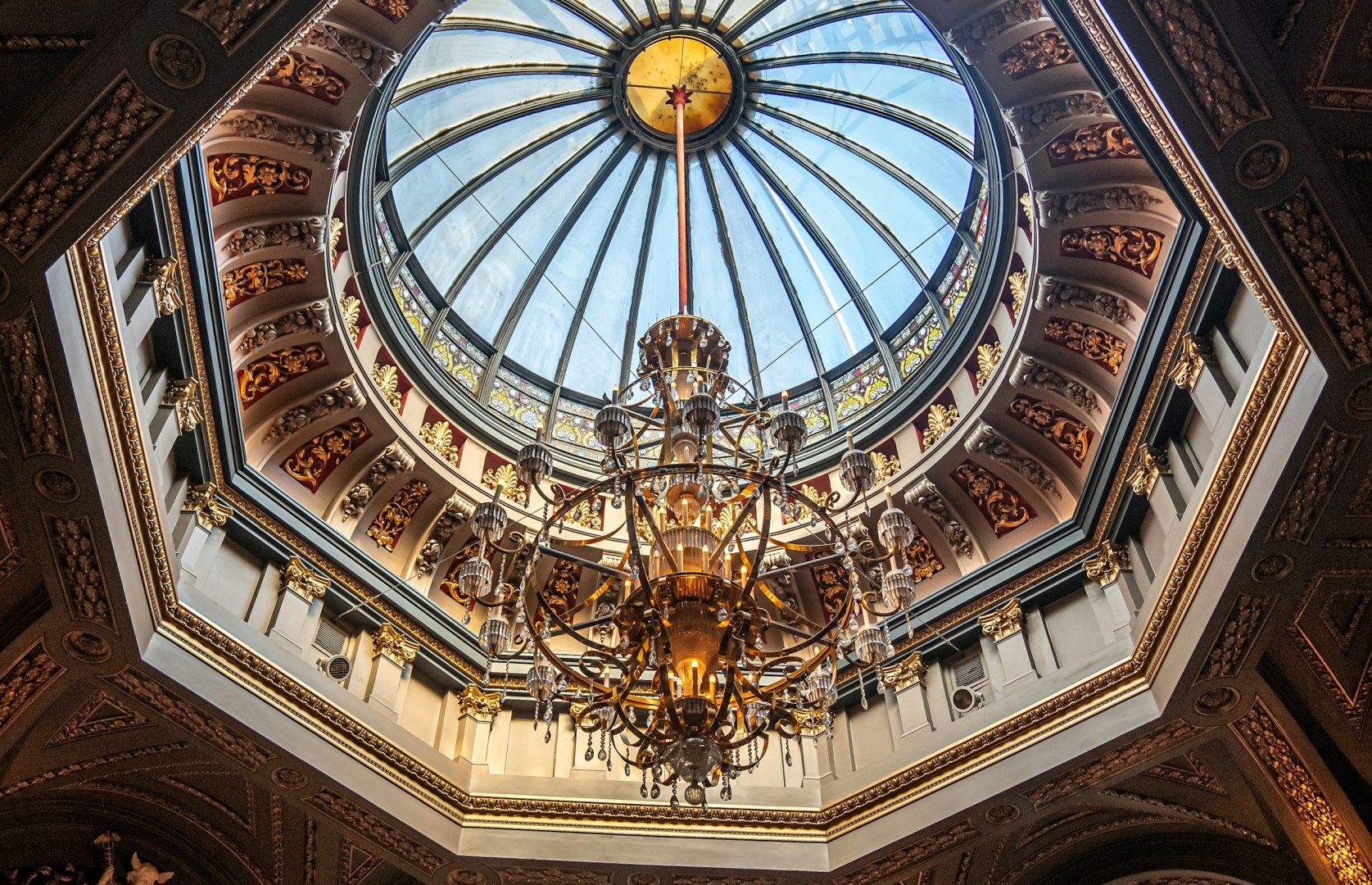
The Scottish Provident Building at 7 Donegall Square West is a listed historic building overlooking Belfast City Hall in the city centre. Built as the headquarters of the Scottish Provident Institution, it is distinguished by its formal stone façade, classical detailing, prominent pediment, and carefully arranged windows and entrances. The building forms part of the architectural group surrounding Donegall Square, an important civic setting in Belfast. Its commercial use has changed over time, with parts of the building adapted for shops, restaurants, and offices, while its protected status preserves important elements of its historic character.