Kenya
Kenya, a jewel of East Africa, is a tapestry of vibrant cultures, breathtaking landscapes, and incredible wildlife. Nairobi, the bustling capital, offers a gateway to numerous adventures, from visiting the Giraffe Centre, where you can feed endangered Rothschild’s giraffes, to exploring the Nairobi National Park, where lions roam against a backdrop of city skyscrapers.
Saint Florent Corsica
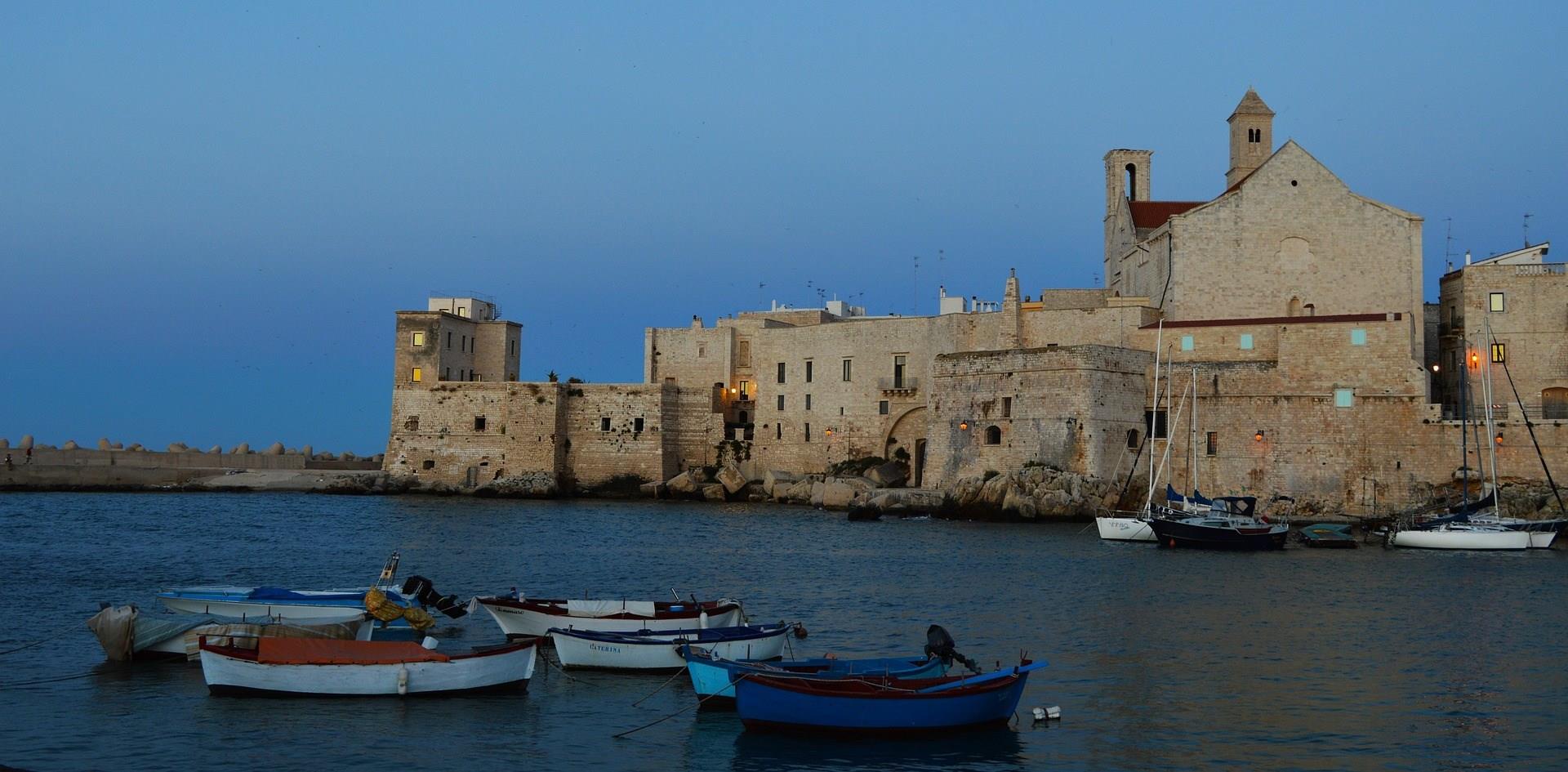
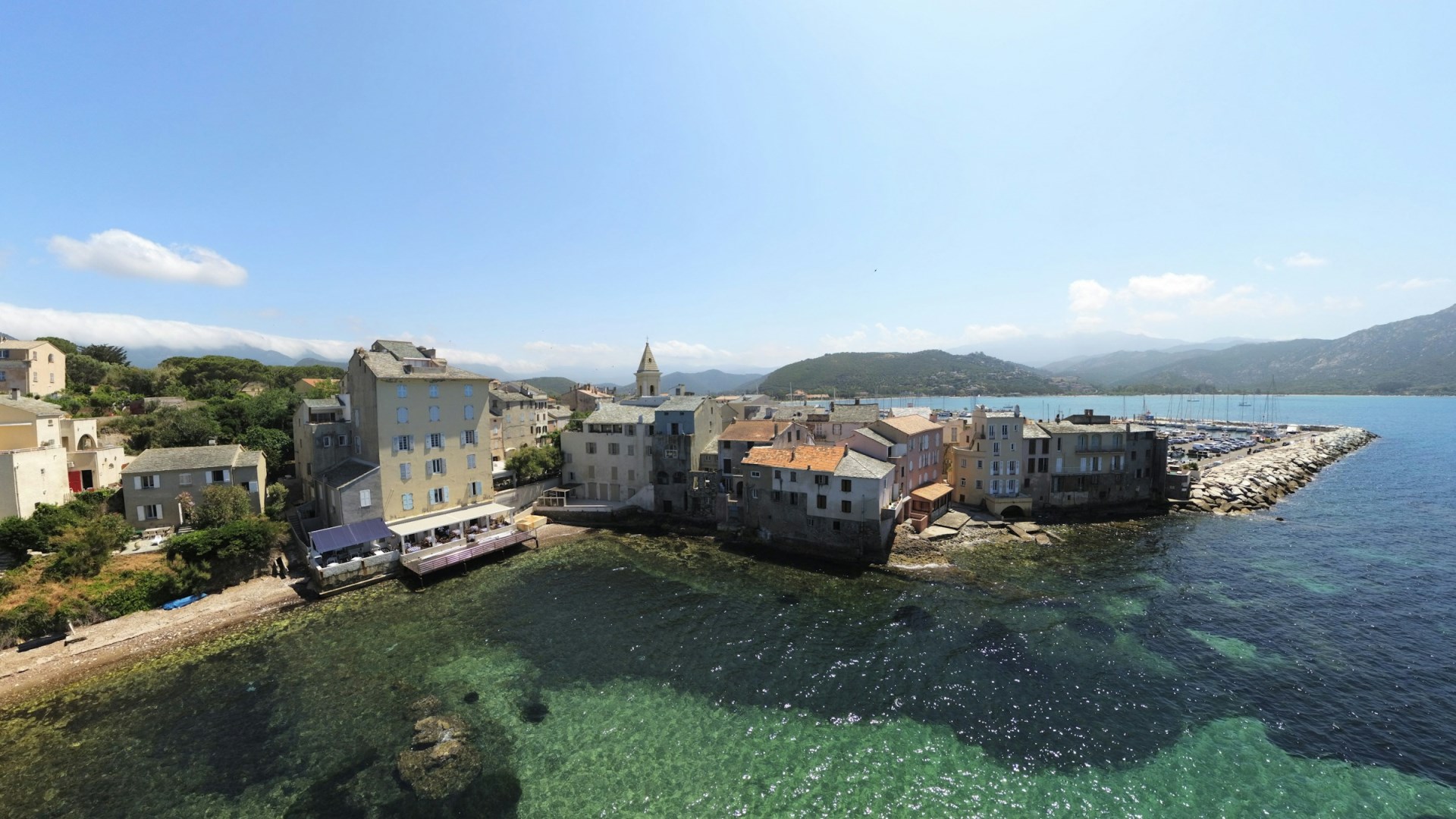
Saint Florent is a harbor town located on the island of Corsica off the coast of France. At the end of one of the most beautiful gulfs of the Mediterranean, Saint Florent is a unique town, offering sights such as the Genoese citadel and yachting port. Nebbio Cathedral, built in the 12th century, is another popular attraction, and fine white-sand beaches can be found nearby.
Worcester
Worcester, Massachusetts is located on the Blackstone River, near Lake Quinsigamond. Points of interest include: the American Antiquarian Society; the Worcester Art Museum; the Worcester Historical Museum; the John Woodman Higgins Armory; and the Worcester Science Center, with collections on the biological and physical sciences; and the Worcester
Music Festival.
Music Festival.

Antigua
Antigua and Barbuda are located in the middle of the Leeward Islands in the Eastern Caribbean. Antigua, the largest of the British Leeward Islands, is about 14 miles long and 11 miles wide, encompassing 108 square miles. Barbuda, a flat coral island with an area of only 68 square miles, lies approximately 30 miles to the north. The population is approximately 68,000 and its capital is St. John's on Antigua.
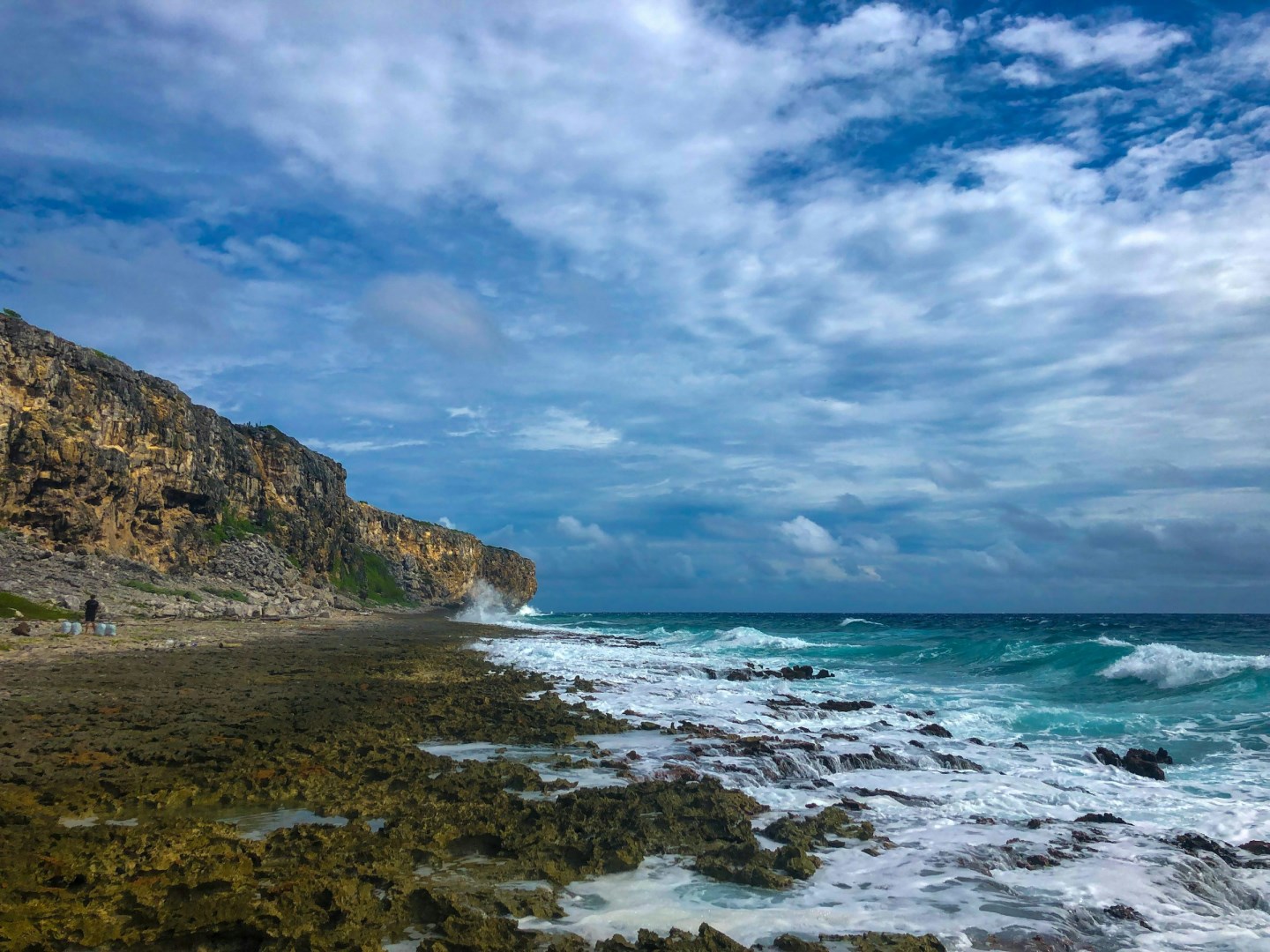
Cayman Brac
One of the Cayman Islands northwest of Jamaica. It is under British rule and is famous for its clear waters and excellent scuba diving.