Glacier National Park
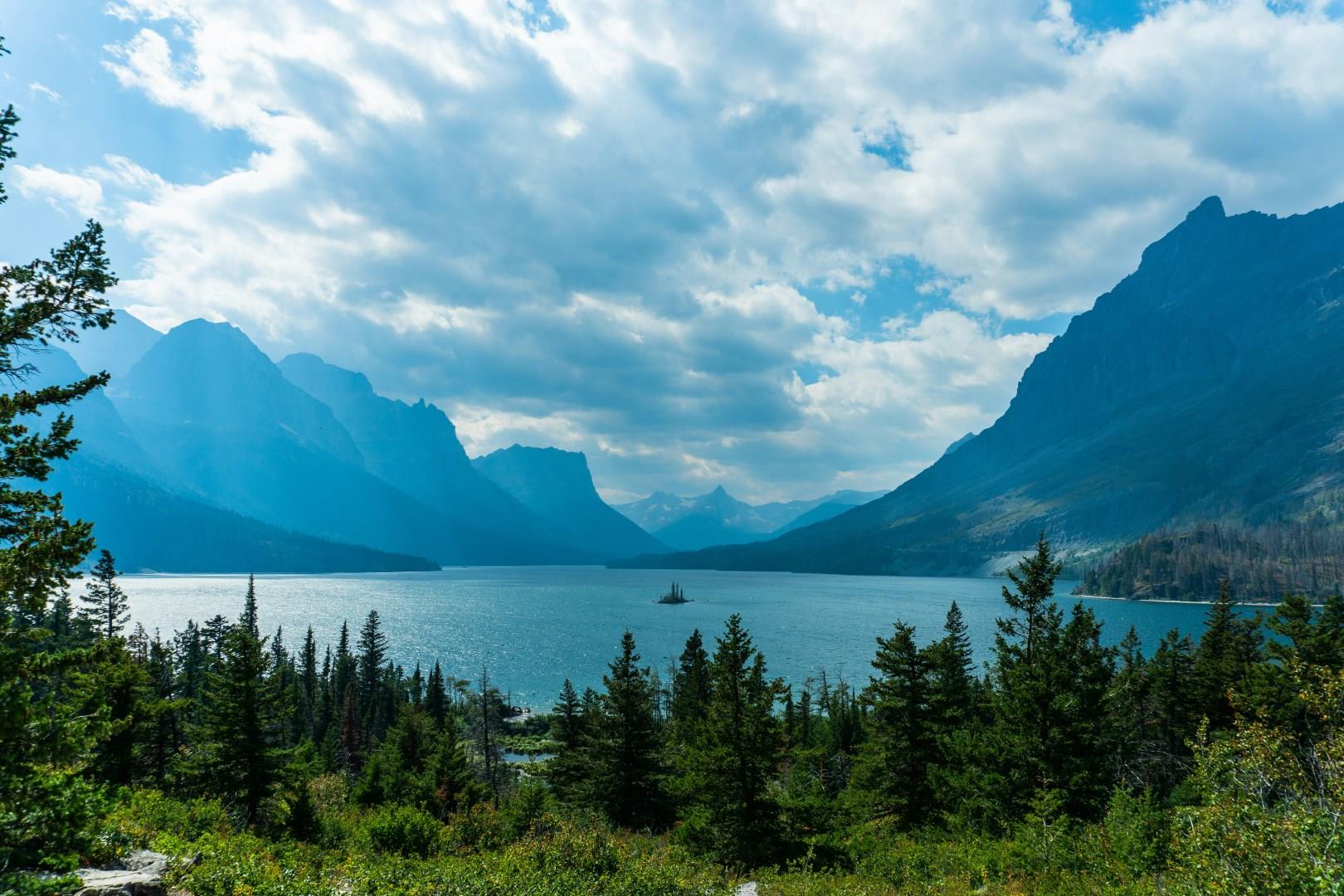
Glacier National Park is a stunning natural wonderland renowned for its dramatic landscapes and abundant wildlife. This vast expanse of pristine wilderness covers over a million acres and is a sanctuary for outdoor enthusiasts and nature lovers alike. The park is famous for its iconic Going-to-the-Sun Road, a scenic drive that winds through the heart of the park and offers breathtaking views of towering peaks, lush valleys, and pristine lakes.

Puntarenas
Stretching along Costa Rica’s Pacific coast, Puntarenas offers more than just sandy shores. This historic port town once served as the country’s main gateway for coffee exports in the 19th century. Today, visitors can stroll along streets that echo stories of maritime trade and explore how Puntarenas helped shape Costa Rica's economic identity.
Cave Creek
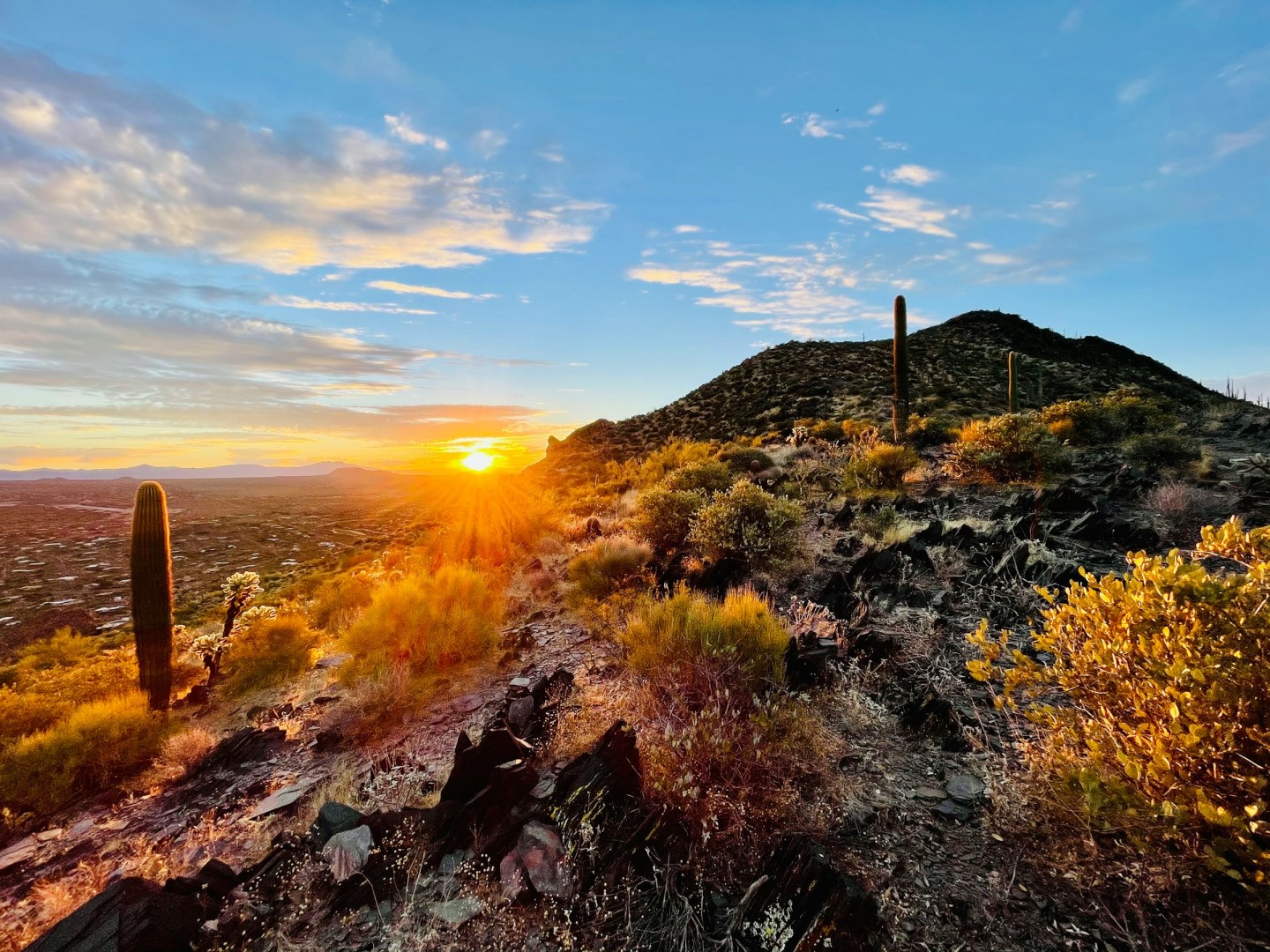
Cave Creek is a town in Maricopa County, Arizona, located north of Phoenix at the edge of the Sonoran Desert. The community sits among desert hills and washes, with views toward the nearby Black Mountains and the broader Sonoran Desert landscape. Cave Creek retains a western character through its low-density development, equestrian properties, and locally oriented businesses.
Denpasar Bali
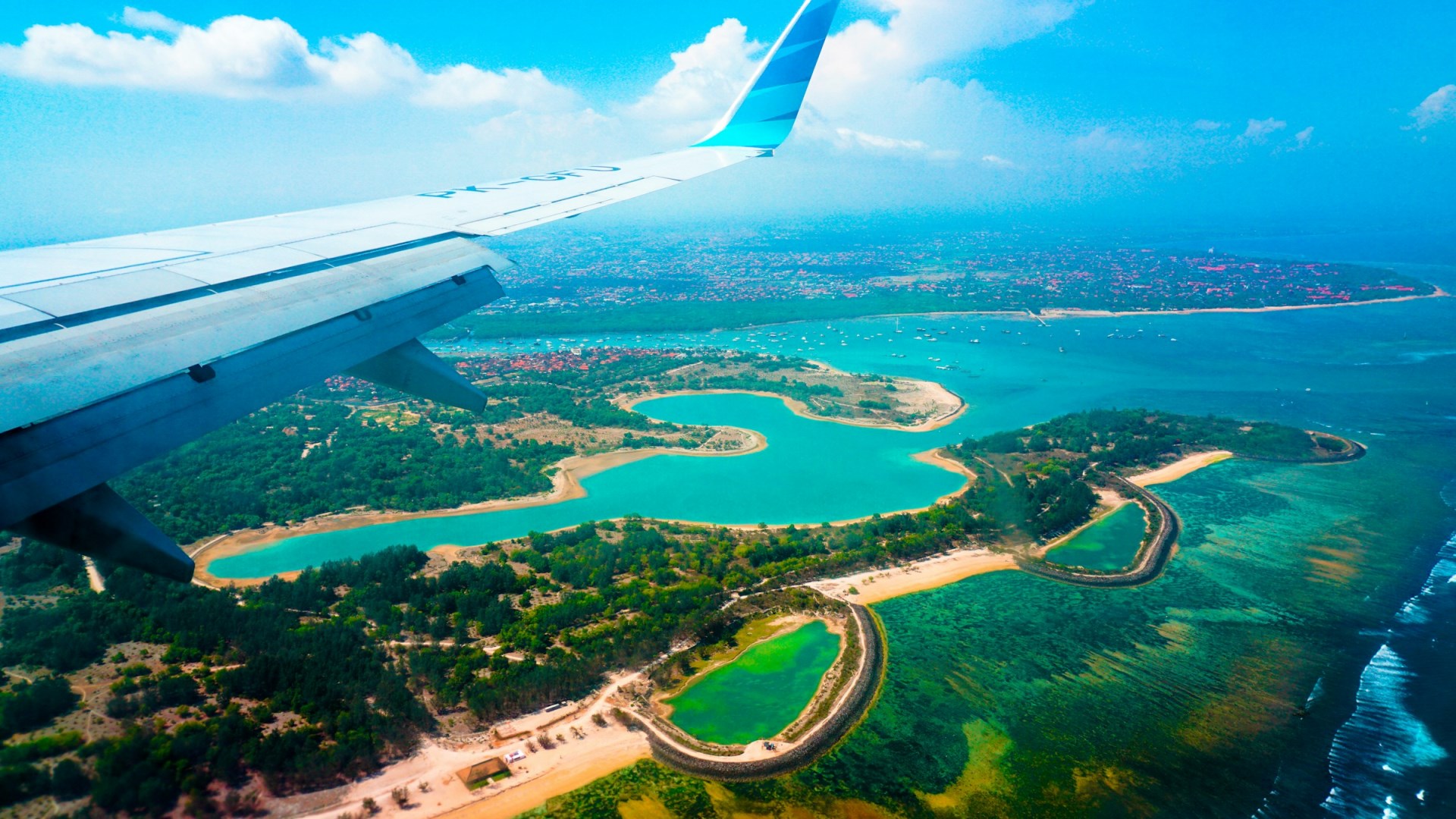
Denpasar is the capital of Bali and the island's largest urban community, often lending a drab, overcast ambiance to an otherwise delightful and interesting trip. Tour the Kumbasari Market for exotic Asian fruits while transvestites dance for handouts from local merchants. Visit the temples of Pura Jagatnata and the Museum Bali, for a taste of Balinese art from prehistoric to modern times. Check with the tourist center for a list of upcoming festivals on the island. And don't forget the Denpasar
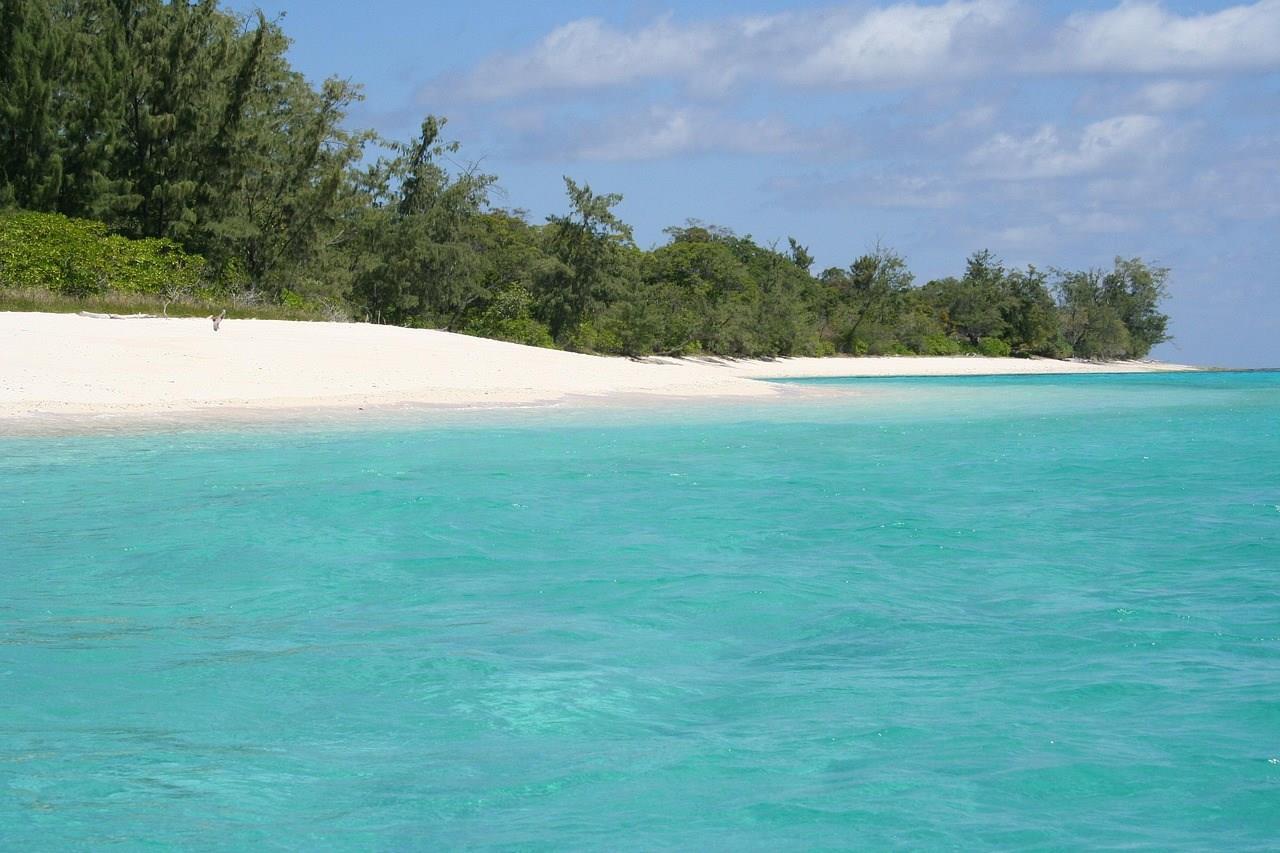
Timor-Leste
Timor-Leste, one of the world’s youngest nations, is a place where resilience and cultural richness shape everyday life. Its history is deeply marked by centuries of Portuguese colonial rule, followed by Indonesian occupation and a long struggle for independence, achieved in 2002.