Addis Ababa
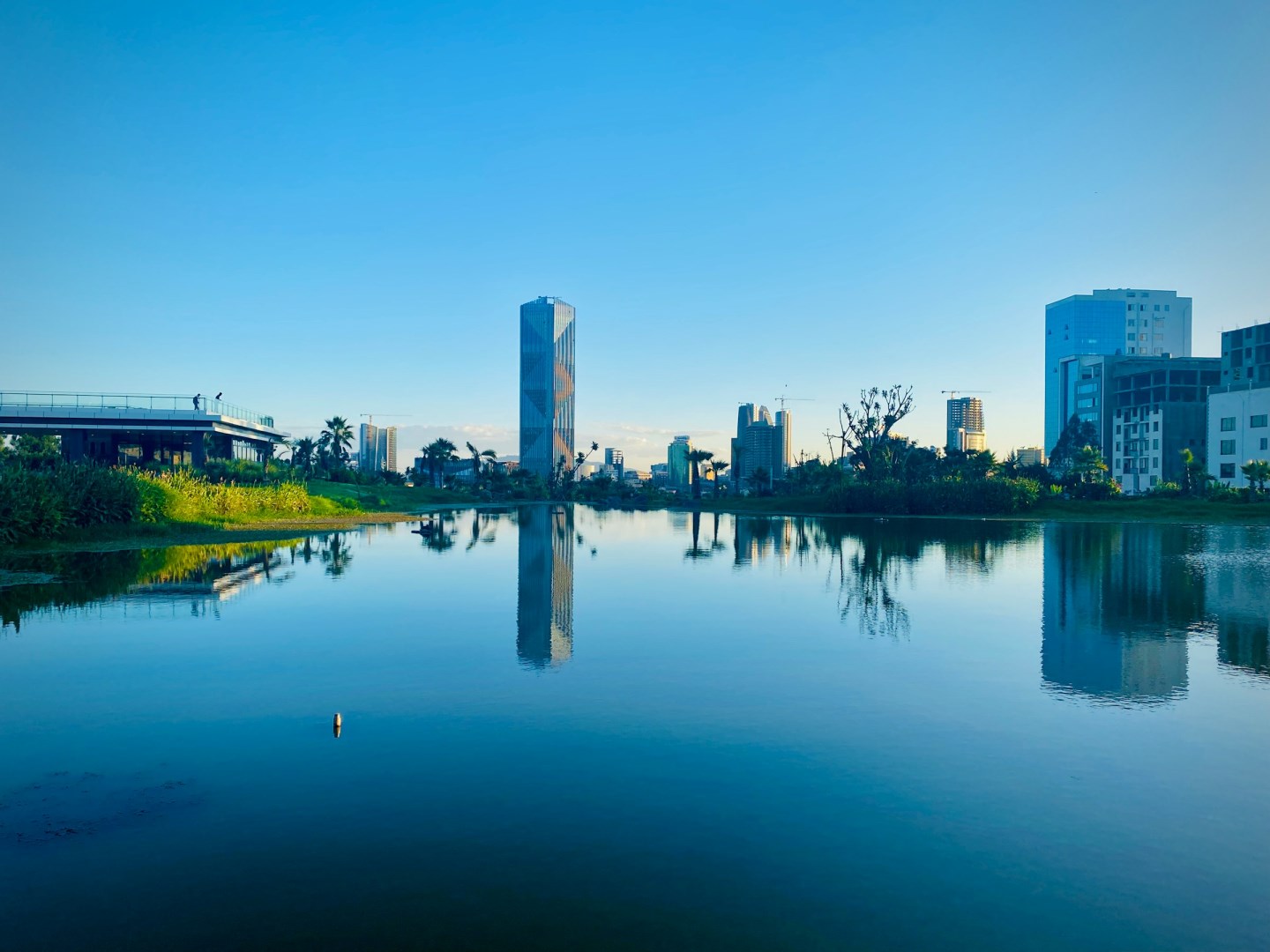
Addis Ababa is the capital of Ethiopia and a highland city set at the foot of the Entoto Mountains. Its elevated setting gives the city a relatively cool climate compared with much of the country, while broad avenues, busy neighborhoods, green hills, and expanding modern districts create a varied urban landscape. Addis Ababa is also the headquarters of the African Union and hosts numerous international organizations, giving it an important diplomatic role across the continent.
Alajuela
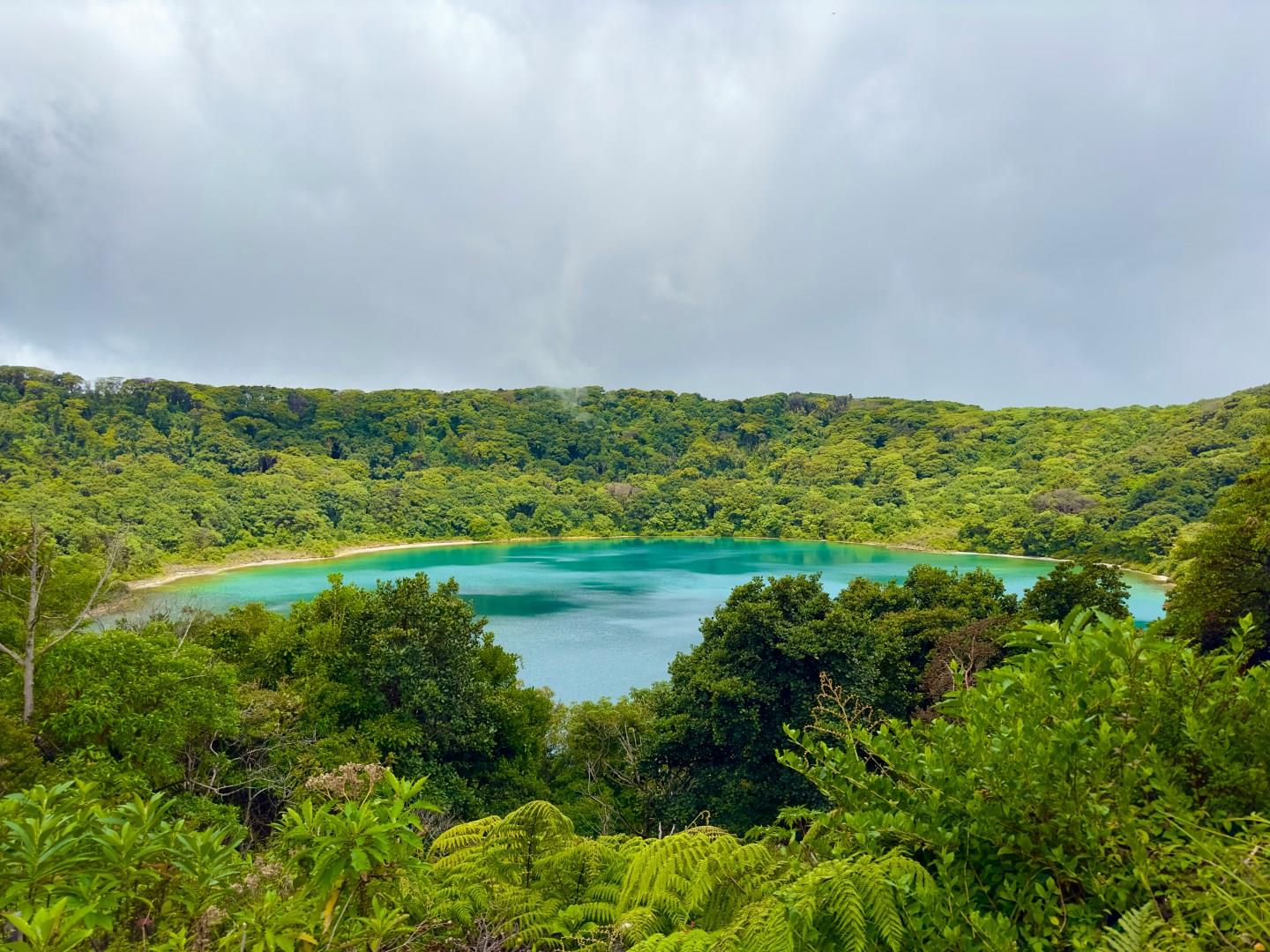
Alajuela, Costa Rica’s second-largest city, offers a mix of history, culture, and natural wonders that make it more than just the gateway to Juan Santamaría International Airport. The city’s central park, cathedral, and museums create a lively hub where local life unfolds, from weekend markets filled with fresh produce to festivals celebrating music and tradition.

Scotia Sea
The Scotia Sea, nestled between the southern tip of South America and Antarctica, is a remote and captivating destination for those seeking adventure in the world’s southernmost waters.
Oak Bluffs
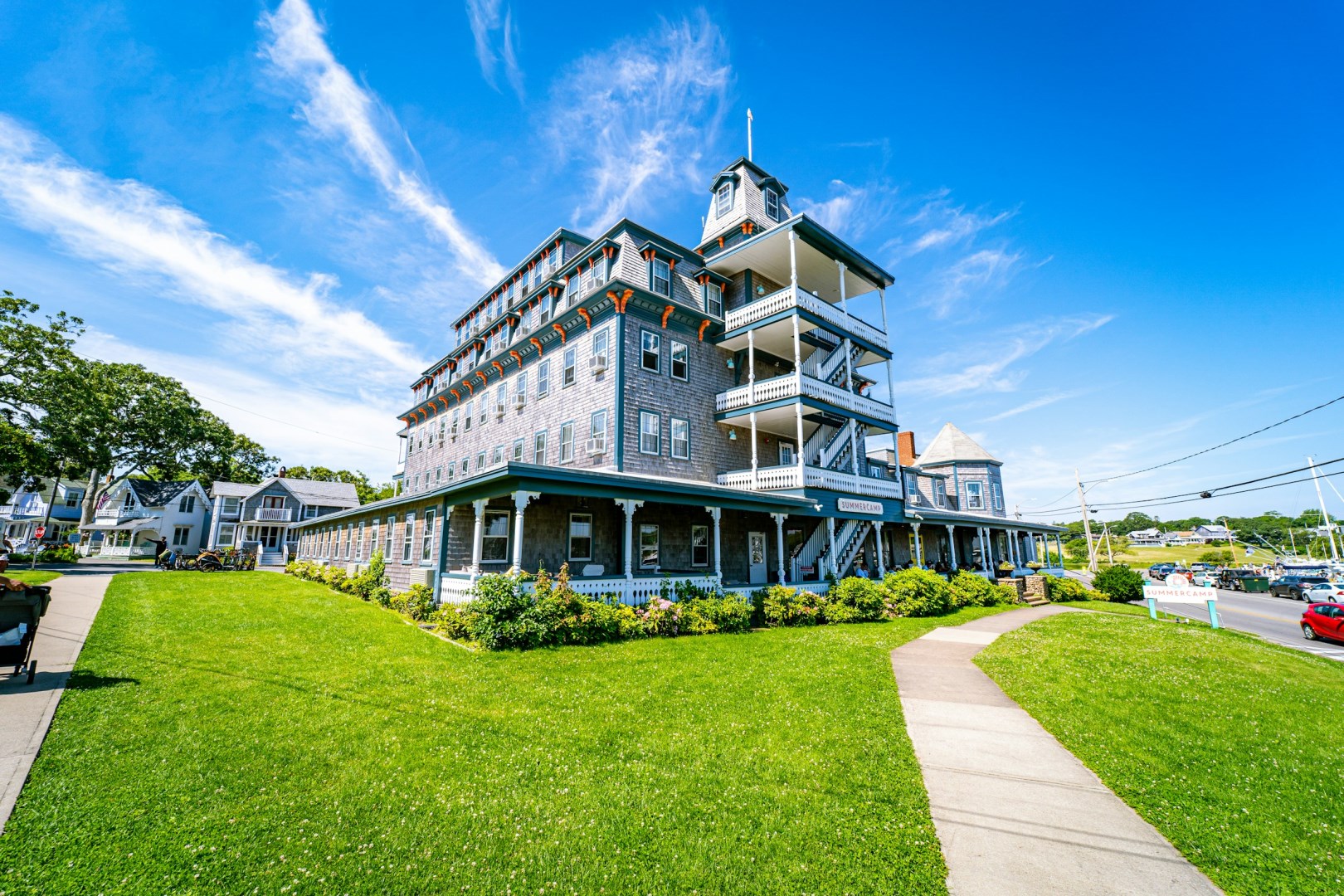
Oak Bluffs is a coastal town on Martha’s Vineyard, Massachusetts, facing Vineyard Sound on the island’s northeastern shore. It is known for its colorful Carpenter Gothic cottages, harbor, beaches, and long association with summer tourism. The town center developed around Circuit Avenue, while the waterfront includes Oak Bluffs Harbor and a public beach along the sound.
Liwonde National Park
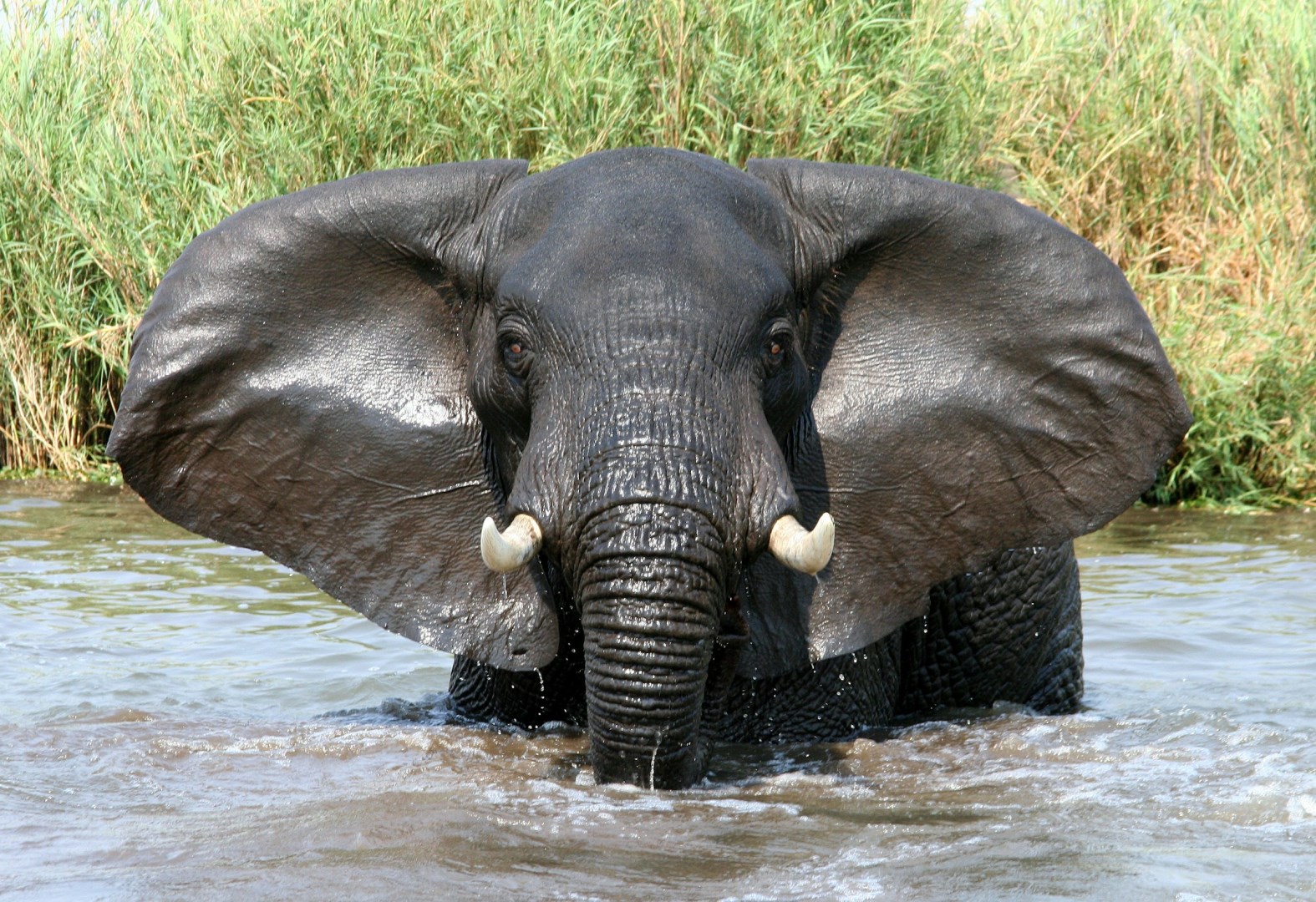
Liwonde National Park lies in southern Malawi along the Shire River, the country’s largest river and the main outlet of Lake Malawi.