Cambodia
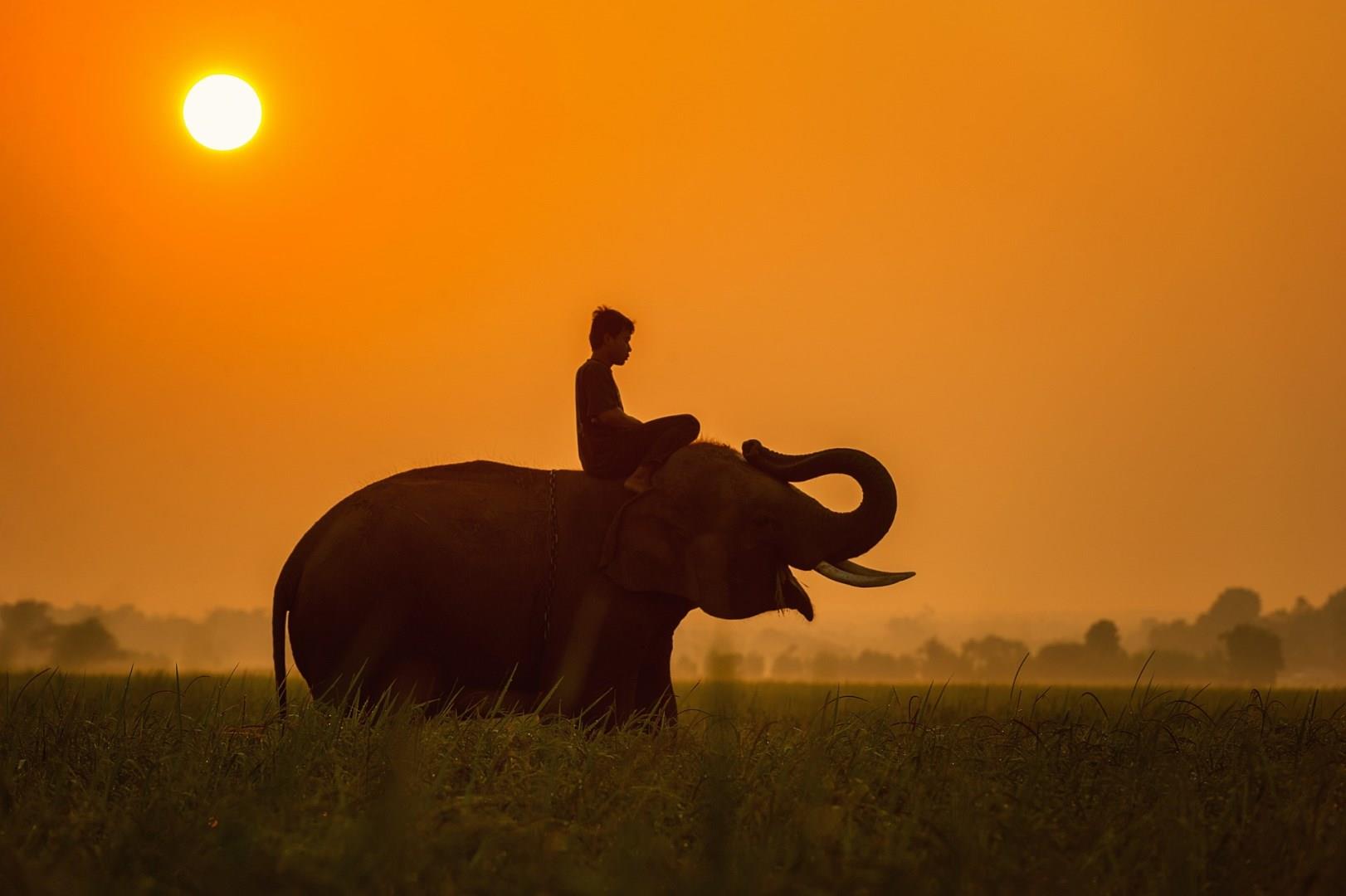
Cambodia, located in Southeast Asia, is a country known for its rich history, ancient temples, and vibrant culture. The landscape is diverse, with the Mekong River flowing through fertile plains, lush forests, and scenic highlands.
Lake Havasu City
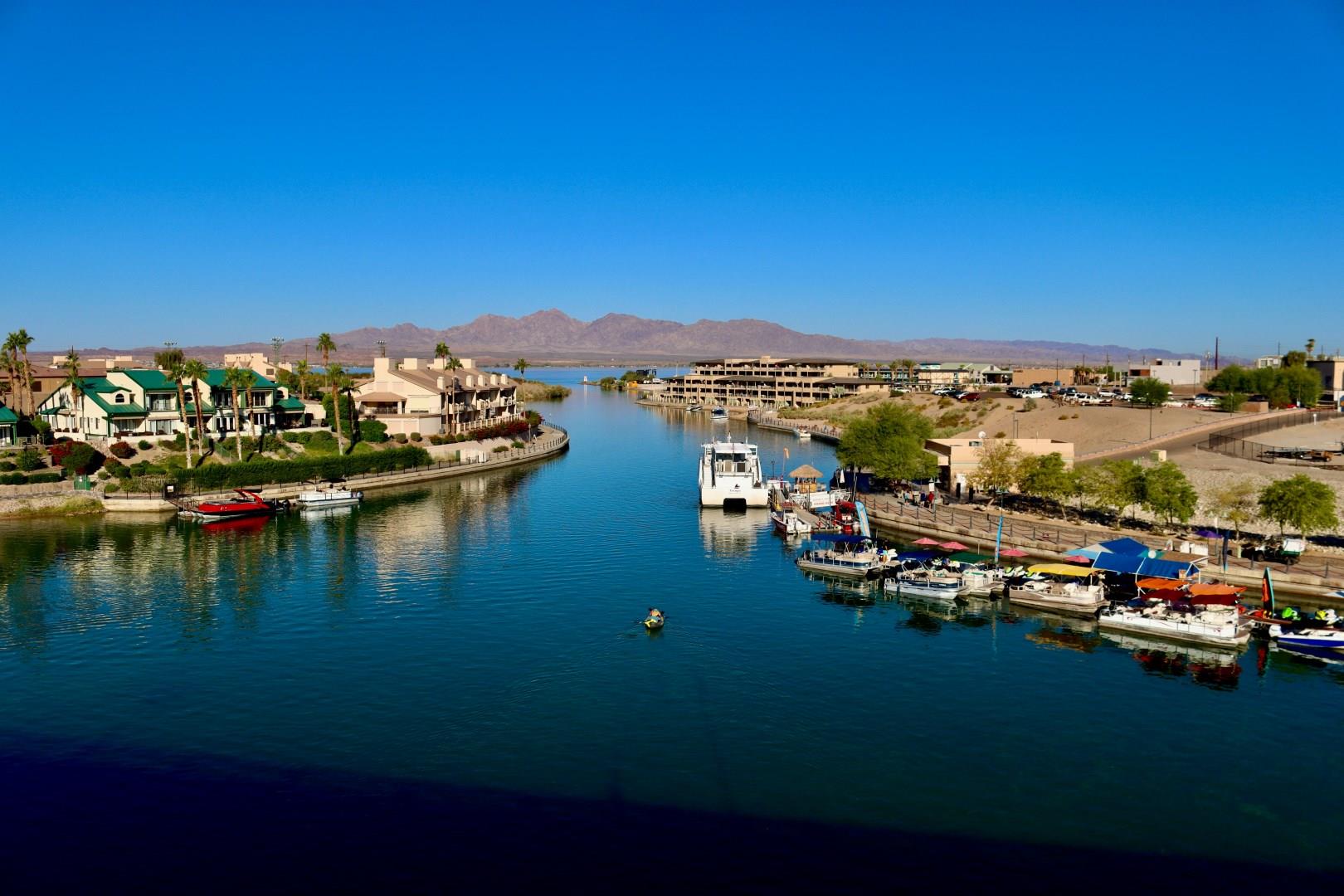
Lake Havasu City rises from the Mojave Desert along the shores of Lake Havasu, a broad reservoir on the Colorado River that draws visitors with its radiant blue water and warm sunshine nearly all year. The most famous landmark here is the London Bridge, a granite-clad structure that once spanned the River Thames in England. This iconic span now connects the mainland to an island filled with shops, restaurants, and resorts, inviting visitors to stroll beneath its arches.

Yangshuo
Yangshuo lies along the Li River in southern China’s Guangxi region, long known for landscapes that have shaped Chinese art and poetry for centuries.
Urfa
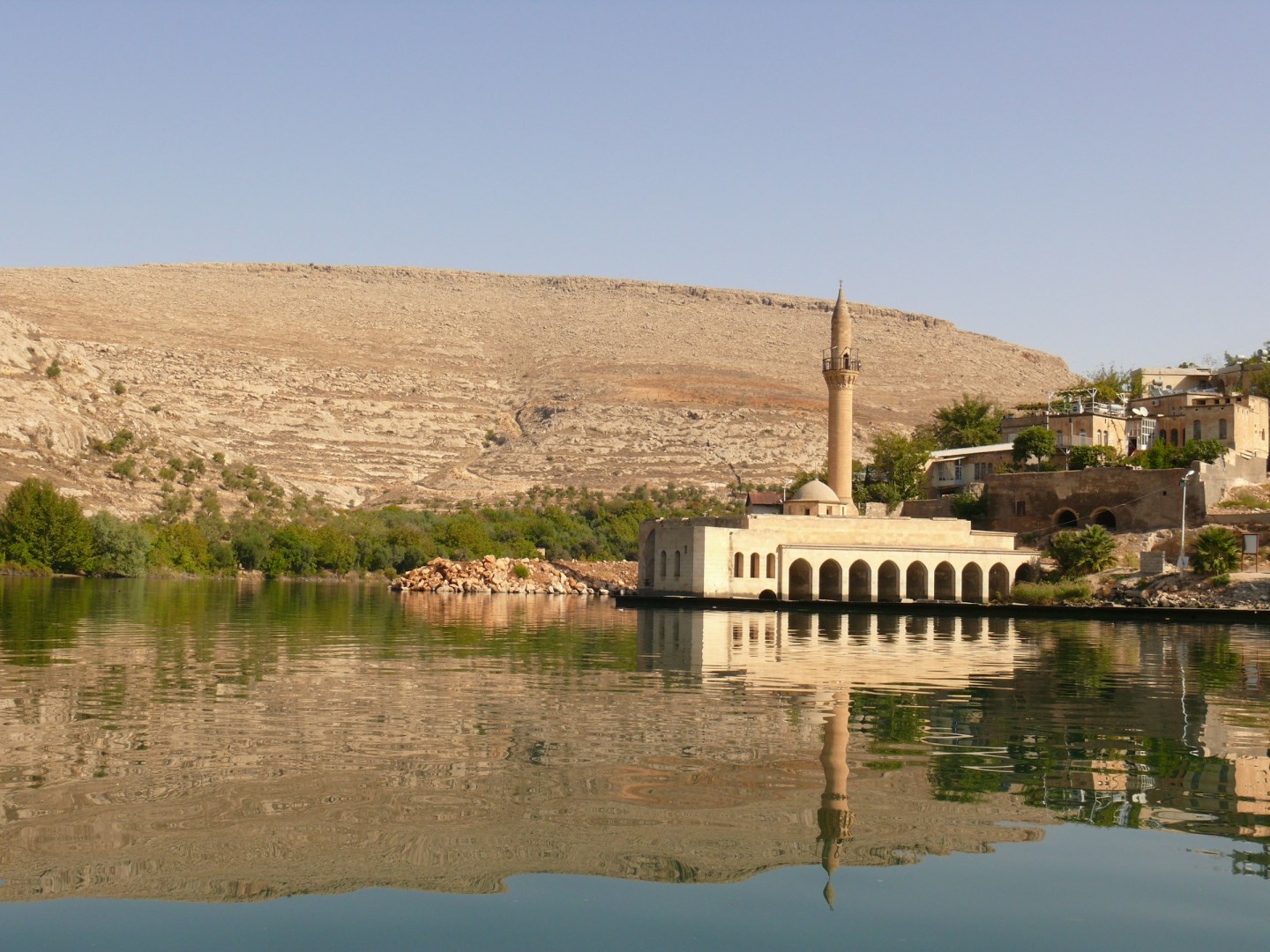
Urfa proudly exhibits the legacy of all civilizations that have prospered in this region. In the second millenium B.C., it was a city of a Hurrite state. Tradition relates that Abraham was born in a cave near the area where the Mevlid Mosque now stands.
Hustai National Park
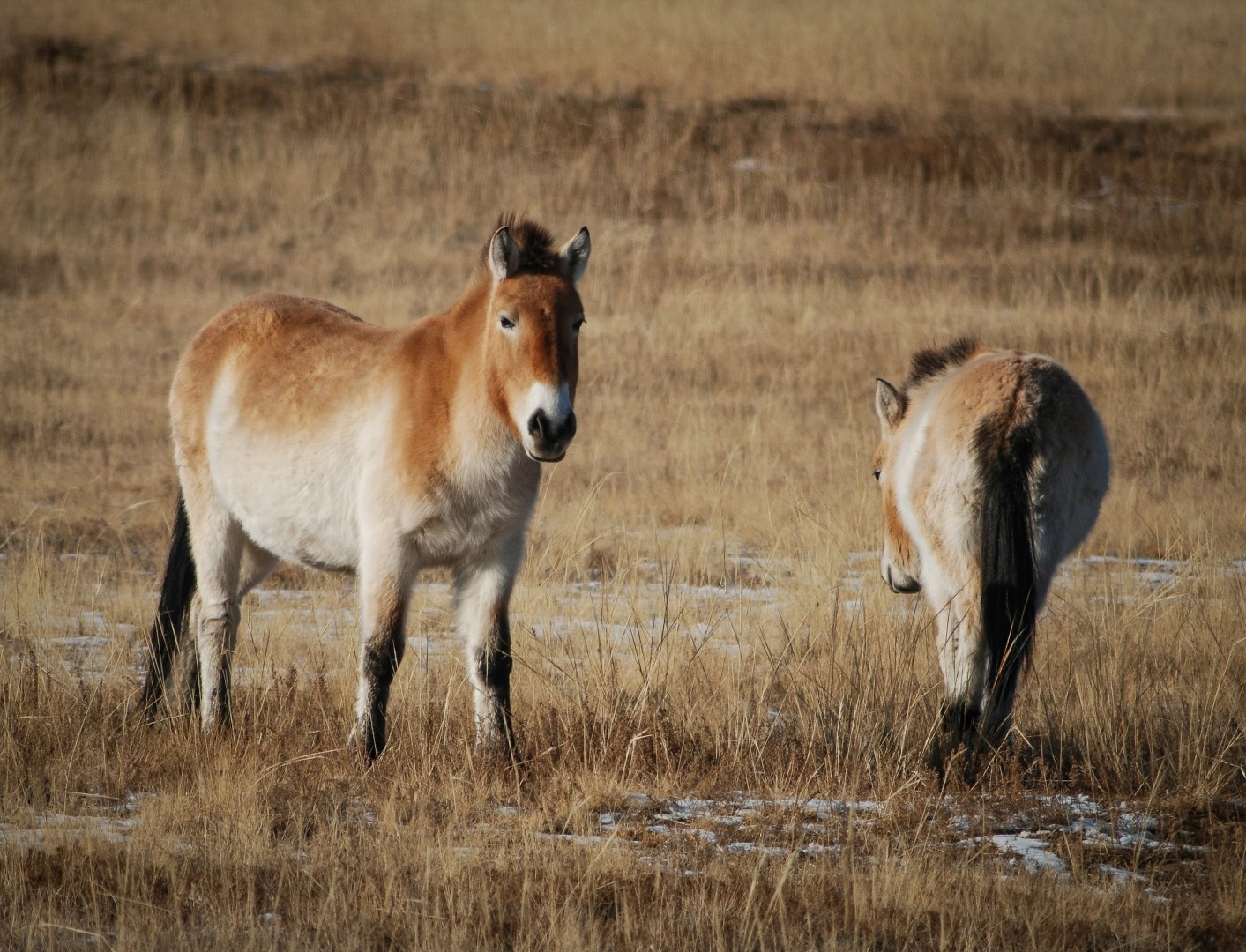
Hustai National Park is a protected grassland reserve in central Mongolia, located west of Ulaanbaatar in an area of rolling степpe, forested hills, and river valleys. The park is best known for the reintroduction of the Przewalski’s horse, known locally as takhi, a wild horse species that had disappeared from Mongolia before conservation programs returned it to the region.