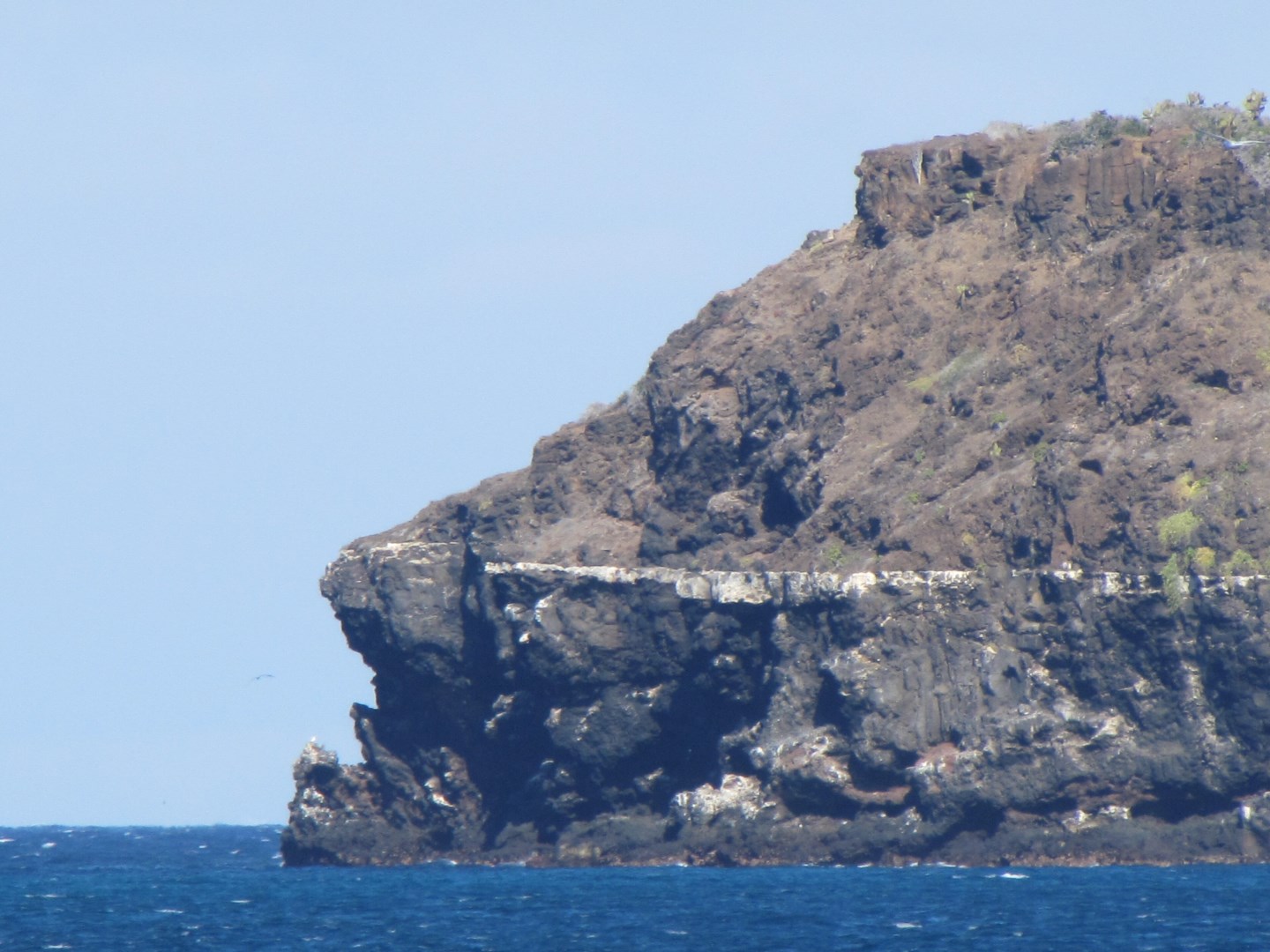
North Seymour Island, located just north of Baltra in Ecuador’s Galápagos archipelago, is a compact but biologically rich destination known for its wildlife encounters. Though small in size, this flat, arid island punches far above its weight when it comes to natural spectacle, offering a rare chance to observe iconic species in a remarkably close setting.
France offers far more than its capital city. While Paris draws millions each year, the country’s true richness lies in its variety, from Alpine villages to Atlantic coastlines, medieval towns to Mediterranean markets. In Normandy, visitors can walk along the D-Day beaches or explore the towering abbey of Mont-Saint-Michel, which becomes an island at high tide. Further inland, the Loire Valley is dotted with over 300 castles, many of which are open for tours and even overnight stays.
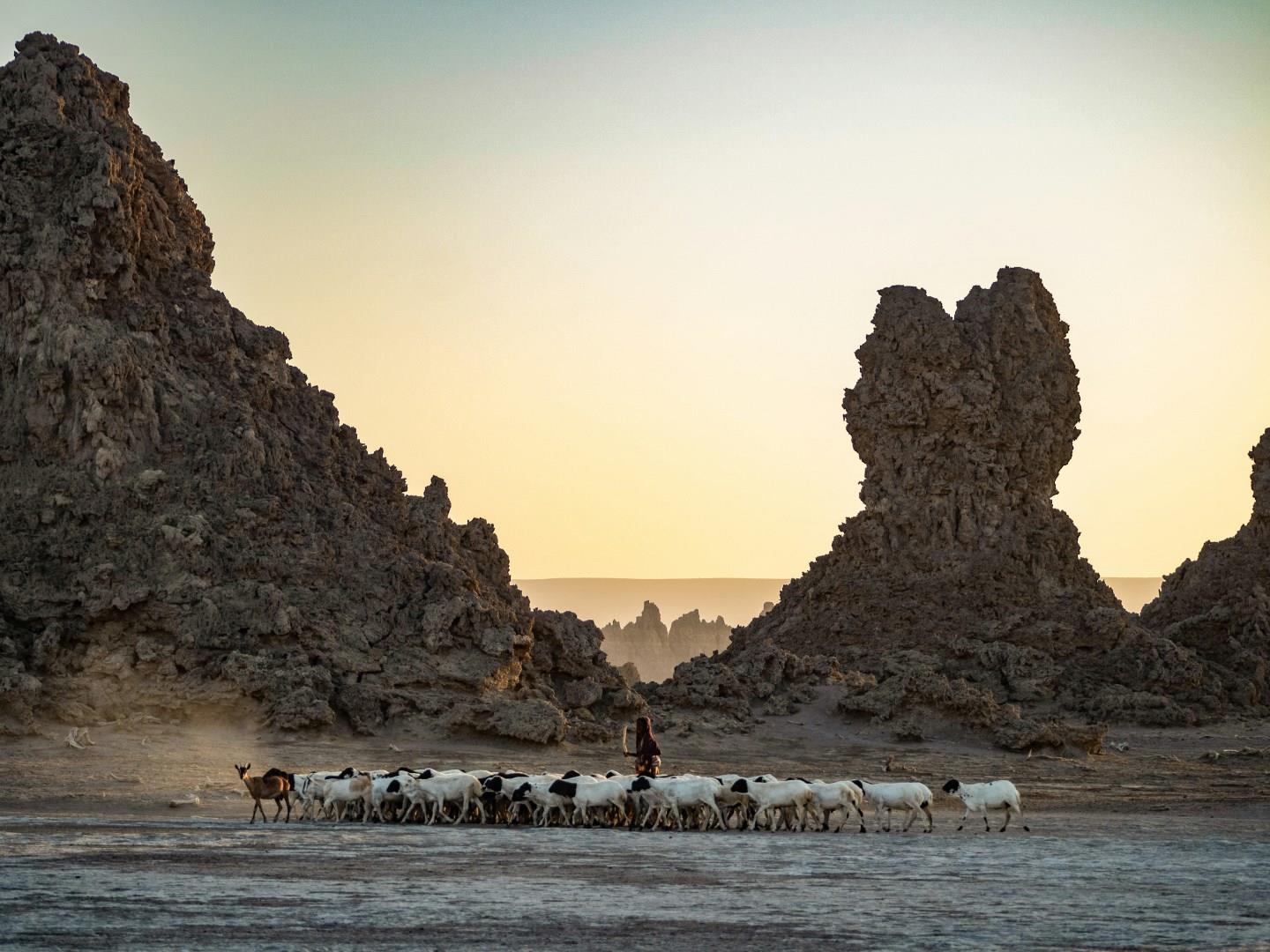
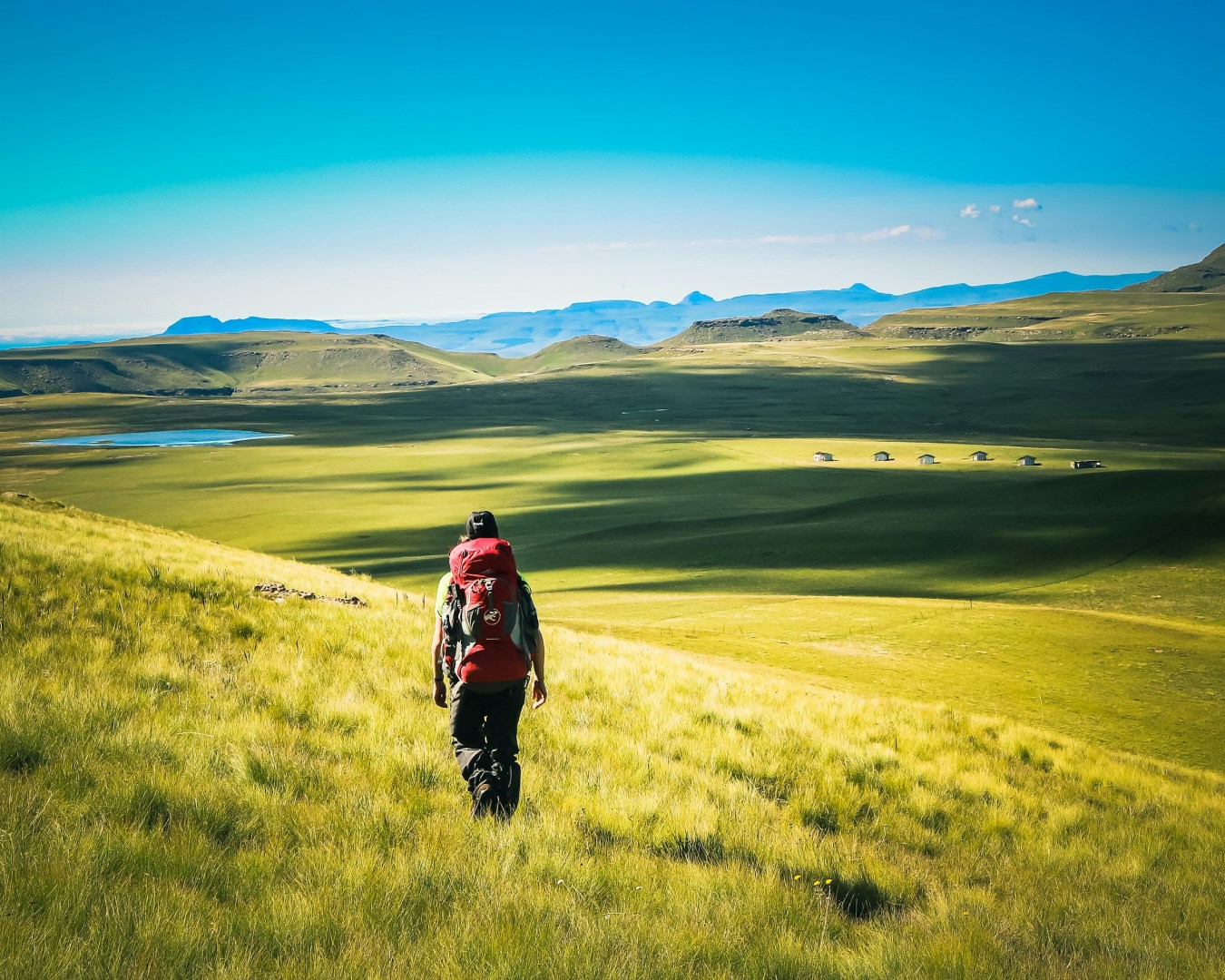
Maloti-Drakensberg Park spans the mountainous borderlands of Lesotho and South Africa, forming a large protected landscape of high plateaus, steep cliffs, sandstone formations, grasslands, and river valleys. The Lesotho section is centered on Sehlabathebe National Park, while the South African portion includes uKhahlamba-Drakensberg Park. The area is recognized as a UNESCO World Heritage property for both its natural and cultural importance.
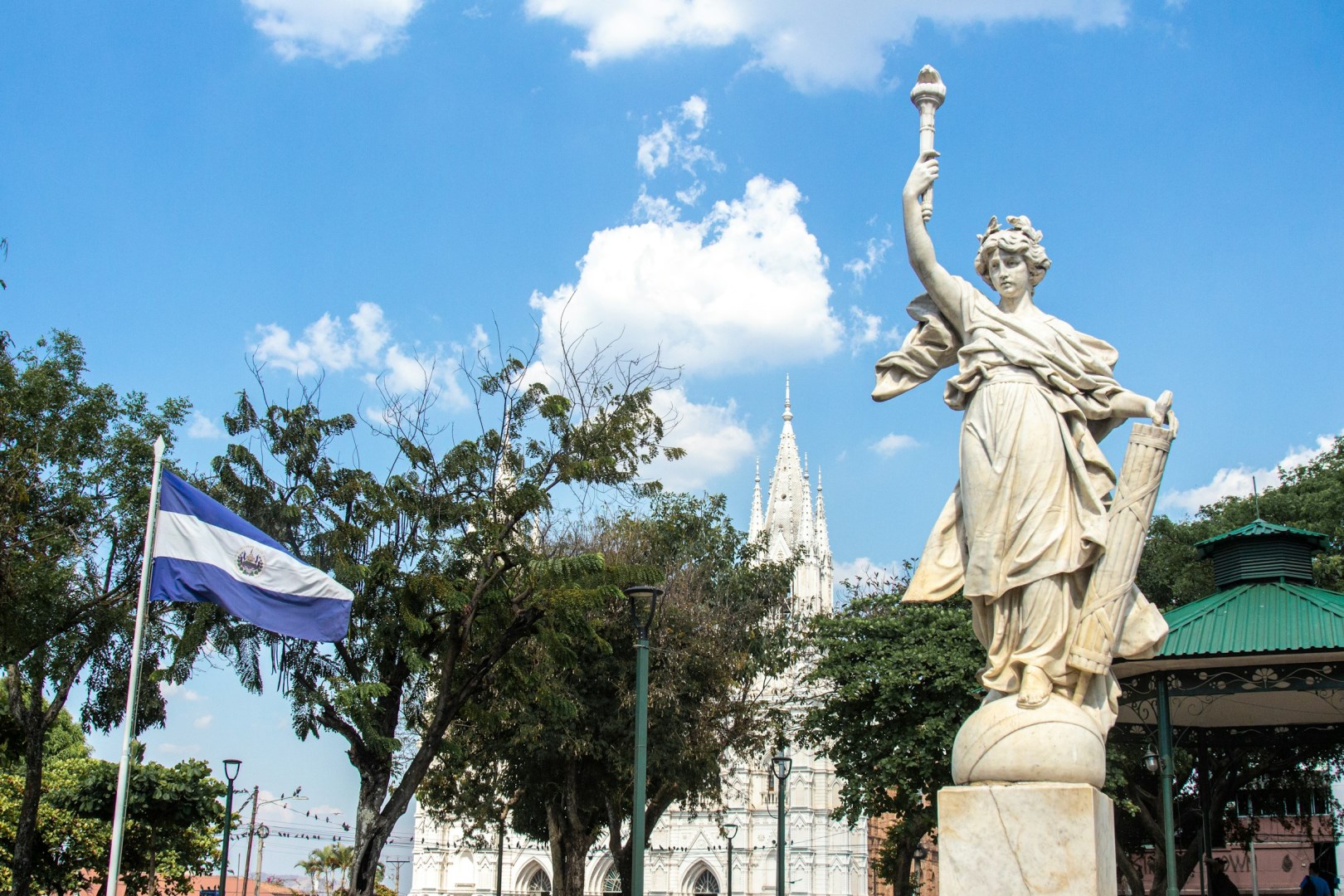
Santa Ana is a major city in western El Salvador, known for its historic center, grand public buildings, and location near several of the country's volcanic and lake landscapes. The city developed around Parque Libertad, where the distinctive Cathedral of Santa Ana stands alongside the Municipal Palace and National Theater.
Photo Credit: Photo by Unseen Histories on Unsplash
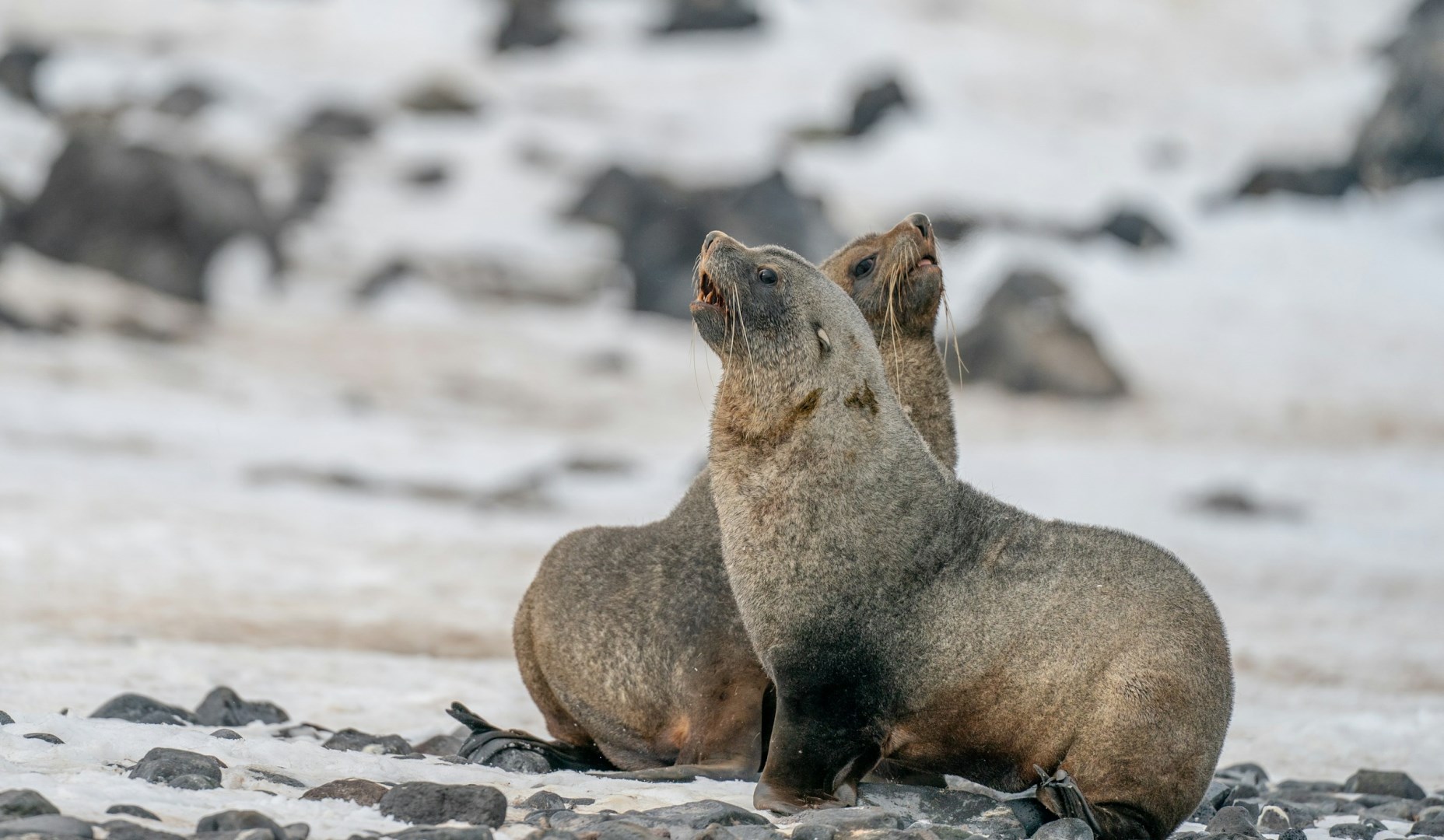
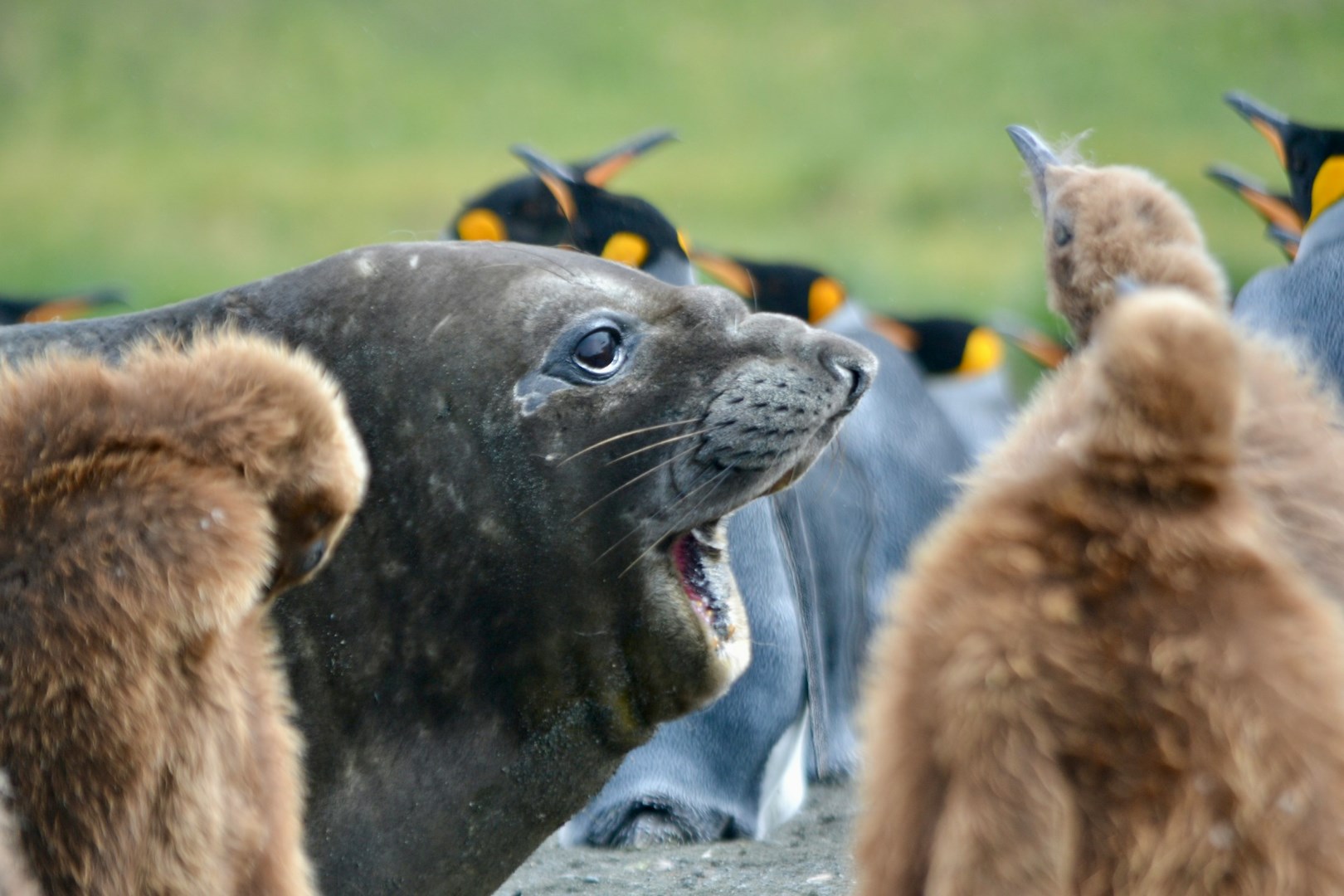
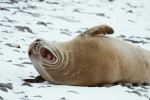
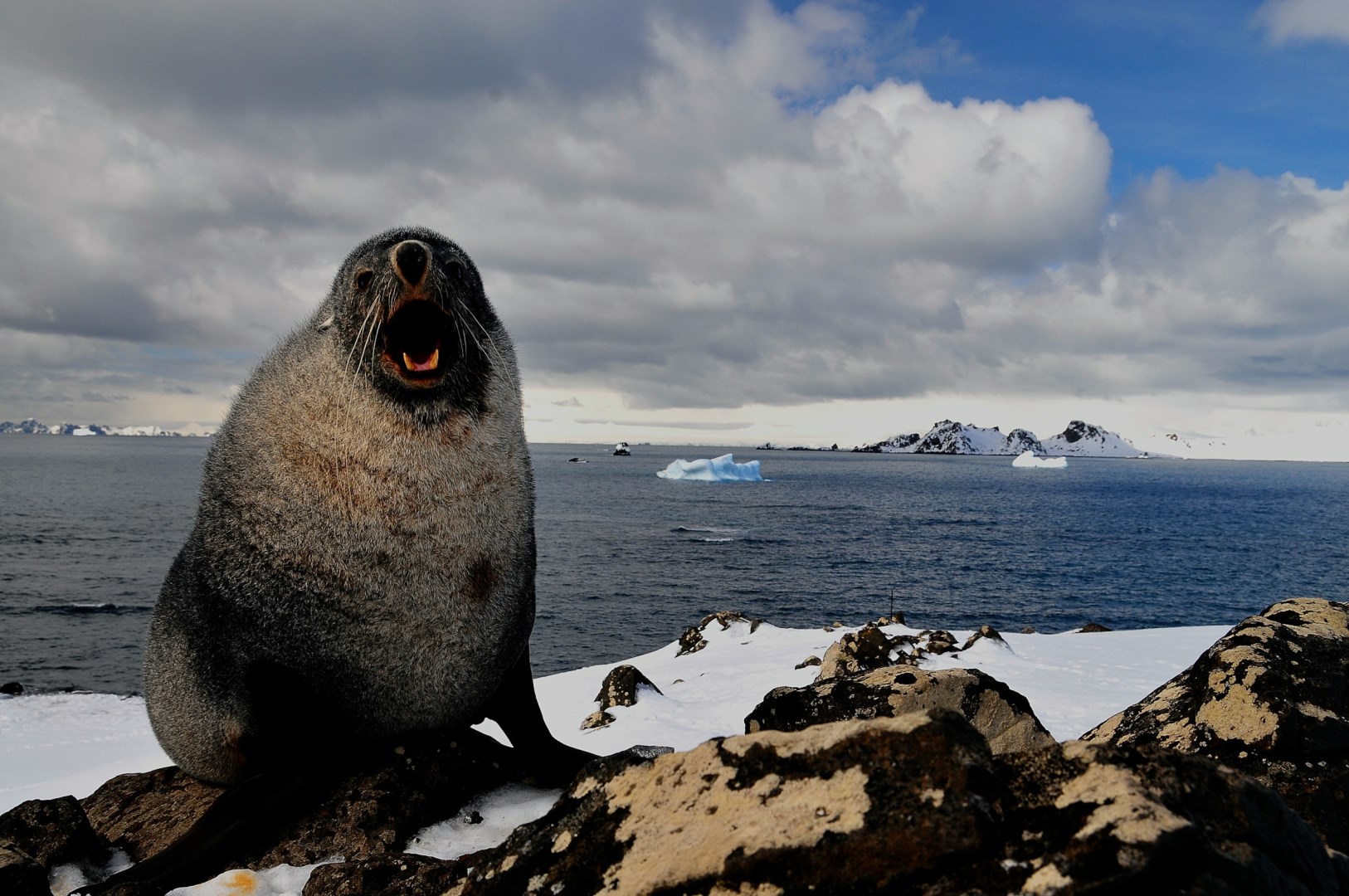
Fur Seals
Photo Credit: Photo by Bob Brewer on Unsplash
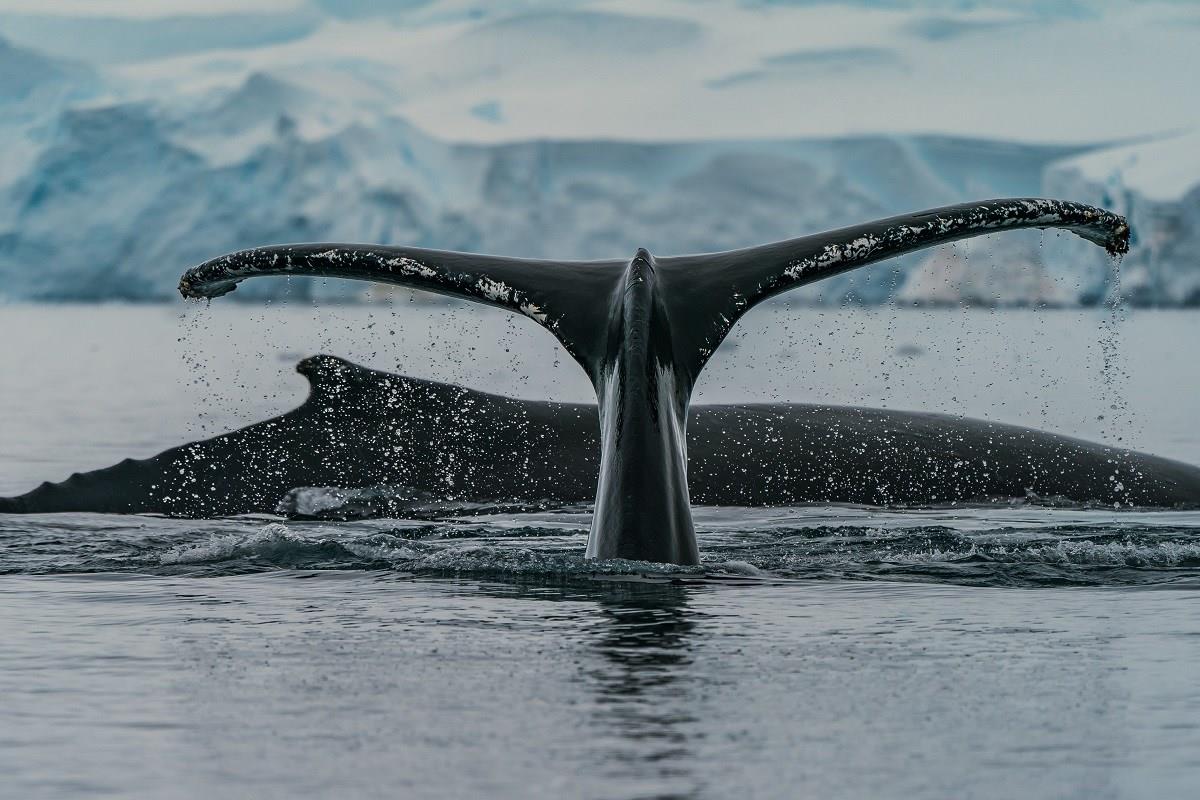
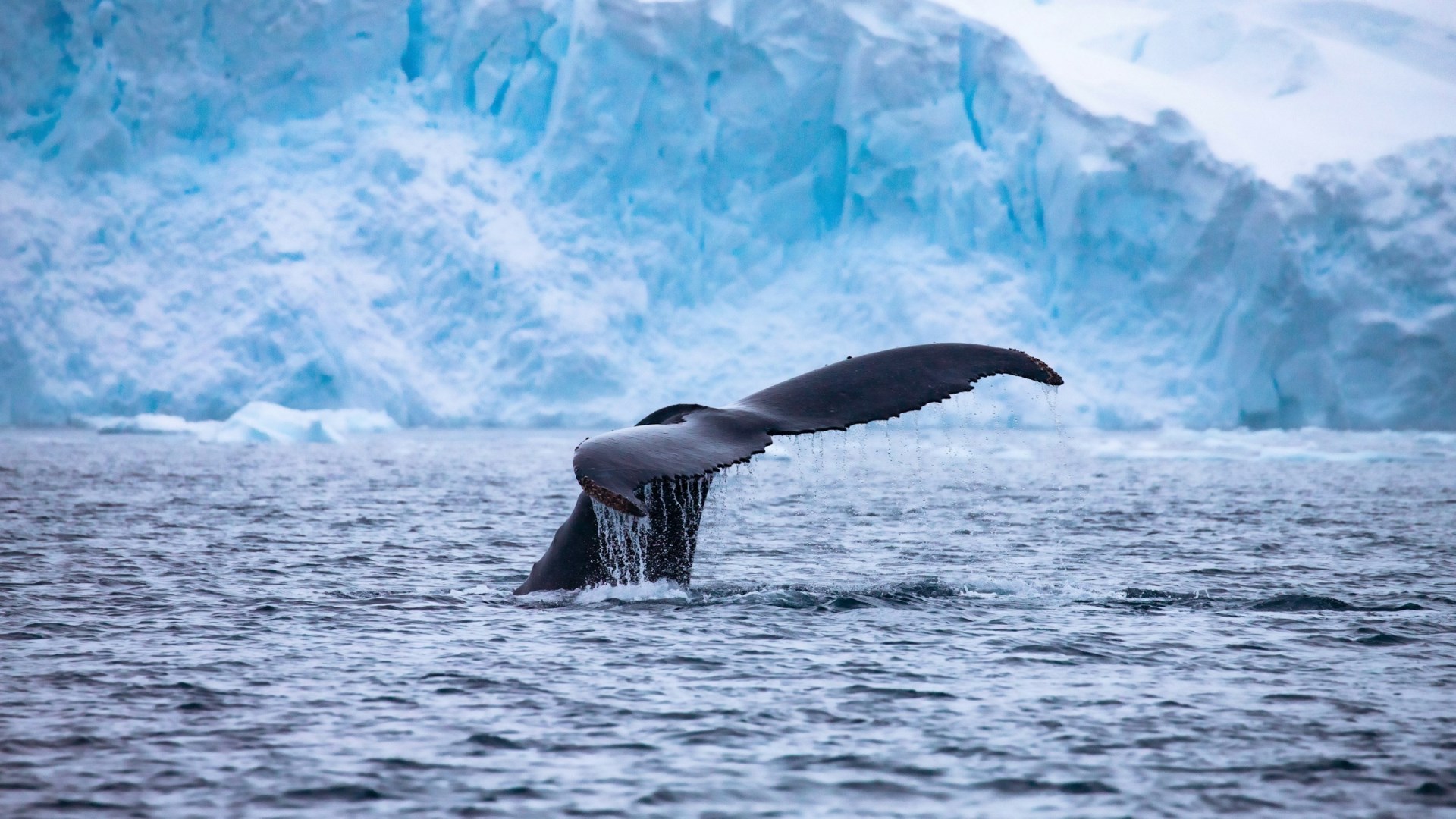
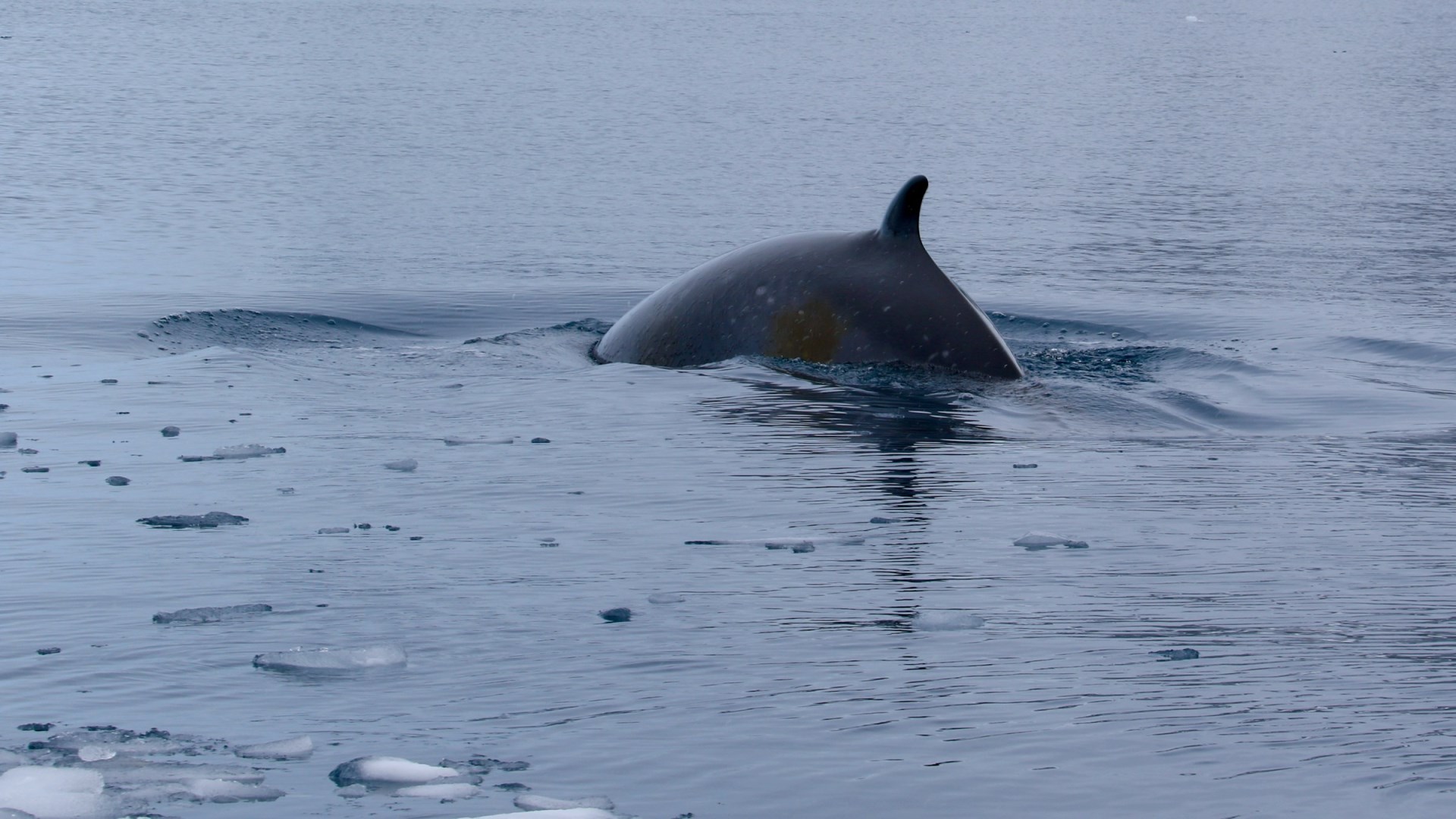
Whale
Photo Credit: Photo by Lee Kelai on Unsplash
Photo Credit: Photo by Angie Corbett-Kuiper on Unsplash
Photo Credit: Photo by Dylan Shaw on Unsplash
Photo Credit: Photo by TC Photography on Unsplash
Photo Credit: Photo by Torsten Dederichs on Unsplash
Neko Harbor
Photo Credit: Photo by 66 north on Unsplash
Photo Credit: Photo by Martin Wettstein on Unsplash
Photo Credit: Photo by TC Photography on Unsplash
Photo Credit: Photo by Torsten Dederichs on Unsplash
Photo Credit: Photo by TC Photography on Unsplash
Photo Credit: Photo by Matthew Stephenson on Unsplash
Photo Credit: Photo by Derek Oyen on Unsplash
Minke Whale
Photo Credit: Photo by Rowan Simpson on Unsplash
Photo Credit: Photo by Cassie Matias on Unsplash
Photo Credit: Photo by Deanna Wong on Unsplash
Photo Credit: Photo by Torsten Dederichs on Unsplash
Photo Credit: Photo by Dylan Shaw on Unsplash
Cape Shirreff, Livingston Island
Photo Credit: Photo by NOAA on Unsplash
Photo Credit: Photo by Francesco Ungaro on Unsplash
Photo Credit: Photo by Matt Palmer on Unsplash
Photo Credit: Photo by James Eades on Unsplash
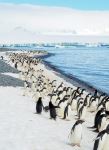
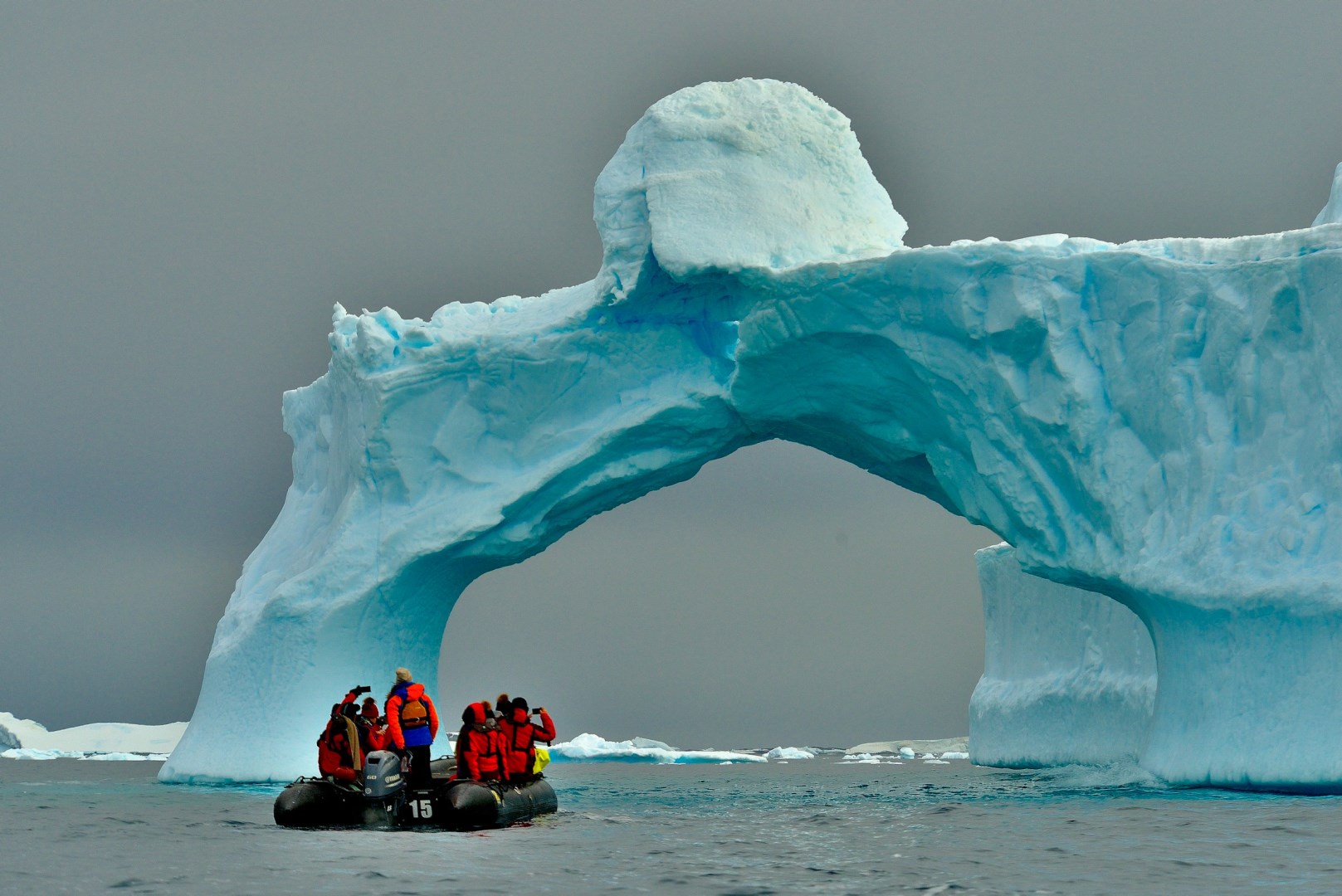
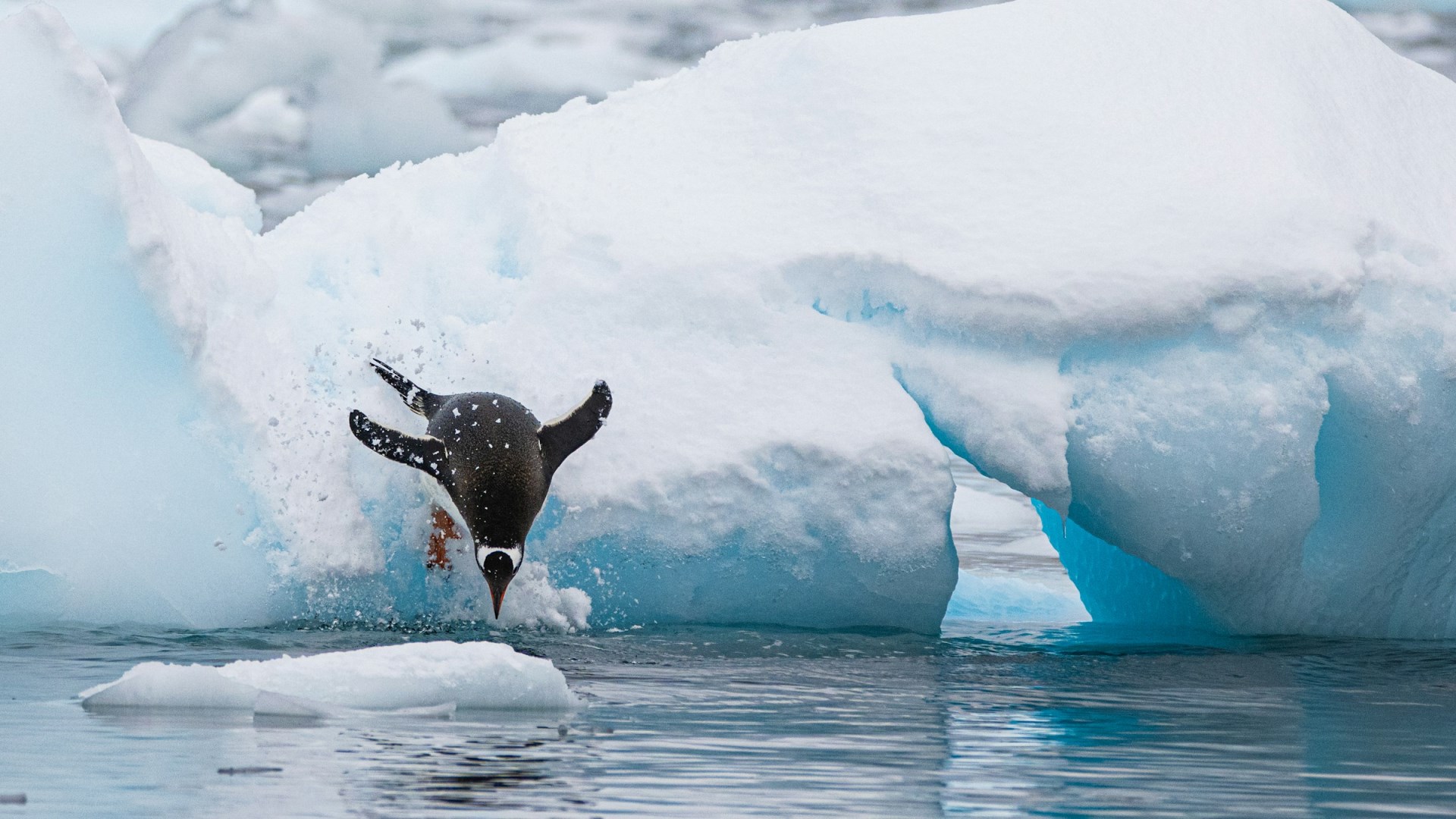
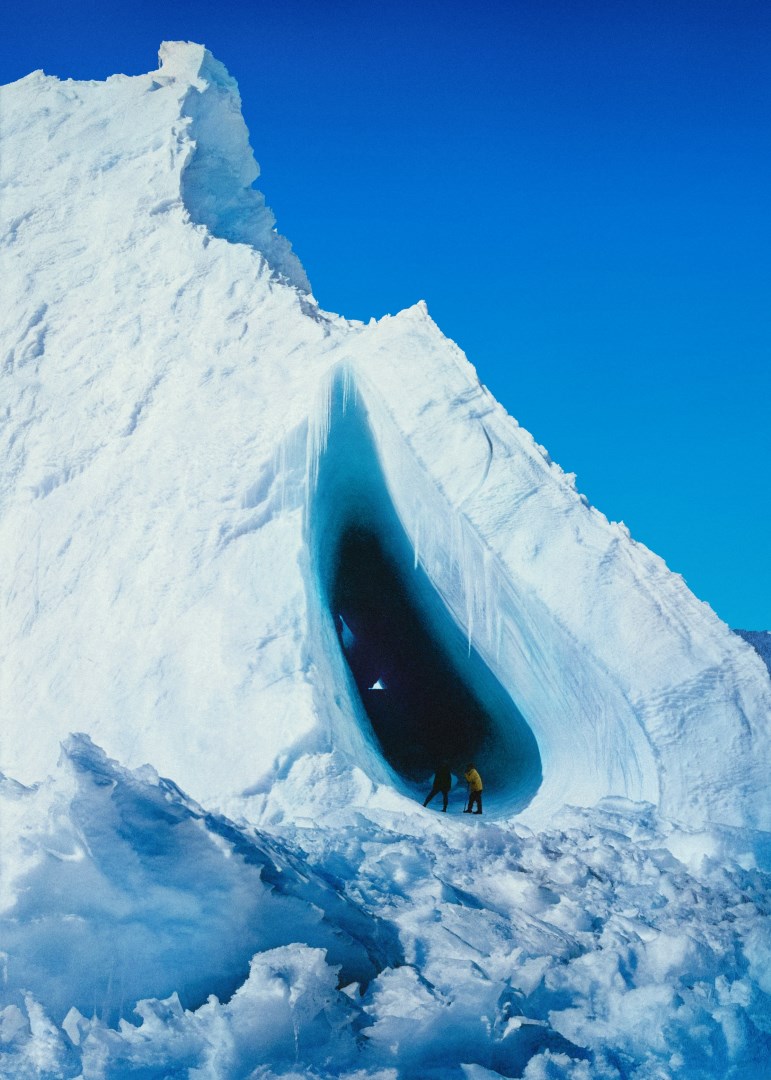
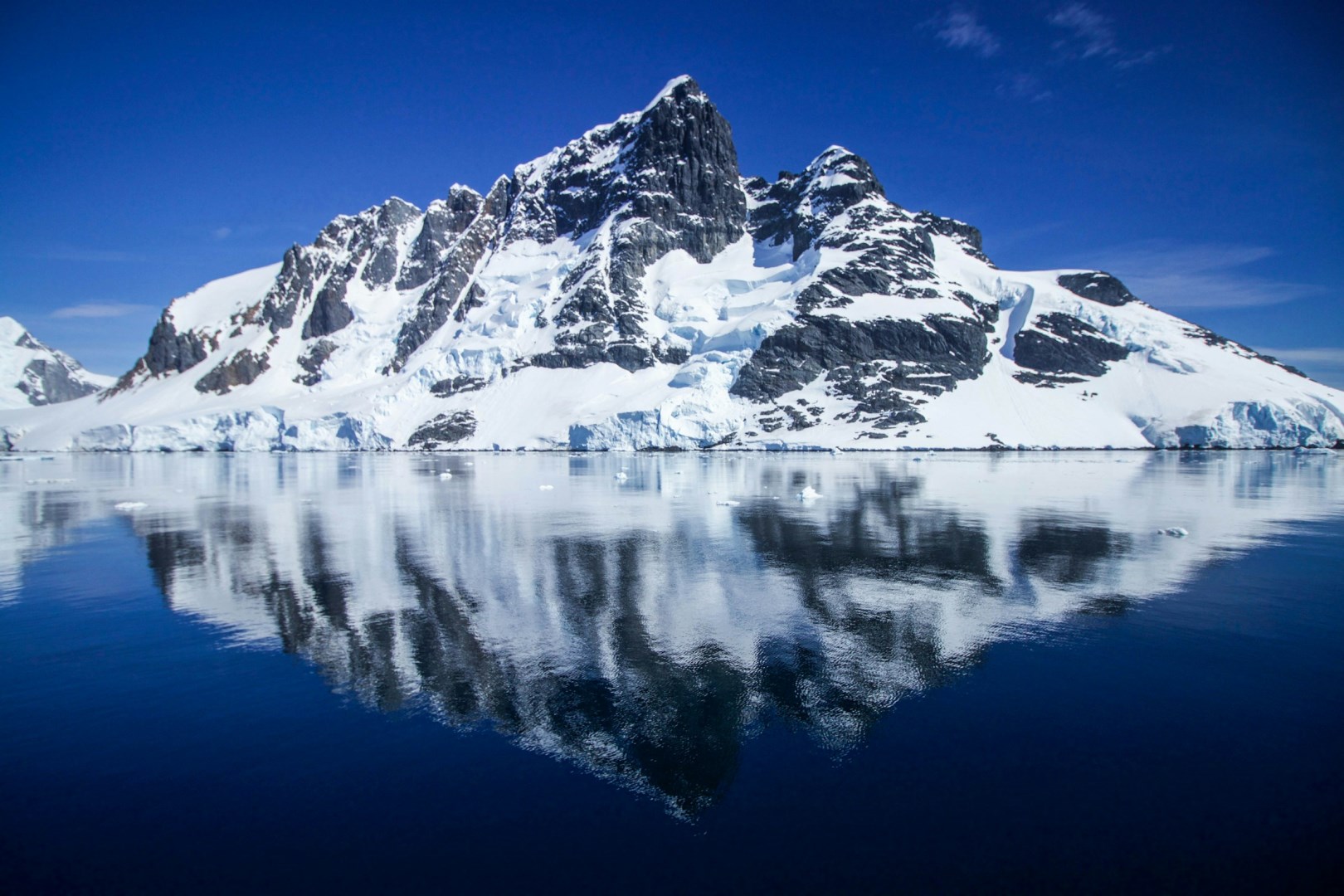
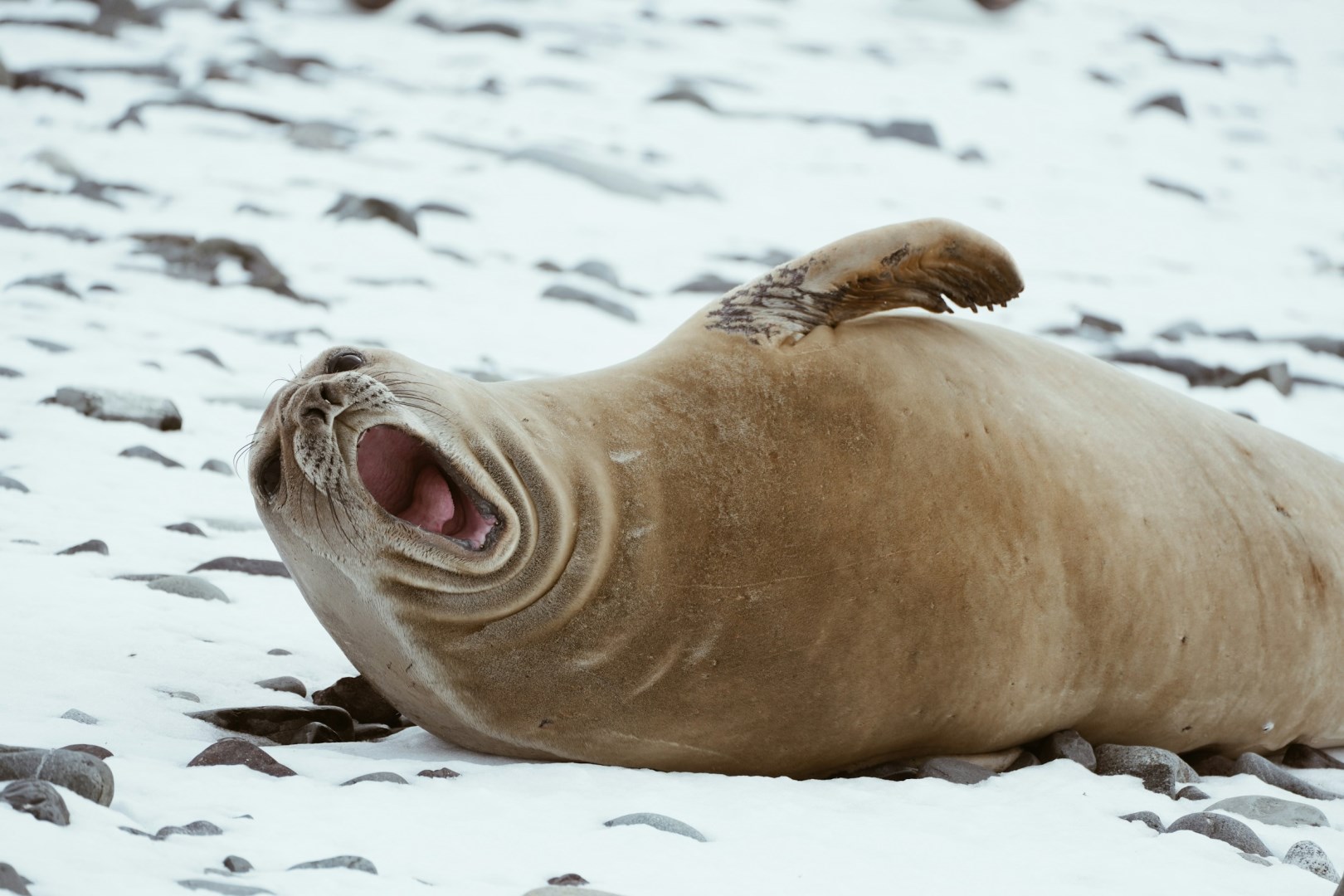
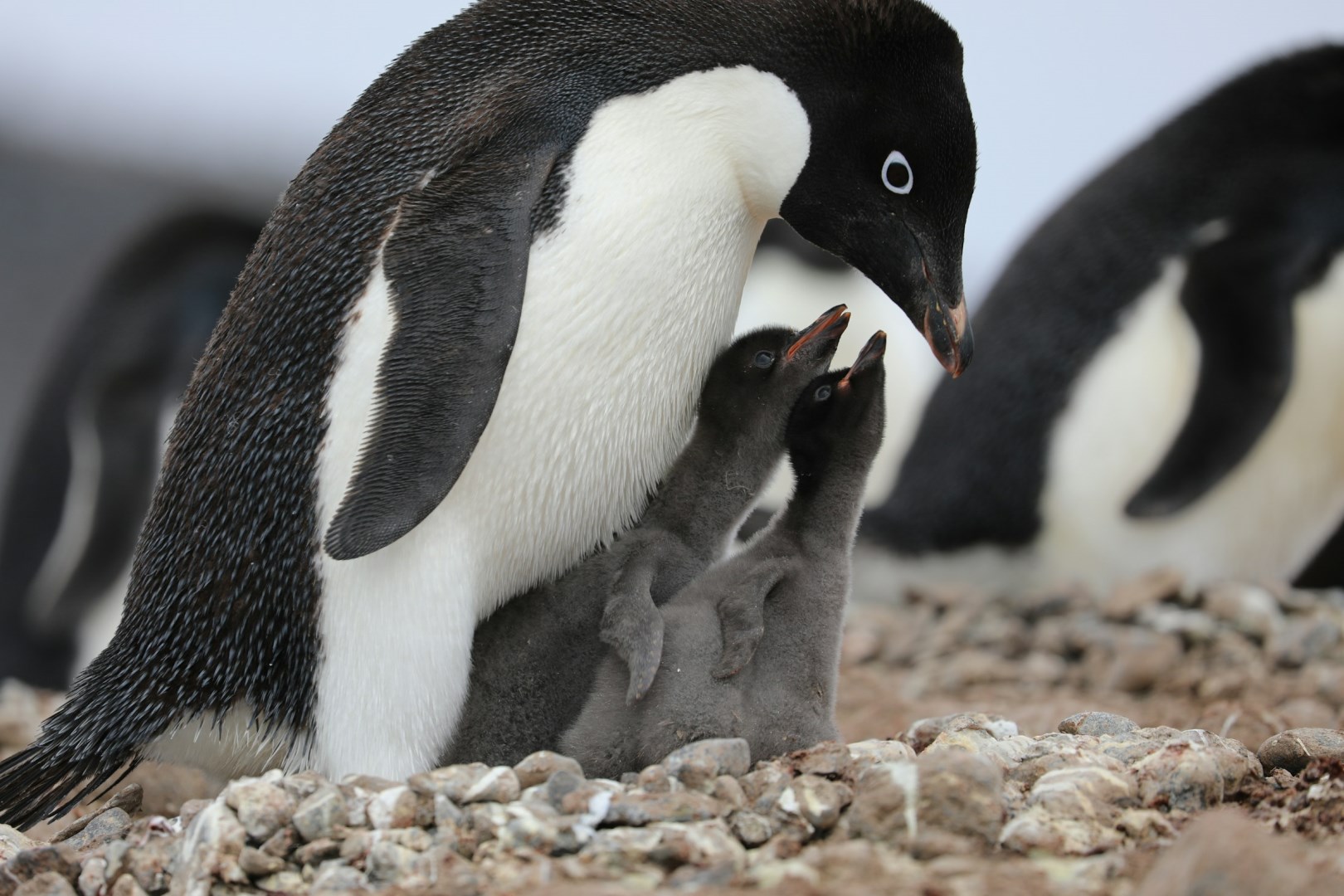
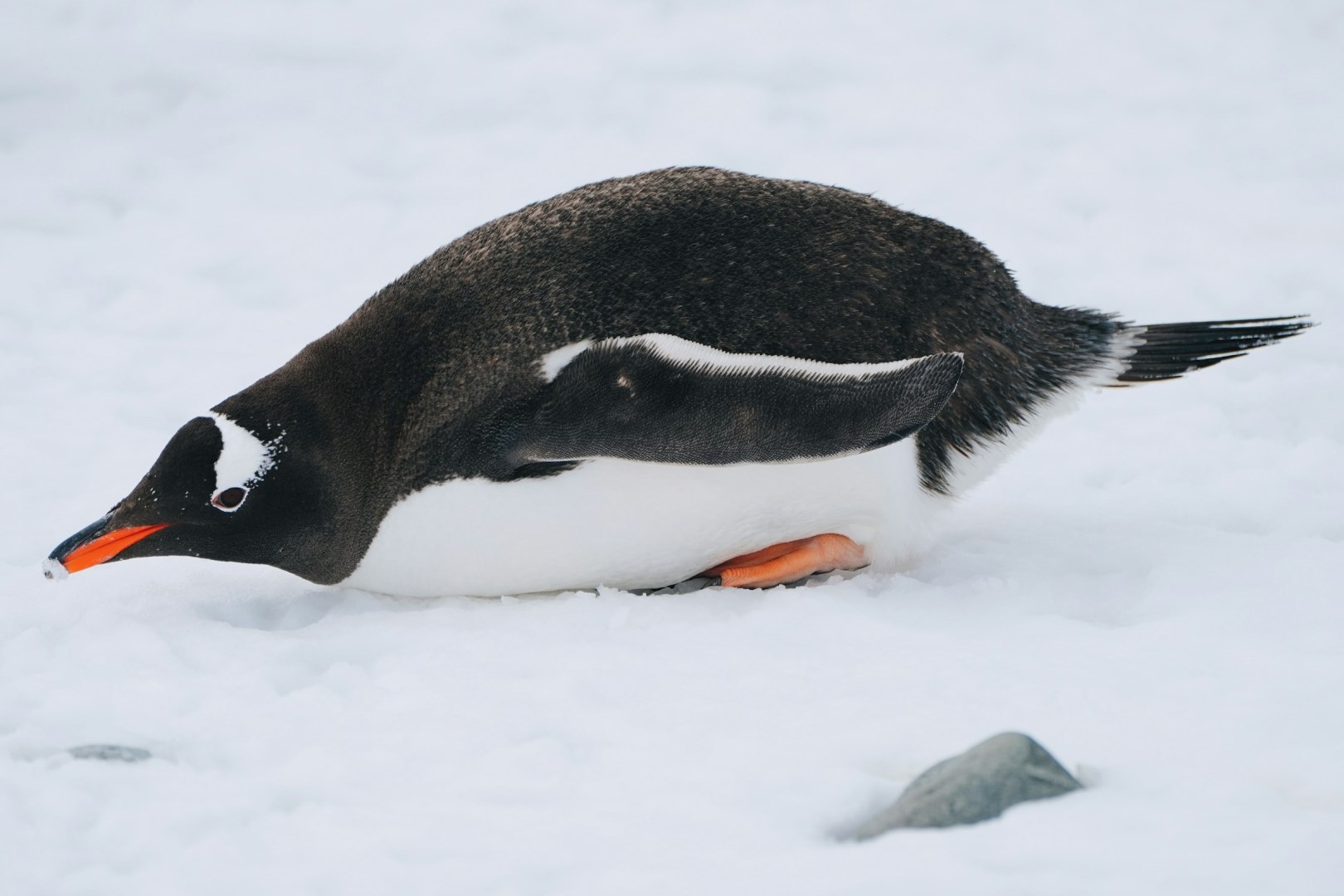
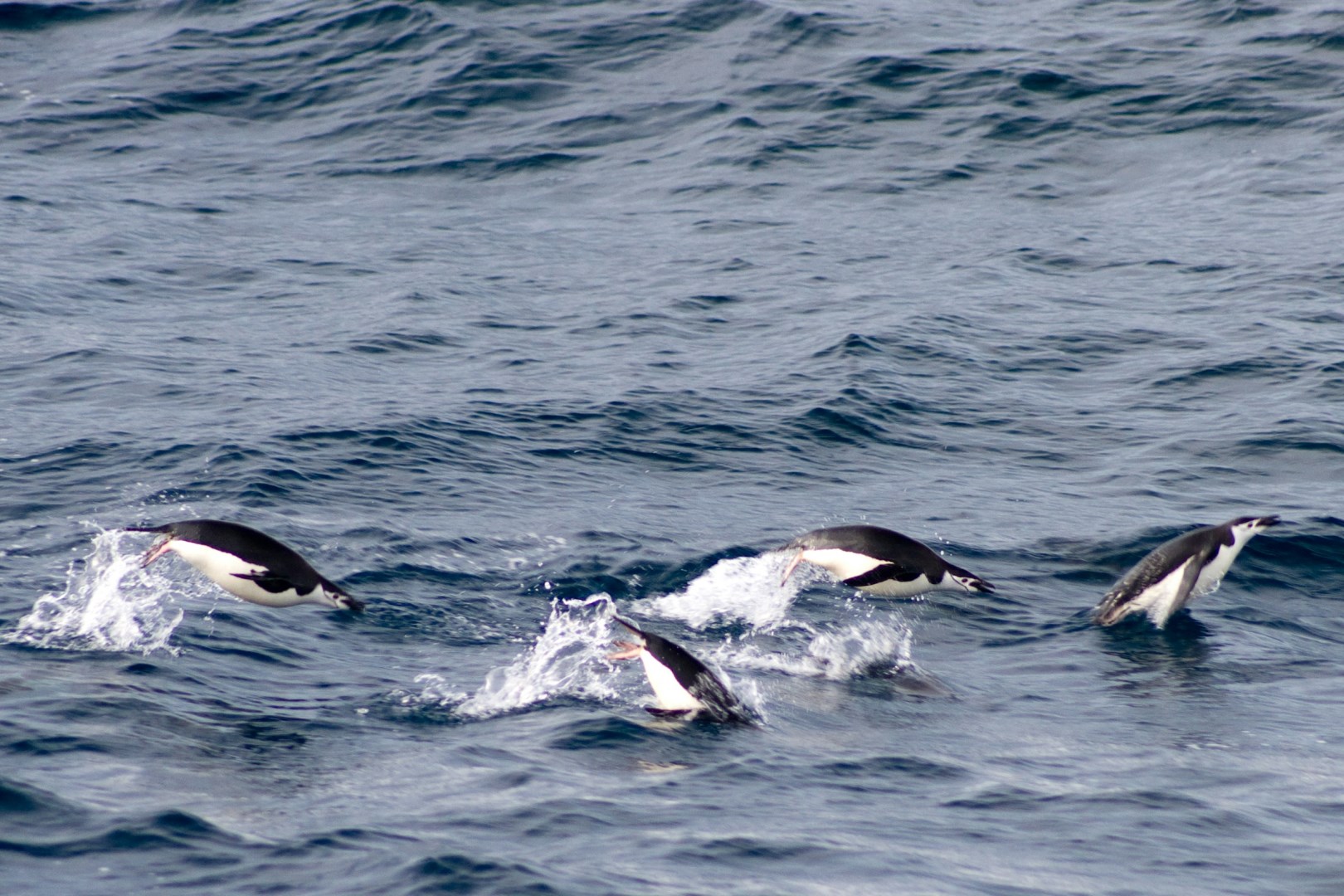
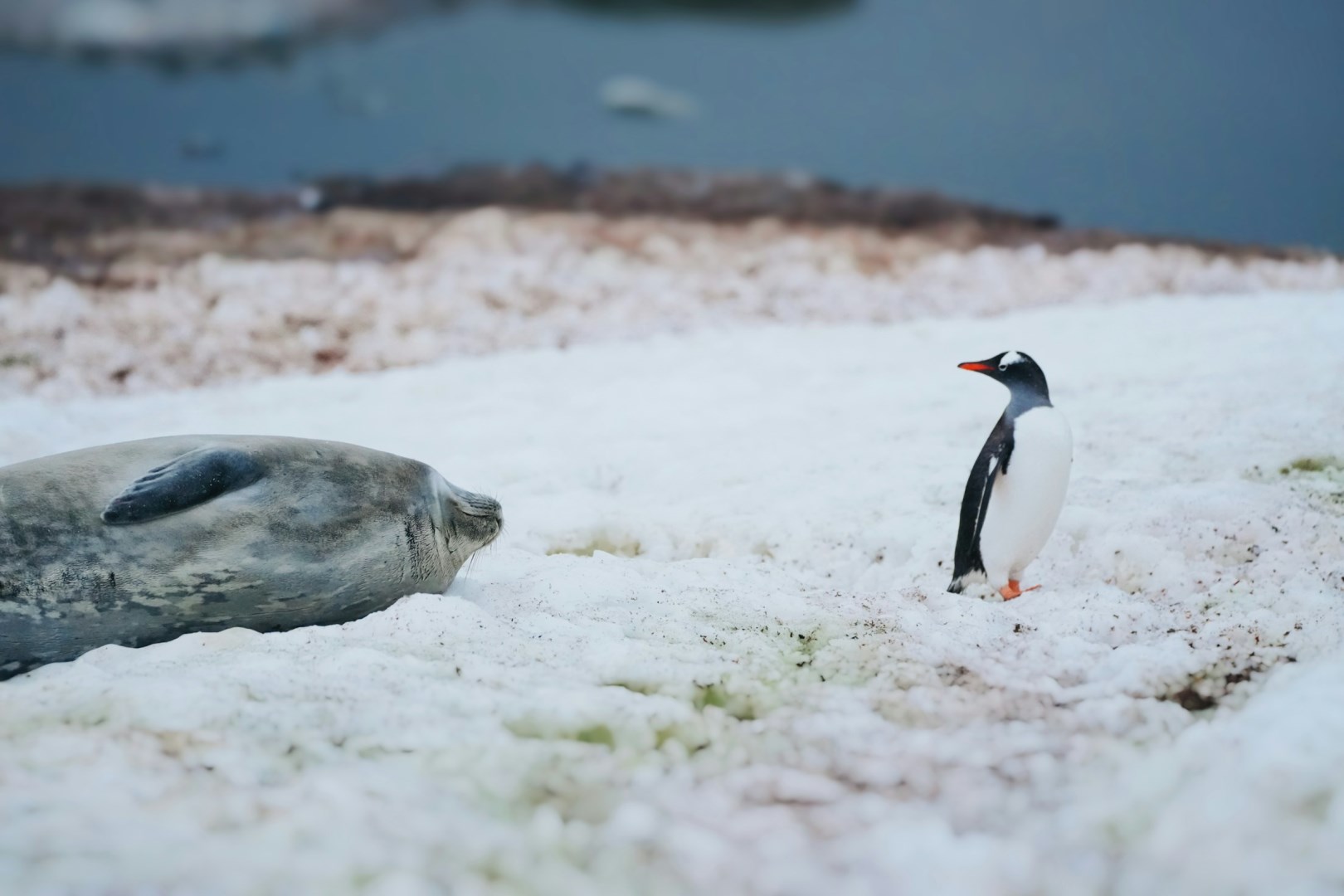
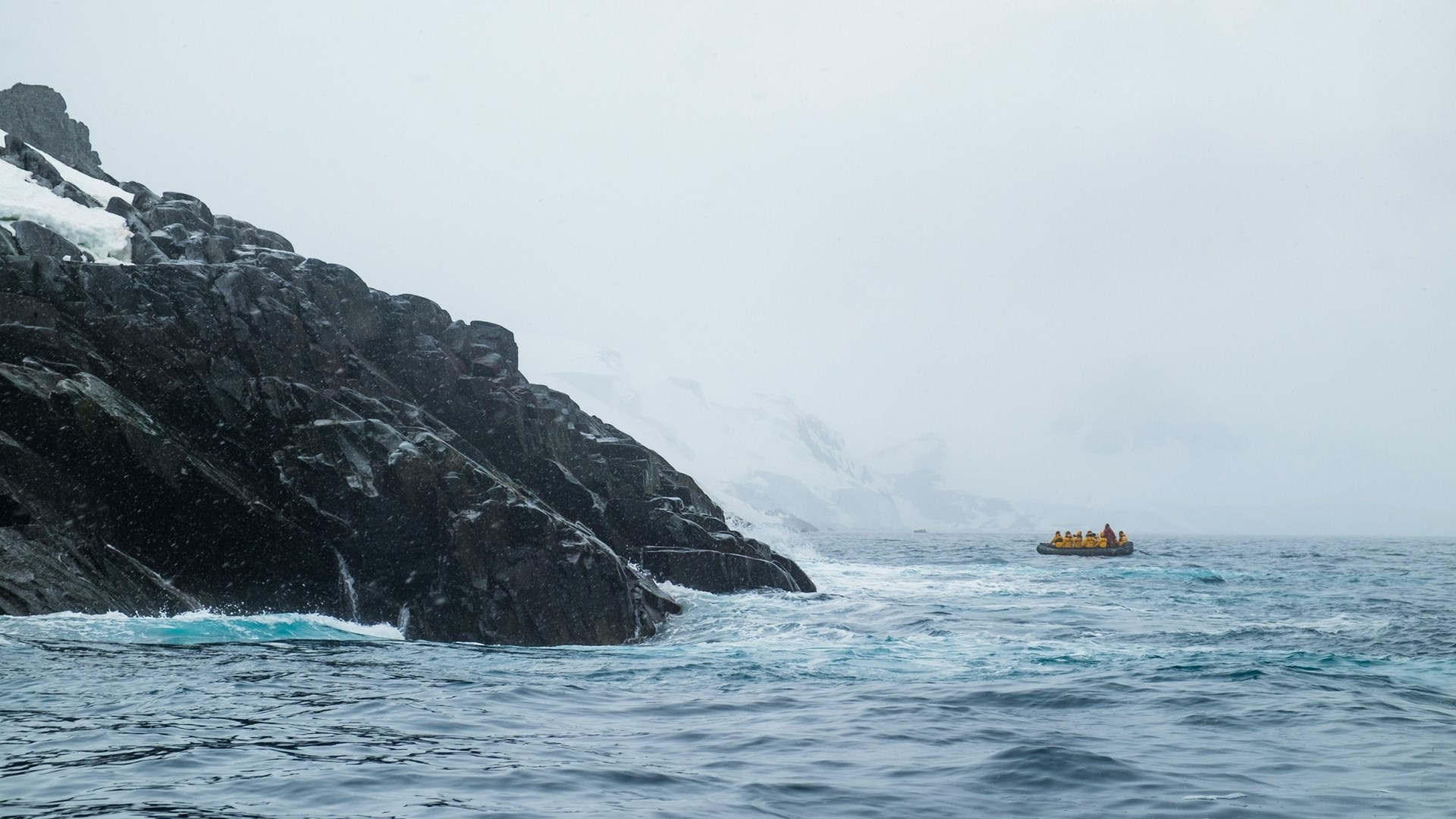
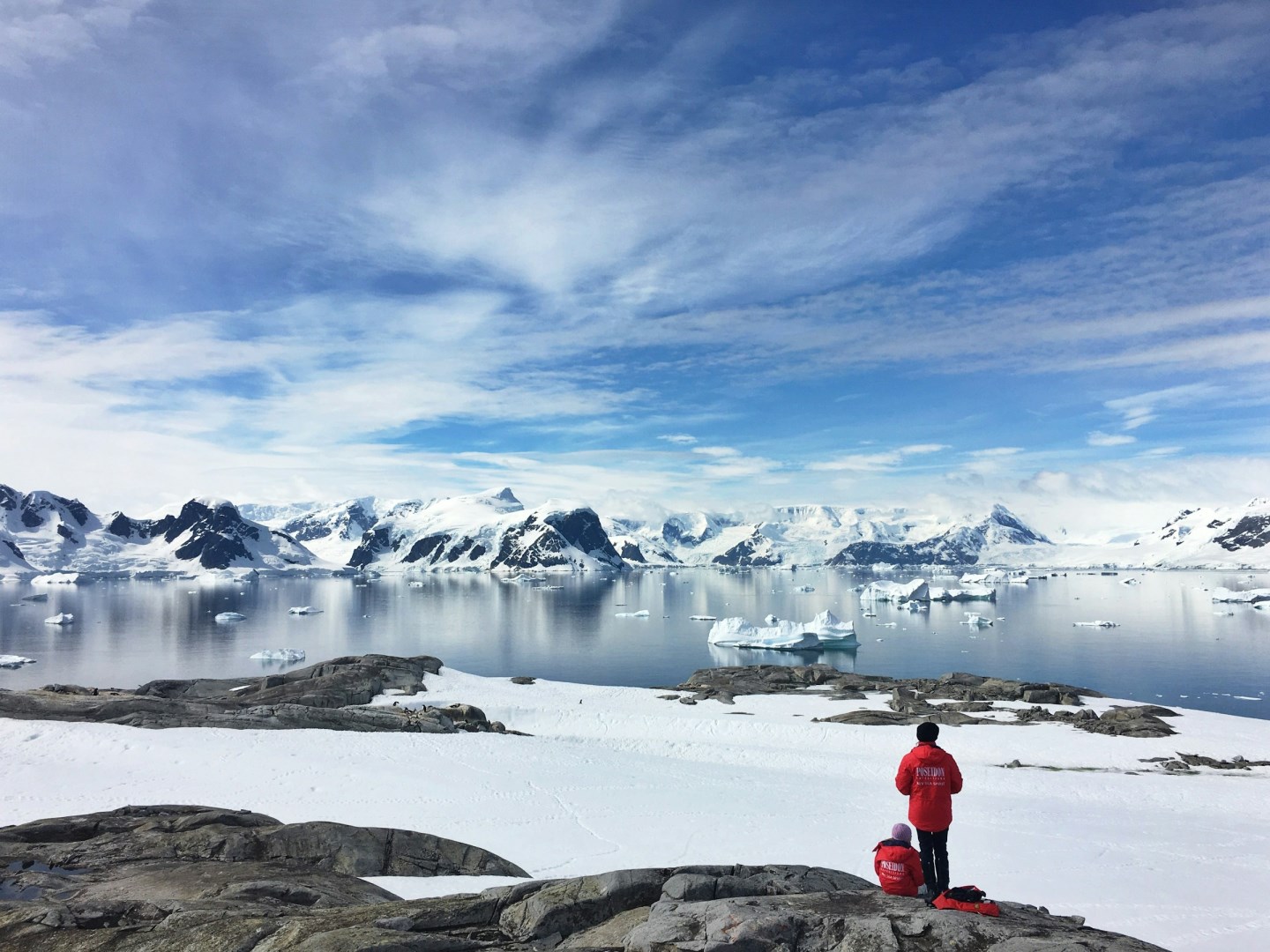
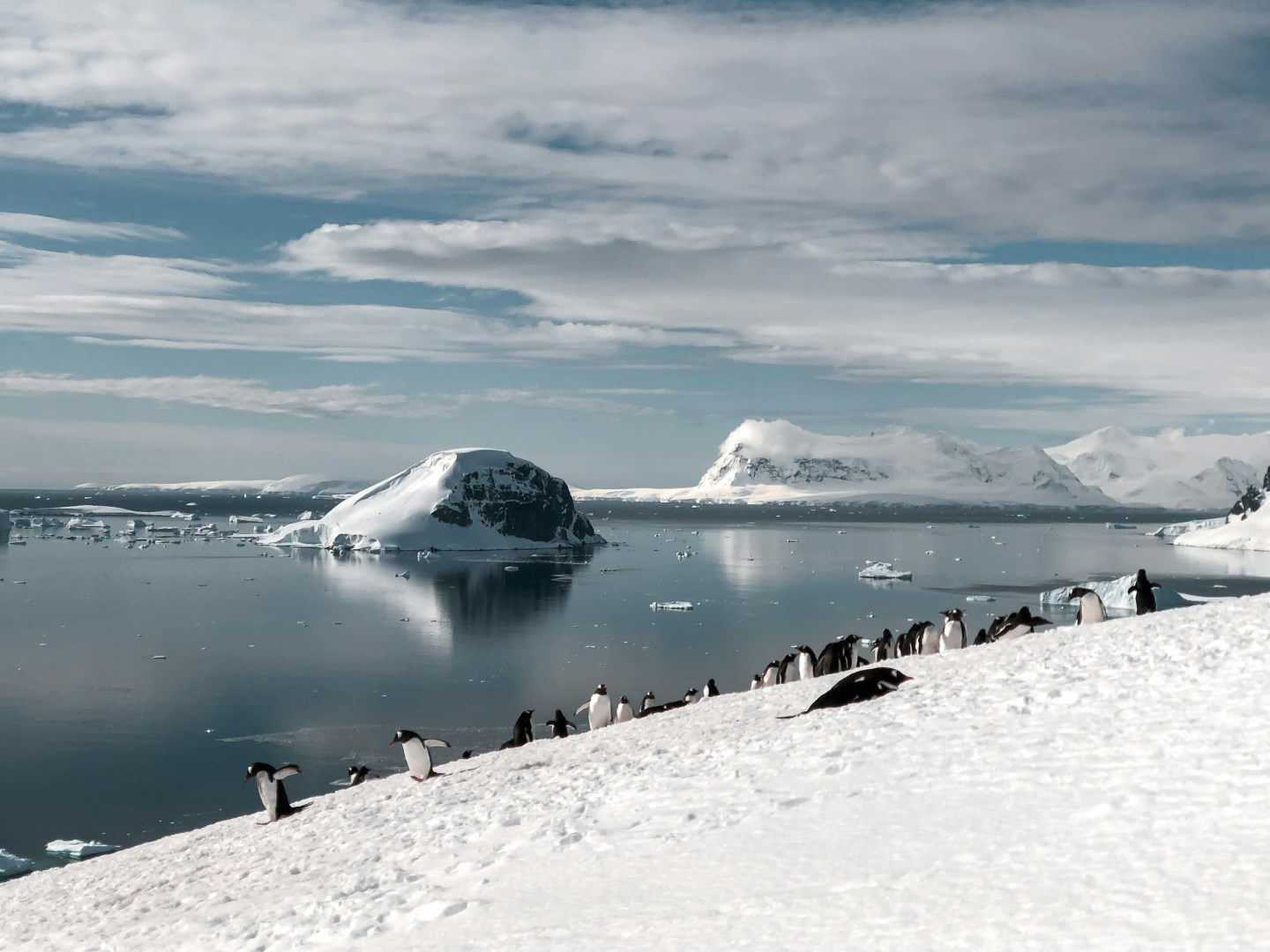
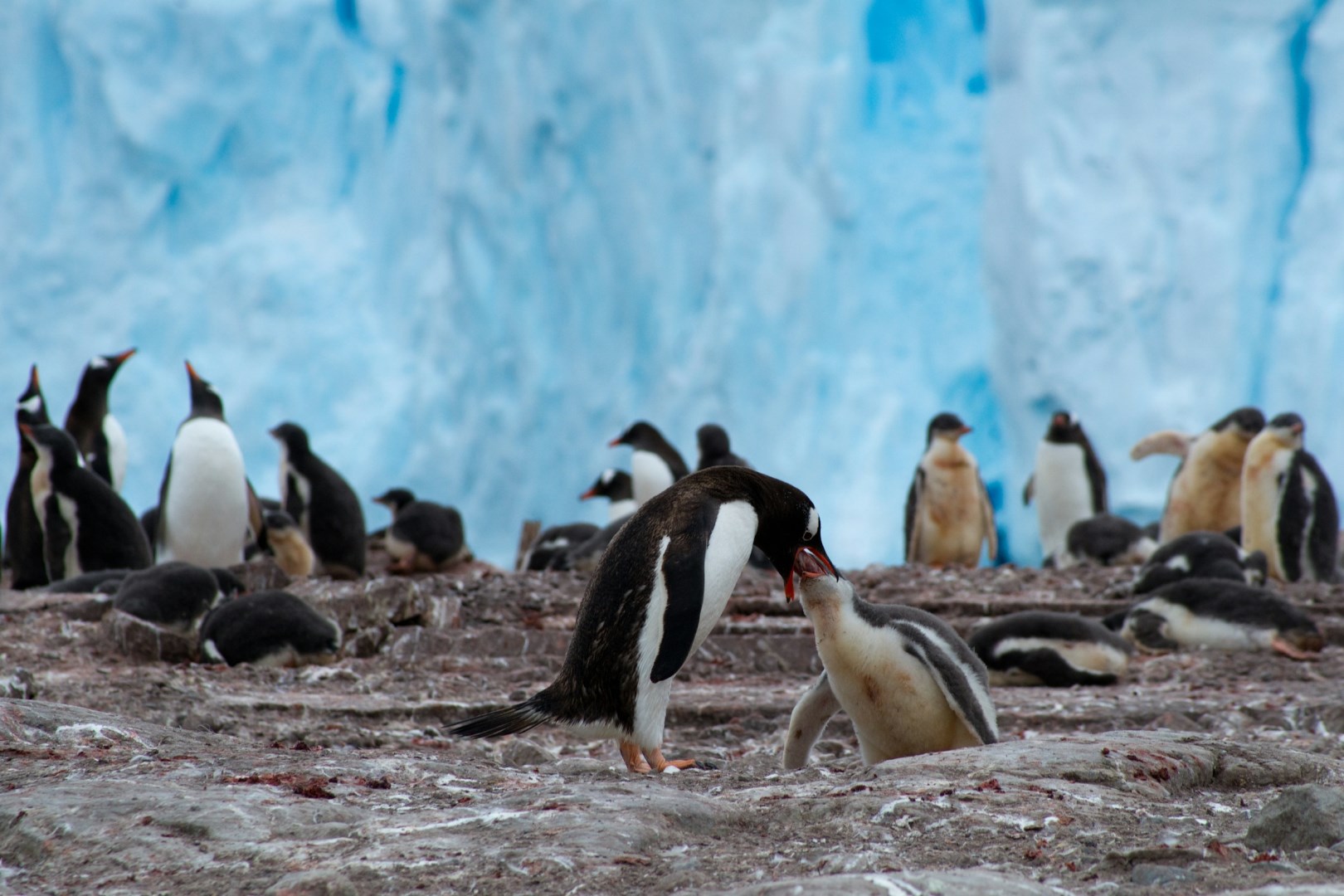
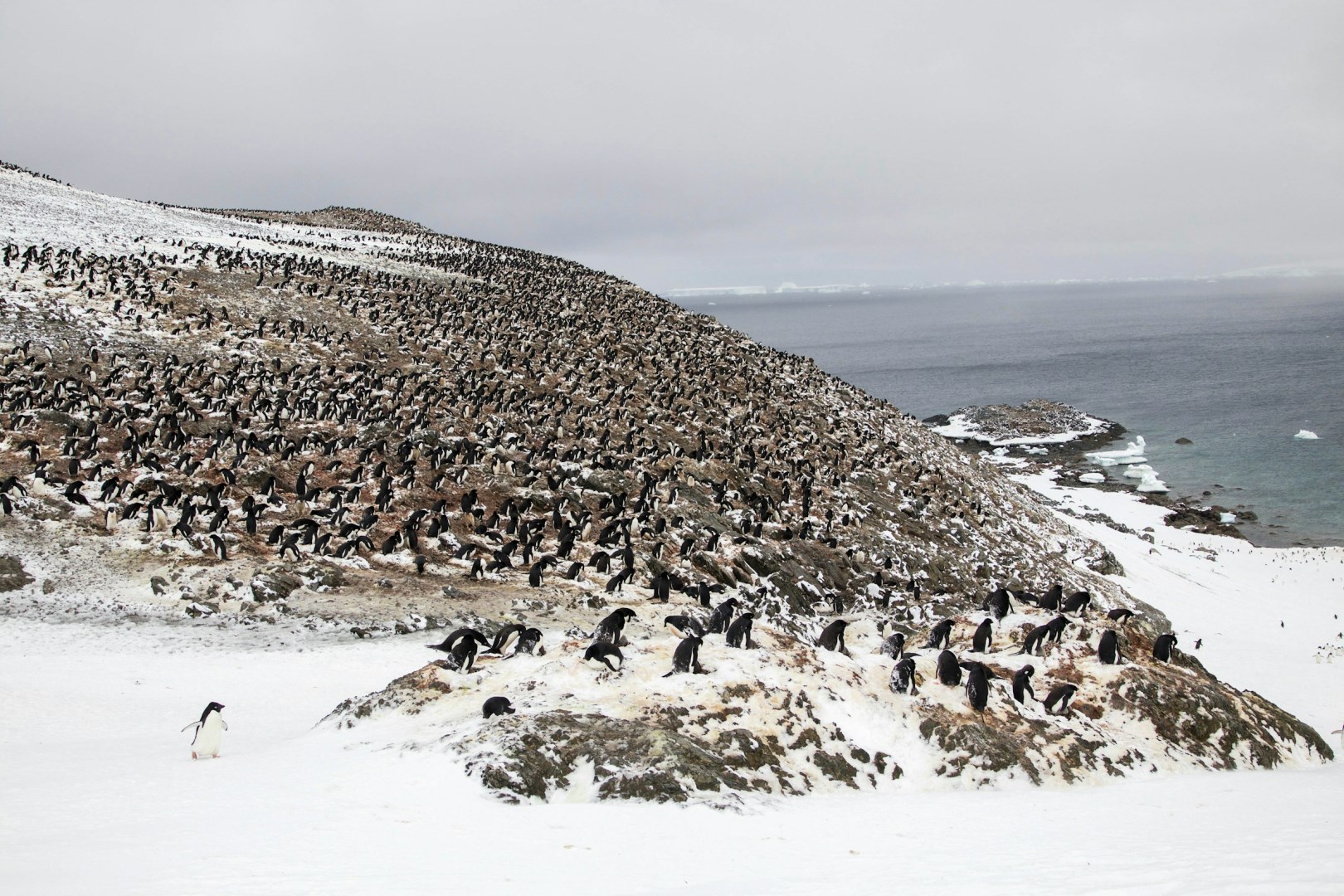
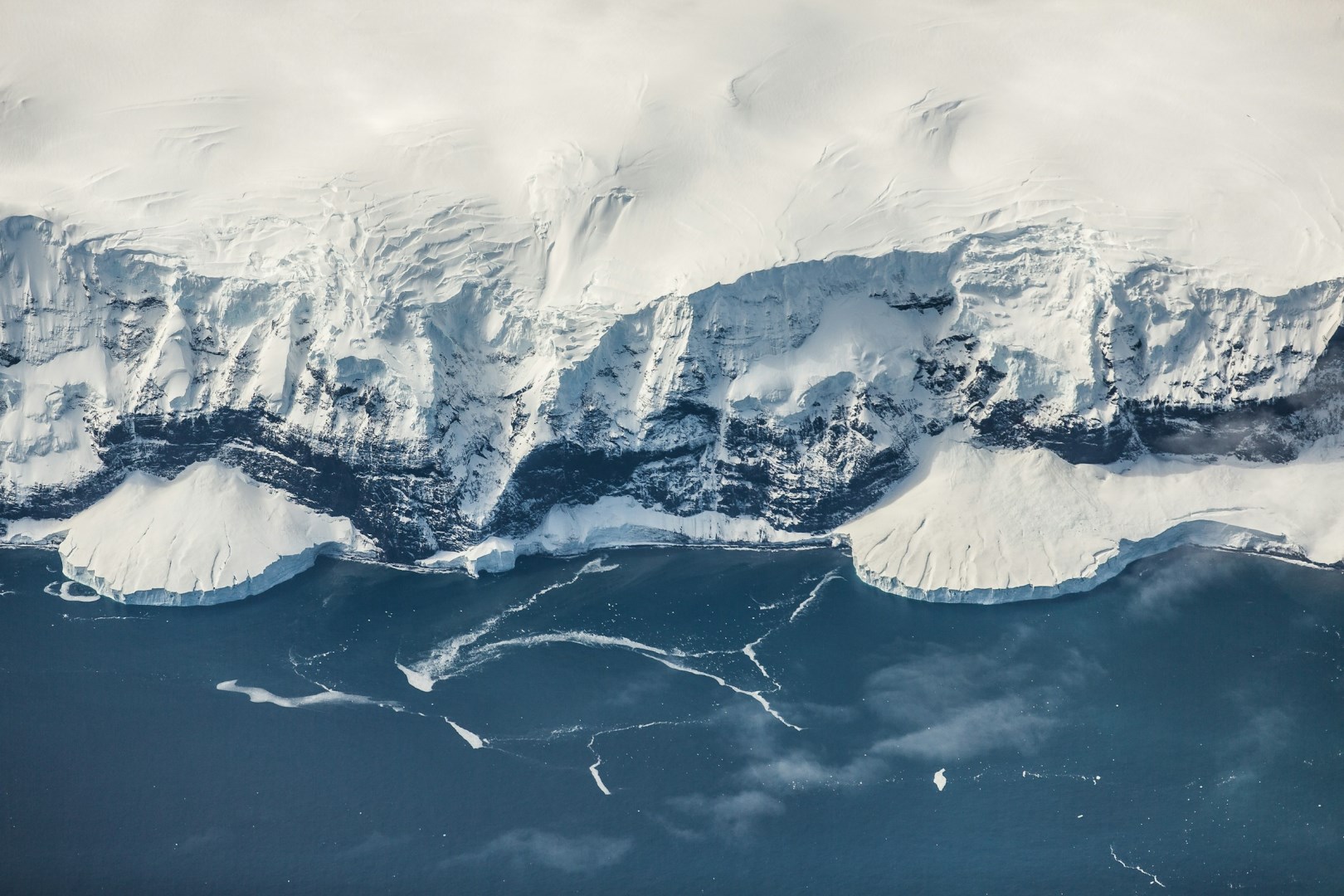
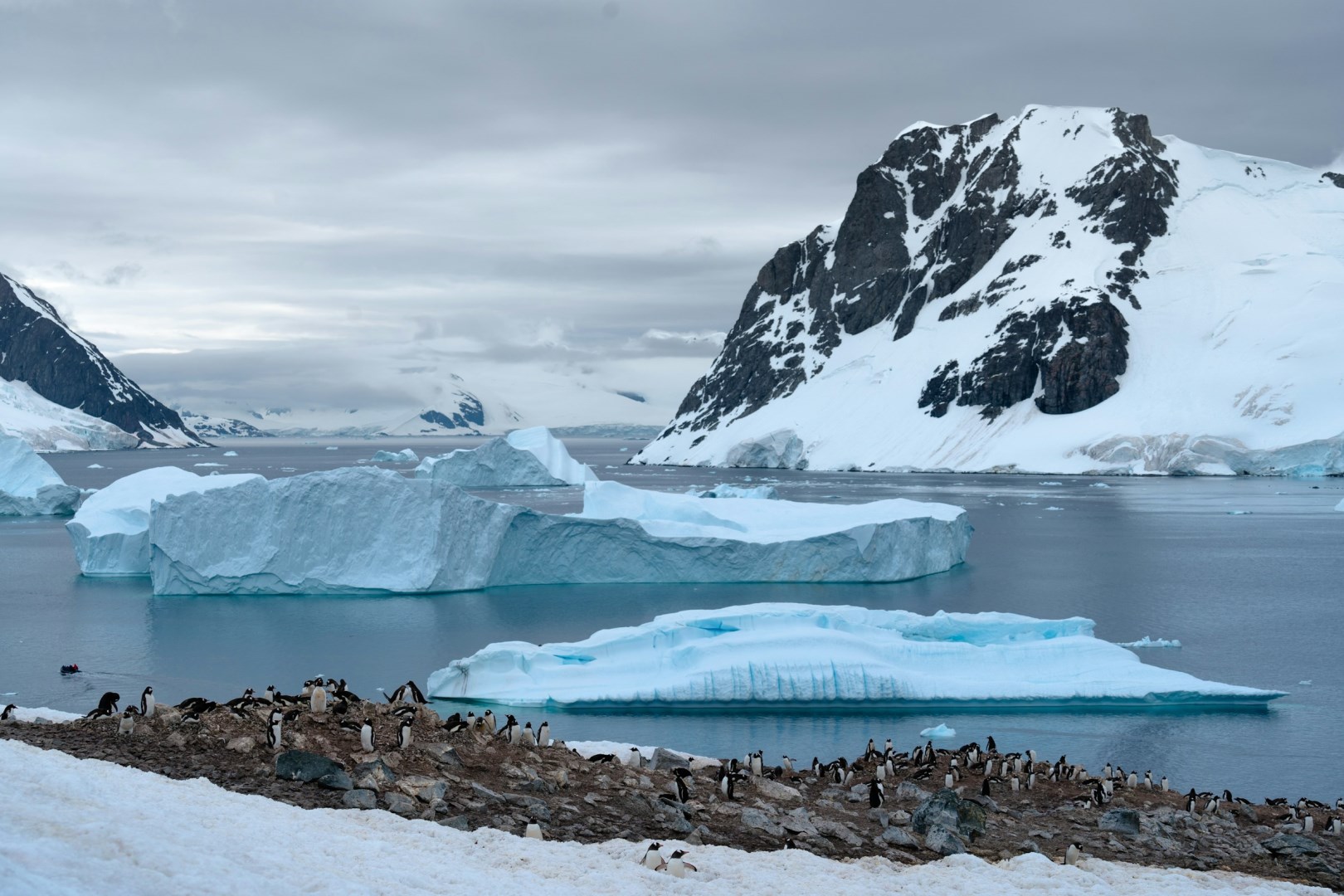
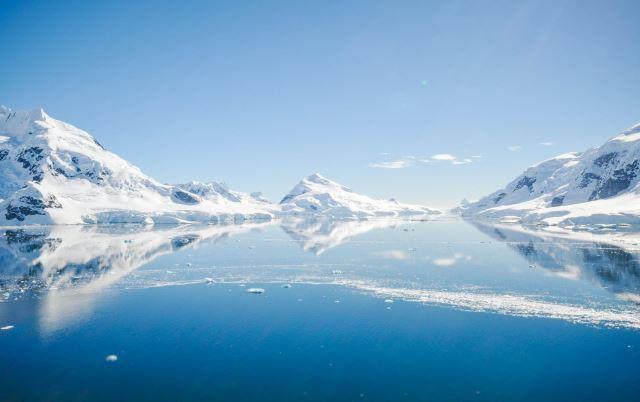
No place on Earth quite compares to Antarctica, this stunning and vast continent is cold and windy, containing 90% of the ice in the world. Those who brave a visit here are rewarded with beautiful glaciers that must be seen to be believed, and a vast array of wildlife such as whales, penguins, Arctic foxes and seals. Antarctica is the only permanent landing area for the Emperor Penguins. Many of the historic explorer huts remain on the island for visitors to see.
Other Popular Destinations in Antarctica
Drake Passage
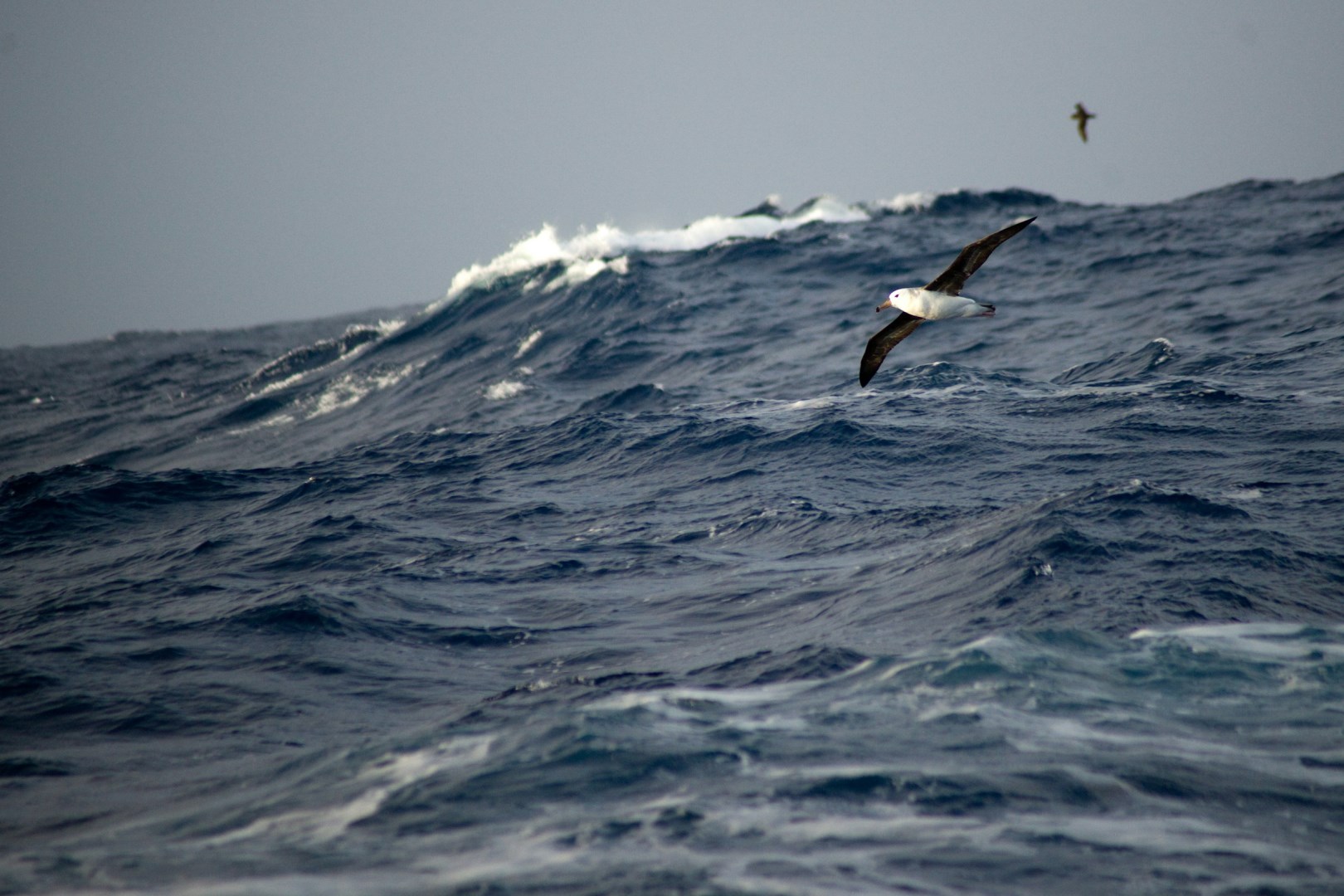
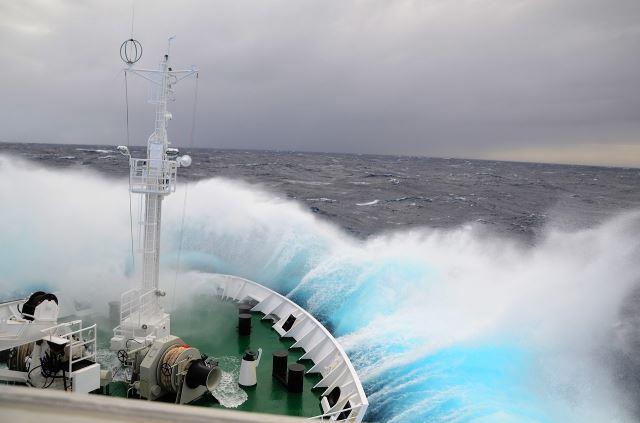
Drake Passage is a stretch of ocean between Cape Horn at the southern tip of South America and the South Shetland Islands near Antarctica. It connects the Atlantic and Pacific Oceans and is widely known for rough seas, powerful currents, and rapidly changing weather.
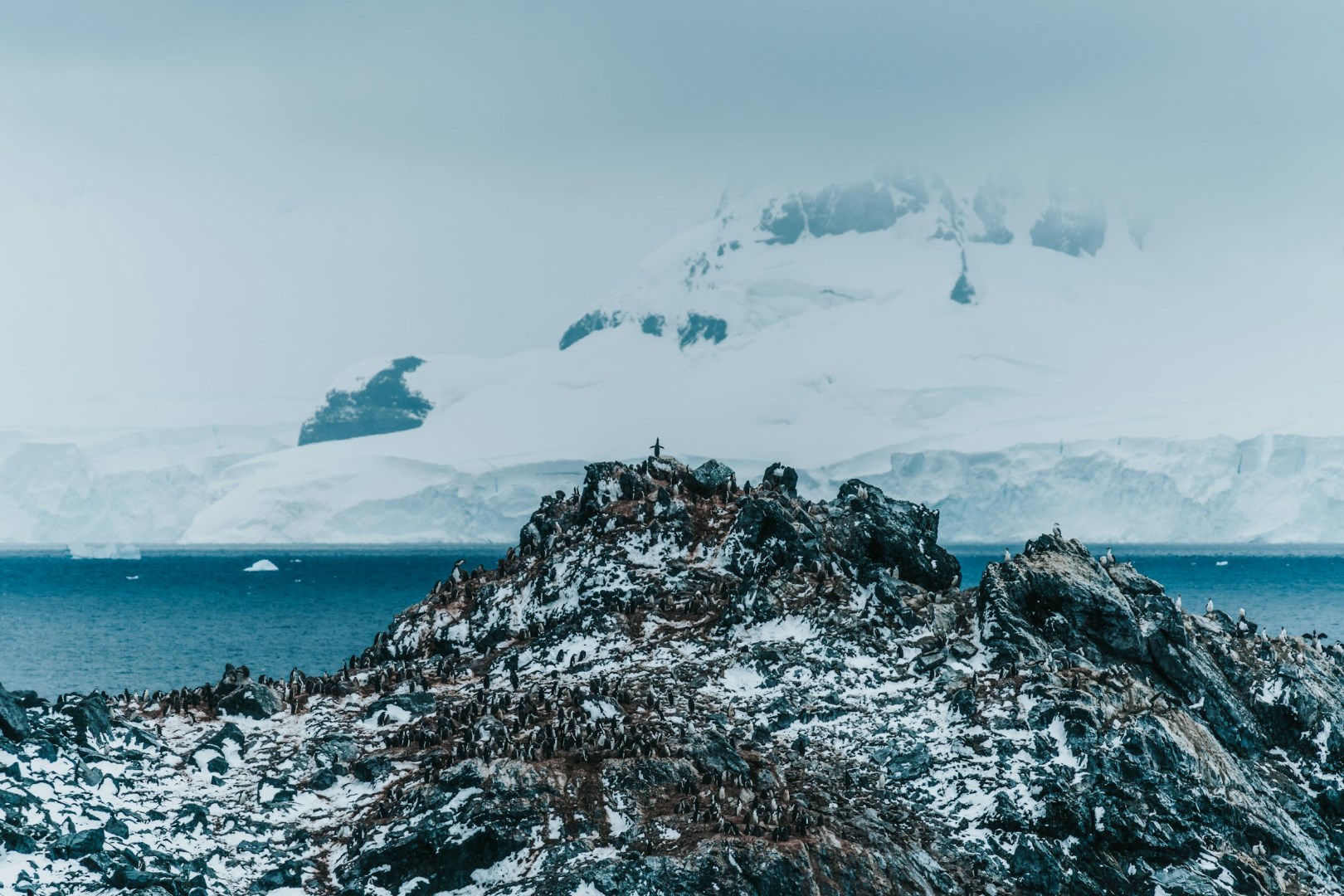
South Shetland Islands
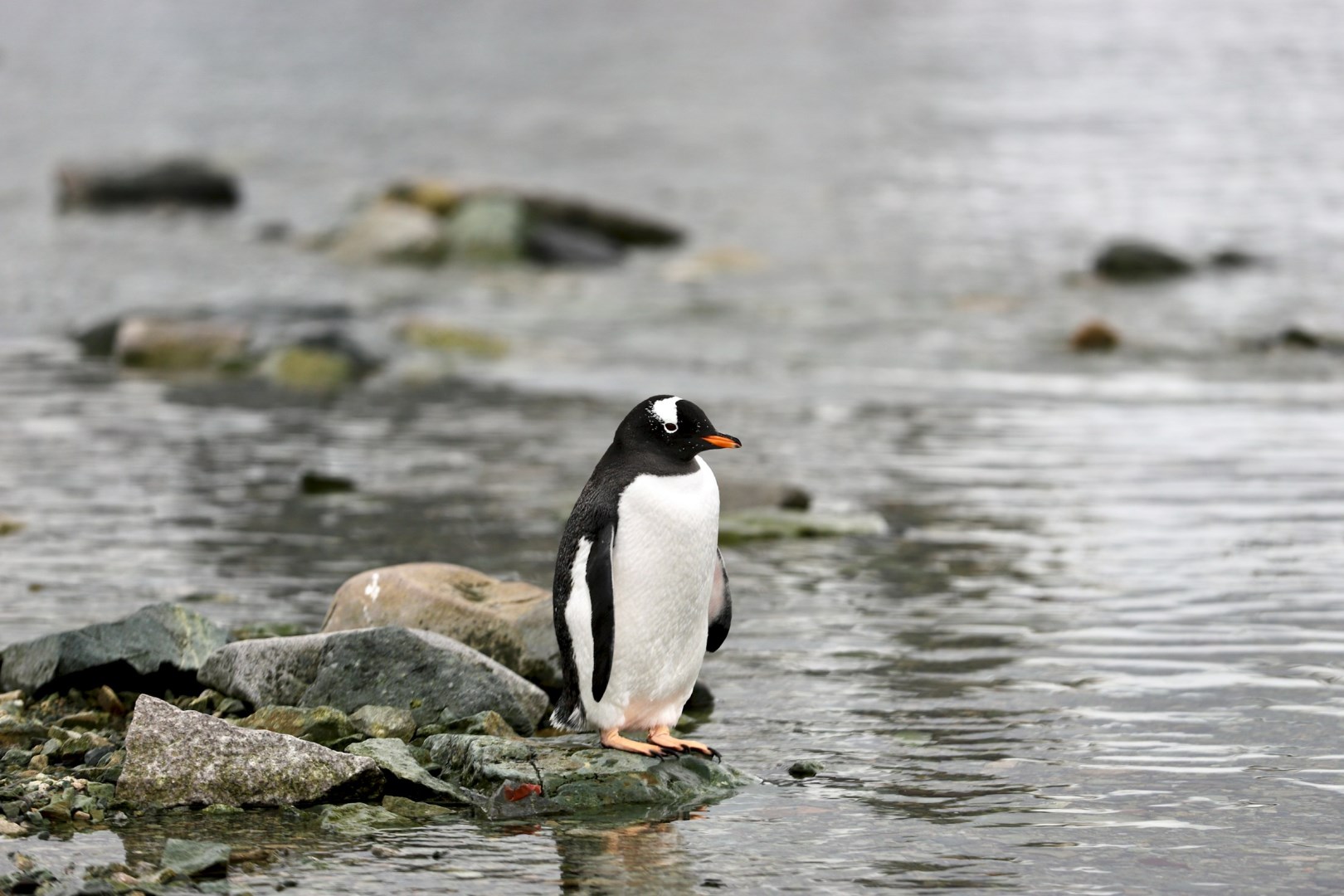
Mist, research stations, and penguins are just a few of the things that define the South Shetland Islands, an archipelago off the coast of Antarctica. These 11 Antarctic islands, most notably King George Island, have served as a base for researchers from Chile, Argentina, and a variety of other countries. The archipelago has also become a popular cruise destination for tourists to the Antarctic region.