This desert city in west Texas might be small in size, but it is big in arts! As an arts hub, founded by artist Donald Judd, it features both huge outdoor, and indoor, installations on an old army base. Whether you are looking for traditional, or quirky, in your art, Marfa has it.
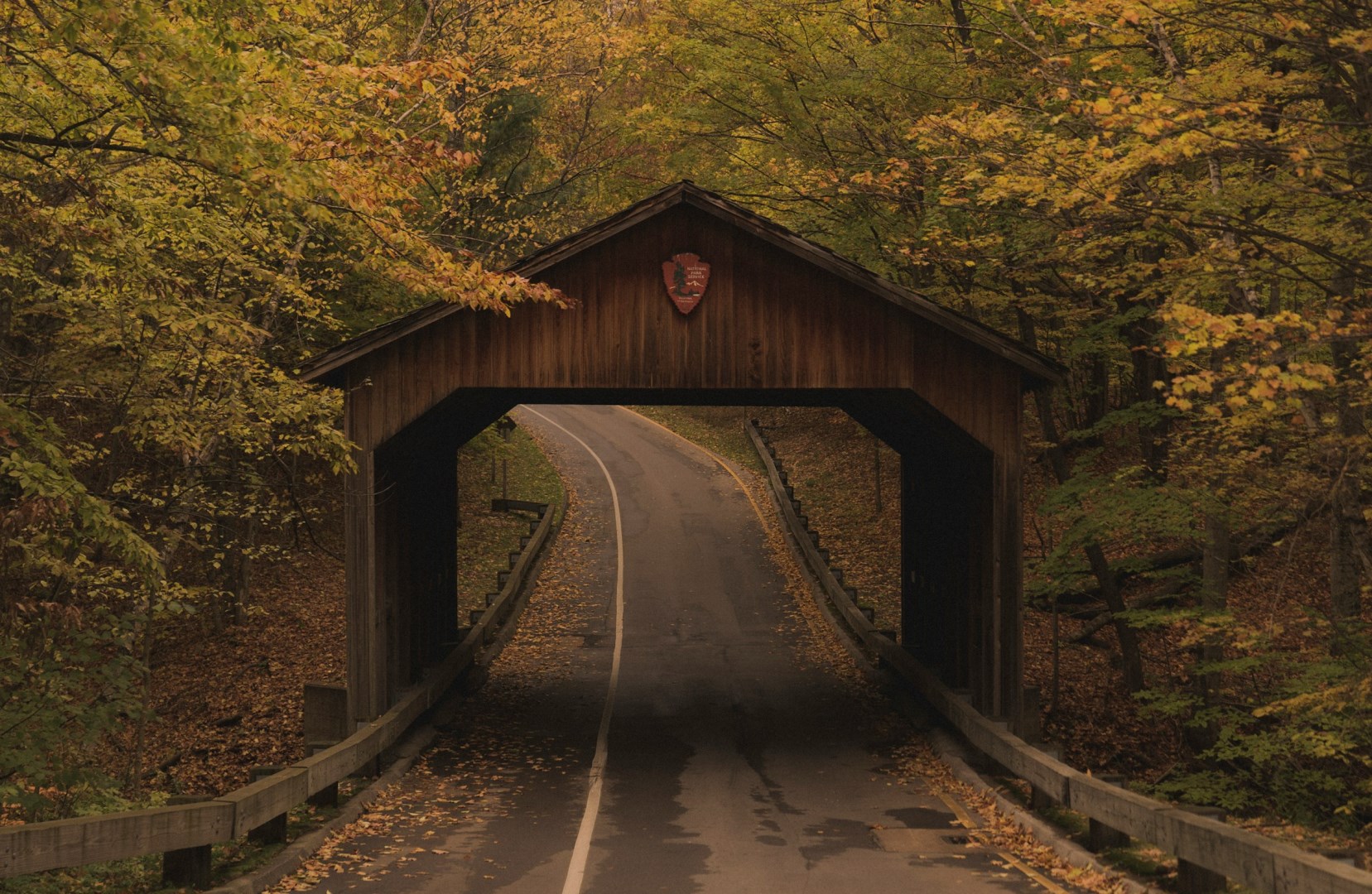
Sleeping Bear Dunes National Lakeshore occupies a long stretch of northwestern Michigan’s Lower Peninsula along Lake Michigan, protecting towering dunes, sandy beaches, forests, inland lakes, and steep coastal bluffs. The protected area extends across the Leelanau and Benzie county region and includes the Manitou Islands offshore. Its most recognizable feature is the Sleeping Bear Dune, which rises high above Lake Michigan and the surrounding landscape.
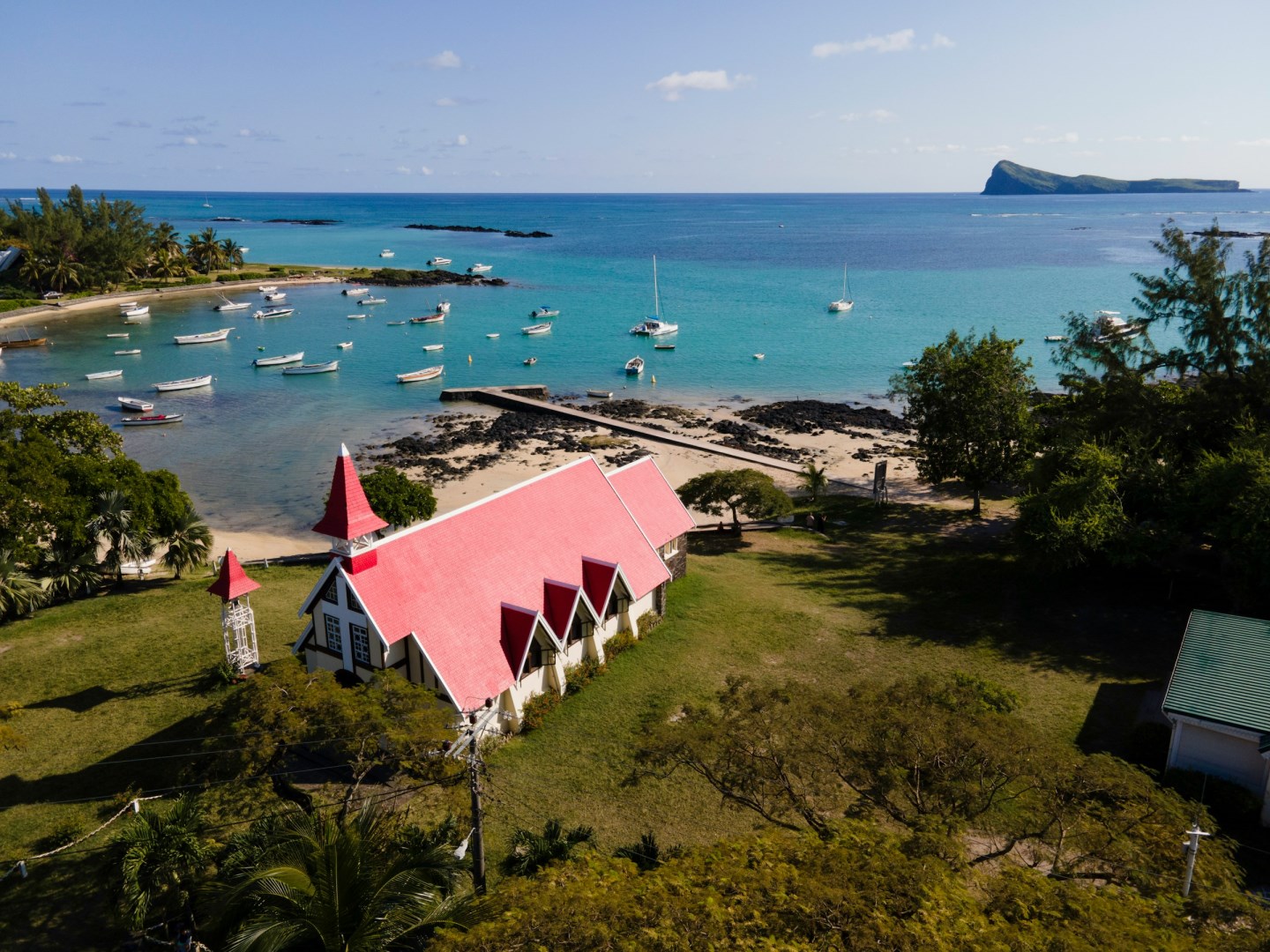
Cap Malheureux is a small coastal village at the northern tip of Mauritius, facing the islands and open waters beyond Grand Baie. It is best known for Notre-Dame Auxiliatrice, a Catholic chapel with a bright red roof that stands beside the shoreline and has become one of northern Mauritius’s most recognizable landmarks.
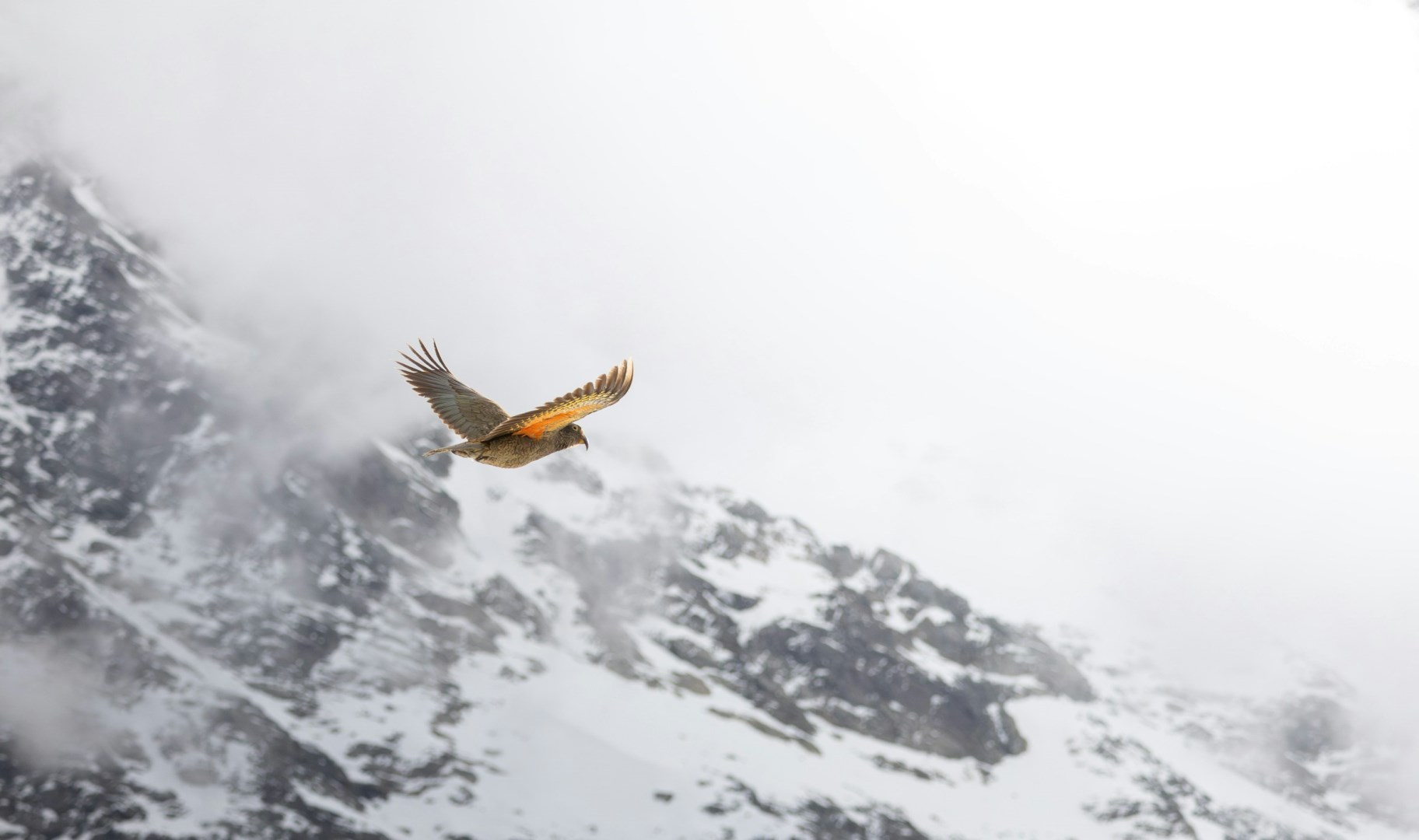
Canterbury is a large region on New Zealand’s South Island, stretching from the Pacific coast across the broad Canterbury Plains to the Southern Alps. Its landscape changes from farmland and vineyards to high mountains, glacial lakes, braided rivers, and rugged coastline. Christchurch, the region’s main city, provides a cultural and urban centre with the Botanic Gardens, Avon River, museums, galleries, and distinctive post-earthquake architecture.
Colón is a Caribbean port city on Panama’s northern coast, positioned near the Atlantic entrance to the Panama Canal. Its waterfront setting, tropical climate, and access to the canal, Caribbean beaches, and surrounding rainforest give it a distinctive role within Panama’s geography. The city is closely connected to the canal’s commercial activity and serves as an important gateway to destinations in Colón Province.
Photo Credit: Photo by Unseen Histories on Unsplash
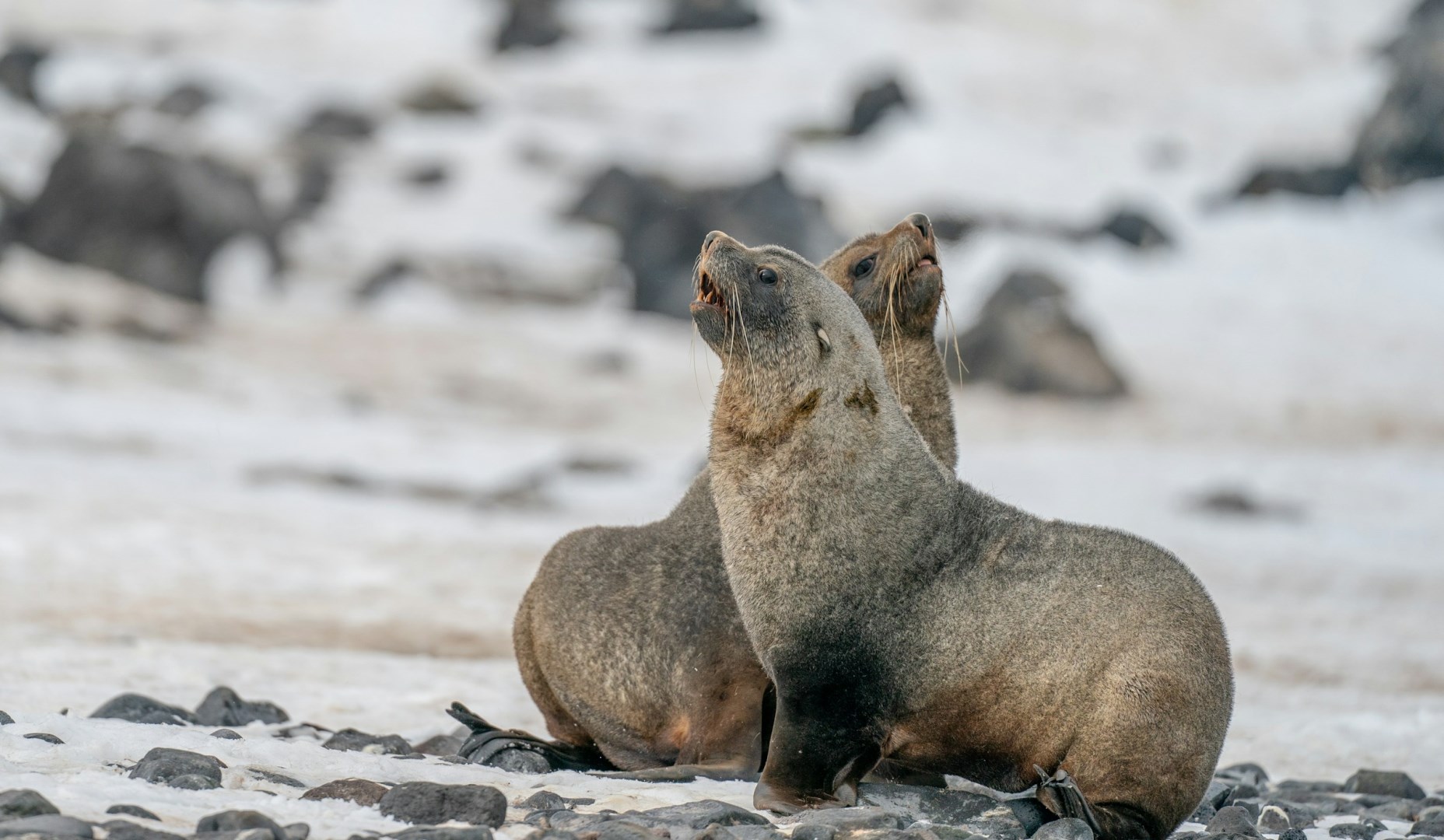
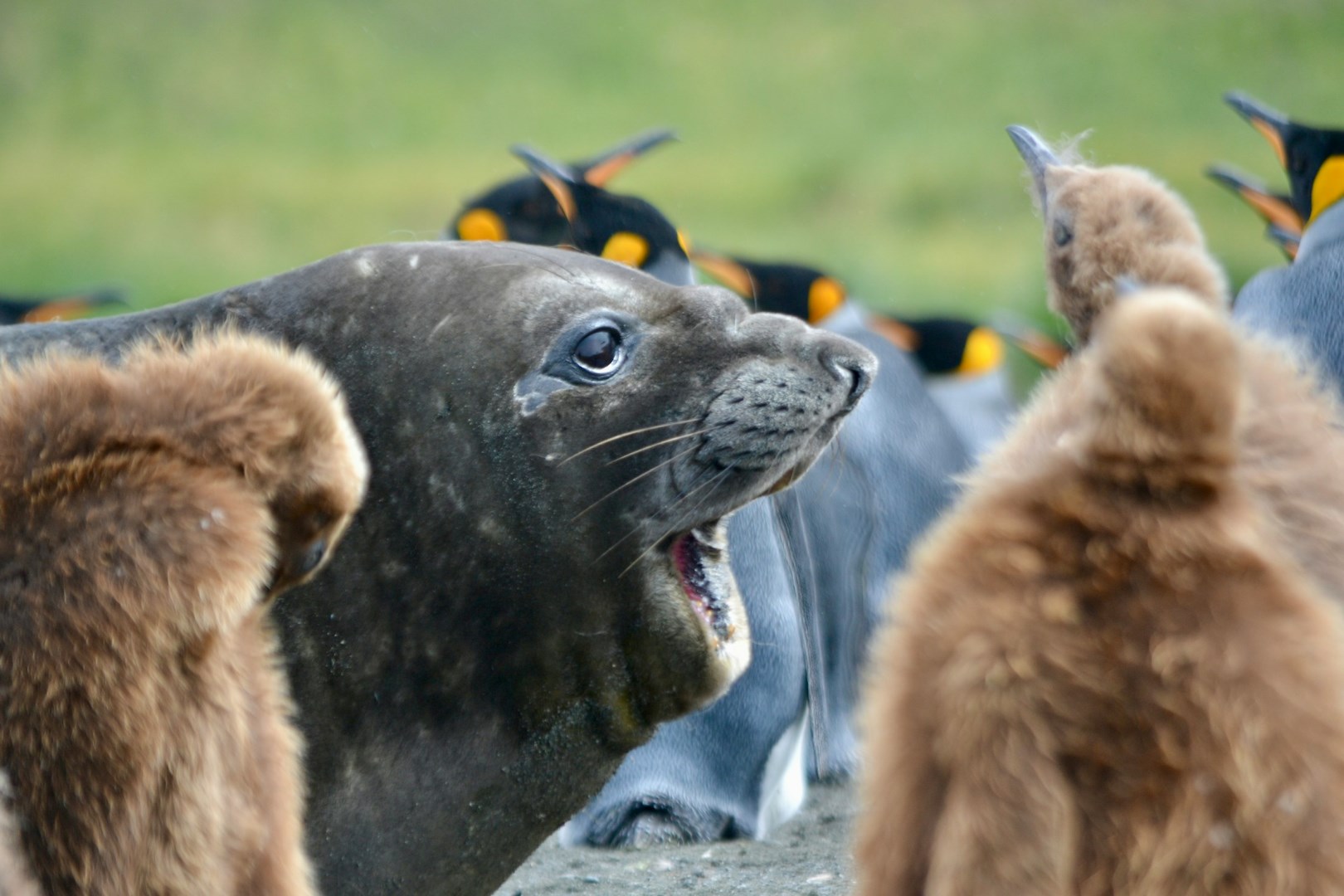
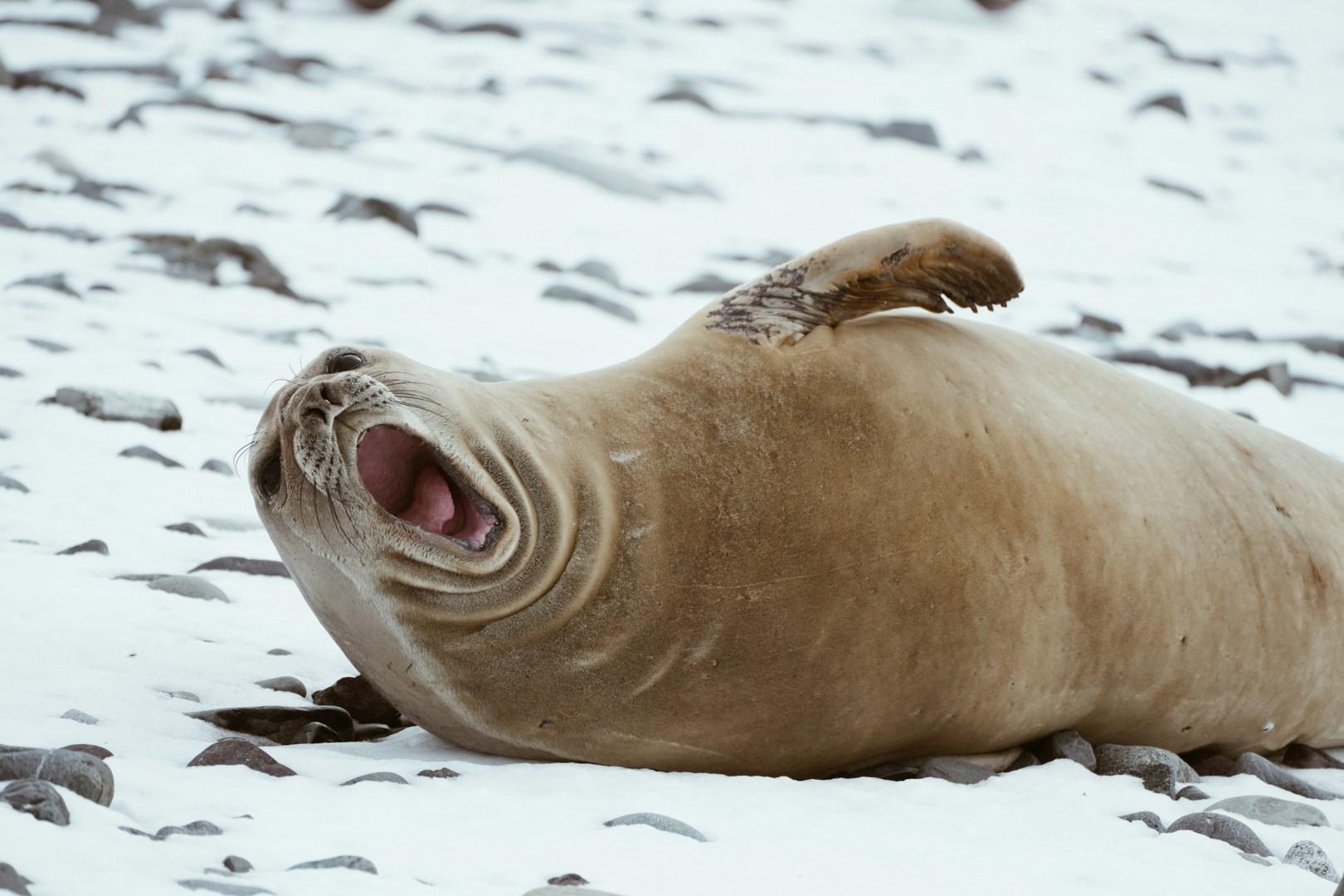
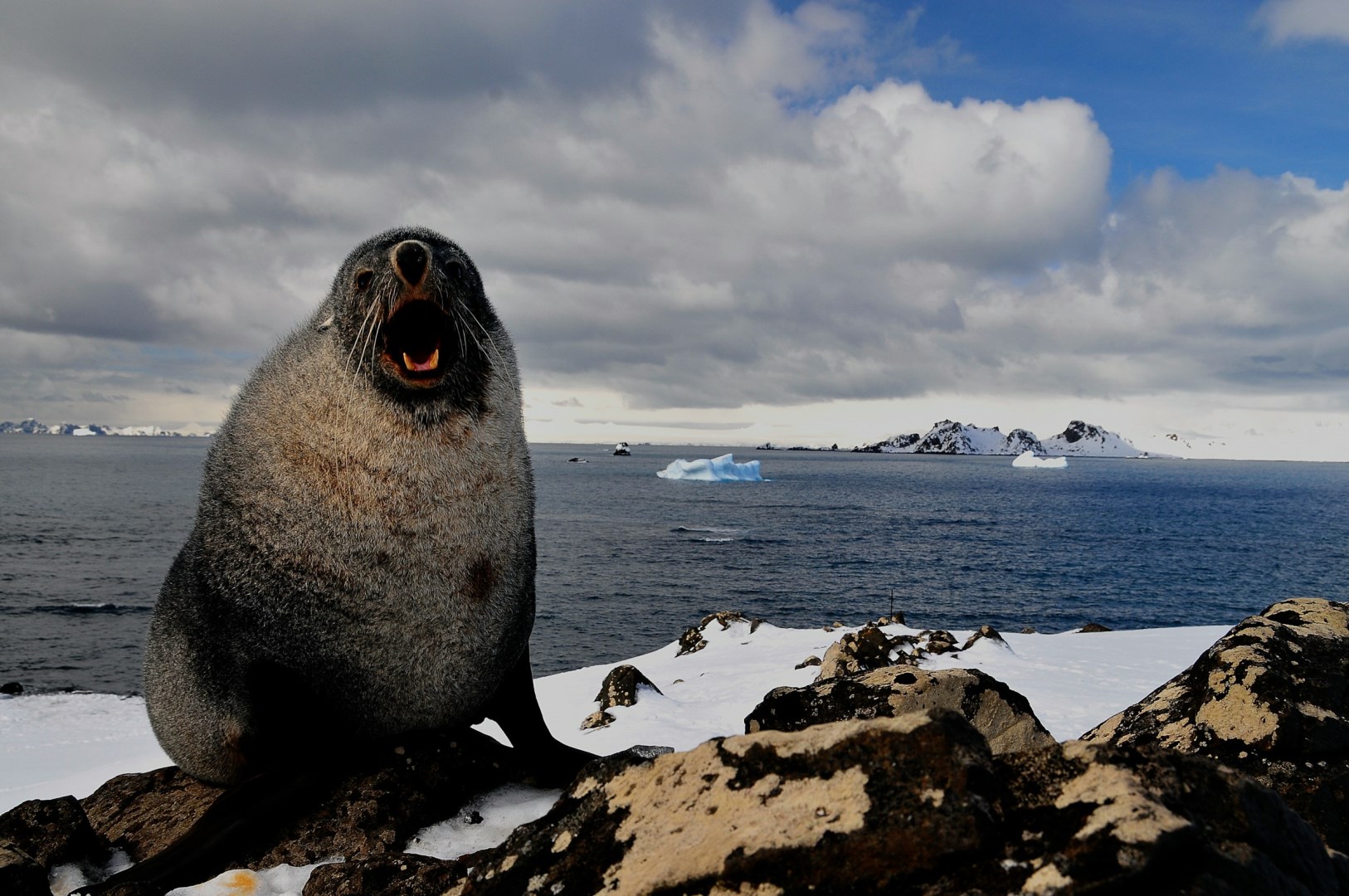
Fur Seals
Photo Credit: Photo by Bob Brewer on Unsplash
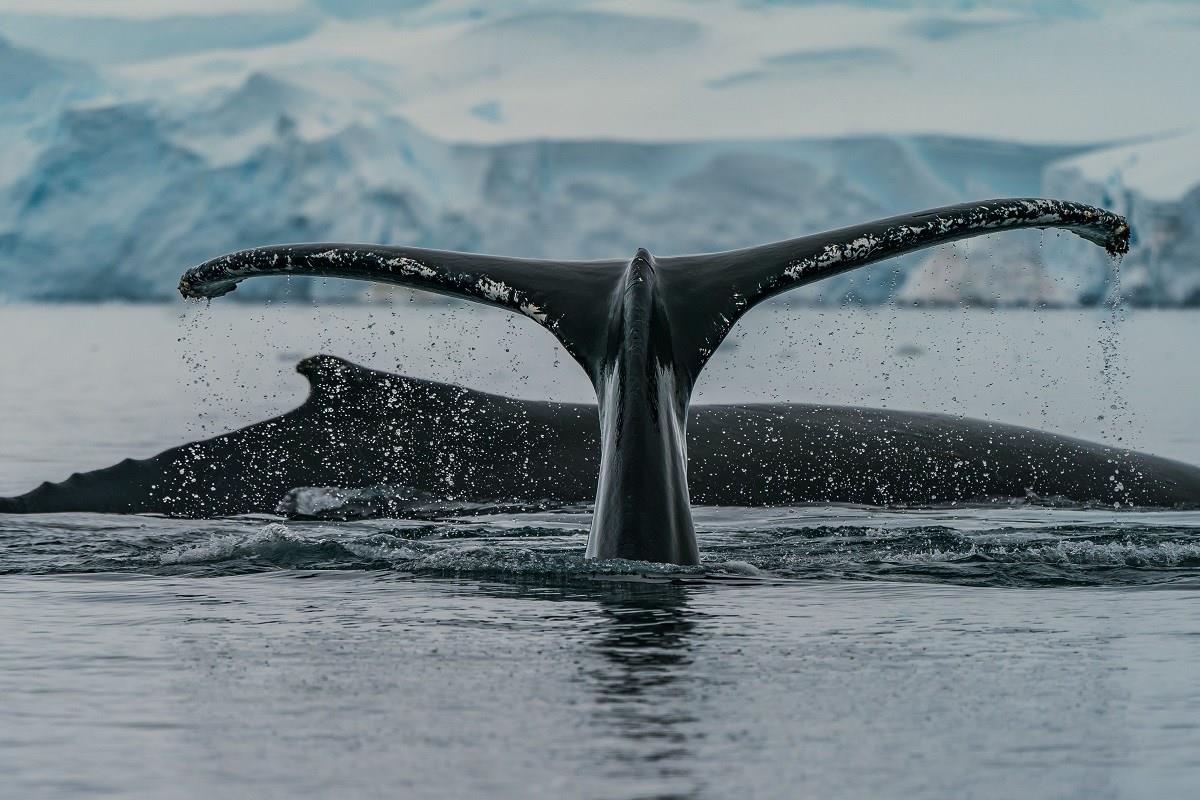
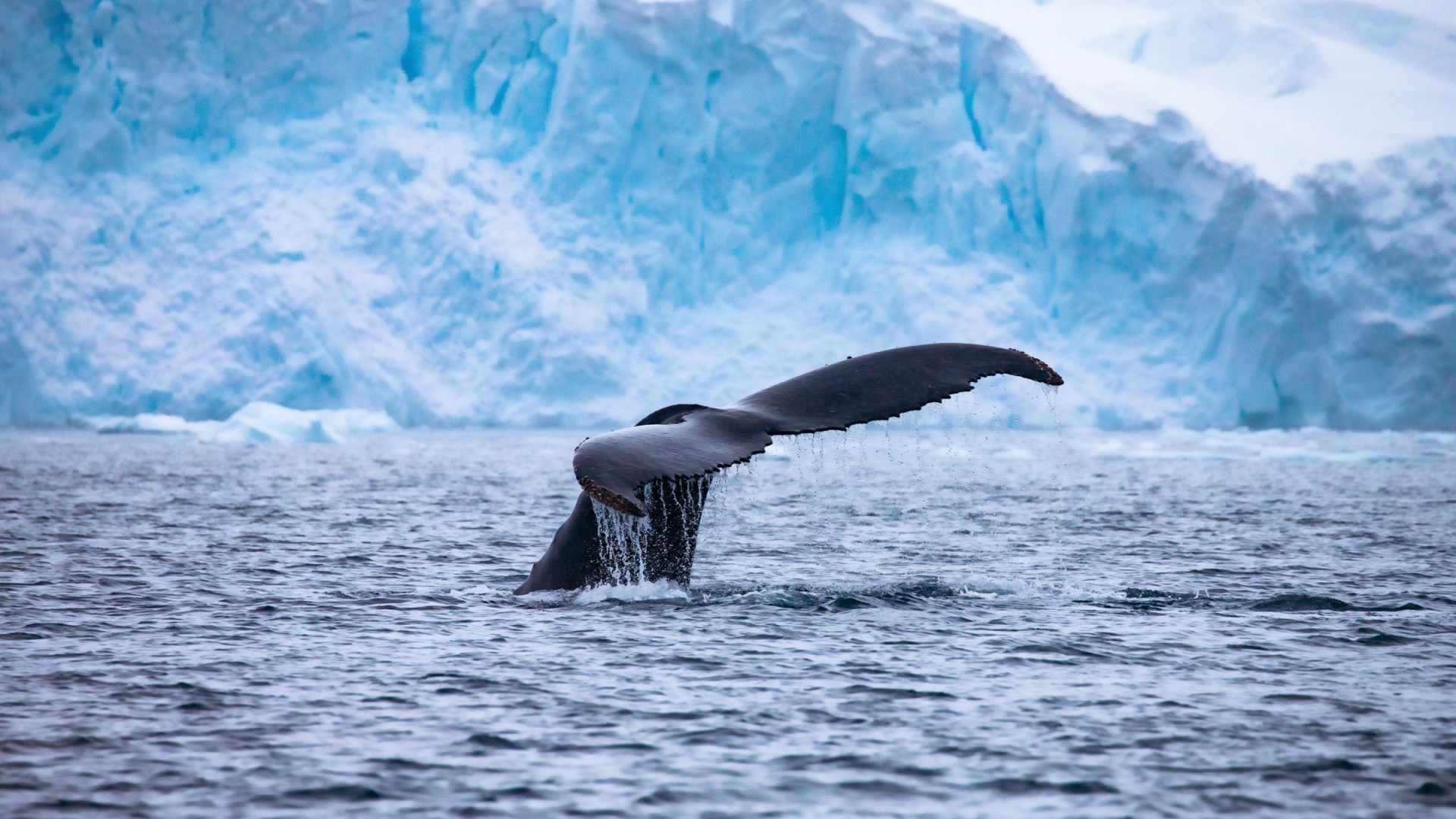
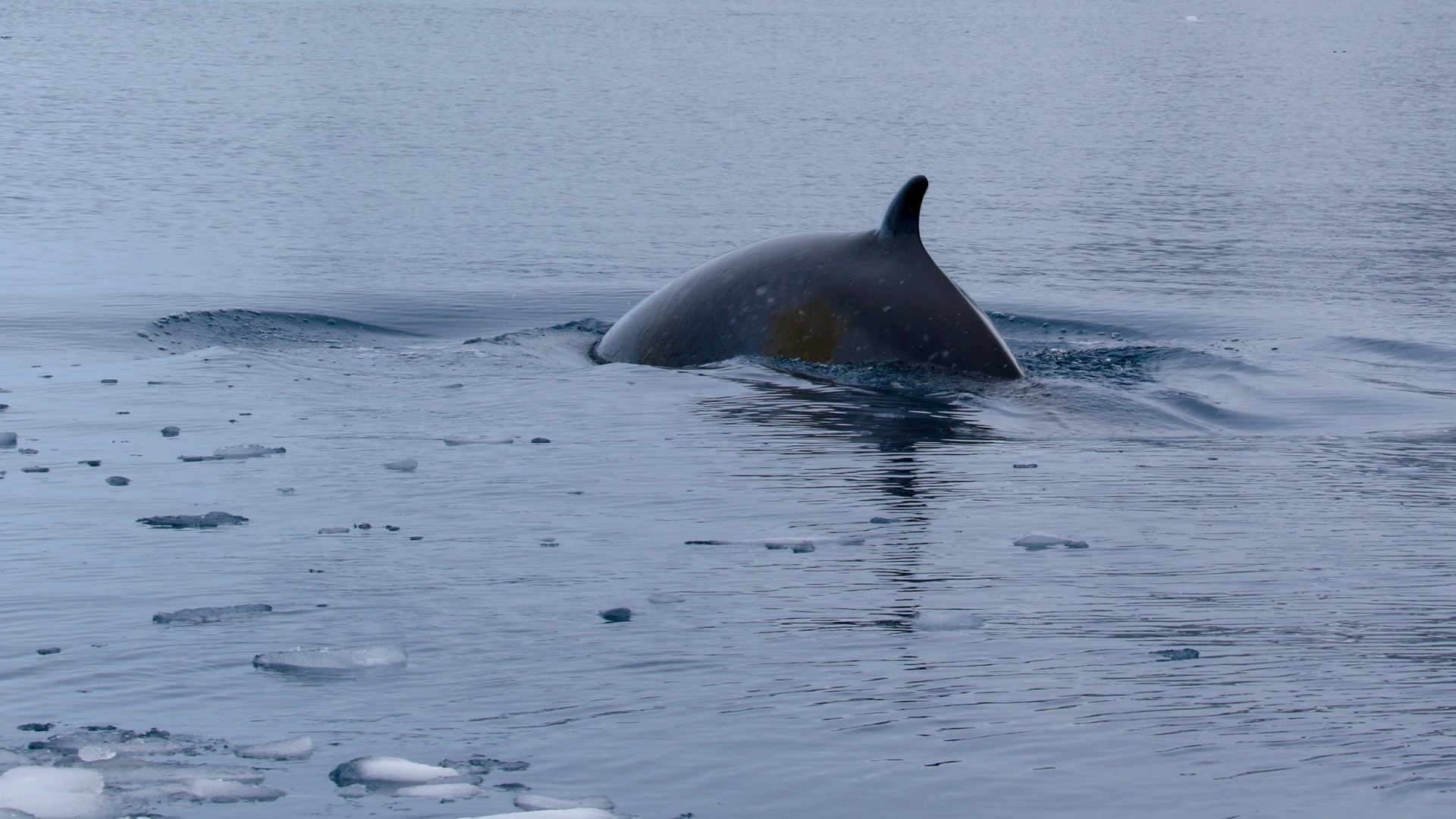
Whale
Photo Credit: Photo by Lee Kelai on Unsplash
Photo Credit: Photo by Angie Corbett-Kuiper on Unsplash
Photo Credit: Photo by Dylan Shaw on Unsplash
Photo Credit: Photo by TC Photography on Unsplash
Photo Credit: Photo by Torsten Dederichs on Unsplash
Neko Harbor
Photo Credit: Photo by 66 north on Unsplash
Photo Credit: Photo by Martin Wettstein on Unsplash
Photo Credit: Photo by TC Photography on Unsplash
Photo Credit: Photo by Torsten Dederichs on Unsplash
Photo Credit: Photo by TC Photography on Unsplash
Photo Credit: Photo by Matthew Stephenson on Unsplash
Photo Credit: Photo by Derek Oyen on Unsplash
Minke Whale
Photo Credit: Photo by Rowan Simpson on Unsplash
Photo Credit: Photo by Cassie Matias on Unsplash
Photo Credit: Photo by Deanna Wong on Unsplash
Photo Credit: Photo by Torsten Dederichs on Unsplash
Photo Credit: Photo by Dylan Shaw on Unsplash
Cape Shirreff, Livingston Island
Photo Credit: Photo by NOAA on Unsplash
Photo Credit: Photo by Francesco Ungaro on Unsplash
Photo Credit: Photo by Matt Palmer on Unsplash
Photo Credit: Photo by James Eades on Unsplash
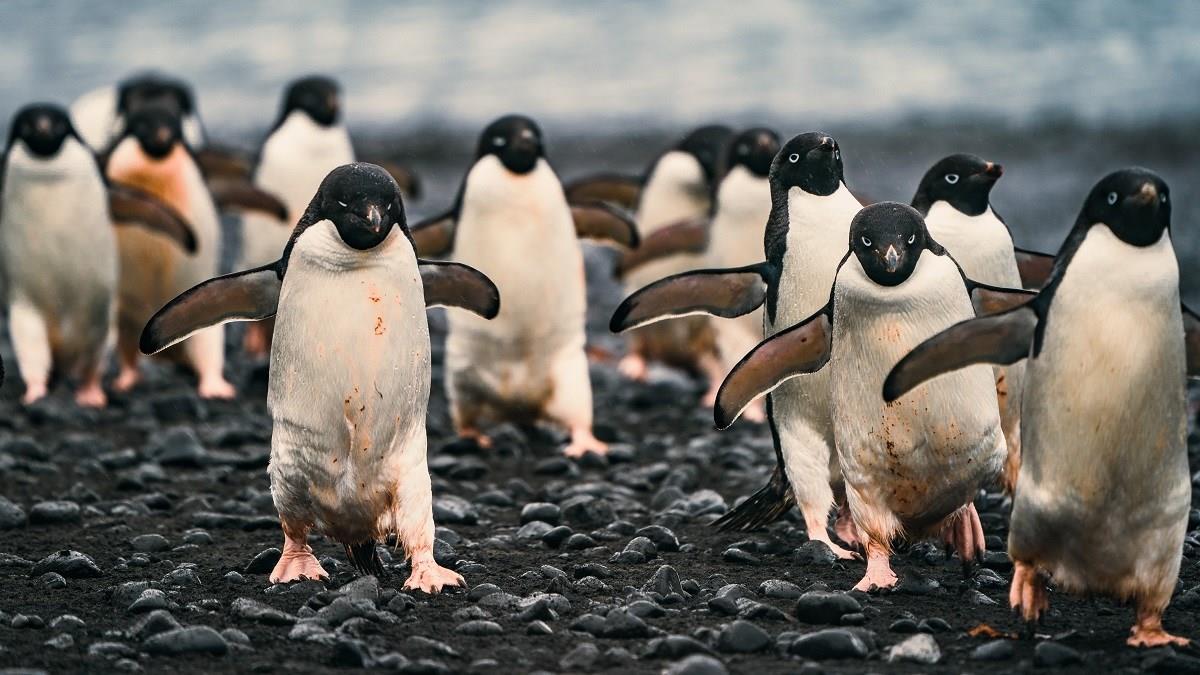
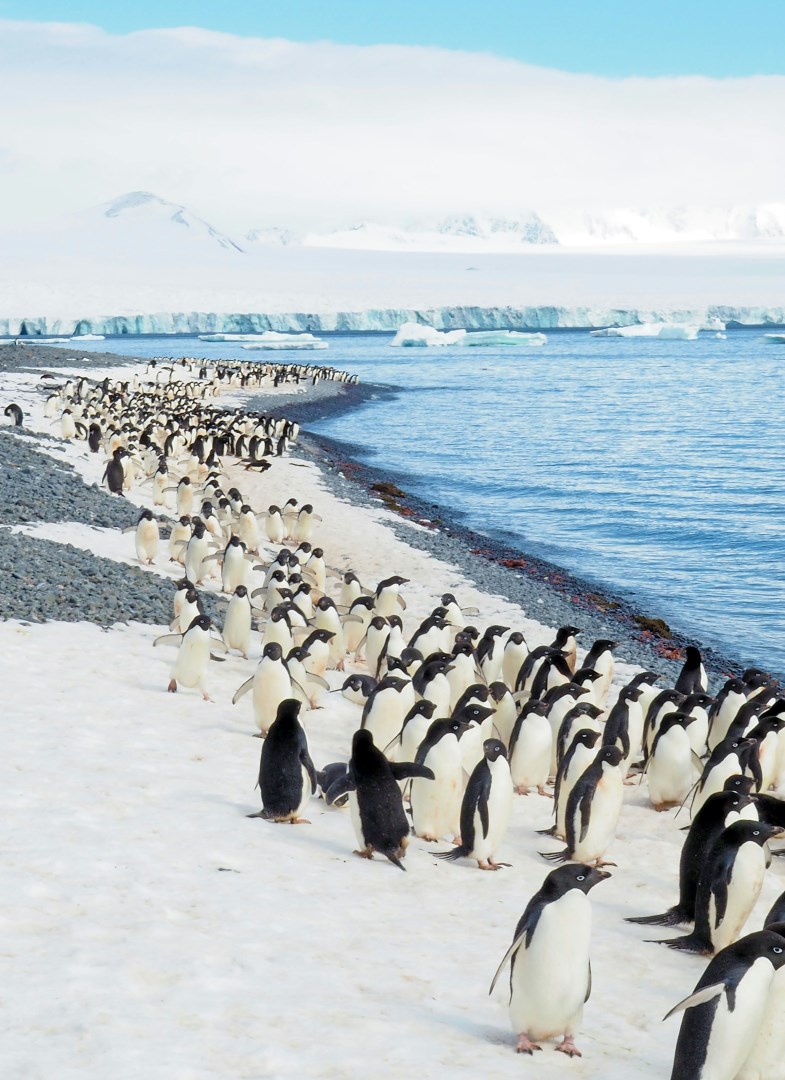
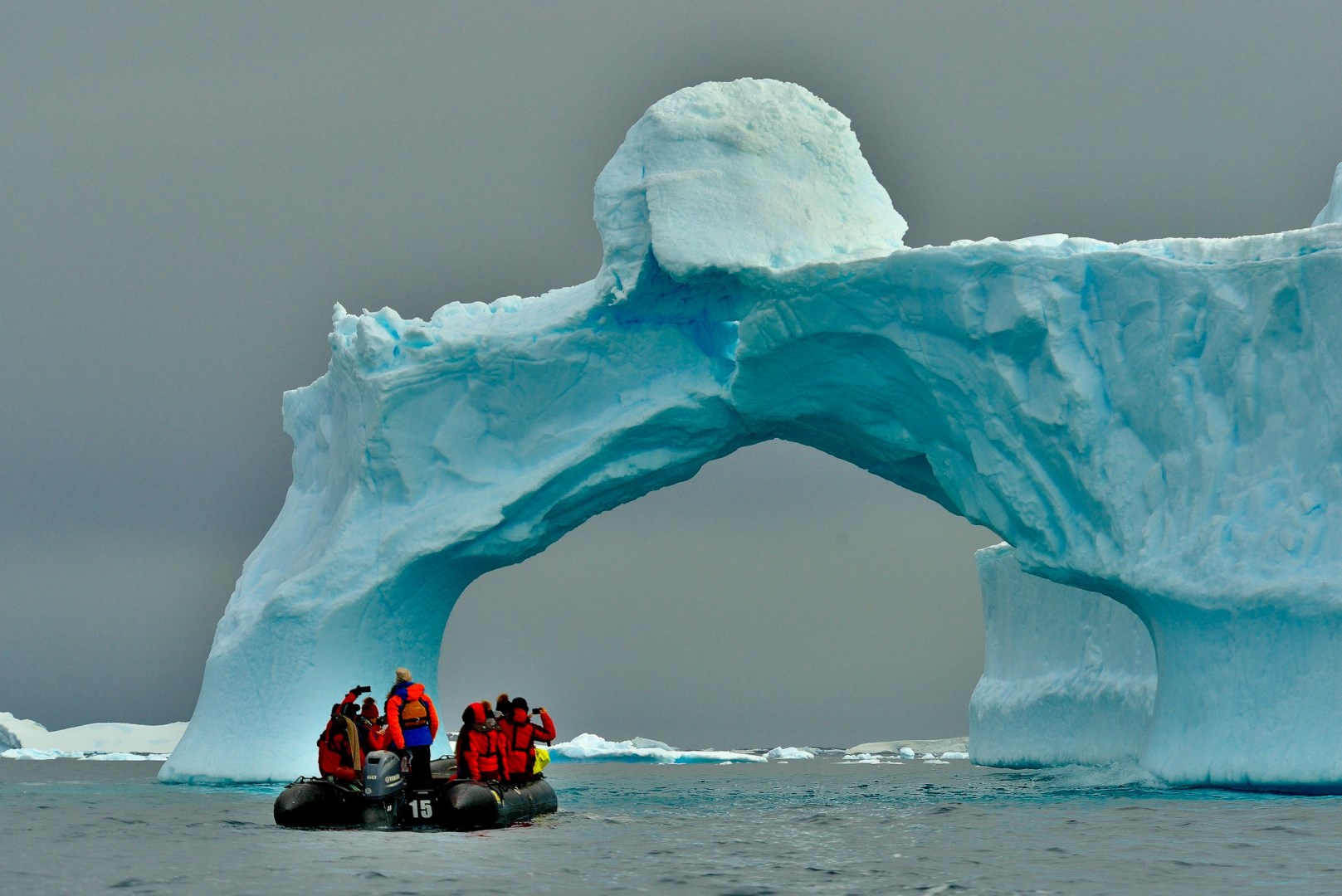
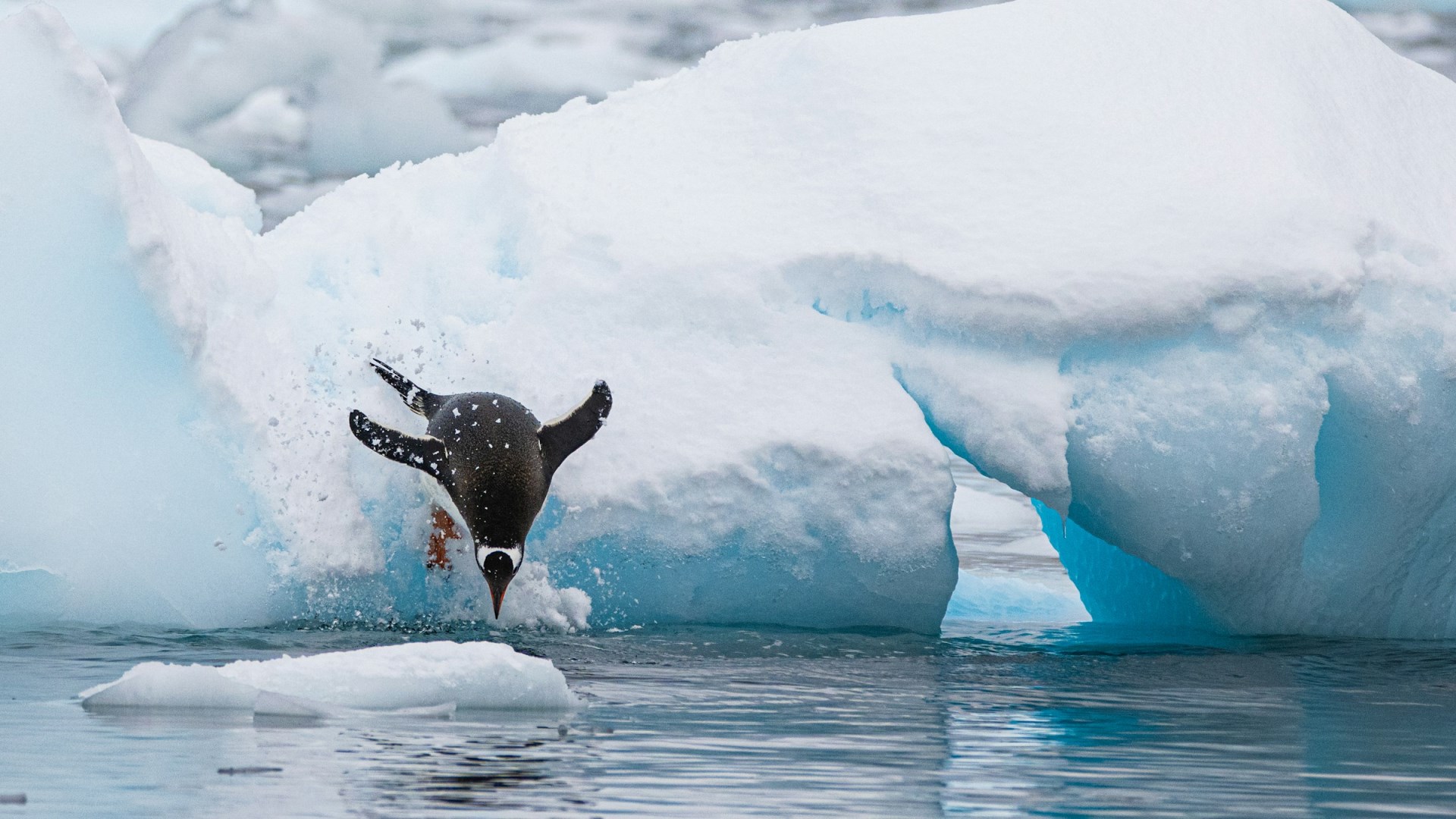
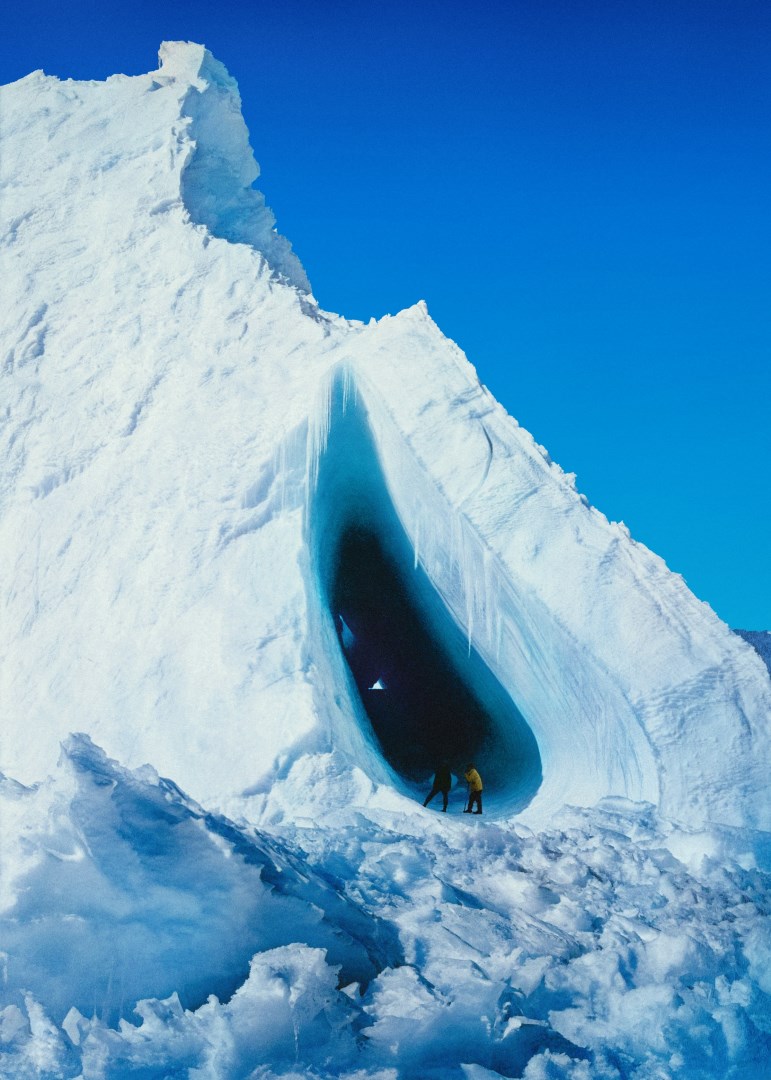
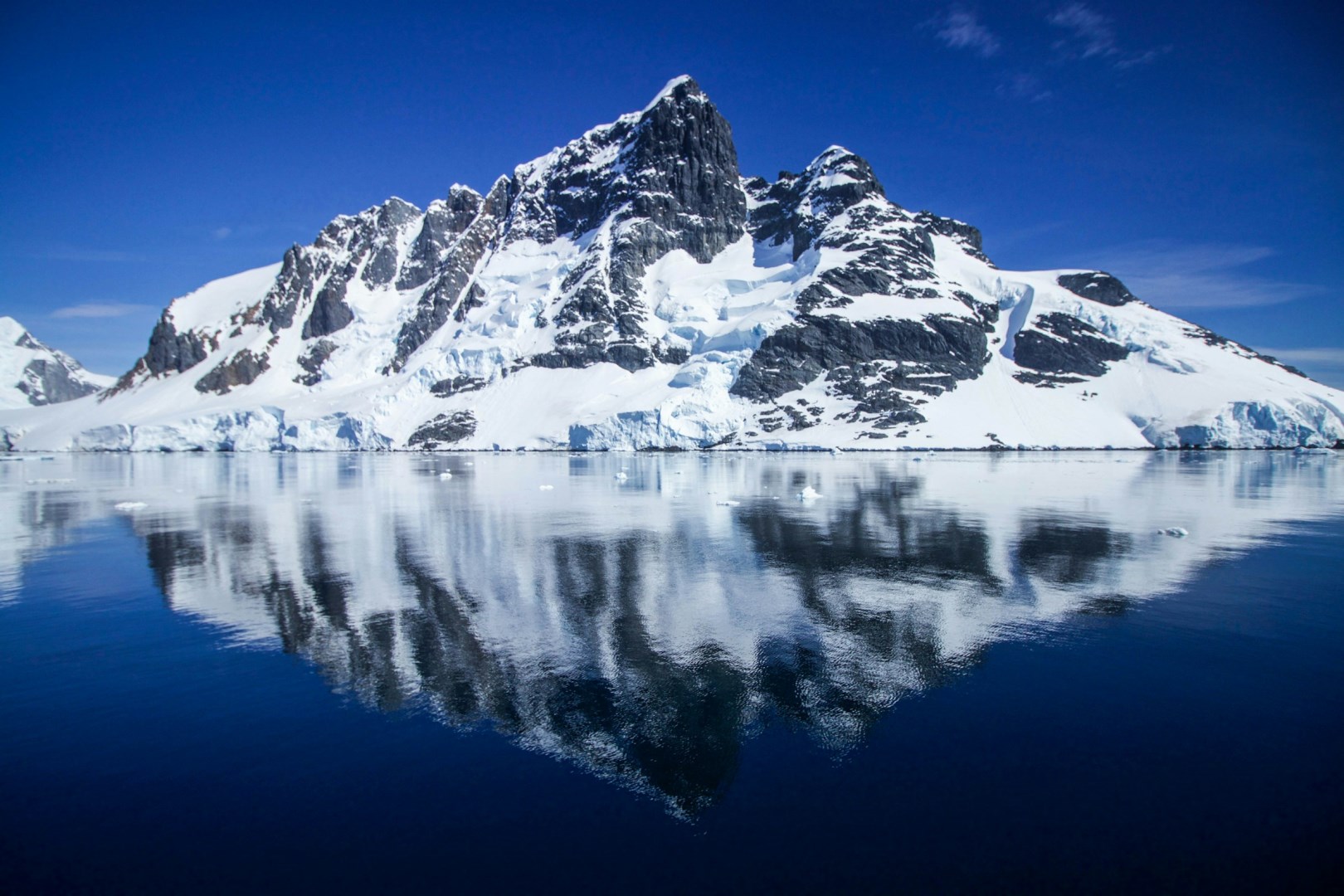
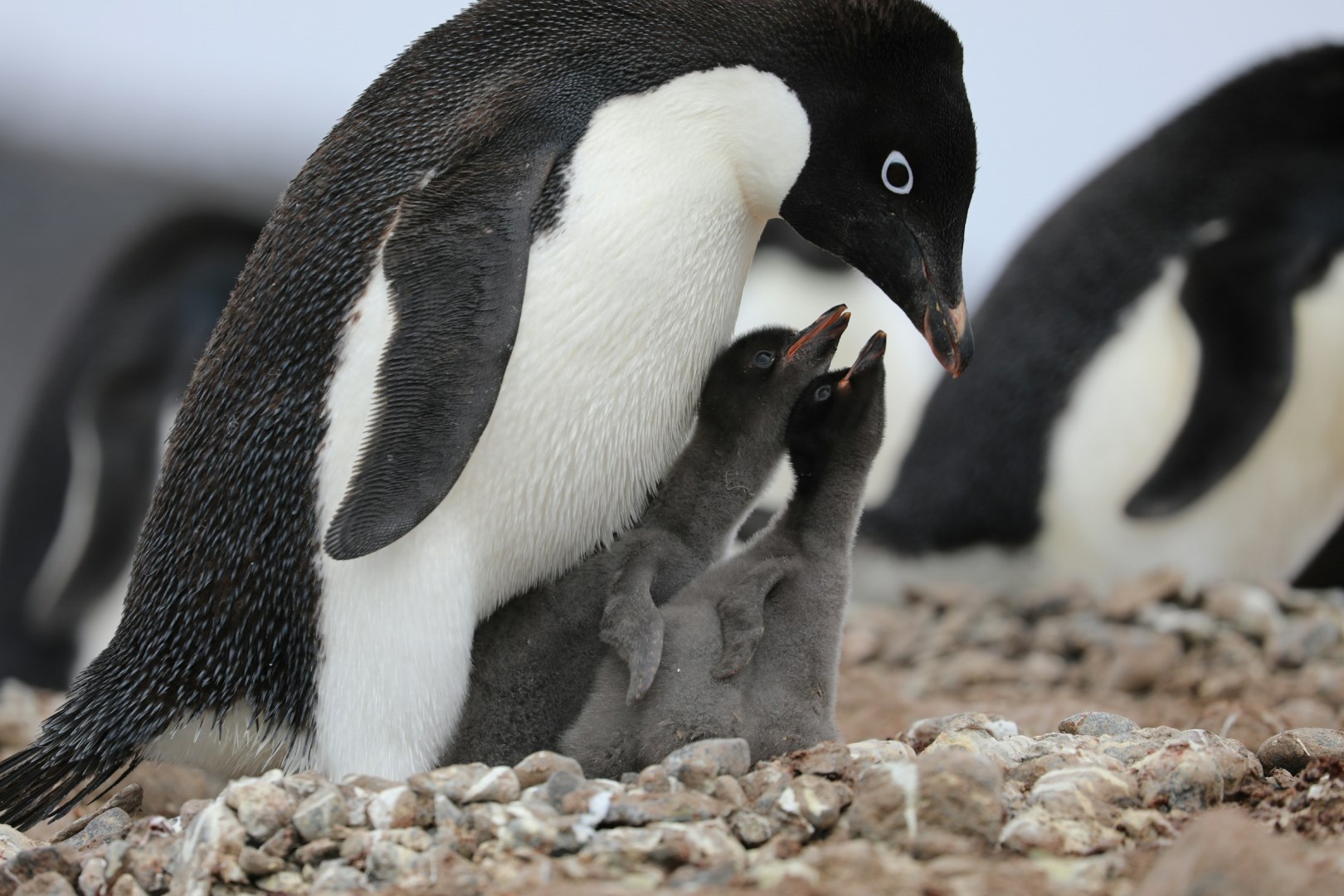
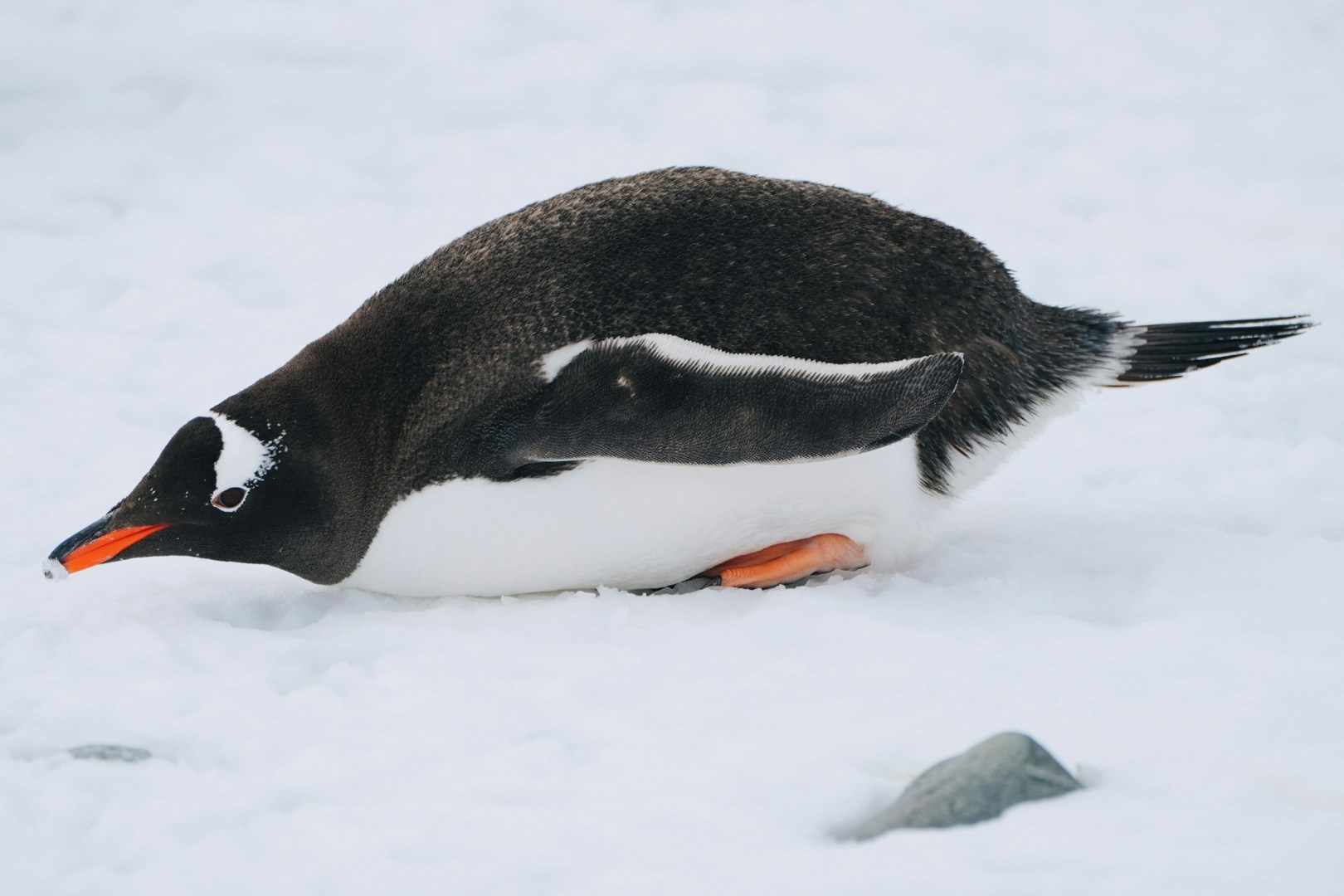
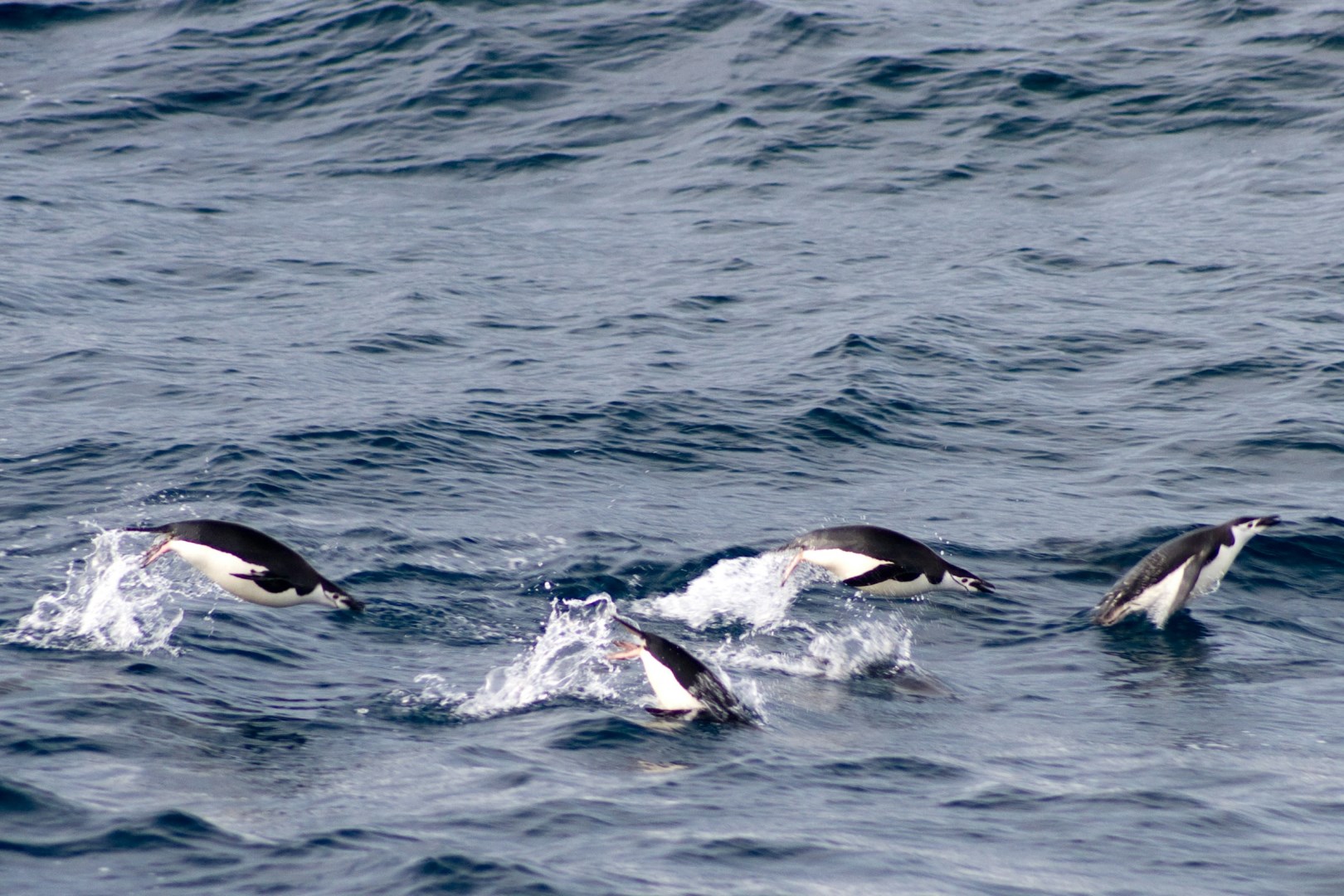
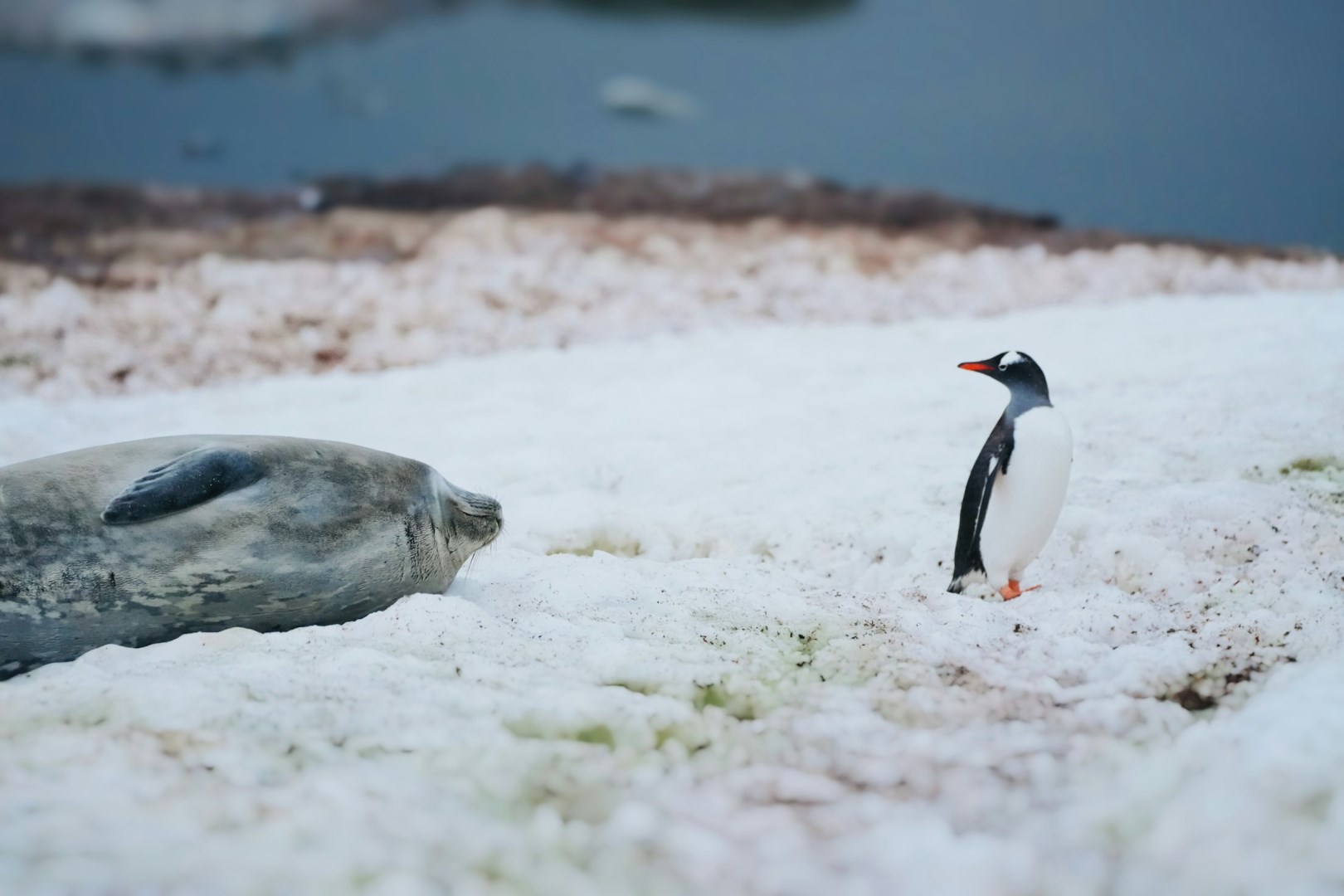
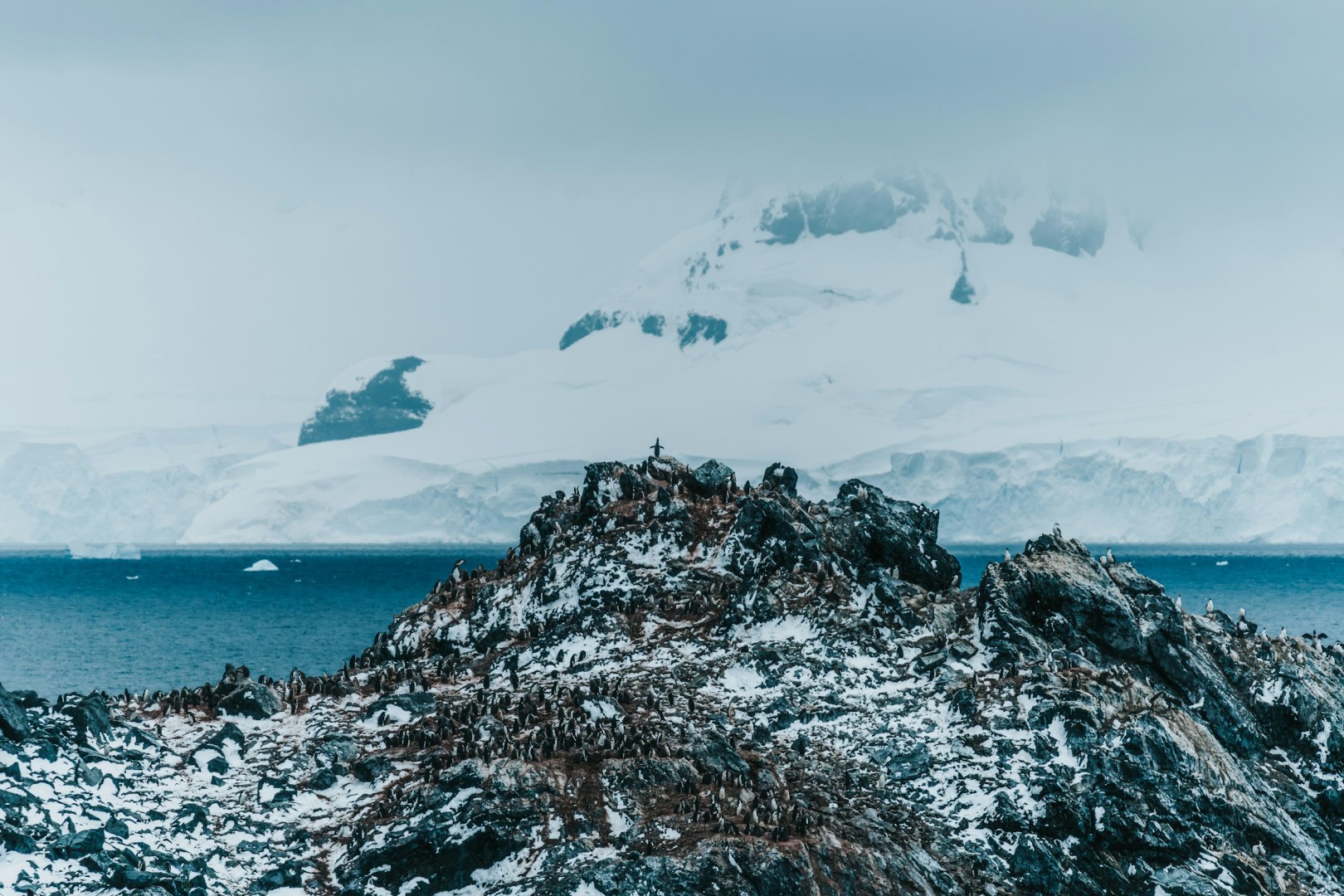
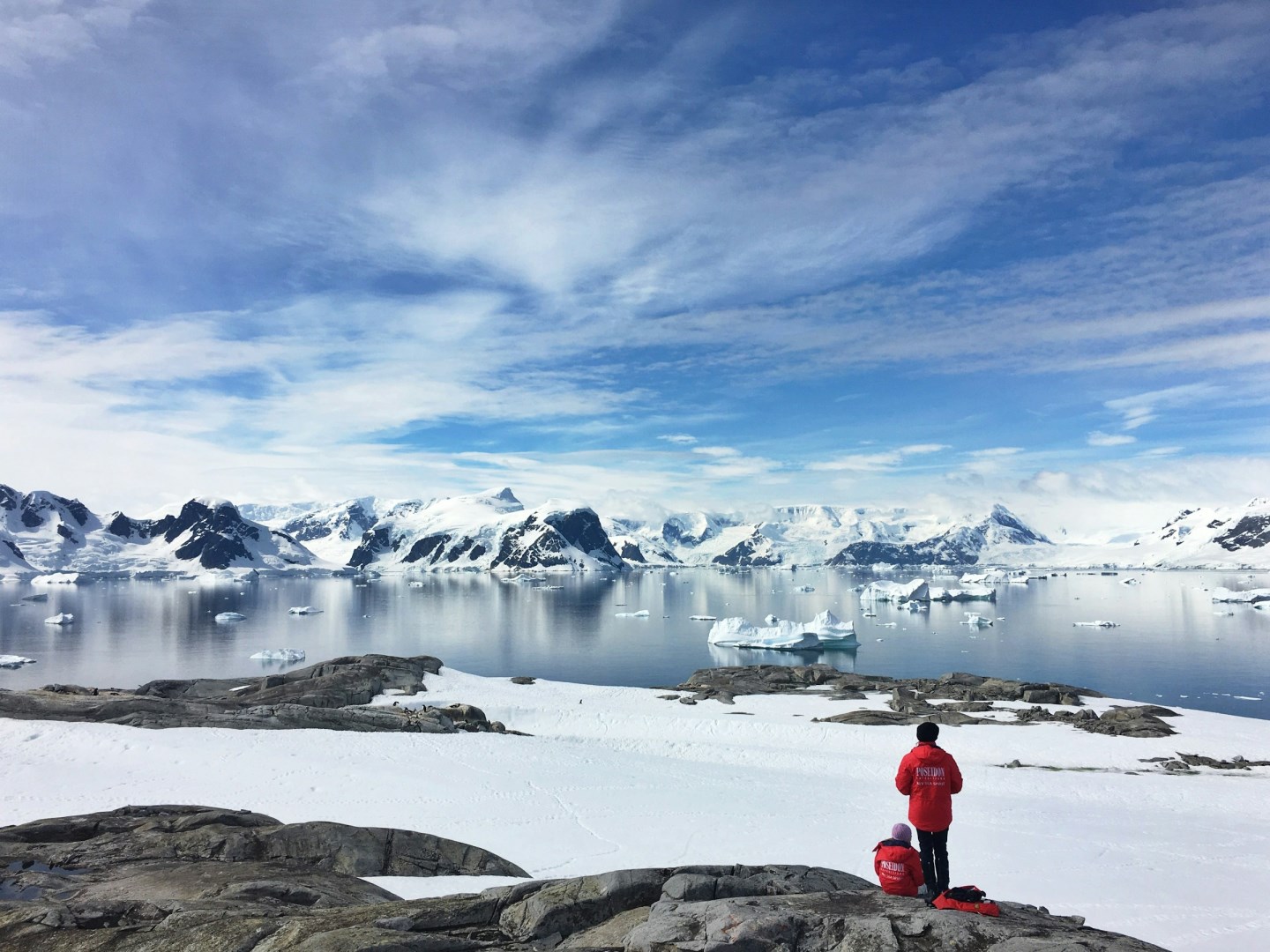
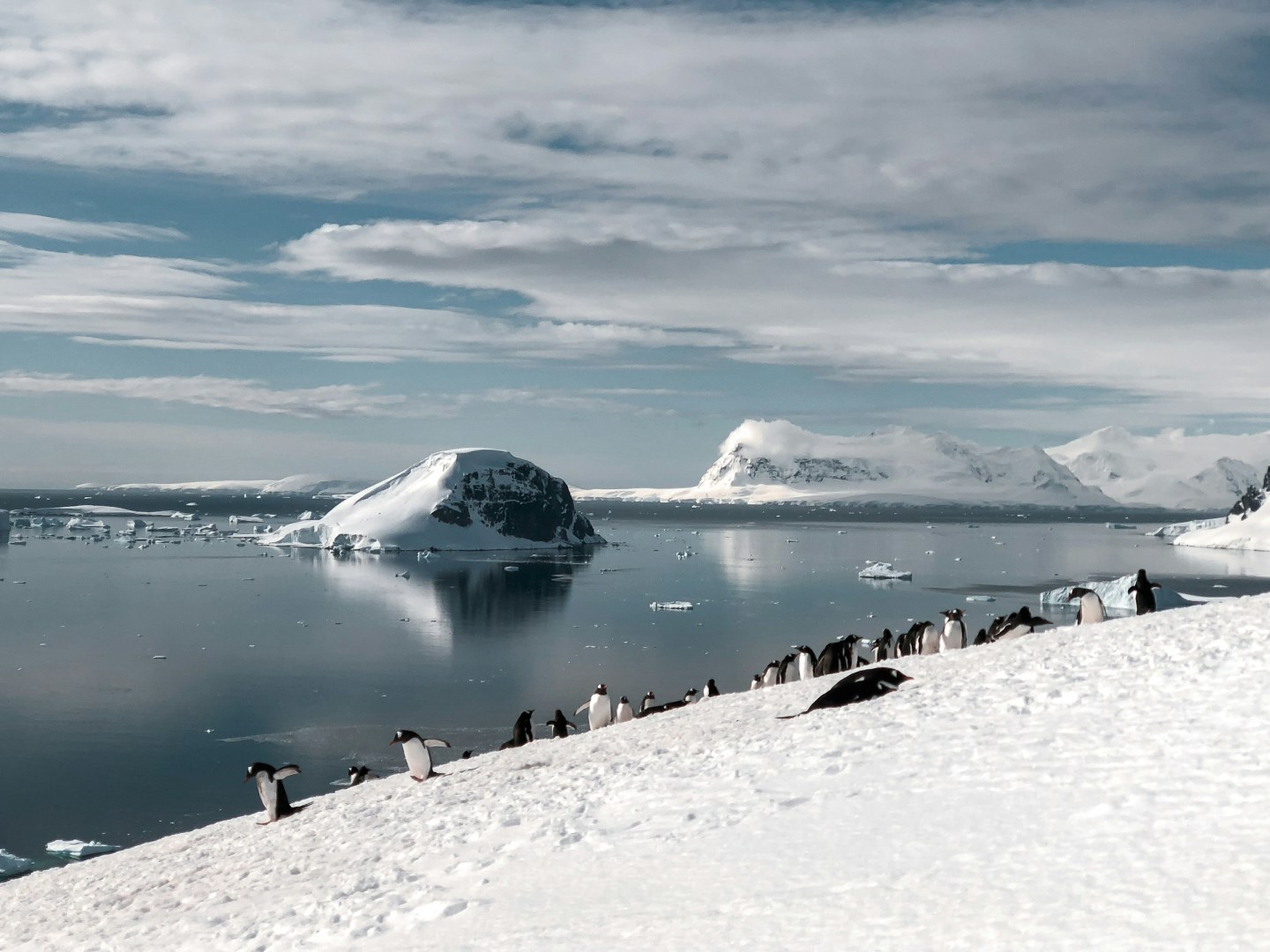
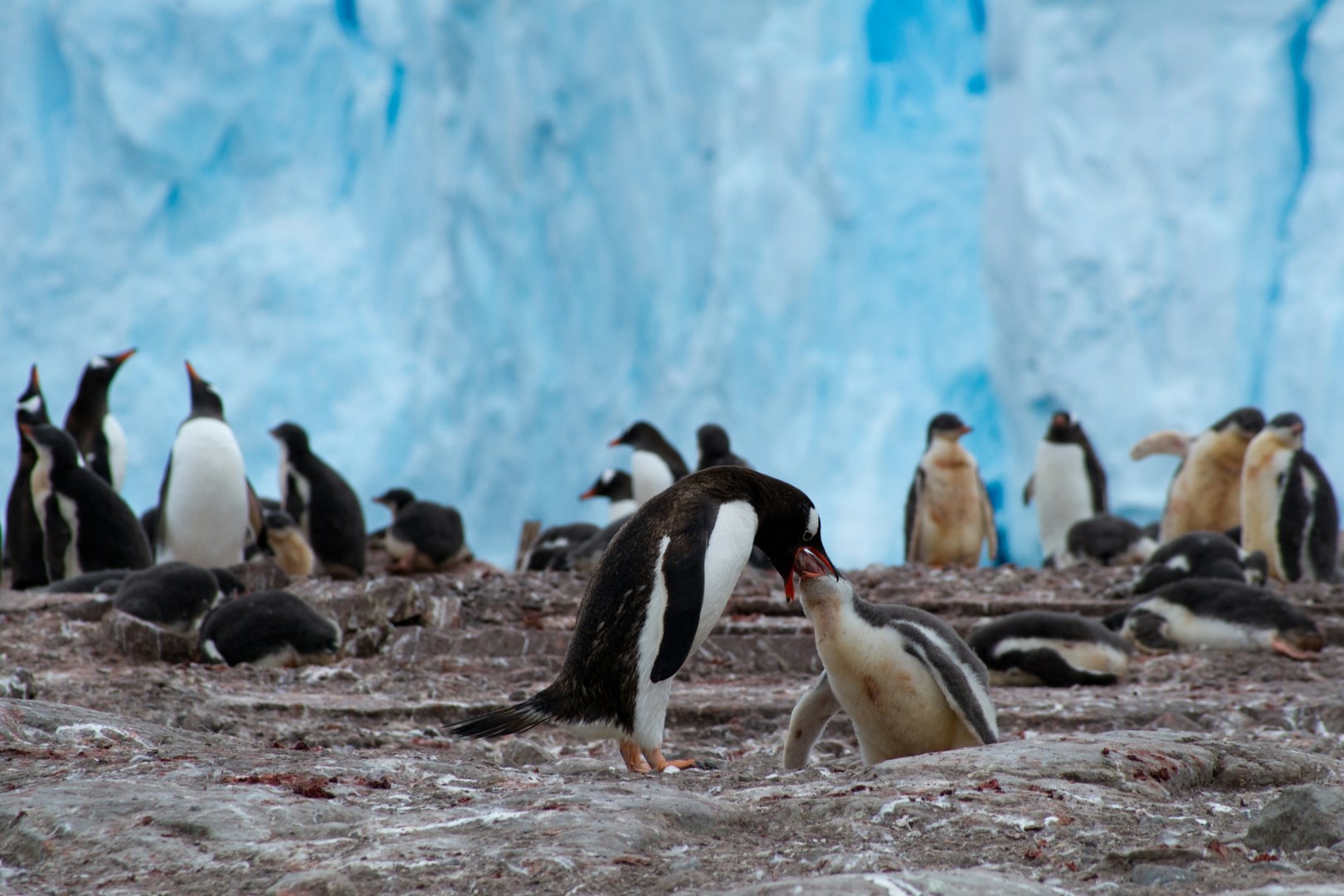
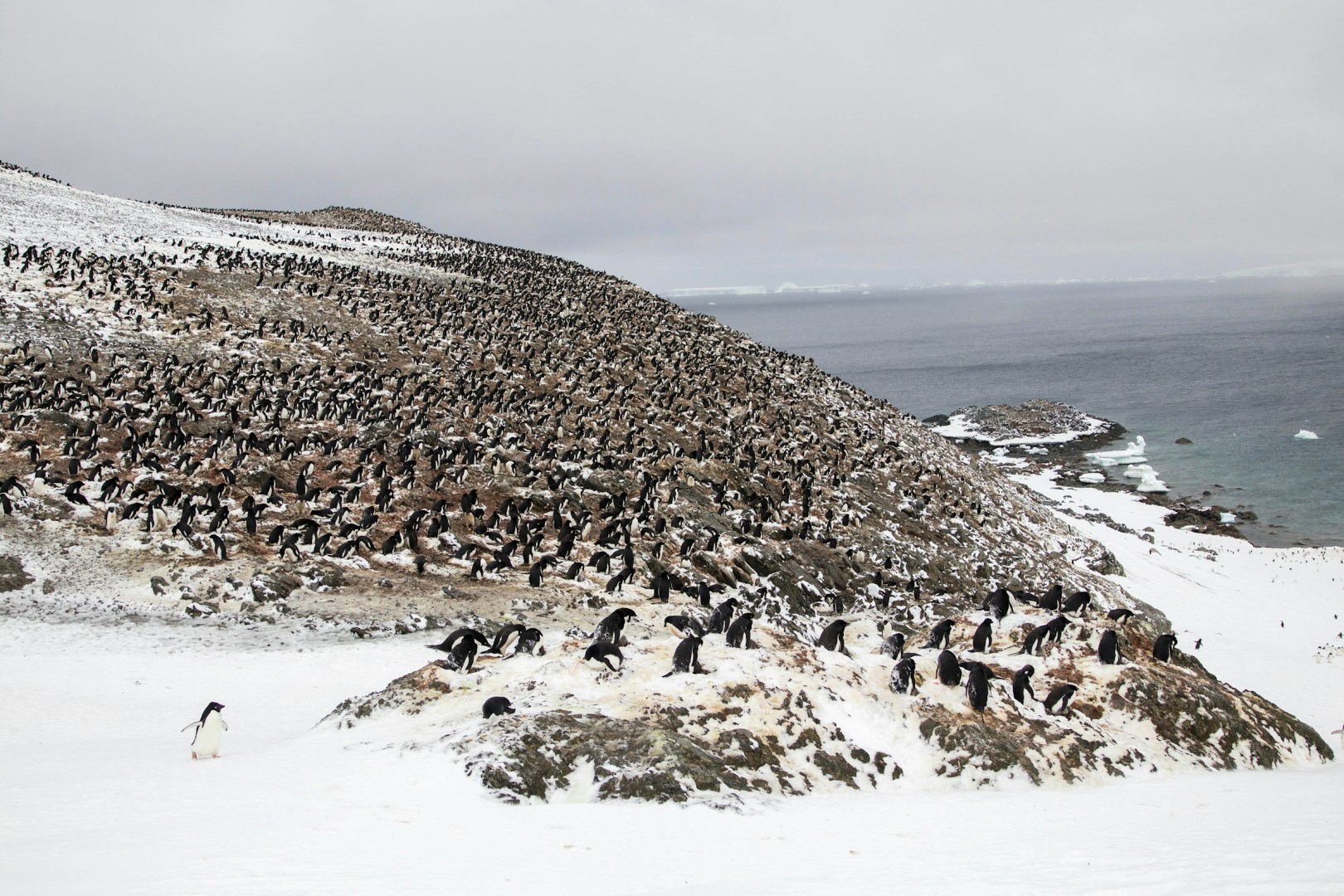
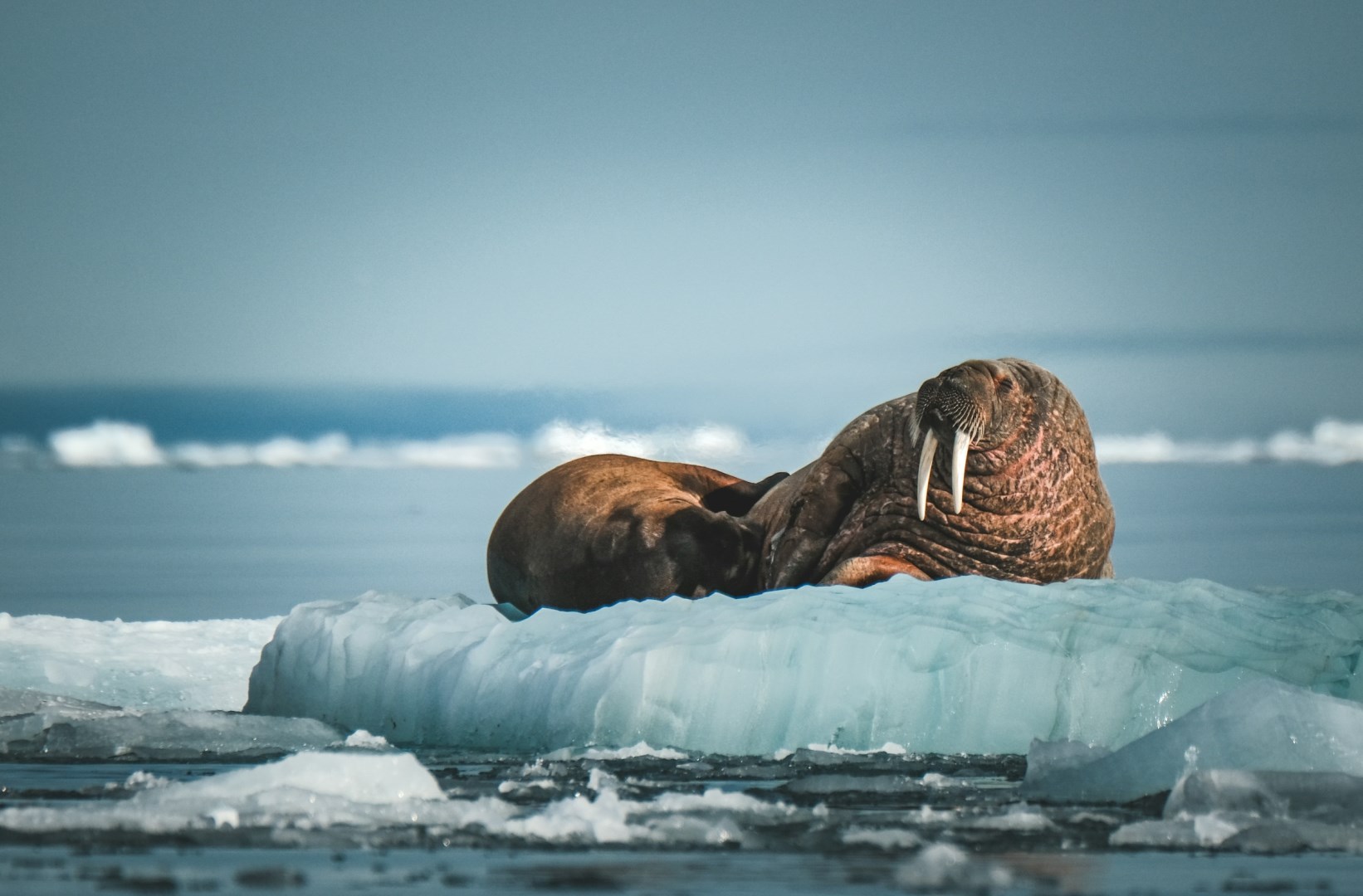
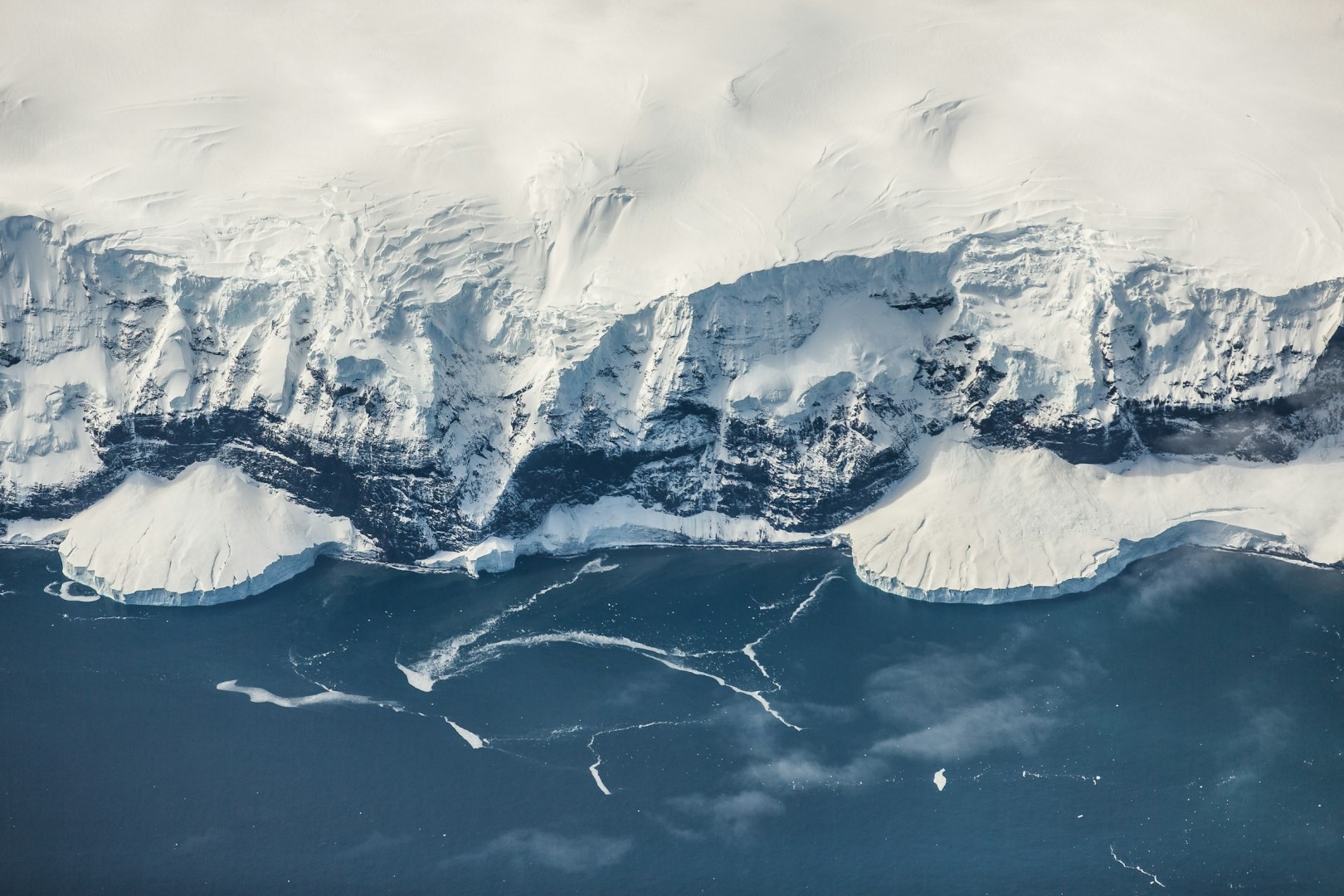
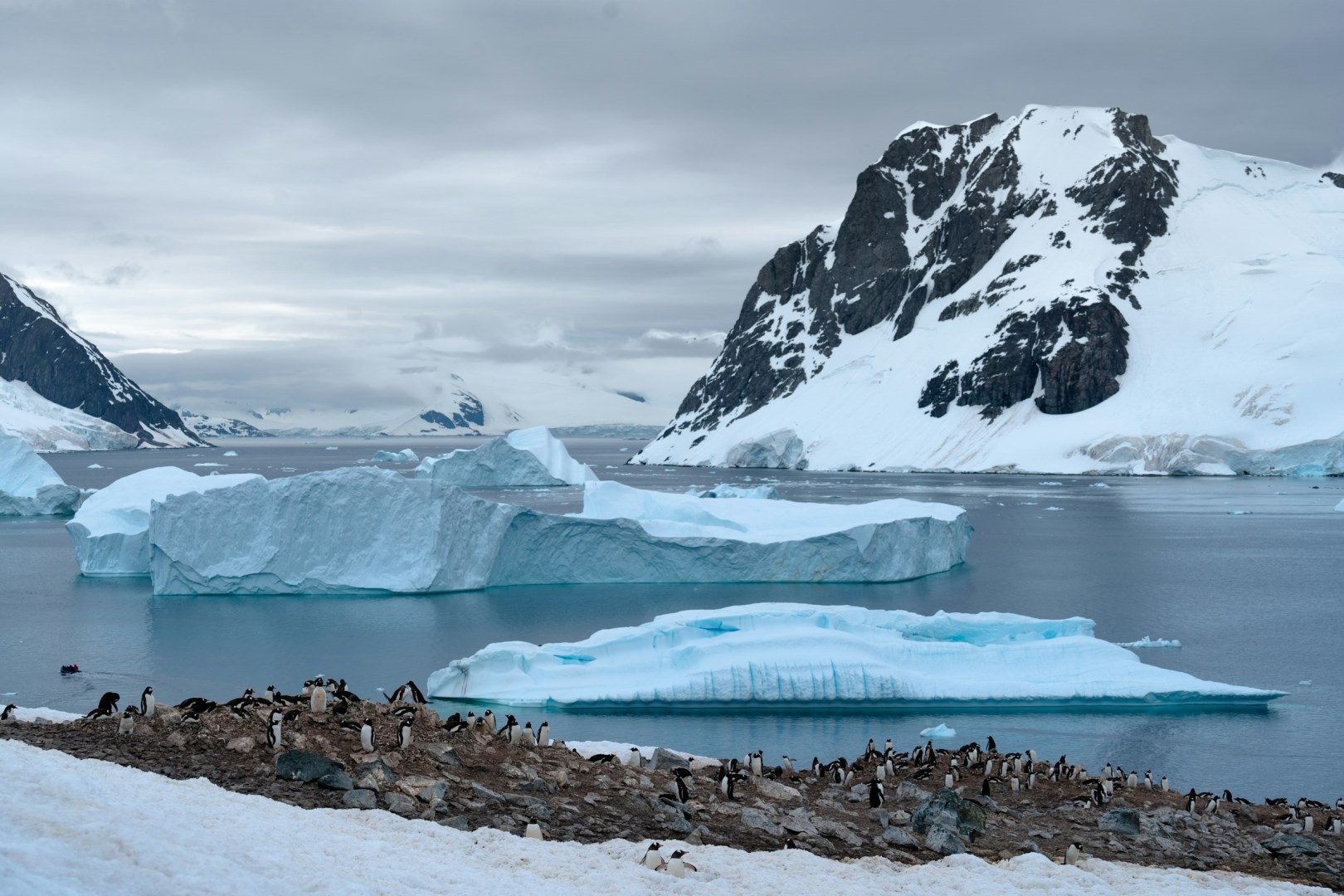
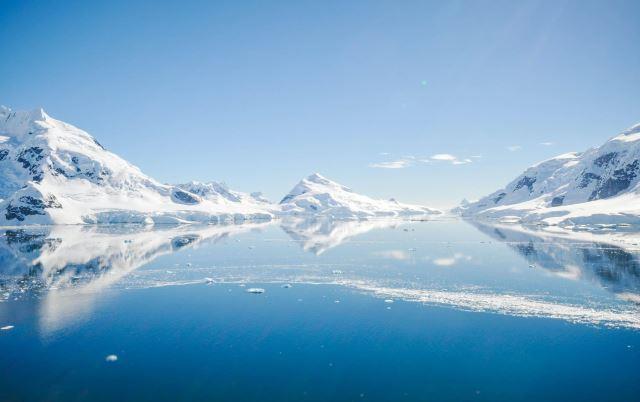
No place on Earth quite compares to Antarctica, this stunning and vast continent is cold and windy, containing 90% of the ice in the world. Those who brave a visit here are rewarded with beautiful glaciers that must be seen to be believed, and a vast array of wildlife such as whales, penguins, Arctic foxes and seals. Antarctica is the only permanent landing area for the Emperor Penguins. Many of the historic explorer huts remain on the island for visitors to see.
Other Popular Destinations in Antarctica
Drake Passage
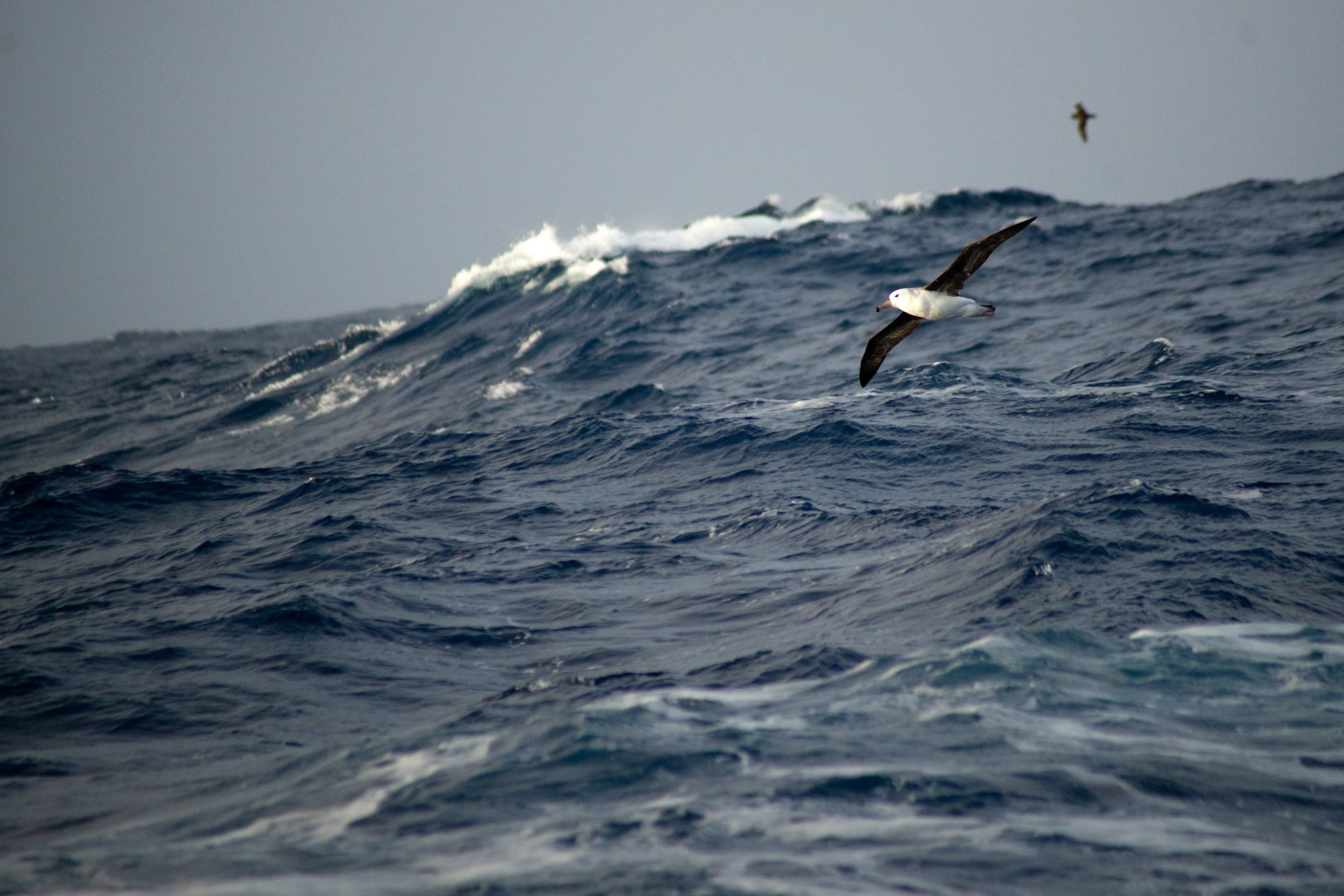
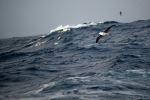
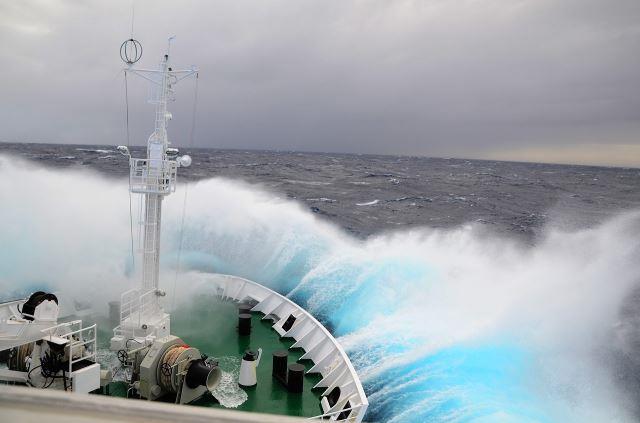
Drake Passage is a stretch of ocean between Cape Horn at the southern tip of South America and the South Shetland Islands near Antarctica. It connects the Atlantic and Pacific Oceans and is widely known for rough seas, powerful currents, and rapidly changing weather.
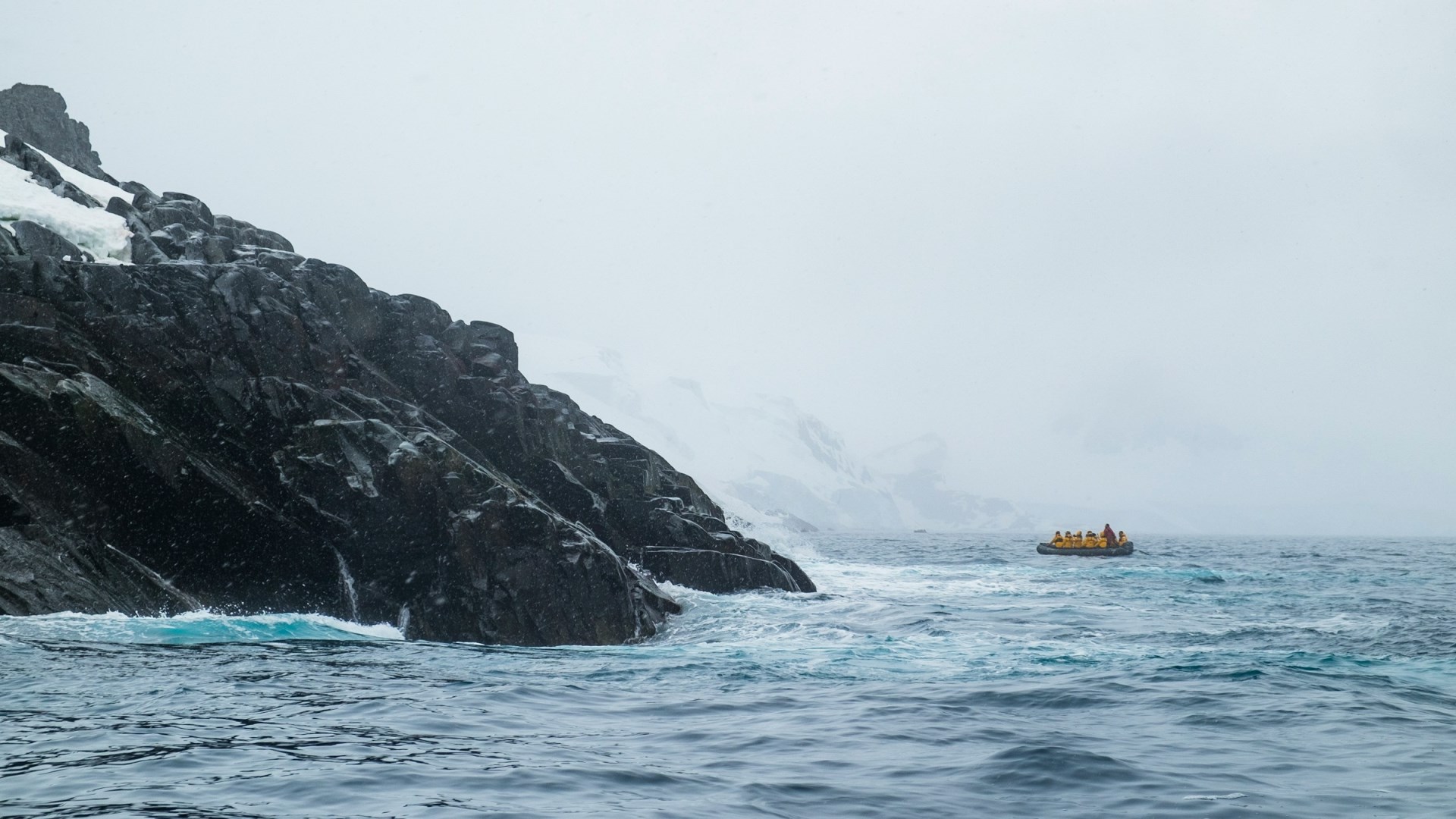
South Shetland Islands
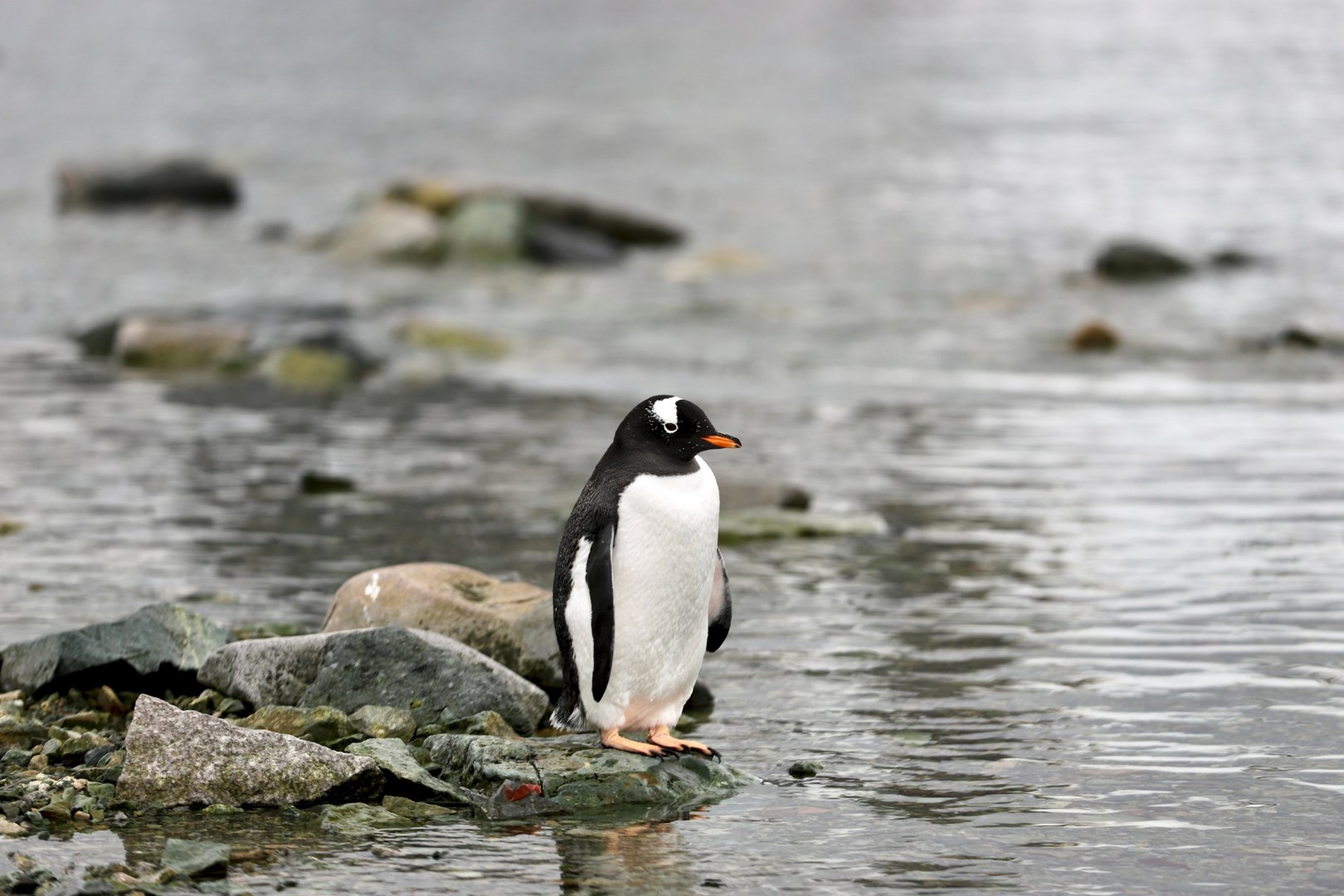
Mist, research stations, and penguins are just a few of the things that define the South Shetland Islands, an archipelago off the coast of Antarctica. These 11 Antarctic islands, most notably King George Island, have served as a base for researchers from Chile, Argentina, and a variety of other countries. The archipelago has also become a popular cruise destination for tourists to the Antarctic region.