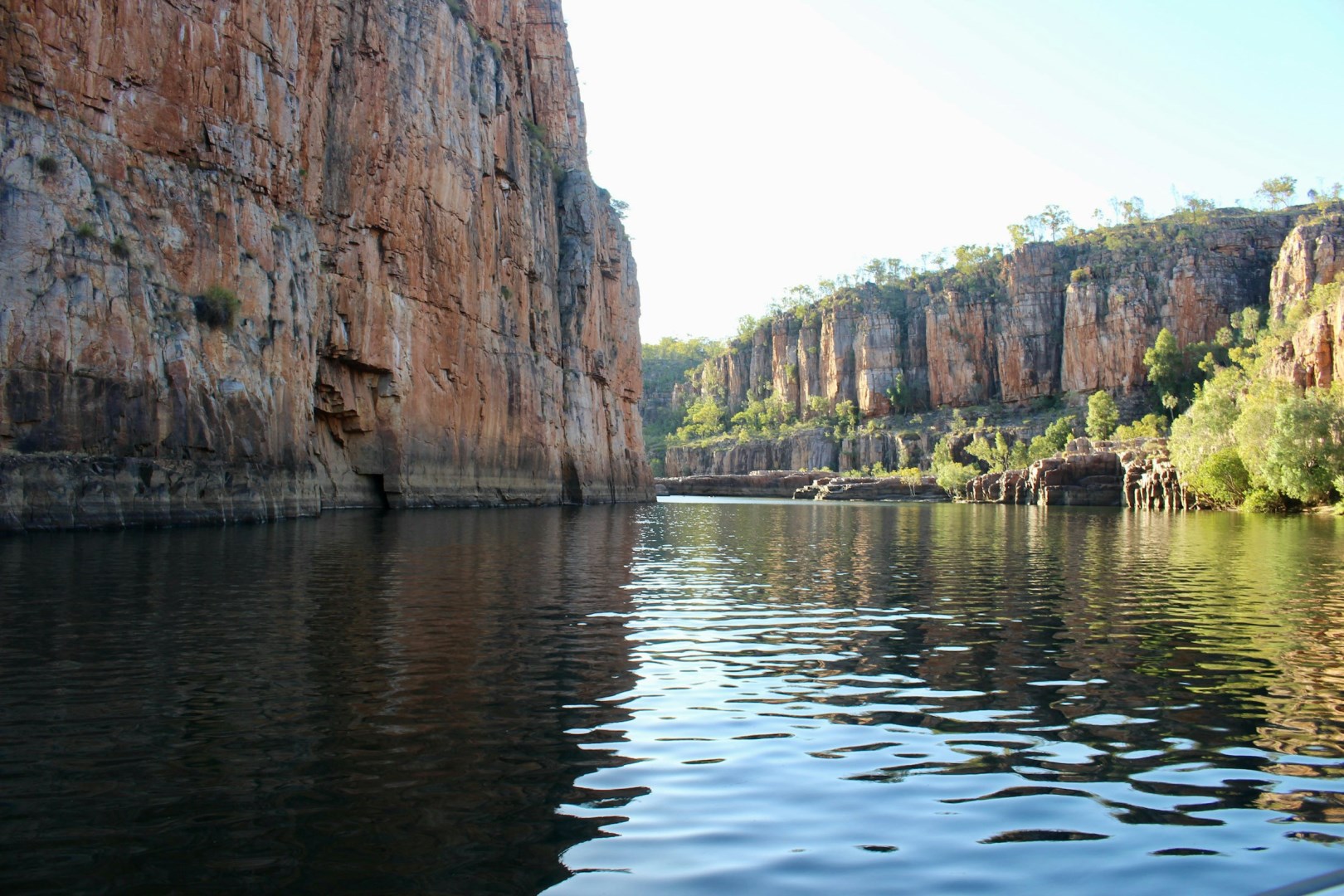
Katherine, located in the Northern Territory of Australia, is a vibrant outback town that serves as a gateway to some of the region’s most striking natural landscapes. Situated along the Katherine River, the town has historically been a hub for agriculture, cattle farming, and Aboriginal communities, blending modern infrastructure with deep-rooted cultural heritage.
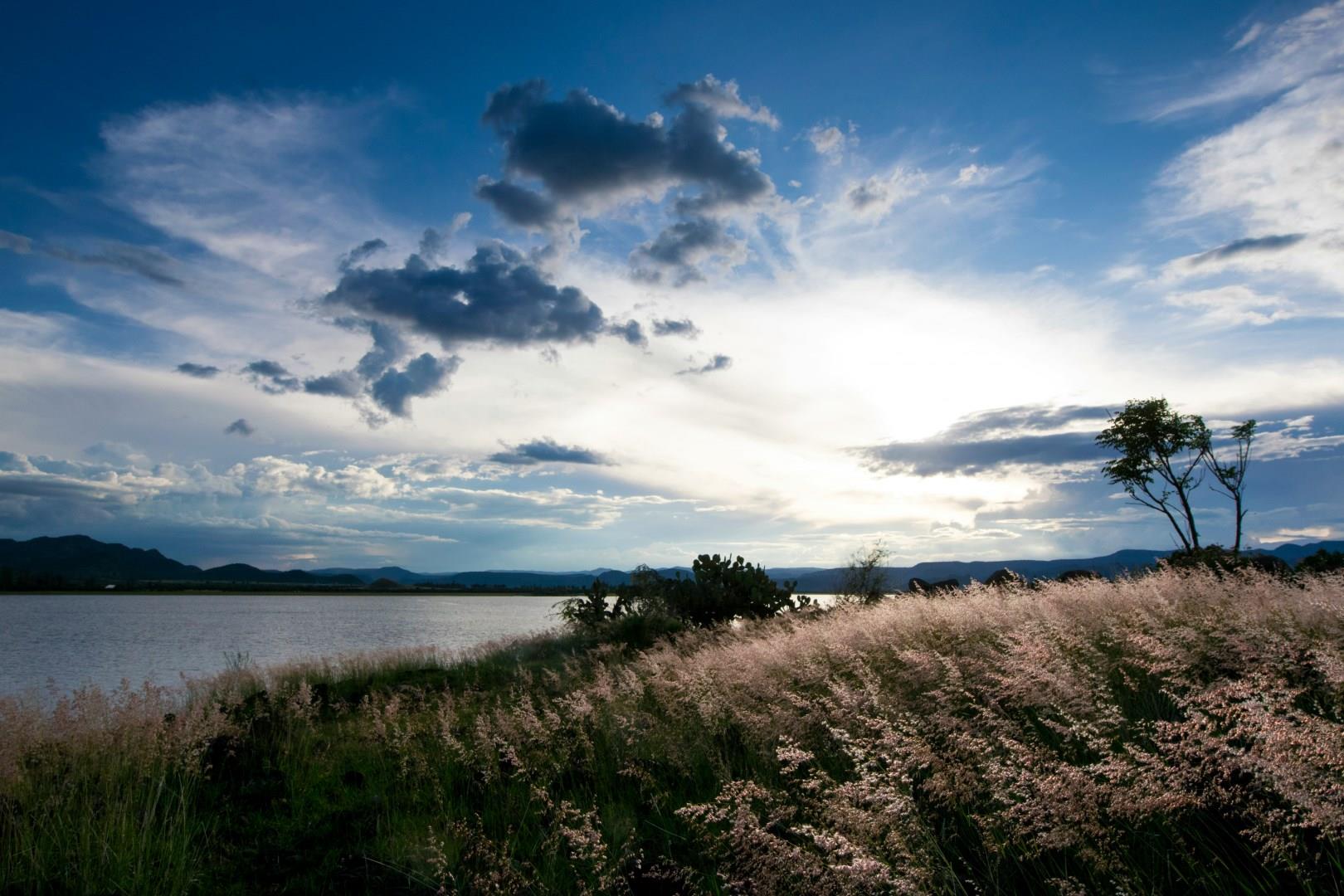
Durango, located in north-central Mexico, is a destination rich in history, dramatic landscapes, and cultural traditions that date back centuries. Once a key outpost during Spanish colonization, Durango played an important role in the development of northern Mexico. The city of Victoria de Durango, the state capital, features cobblestone streets and more than 1,000 officially registered historical structures.
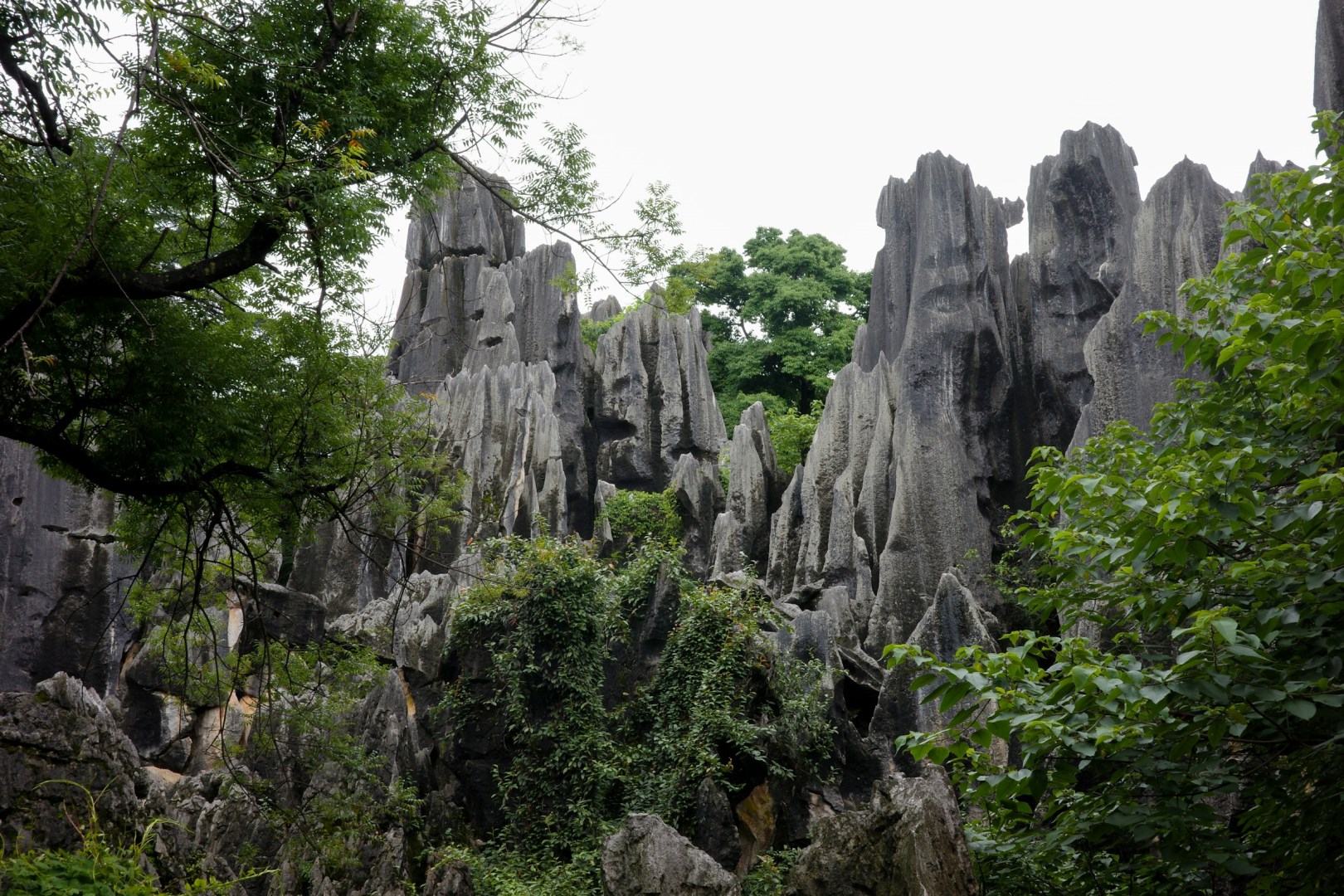
Kunming, the capital of China’s Yunnan Province, is often called the “City of Eternal Spring” for its mild climate and blooming flowers year-round. Perched on a plateau more than 6,000 feet above sea level, Kunming has long served as a crossroads of cultures and trade routes connecting China to Southeast Asia.
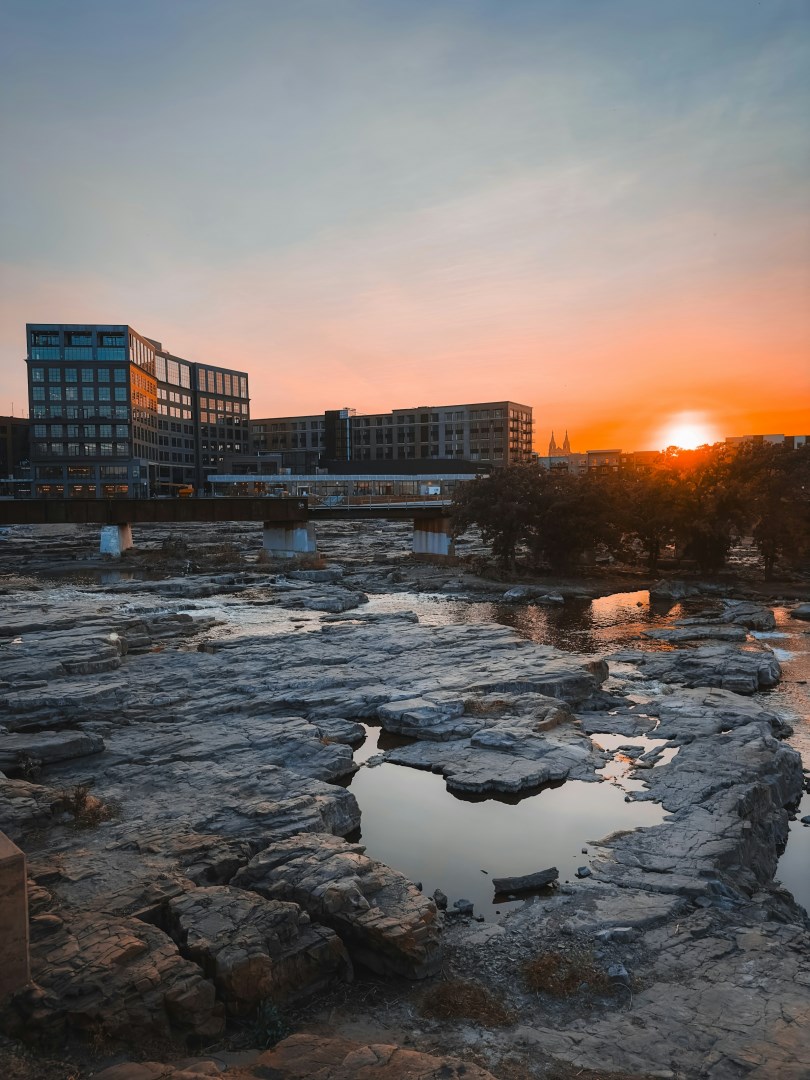
Sioux Falls is South Dakota’s largest city, located in the southeastern part of the state along the Big Sioux River. The river is central to the city’s landscape, most notably where it passes over a series of pink quartzite ledges at Falls Park. Around the urban area, the terrain opens into the broad prairie of the Great Plains, with farmland and gently rolling countryside extending beyond the city.
Watamu, located on Kenya’s picturesque coast, is a paradise for beach lovers and nature enthusiasts alike. Renowned for its pristine white-sand beaches and turquoise waters, Watamu is part of the Watamu Marine National Park, a protected area known for its vibrant coral reefs and rich marine biodiversity. The park is a haven for snorkeling and diving, with opportunities to see colorful fish, sea turtles, and even dolphins.
Photo Credit: Photo by Unseen Histories on Unsplash
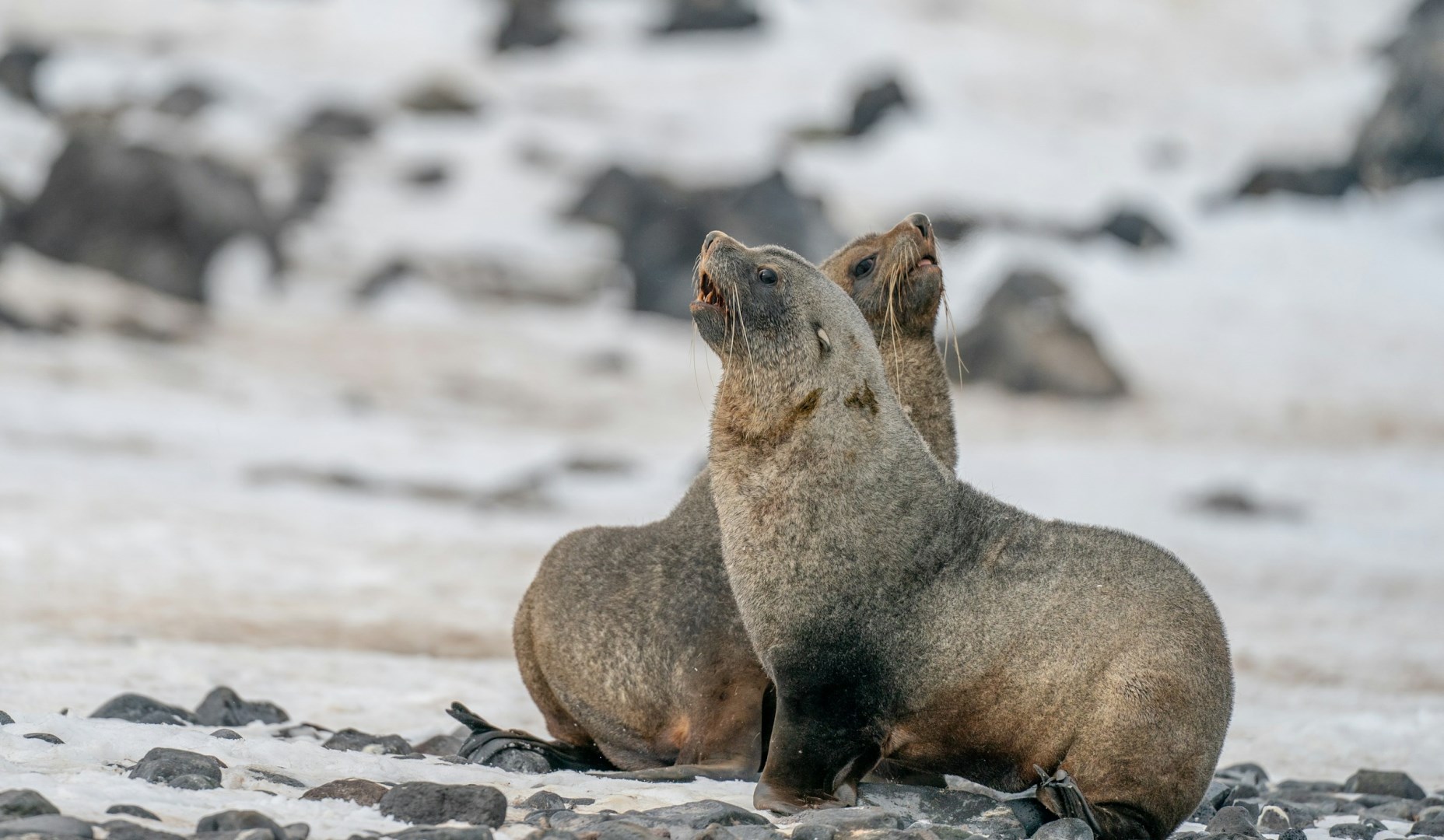
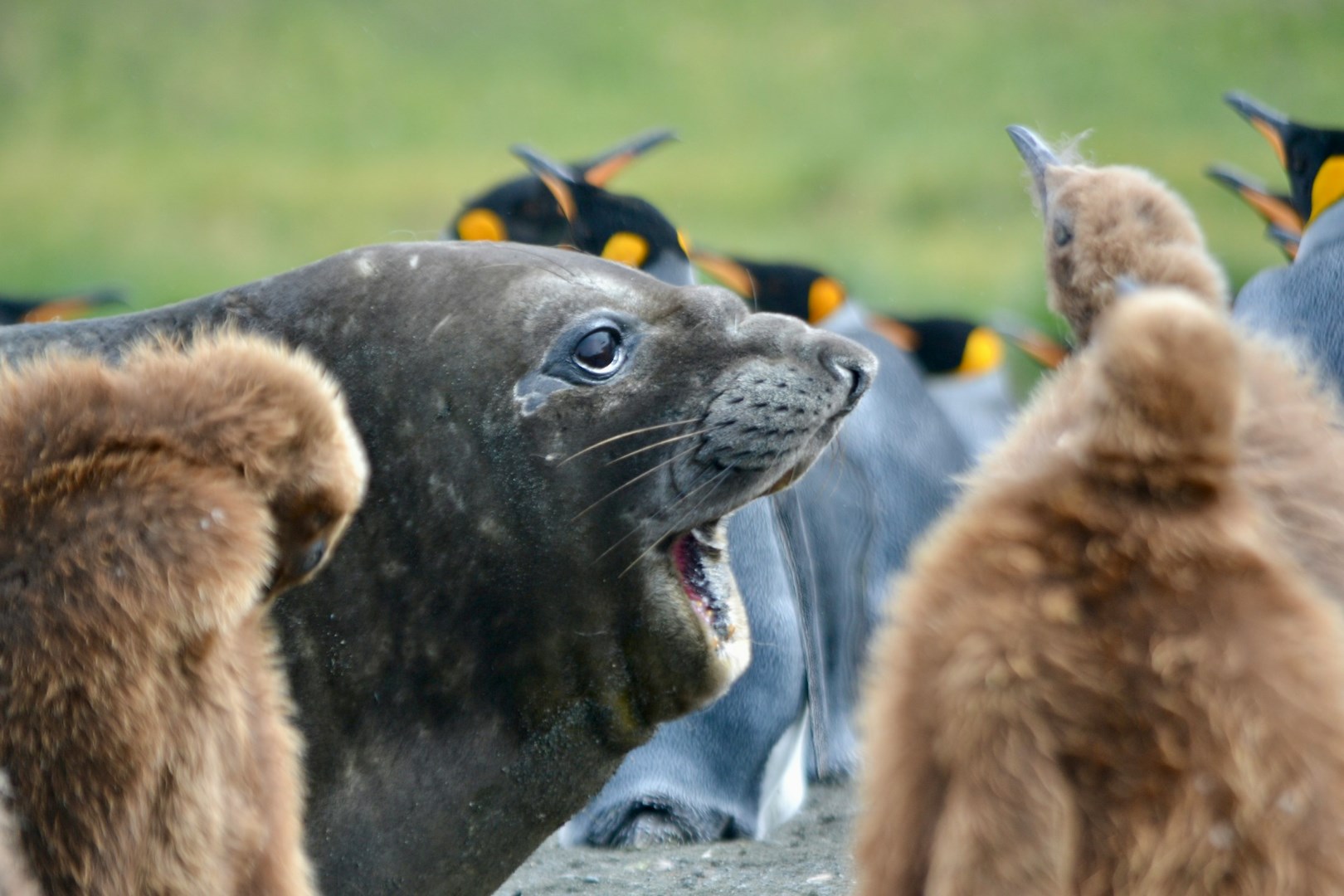
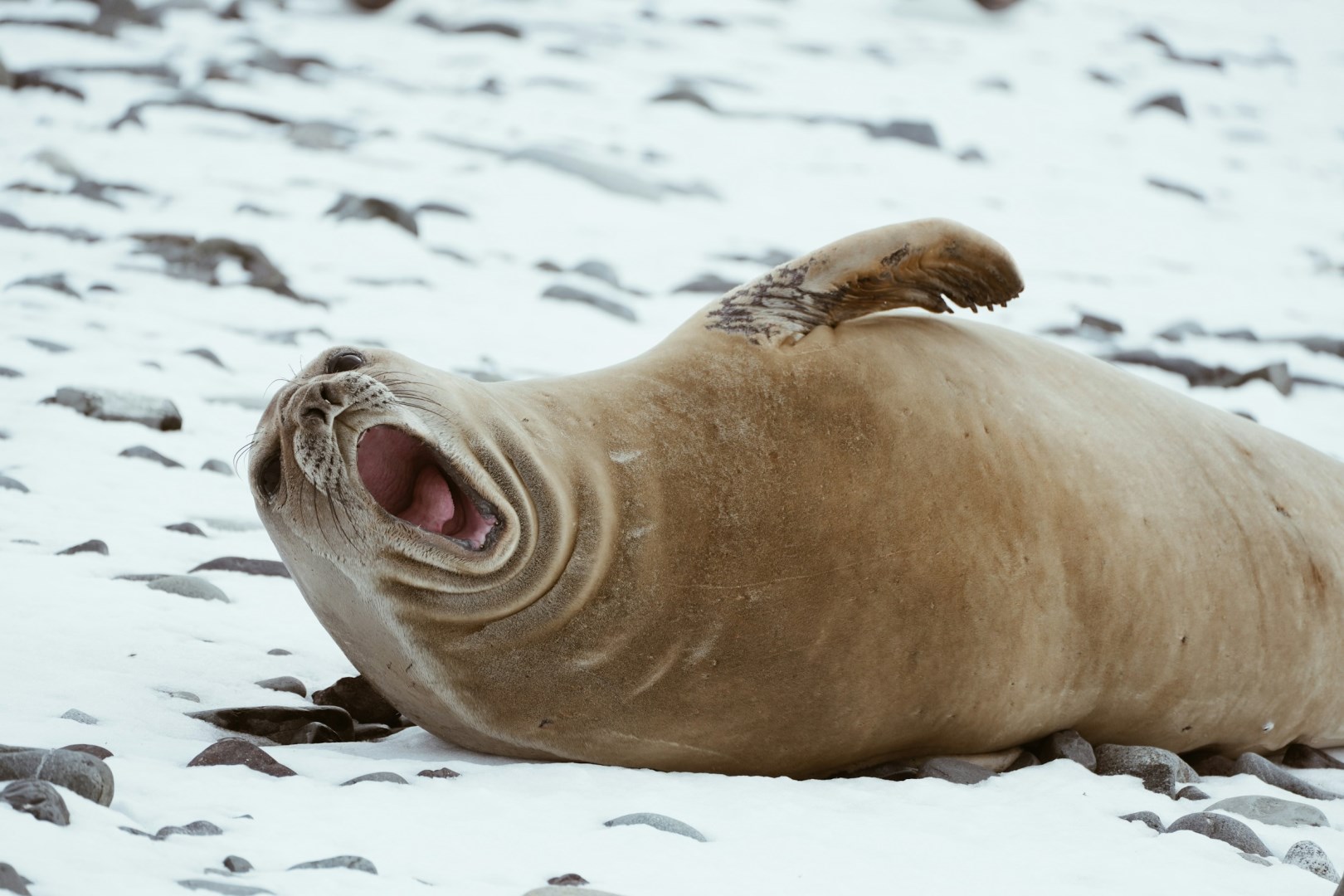
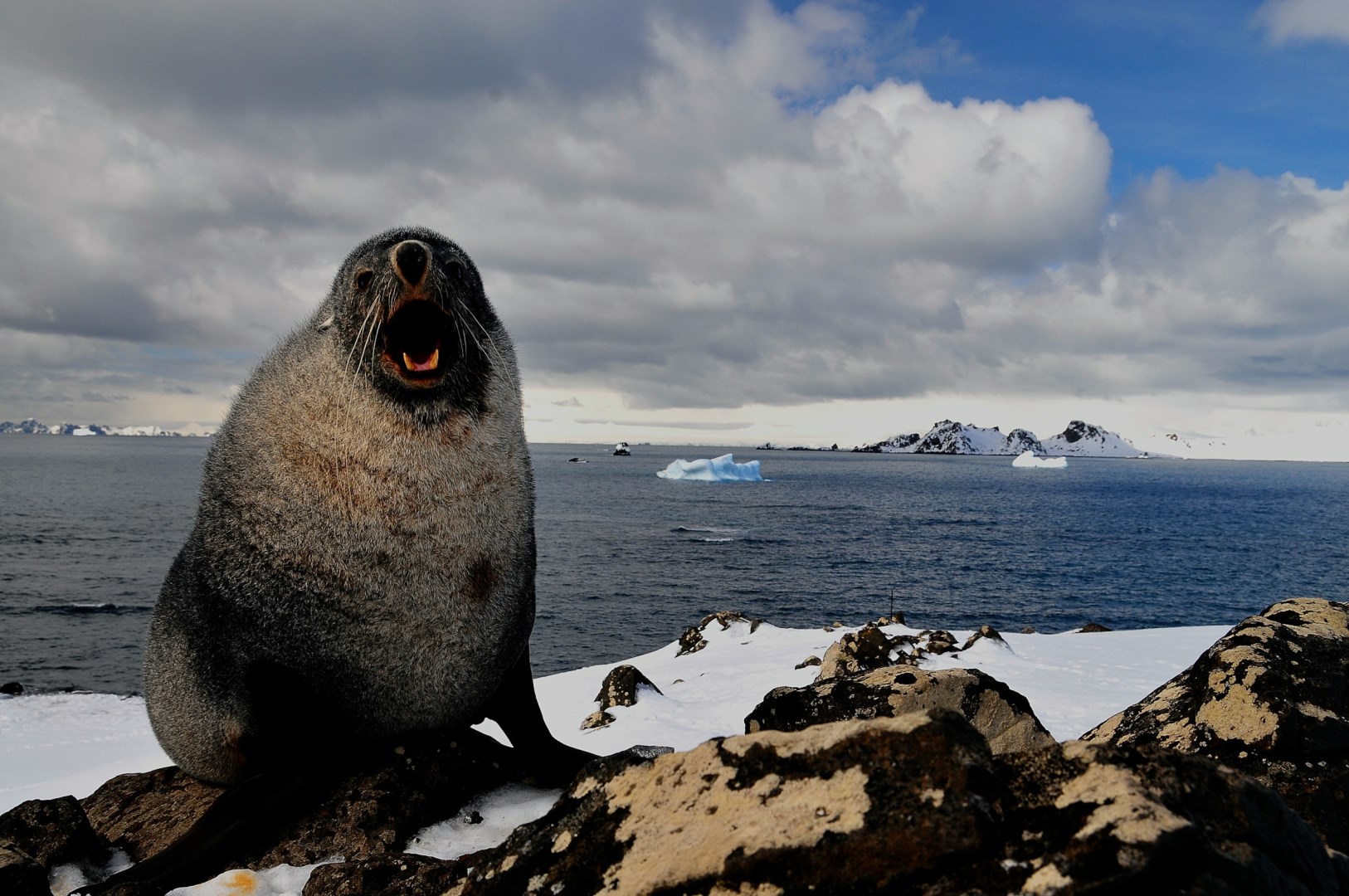
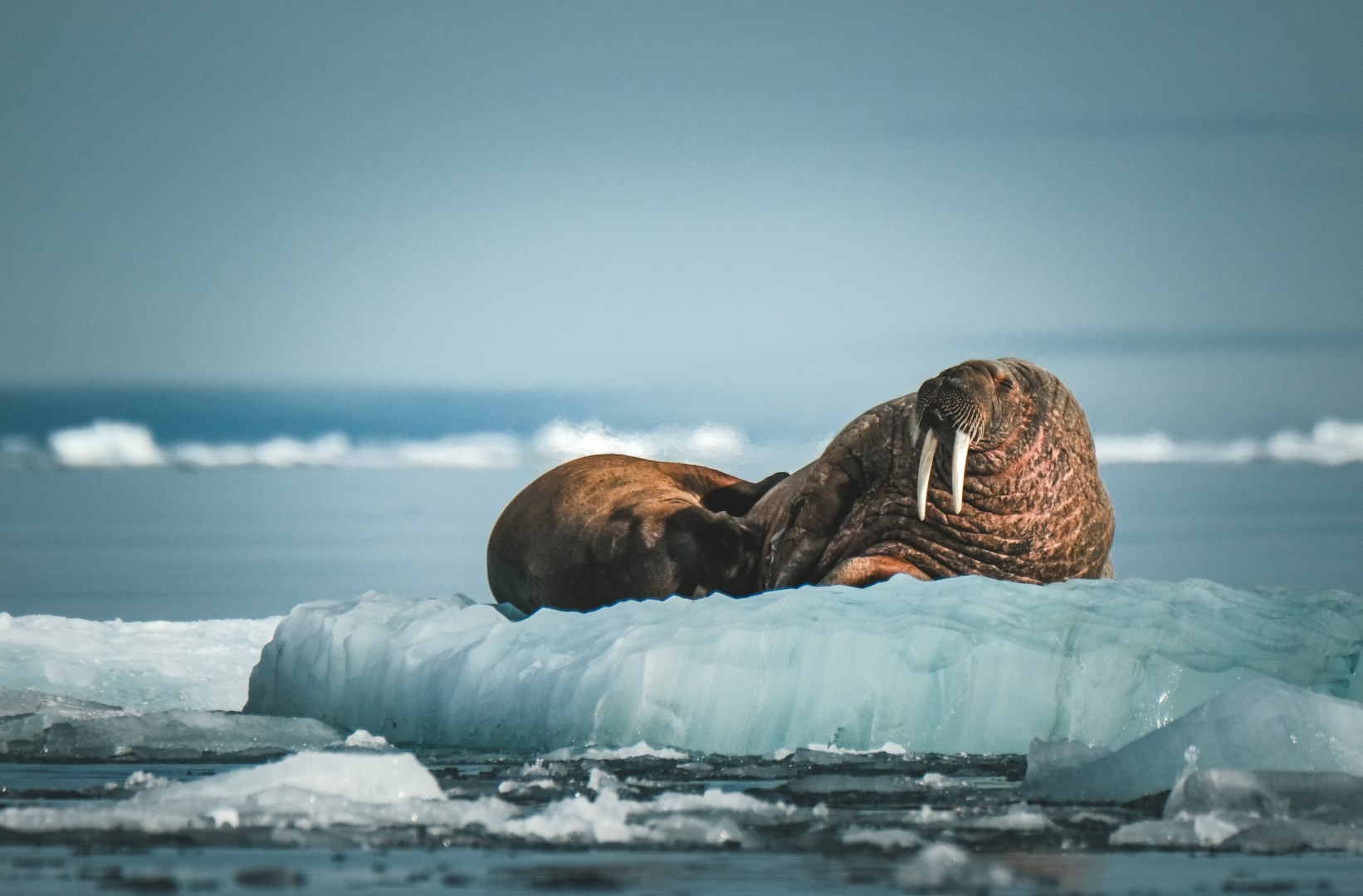
Fur Seals
Photo Credit: Photo by Bob Brewer on Unsplash
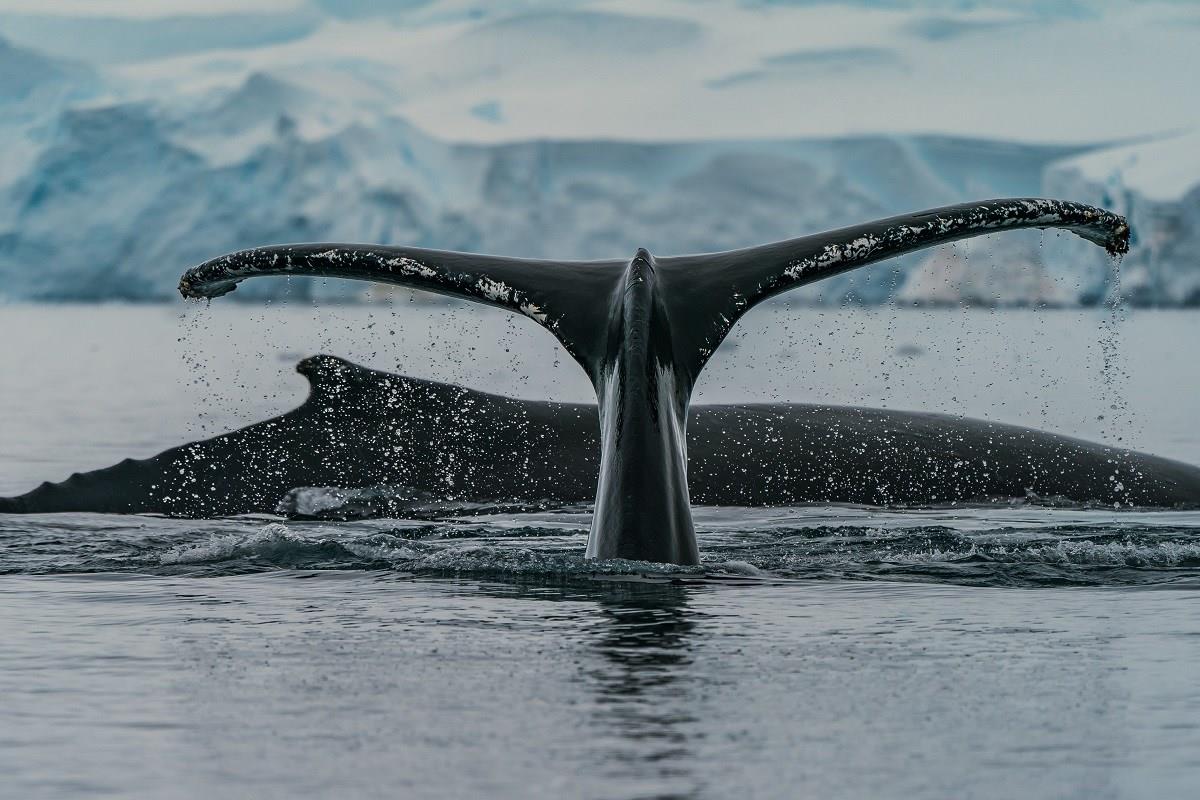
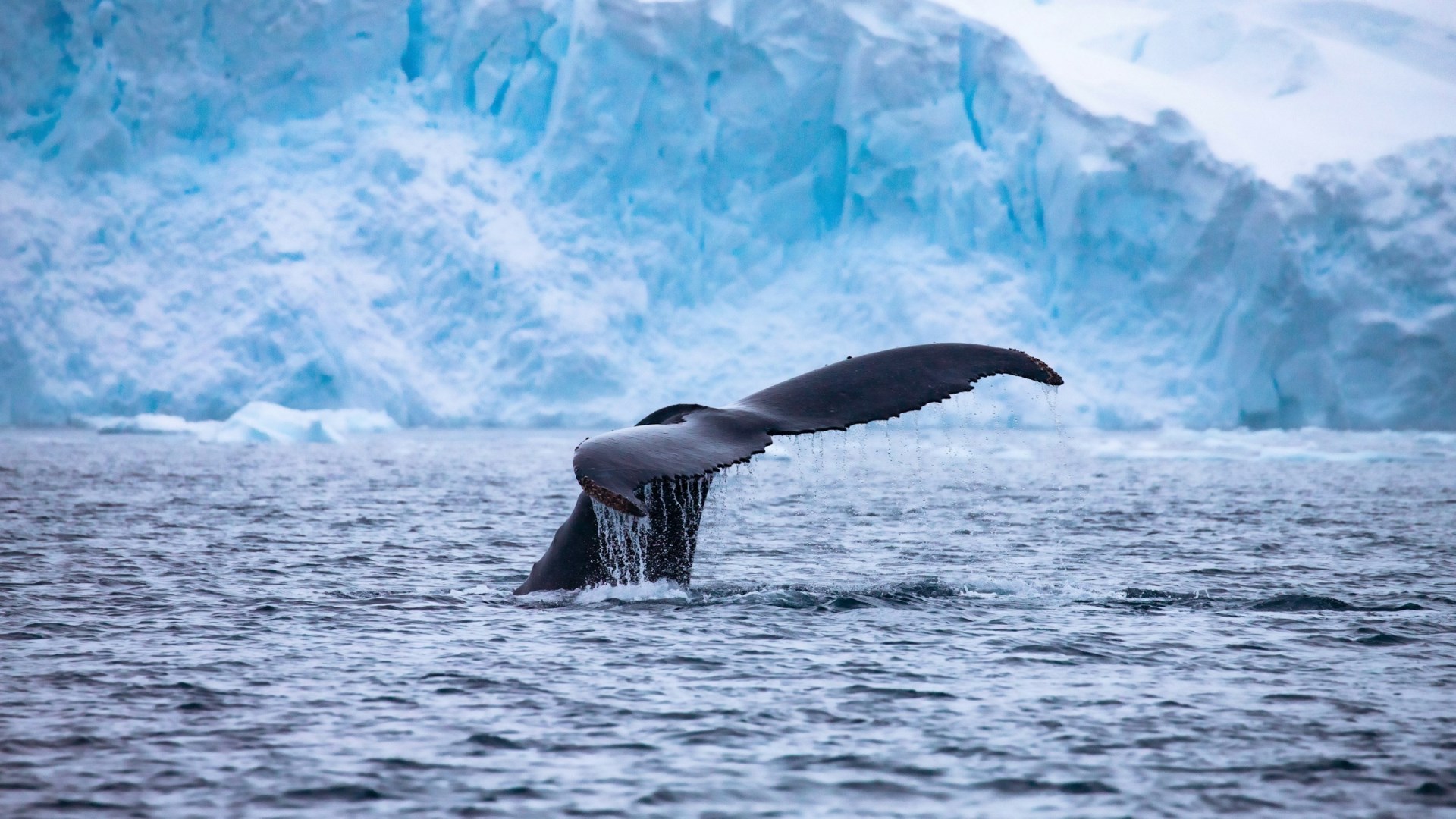
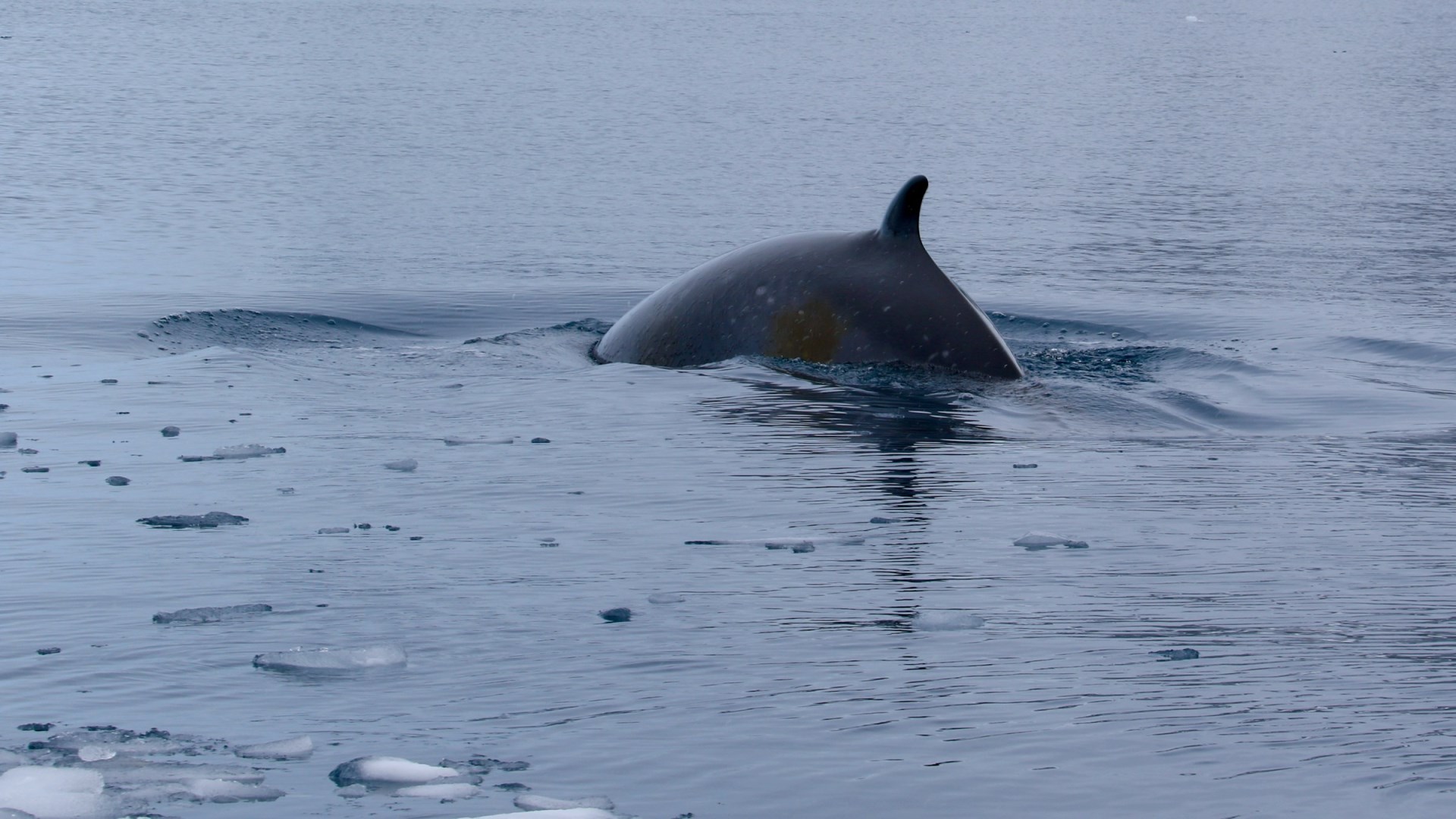
Whale
Photo Credit: Photo by Lee Kelai on Unsplash
Photo Credit: Photo by Angie Corbett-Kuiper on Unsplash
Photo Credit: Photo by Dylan Shaw on Unsplash
Photo Credit: Photo by TC Photography on Unsplash
Photo Credit: Photo by Torsten Dederichs on Unsplash
Neko Harbor
Photo Credit: Photo by 66 north on Unsplash
Photo Credit: Photo by Martin Wettstein on Unsplash
Photo Credit: Photo by TC Photography on Unsplash
Photo Credit: Photo by Torsten Dederichs on Unsplash
Photo Credit: Photo by TC Photography on Unsplash
Photo Credit: Photo by Matthew Stephenson on Unsplash
Photo Credit: Photo by Derek Oyen on Unsplash
Minke Whale
Photo Credit: Photo by Rowan Simpson on Unsplash
Photo Credit: Photo by Cassie Matias on Unsplash
Photo Credit: Photo by Deanna Wong on Unsplash
Photo Credit: Photo by Torsten Dederichs on Unsplash
Photo Credit: Photo by Dylan Shaw on Unsplash
Cape Shirreff, Livingston Island
Photo Credit: Photo by NOAA on Unsplash
Photo Credit: Photo by Francesco Ungaro on Unsplash
Photo Credit: Photo by Matt Palmer on Unsplash
Photo Credit: Photo by James Eades on Unsplash
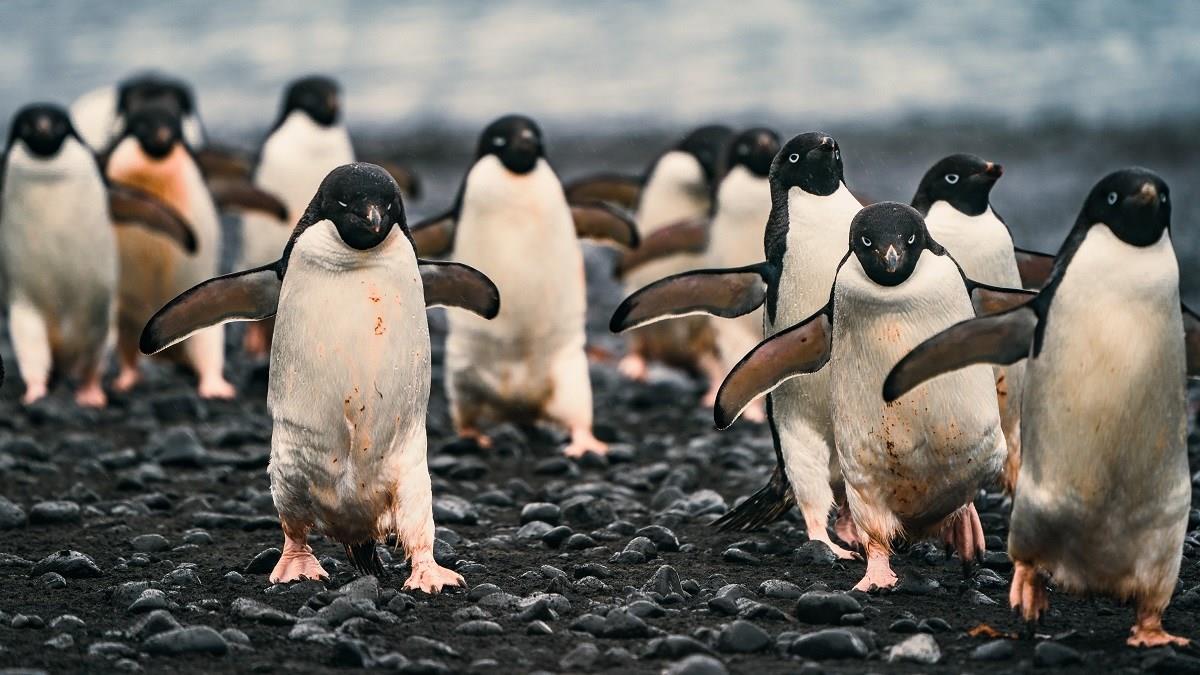
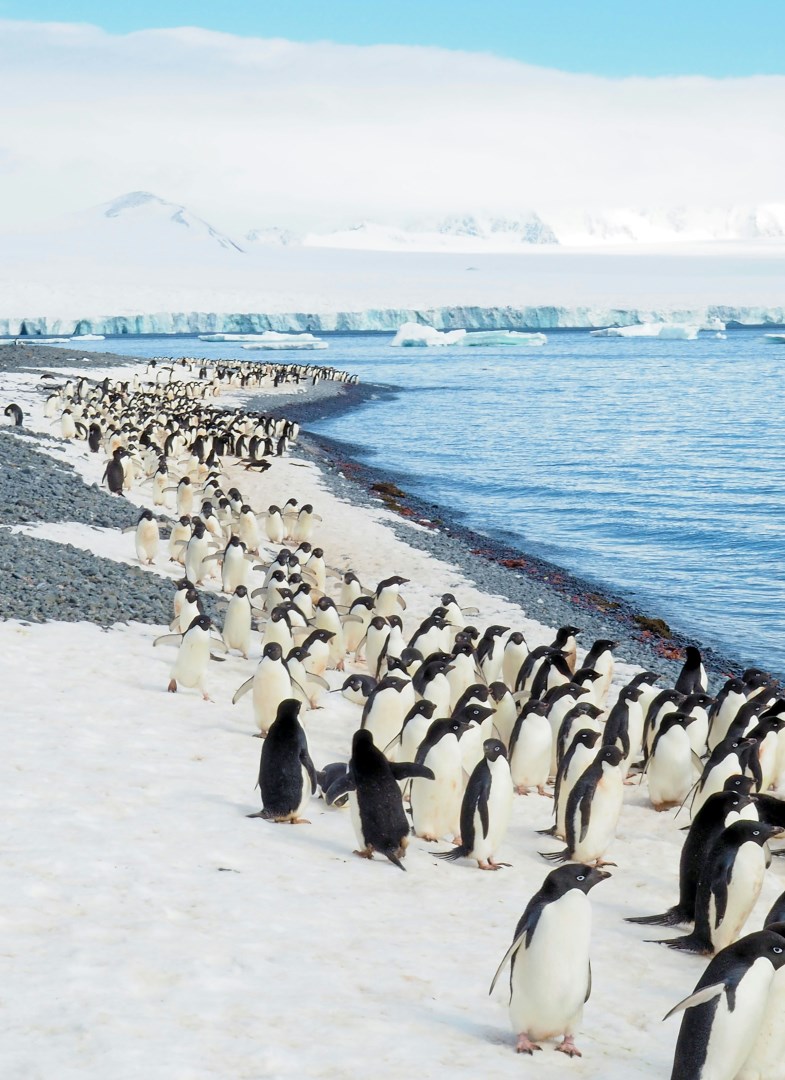
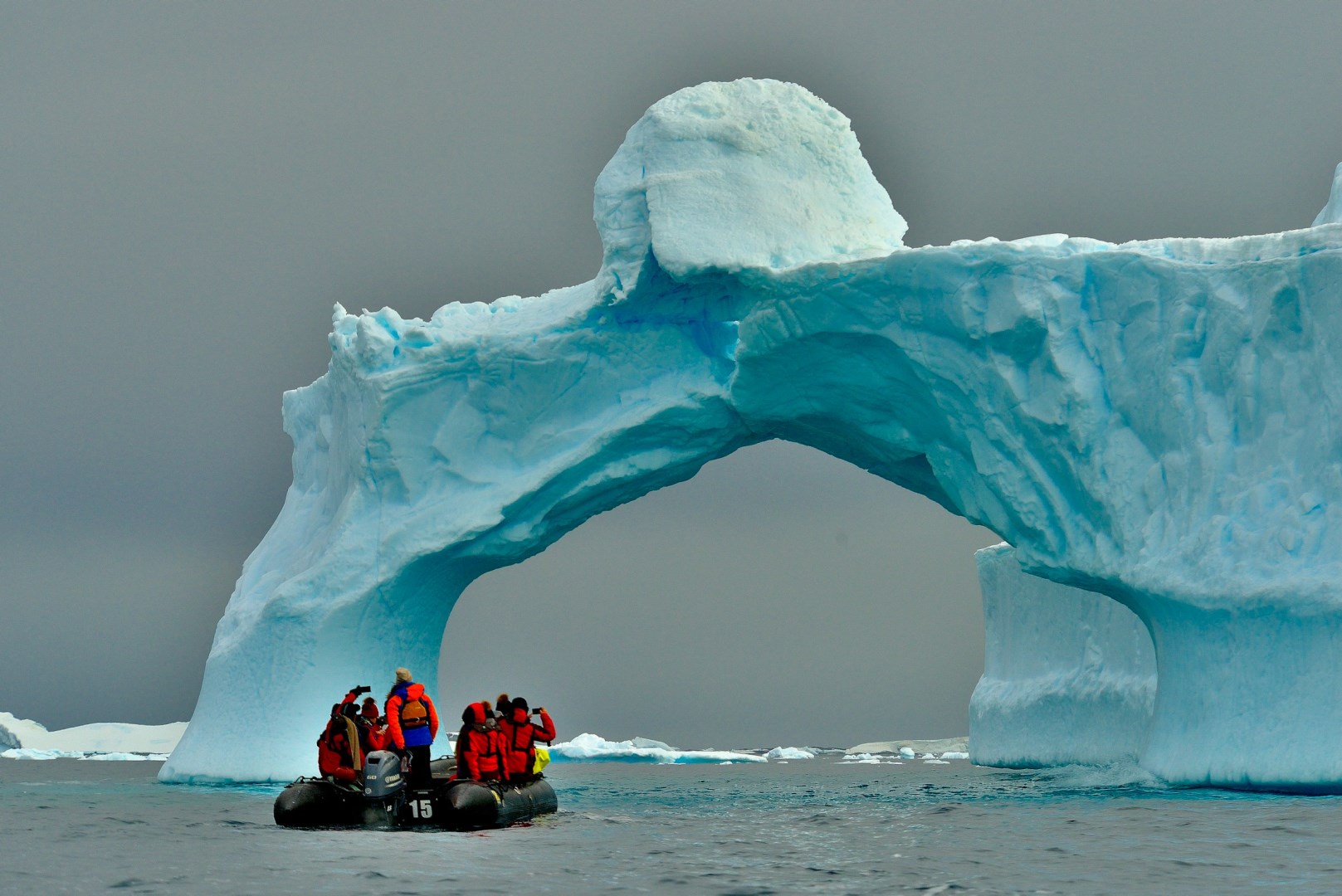
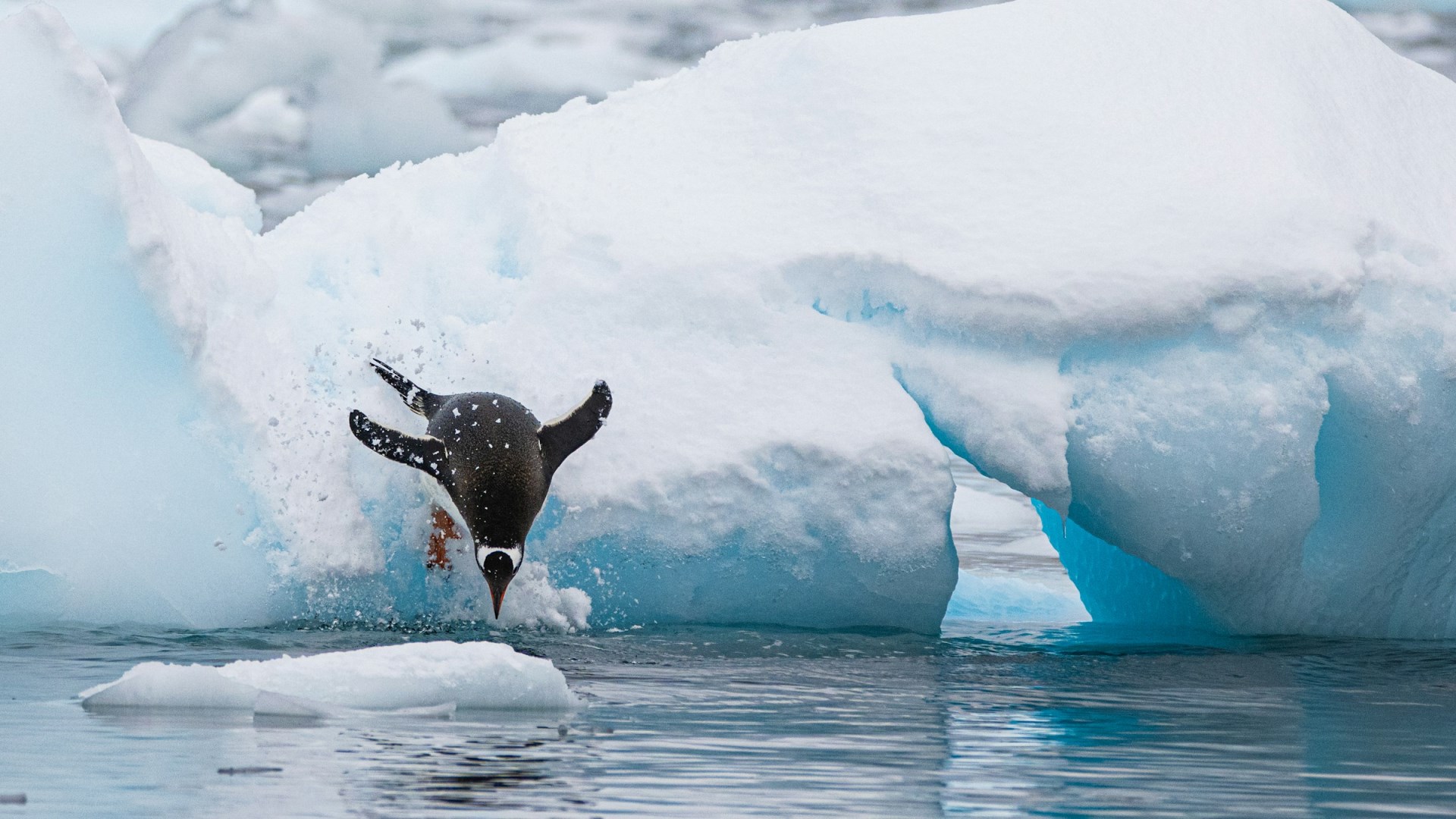
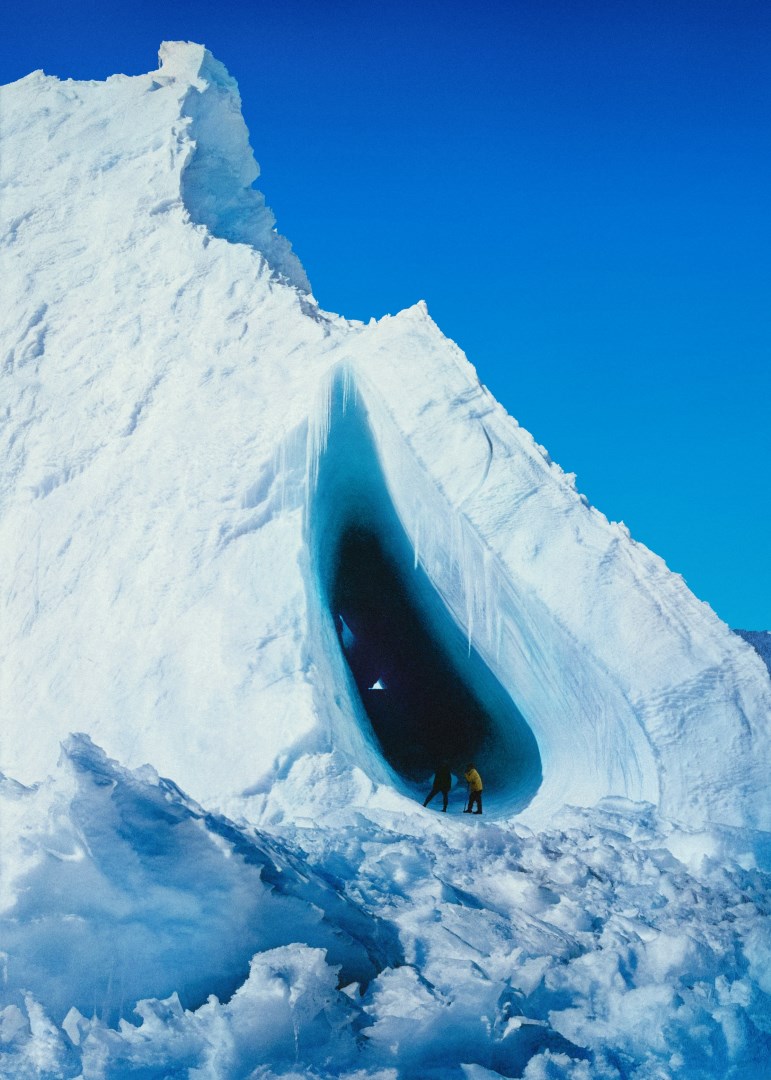
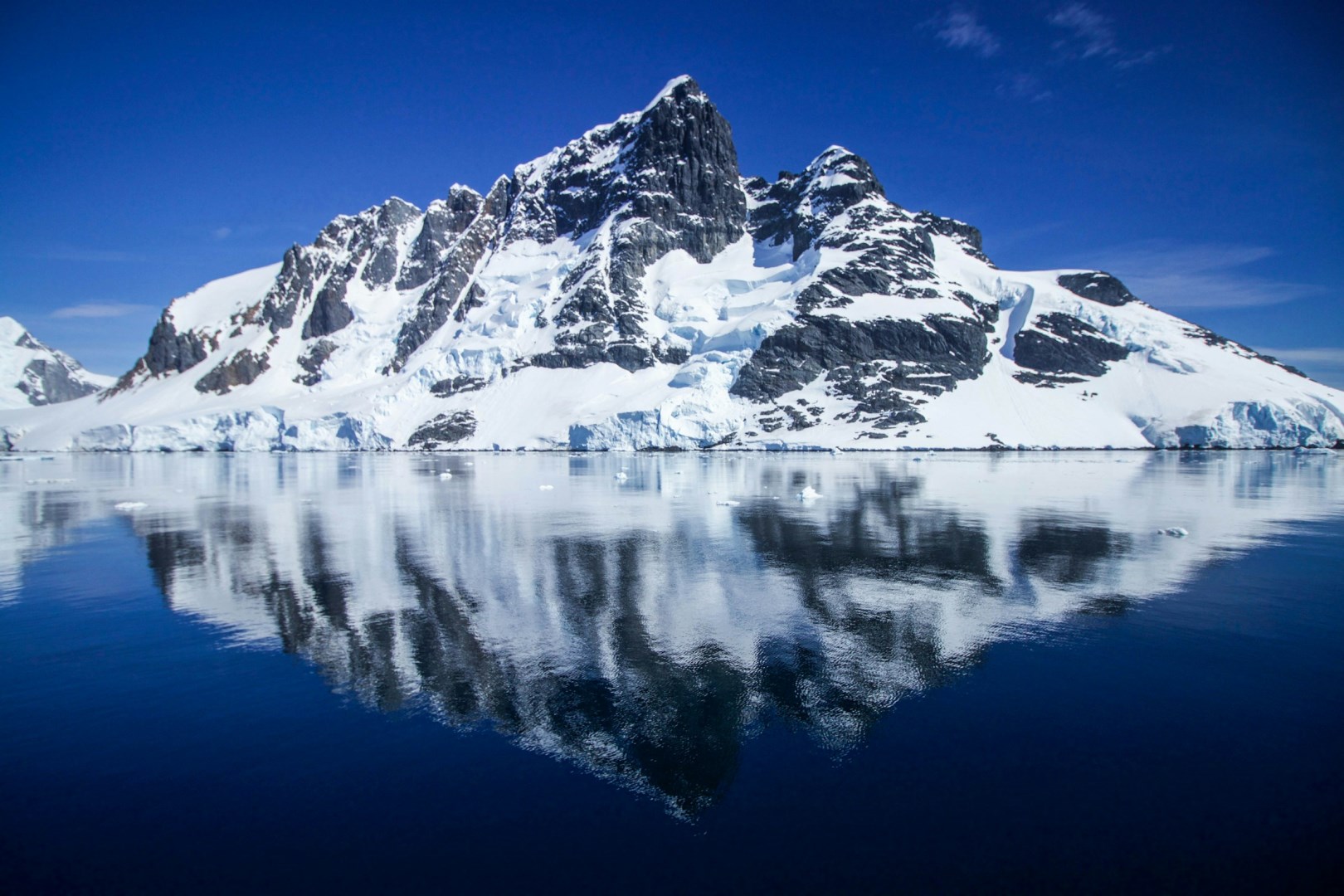
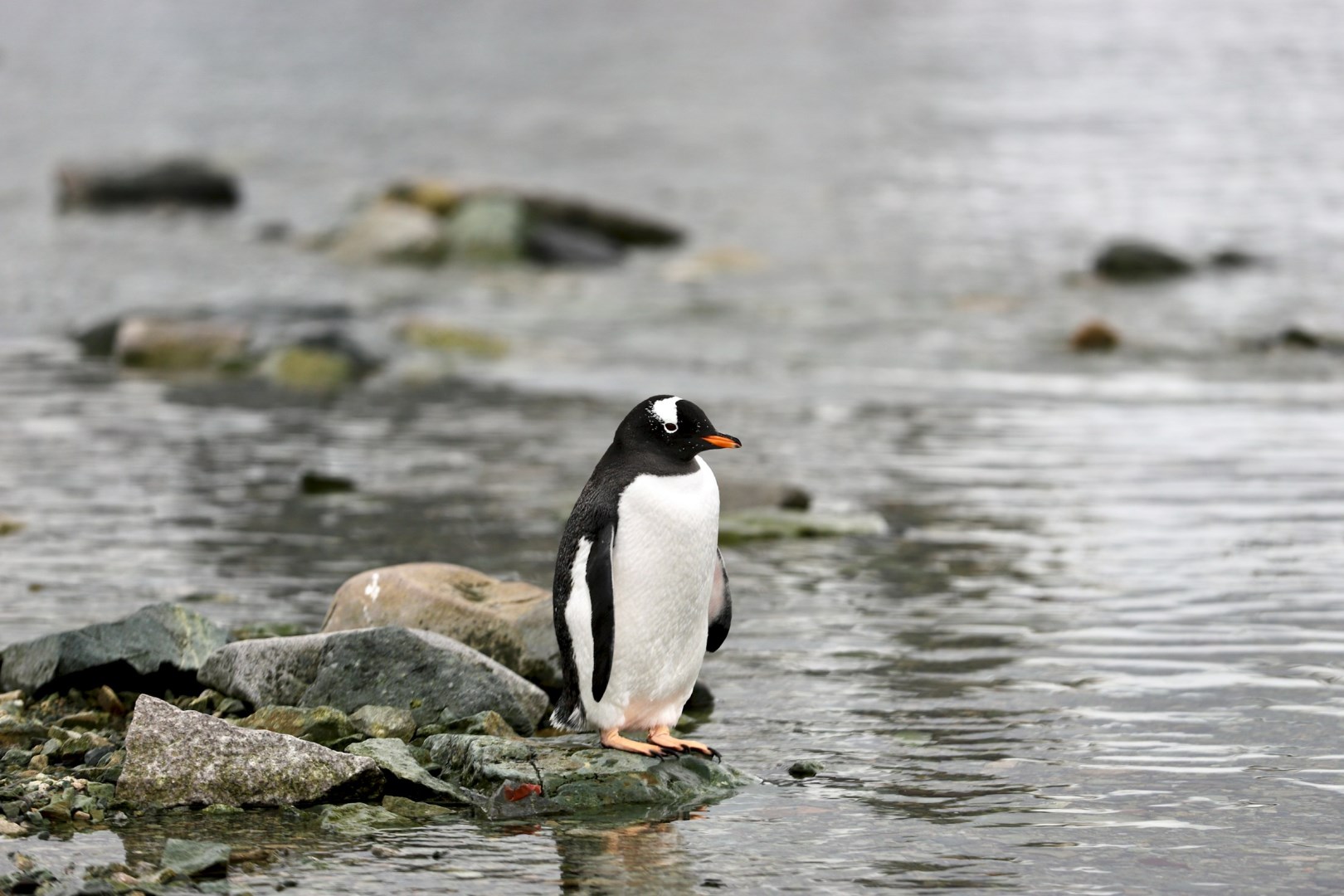
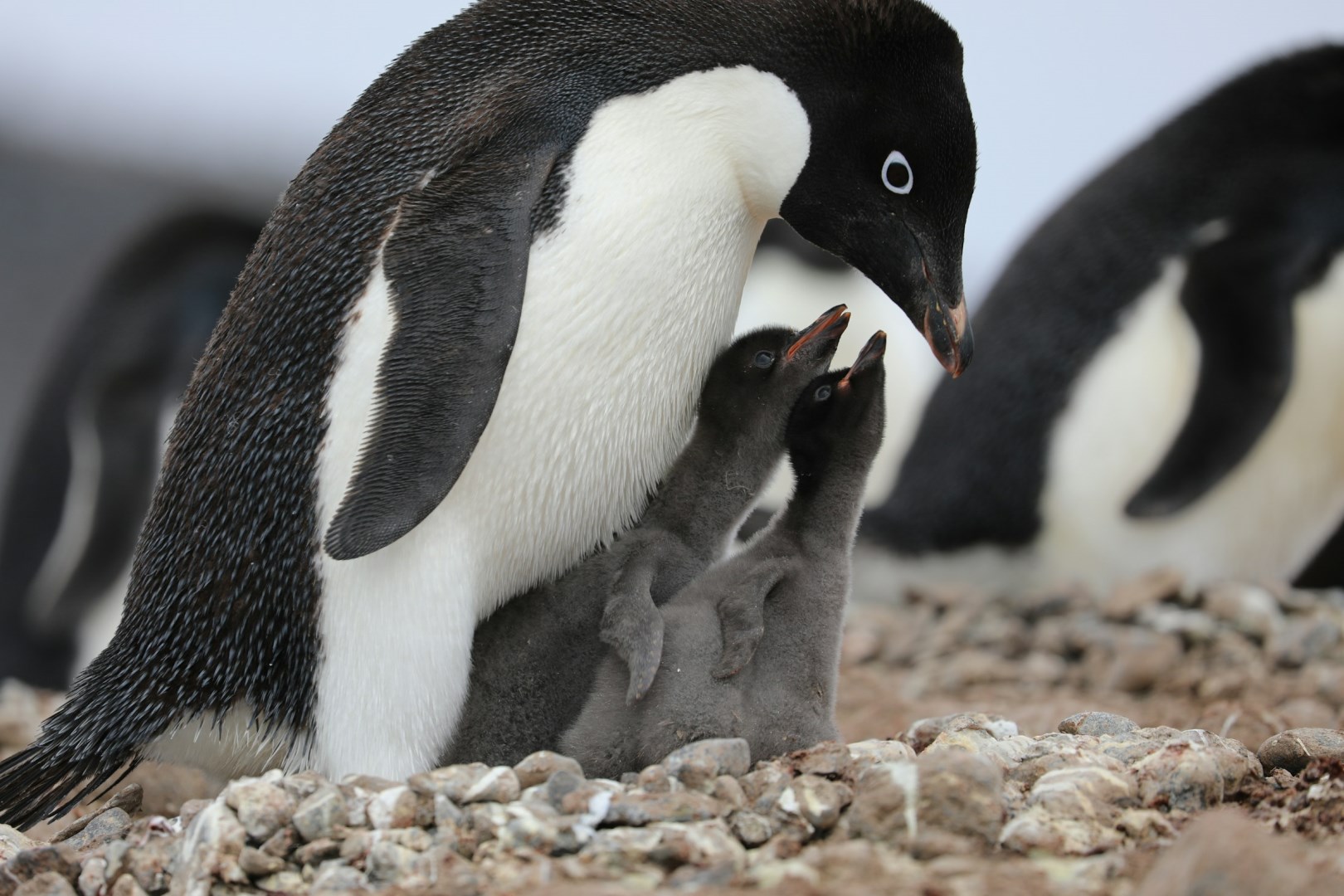
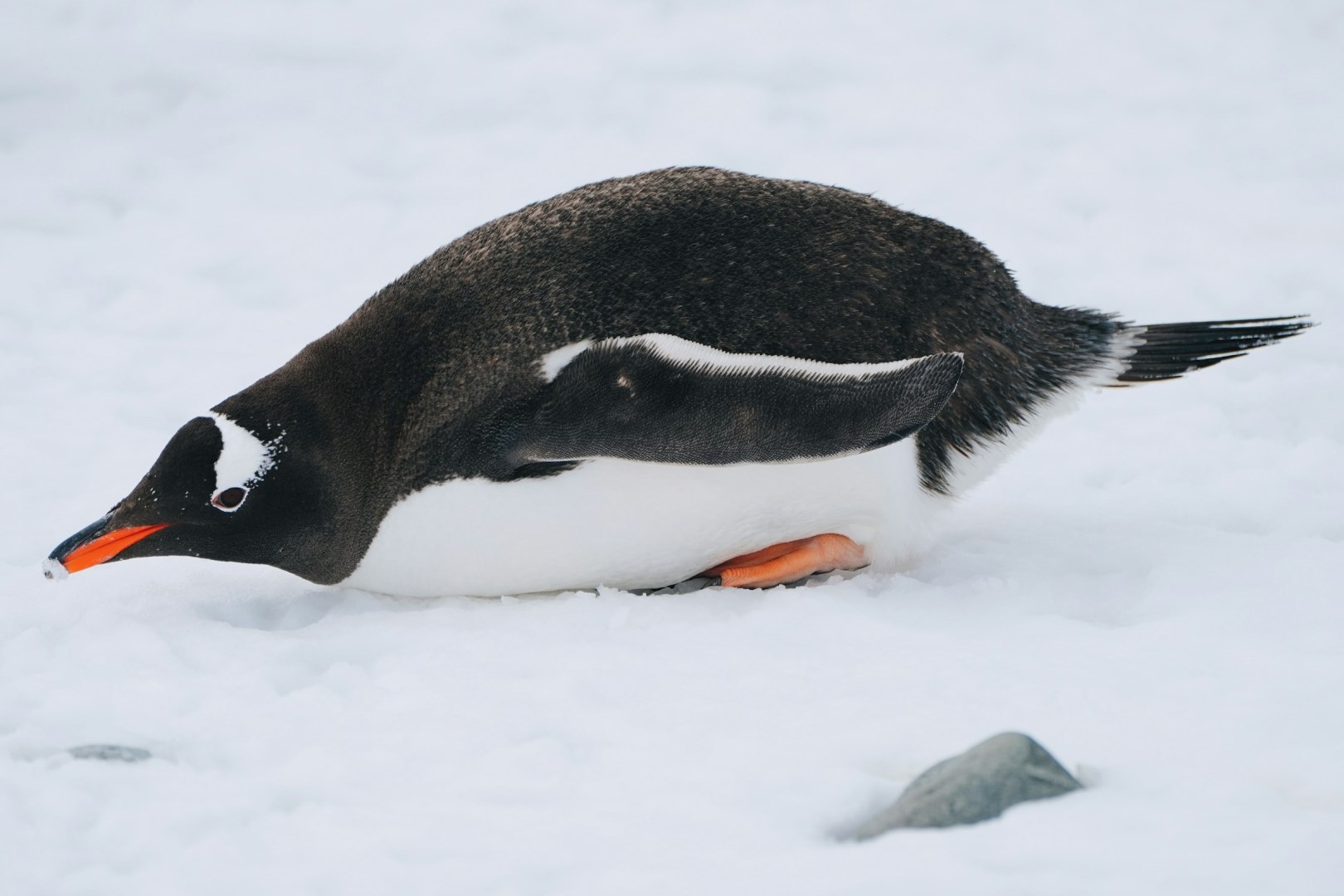
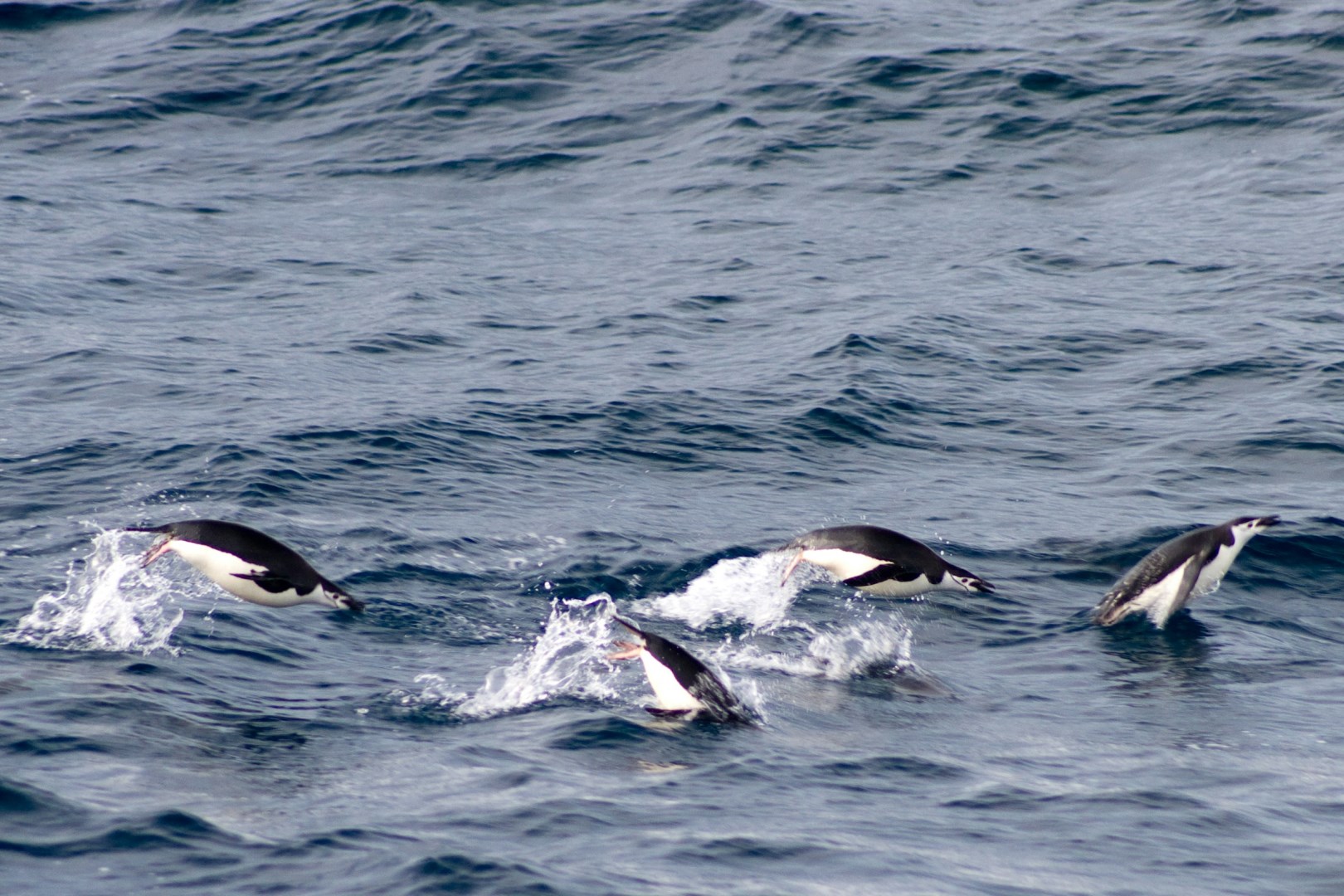
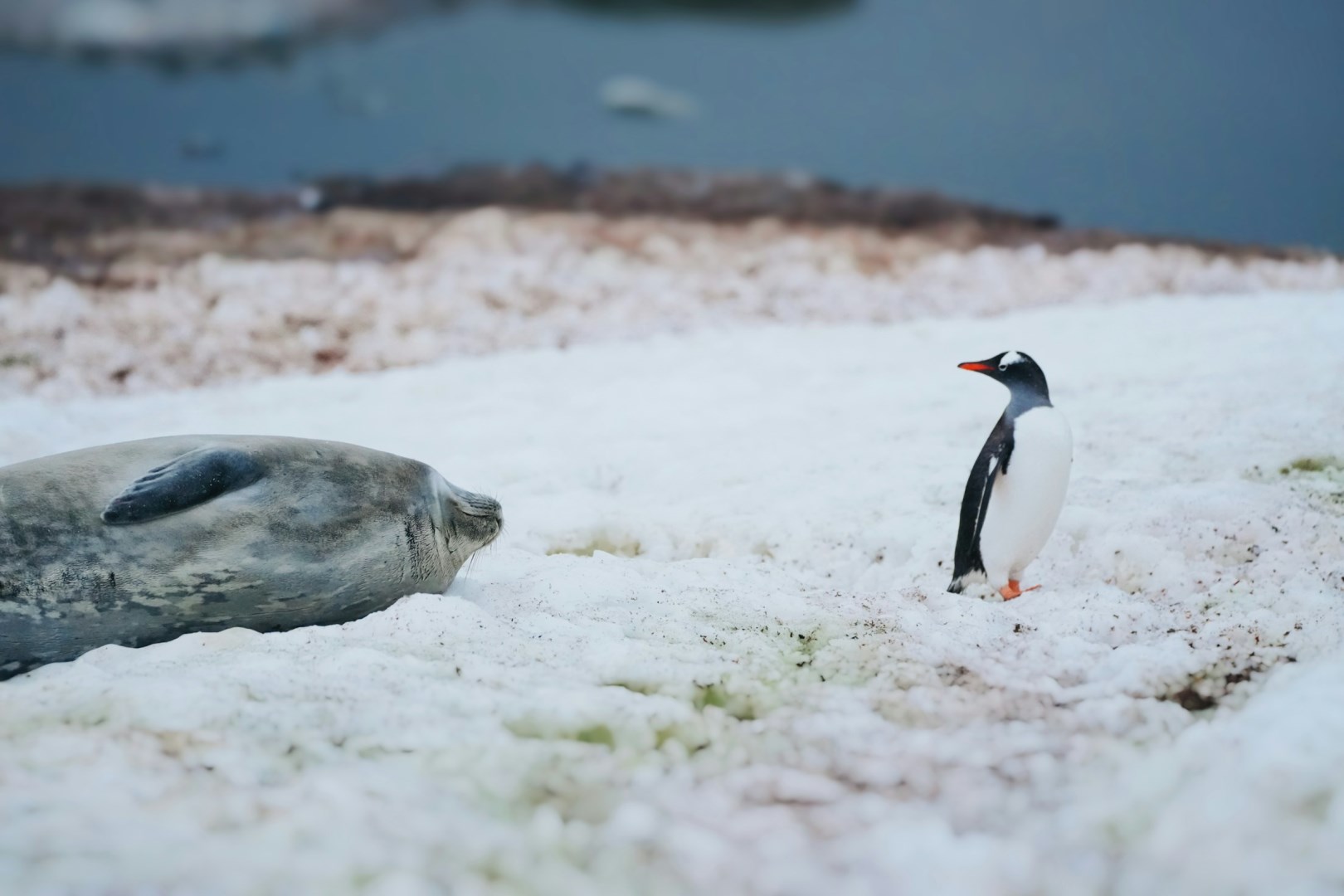
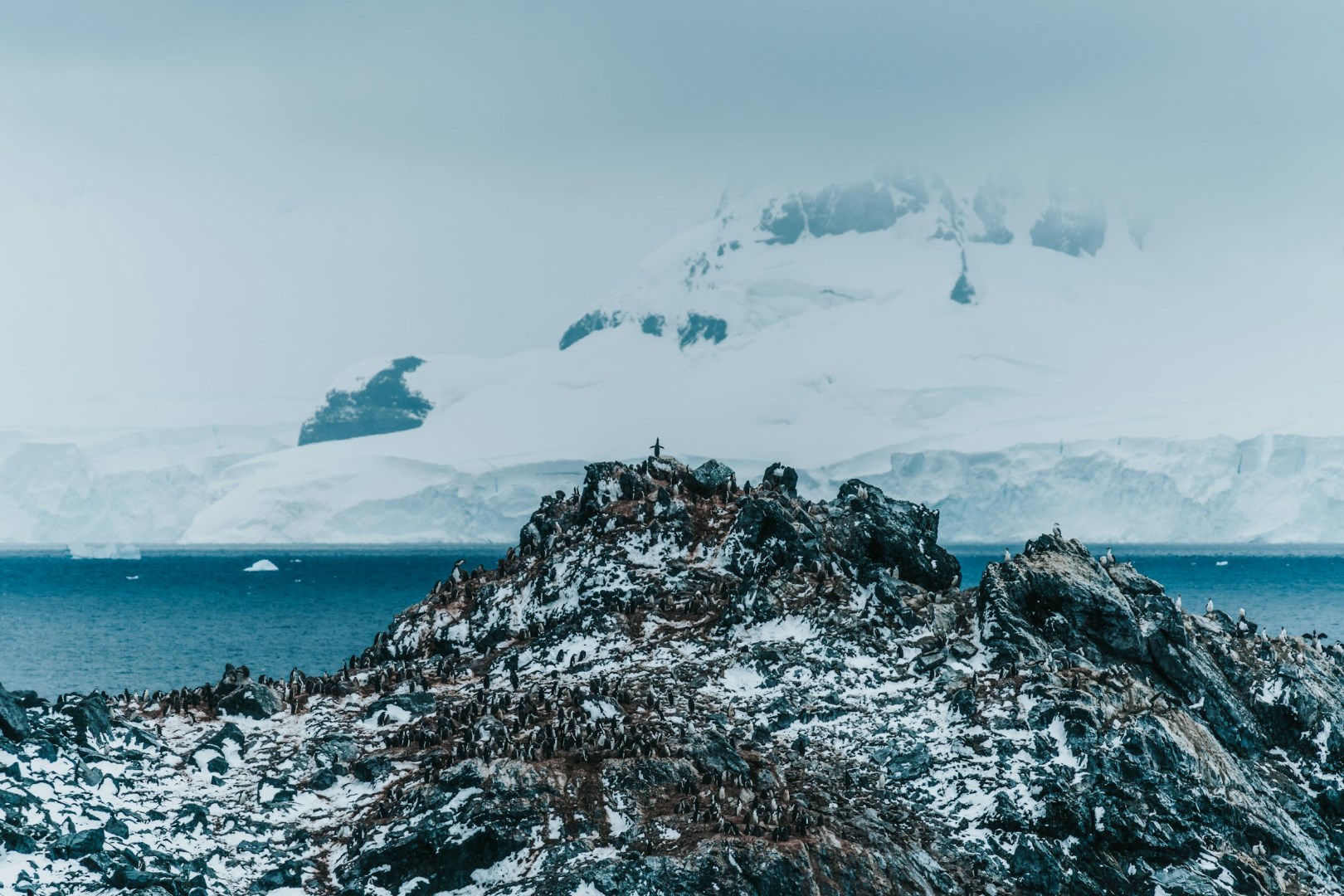
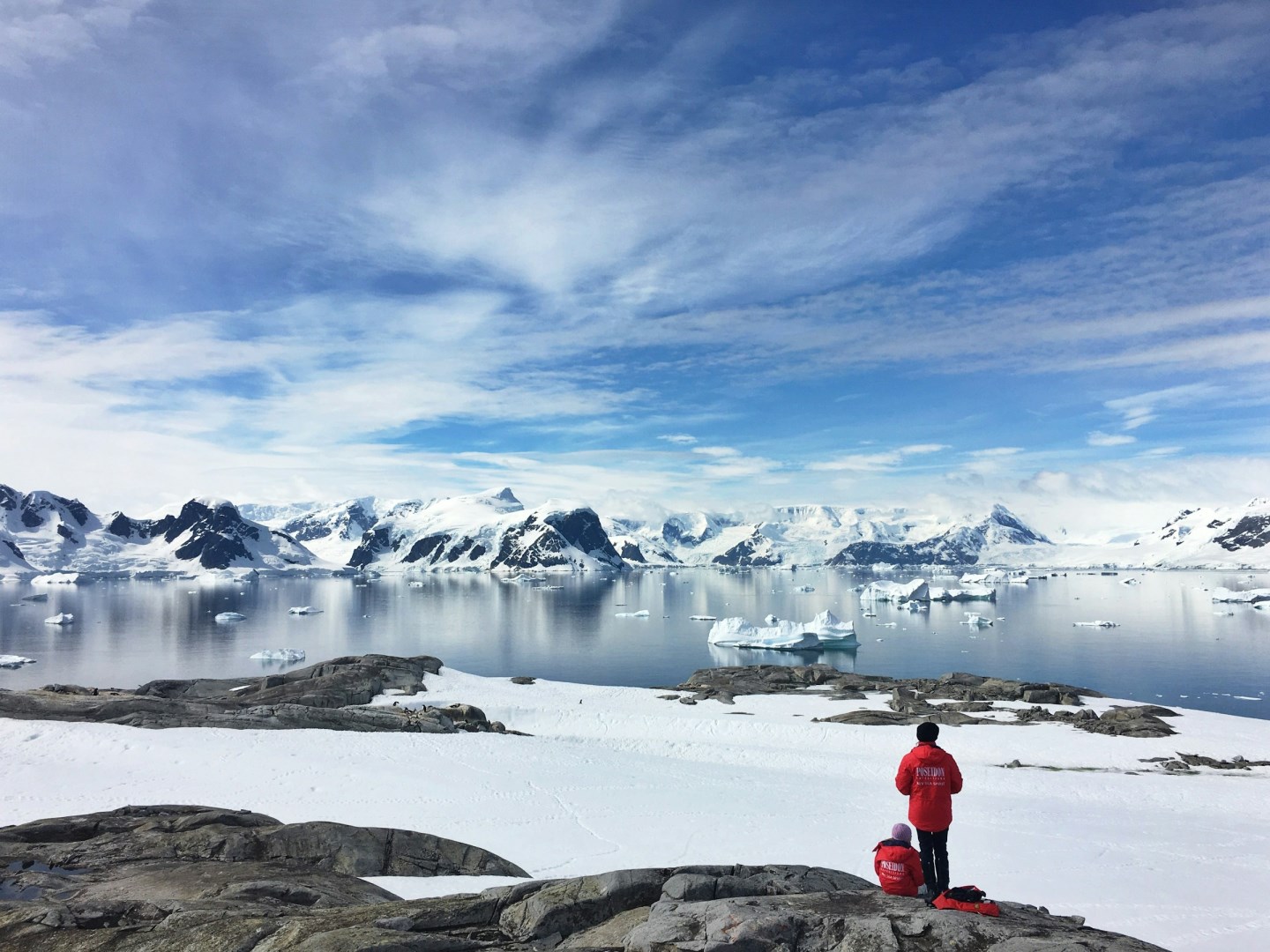
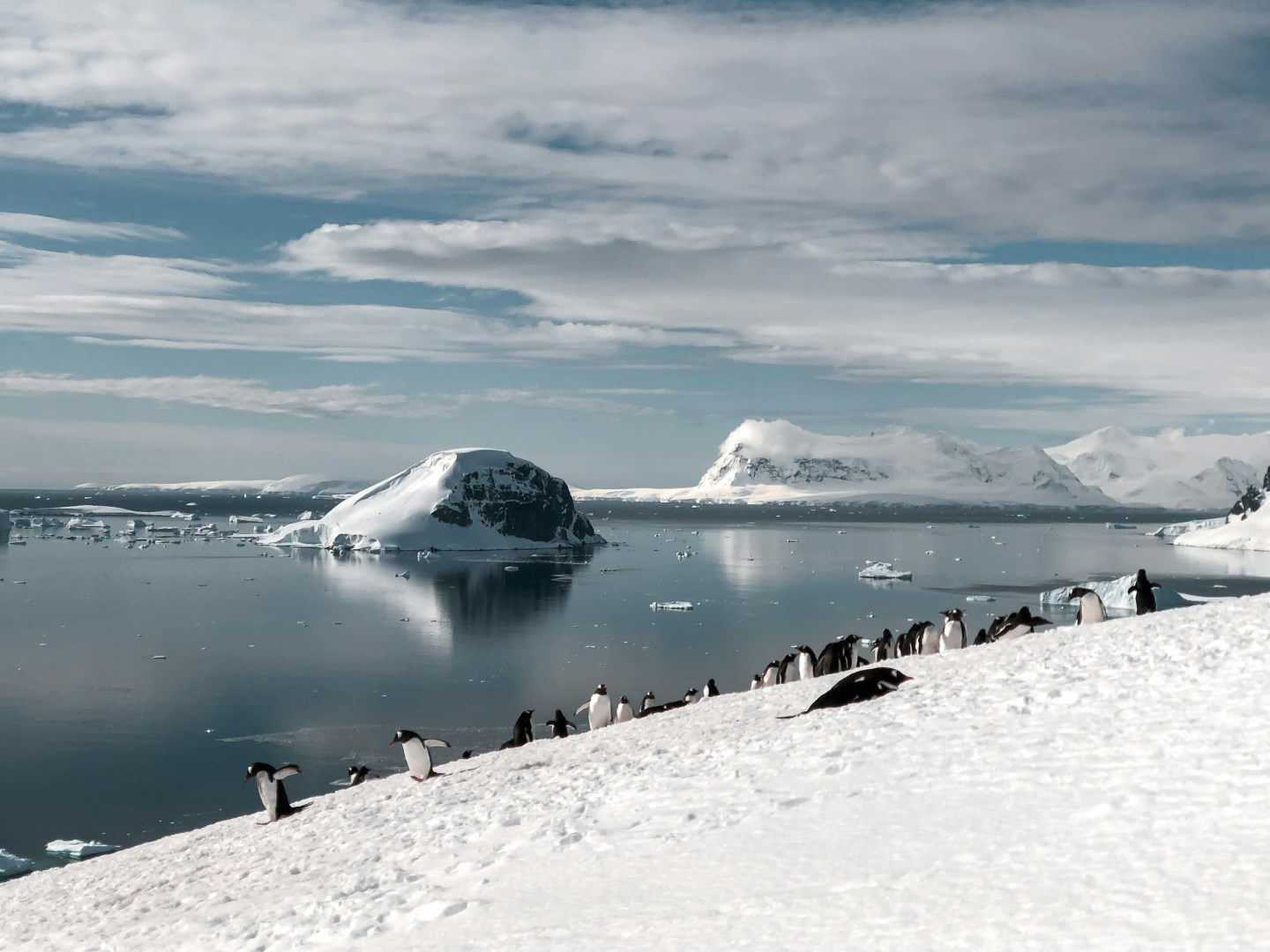
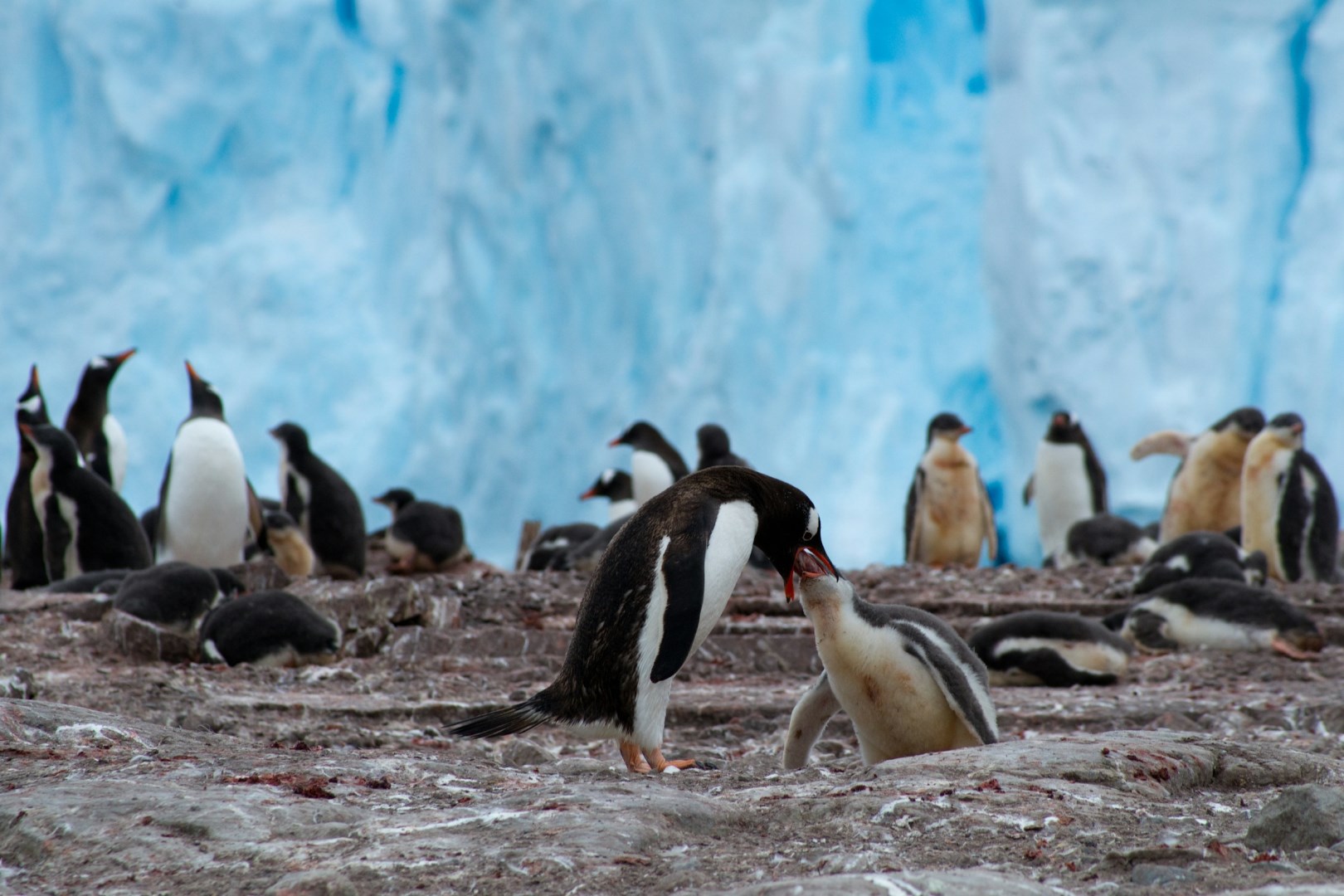
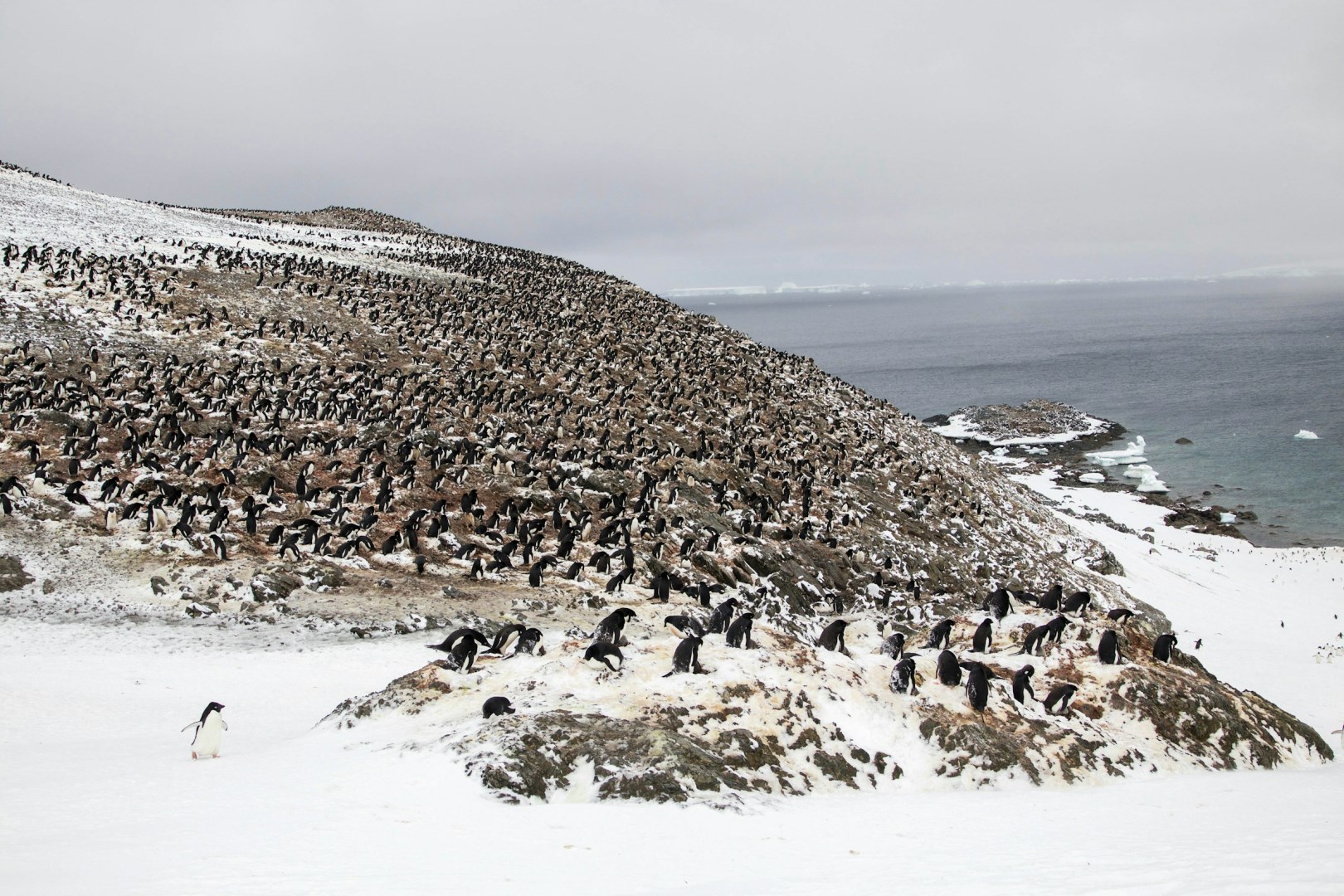
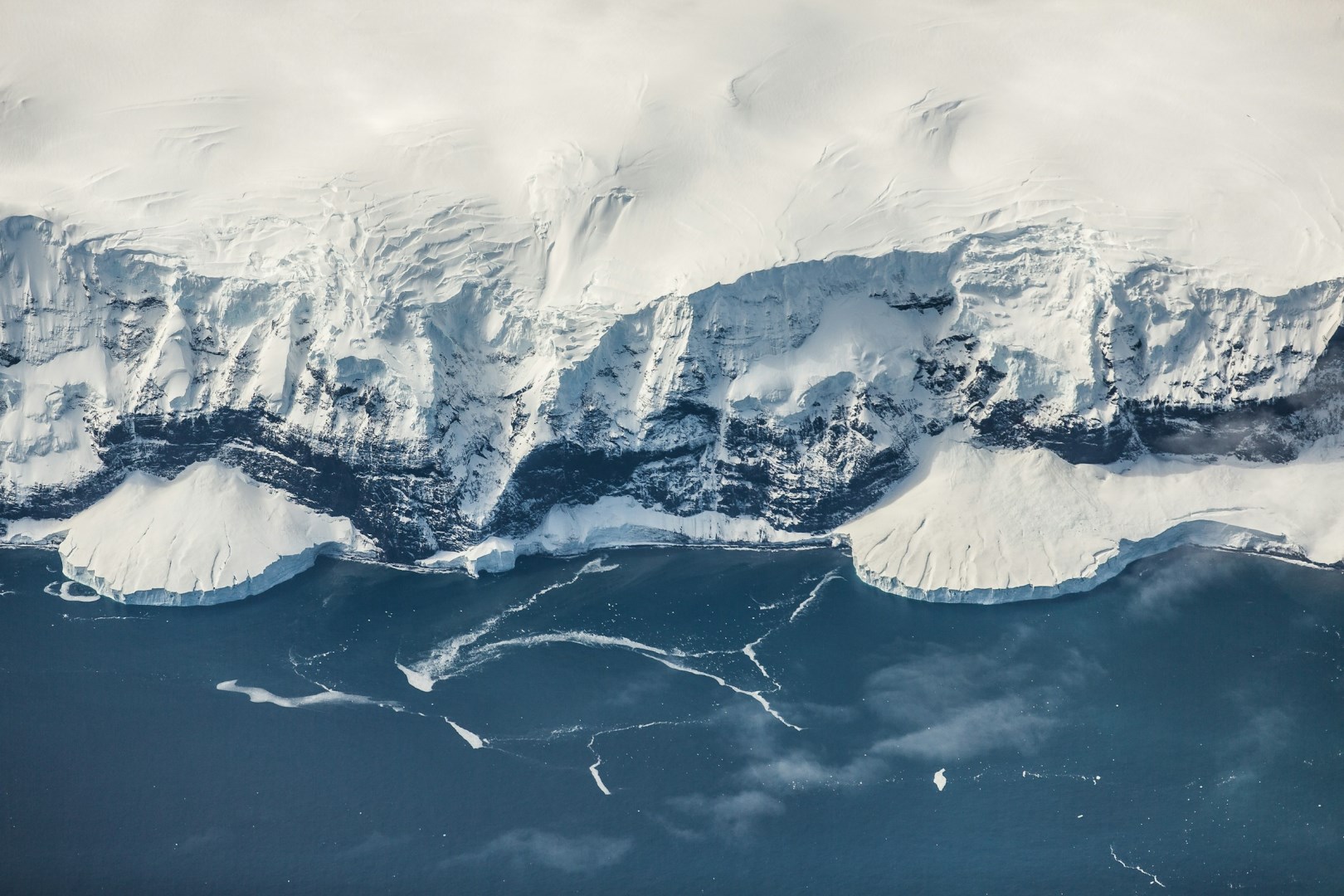
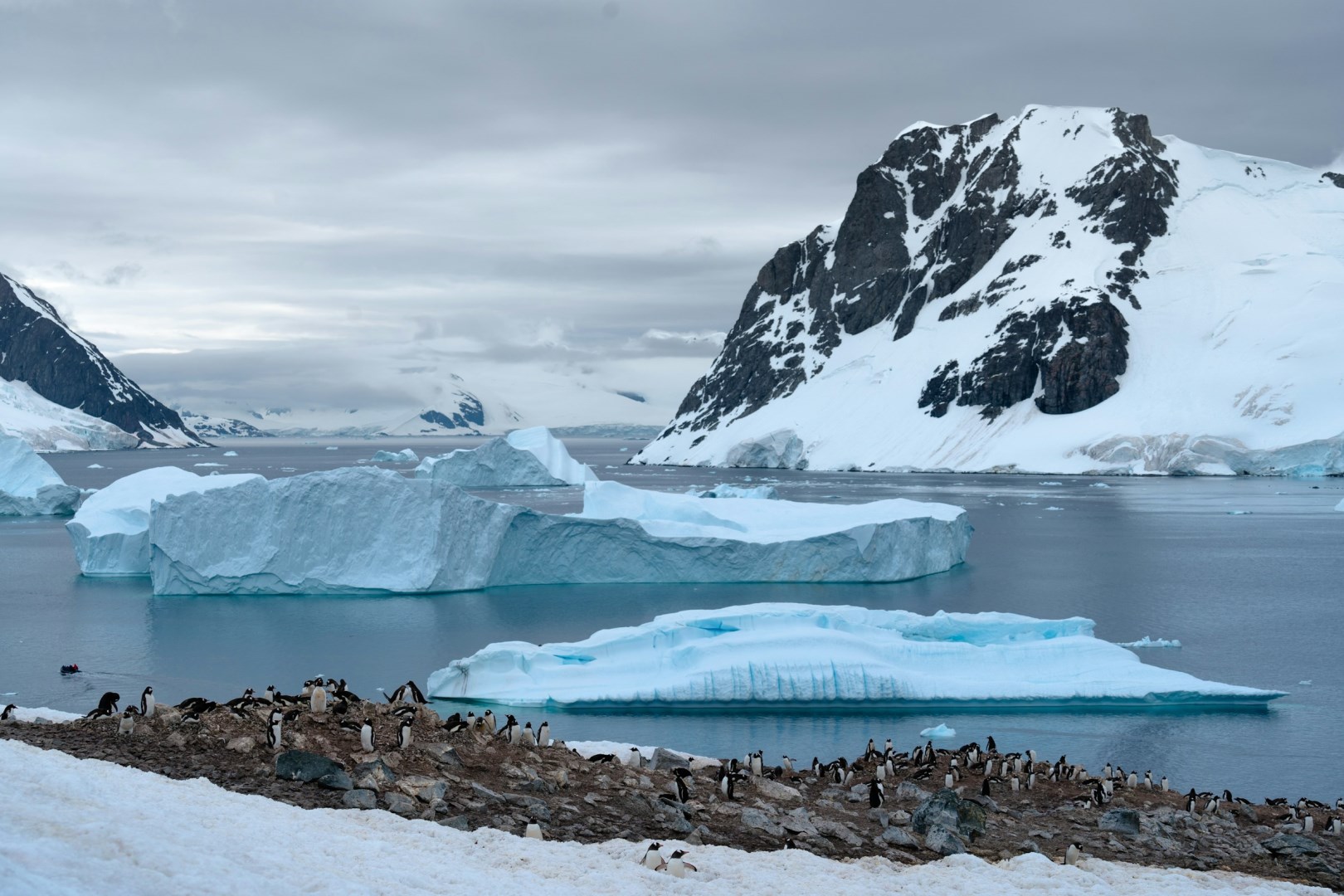
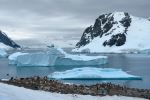
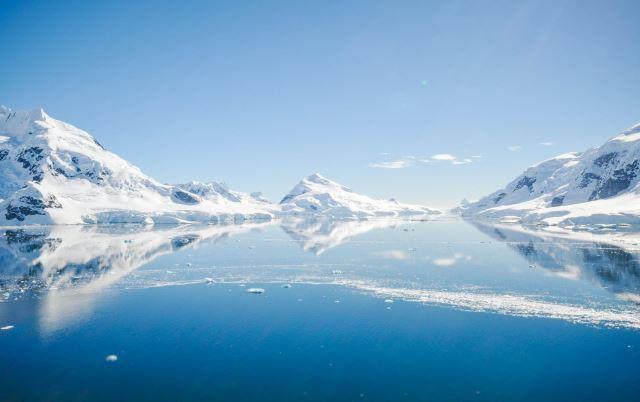
No place on Earth quite compares to Antarctica, this stunning and vast continent is cold and windy, containing 90% of the ice in the world. Those who brave a visit here are rewarded with beautiful glaciers that must be seen to be believed, and a vast array of wildlife such as whales, penguins, Arctic foxes and seals. Antarctica is the only permanent landing area for the Emperor Penguins. Many of the historic explorer huts remain on the island for visitors to see.

Other Popular Destinations in Antarctica
Drake Passage
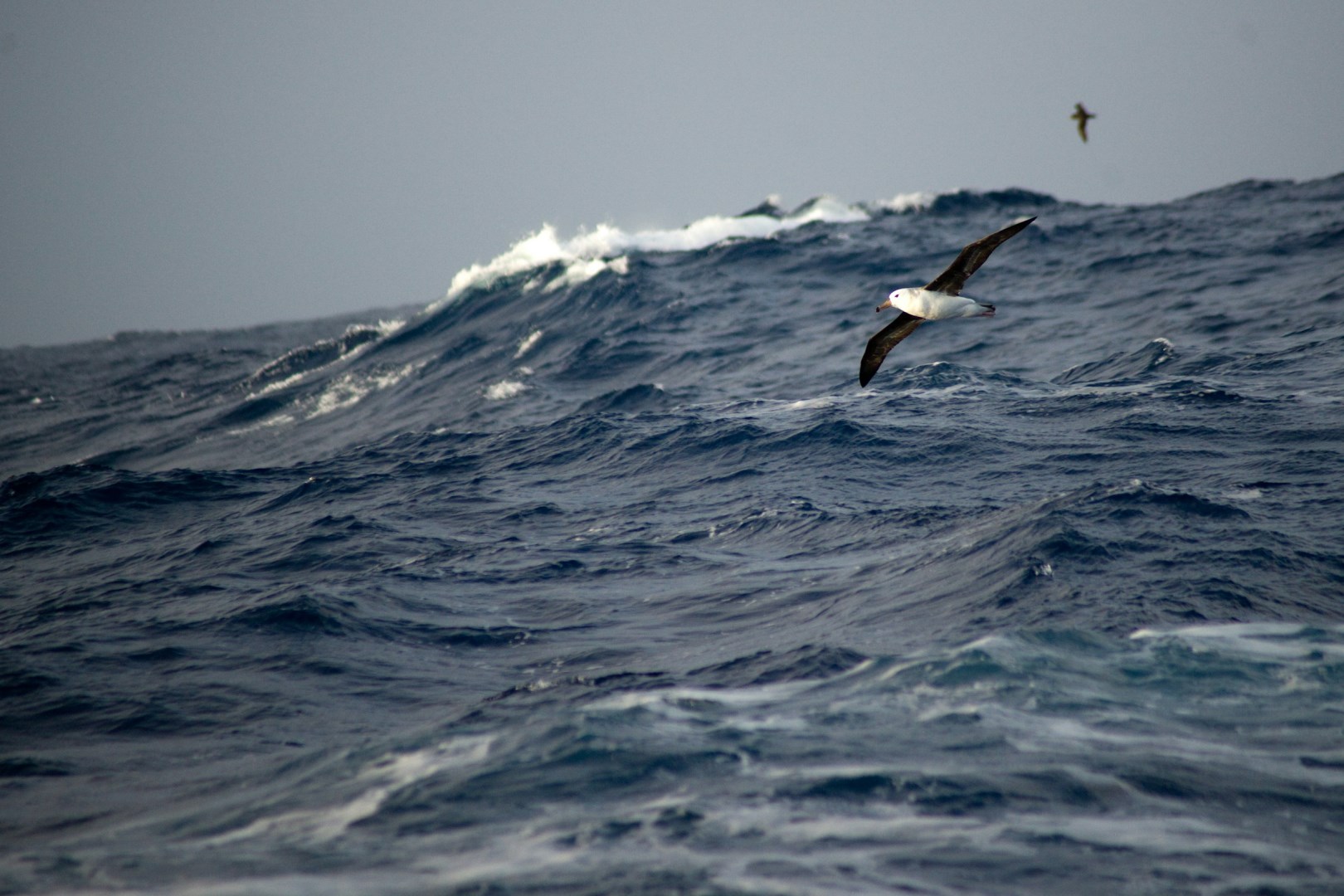
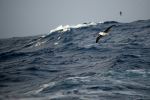
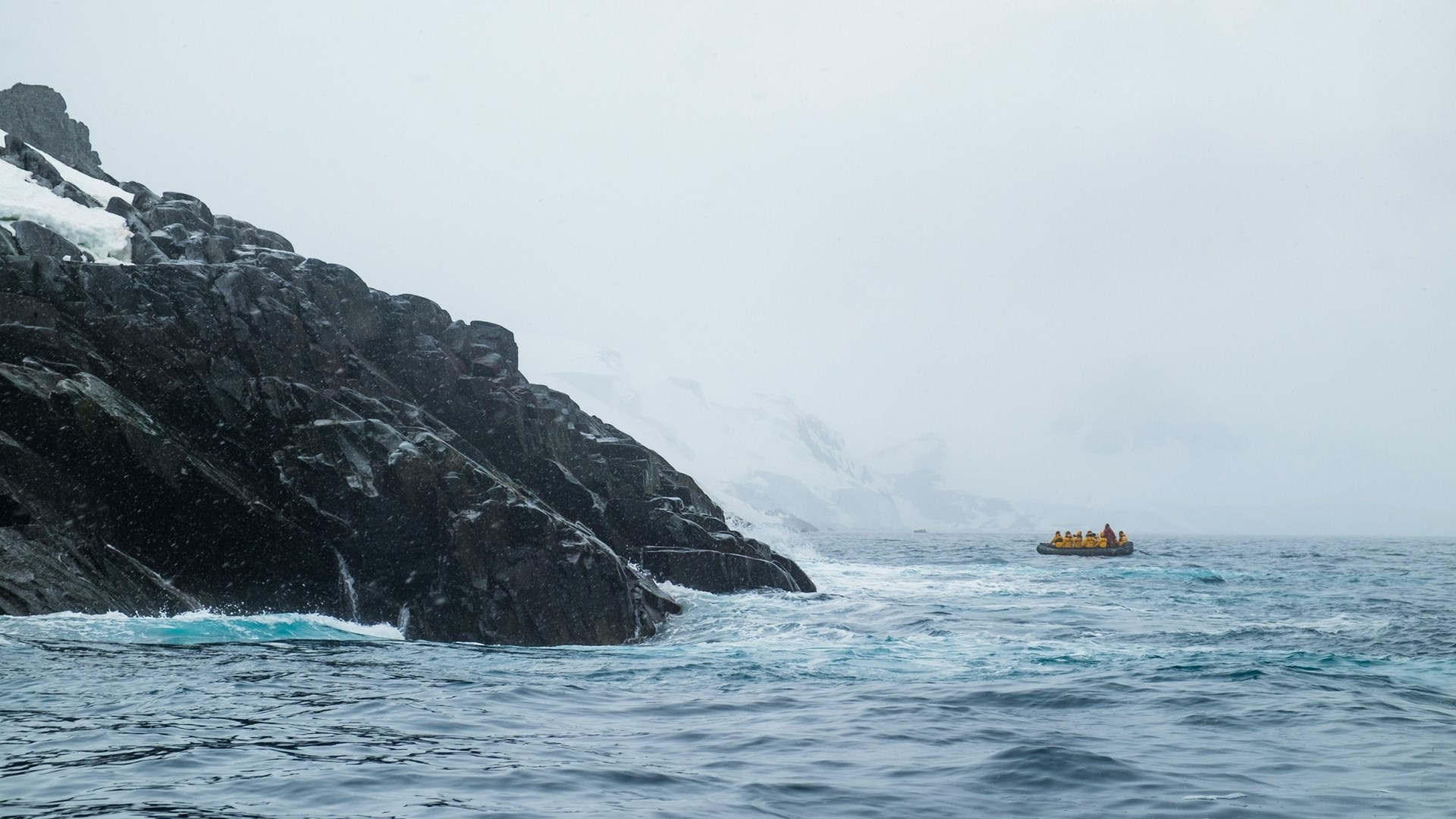
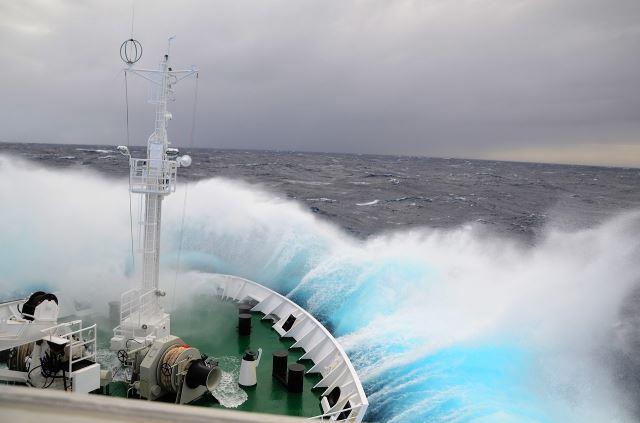
Drake Passage is a stretch of ocean between Cape Horn at the southern tip of South America and the South Shetland Islands near Antarctica. It connects the Atlantic and Pacific Oceans and is widely known for rough seas, powerful currents, and rapidly changing weather.
South Shetland Islands
Mist, research stations, and penguins are just a few of the things that define the South Shetland Islands, an archipelago off the coast of Antarctica. These 11 Antarctic islands, most notably King George Island, have served as a base for researchers from Chile, Argentina, and a variety of other countries. The archipelago has also become a popular cruise destination for tourists to the Antarctic region.