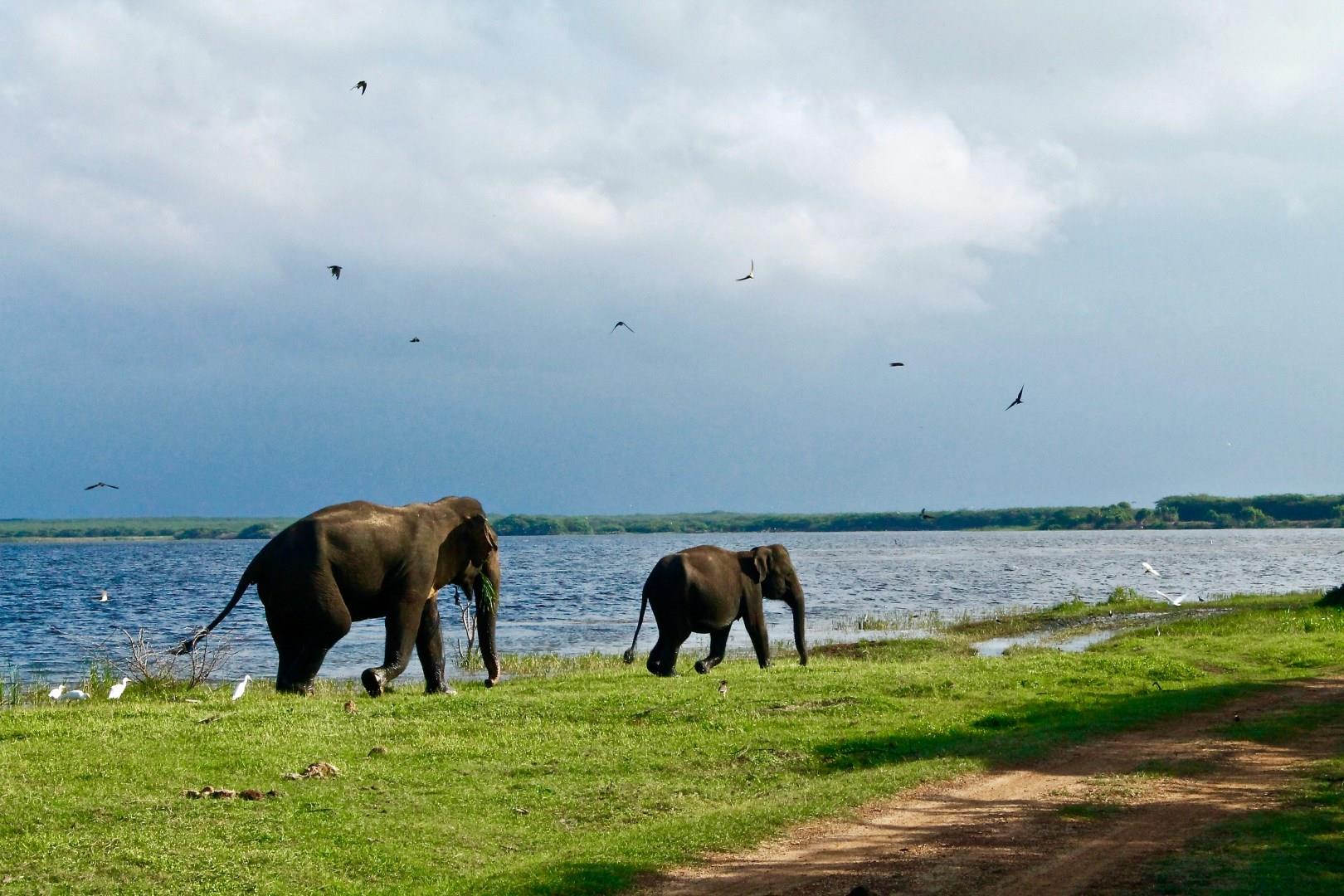
Tissamaharama, often called “Tissa” by seasoned travelers, sits in southern Sri Lanka as a town steeped in history and living culture. Once the capital of the ancient Ruhuna Kingdom in the 3rd century BCE, this settlement still radiates stories from the distant past in its temples, reservoirs, and even the streets where market life unfolds each day.
Cairns is the majestic entrance to Australia's Great Barrier Reef. This warm, tropical destination is located in Far North Queensland. Must-see attractions in Cairns include the Tjapukai Aboriginal Cultural Park, which educates tourists about indigenous peoples, and restaurant and bar-dotted Cairns Esplanade, which has a lagoon for swimming.
Easter Island, or Rapa Nui, is a remote gem in the southeastern Pacific Ocean that promises an extraordinary journey into the mysteries of Polynesian culture and history. Famous for its monumental stone statues known as moai, Easter Island captivates visitors with its enigmatic past. These colossal statues, crafted between 1400 and 1650 AD, are scattered across the island and are a testament to the islanders' sophisticated artistry and social organization.
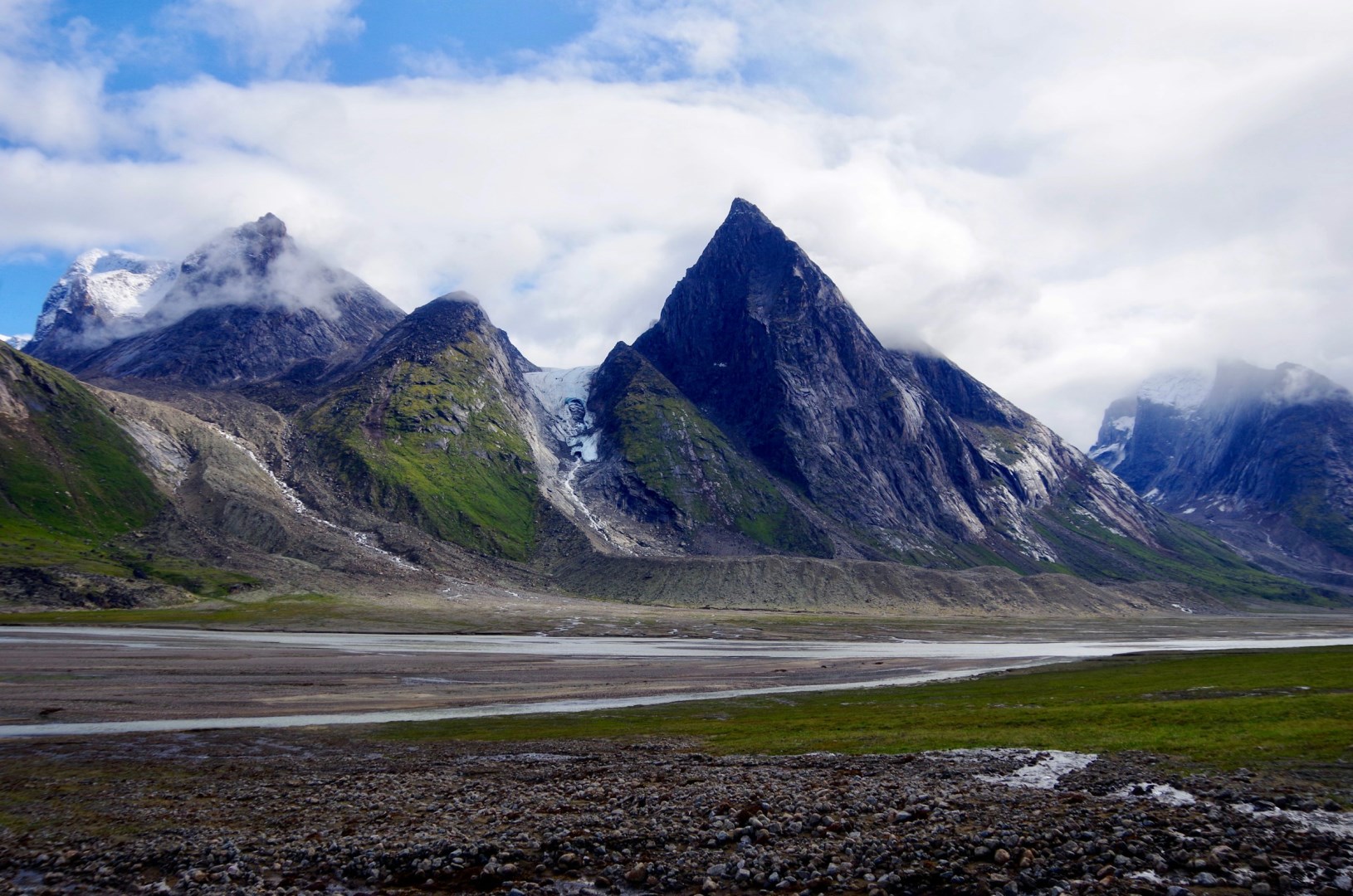
Auyuittuq National Park is a vast protected landscape on southeastern Baffin Island in Nunavut, extending between the communities of Pangnirtung and Qikiqtarjuaq. Its name means “land that never melts” in Inuktitut, reflecting the park's extensive ice and snow. Towering granite peaks, deep fjords, glaciers, rivers, and tundra dominate the landscape, while the Penny Ice Cap covers a large section of the interior.
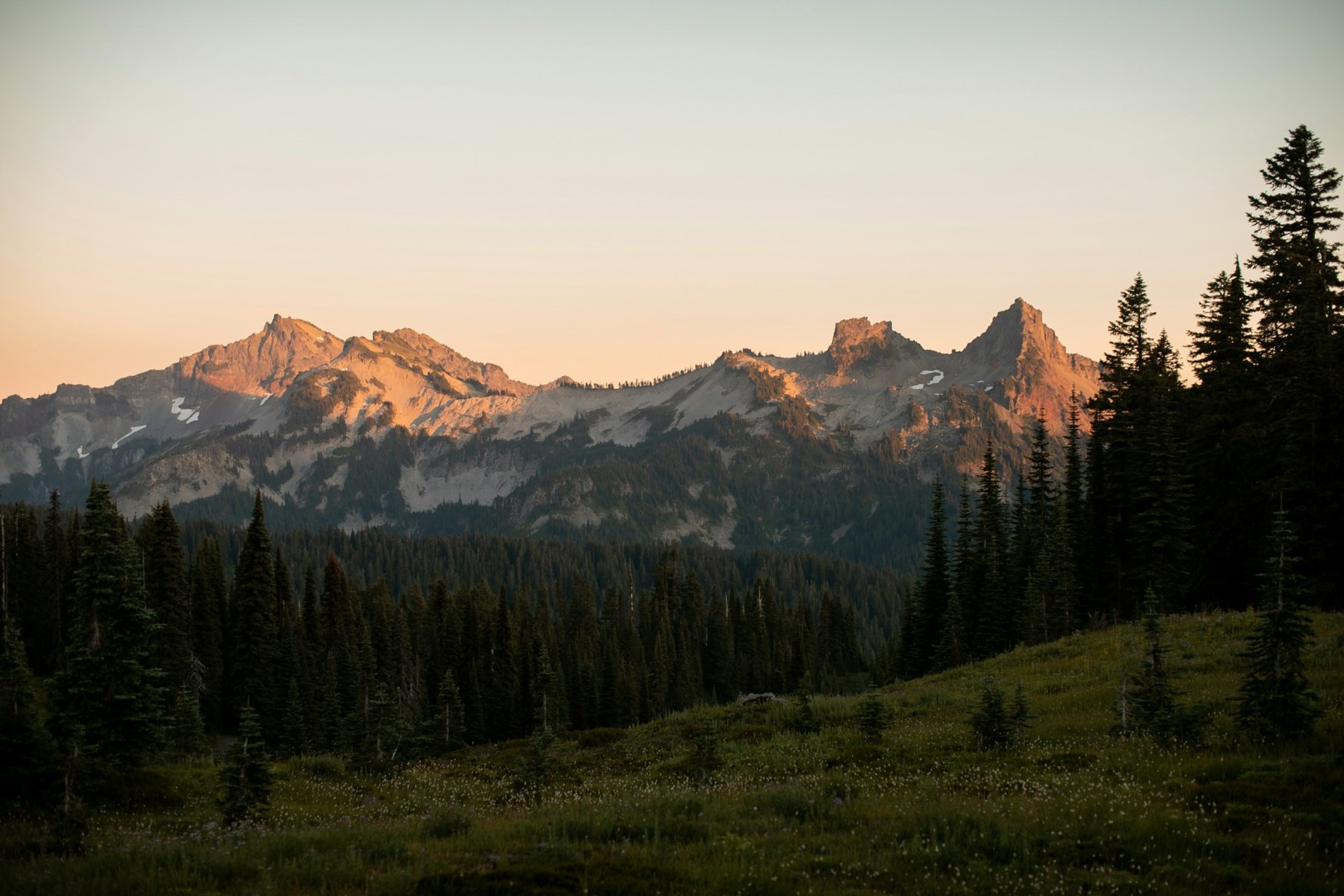
Mount Rainier National Park is centered on Mount Rainier, a massive glaciated volcano rising above the forests and valleys of Washington’s Cascade Range. The mountain dominates the surrounding landscape, with glaciers, snowfields, alpine meadows, old-growth forests, rivers, and waterfalls extending across the park. Its varied elevations create distinct environments, from dense lowland forest to open subalpine terrain and rugged alpine slopes.
Photo Credit: Photo by Unseen Histories on Unsplash
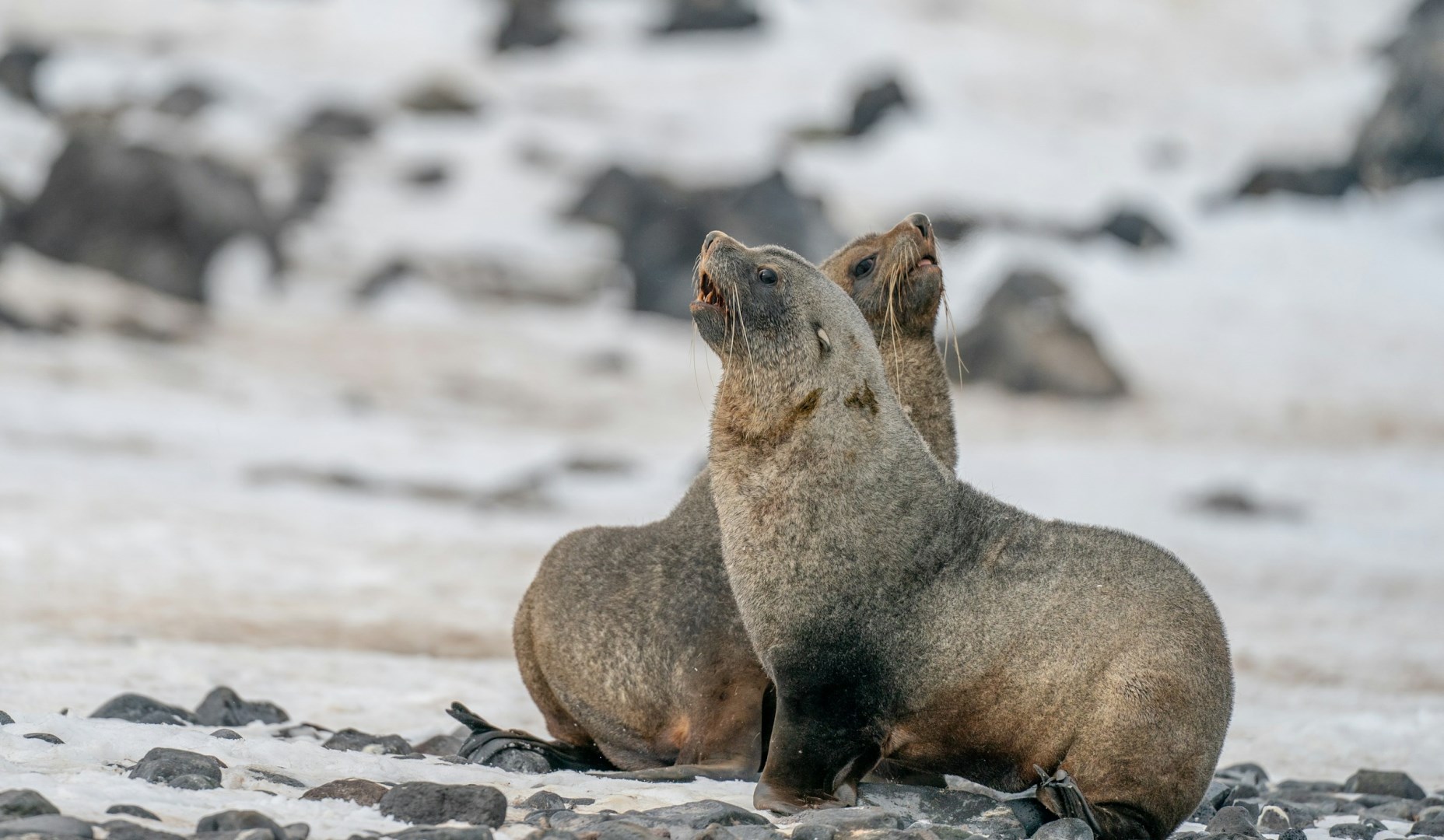
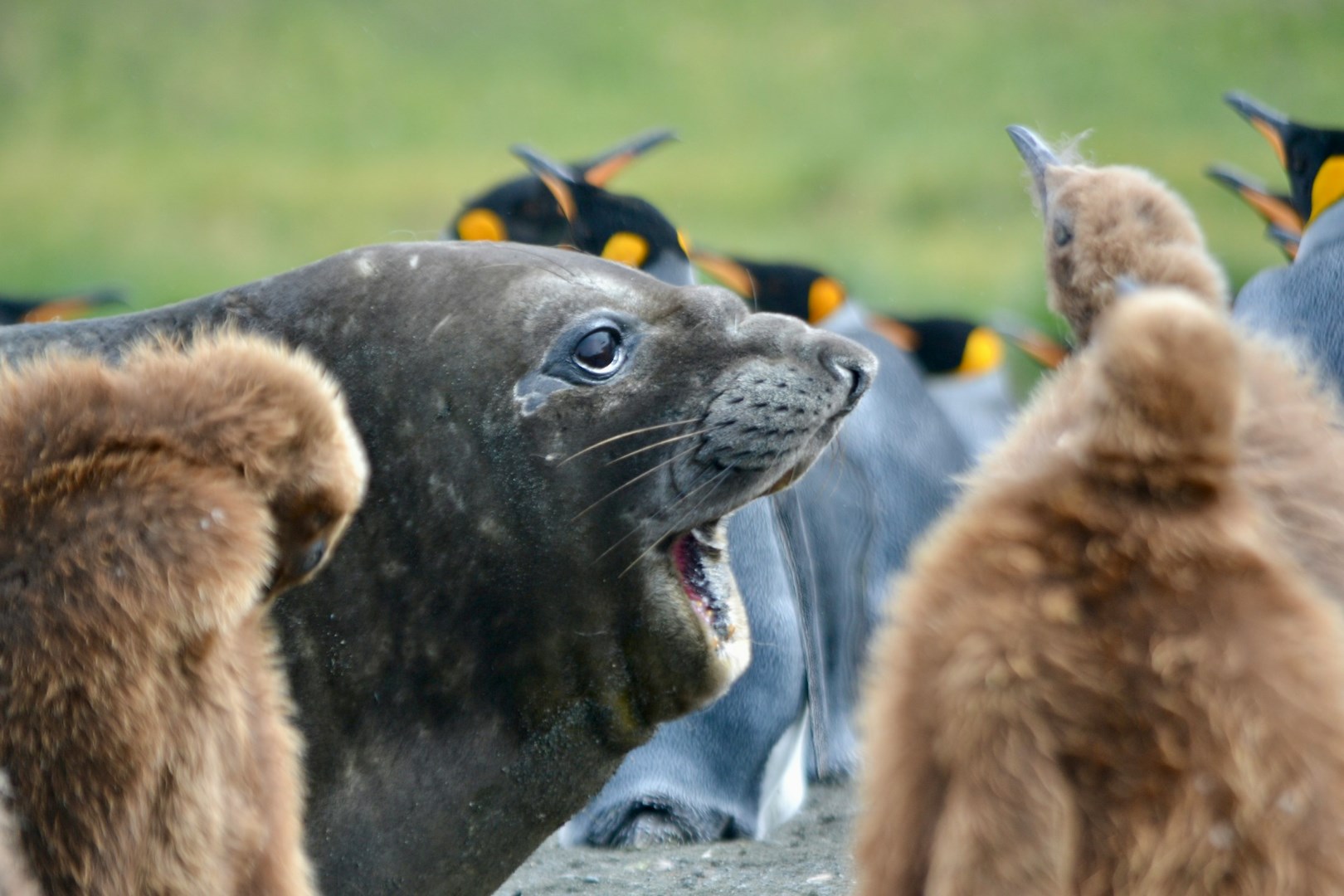
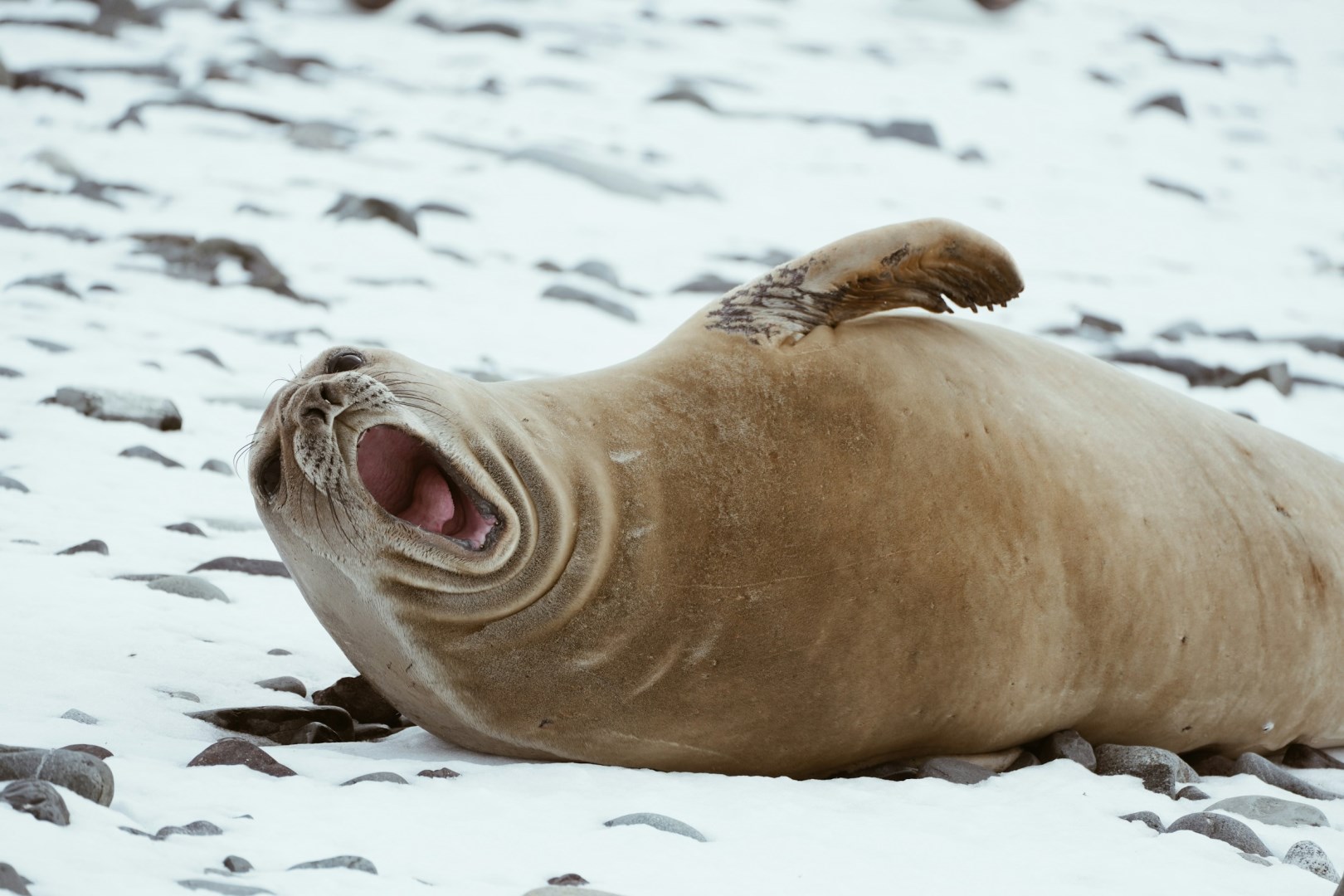
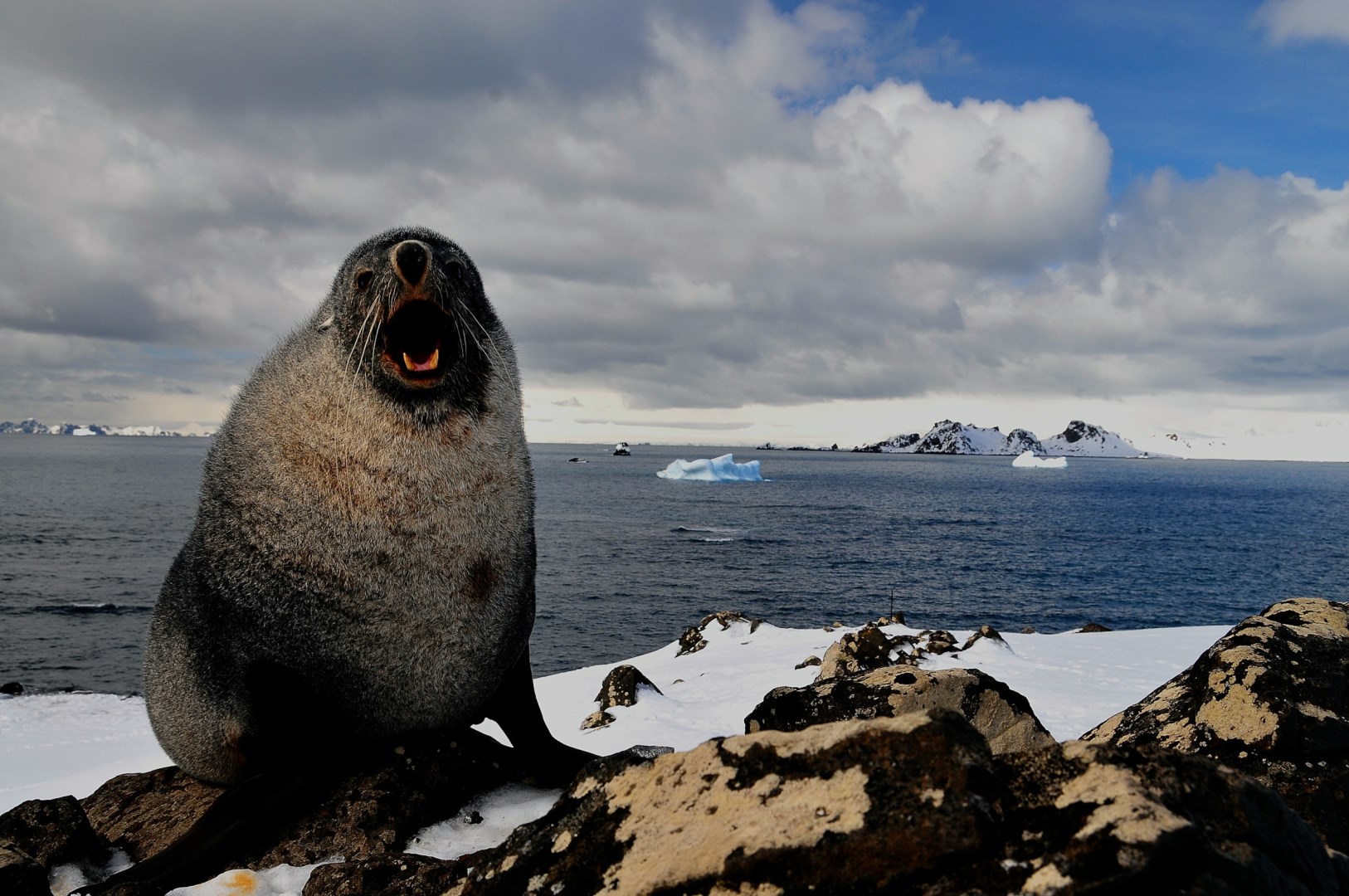
Fur Seals
Photo Credit: Photo by Bob Brewer on Unsplash
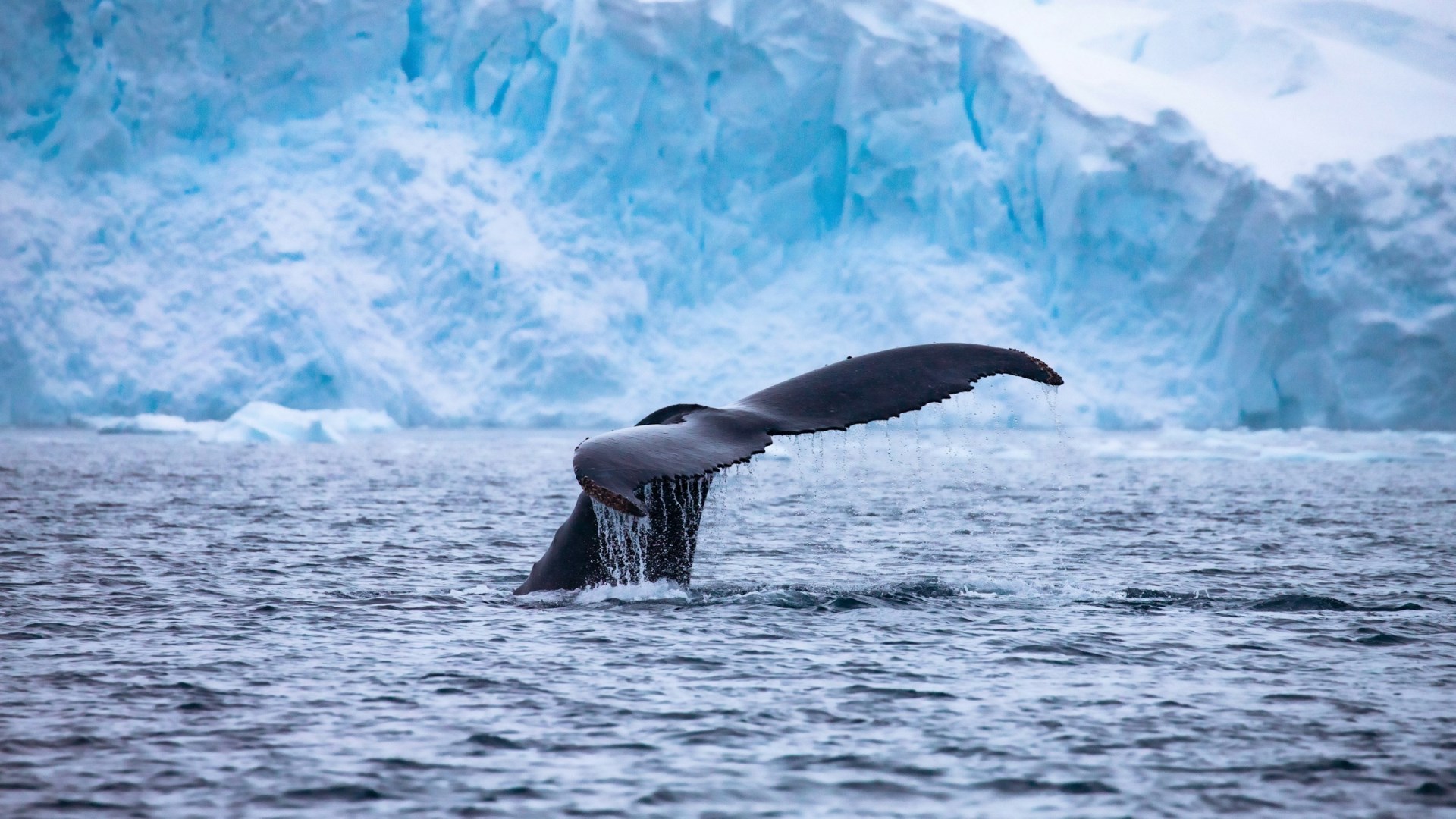
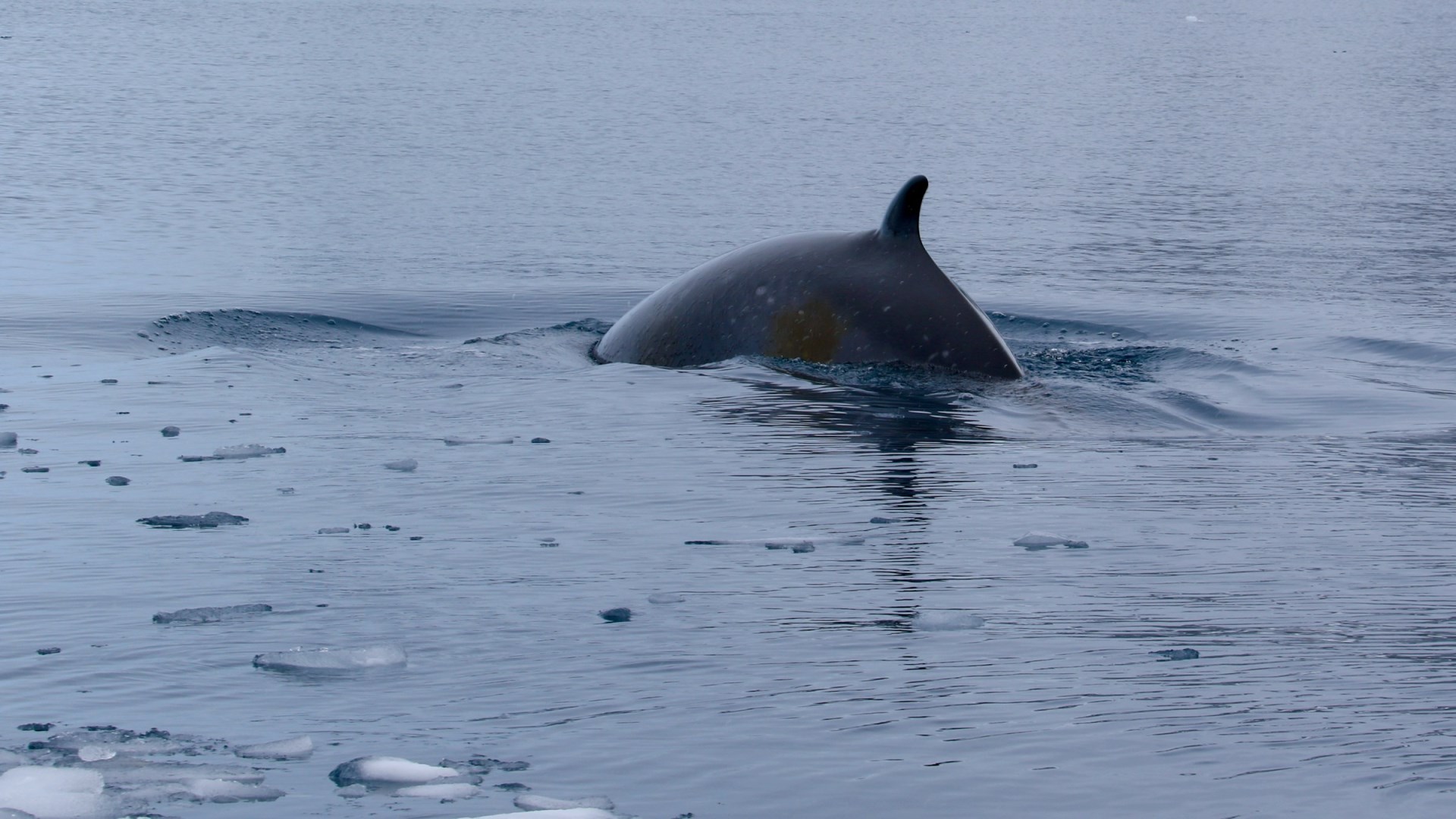
Whale
Photo Credit: Photo by Lee Kelai on Unsplash
Photo Credit: Photo by Angie Corbett-Kuiper on Unsplash
Photo Credit: Photo by Dylan Shaw on Unsplash
Photo Credit: Photo by TC Photography on Unsplash
Photo Credit: Photo by Torsten Dederichs on Unsplash
Neko Harbor
Photo Credit: Photo by 66 north on Unsplash
Photo Credit: Photo by Martin Wettstein on Unsplash
Photo Credit: Photo by TC Photography on Unsplash
Photo Credit: Photo by Torsten Dederichs on Unsplash
Photo Credit: Photo by TC Photography on Unsplash
Photo Credit: Photo by Matthew Stephenson on Unsplash
Photo Credit: Photo by Derek Oyen on Unsplash
Minke Whale
Photo Credit: Photo by Rowan Simpson on Unsplash
Photo Credit: Photo by Cassie Matias on Unsplash
Photo Credit: Photo by Deanna Wong on Unsplash
Photo Credit: Photo by Torsten Dederichs on Unsplash
Photo Credit: Photo by Dylan Shaw on Unsplash
Cape Shirreff, Livingston Island
Photo Credit: Photo by NOAA on Unsplash
Photo Credit: Photo by Francesco Ungaro on Unsplash
Photo Credit: Photo by Matt Palmer on Unsplash
Photo Credit: Photo by James Eades on Unsplash
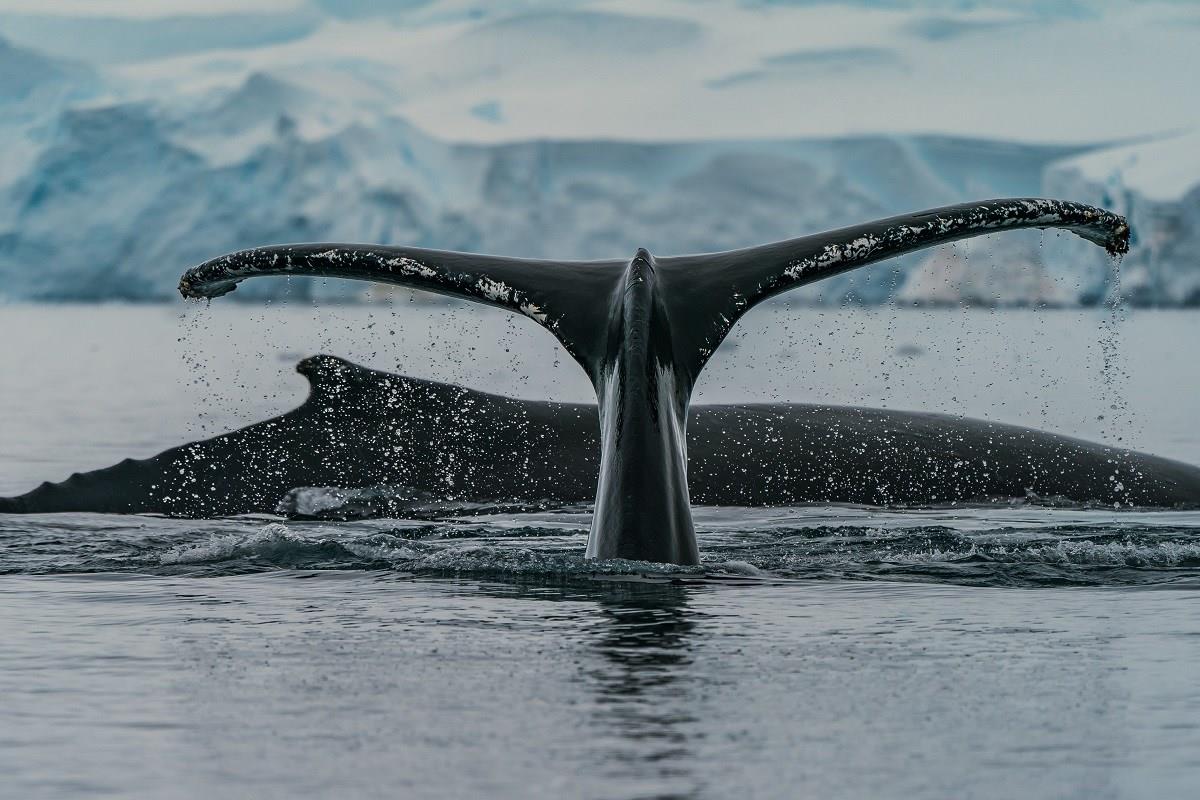
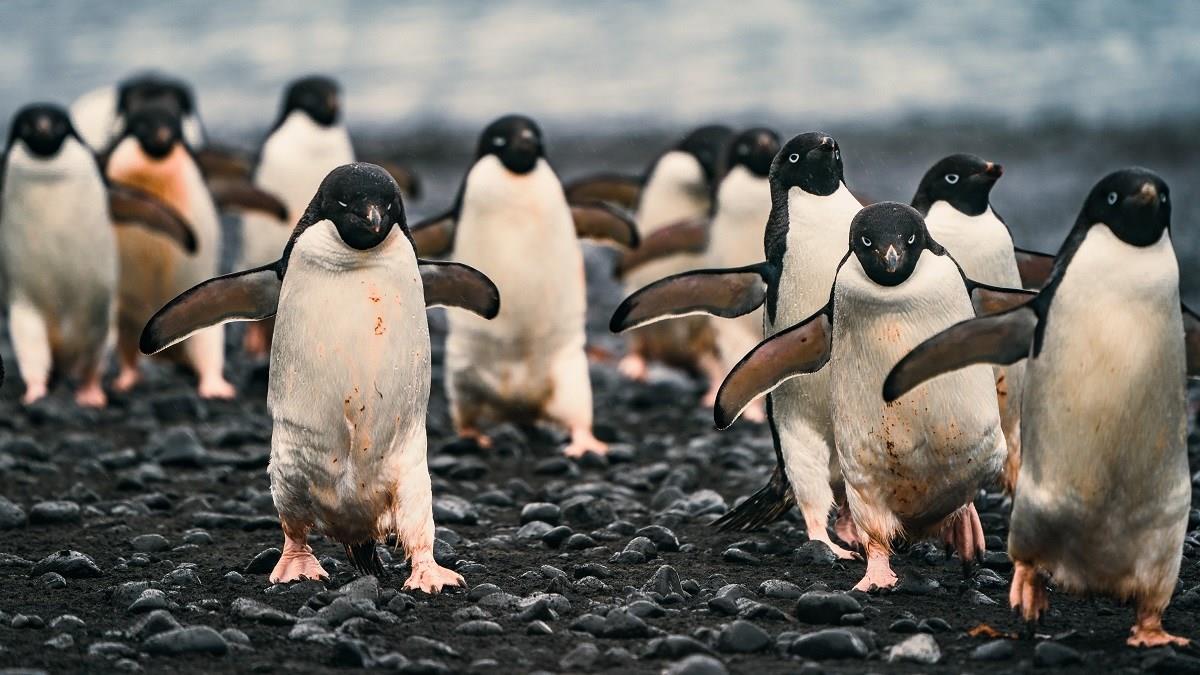
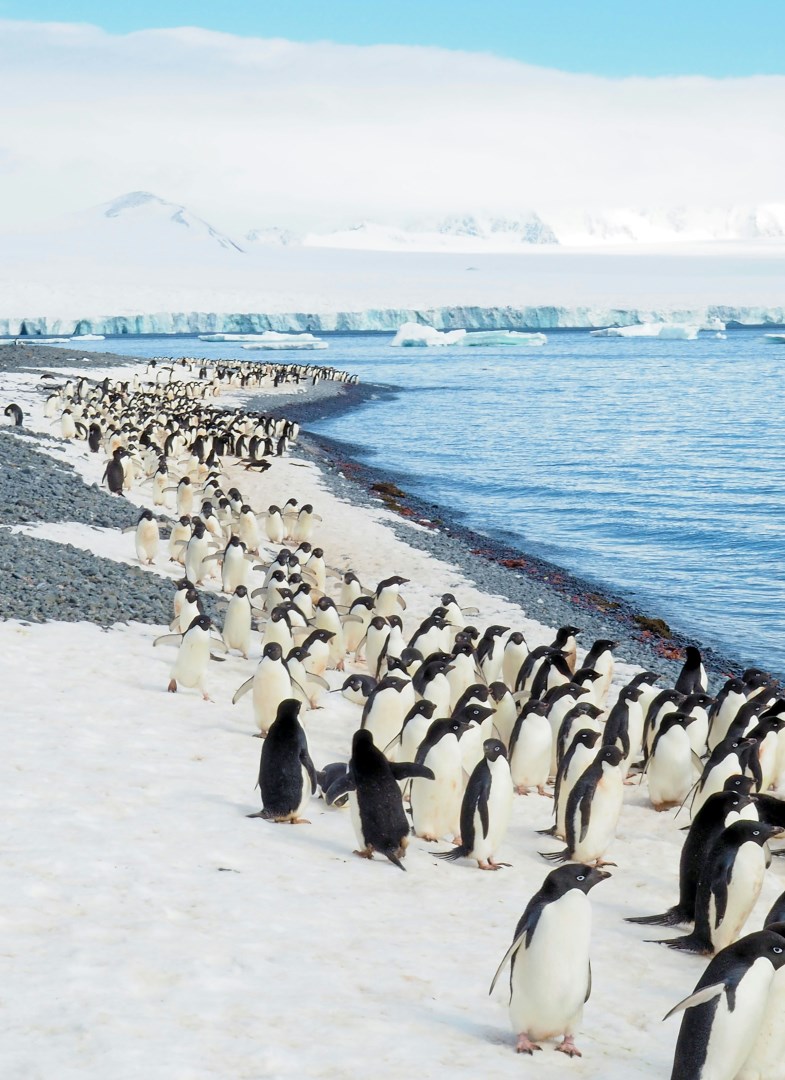
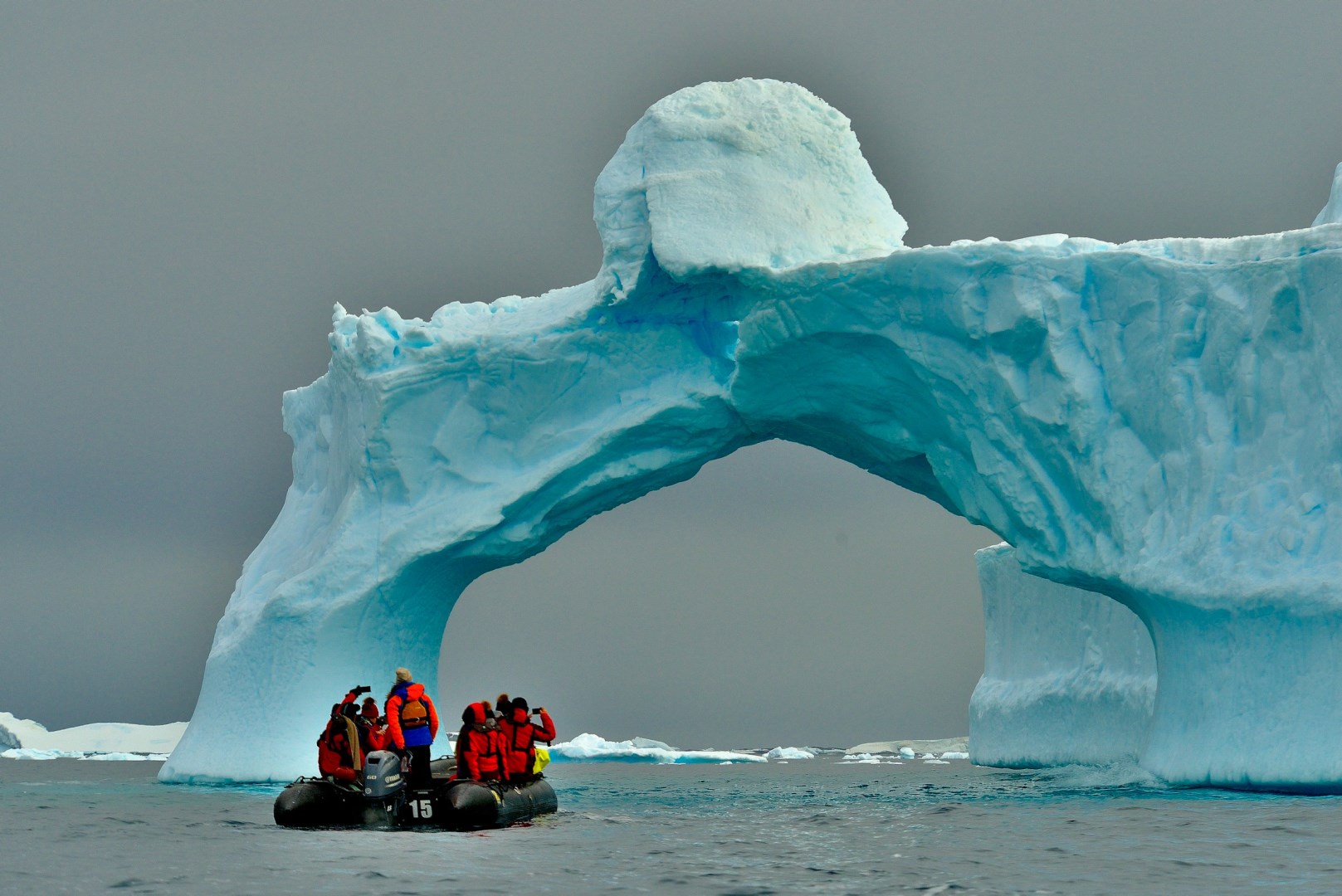
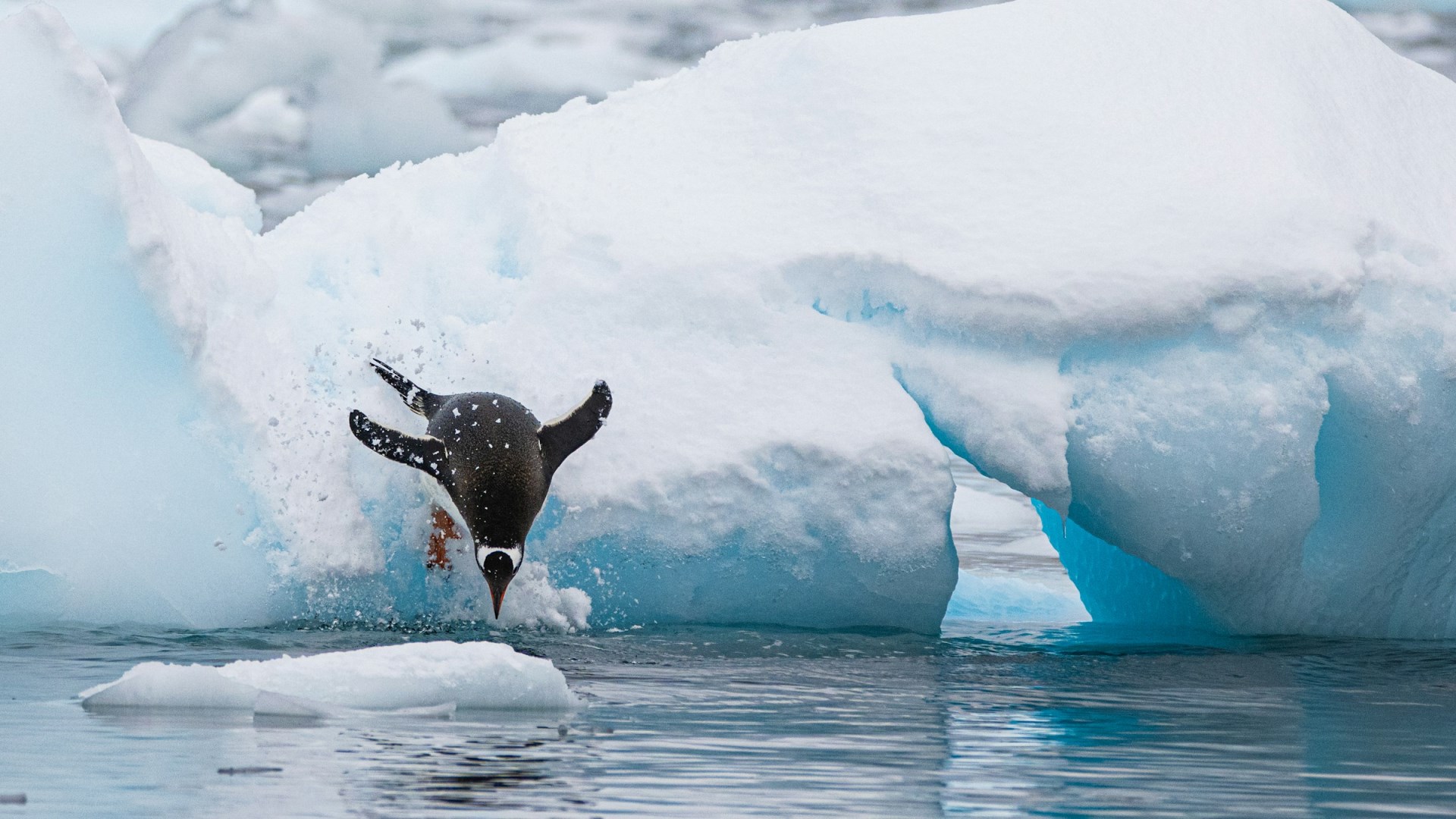
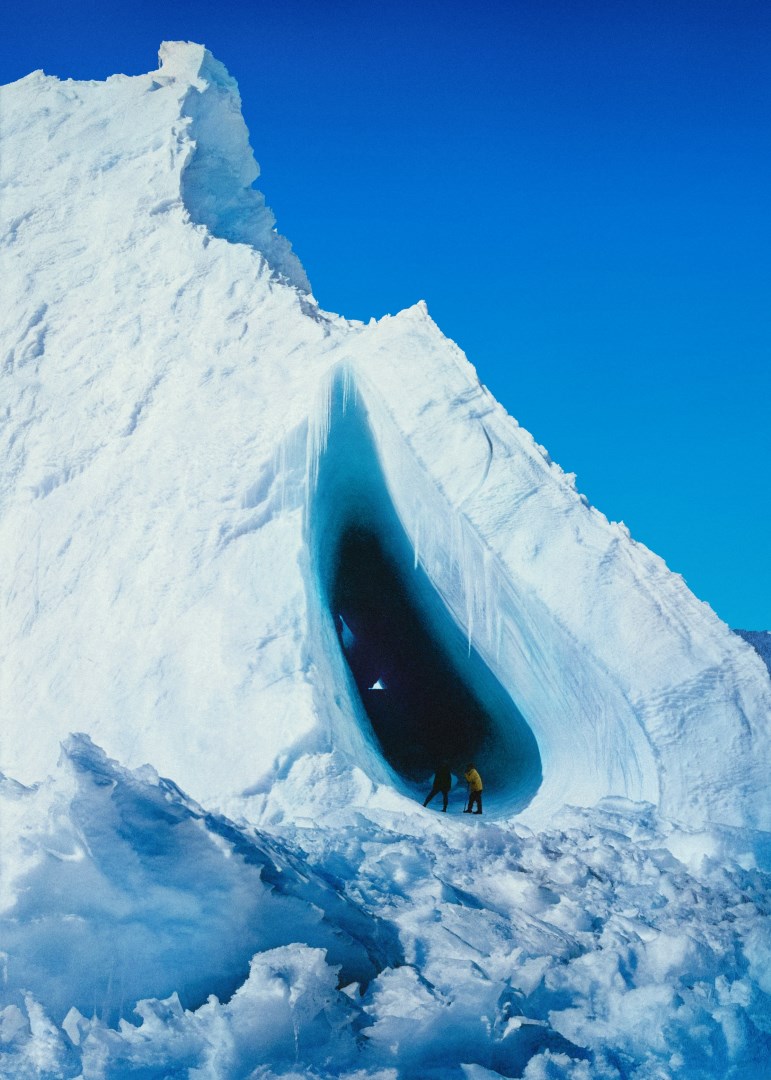
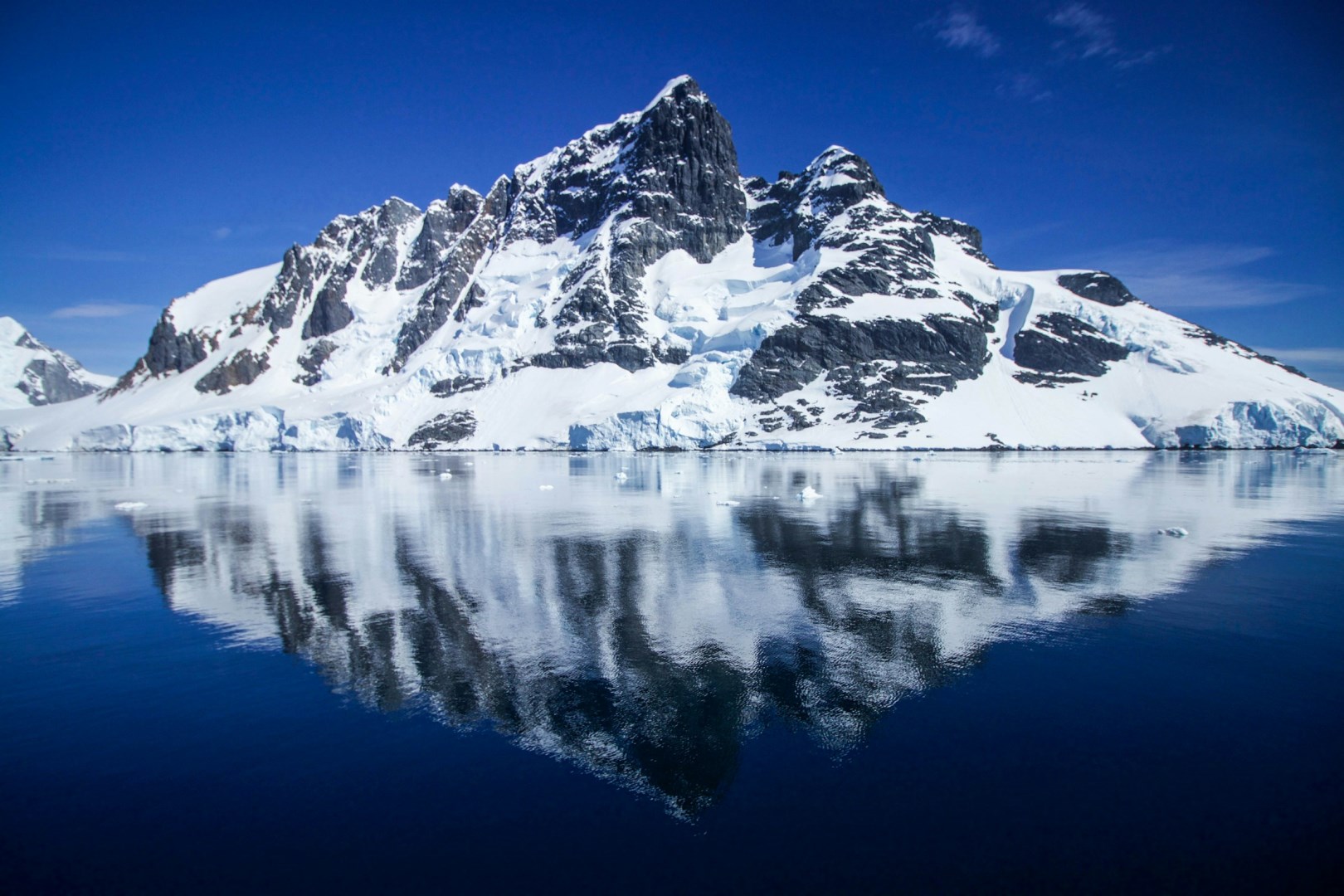
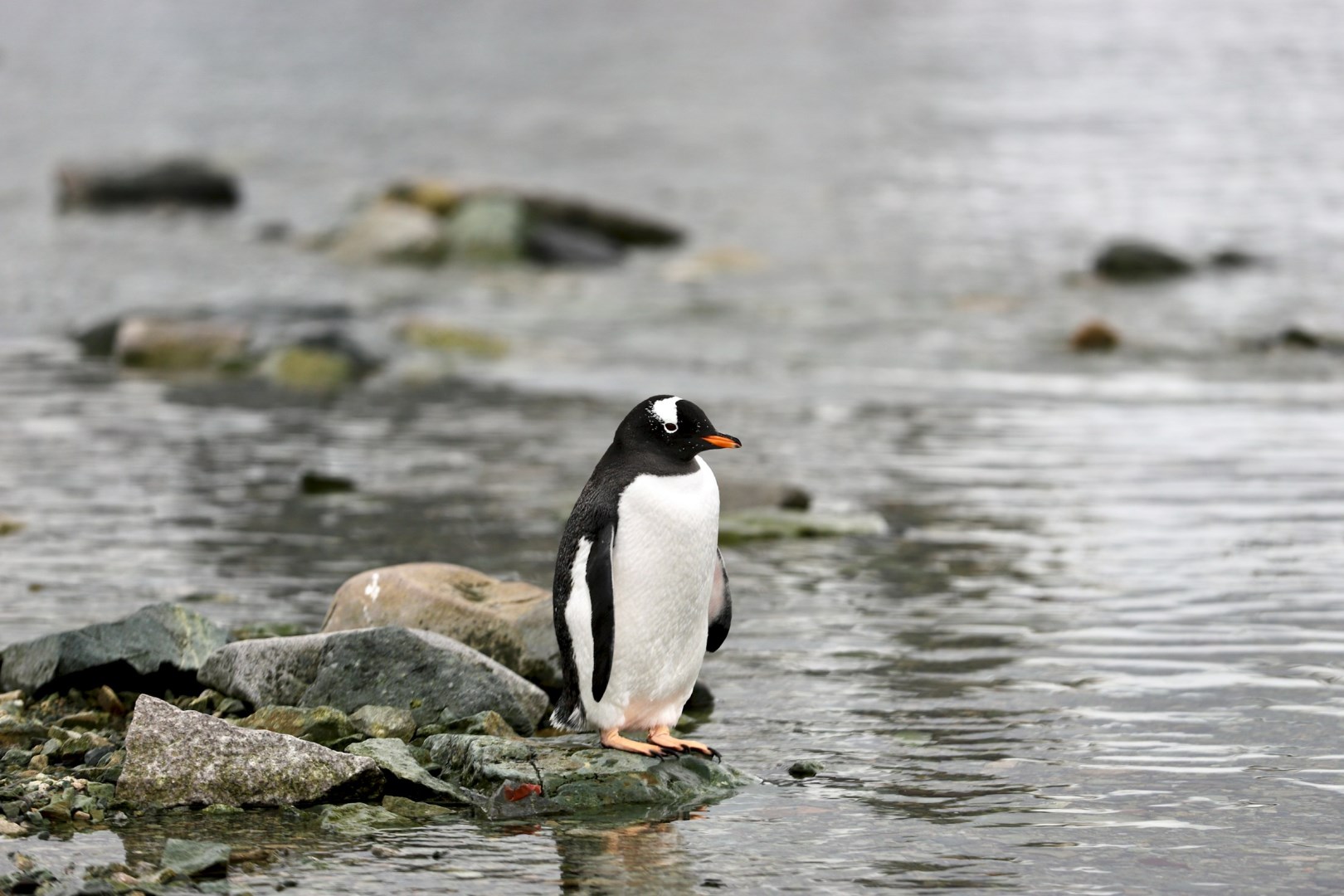
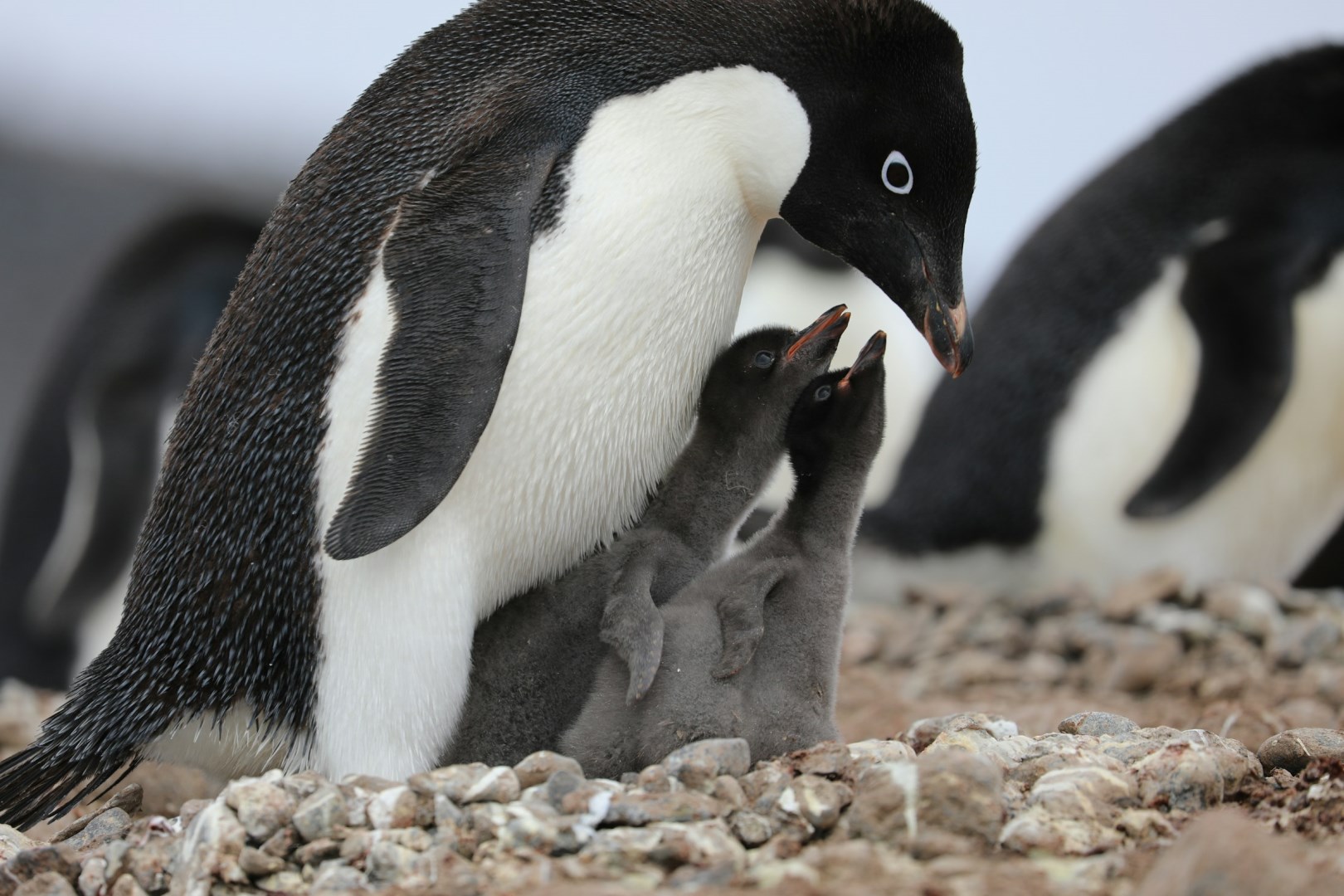
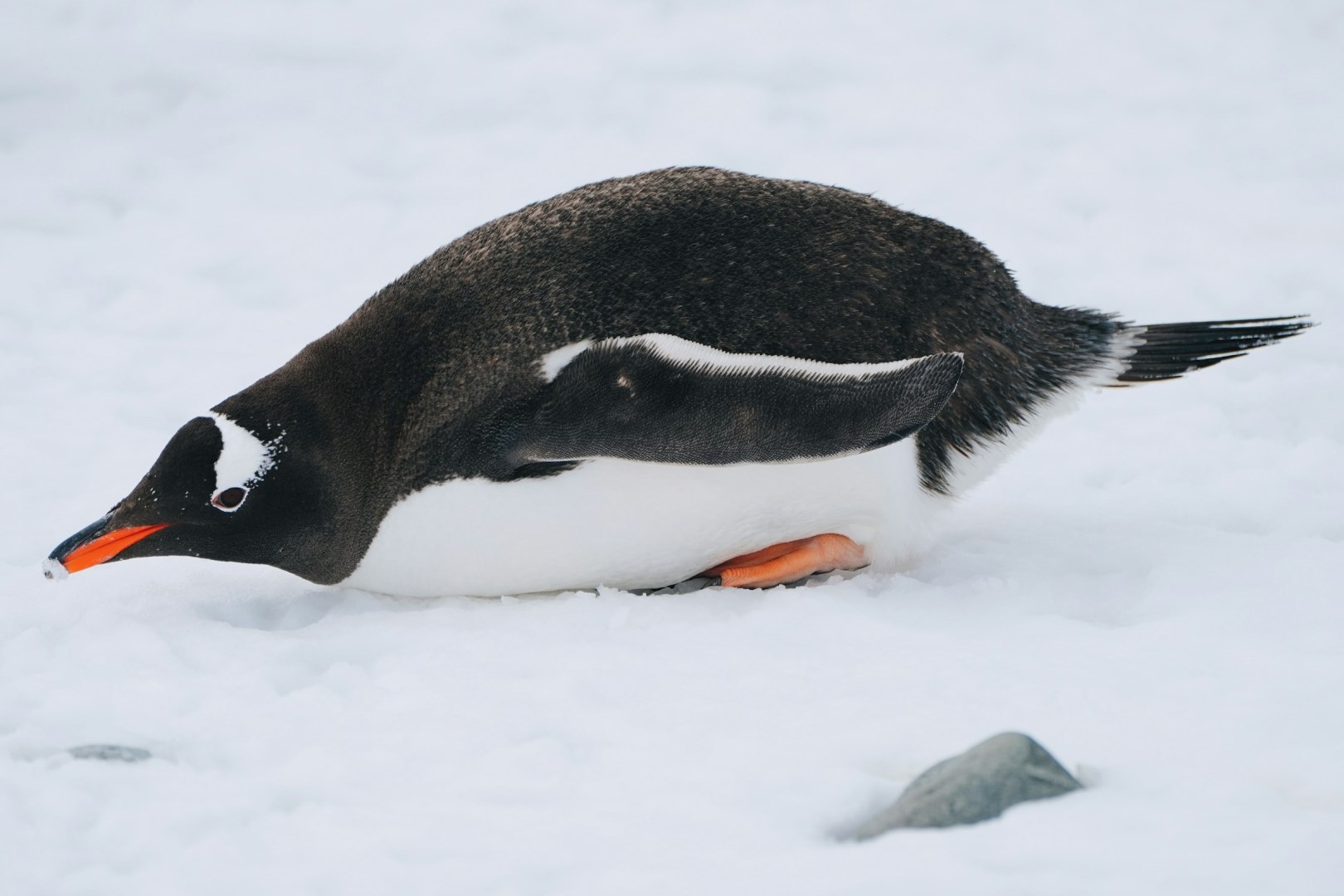
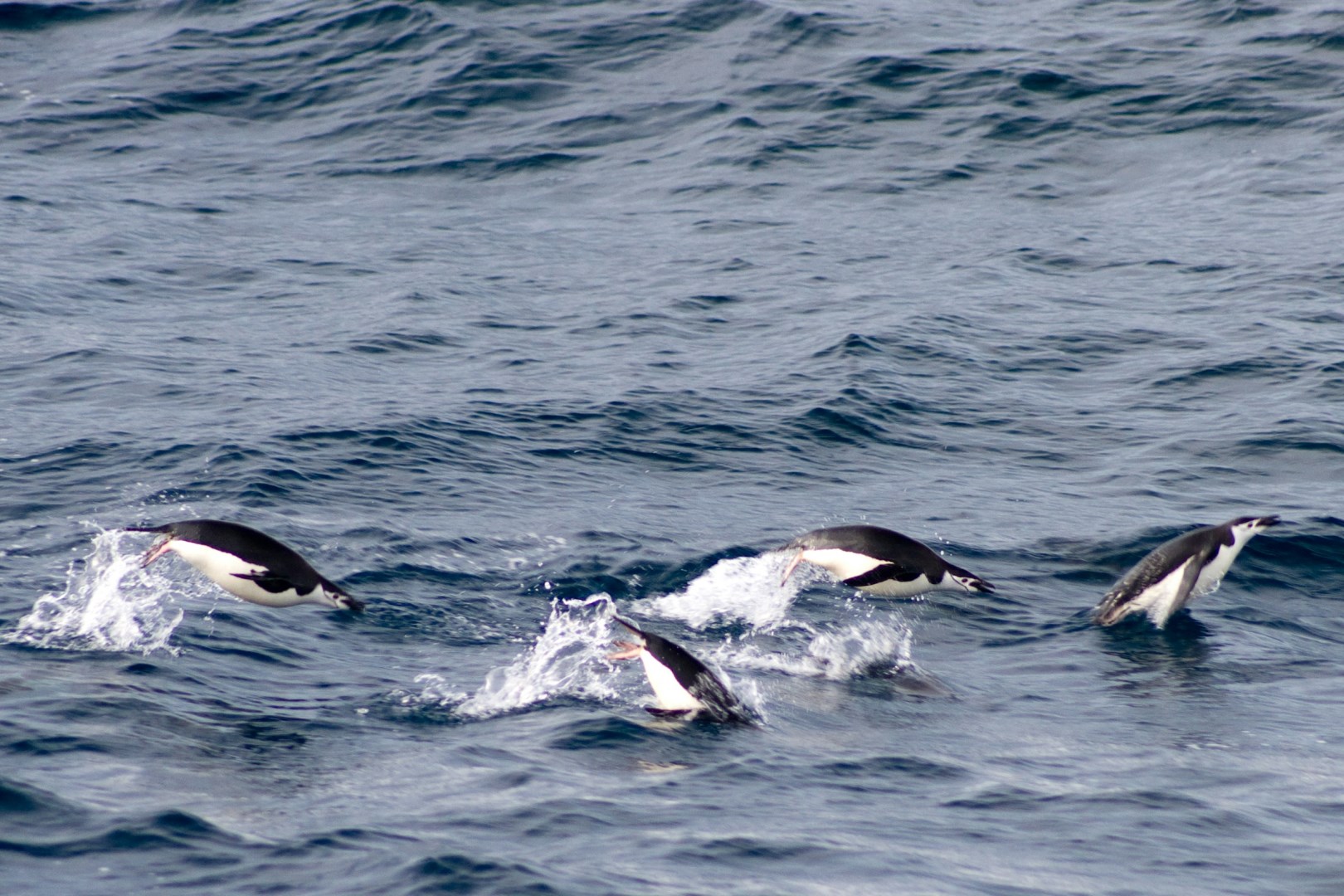
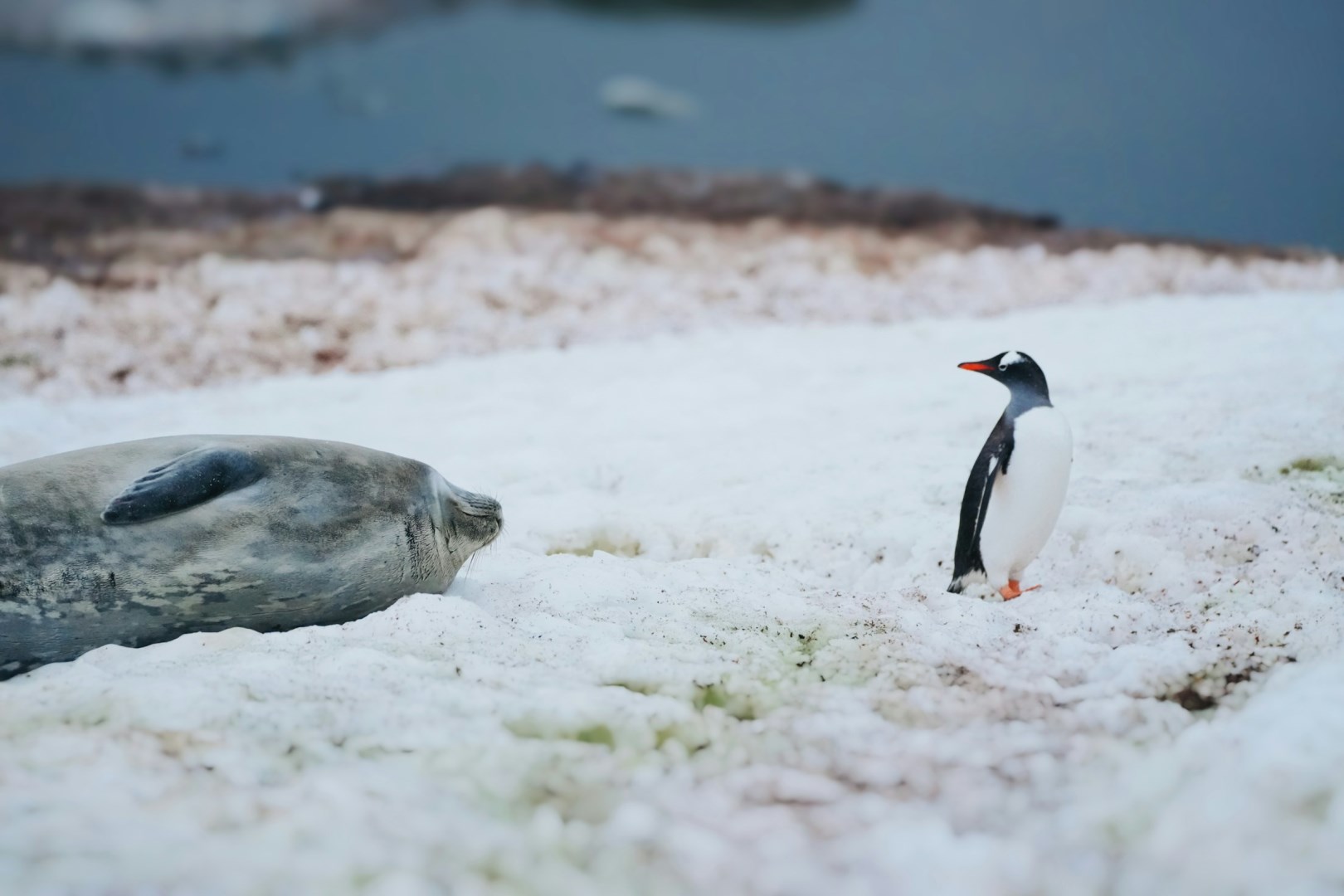
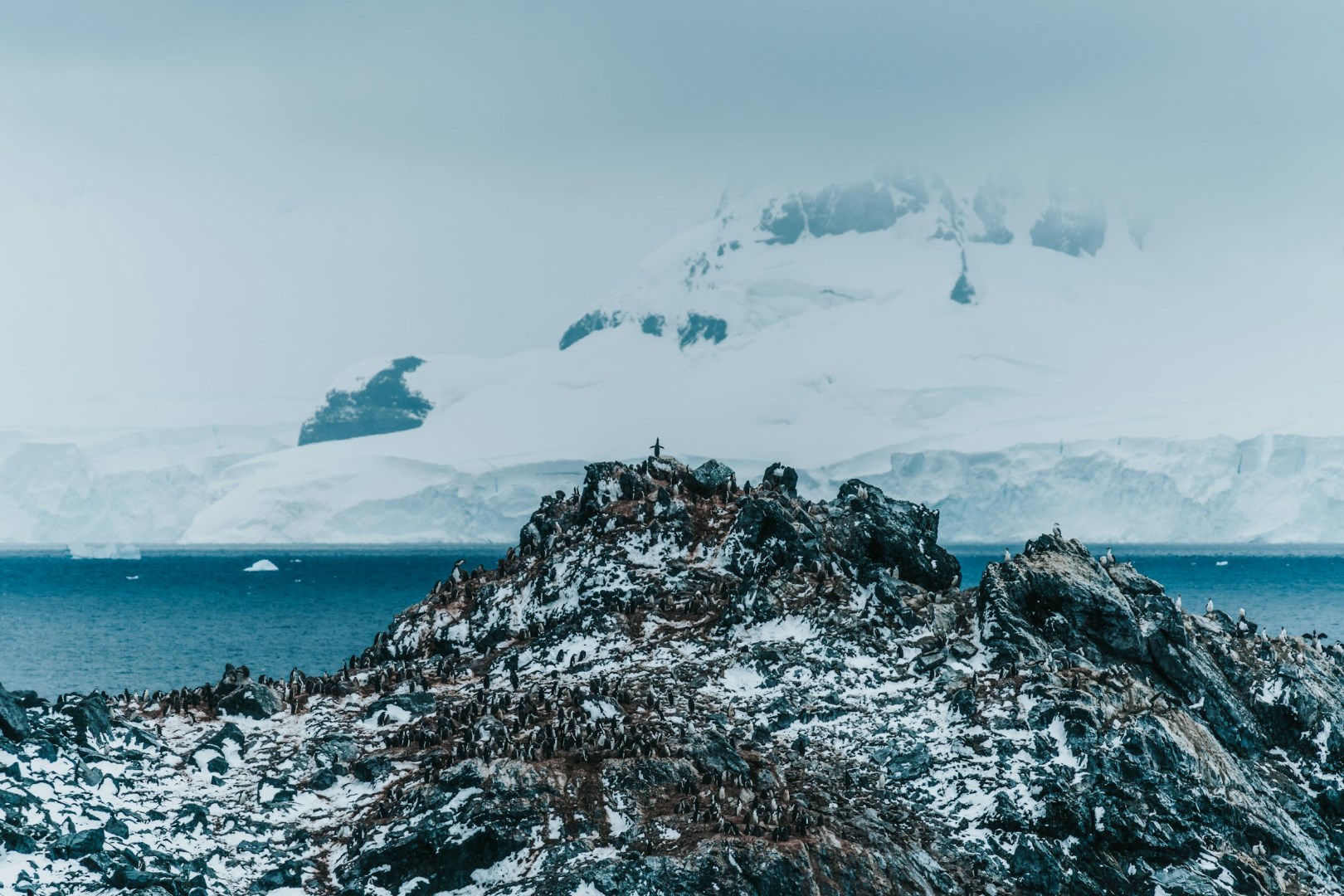
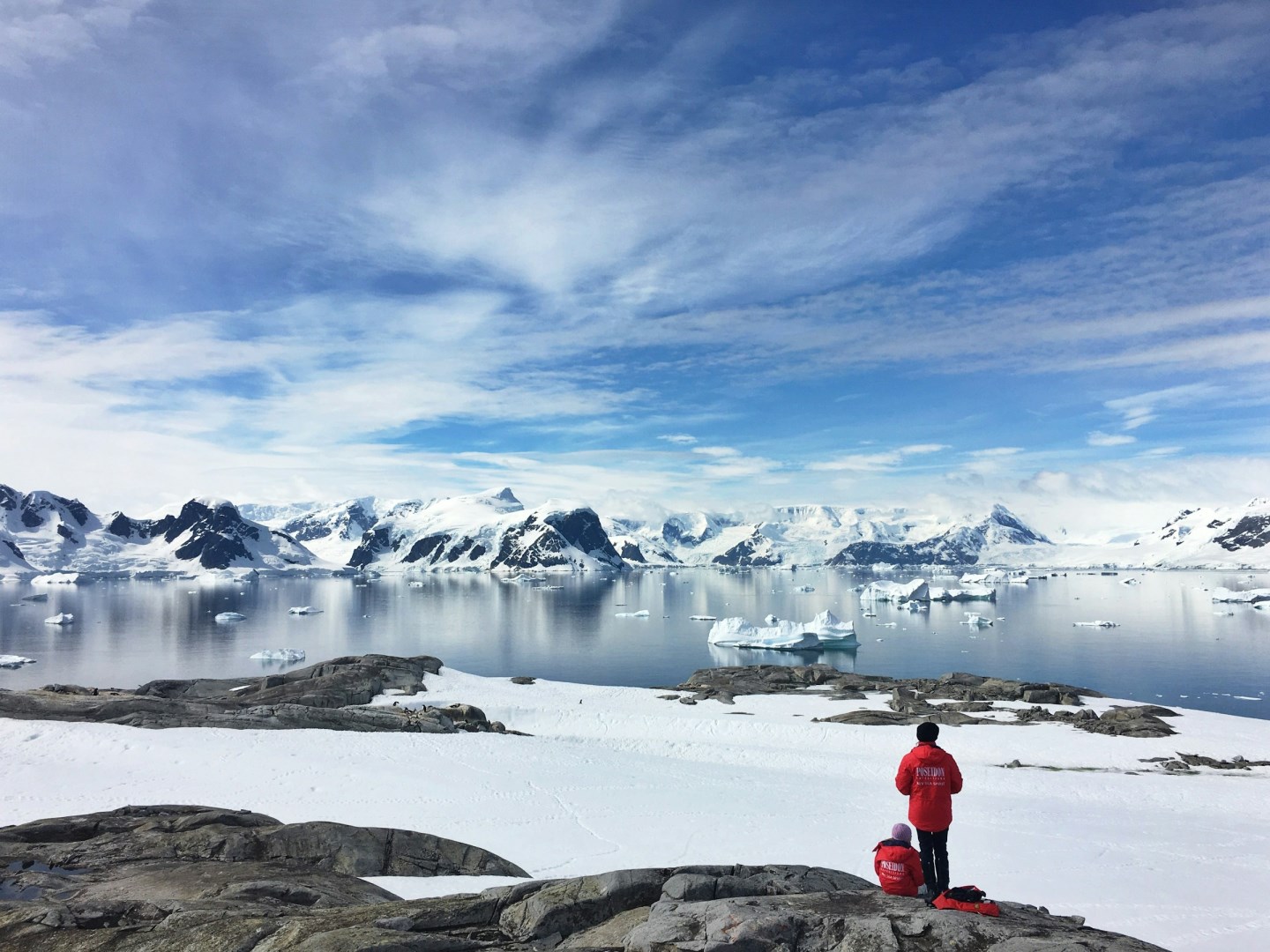
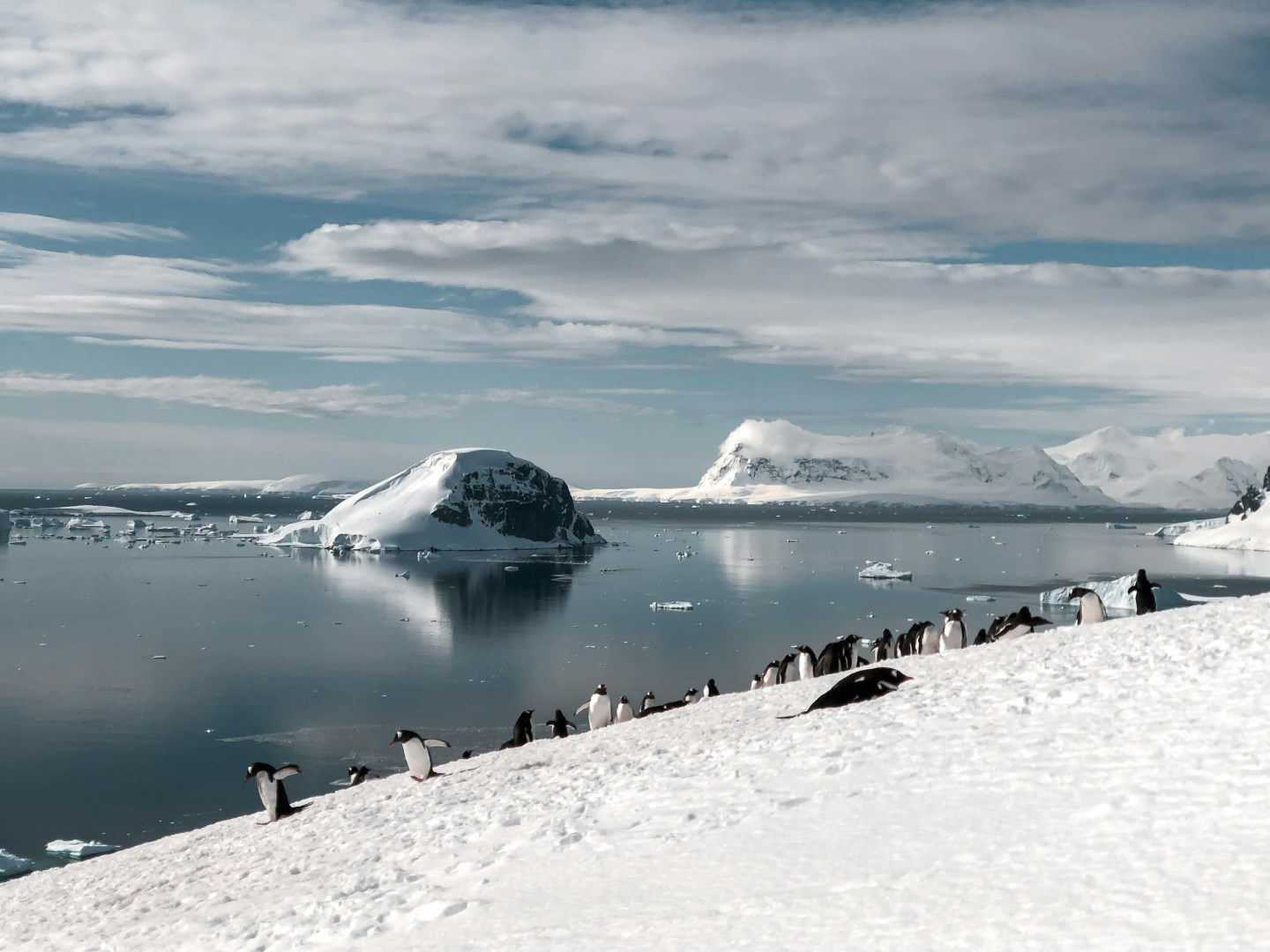
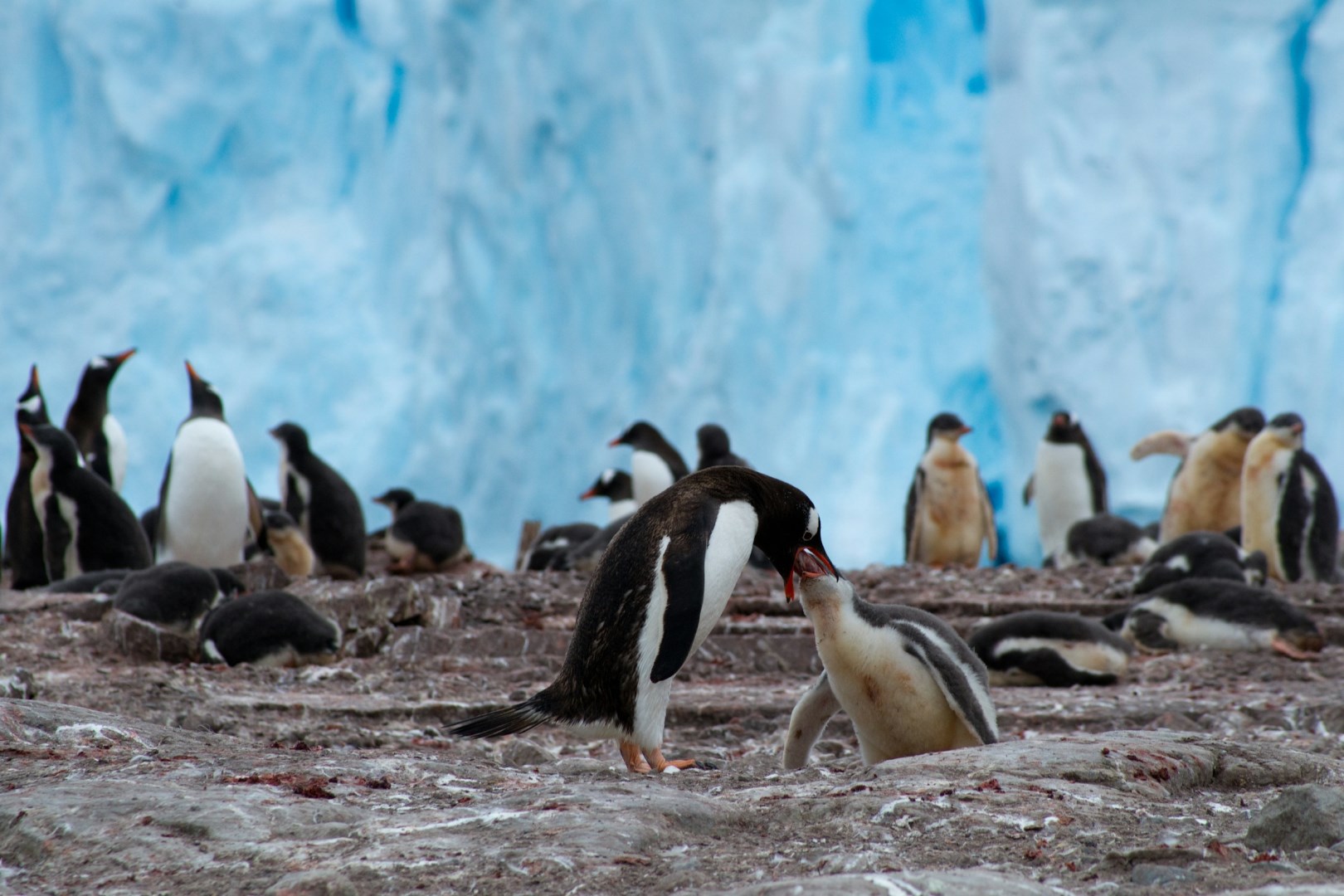
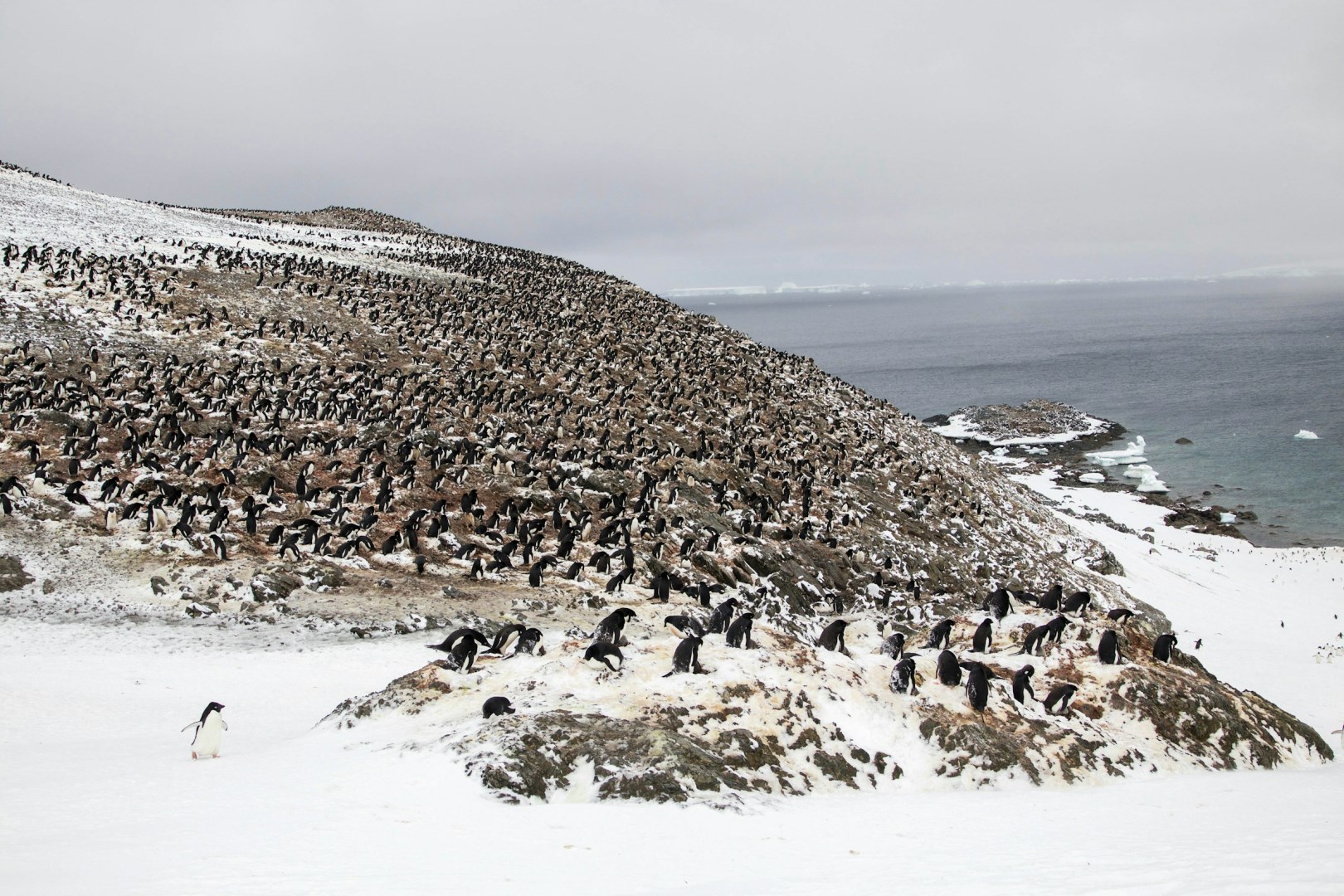
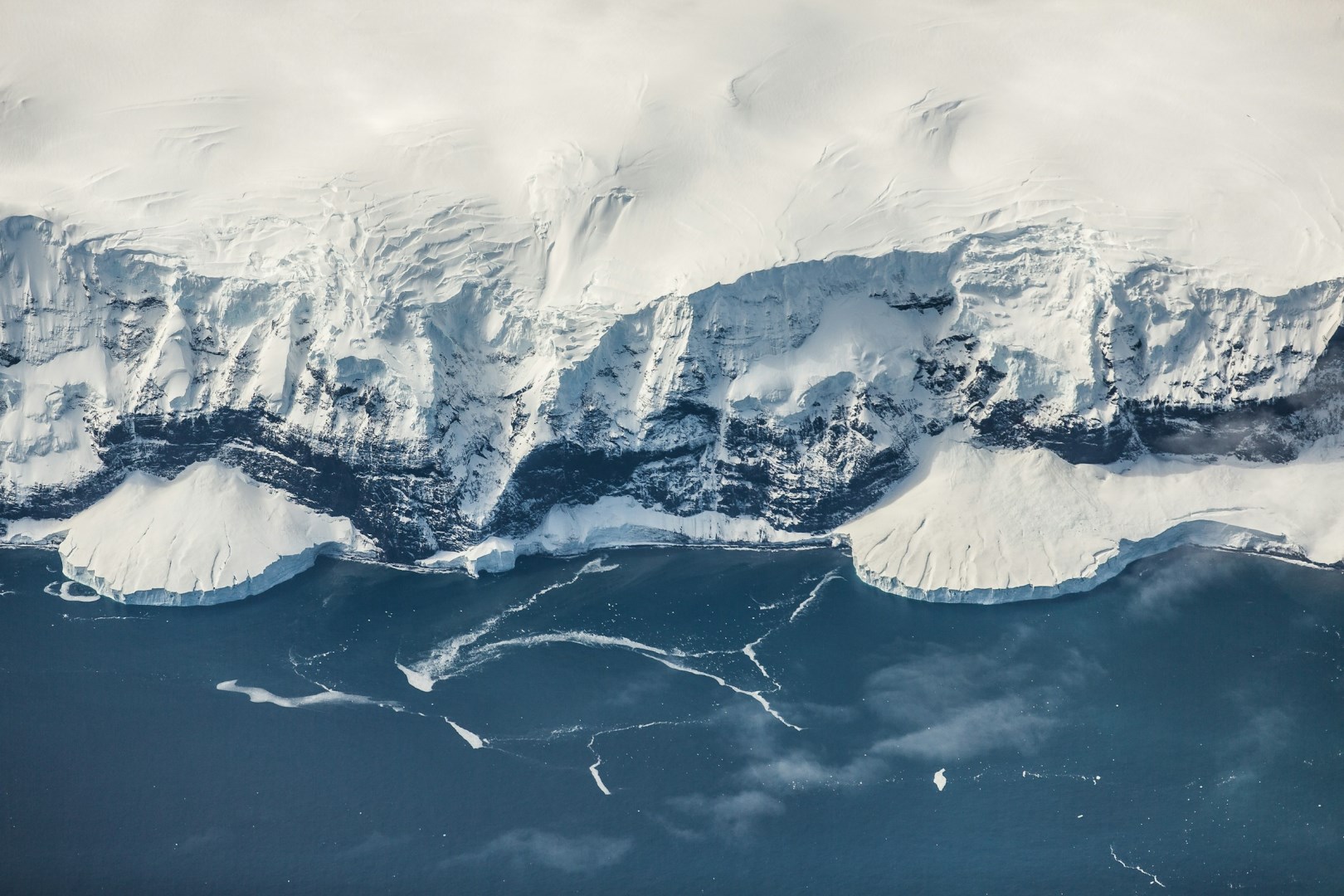
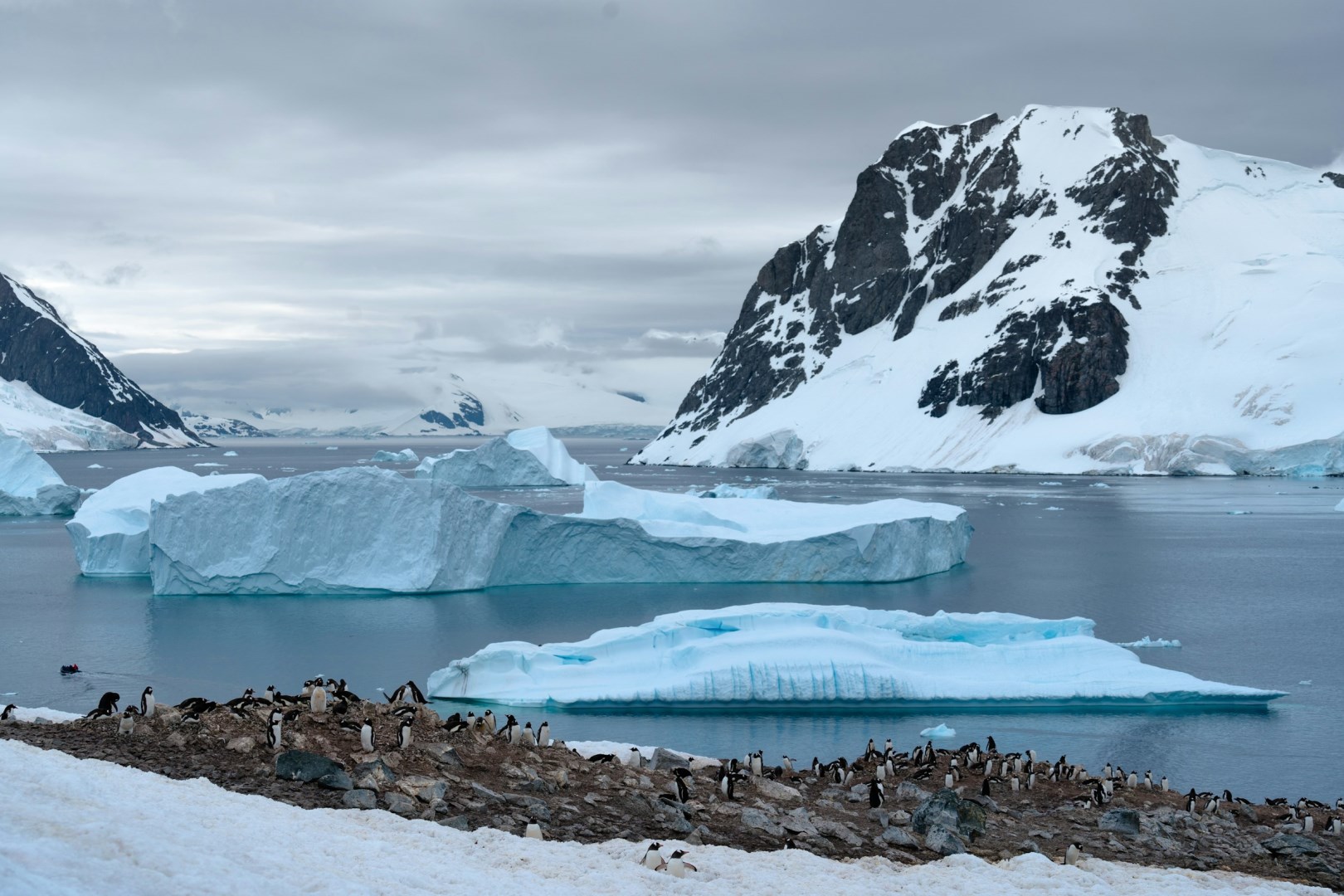
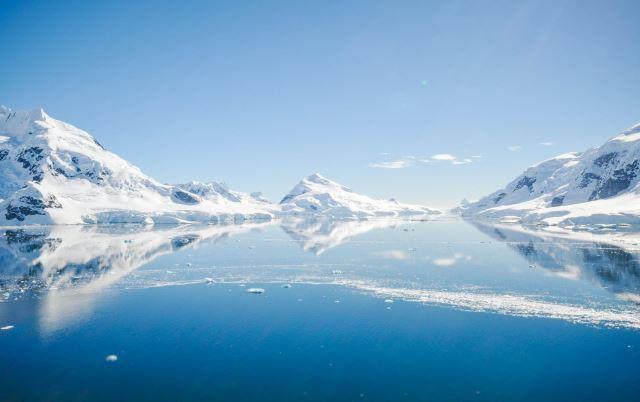
No place on Earth quite compares to Antarctica, this stunning and vast continent is cold and windy, containing 90% of the ice in the world. Those who brave a visit here are rewarded with beautiful glaciers that must be seen to be believed, and a vast array of wildlife such as whales, penguins, Arctic foxes and seals. Antarctica is the only permanent landing area for the Emperor Penguins. Many of the historic explorer huts remain on the island for visitors to see.
Other Popular Destinations in Antarctica
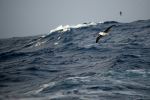
Drake Passage
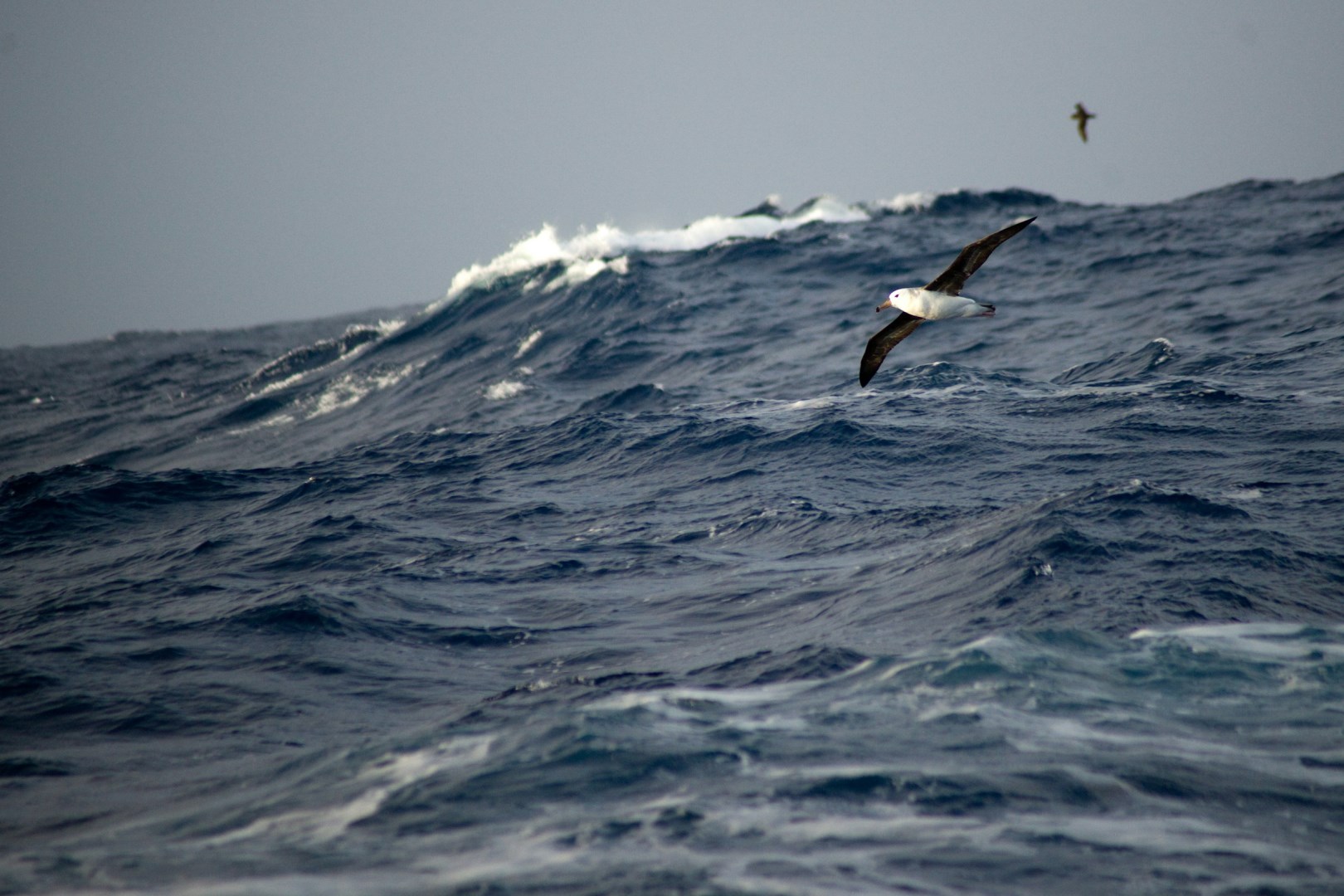
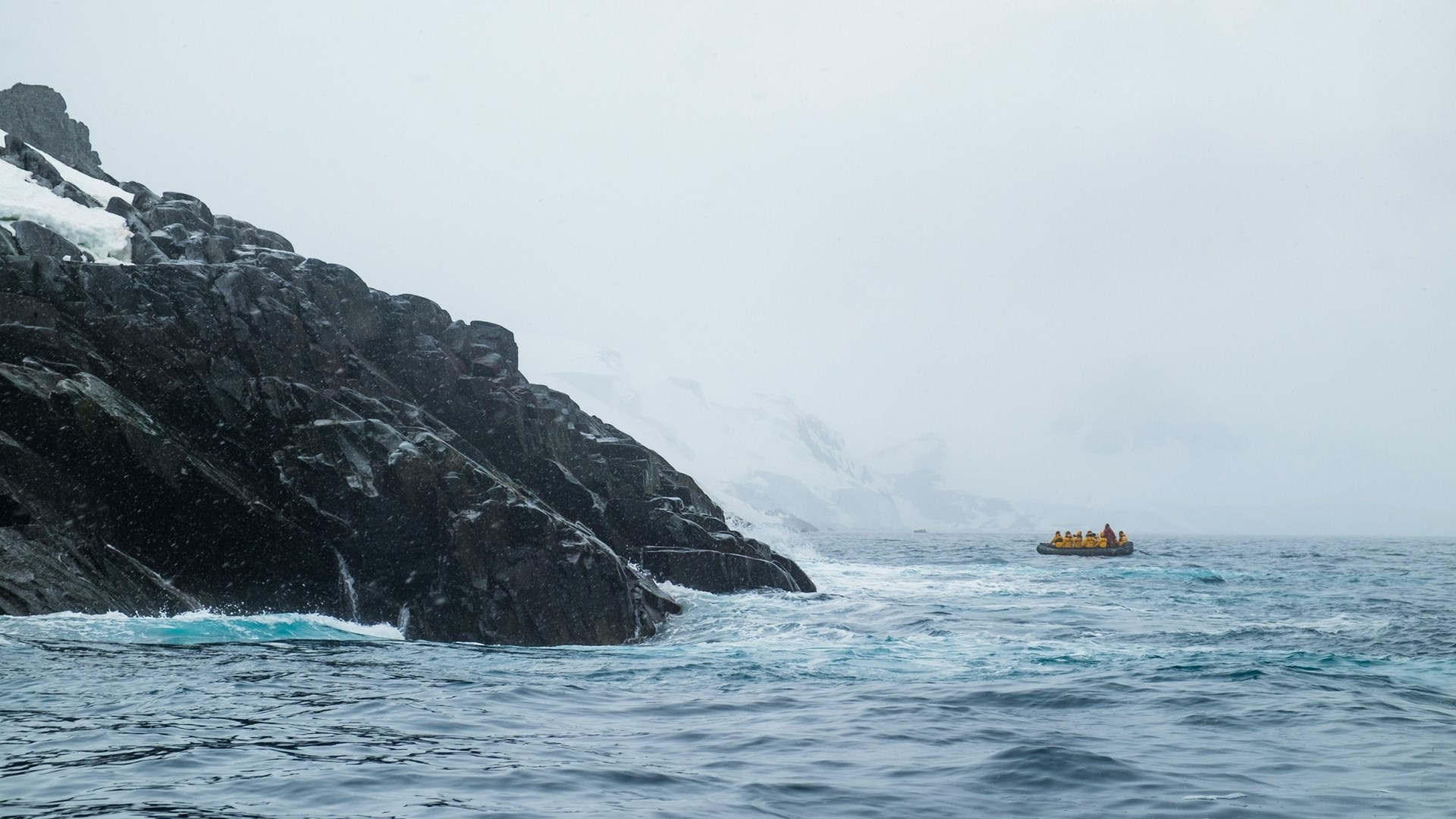
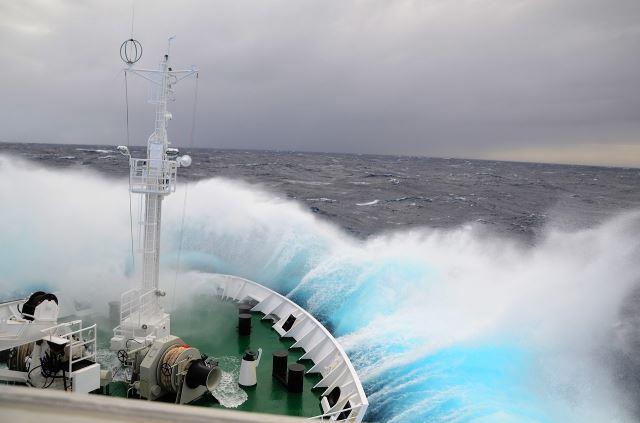
Drake Passage is a stretch of ocean between Cape Horn at the southern tip of South America and the South Shetland Islands near Antarctica. It connects the Atlantic and Pacific Oceans and is widely known for rough seas, powerful currents, and rapidly changing weather.
South Shetland Islands
Mist, research stations, and penguins are just a few of the things that define the South Shetland Islands, an archipelago off the coast of Antarctica. These 11 Antarctic islands, most notably King George Island, have served as a base for researchers from Chile, Argentina, and a variety of other countries. The archipelago has also become a popular cruise destination for tourists to the Antarctic region.