Manaus
Manaus, capital of Brazil’s Amazonas state, is a city that rises unexpectedly from the rainforest. Once the center of the global rubber boom in the late 1800s, Manaus still holds onto that legacy with surprising elegance. The Teatro Amazonas, an opulent opera house imported piece by piece from Europe, sits at the heart of the city, its pink façade and domed roof tiled in the colors of the Brazilian flag. Today, it hosts concerts, festivals, and curious visitors eager to step back in time.
Blaye
Blaye is a small town on the Gironde estuary in southwestern France, north of Bordeaux, known for its riverside setting, historic citadel, and connection with the vineyards of northern Gironde. The town rises gently from the estuary, with the fortified Citadel of Blaye occupying a prominent position above the water. Its old streets contain stone houses, cafés, and shops, while the waterfront provides views across the broad estuary toward the Médoc peninsula.
Angers
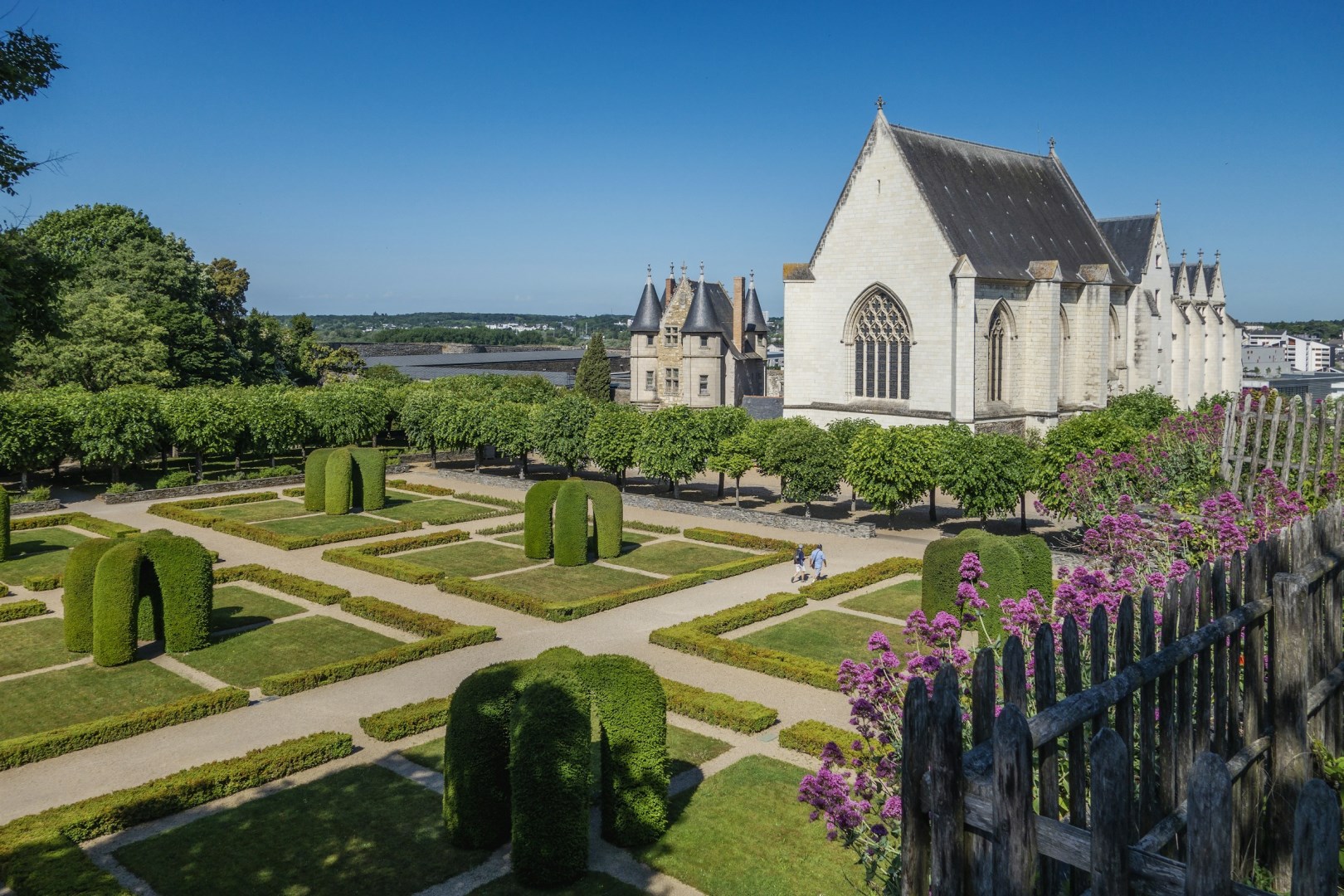
Angers is a city in western France, situated along the Maine River in the Loire Valley and surrounded by the vineyards and countryside of Anjou. Its historic centre combines medieval streets, elegant townhouses, and gardens with a lively university and cultural scene. The Château d'Angers is the city's defining landmark, with massive slate-coloured defensive walls overlooking the river and historic districts.
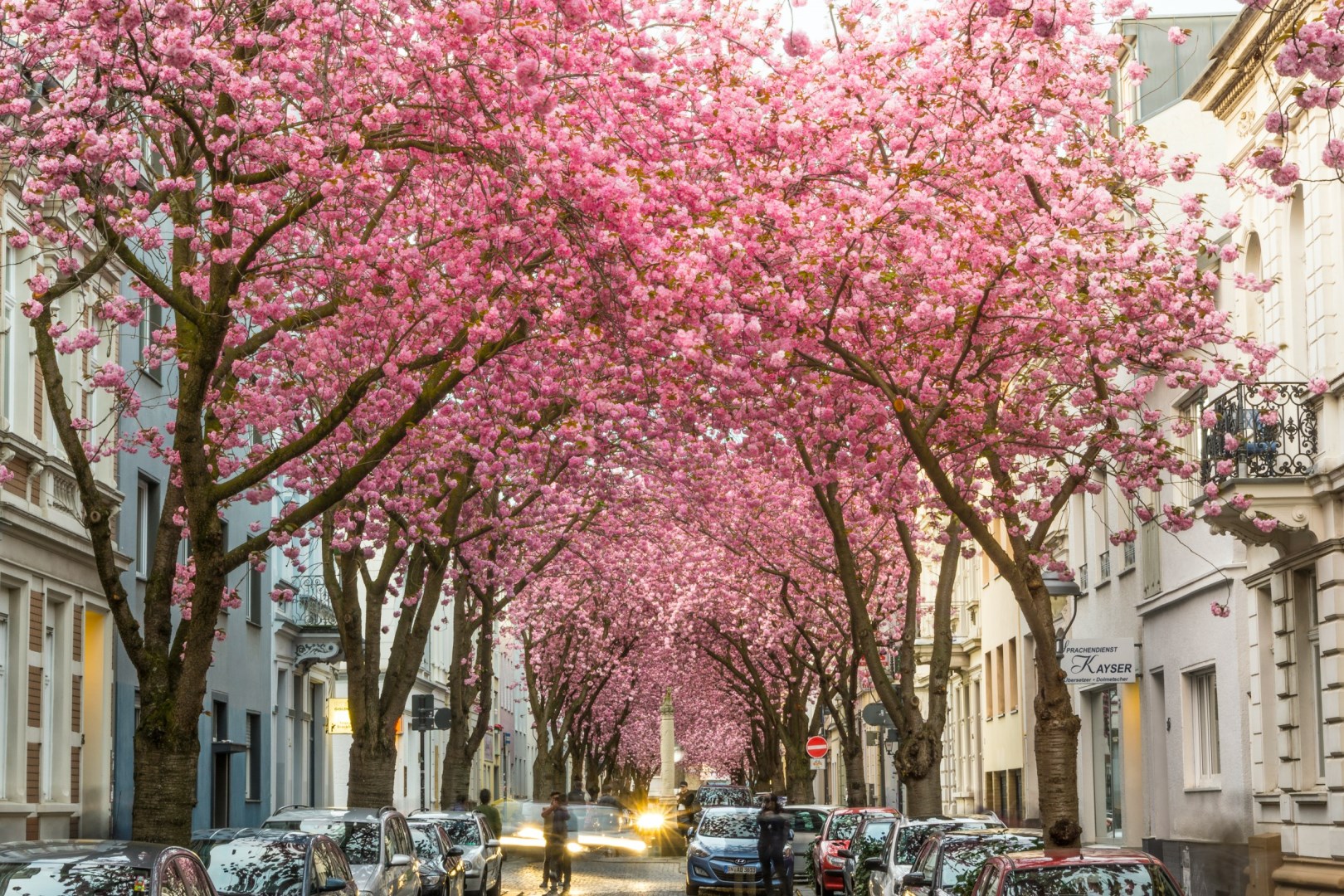
Bonn
Two thousand years have left their mark in Bonn, tracing its development from a Roman camp into the settlement known as "Villa Basilica," and on through the Baroque era's Electoral Palace, which today houses the University.
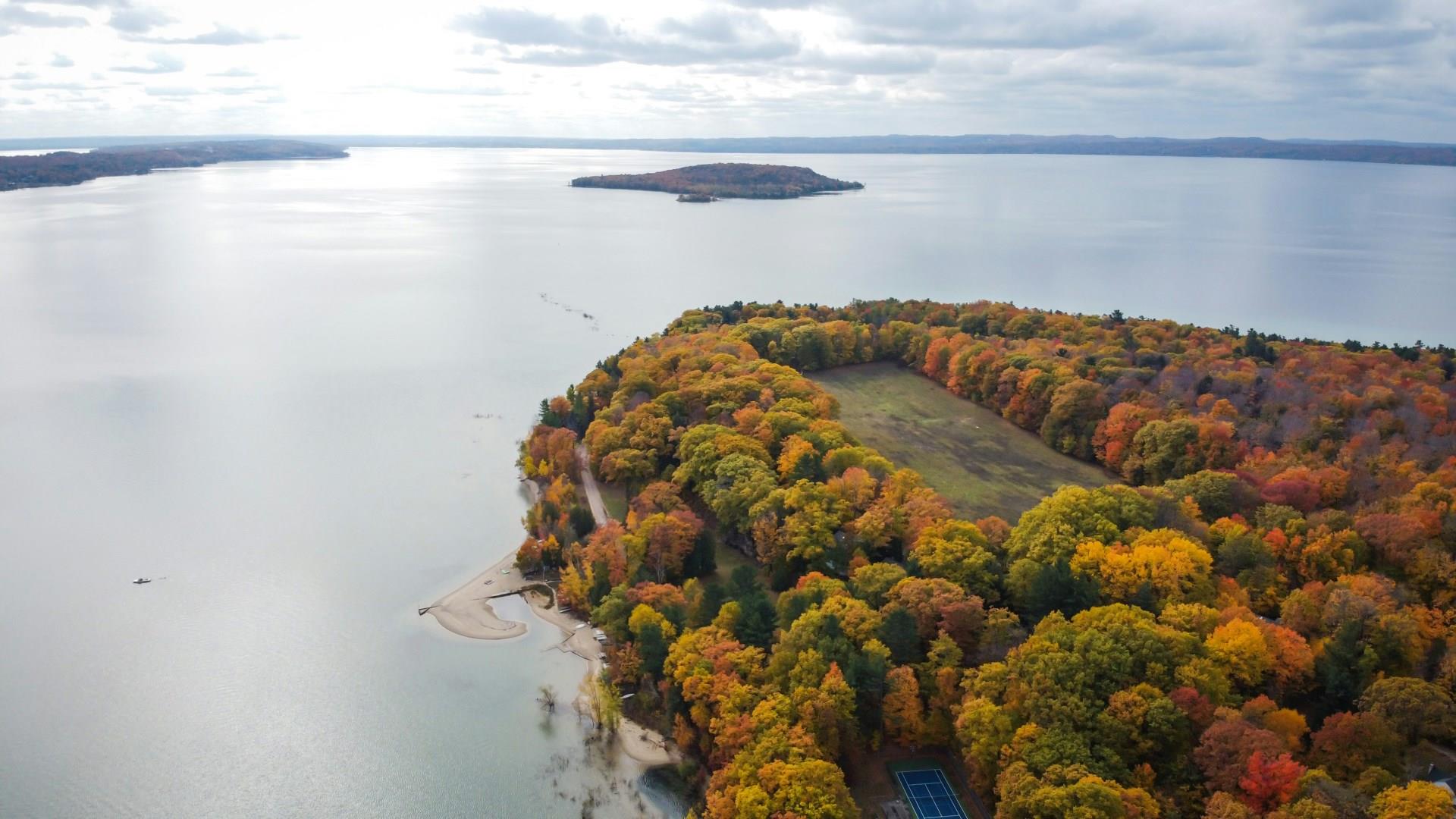
Traverse City
Traverse City offers a delightful blend of natural beauty and vibrant culture. Nestled on the shores of Lake Michigan's Grand Traverse Bay, this charming city is renowned for its stunning waterfront views and picturesque landscapes. The region's pristine beaches, such as Clinch Park, provide an ideal setting for relaxing under the sun or engaging in water sports.