Bazaruto Archipelago
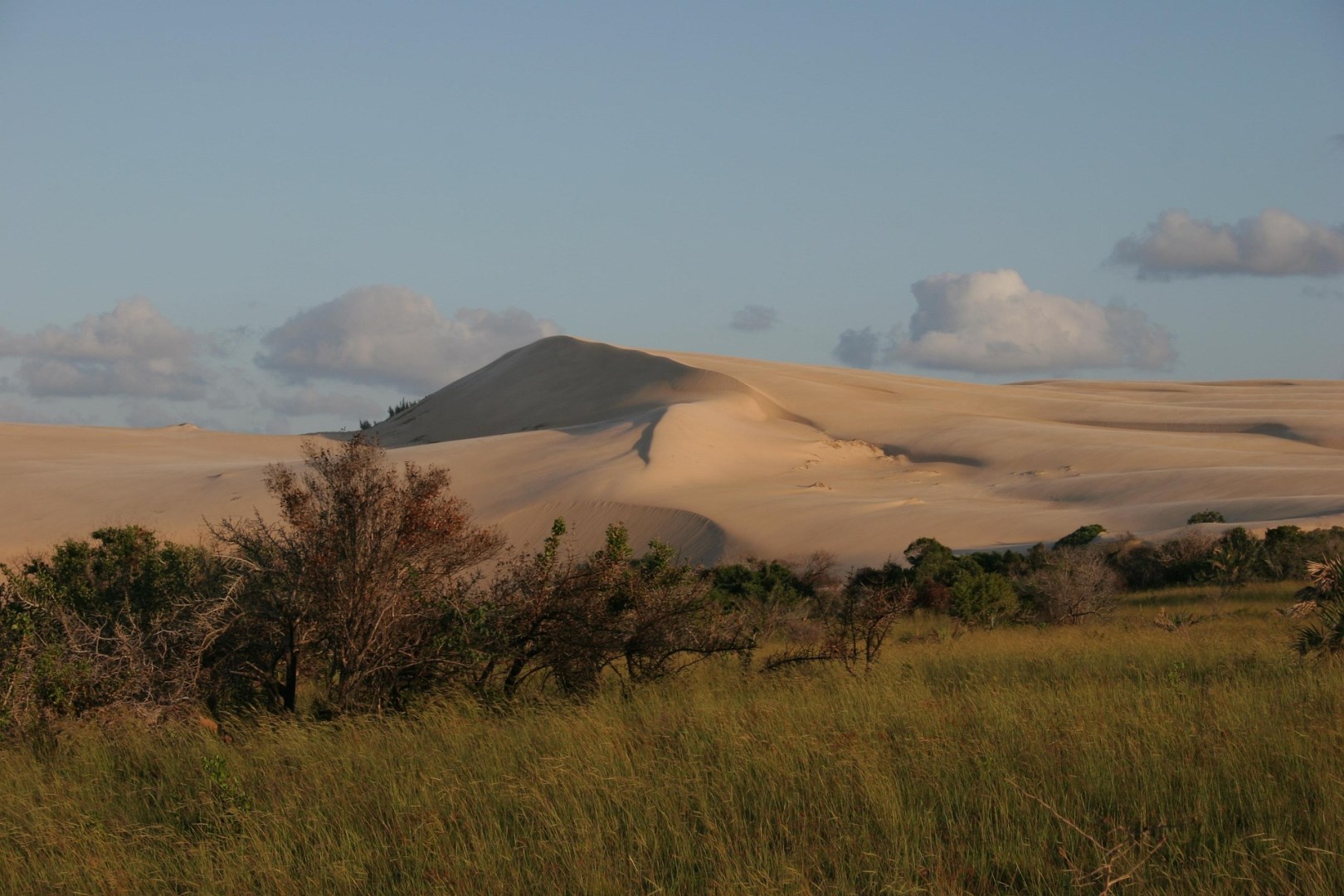
The islands have long been connected to coastal communities whose livelihoods include fishing and small-scale trade. Traditional dhow boats remain part of the maritime landscape, linking island and mainland communities across the archipelago. Local culture reflects the wider coastal heritage of Inhambane Province, where African, Swahili, and Indian Ocean influences have shaped food, language, music, and commerce.
Palm Beach
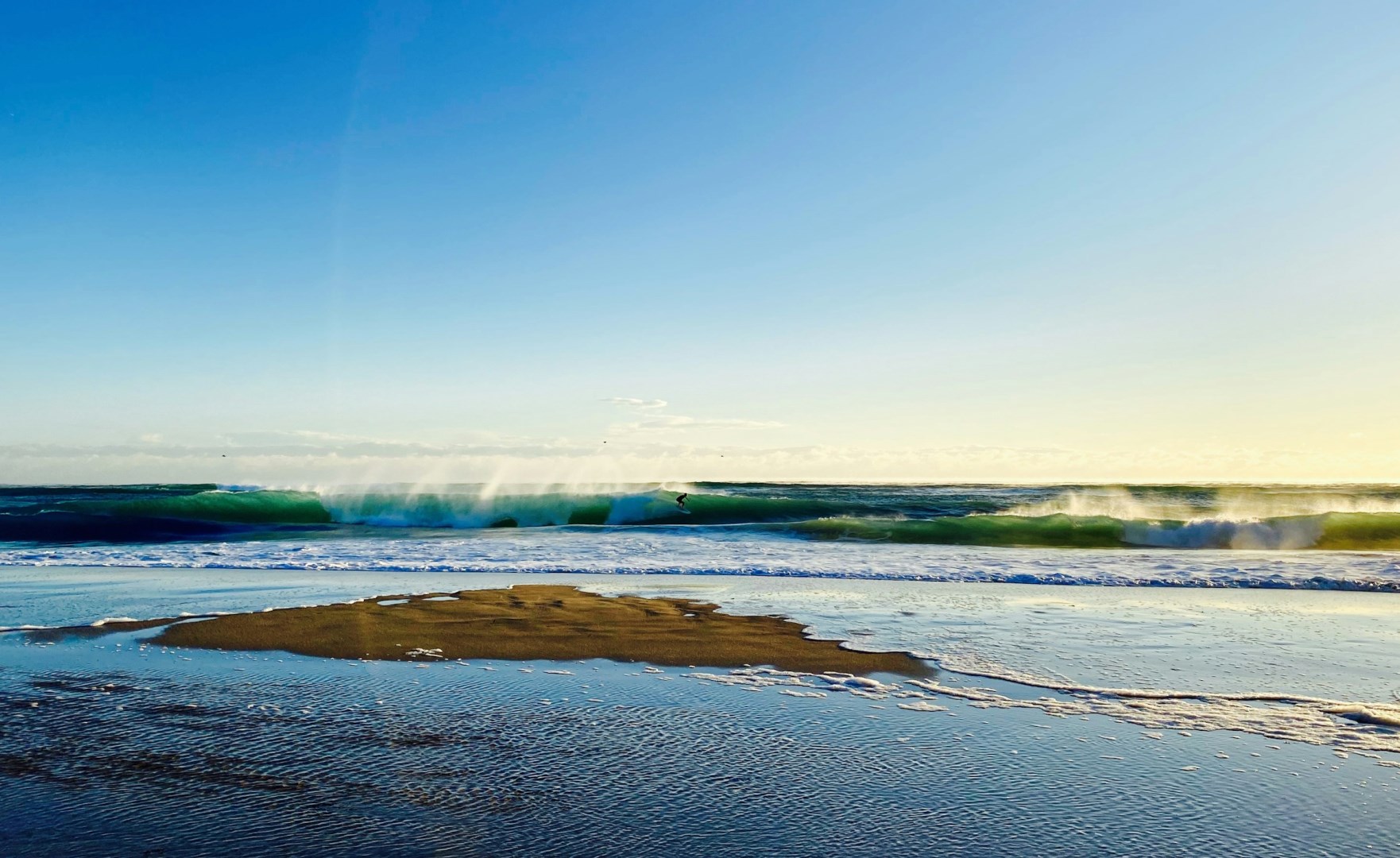
Palm Beach, southeastern Florida, on the northern end of a barrier island situated between Lake Worth (a lagoon) and the Atlantic Ocean; incorporated 1911. It has a subtropical climate and is a fashionable and luxurious winter resort. The town is named for its palm-lined beach.
Angra dos Reis
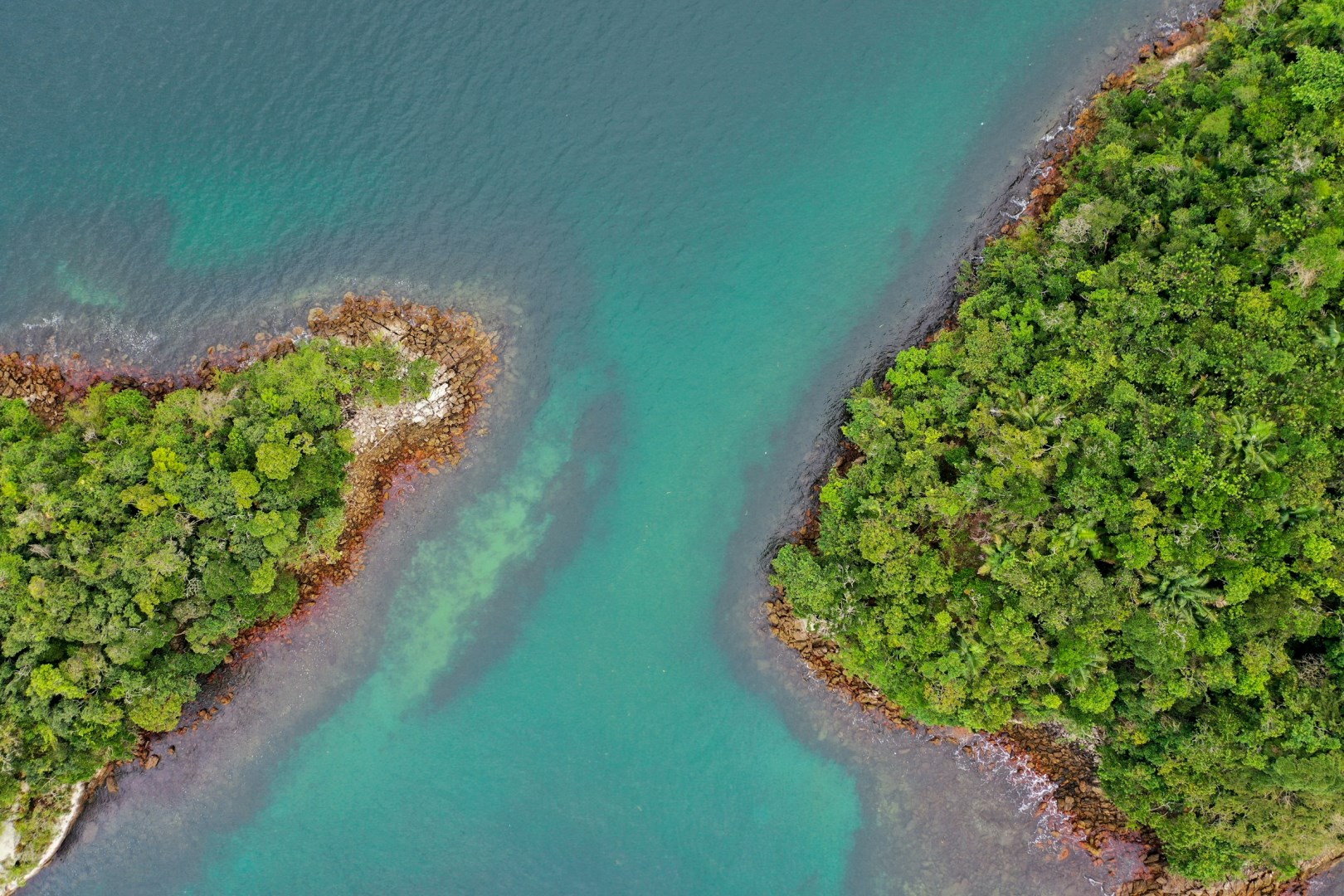
Angra dos Reis is a great destination for nautical relaxation with thousands of beaches and 365 islands. This brilliant landscape is surrounded by the calm, crystal-clear waters. Angra is in the center of Costa Verde in the state of Rio de Janeiro, one of the most beautiful regions of the country.
Wisconsin
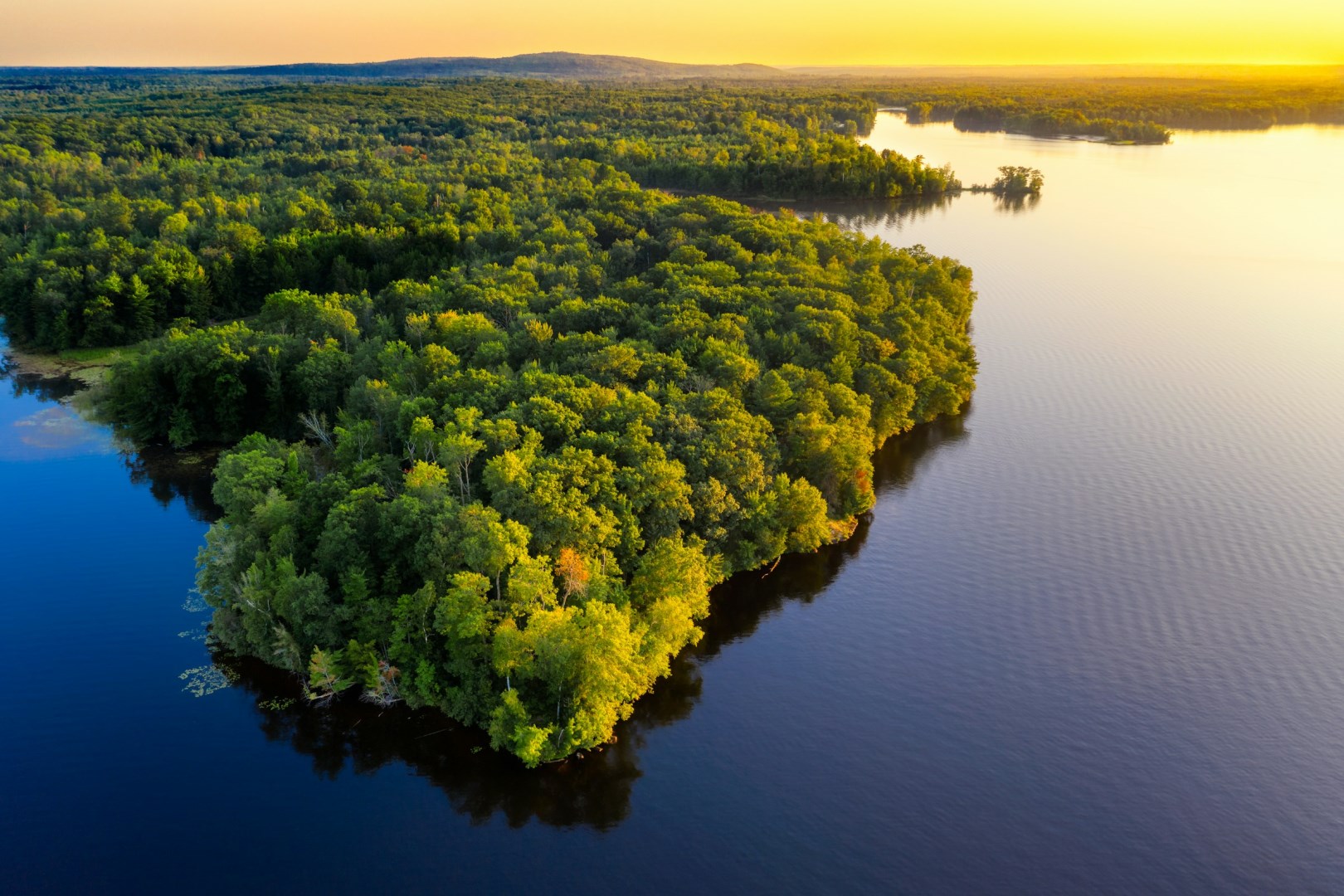
Wisconsin offers a diverse array of experiences that draw visitors year-round. The state proudly showcases its cheese heritage with countless cheese factories and festivals, where visitors can sample local favorites like aged cheddar and gouda. Beyond its culinary fame, Wisconsin’s history is equally rich, with cities like Milwaukee boasting a deep brewing tradition and landmarks such as the Pabst Mansion and Harley-Davidson Museum that celebrate its industrial roots.
Corsica
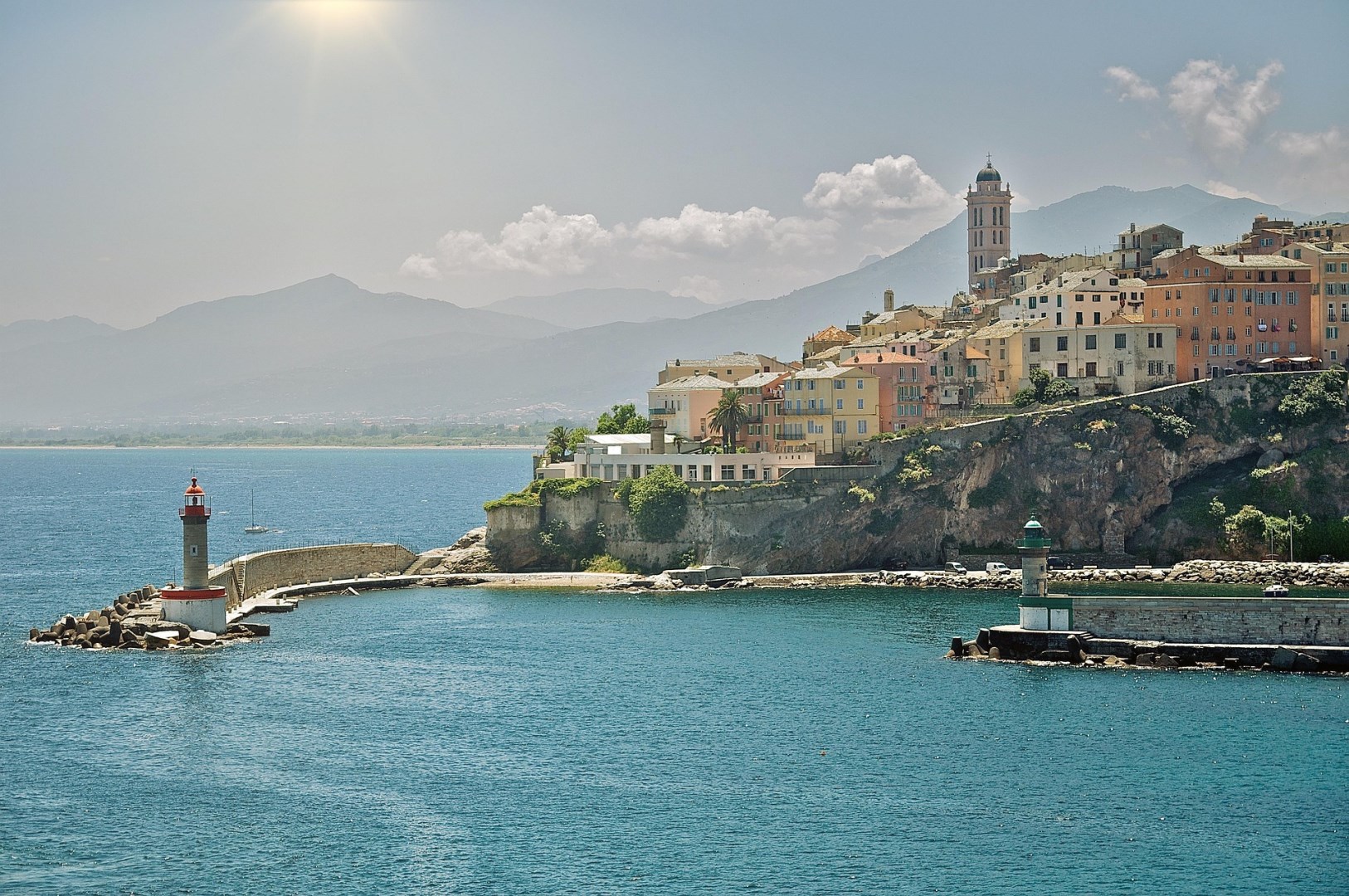
Corsica is a Mediterranean island and territorial collectivity of France known for a landscape that changes quickly from rocky coastlines to forested mountains and inland valleys. Its main towns include Ajaccio, Bastia, Bonifacio, Calvi, and Porto-Vecchio, while smaller villages are scattered through the interior. The island’s geography gives it a strong regional identity, with the sea, mountains, and maquis scrubland shaping both settlement and daily life.