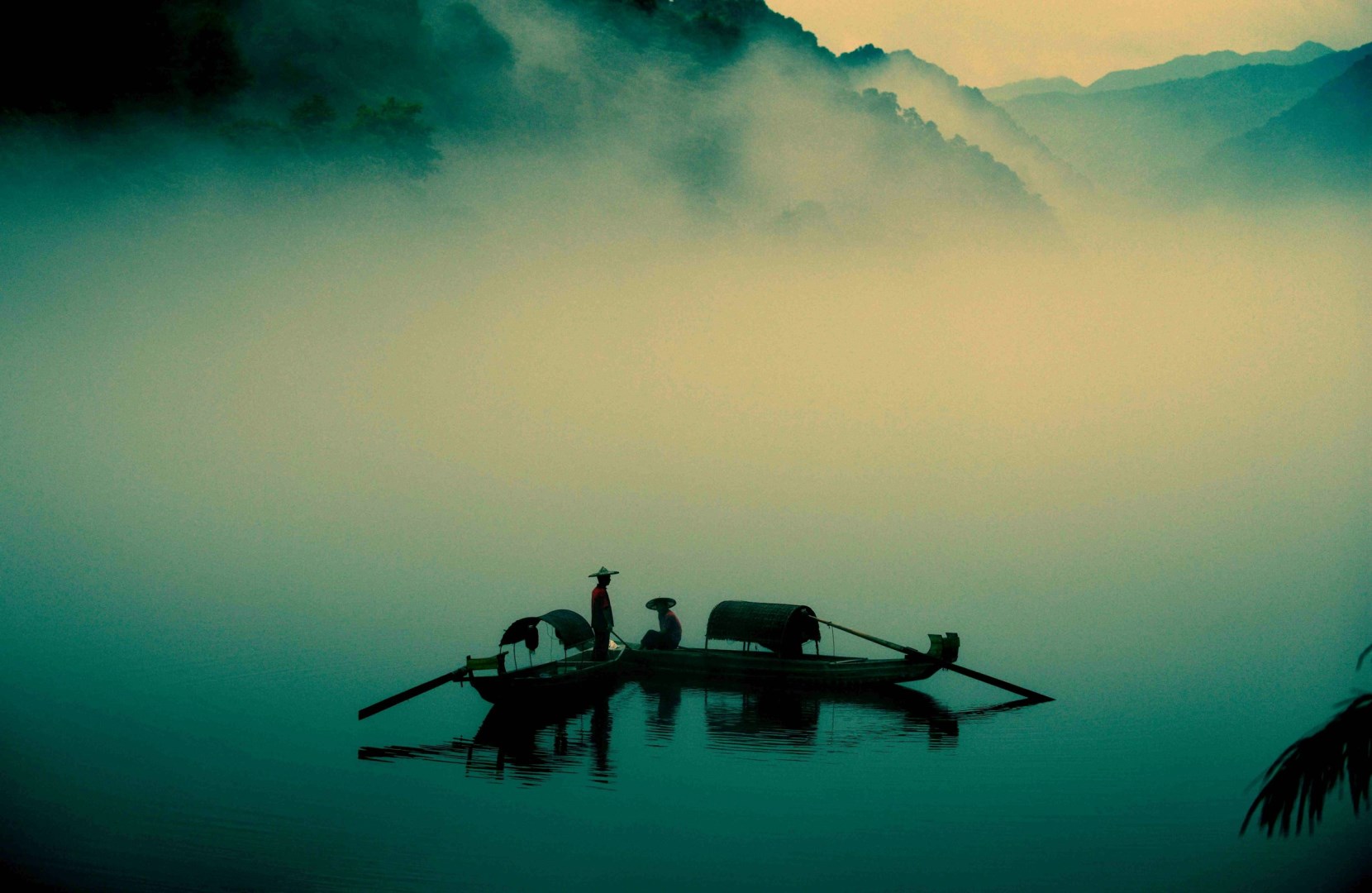
China, the world’s most populous country, stretches across vast landscapes ranging from the towering Himalayas and deserts of the north to fertile river valleys and bustling coastal cities. Its rich history spans thousands of years, marked by dynasties, inventions, and cultural developments that have left a lasting imprint on art, architecture, and philosophy.
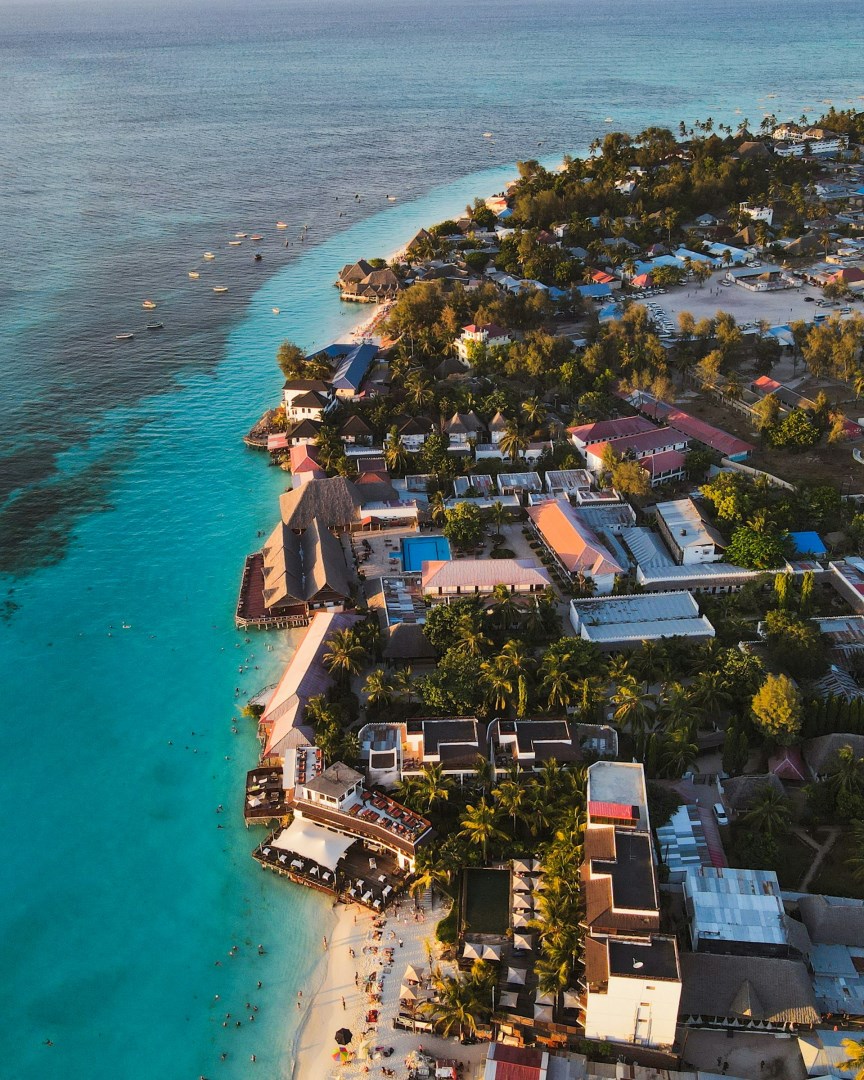
Nungwi is a coastal village at the northern tip of Zanzibar, facing the Indian Ocean on a peninsula known for sandy beaches, shallow lagoons, and clear tropical waters. It developed from a traditional fishing and dhow-building community into one of northern Zanzibar’s main tourism centres, while retaining working boatyards and local residential areas.
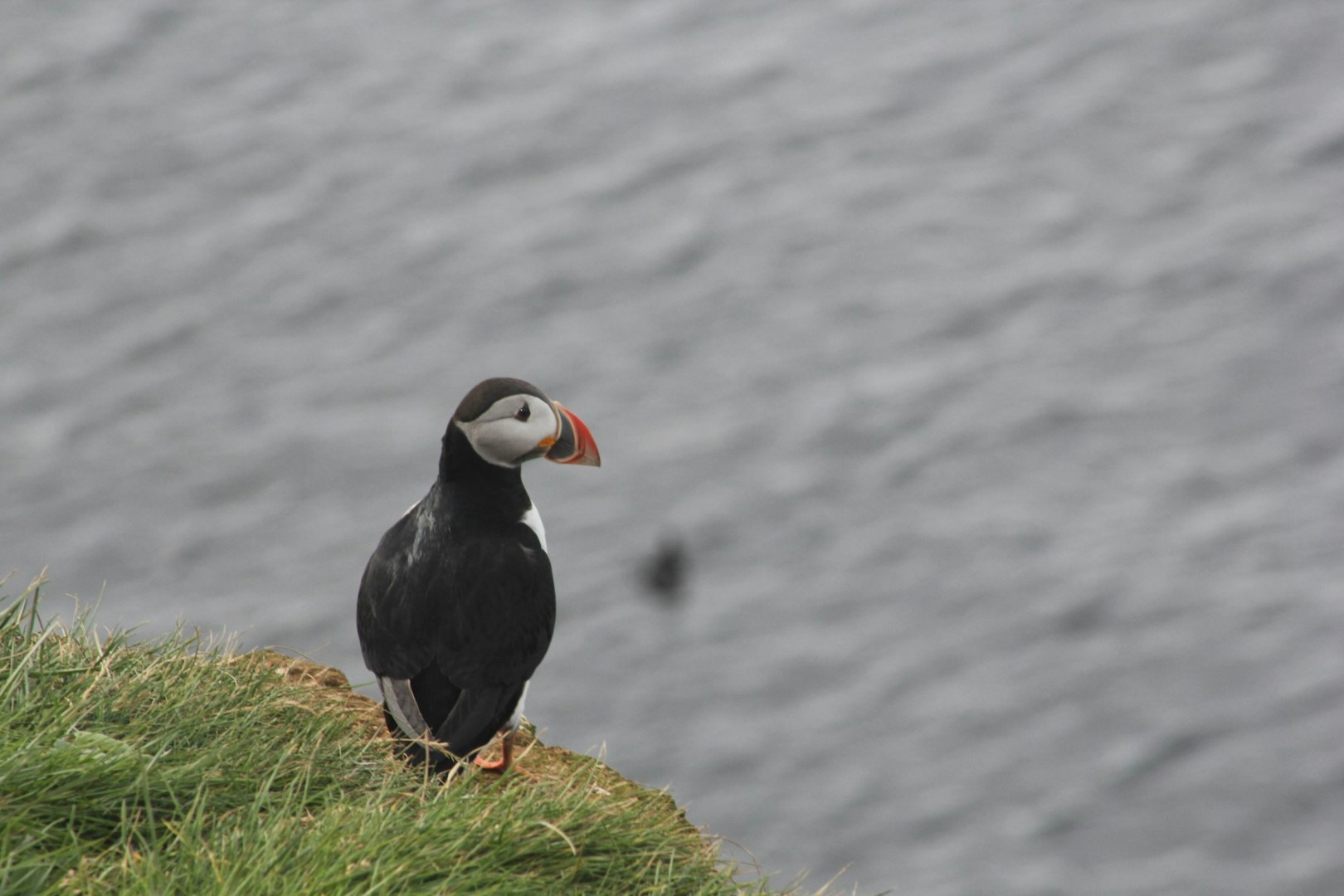
Grímsey is a small island in the Arctic Ocean, about 40 kilometers off the north coast of Iceland and the only part of the country crossed by the Arctic Circle. The island covers roughly 5.3 square kilometers and has a small settlement centered around its harbor. Fishing remains important to local life, while tourism has become another source of activity.
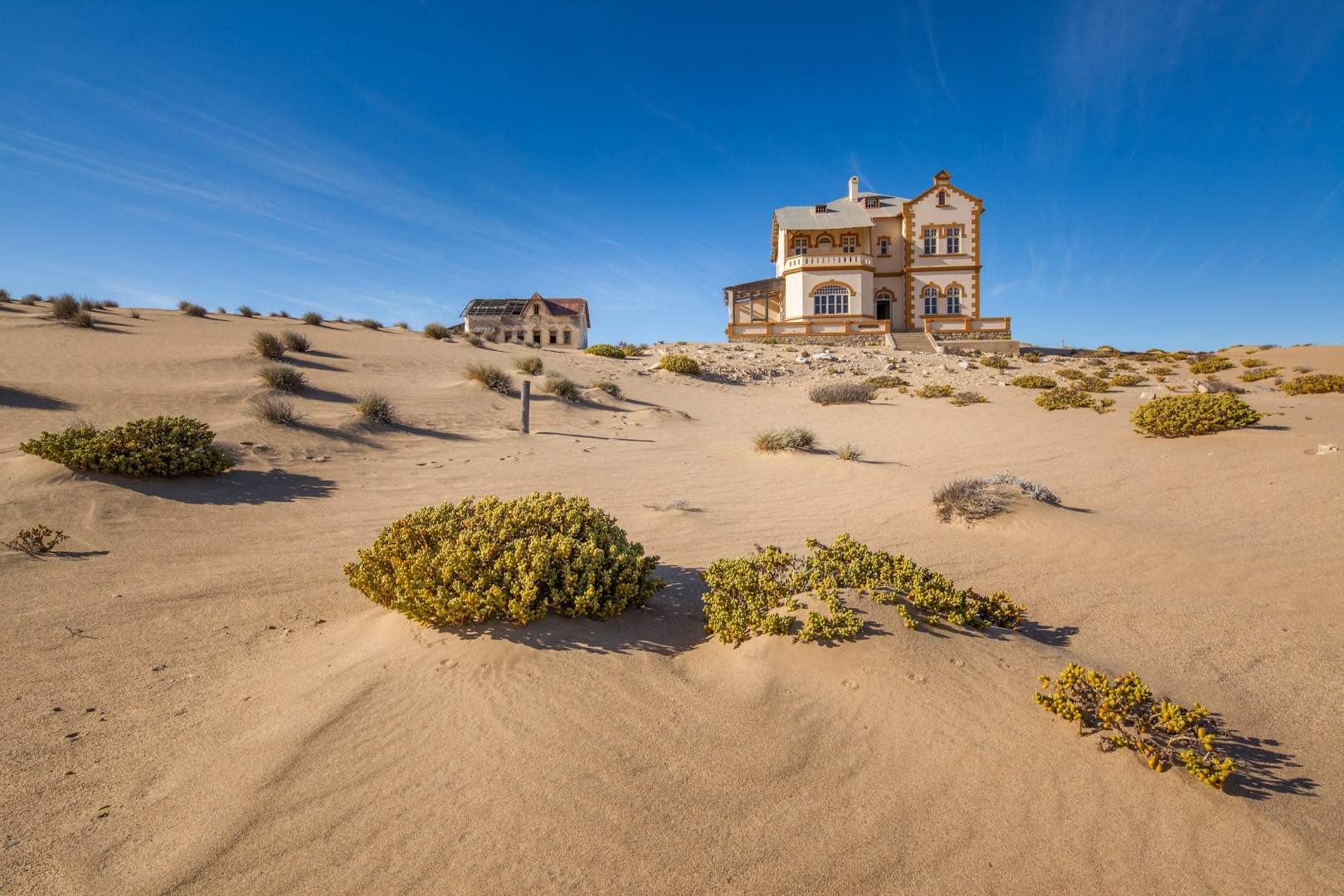
Kolmanskop is an abandoned diamond-mining settlement in the Namib Desert, a short distance inland from the coastal town of Lüderitz in southern Namibia. The former settlement is surrounded by an exceptionally dry landscape of sand, gravel, and sparse desert vegetation. Today, windblown sand fills many of its empty buildings, creating a distinctive scene where rooms, corridors, and staircases are gradually being reclaimed by the desert.
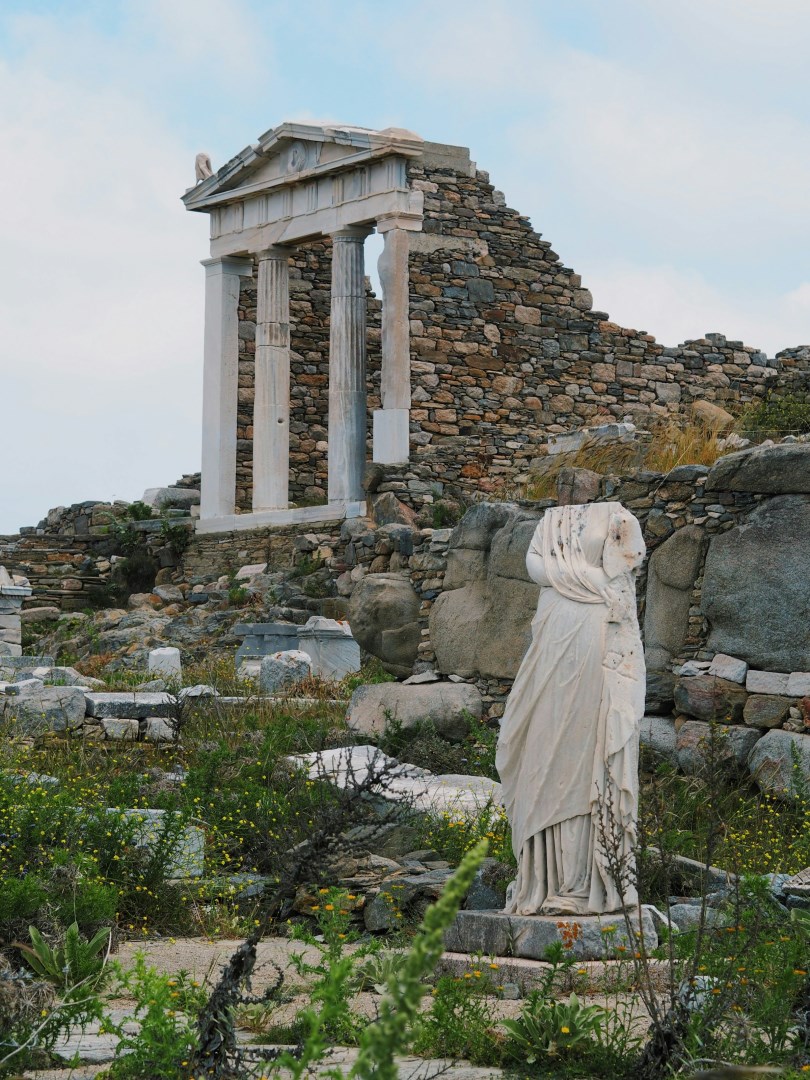
This uninhabited island is one of the finest archaeological sites in Greece. Considered a sacred island since the 7th century BC, the famous Terrace of the Lions stands guard over the "sacred lake" and the remains of the temple of Apollo.
Photo Credit: Photo by Mitchell Ng Liang an on Unsplash
Photo Credit: Photo by Navdeep Singh Panwar on Unsplash
Photo Credit: Photo by Ahmad mansuri alkindii on Unsplash
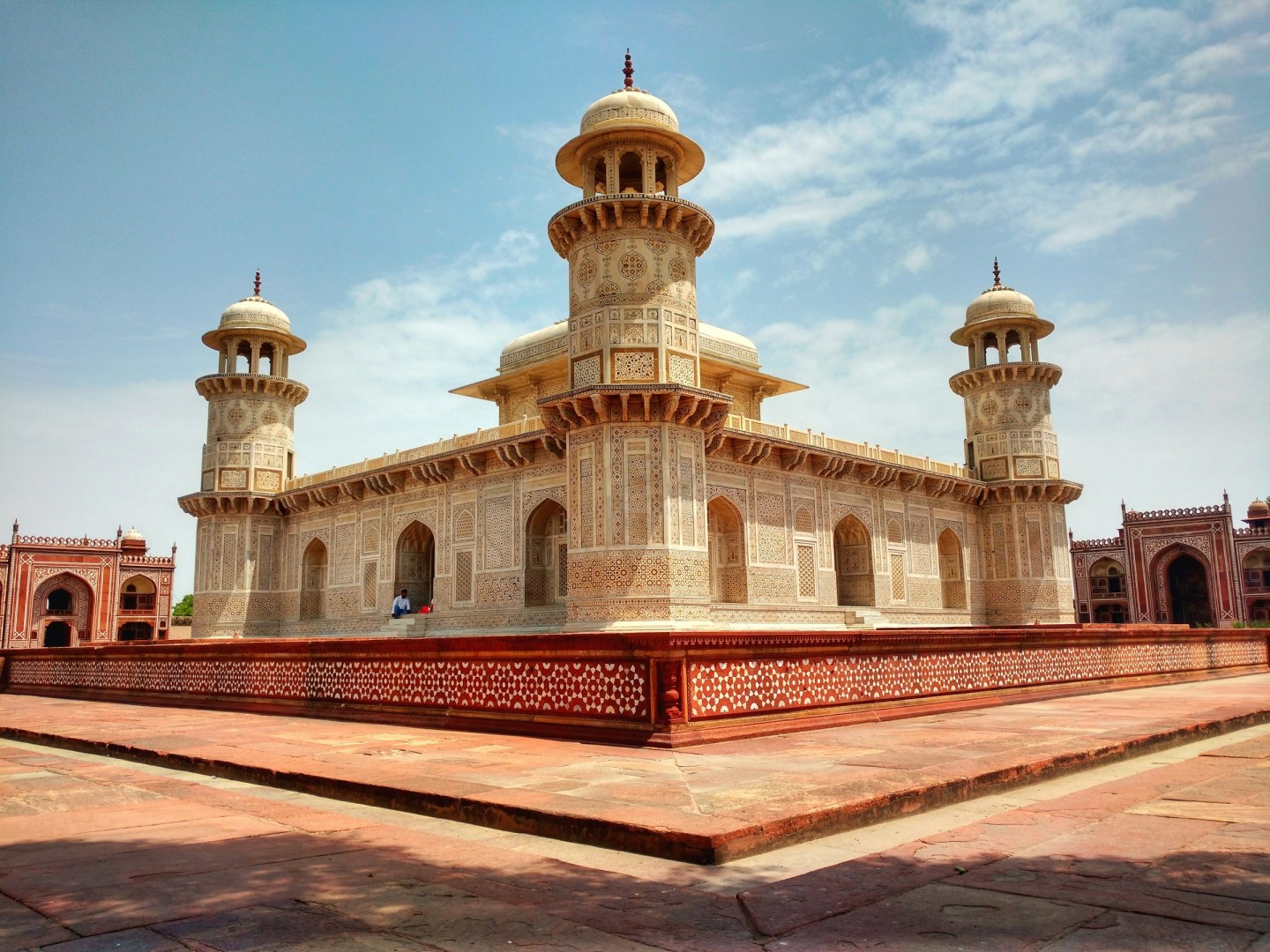
Tomb of I'timād-ud-Daulah
Photo Credit: Photo by Shreshth Gupta on Unsplash
Photo Credit: Photo by Deepak Gupta on Unsplash
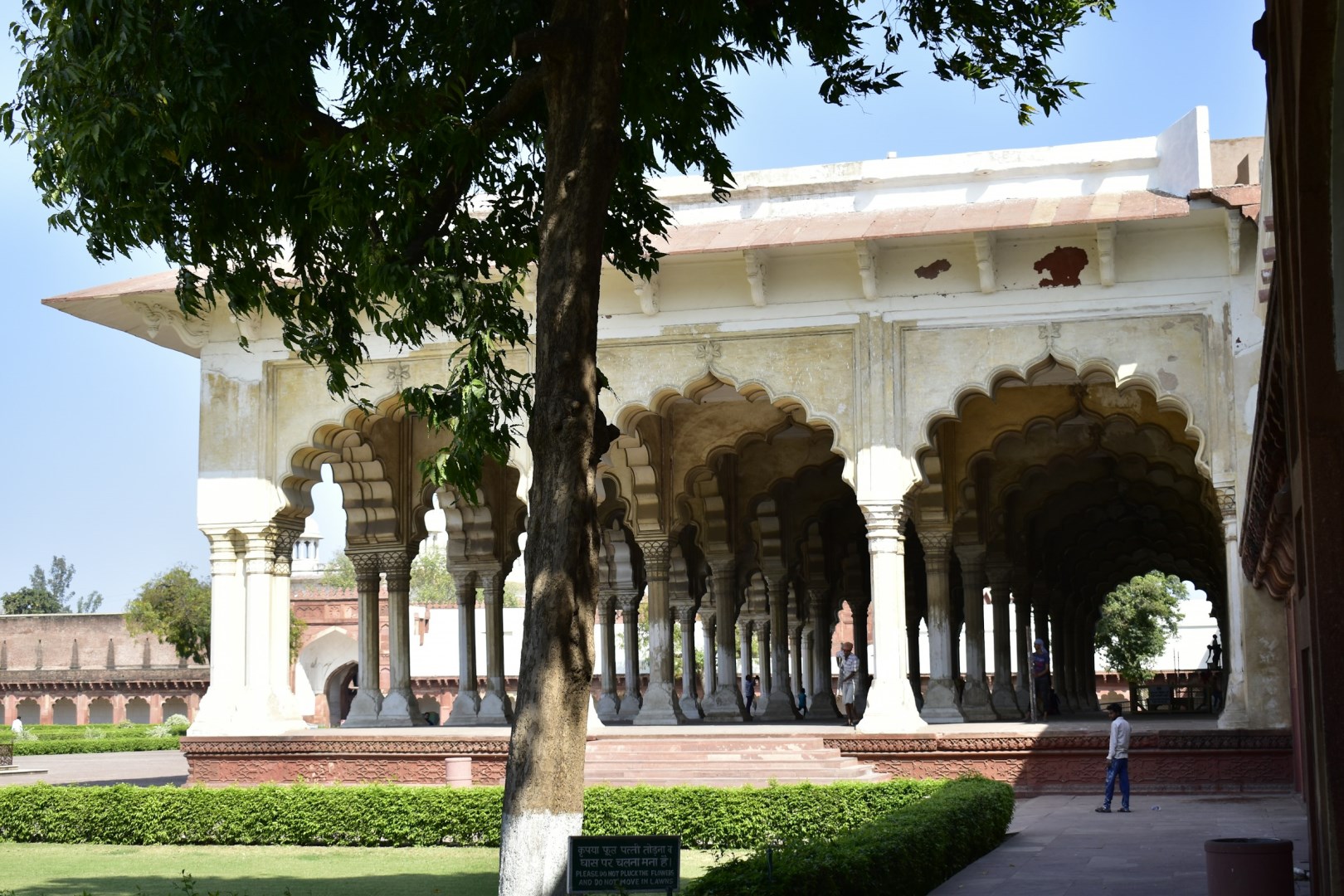
Agra Fort
Photo Credit: Photo by NIKHIL YADAV on Unsplash
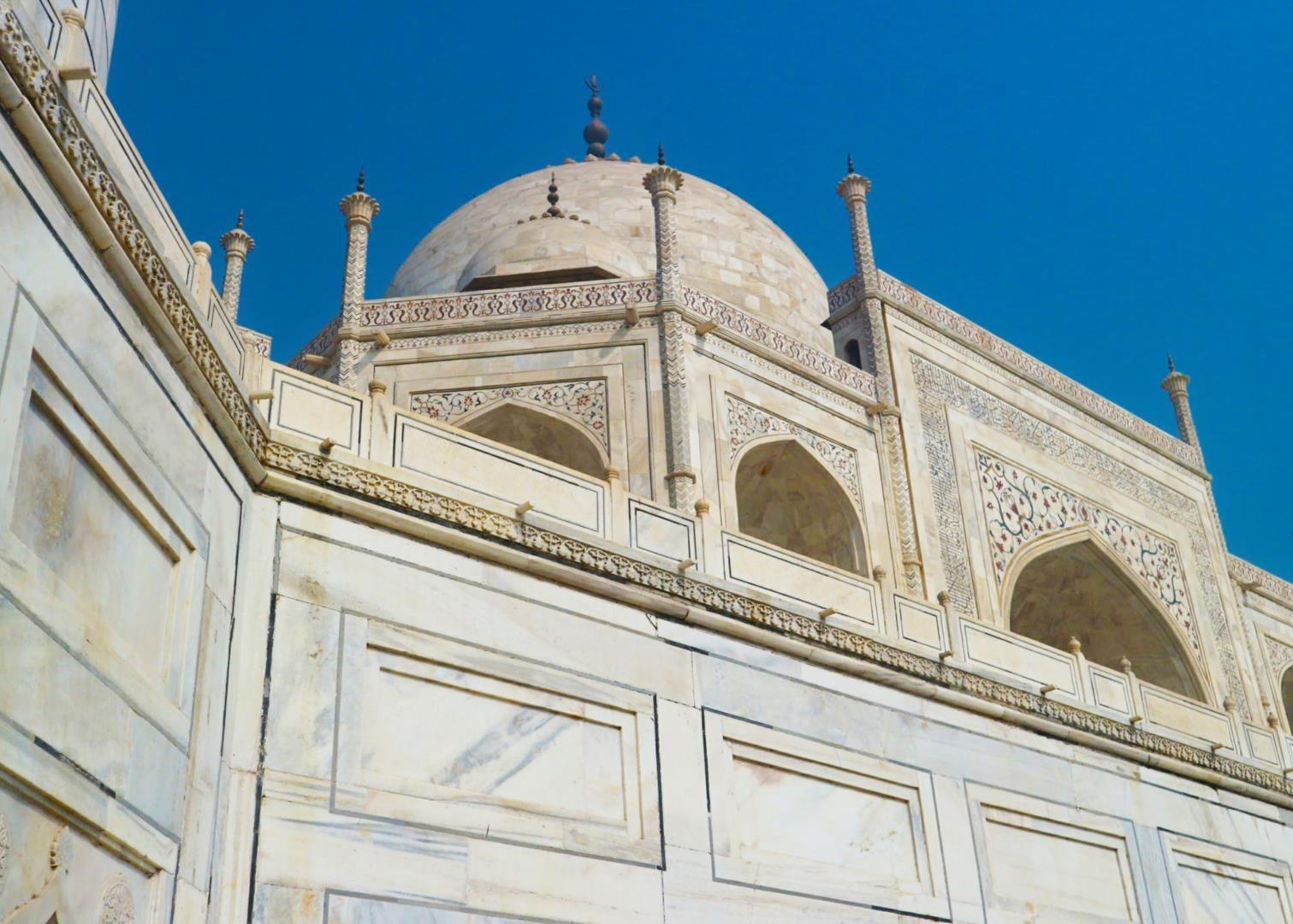
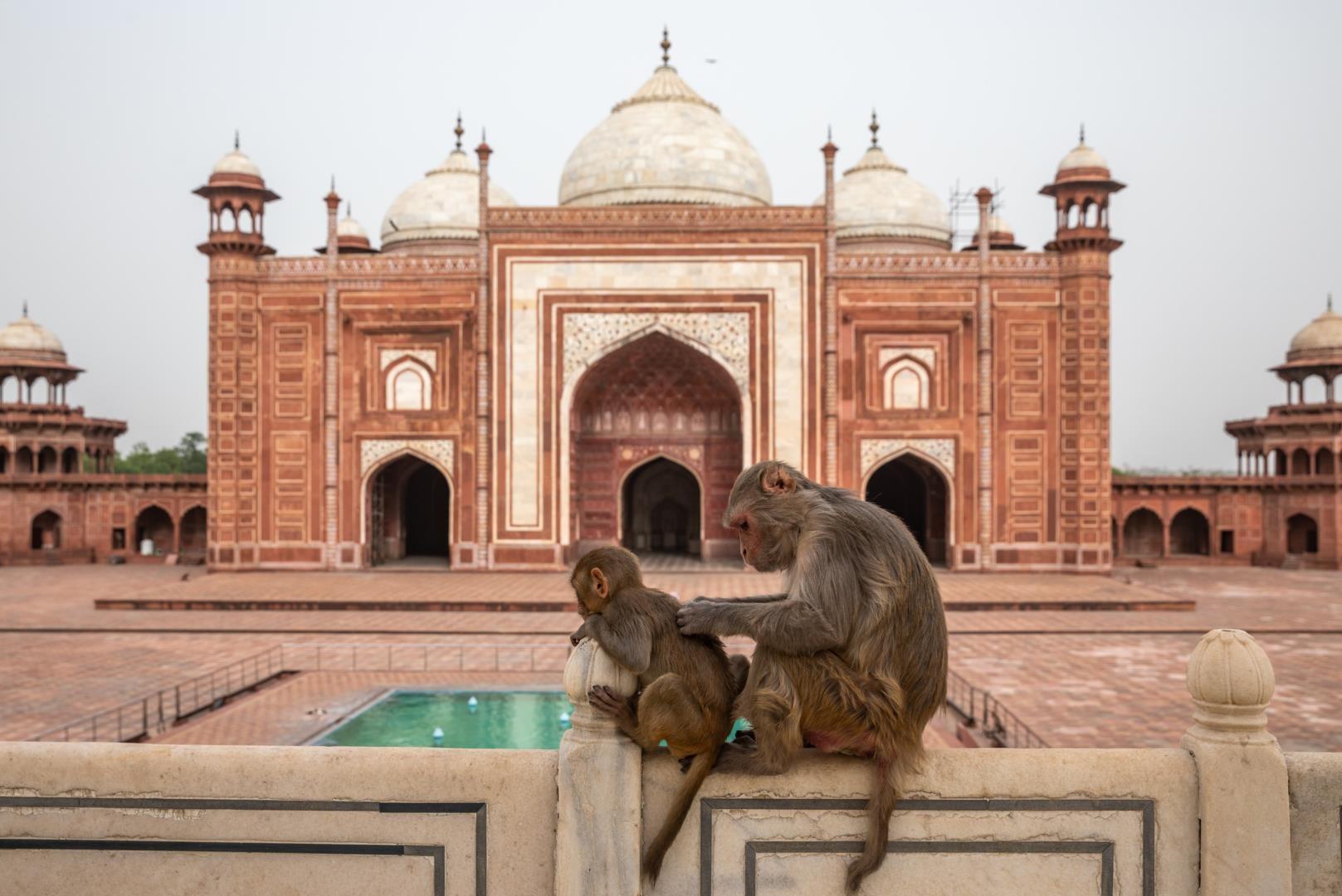
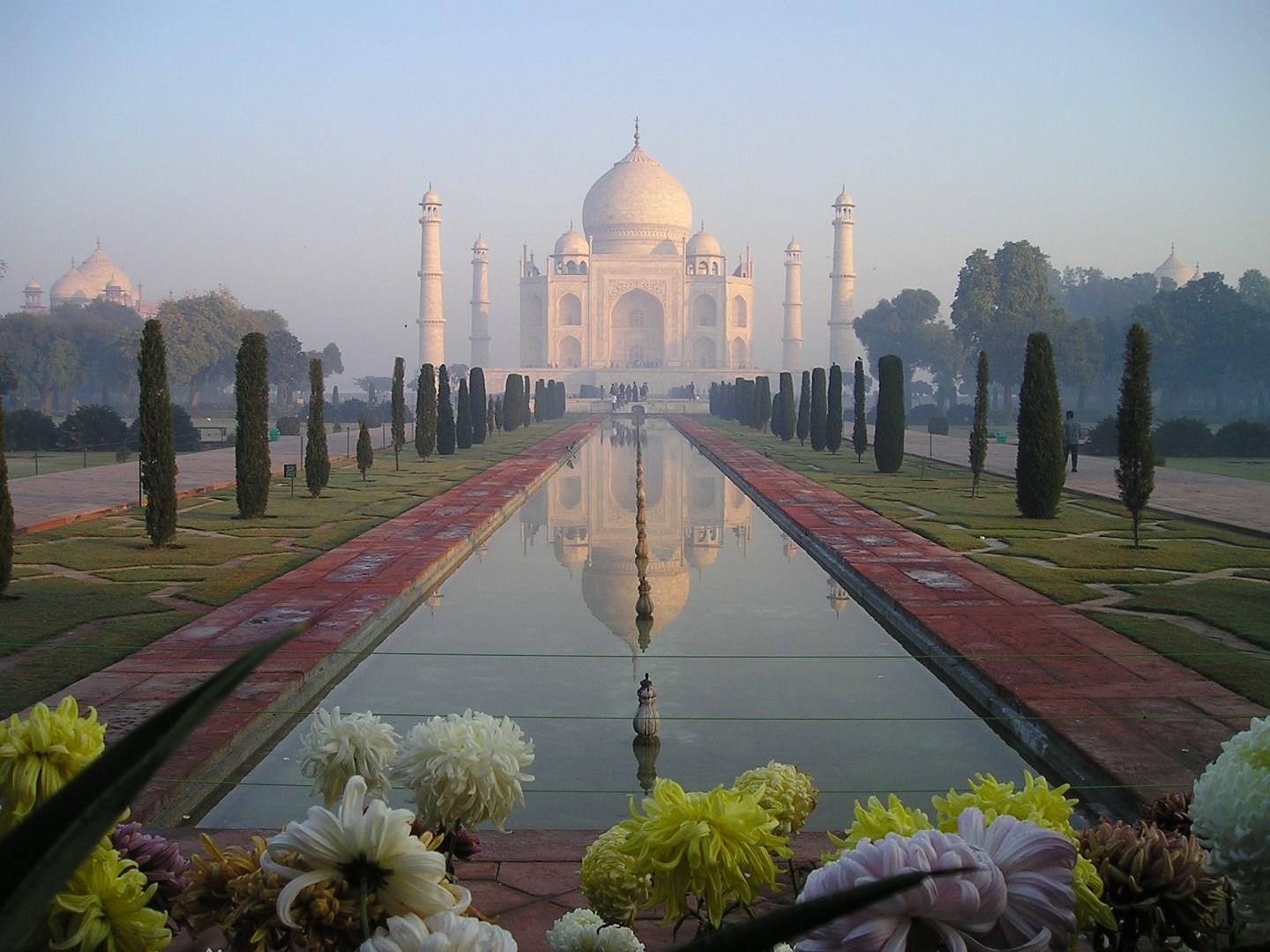
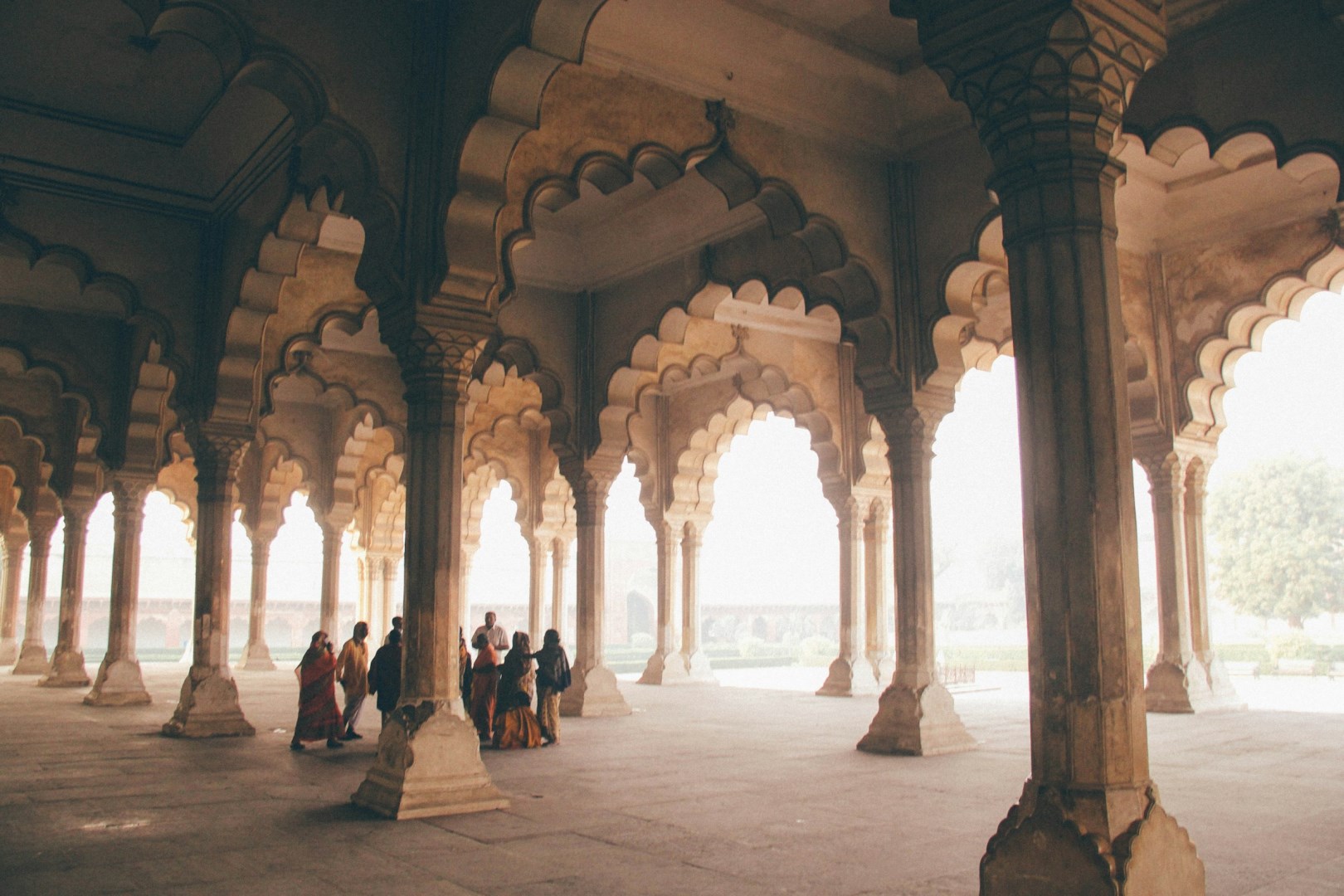
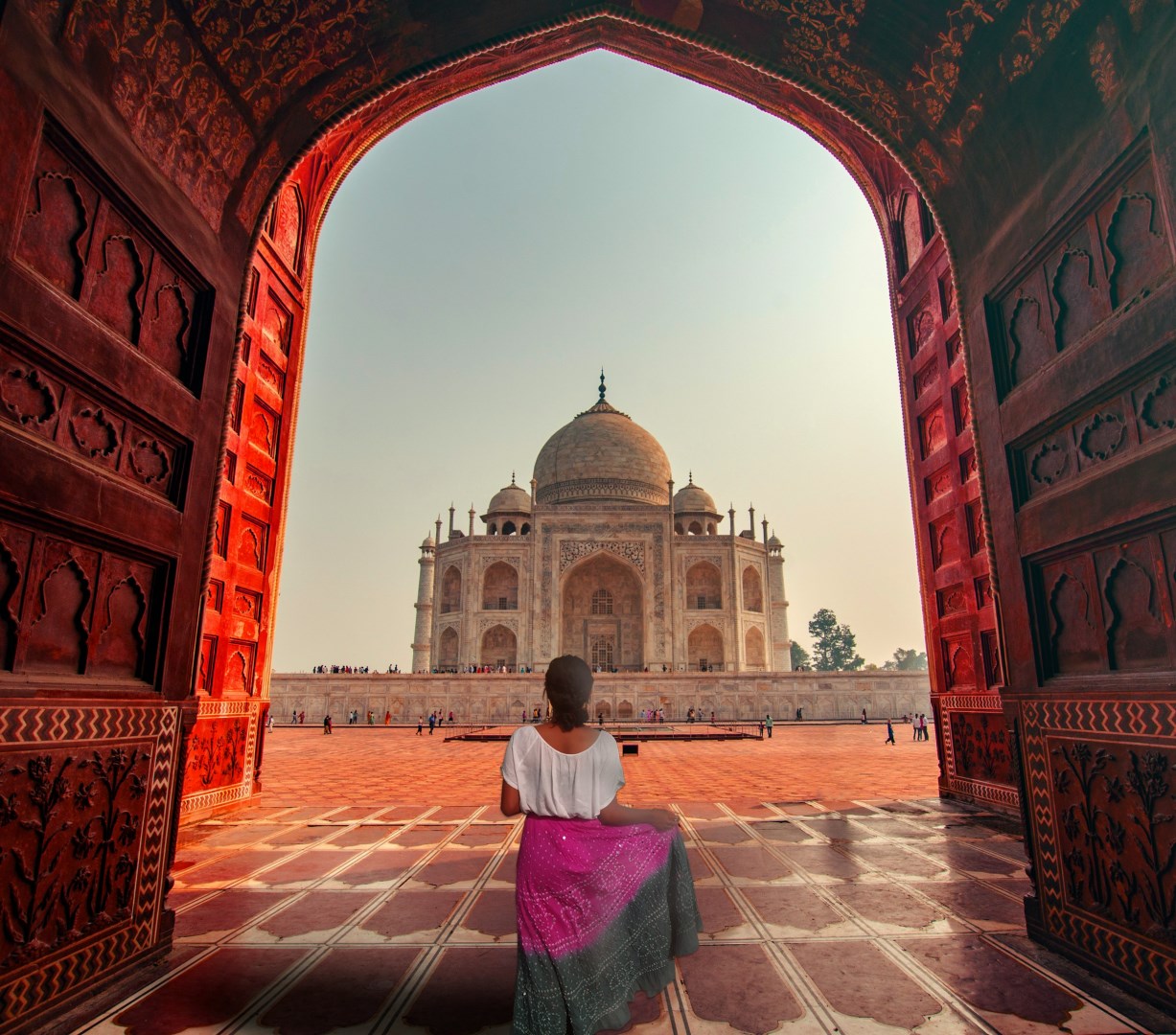
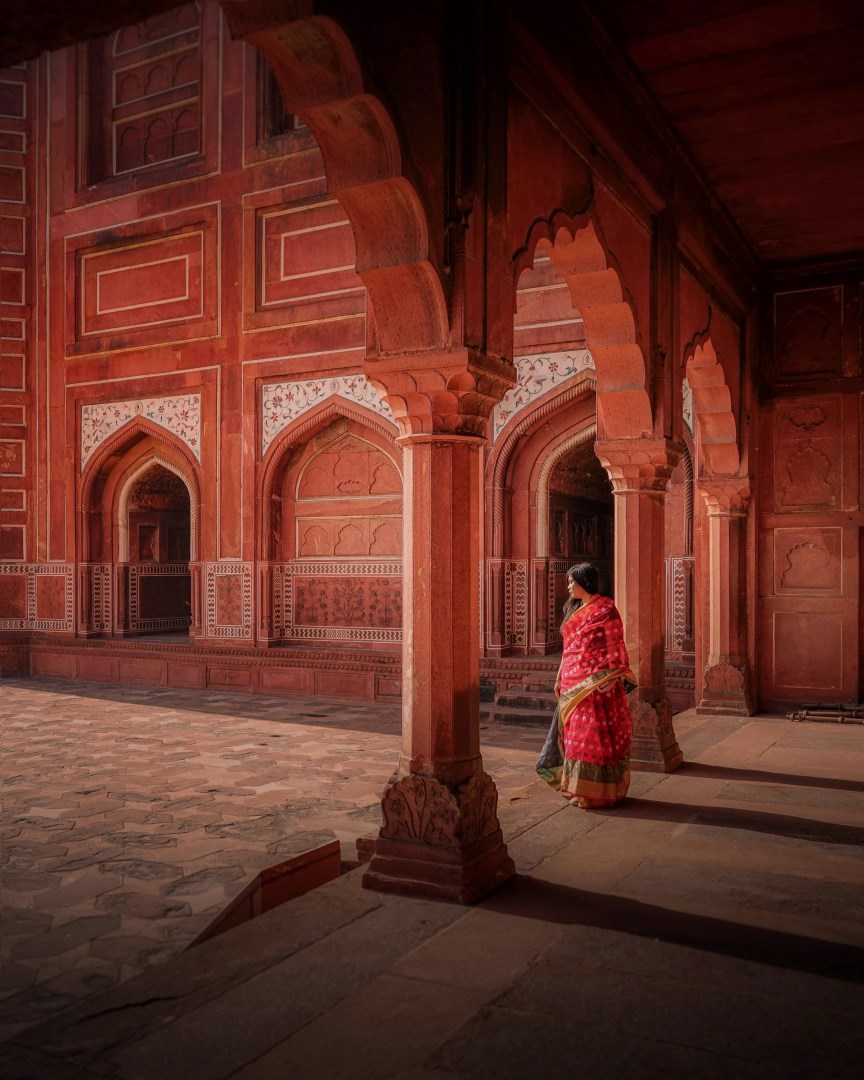
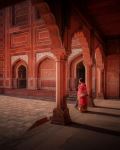
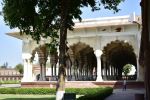
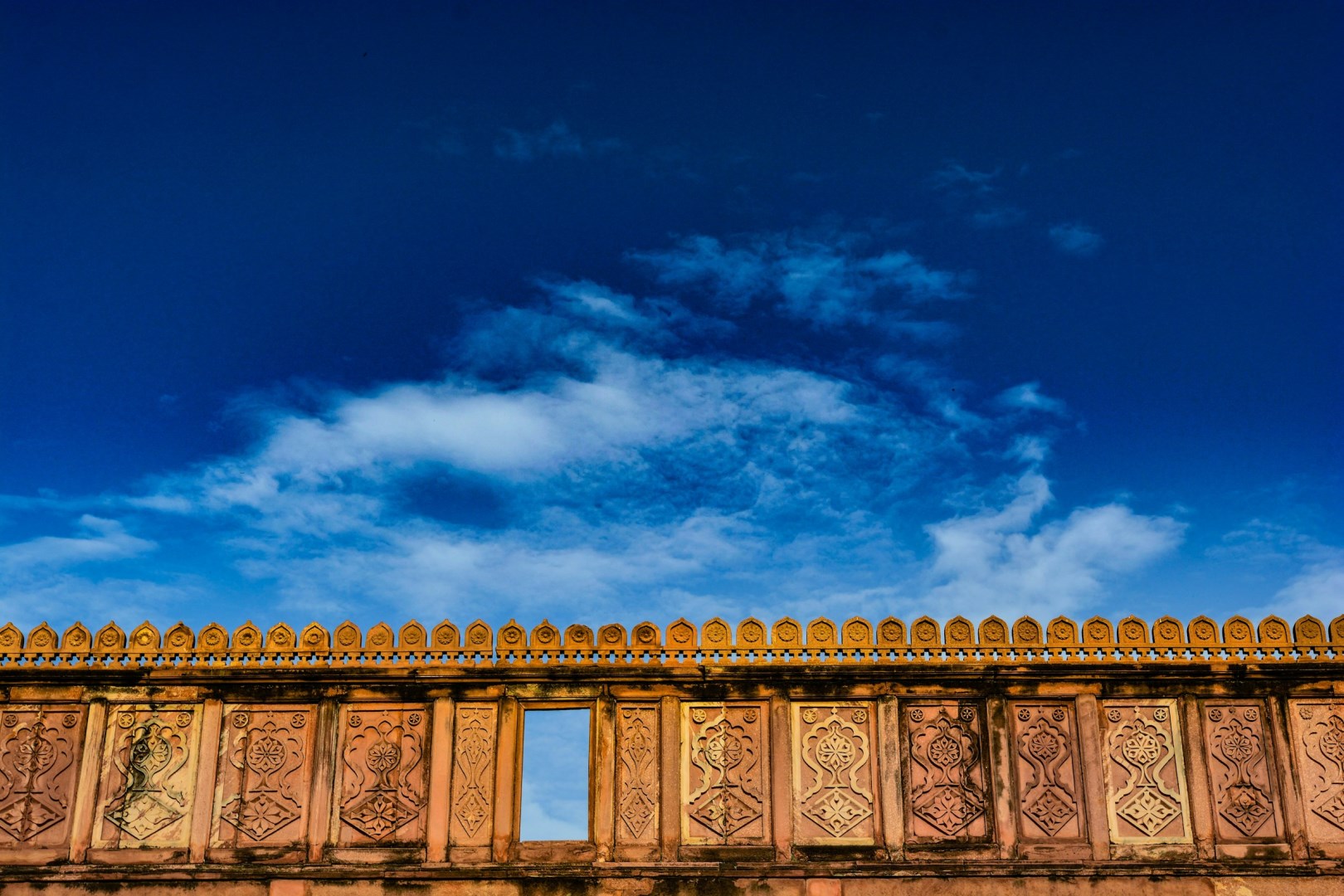
Once the capital of the Mughal Empire, Agra, India is now a cultural capital replete with famous landmarks and striking architecture. Located on the winding banks of the Yamuna River, Agra sits in India’s most populous state, Uttar Pradesh. The city’s most prominent draw is the magnificent Taj Mahal, the iconic white marble mausoleum and a UNESCO World Heritage Site visited by millions of people each year. Built in the 17th century by Emperor Shaj Jahan, the Taj Mahal is a grand testament to the stunning beauty of the Mughal Empire’s Indo-Islamic architecture. Decorated with intricate design, calligraphy, and precious stones, the mausoleum's surroundings include a verdant garden and glittering reflective pool. Agra's other notable sites include Agra Fort and Delhi Gate (both made of striking red sandstone), the Shish Mahal (also known as Glass Palace), Itmad-ud-Daula (affectionately called the “Baby Taj Mahal”), and Aram Bagh (beautiful Persian-style gardens). Agra is a must-see destination for any trip to India!
Other Popular Destinations in India
Delhi
Delhi is a sprawling metropolis in North India that contains the country's capital, New Delhi. Life is abuzz and hectic here, with traffic going every which way. A huge population shuffles through Delhi's streets, alleys and food and spice-selling bazaars, and it's quite memorable to be a part of it all.
Jaipur
Jaipur, the capital of Rajasthan, is often called the “Pink City” for the terracotta-hued buildings that line its historic streets. Founded in 1727, it was one of India’s first planned cities, designed with wide avenues and grand public squares.