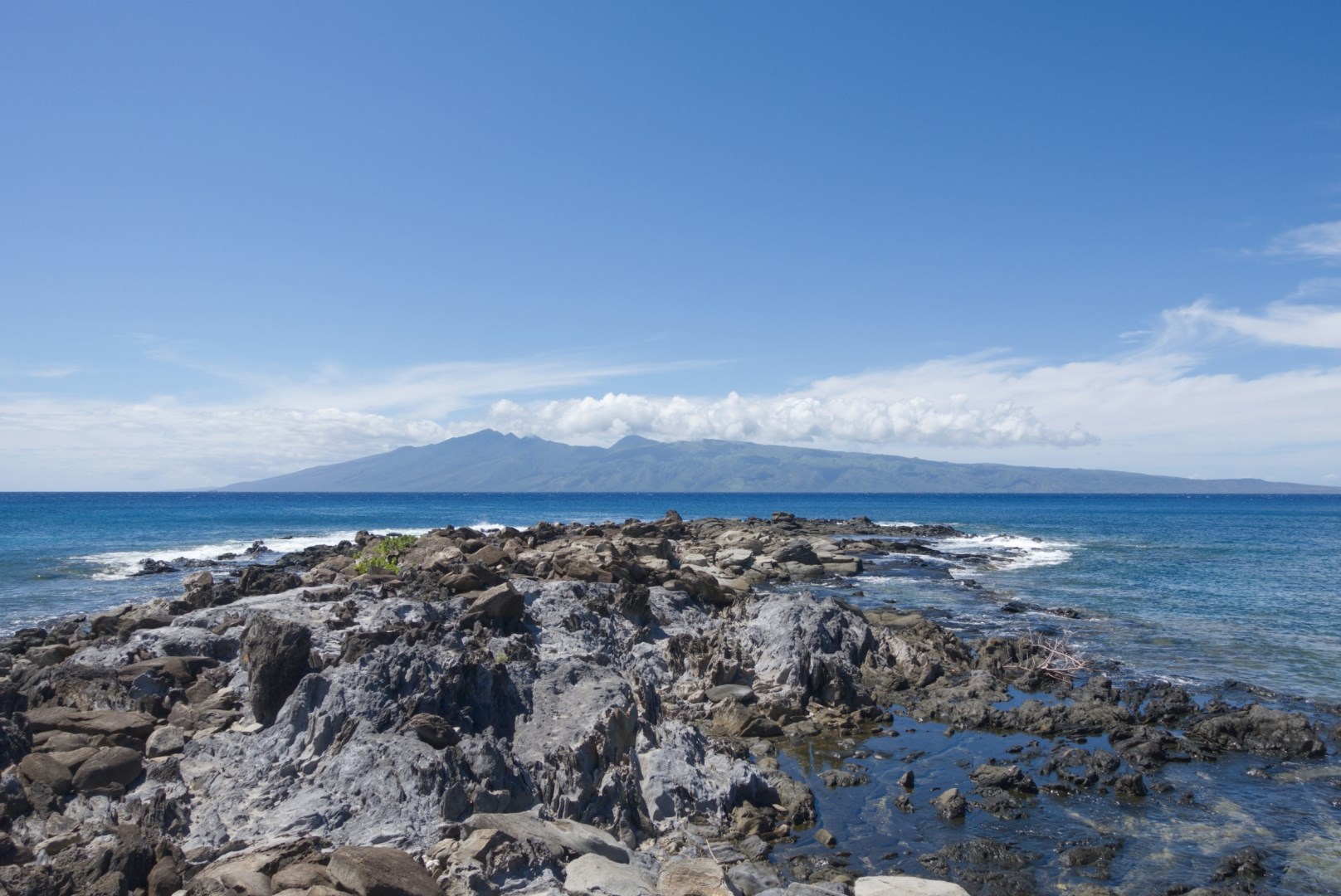
Molokai Island
Molokai, island, in Kalawao County, administered by Maui County, central Hawaii, between Oahu and Maui islands, known as the Friendly Island. On the southern coast of Molokai is the port of Kaunakakai. The island rises to 1512 m (4961 ft) in the east at Kamakou Peak. Pineapples, coffee, and cattle are raised. In 1873Father Damien, the Belgian Roman Catholic missionary, began his work in the leper colony of Kalawao on the Kalaupapa Peninsula of northern Molokai.
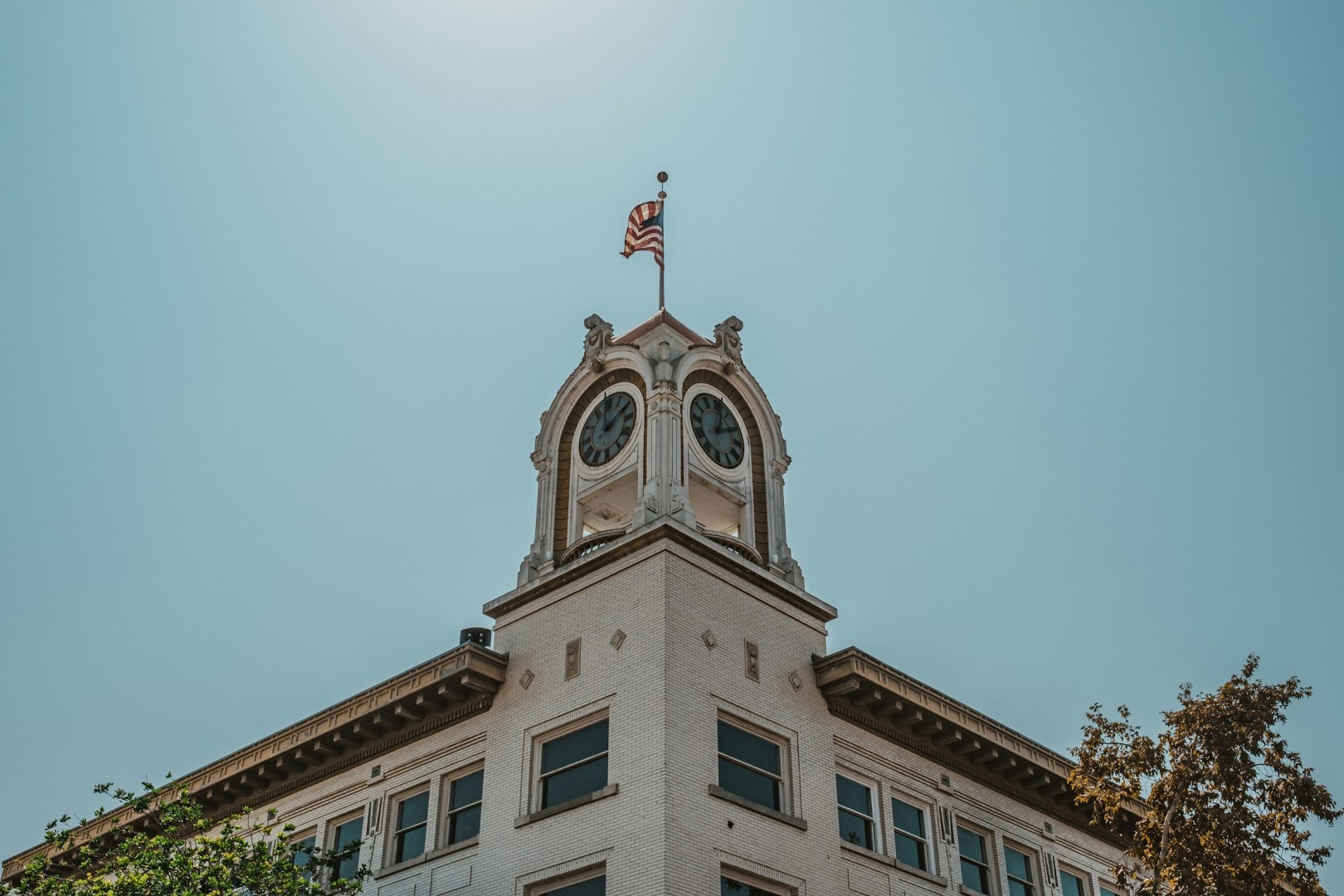
Santa Ana
Santa Ana is the county seat of Orange County and one of the largest cities in the region, located inland from the Pacific coast in Southern California. Its identity is closely tied to a historic downtown, long-established residential neighborhoods, and a strong Mexican American cultural presence. Fourth Street and Main Street form the traditional center of the city, while areas such as the East End and Floral Park add distinct architectural and neighborhood character.
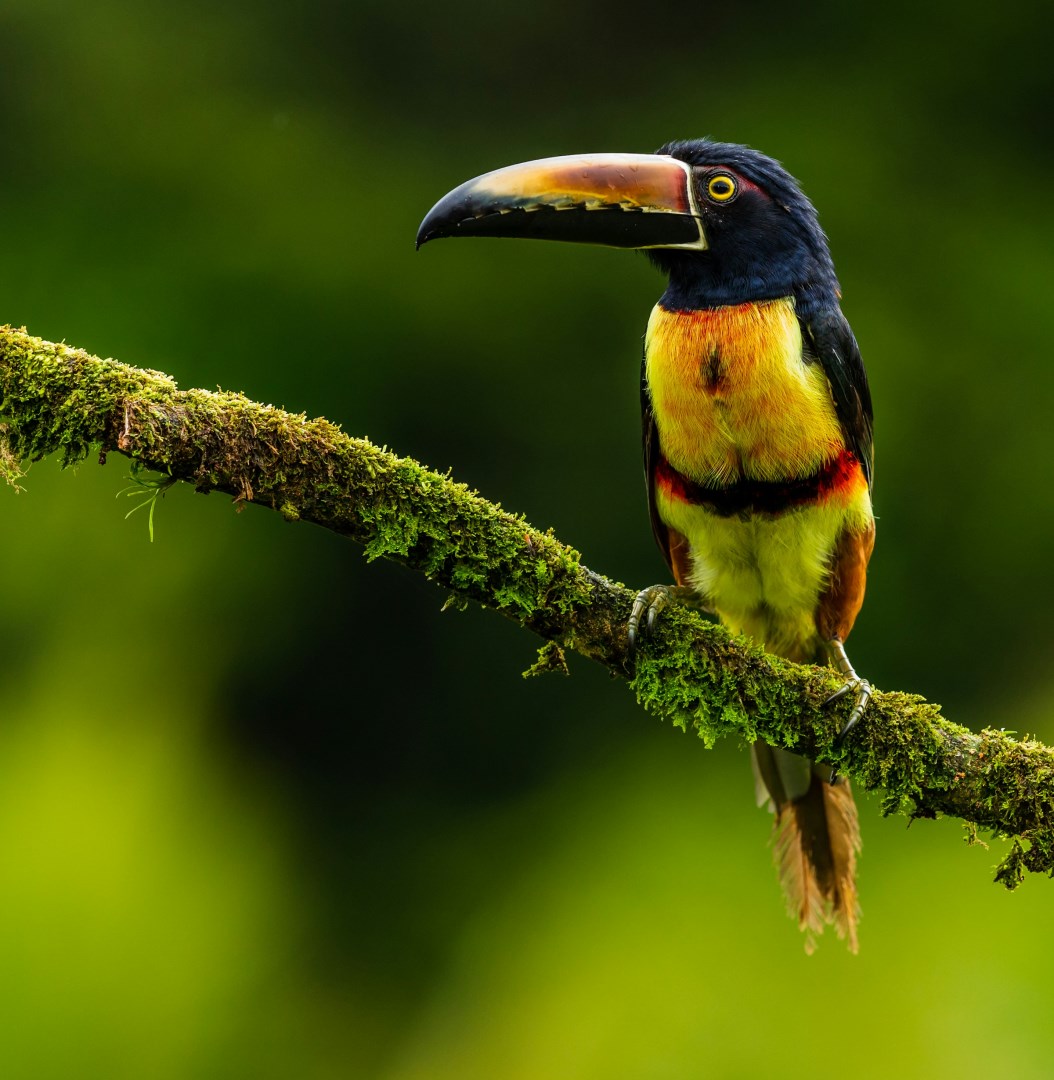
Boca Tapada
Boca Tapada is a remote rural community in northern Costa Rica, close to the San Carlos River and the border with Nicaragua. The area is surrounded by lowland rainforest, wetlands, rivers, and agricultural land, creating a landscape with a strong connection to water and forest. Boca Tapada is best known for its location near Maquenque National Wildlife Refuge, an important protected area in the northern plains.
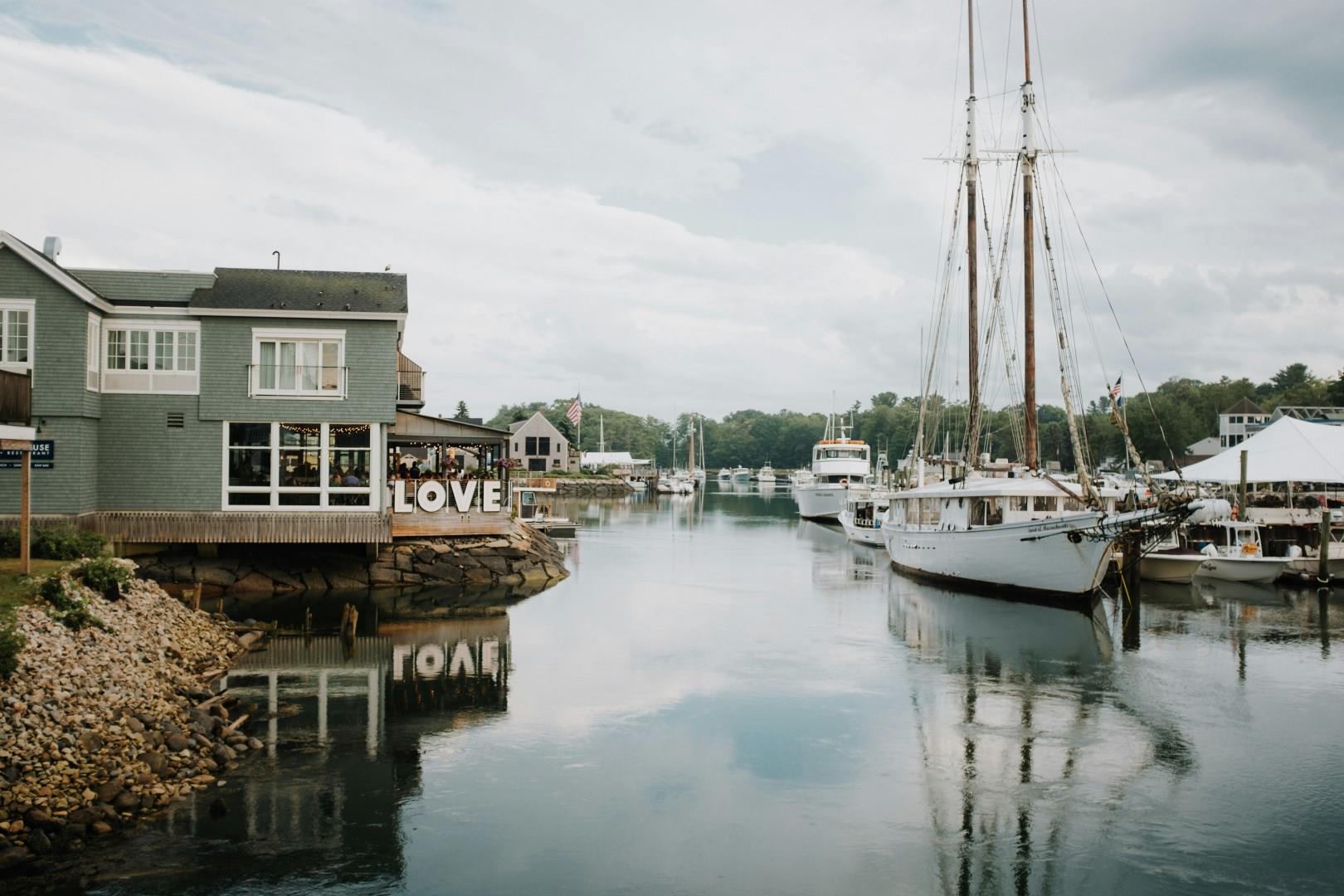
Kennebunkport
Kennebunkport is a small coastal town with a long maritime history and a character all its own. Originally settled in the 1600s, it grew as a shipbuilding center before becoming a quiet summer escape. Today, its working waterfront meets charming streets lined with boutiques, historic homes, and small galleries. Dock Square, the town’s walkable heart, is where visitors can browse local crafts, sample Maine-made ice cream, or pick up a hand-carved wooden buoy as a souvenir.
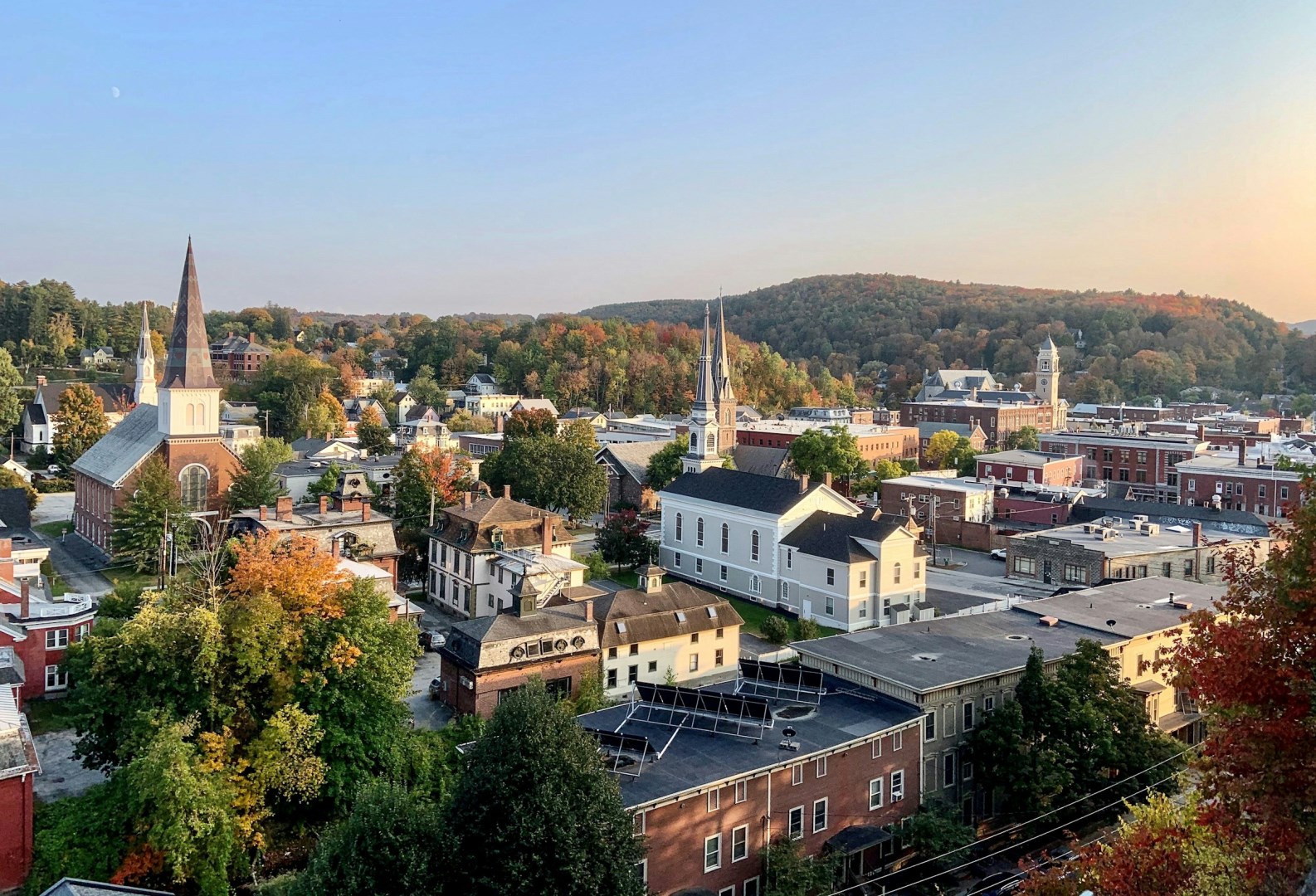
Montpelier
Founded in 1781, it is the capital of Vermont. With a population just over 8,000, it is one of the smallest state capitals.