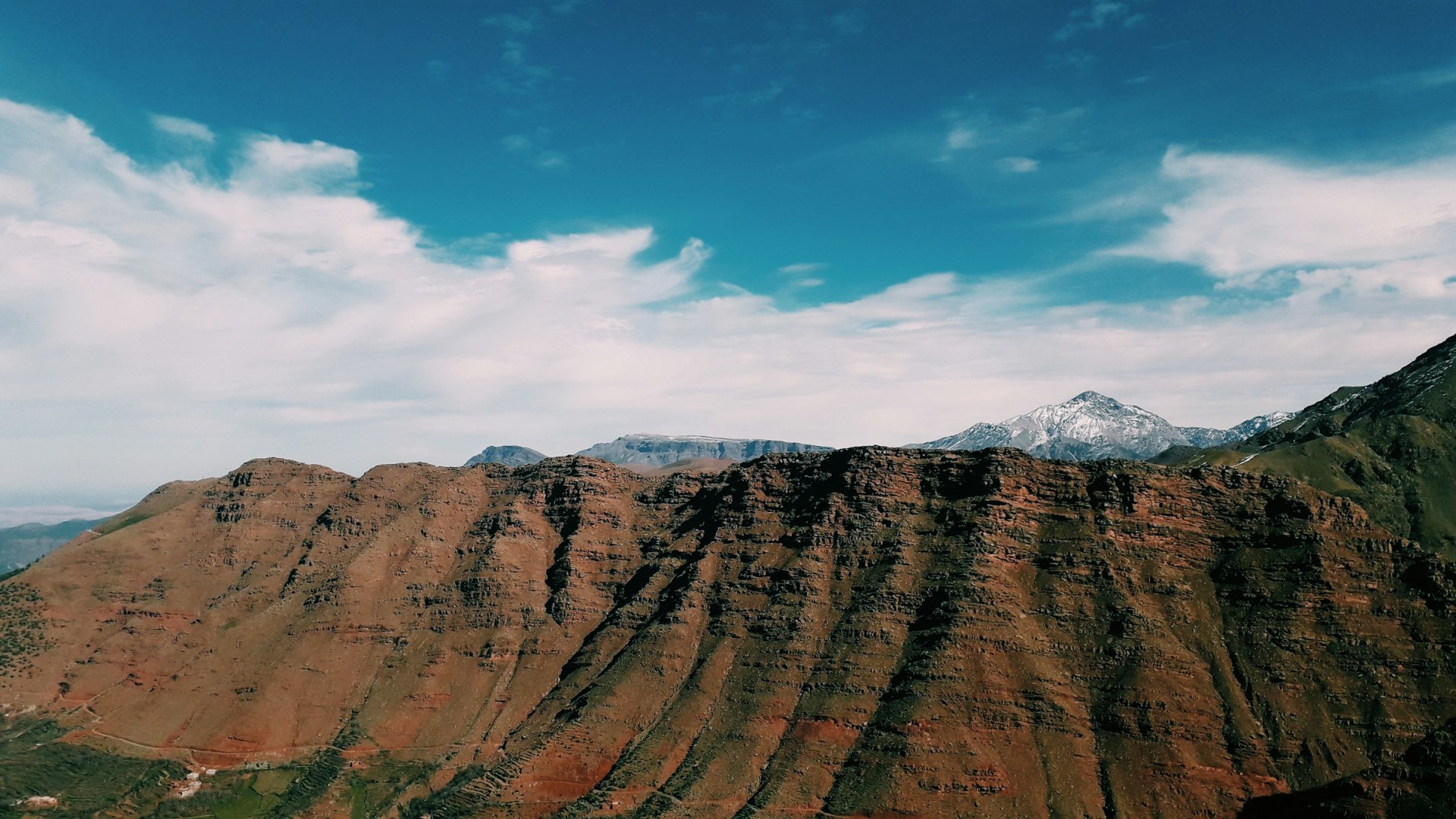
Oukaimeden
Oukaïmeden is a high mountain village and ski area in Morocco’s High Atlas, south of Marrakesh.
Pretoria
Pretoria, one of South Africa’s three capital cities, serves as the administrative capital and is renowned for its stately architecture, tree-lined avenues, and historical significance. Established in the mid-19th century, it reflects a blend of colonial Dutch, British, and Afrikaner influences.

Dakar
Dakar, the lively capital of Senegal, stands at the edge of the Atlantic Ocean on the Cape Verde Peninsula. As the westernmost city on the African mainland, it has long been a crossroads of cultures, trade, and ideas.

Phnom Penh
Phnom Penh, the capital of Cambodia, is a city where history, culture, and riverside life intersect. Situated at the confluence of the Mekong and Tonle Sap rivers, the city has a lively riverfront that serves as both a social gathering place and a hub for commerce.
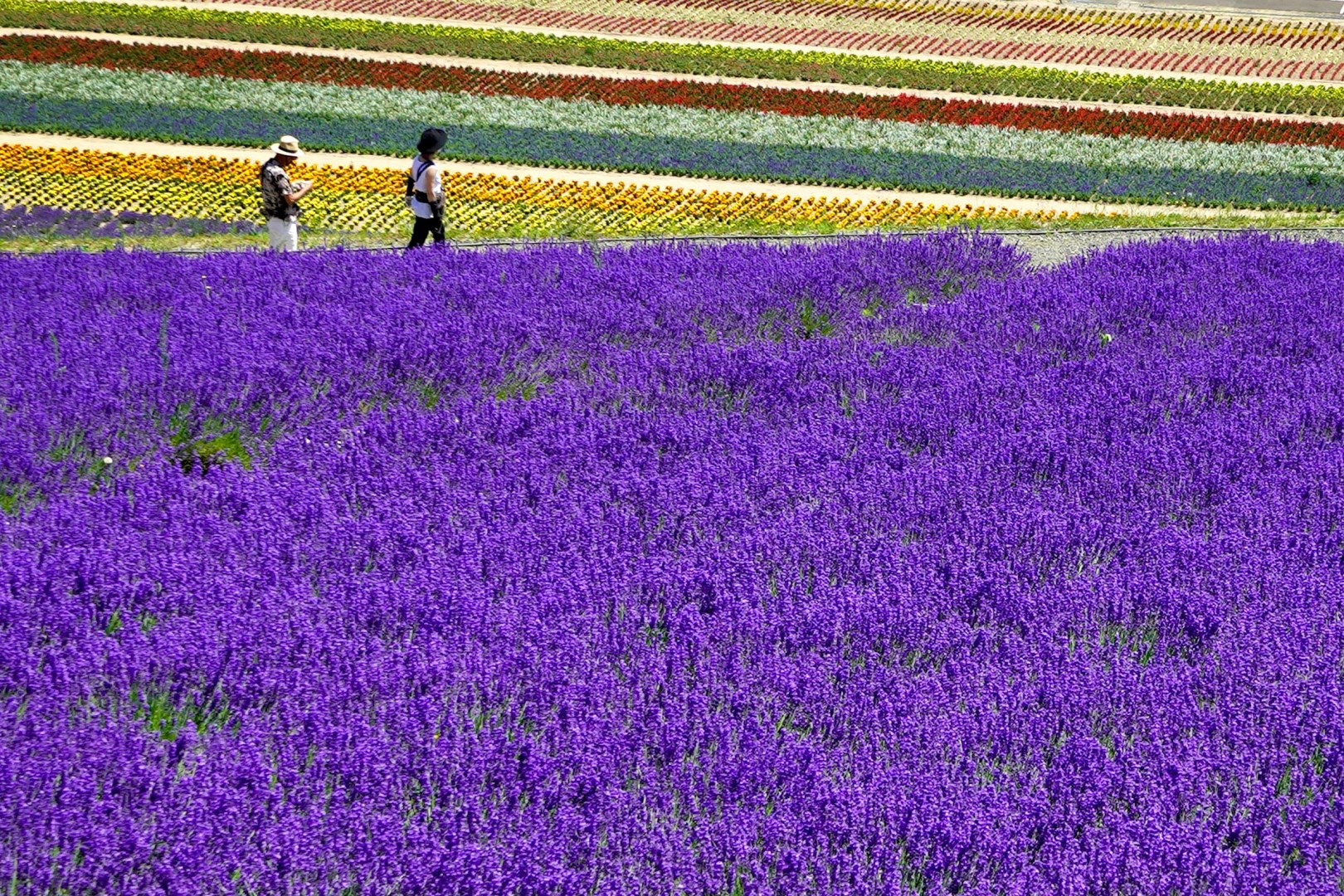
Furano
Furano is a small city in central Hokkaido, surrounded by the Tokachi and Yubari mountain ranges. Its broad basin contains farmland, rolling hills, rivers, and open countryside, while the surrounding mountains provide a distinct backdrop in every season. Furano is particularly associated with fields of lavender and other flowers, but agriculture remains an important part of the local landscape beyond the famous flower farms.