Makgadikgadi Pans National Park
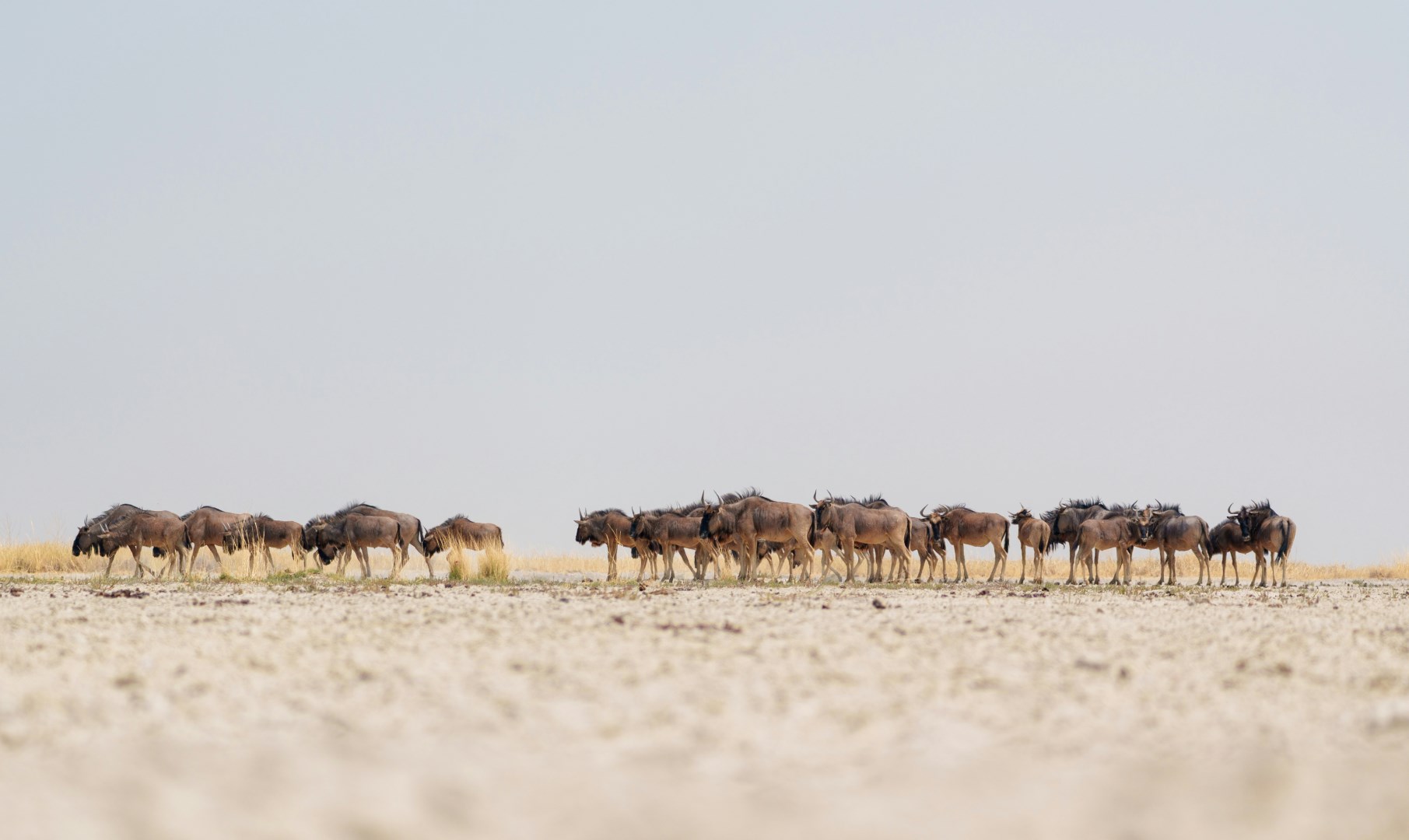
Makgadikgadi Pans National Park lies in northeastern Botswana and forms part of one of the largest salt flat systems in the world. The landscape is defined by wide open pans, sandy tracks, grasslands, and scattered baobab trees that rise from the dry terrain.
Fann Mountains
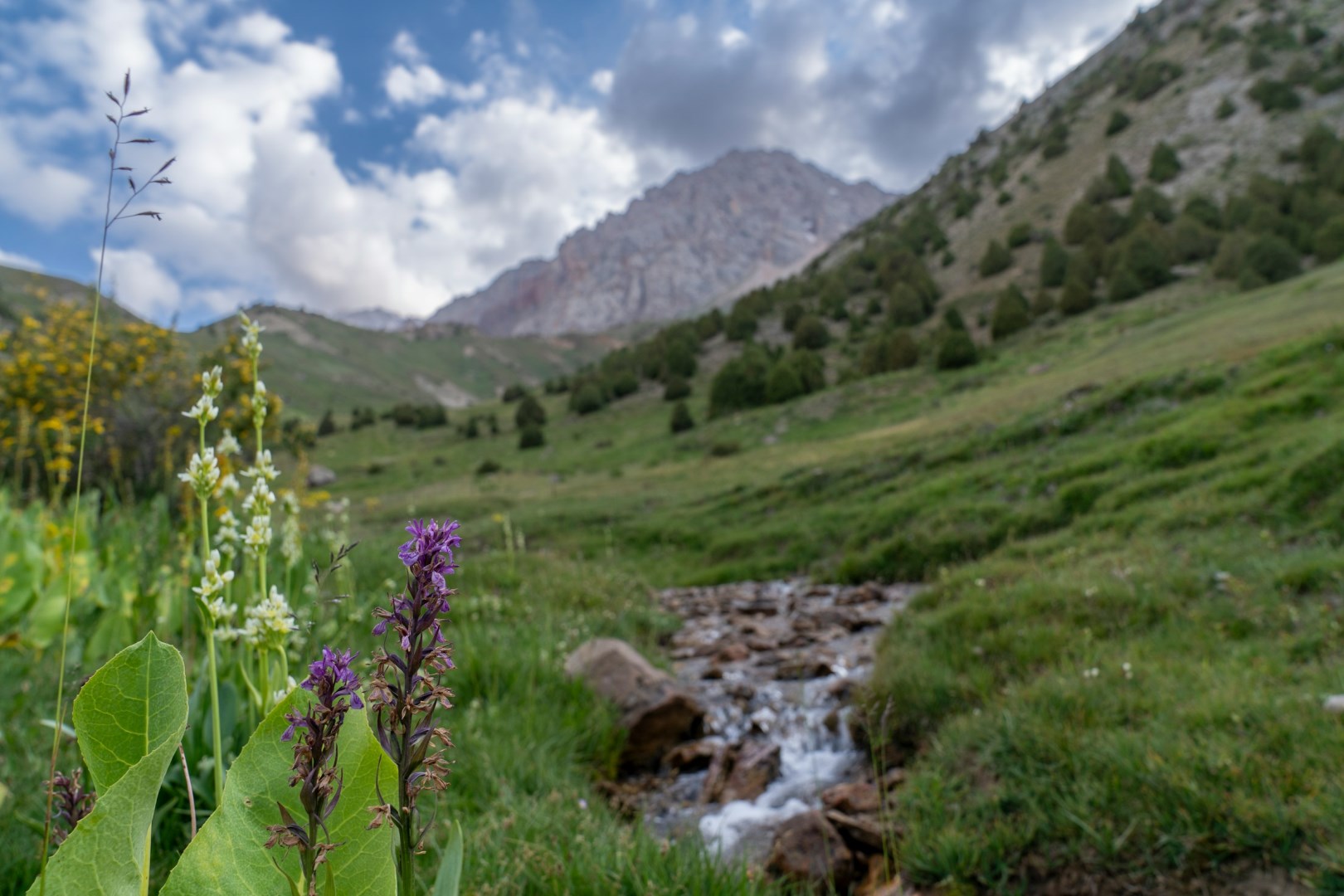
The Fann Mountains are a high mountain range in western Tajikistan, forming part of the Pamir-Alai system between the Zeravshan and Hisor ranges. The region is known for steep peaks, deep valleys, glaciers, alpine lakes, and juniper-covered slopes. Several summits rise above 5,000 meters, including Chimtarga, the highest peak in the Fann Mountains. The range is accessible from settlements such as Ayni and Panjakent and contains some of Tajikistan's most recognized mountain landscapes.

Dominica
Dominica, known as the “Nature Island of the Caribbean,” is a haven for eco-tourists and adventure seekers. Nestled between the French islands of Guadeloupe and Martinique, this lush island boasts a remarkable landscape of volcanic mountains, dense rainforests, and stunning waterfalls. Dominica’s most iconic natural wonder is the Boiling Lake, the second-largest hot spring in the world.
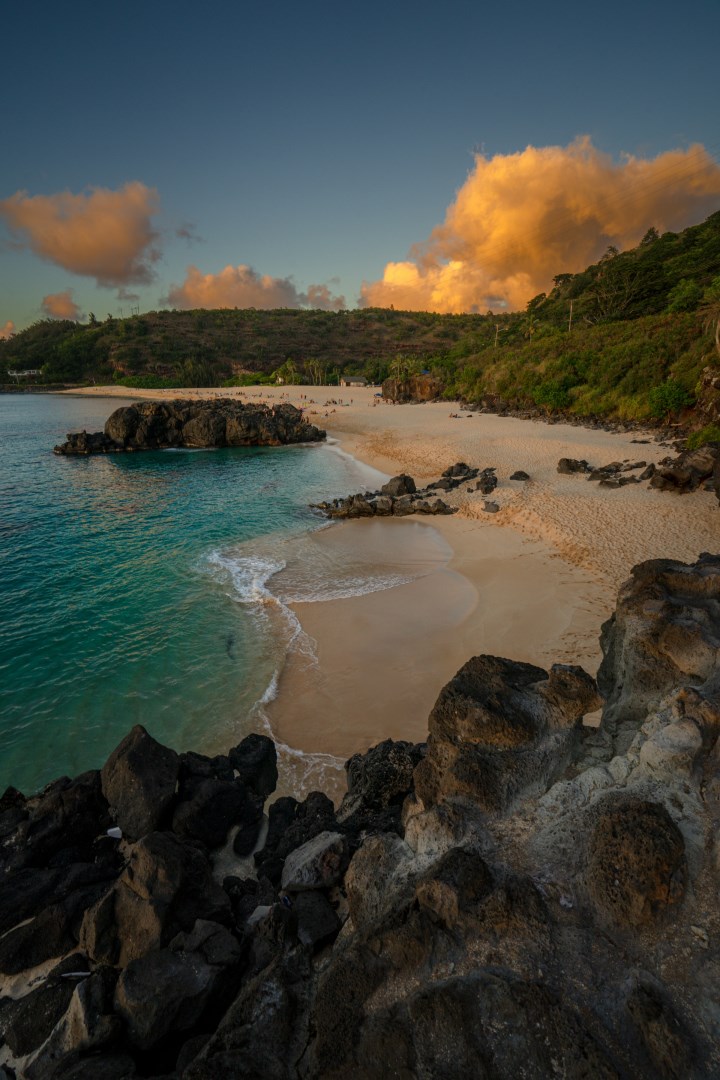
Waimea, Kauai
Waimea, also known as Kamuela, is an upcountry community on Hawaiʻi Island, set between the Kohala Mountains and the island’s volcanic slopes. Unlike the dry lava fields of the nearby Kohala Coast, Waimea is characterized by green pastures, rolling hills, and open ranchland. Its elevation brings cooler temperatures than the coastal resorts, while views toward Mauna Kea and the surrounding mountains help define the landscape. The town serves as a centre for ranching, agriculture, dining, arts, an
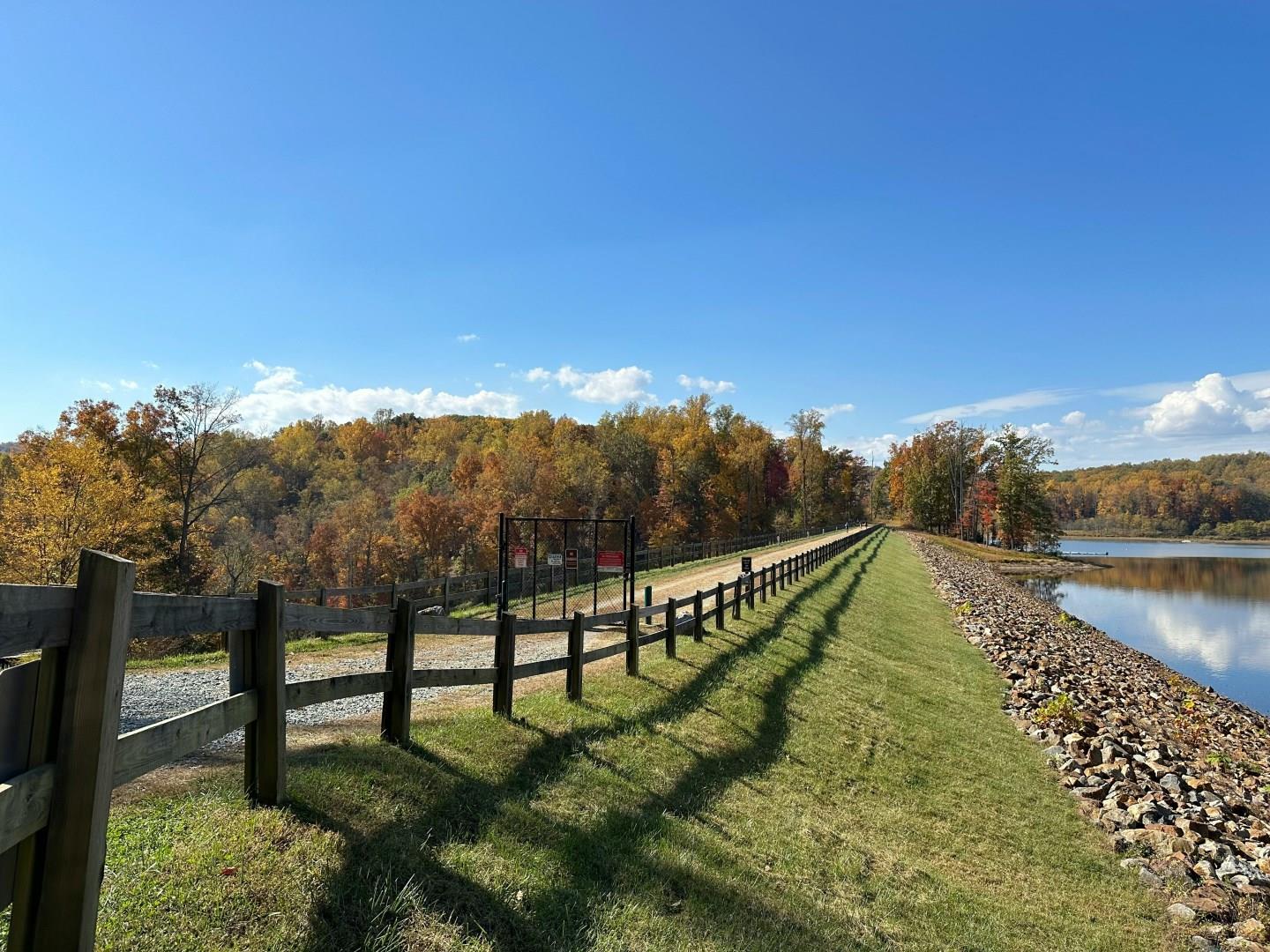
Charlottesville
Charlottesville, Virginia is a small city with deep roots and a lively sense of place. It's home to the University of Virginia, founded by Thomas Jefferson in 1819 and now recognized as a UNESCO World Heritage Site alongside Jefferson’s Monticello estate. Both sites are working institutions where architecture, education, and ongoing dialogue shape how visitors experience the past.