Virginia
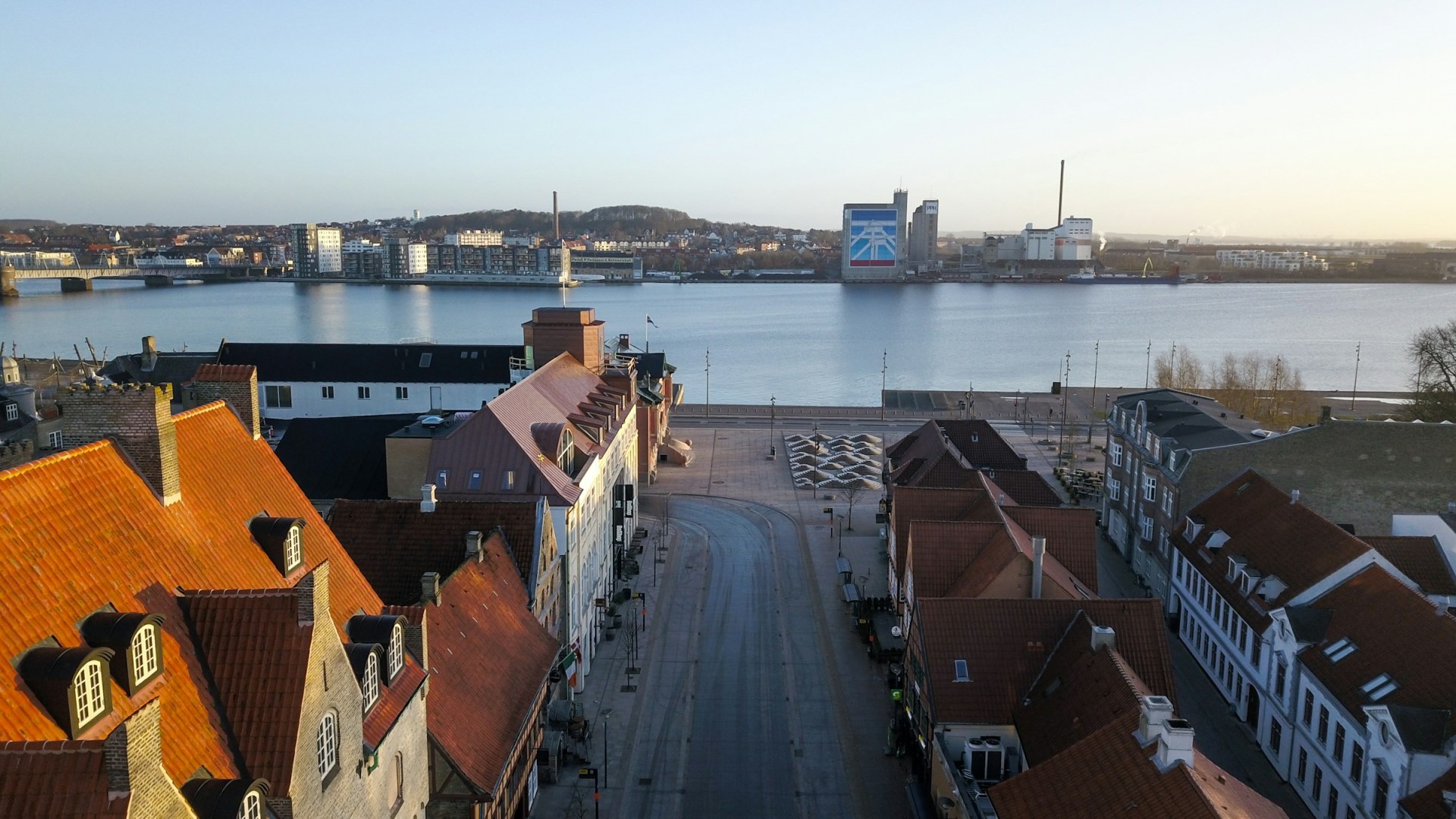
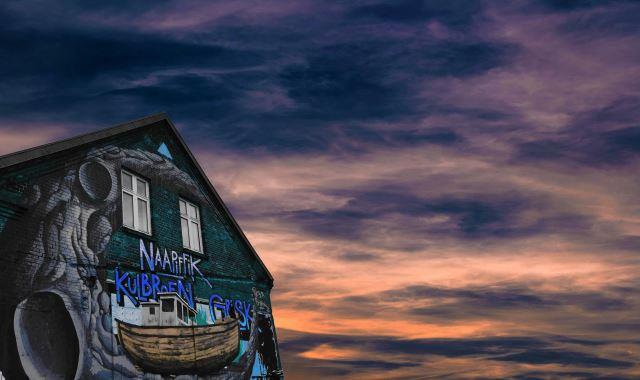
Virginia is a state where past and present share the same ground. In places like Colonial Williamsburg, costumed interpreters walk the same streets once frequented by American revolutionaries, while nearby Jamestown and Yorktown complete what's known as the Historic Triangle. Outside its historic corridors, Virginia surprises visitors with its changing landscapes, from the rolling horse farms of Middleburg to the rugged terrain of the Blue Ridge Mountains.
El Salvador
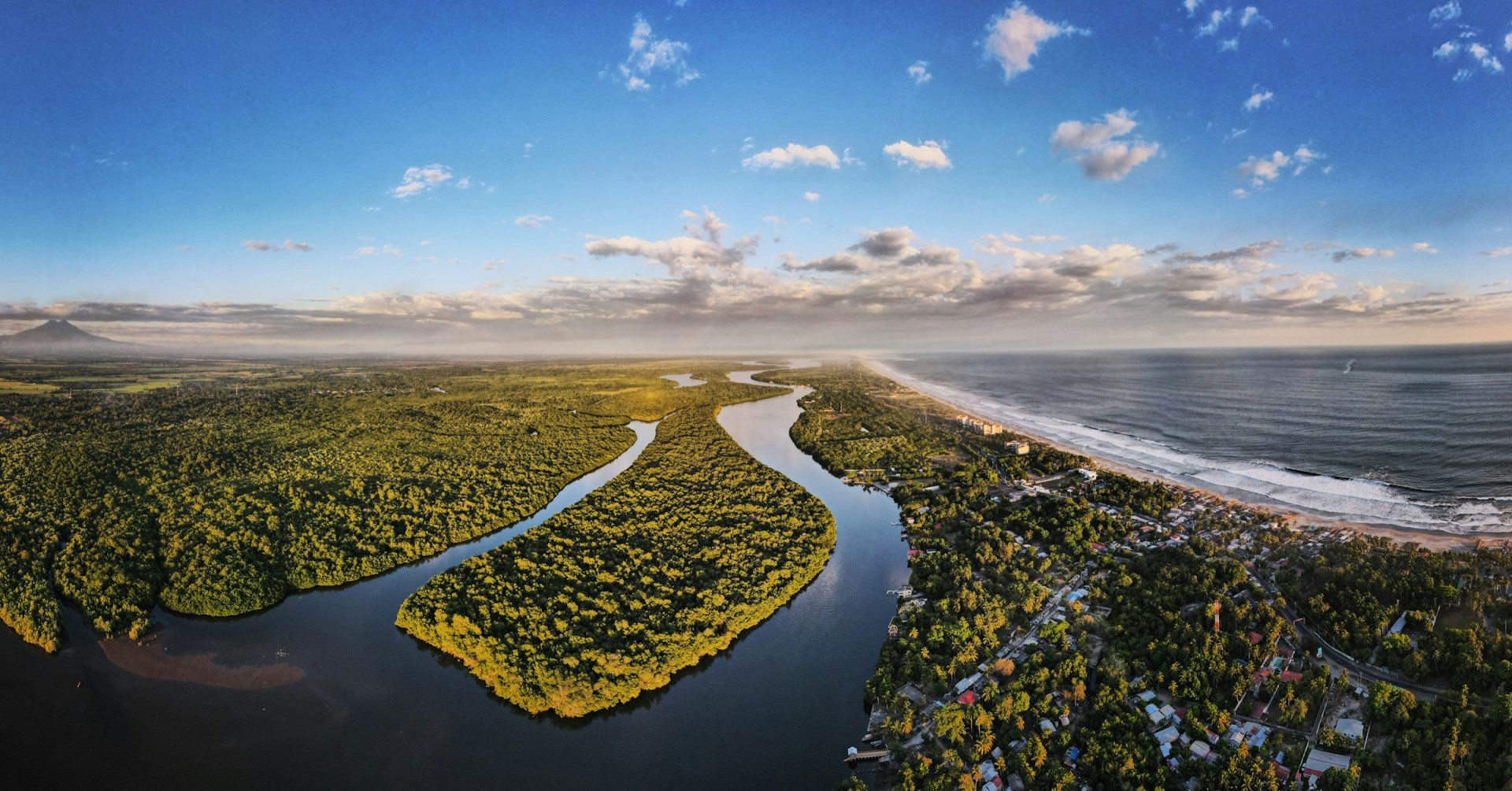
El Salvador, the smallest country in Central America, carries a big presence with its blend of history, culture, and dramatic landscapes. Known as the “Land of Volcanoes,” it has more than twenty within its borders, some of which remain active and shape the country’s terrain.

Romania
There's a wealth of things to do and see in Romania with an intensive range of activities and places to visit. You can ski at traditional or purpose-built mountain resorts or laze in the hot sun on the Black Sea beaches comparable to those on the Mediterranean.
Pigeon Island
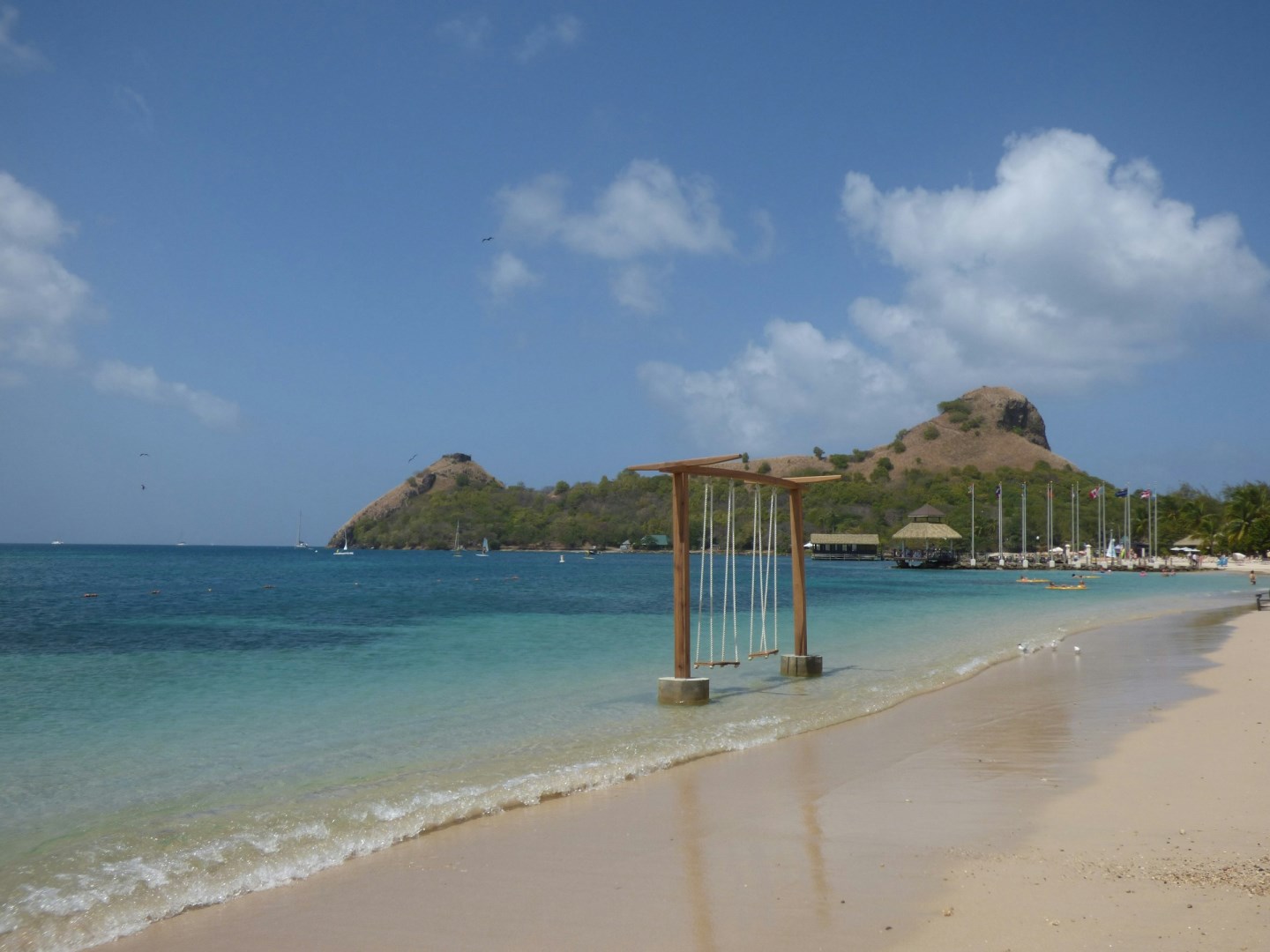
Pigeon Island National Landmark is a historic coastal site on the northwest tip of Saint Lucia, set beside Rodney Bay and connected to the mainland by a causeway. Once a separate island, it now forms part of the island’s northern landscape and combines low hills, dry coastal vegetation, rocky shoreline, and sandy beaches. The site is known for its walking trails and elevated viewpoints, including Signal Peak and Fort Rodney. From the higher ground, visitors can see across Rodney Bay, the Caribbe
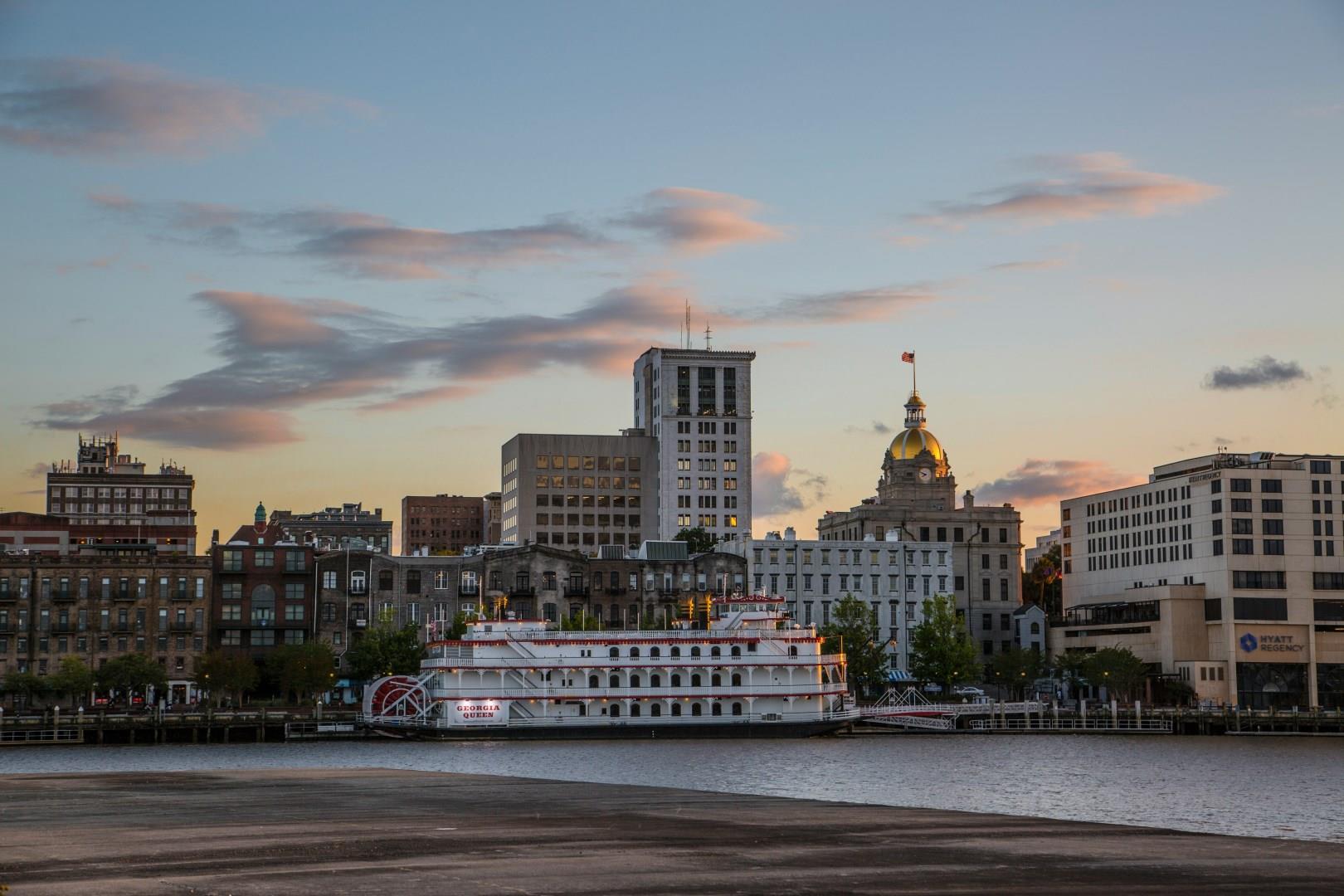
Savannah
Savannah, Georgia, is a city that moves at its own pace, shaded by moss-draped oaks and shaped by centuries of stories. Founded in 1733, it was Georgia’s first city and still wears its history proudly. Visitors walking through the Historic District will find cobblestone streets, hidden gardens, and 22 public squares, each with its own character.