Puntarenas
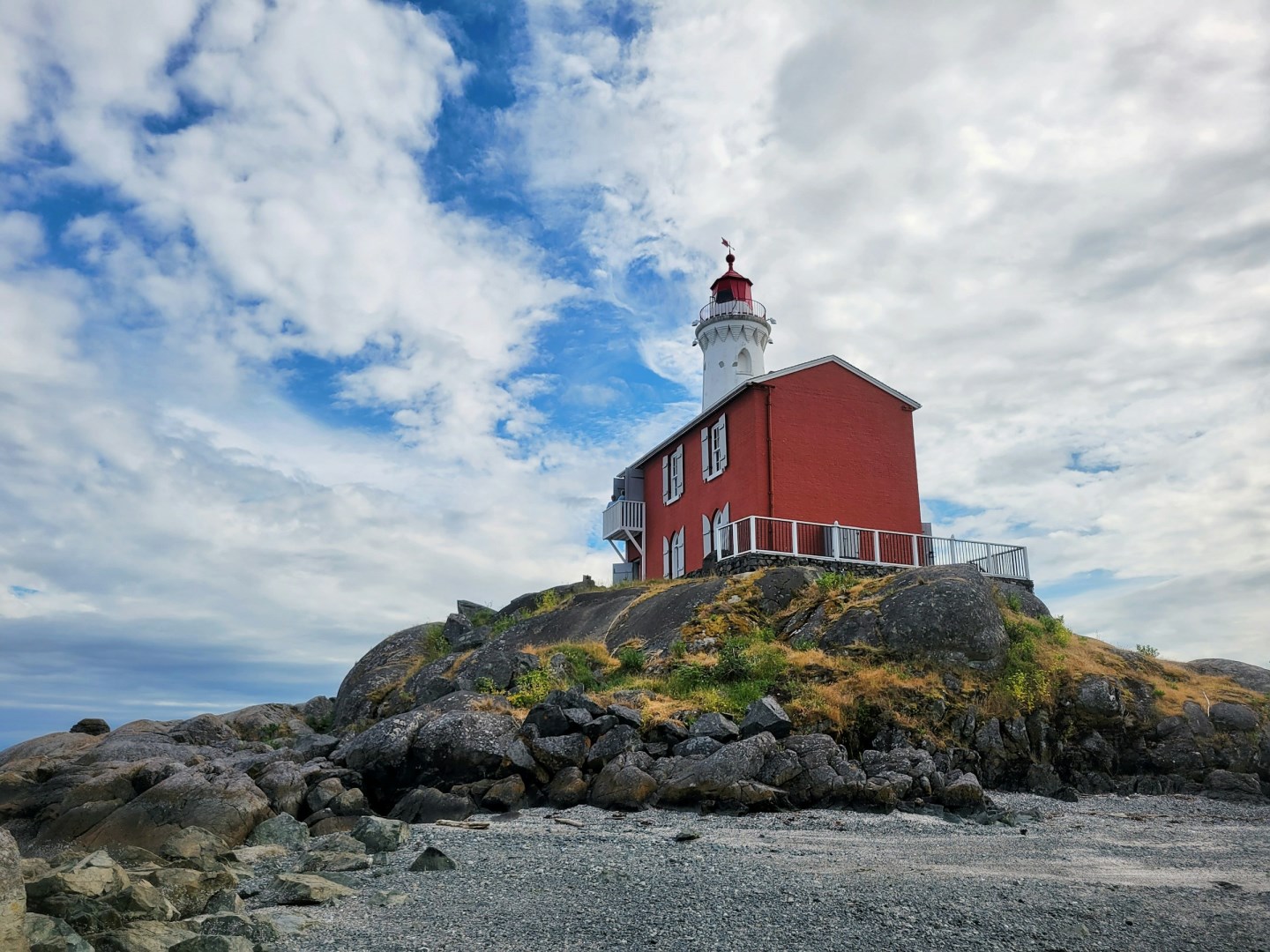
Stretching along Costa Rica’s Pacific coast, Puntarenas offers more than just sandy shores. This historic port town once served as the country’s main gateway for coffee exports in the 19th century. Today, visitors can stroll along streets that echo stories of maritime trade and explore how Puntarenas helped shape Costa Rica's economic identity.

New Hampshire
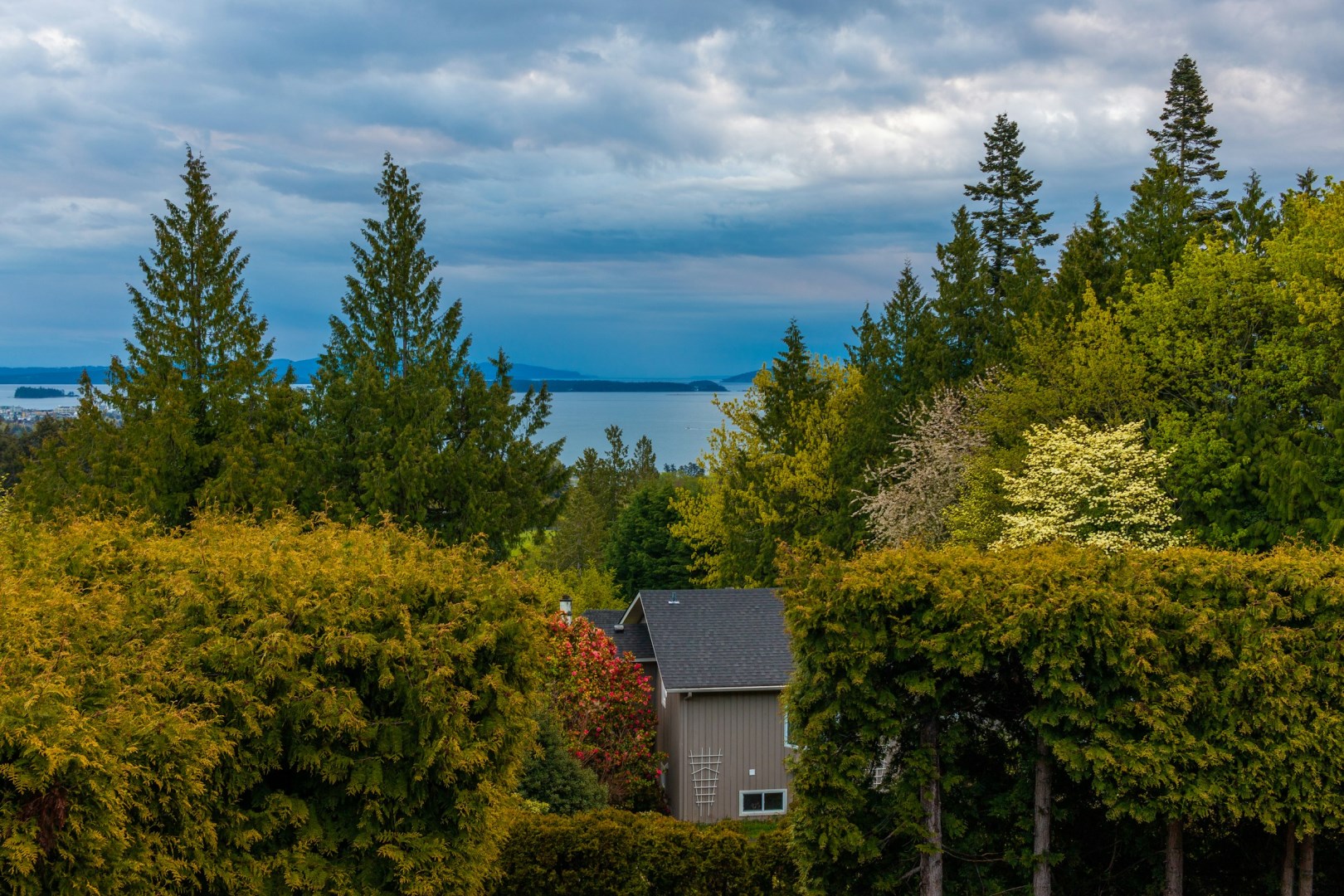
New Hampshire, a gem of New England, invites travelers to immerse themselves in its stunning natural landscapes and rich historical tapestry. Nestled in the heart of the White Mountains, the state is renowned for its outdoor adventures. The iconic Mount Washington, the highest peak in the Northeastern U.S., offers breathtaking views and a challenging climb for avid hikers.

Rapid City
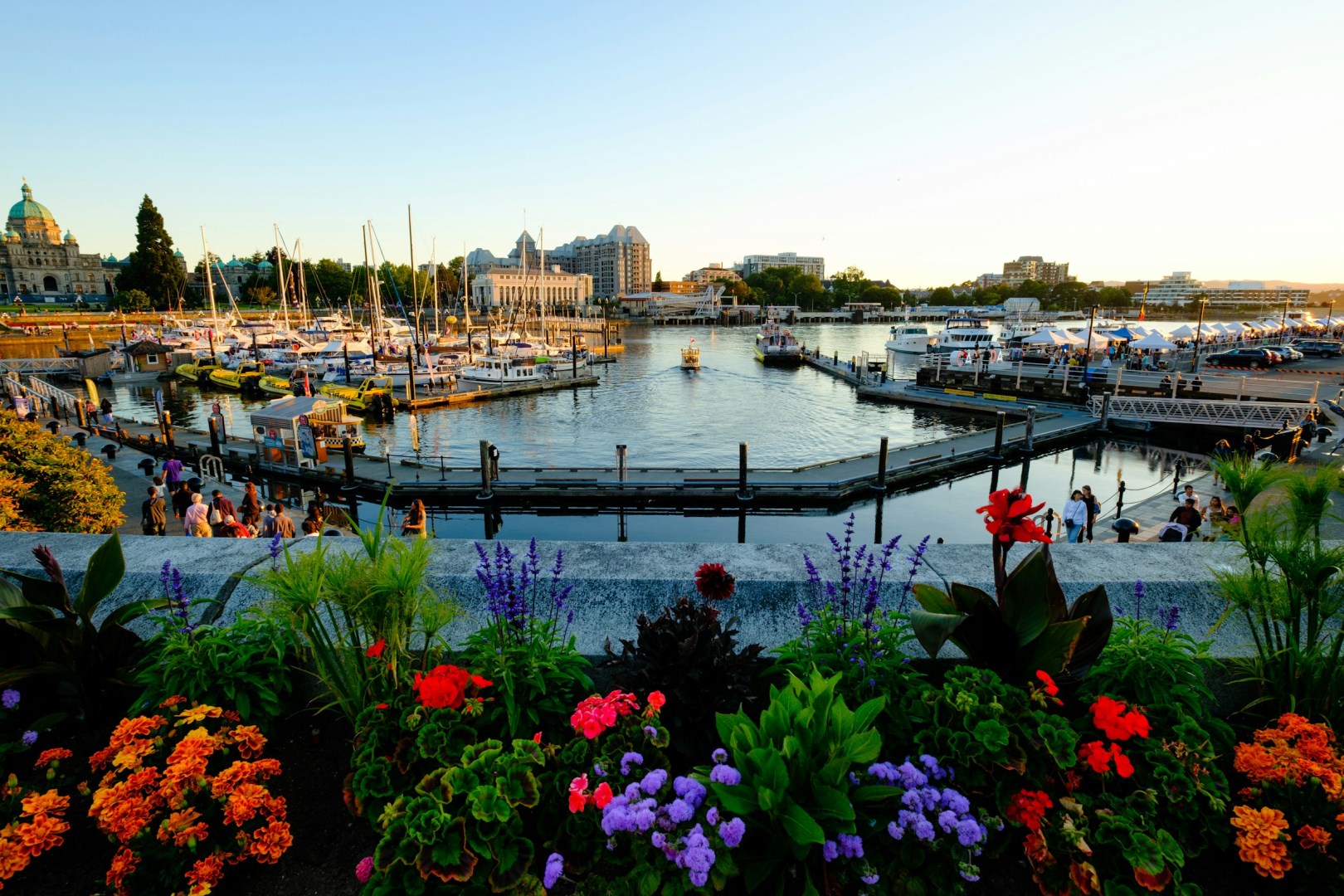
Rapid City is the gateway to iconic Mount Rushmore National Memorial and a delightful stop for your next trip to South Dakota.

Liwonde National Park
Liwonde National Park lies in southern Malawi along the Shire River, the country’s largest river and the main outlet of Lake Malawi.
The Gambia
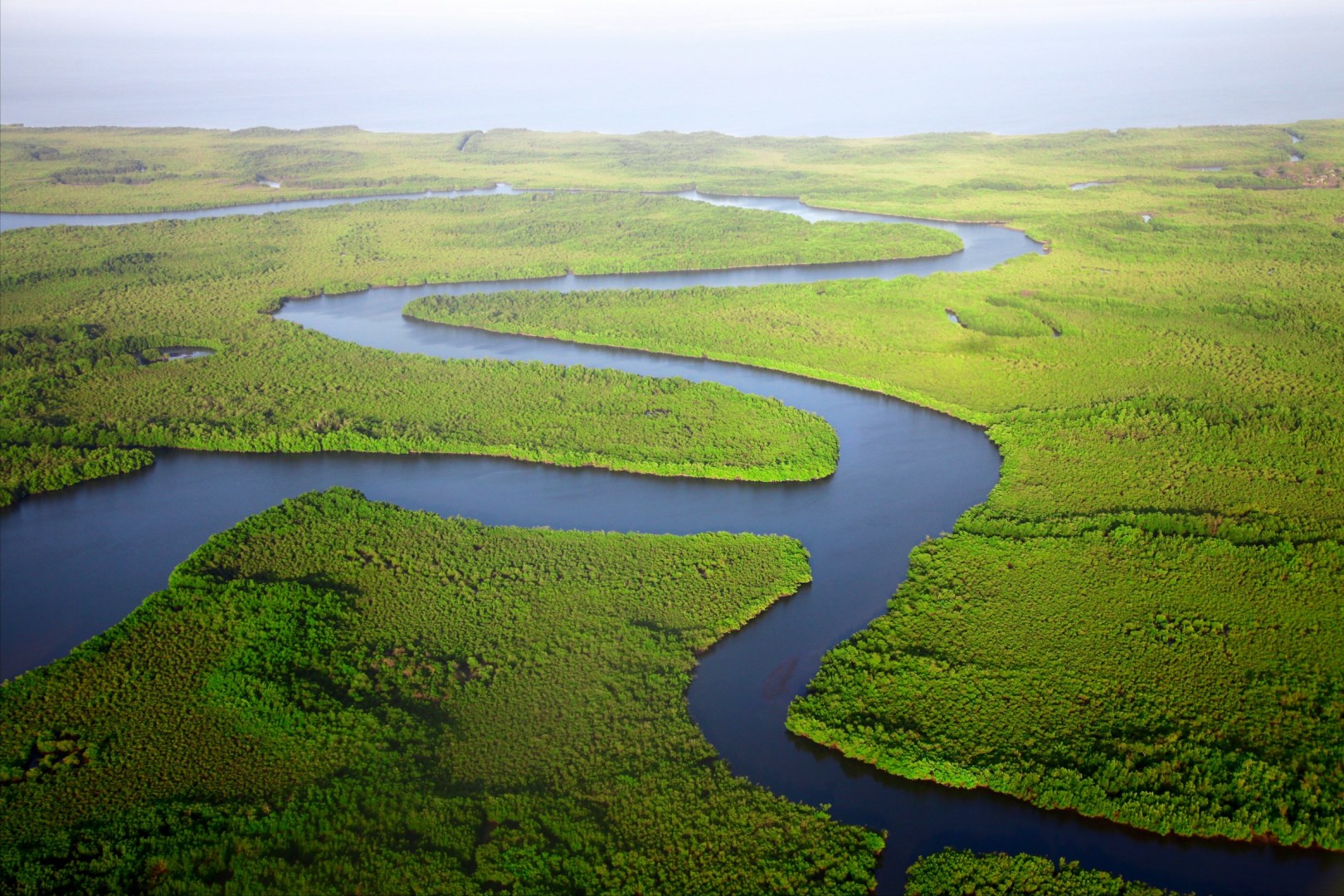
The Gambia is a small West African country known for its rich culture, scenic river landscapes, and warm, welcoming communities. The country is centered around the Gambia River, which flows through the nation and supports agriculture, fishing, and river-based tourism.