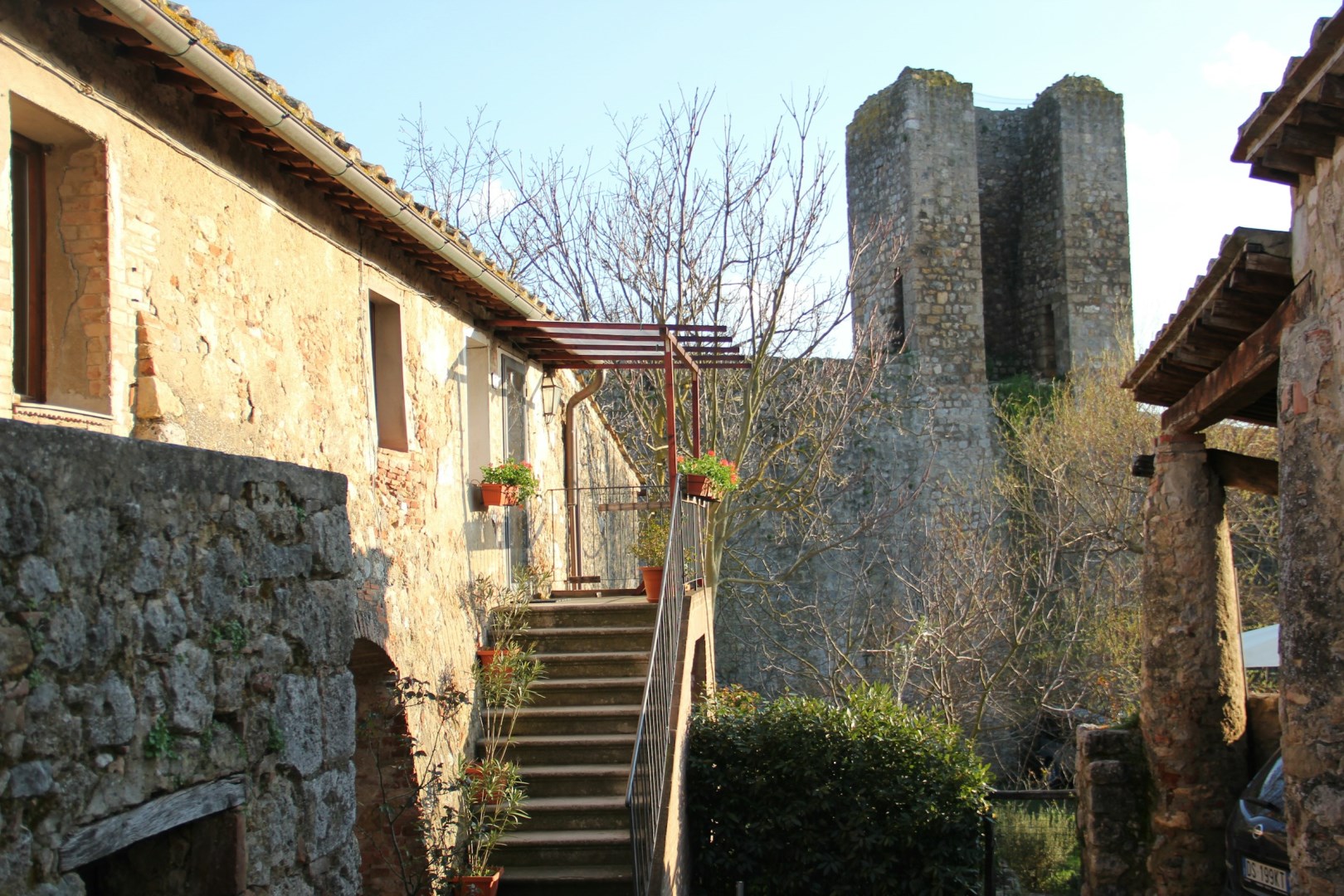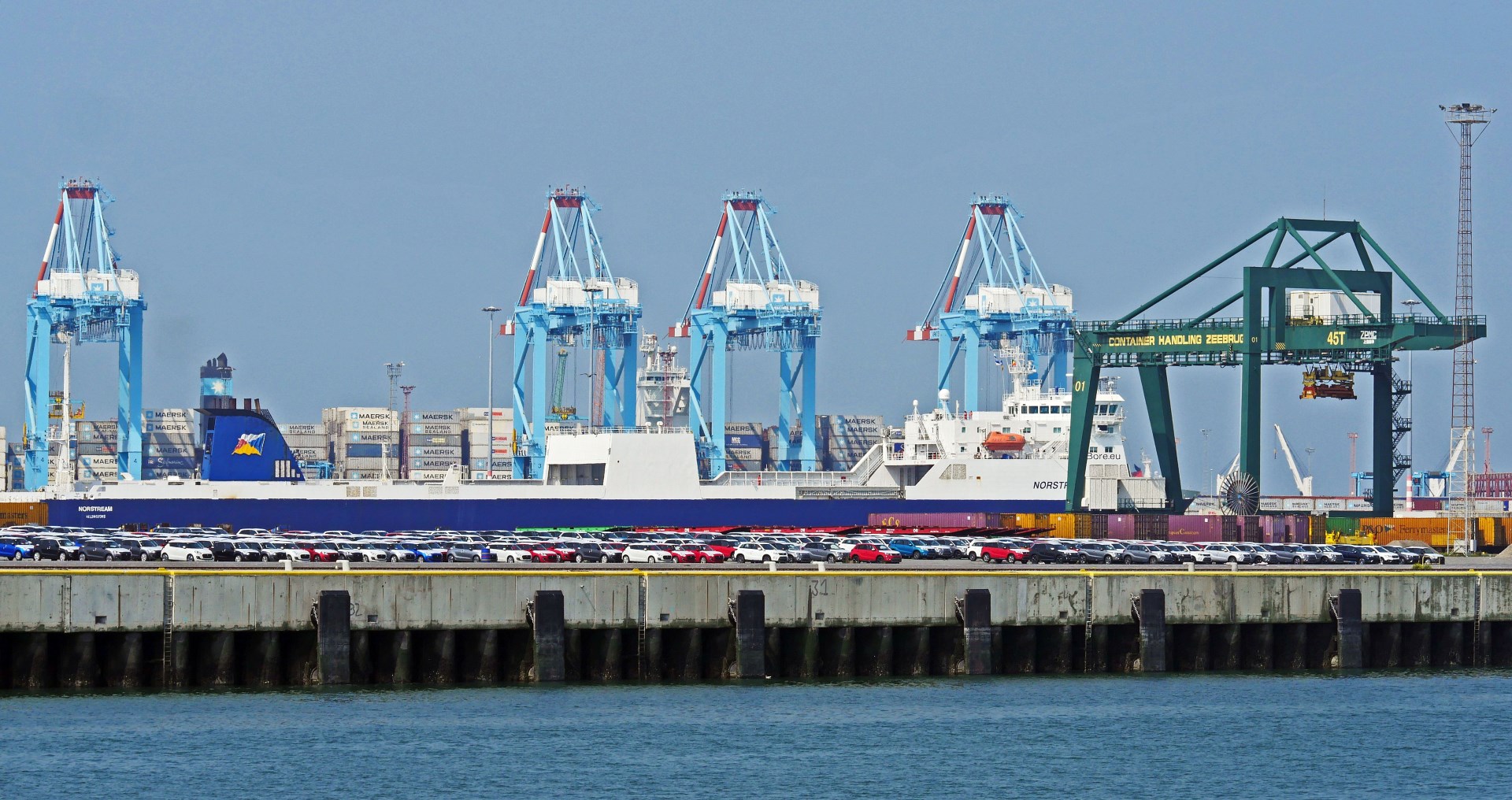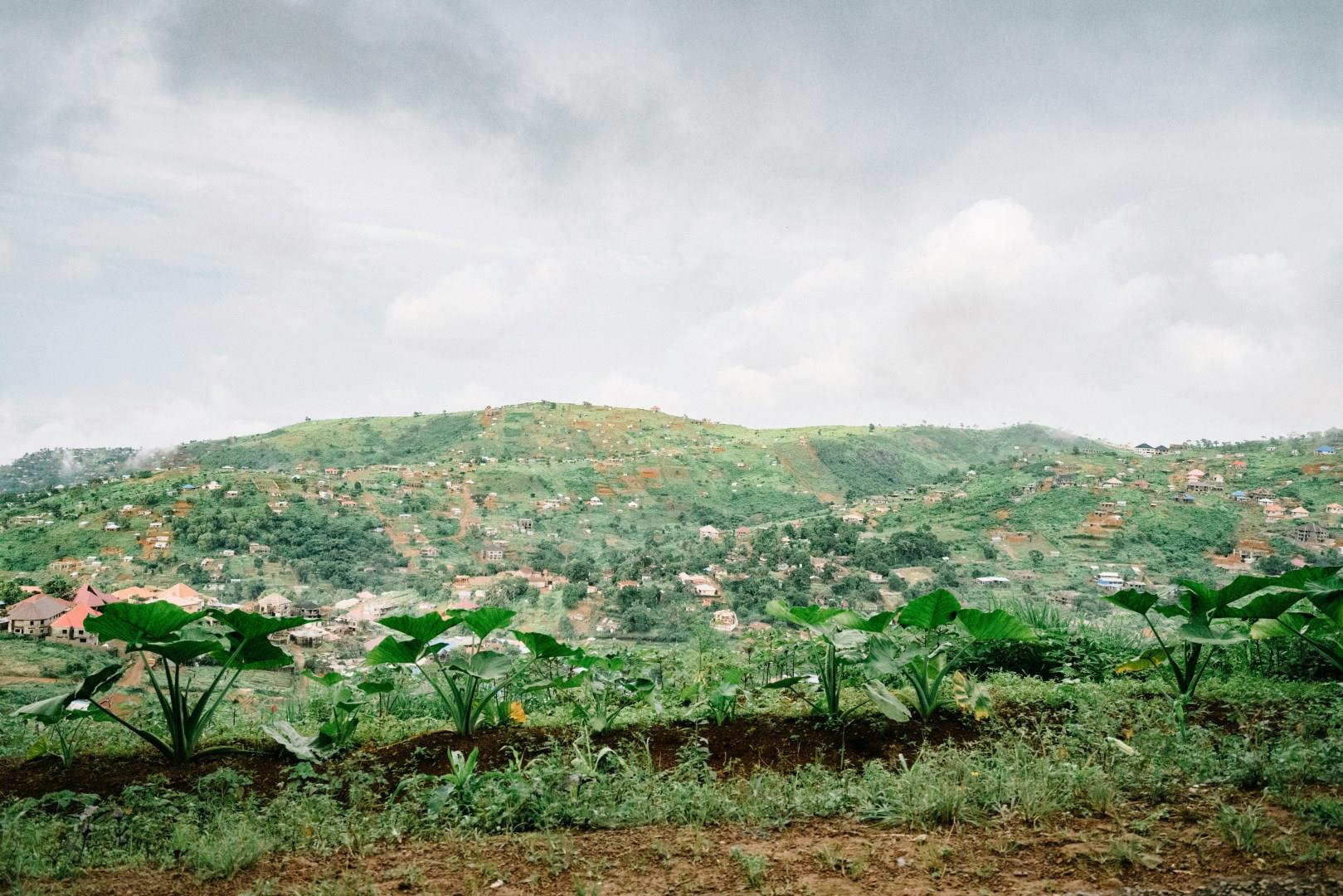
Ronda, perched high above the El Tajo gorge in southern Spain’s Málaga province, offers one of the most dramatic landscapes in Andalusia. The city is split in two by a 120-meter-deep canyon carved by the Guadalevín River, and connected by the iconic Puente Nuevo, an 18th-century stone bridge that took over 40 years to complete. Visitors crossing the bridge can stop at the viewpoint built into the stone itself, once used as a prison.
Set along a gentle curve of the Main River in Bavaria, the town of Miltenberg presents a streetscape that feels carefully preserved rather than rebuilt. Rows of half-timbered houses line a single main street, their wooden beams and painted facades forming one of the most photographed scenes in Germany. The old market square, known as the Schnatterloch, draws attention with its sandstone fountain and tightly packed historic buildings, creating a setting that has remained largely unchanged.
Mauritania, stretching between the Atlantic Ocean and the Sahara Desert, offers travelers a journey through wide-open landscapes and centuries of history. Its terrain is marked by shifting sand dunes, ancient caravan towns, and stretches of untouched coastline.
Croatia, a gem of the Adriatic coast, invites travelers to explore its stunning landscapes and rich history. The capital city, Zagreb, is a vibrant blend of medieval charm and modern sophistication. Wander through the Upper Town (Gornji Grad), where cobblestone streets lead you to the historic Stone Gate and the majestic Zagreb Cathedral. For a taste of local culture, visit Dolac Market, where fresh produce and traditional Croatian delicacies create a lively atmosphere source.
Esperance sits on the southern coast of Western Australia, where wide blue seas meet miles of white sand beaches and rocky headlands. The coastal town grew from pearling and pastoral beginnings into a laid-back seaside destination with a backdrop of rugged terrain and ocean views.
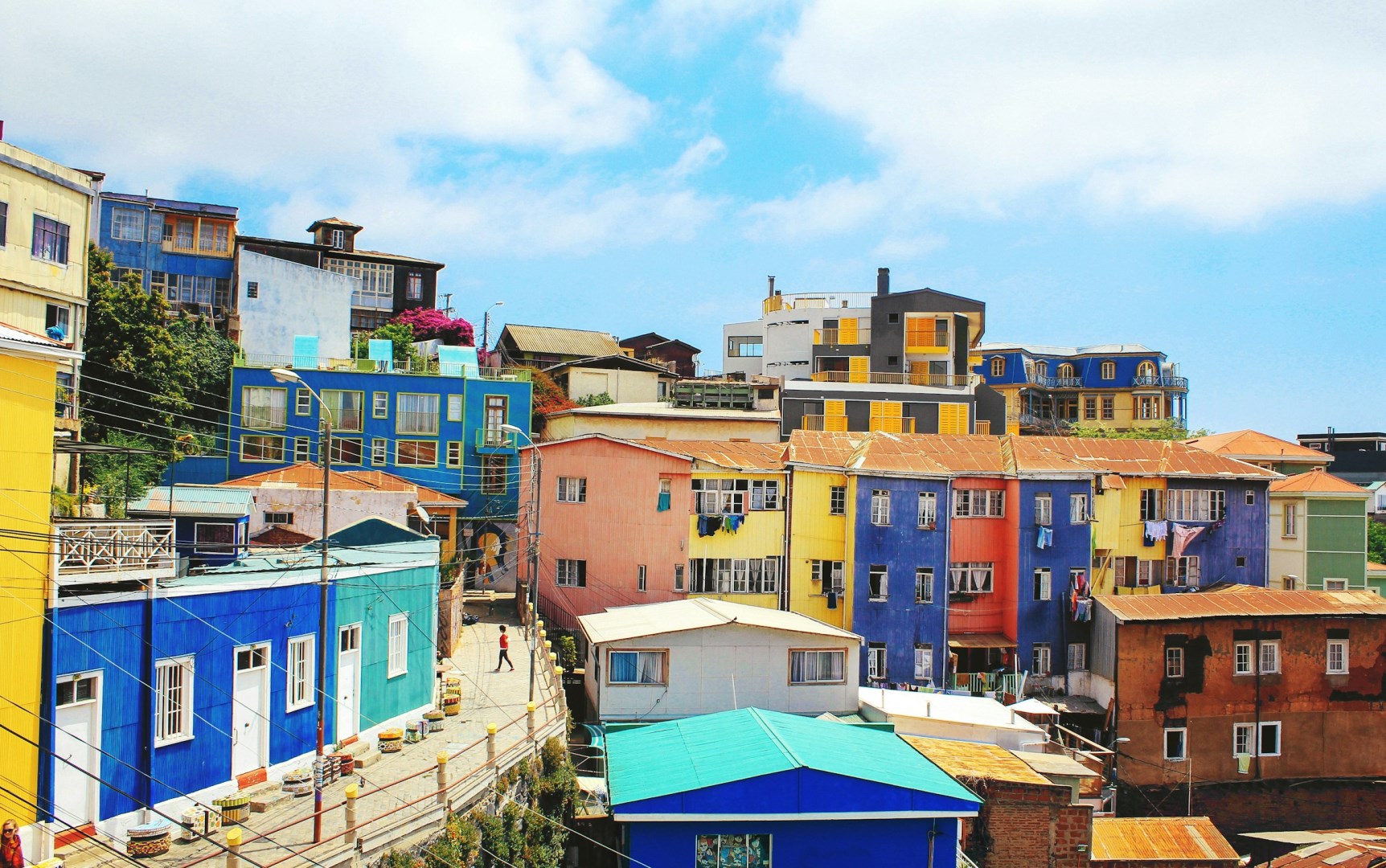
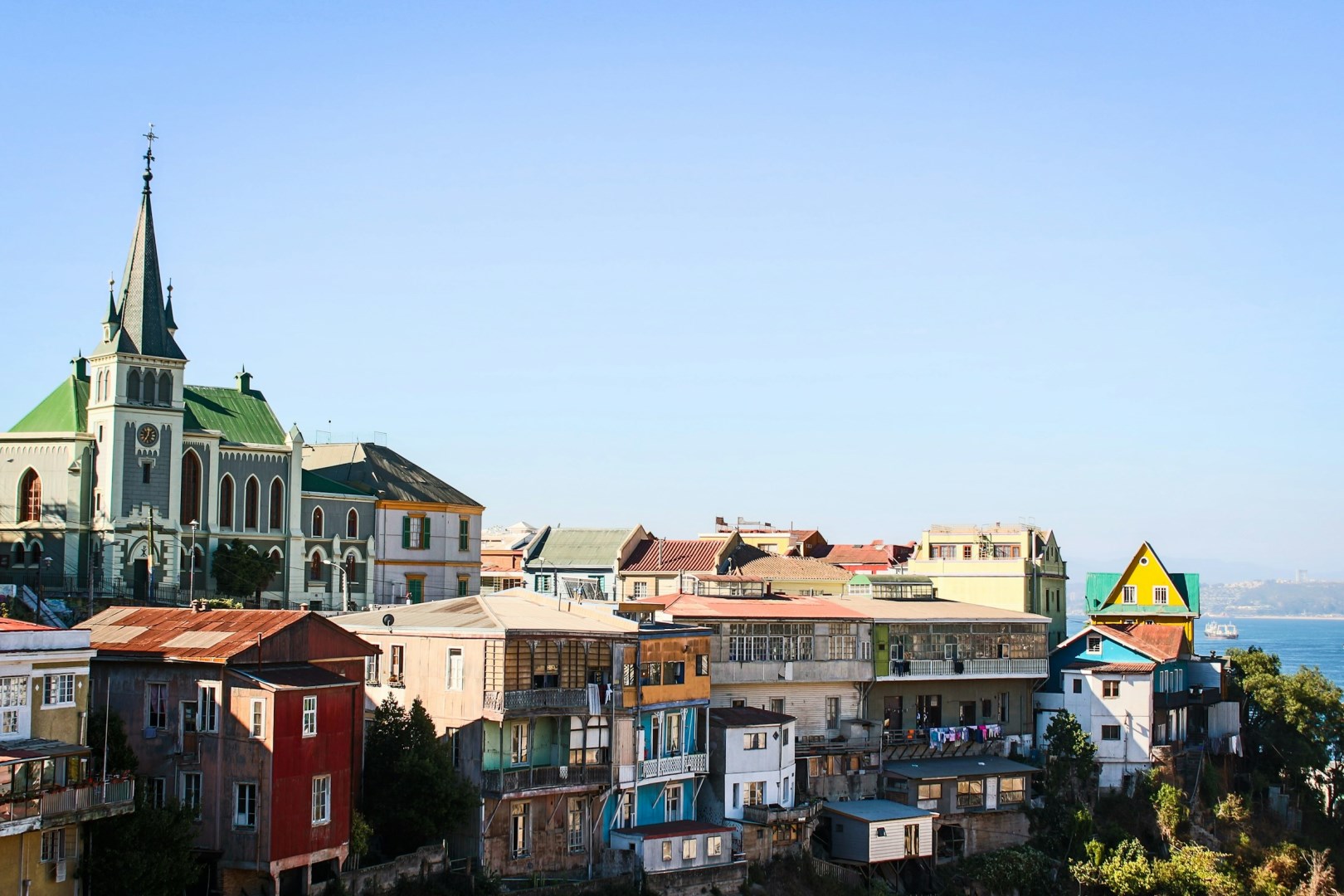
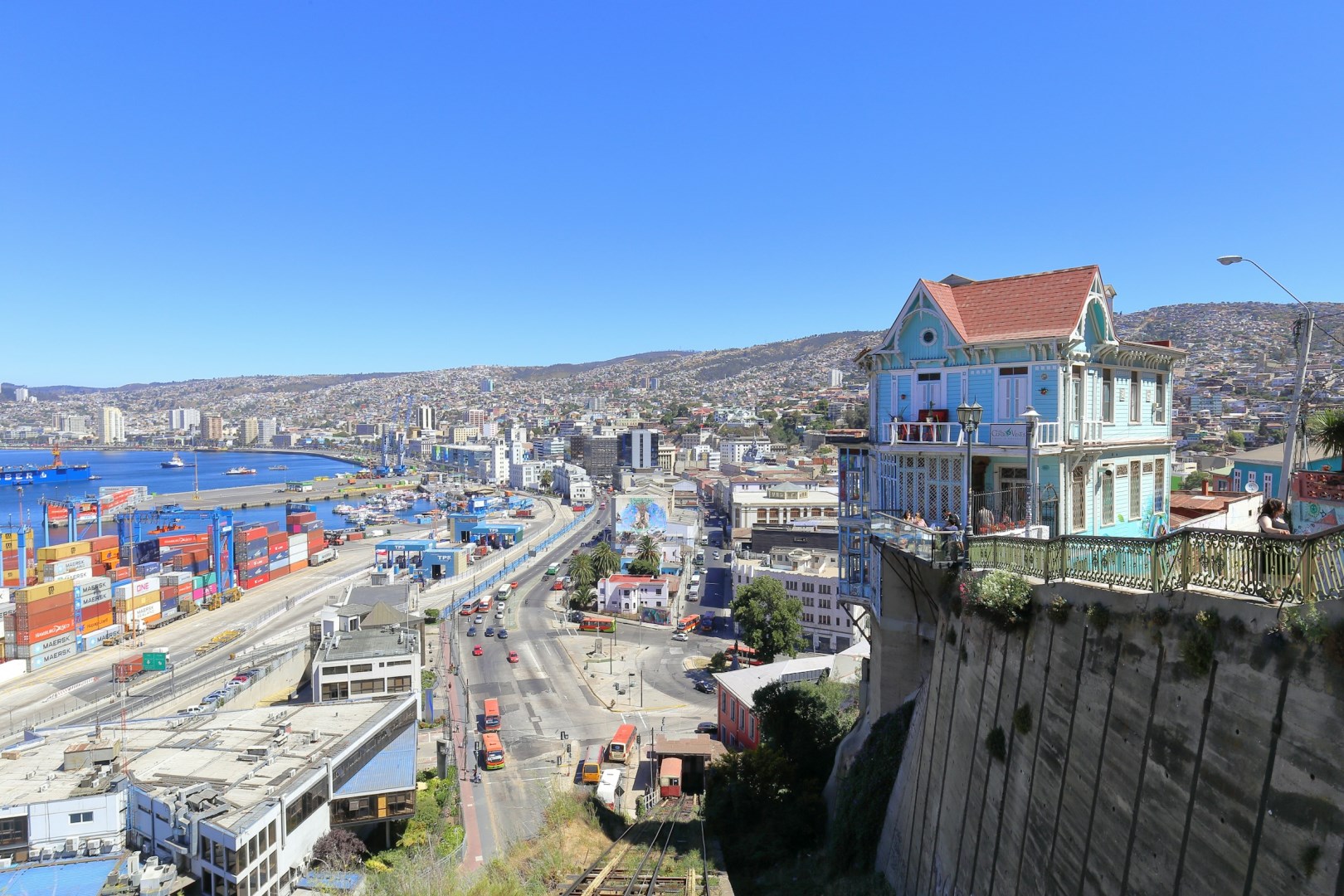
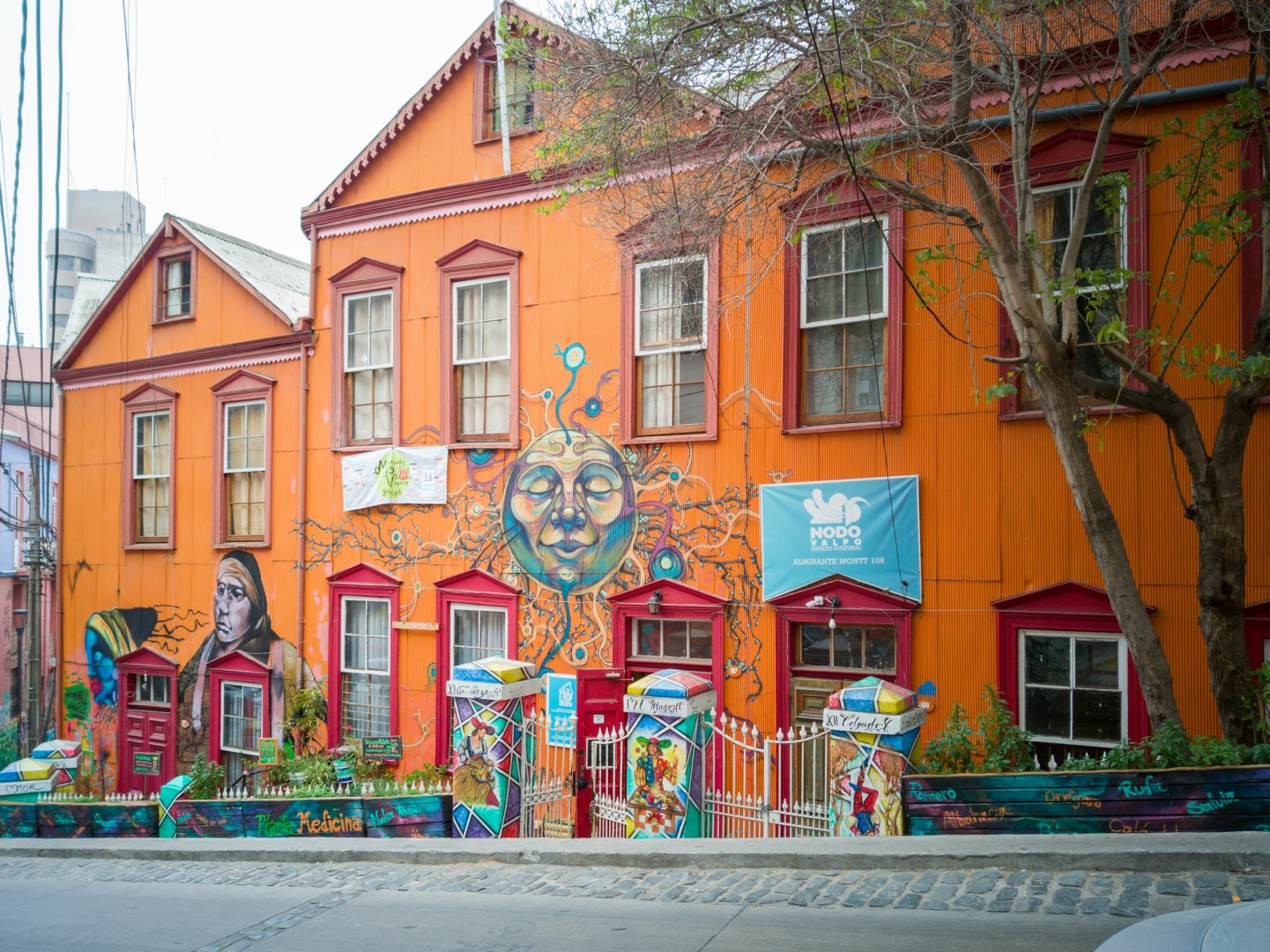
Valparaíso, Chile, is a city that beckons travelers with its vibrant street art, steep hillsides, and bohemian spirit. Known as the "Jewel of the Pacific," Valparaíso's historical importance as a major port during the 19th century has left an indelible mark on its architecture and culture. The city's UNESCO-listed historic quarter is a labyrinth of colorful houses and cobblestone streets that seem to defy gravity as they cascade down to the Pacific Ocean (UNESCO). The iconic Ascensores (funiculars) that dot the city offer a unique way to explore these hills while providing stunning panoramic views.
One of the most compelling reasons to visit Valparaíso is its thriving arts scene. The city is essentially an open-air museum, with vibrant murals and street art adorning nearly every surface. A walk through Cerro Alegre and Cerro Concepción neighborhoods will reveal an ever-changing gallery of bold colors and creative expressions, with each piece telling a story of the city's past and present (Chile Travel). The art extends into the city's lively culture, with numerous galleries, cafes, and cultural centers where you can immerse yourself in the local creative energy.
Valparaíso is also deeply connected to the life and work of Chile's Nobel Prize-winning poet, Pablo Neruda. His house, La Sebastiana, perched high on a hill overlooking the bay, is now a museum dedicated to his legacy. Visitors can explore Neruda's eclectic collections and enjoy the same breathtaking views that inspired many of his writings (Fundación Pablo Neruda). This connection to Neruda adds a literary charm to the city's already rich cultural tapestry.
Fun Fact: Valparaíso hosts one of the most famous New Year's Eve celebrations in South America. The city's annual fireworks display, "Año Nuevo en el Mar," lights up the sky over the bay, attracting visitors from all over the world who come to witness this spectacular event (Valparaíso Tourism).