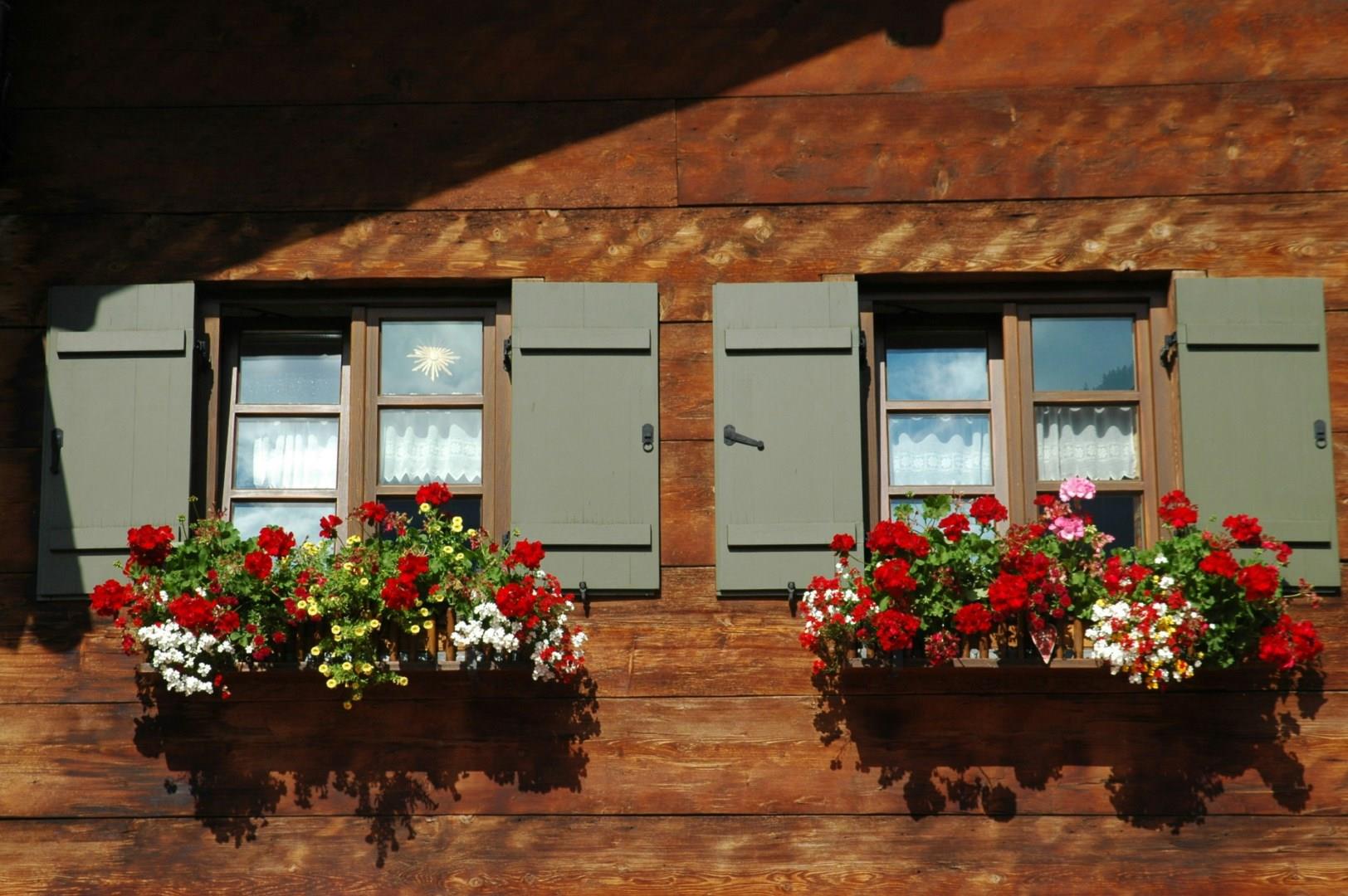
Nestled in the Bavarian Alps, Oberammergau is a charming village in Germany that exudes a timeless allure. Renowned for its stunning alpine scenery, traditional Bavarian architecture, and vibrant cultural heritage, this small town offers an unforgettable experience for visitors. Oberammergau is perhaps best known for its world-famous Passion Play, a tradition that dates back to 1634.
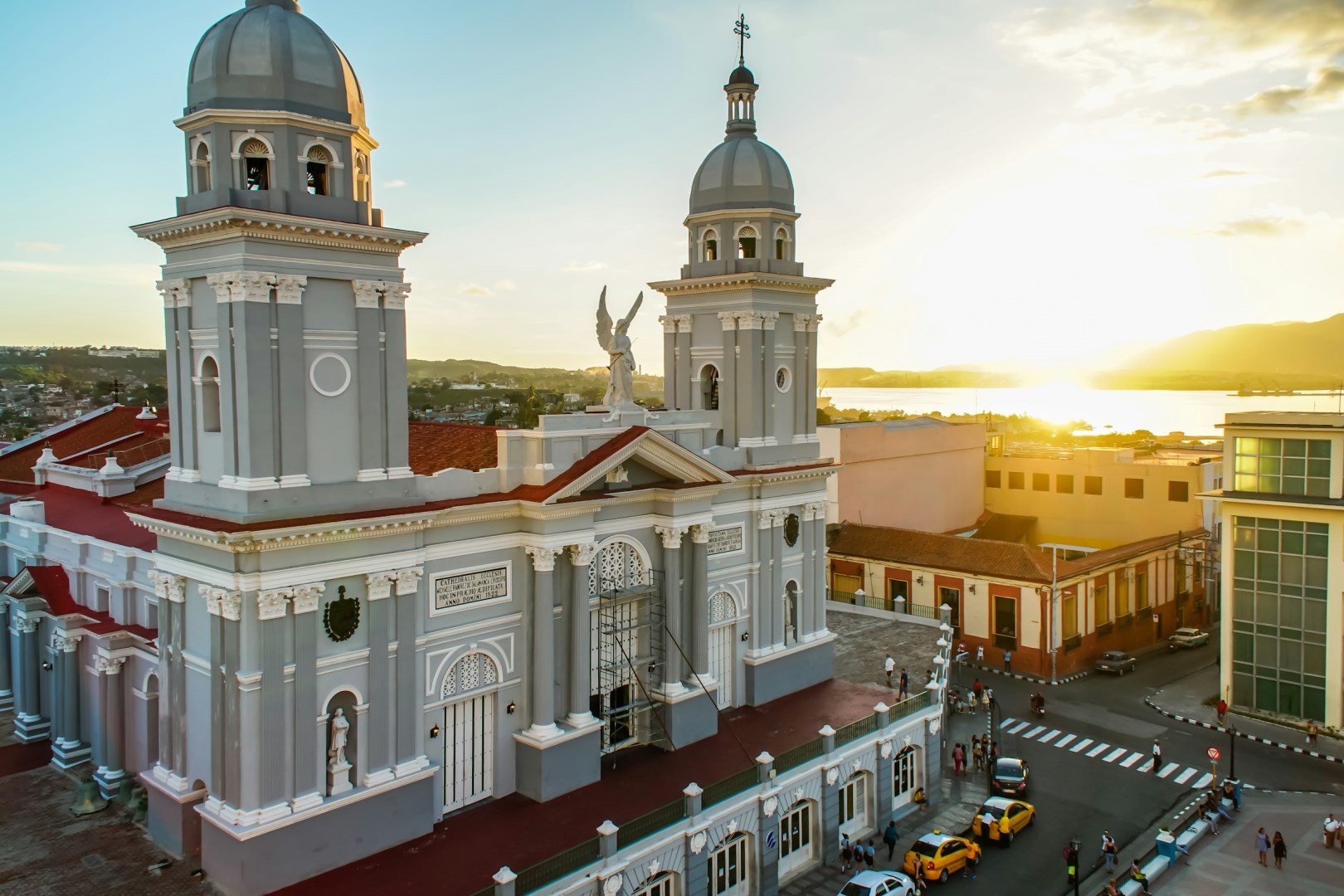
Santiago, the cultural capital of Cuba, is a passionate, unique destination, second in size and importance only to Havana, the governmental capital of the island. Some of Cuba's most famous musicians were born here, as well as the Bacardi brand of spirits, and the UNESCO World Heritage describes the local citadel of San Pedro de la Roca as "the most complete, best-preserved example of Spanish-American military architecture."
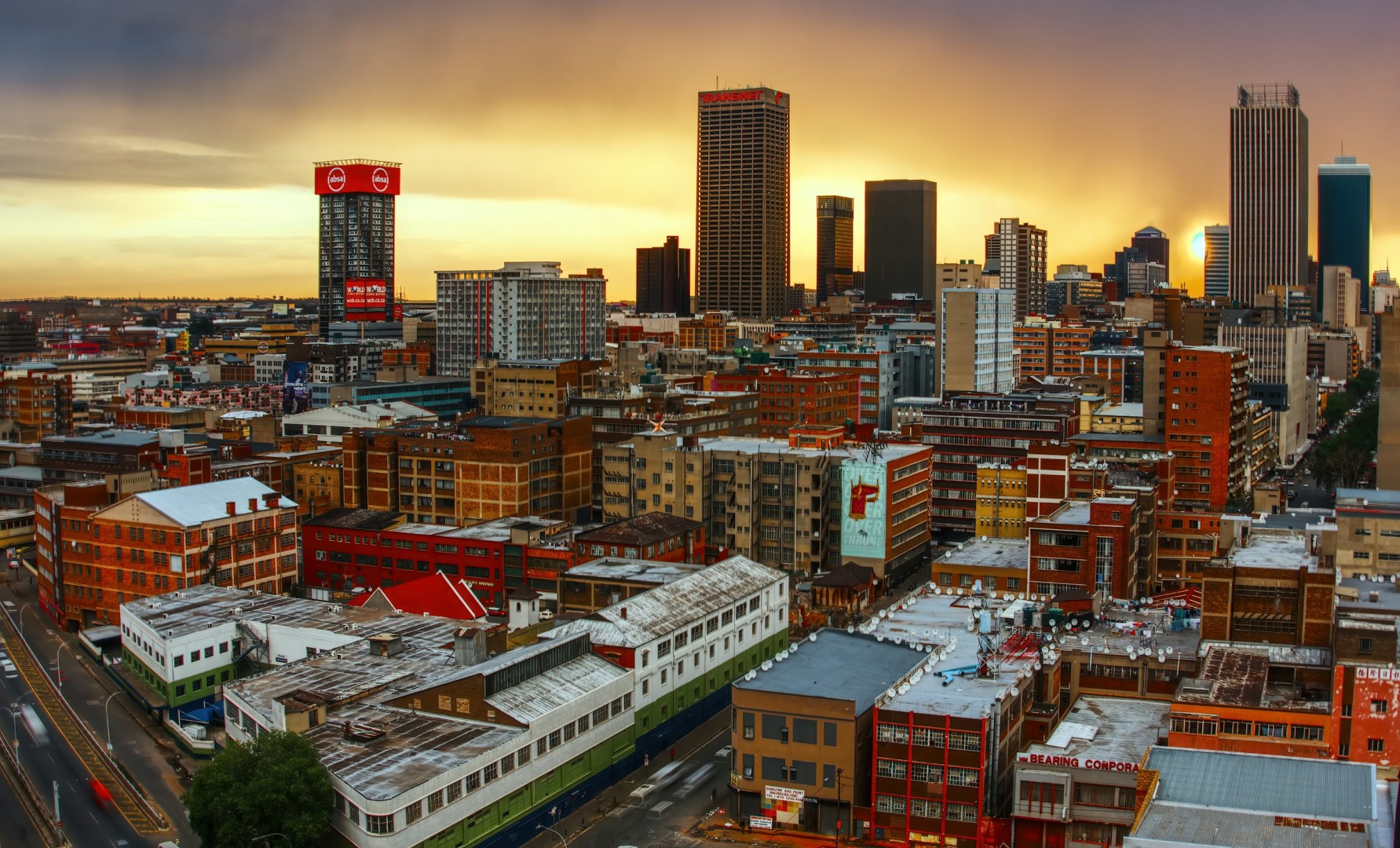
Travel to Johannesburg, the cosmopolitan city at the heart of South Africa, and find some of the country’s most iconic landmarks. Replete with cultural excursions, historical sites, and superb restaurants, Johannesburg has plenty to explore.
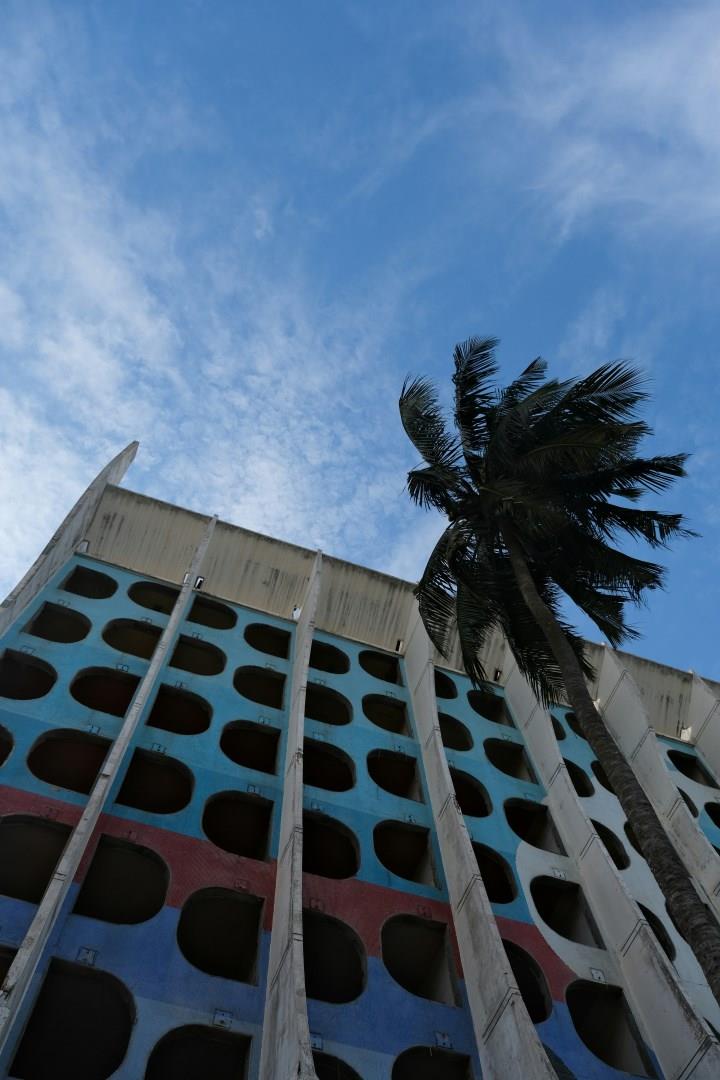
Lomé, the capital city of Togo, sits along the Gulf of Guinea and serves as both the political and cultural heart of the country. Lomé’s coastline features beaches where locals gather and where visitors can enjoy views of the Atlantic Ocean.
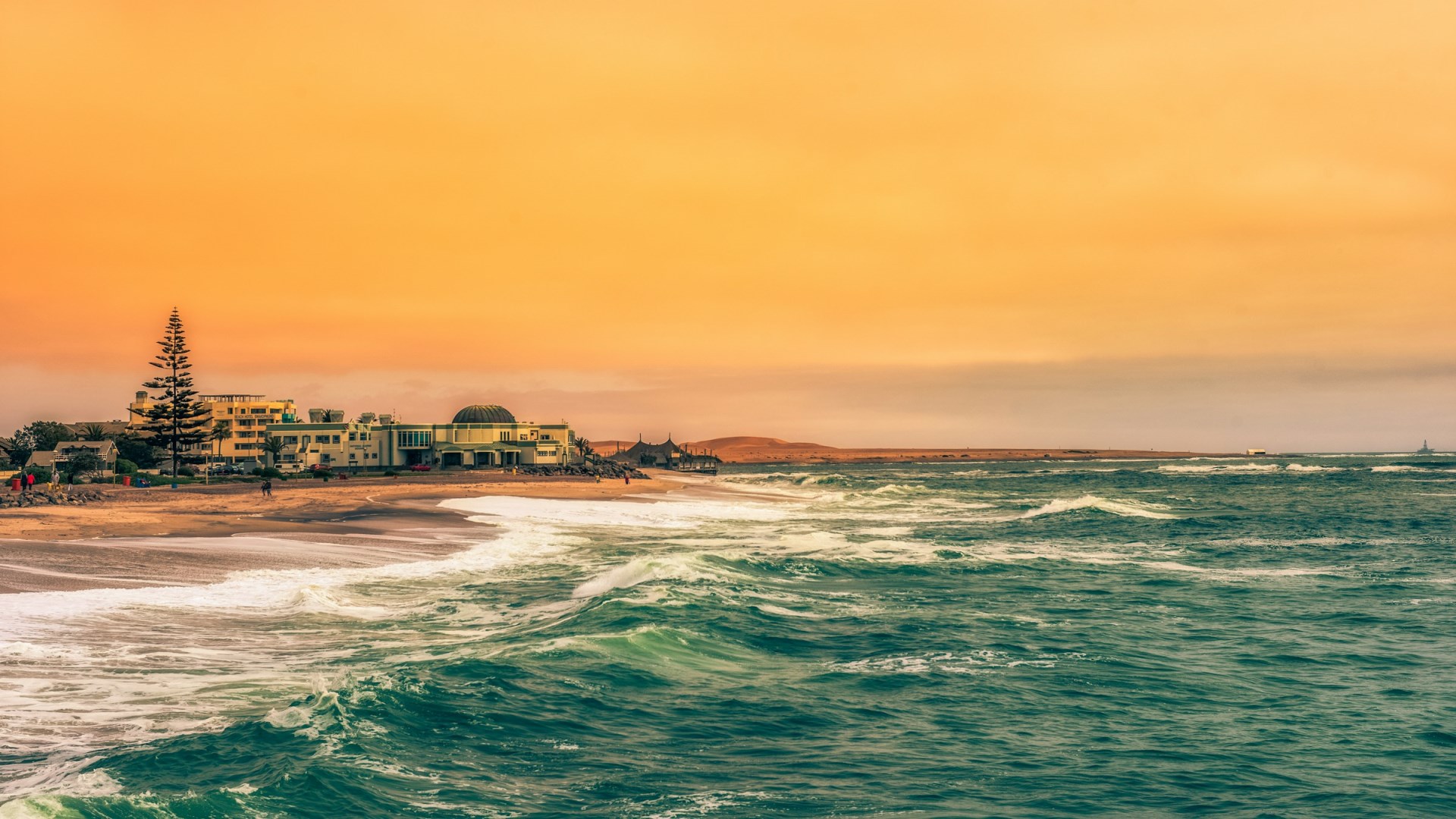
Swakopmund, on Namibia’s Atlantic coast, is a town where desert meets ocean in striking contrast. Founded by German colonists in the late 19th century, its streets are lined with colonial-era buildings painted in pastel colors, giving the town a distinctly European feel.
Photo Credit: Photo by Loïc Mermilliod on Unsplash
Photo Credit: Photo by Fabiola Llerena on Unsplash
Photo Credit: Photo by Martin Woortman on Unsplash
Photo Credit: Photo by David Vives on Unsplash
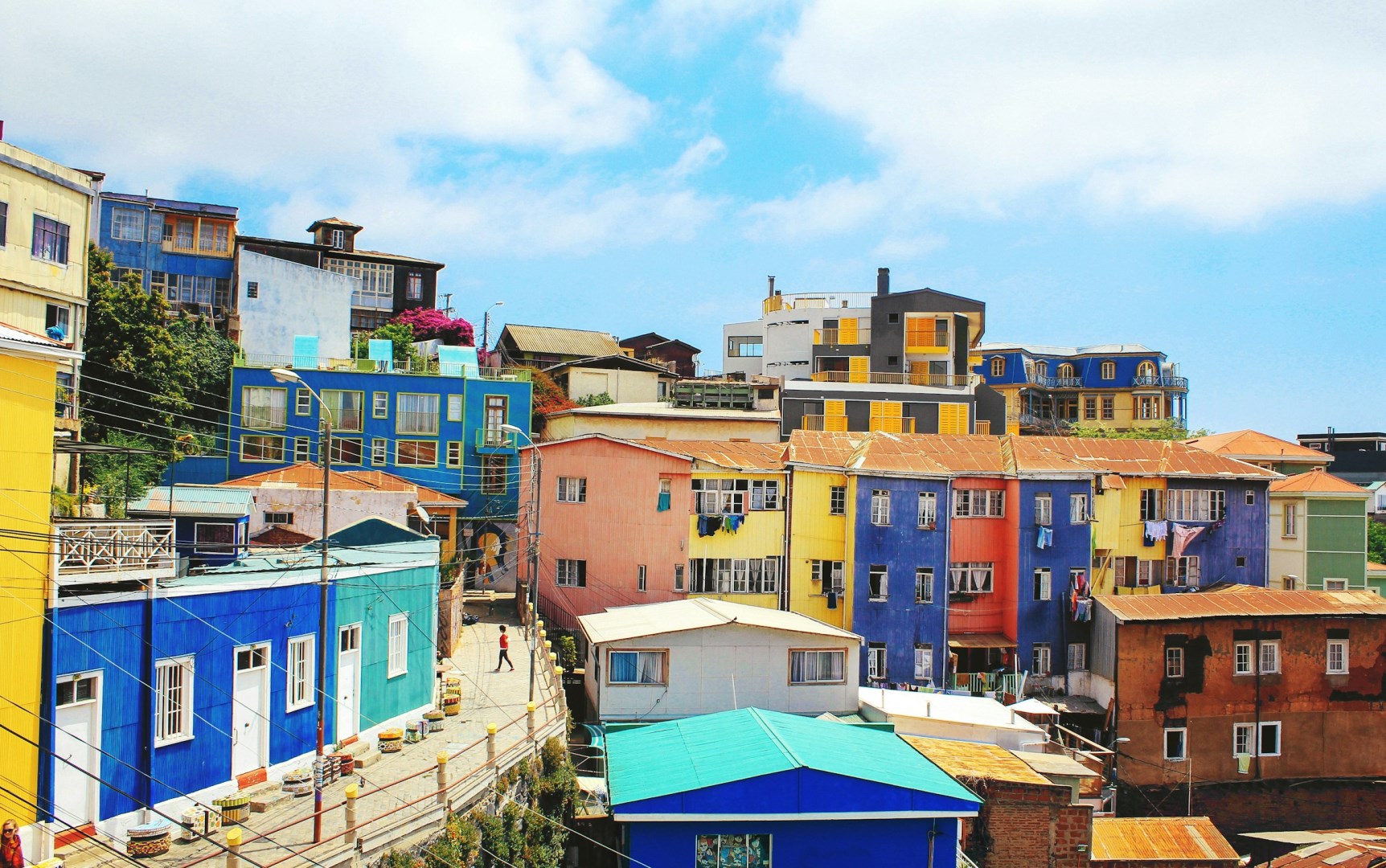
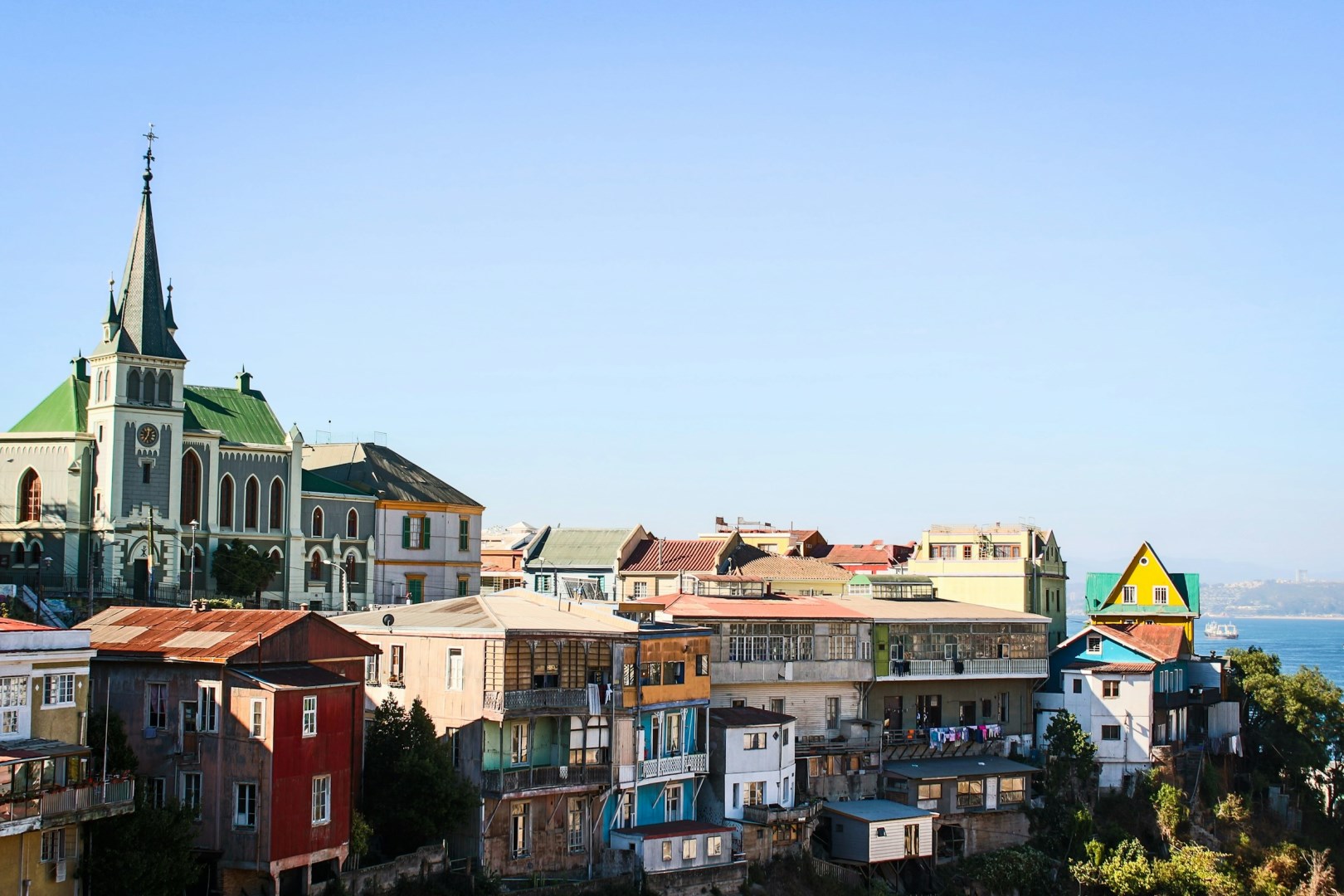
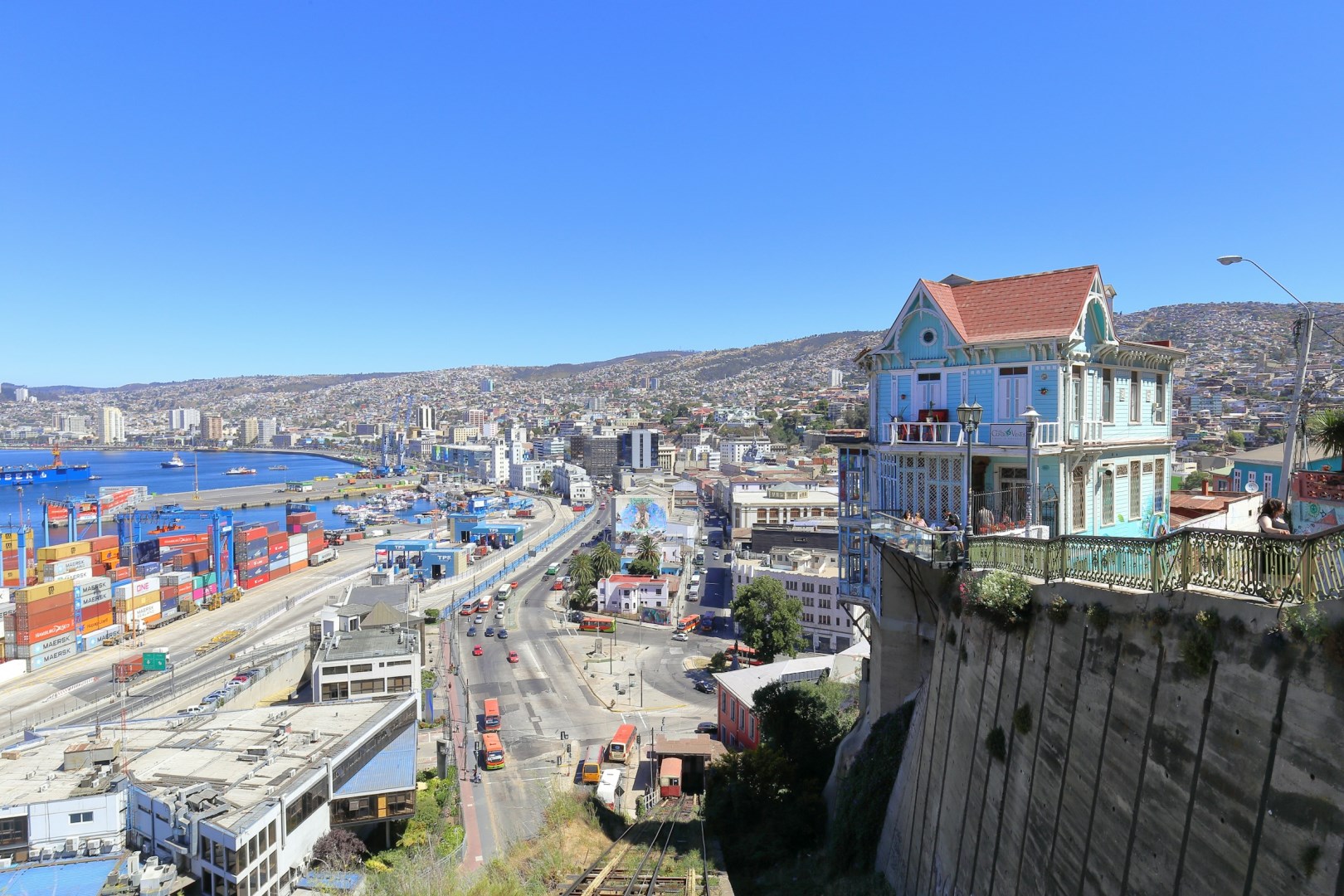
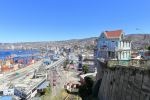
Valparaíso, Chile, is a city that beckons travelers with its vibrant street art, steep hillsides, and bohemian spirit. Known as the "Jewel of the Pacific," Valparaíso's historical importance as a major port during the 19th century has left an indelible mark on its architecture and culture. The city's UNESCO-listed historic quarter is a labyrinth of colorful houses and cobblestone streets that seem to defy gravity as they cascade down to the Pacific Ocean (UNESCO). The iconic Ascensores (funiculars) that dot the city offer a unique way to explore these hills while providing stunning panoramic views.
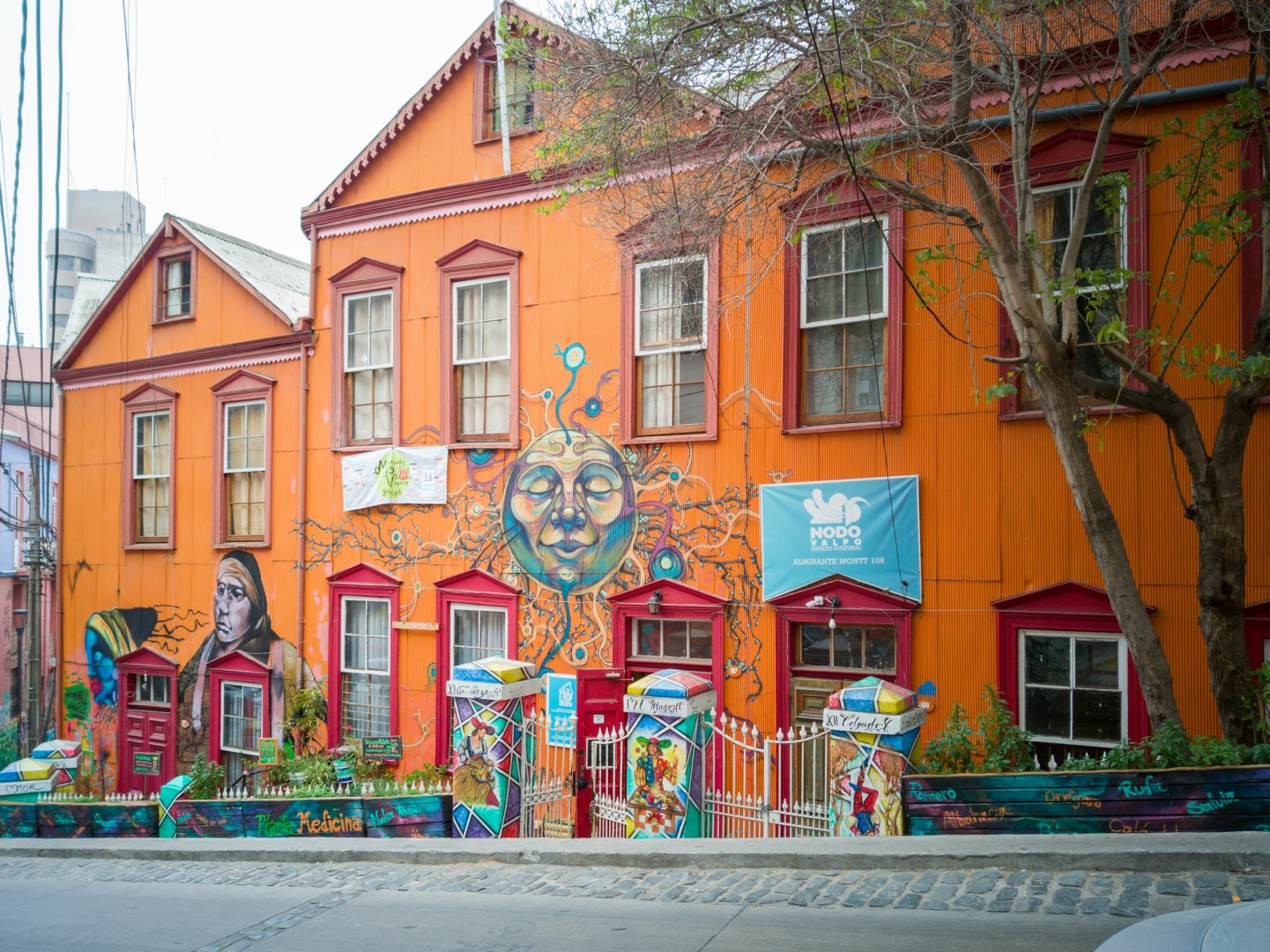
One of the most compelling reasons to visit Valparaíso is its thriving arts scene. The city is essentially an open-air museum, with vibrant murals and street art adorning nearly every surface. A walk through Cerro Alegre and Cerro Concepción neighborhoods will reveal an ever-changing gallery of bold colors and creative expressions, with each piece telling a story of the city's past and present (Chile Travel). The art extends into the city's lively culture, with numerous galleries, cafes, and cultural centers where you can immerse yourself in the local creative energy.
Valparaíso is also deeply connected to the life and work of Chile's Nobel Prize-winning poet, Pablo Neruda. His house, La Sebastiana, perched high on a hill overlooking the bay, is now a museum dedicated to his legacy. Visitors can explore Neruda's eclectic collections and enjoy the same breathtaking views that inspired many of his writings (Fundación Pablo Neruda). This connection to Neruda adds a literary charm to the city's already rich cultural tapestry.
Fun Fact: Valparaíso hosts one of the most famous New Year's Eve celebrations in South America. The city's annual fireworks display, "Año Nuevo en el Mar," lights up the sky over the bay, attracting visitors from all over the world who come to witness this spectacular event (Valparaíso Tourism).