Paso Robles
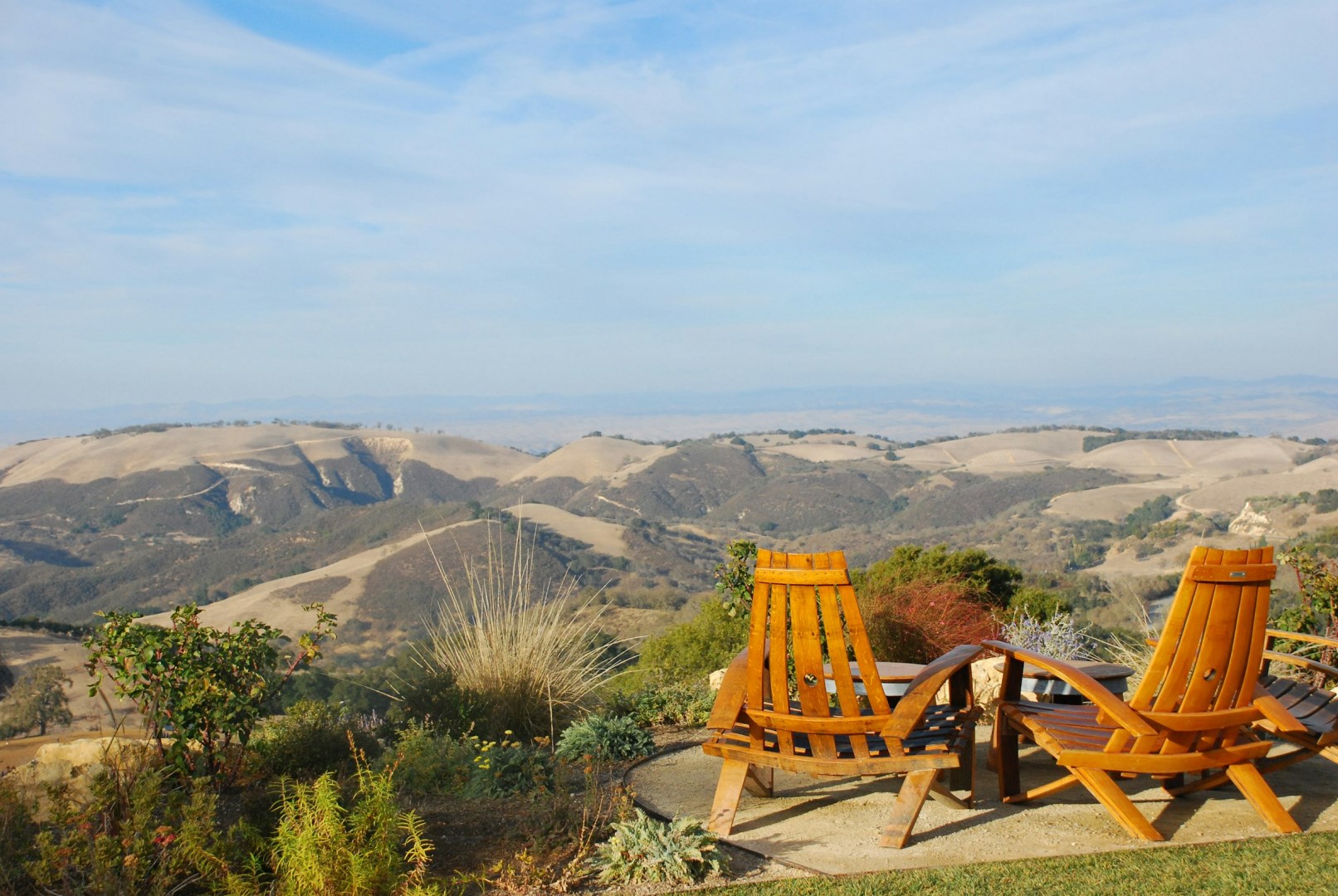
Paso Robles is a city in California’s Central Coast, situated between the coastal mountains and the inland valleys of San Luis Obispo County. The surrounding landscape includes rolling hills, vineyards, oak woodlands, ranches, and agricultural fields, with the Salinas River passing through the area. The city’s compact downtown is centered on a historic public square and contains restaurants, tasting rooms, shops, and galleries.

Burabay
Burabay is a resort area in northern Kazakhstan, located within Burabay National Park in Akmola Region. The area is known for its combination of granite mountains, pine forests, freshwater lakes, and open steppe. Lake Burabay, one of the region's best-known bodies of water, lies among wooded hills and distinctive rock formations.
Skiros
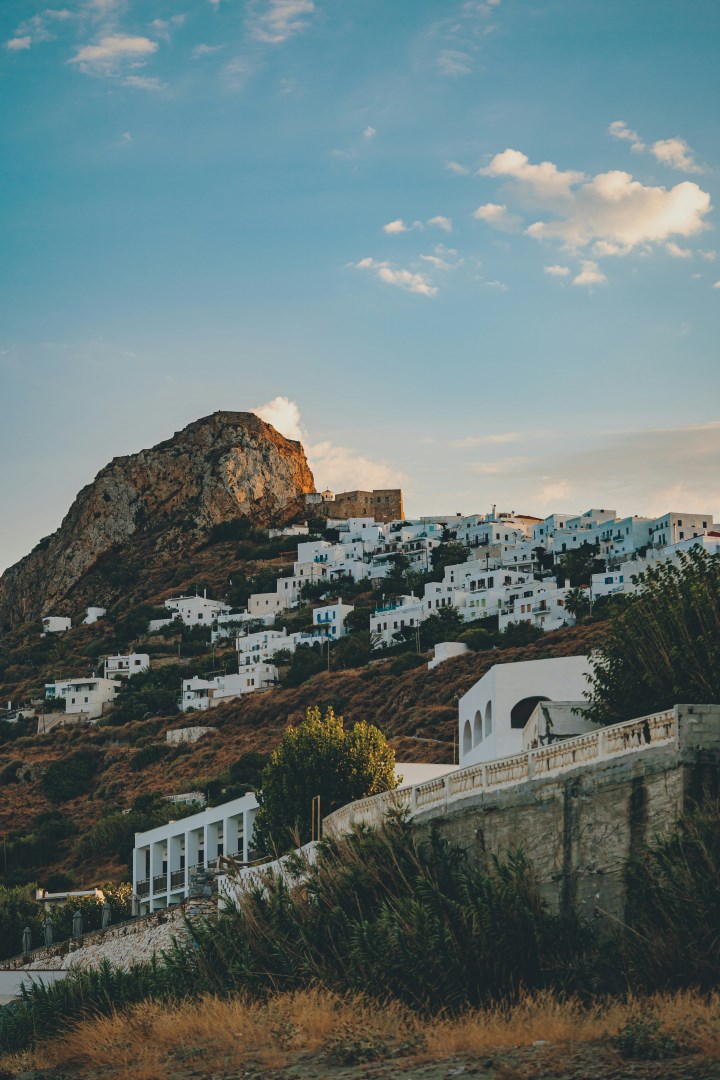
Set in the heart of the Aegean Sea, Skyros, Greek island, stands apart from its neighboring islands with a character shaped by both rugged landscapes and quiet coastal life. As part of the Sporades group, it offers a mix of pine-covered hills in the north and drier, open terrain in the south. The main town, Skyros Town, rises along a hillside crowned by a whitewashed monastery and a medieval-style castle, creating a striking view from the harbor below.

Algarve
The Algarve, Portugal's southernmost region, is a treasure trove of stunning landscapes and rich cultural experiences. Renowned for its breathtaking coastline, the Algarve boasts dramatic cliffs, golden sandy beaches, and crystal-clear waters. The coastline is dotted with picturesque towns like Lagos and Albufeira, which offer a blend of vibrant nightlife and tranquil beaches. The iconic Ponta da Piedade near Lagos is a must-see, with its striking rock formations and secluded caves that can be e
Turkistan
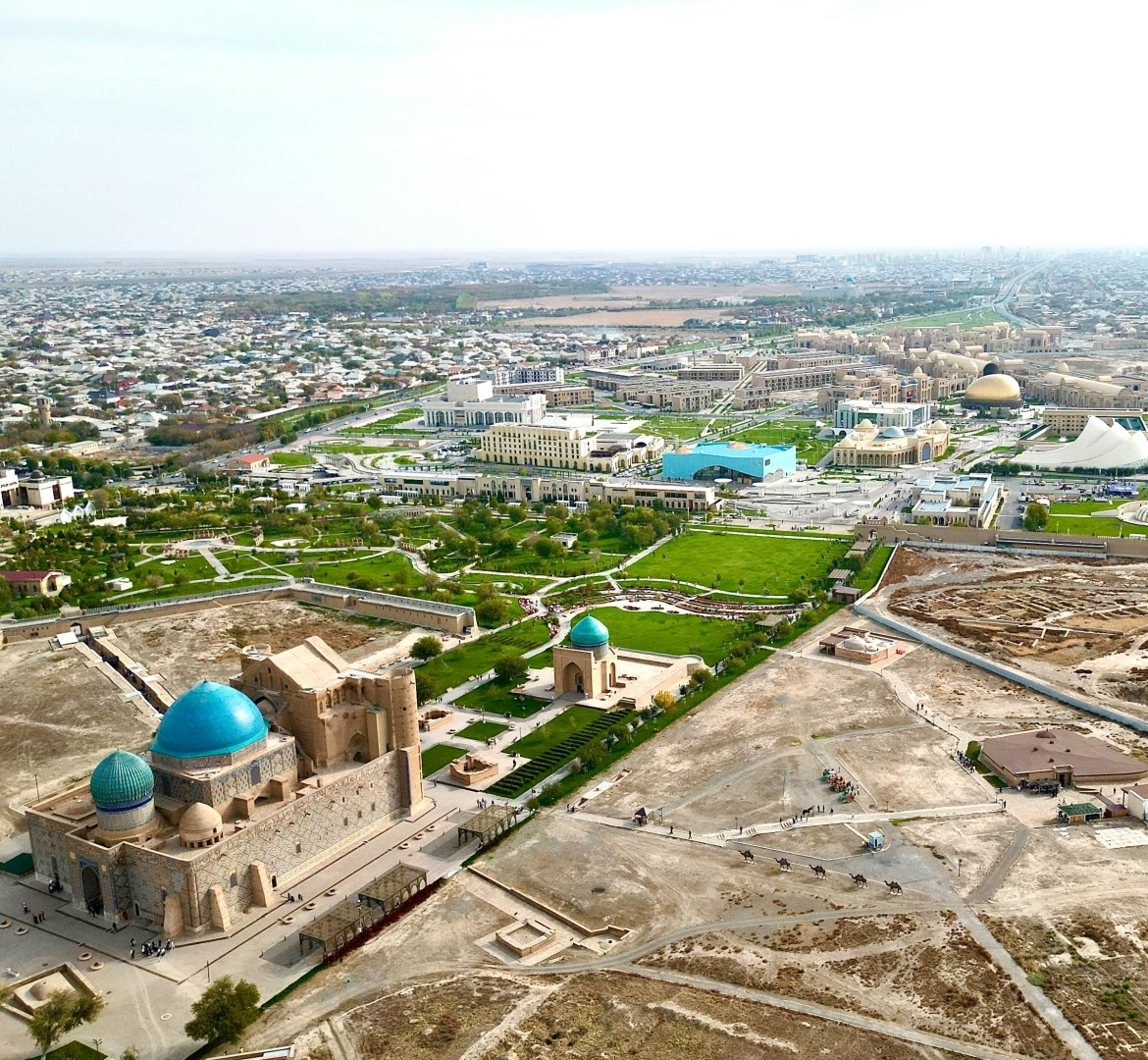
Turkistan is a historic city in southern Kazakhstan and an important center of Islamic culture in Central Asia. Located in the Turkistan Region, the city developed around an oasis landscape between the Syr Darya River and the Karatau Mountains. Its best-known landmark is the Mausoleum of Khoja Ahmed Yasawi, a monumental Timurid-era building and UNESCO World Heritage site.