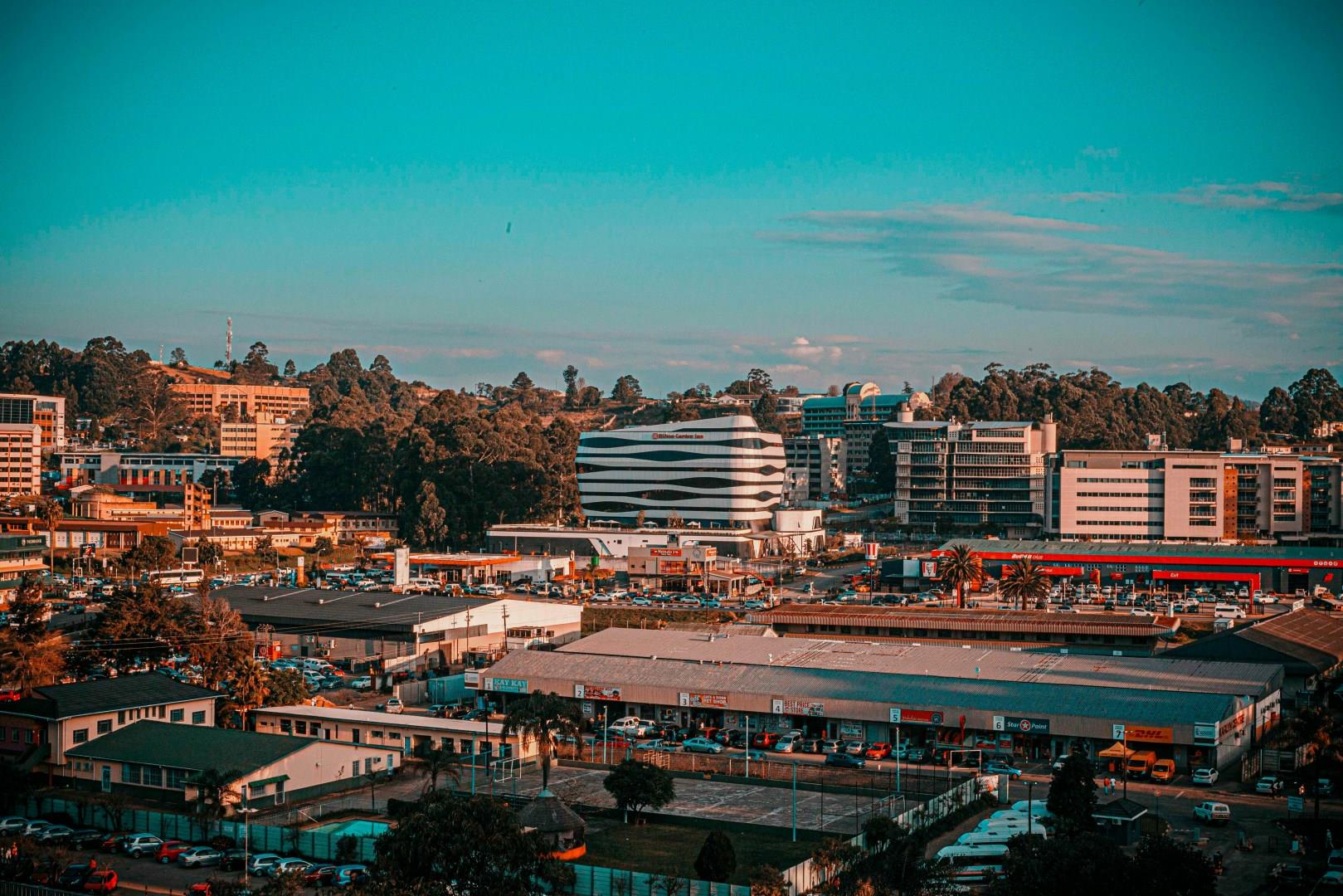
Aruba, the “One Happy Island,” blends Caribbean charm with a distinct Dutch influence that shapes its culture, cuisine, and colorful architecture. Located just outside the hurricane belt, it enjoys year-round sunshine, making it a favorite destination for travelers seeking both relaxation and adventure.
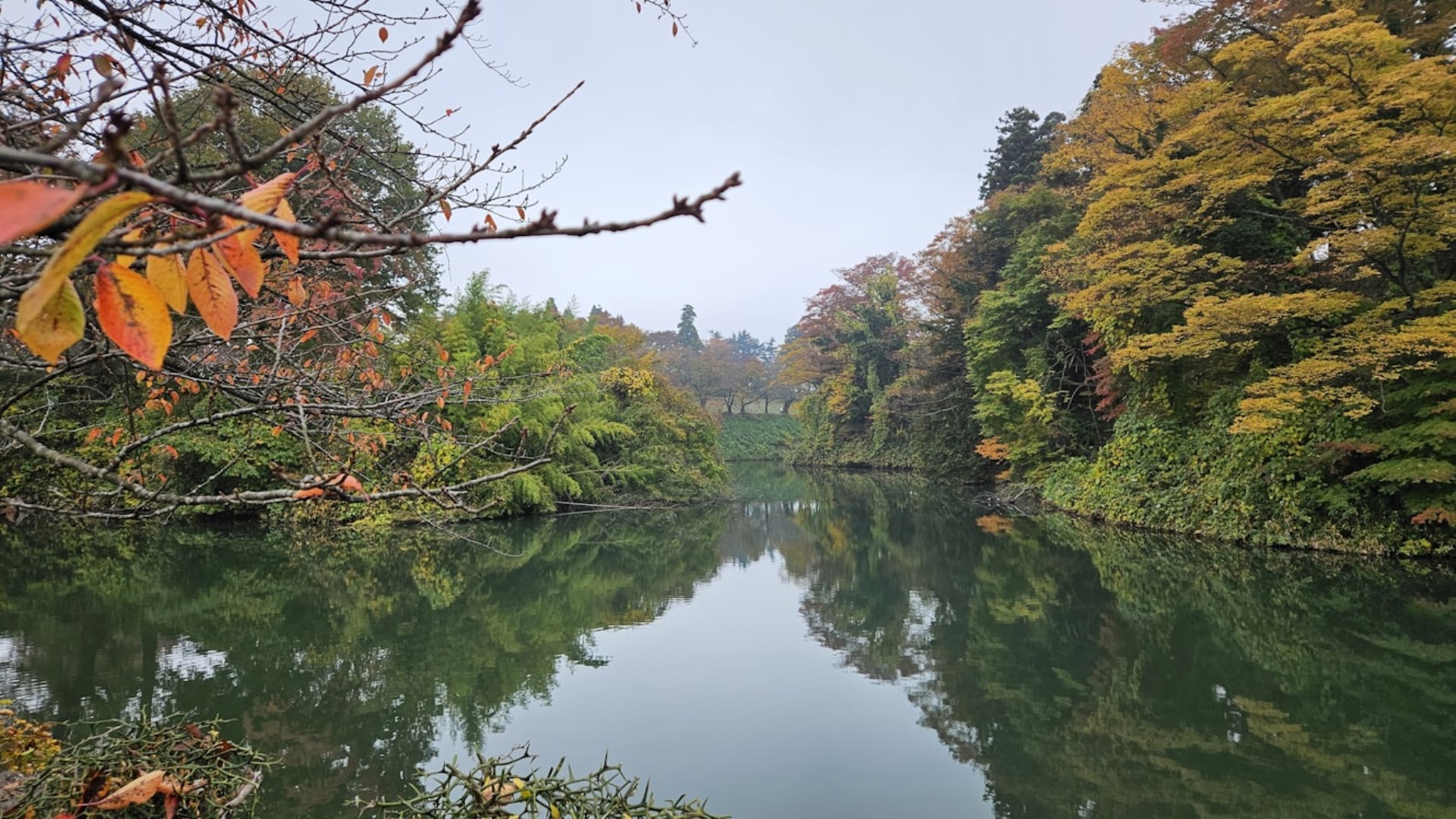
Aizuwakamatsu in Fukushima Prefecture is a city where samurai history is tangible. Once a stronghold of the Aizu domain, it played a pivotal role in the late Edo period and the Boshin War.
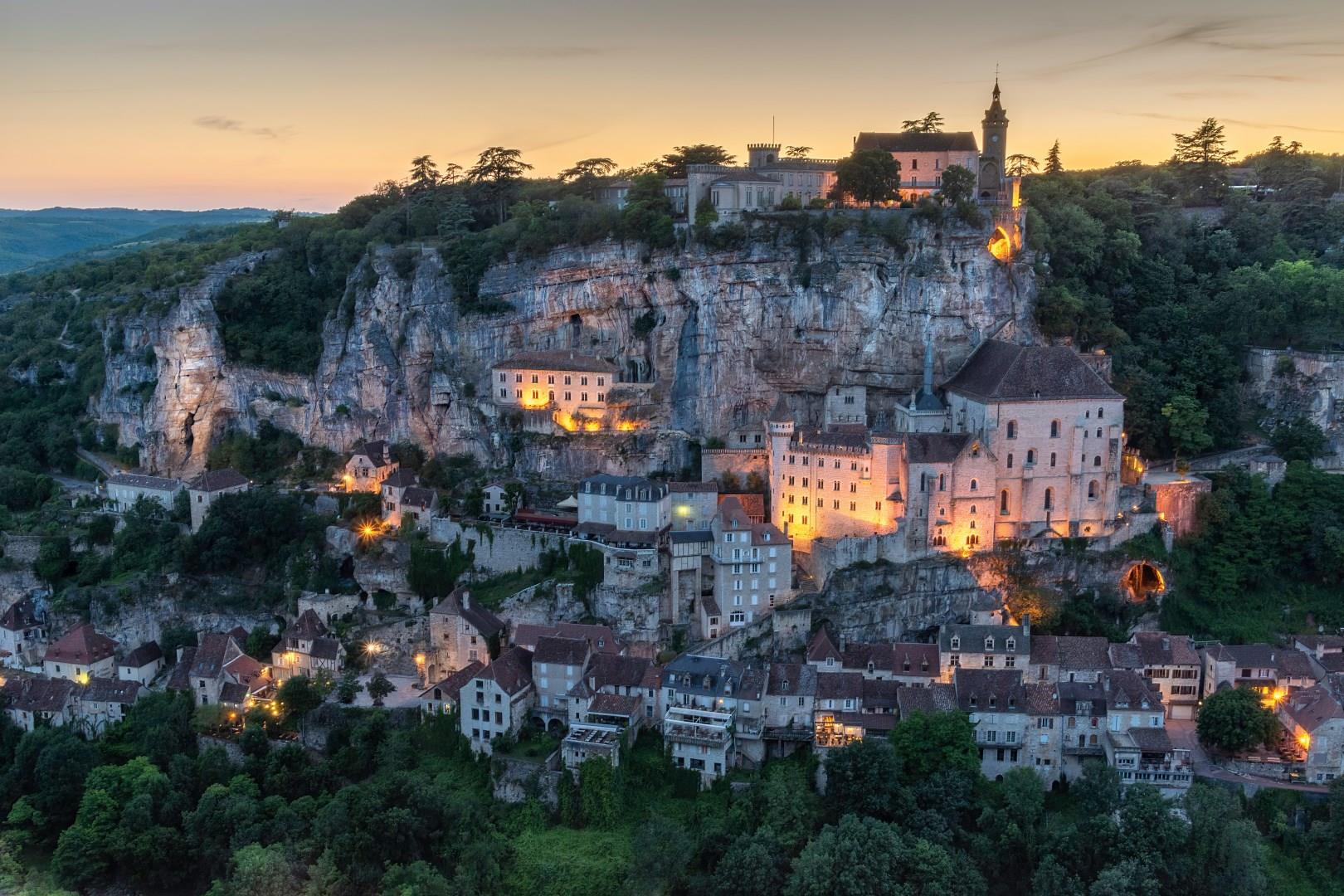
Rocamadour is a remarkable village set against a steep limestone cliff in the Lot department of southwestern France. Its stone buildings, narrow lanes and ancient sanctuaries rise in stages above the Alzou River valley, giving the settlement a striking silhouette that has drawn visitors for centuries. Pilgrims have come here since the Middle Ages to see the Black Madonna in the Chapelle Notre-Dame and to walk the Chemin de Croix.
The Volga River is an emblematic waterway that meanders through the heart of Russia, offering an exceptional journey through the country’s rich cultural and historical tapestry. As Europe’s longest river, stretching approximately 3,530 kilometers (2,194 miles), the Volga flows from the Valdai Hills to the Caspian Sea, weaving through major cities such as Tver, Nizhny Novgorod, and Volgograd.
Valparaíso, Chile, is a city that beckons travelers with its vibrant street art, steep hillsides, and bohemian spirit. Known as the "Jewel of the Pacific," Valparaíso's historical importance as a major port during the 19th century has left an indelible mark on its architecture and culture. The city's UNESCO-listed historic quarter is a labyrinth of colorful houses and cobblestone streets that seem to defy gravity as they cascade down to the Pacific Ocean (UNESCO). The iconic Ascensores (funiculars) that dot the city offer a unique way to explore these hills while providing stunning panoramic views.
One of the most compelling reasons to visit Valparaíso is its thriving arts scene. The city is essentially an open-air museum, with vibrant murals and street art adorning nearly every surface. A walk through Cerro Alegre and Cerro Concepción neighborhoods will reveal an ever-changing gallery of bold colors and creative expressions, with each piece telling a story of the city's past and present (Chile Travel). The art extends into the city's lively culture, with numerous galleries, cafes, and cultural centers where you can immerse yourself in the local creative energy.
Valparaíso is also deeply connected to the life and work of Chile's Nobel Prize-winning poet, Pablo Neruda. His house, La Sebastiana, perched high on a hill overlooking the bay, is now a museum dedicated to his legacy. Visitors can explore Neruda's eclectic collections and enjoy the same breathtaking views that inspired many of his writings (Fundación Pablo Neruda). This connection to Neruda adds a literary charm to the city's already rich cultural tapestry.
Fun Fact: Valparaíso hosts one of the most famous New Year's Eve celebrations in South America. The city's annual fireworks display, "Año Nuevo en el Mar," lights up the sky over the bay, attracting visitors from all over the world who come to witness this spectacular event (Valparaíso Tourism).