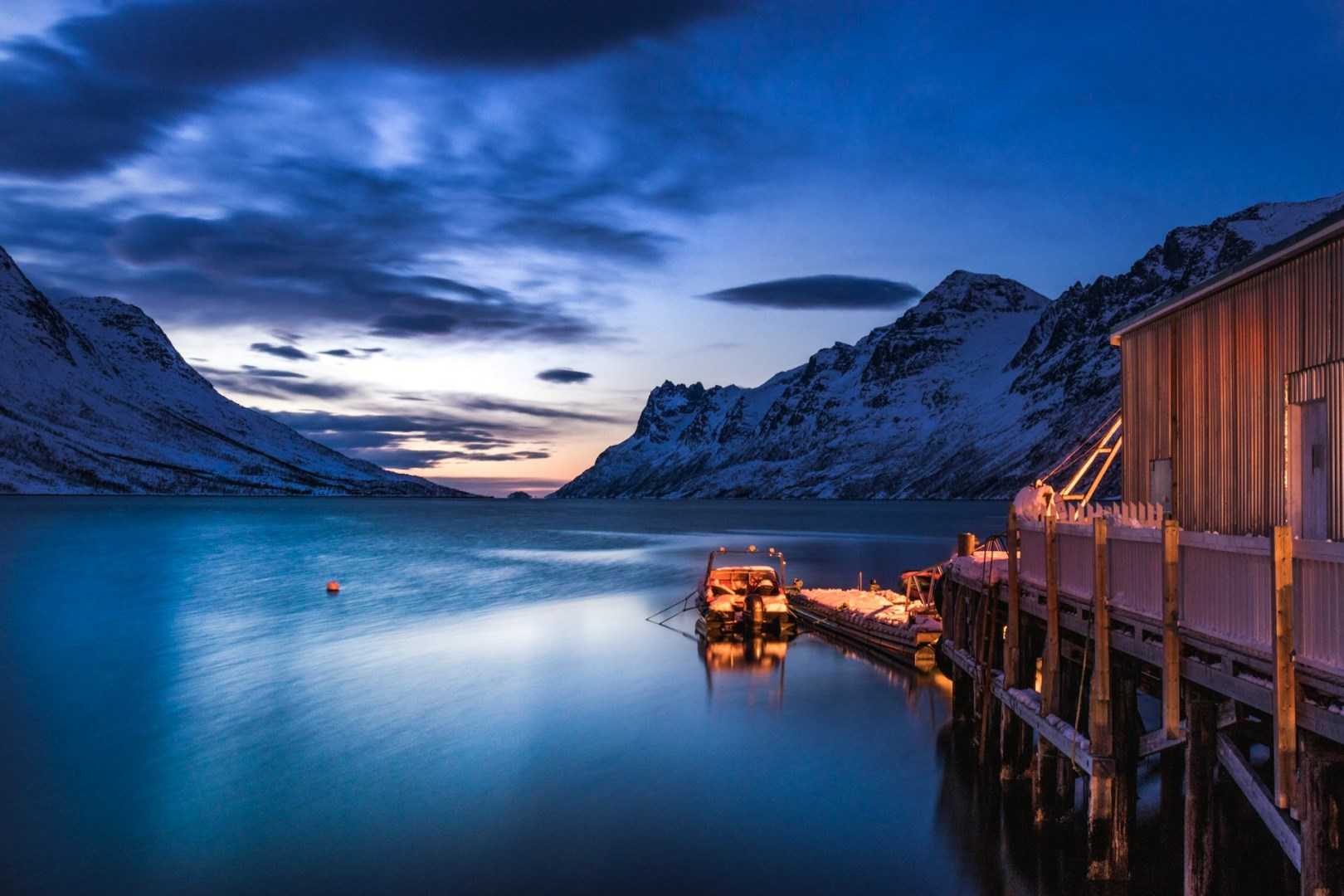
Santo Domingo
The capital city of the Dominican Republic is rich in history and beauty, boasting 16th-century Spanish architecture and the oldest cathedral in the Americas. The narrow streets of the old colonial city are a testament to the complex mixture of forces that contributed to the construction of the first European city in the Western Hemisphere.
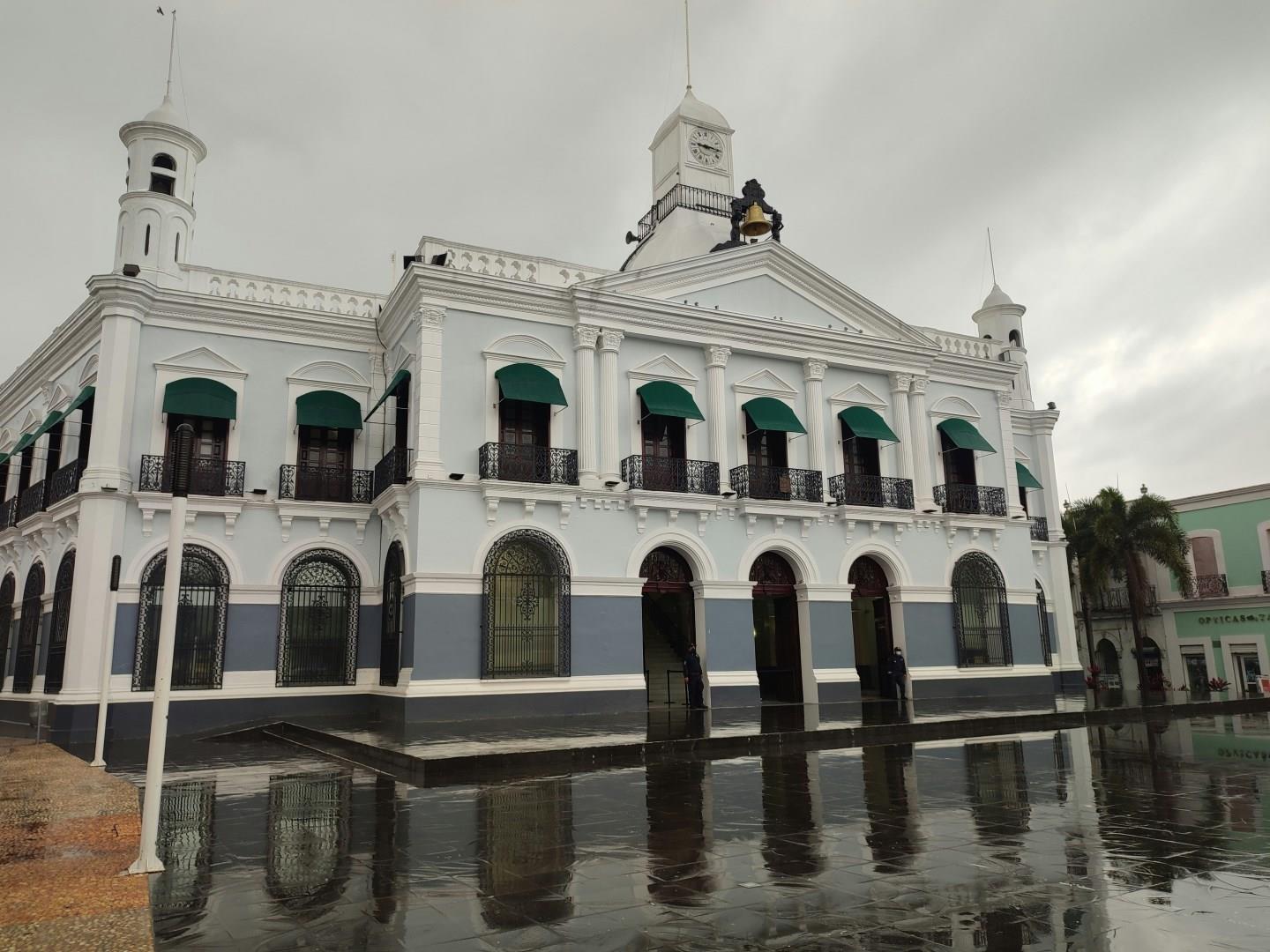
Villahermosa
Villahermosa, the capital of Tabasco, is a city where ancient civilizations, tropical landscapes, and modern life intersect. Known as the “gateway to the Mayan world,” the city sits on the banks of the Grijalva River and serves as a cultural hub for southeastern Mexico. One of its most unique attractions is Parque-Museo La Venta, an open-air museum that blends archaeology with a jungle setting.

Santiago
Flanked by the Chilean Coast Range and the snowy Andes, Chile's largest metropolis offers a dazzling array of sights and attractions for visitors to pursue. Mirrored skyscrapers, 16th-century churches, hip cafes, dance clubs... and did we mention the delicious Chilean cuisine?

Makarska
Makarska, nestled along the stunning Dalmatian Coast of Croatia, is a gem that blends natural beauty with vibrant culture. The town is renowned for its picturesque setting between the Biokovo Mountain range and the azure waters of the Adriatic Sea. The Makarska Riviera boasts some of Croatia's most beautiful beaches, such as Punta Rata, known for its fine pebbles and crystal-clear water.
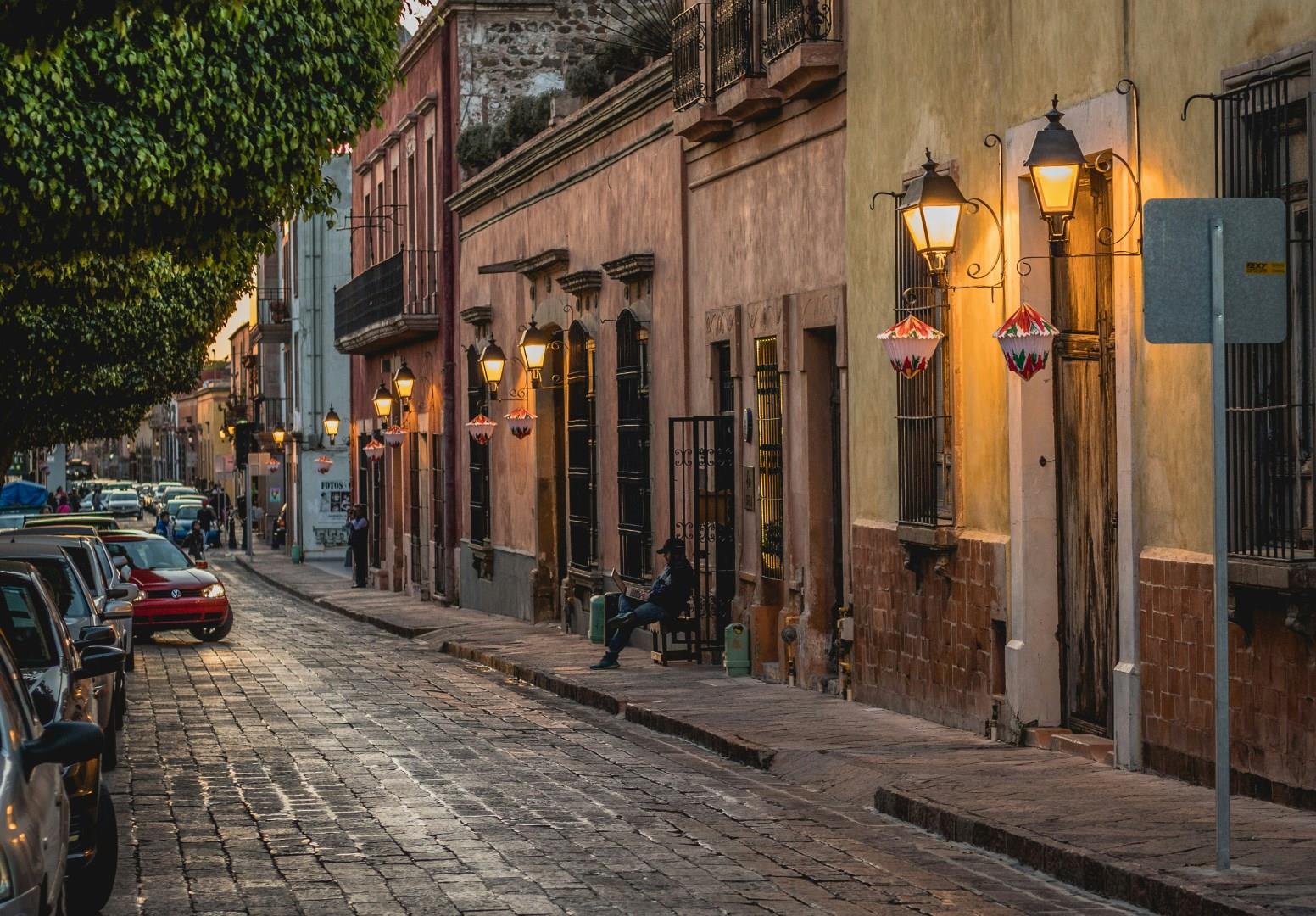
Querétaro
Querétaro, located in the heart of central Mexico, is a city where centuries of history are still visible in daily life. Its historic center, a UNESCO World Heritage Site, features narrow streets, elegant plazas, and baroque churches that reflect its colonial past. One of the city’s most iconic landmarks is the massive aqueduct, built in the 18th century with 74 stone arches stretching nearly a mile across the landscape.