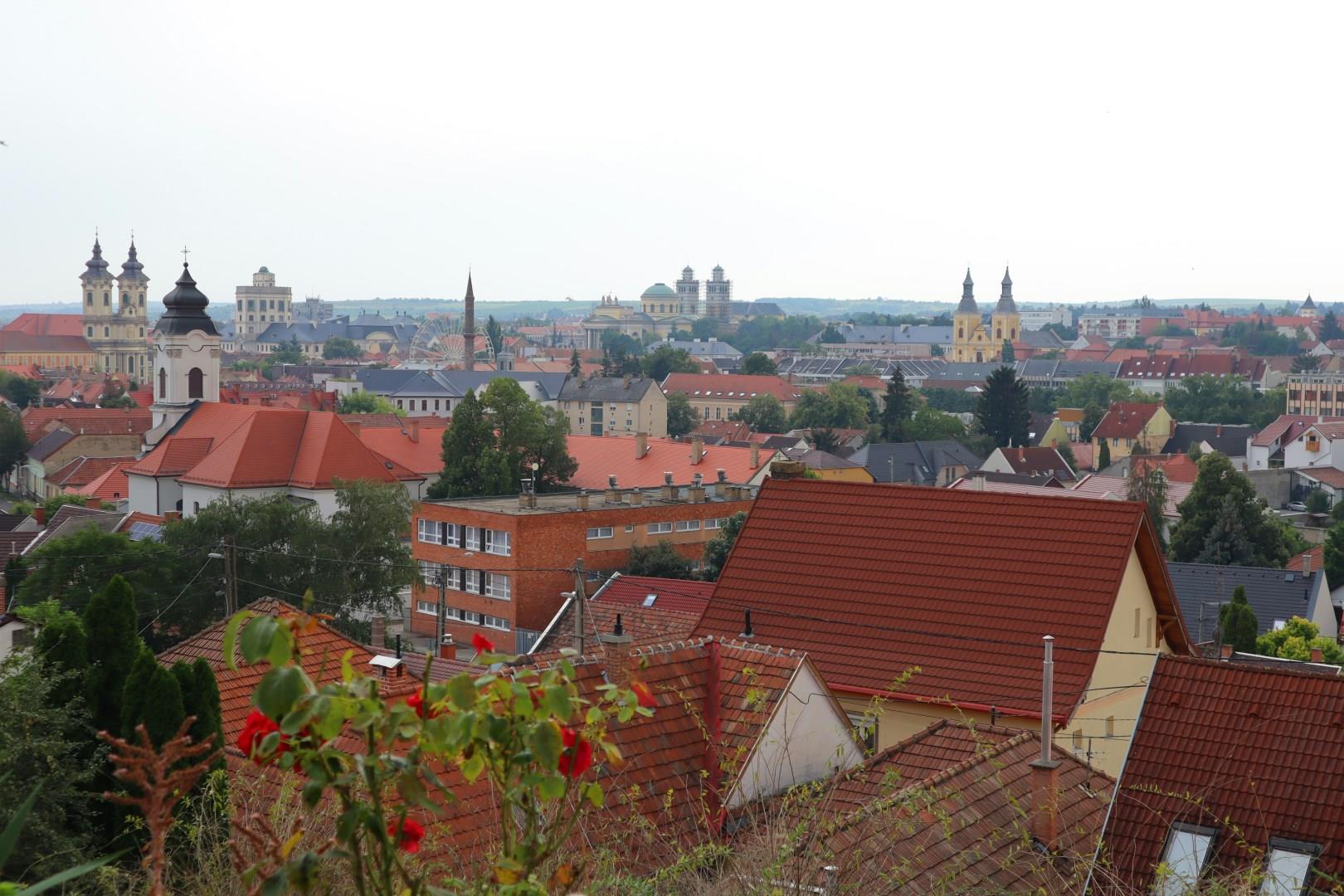
Eger sits in northern Hungary and is known for its well preserved Baroque center, historic castle and long tradition of wine and craft that draw visitors from across Europe. Just beyond the historic center, generations of winemakers have perfected local styles and offer tastings of local varieties. A casual afternoon here can feel like a gentle cellar crawl, with seasonal music or simple snacks adding to relaxed tastings under vine covered walkways.
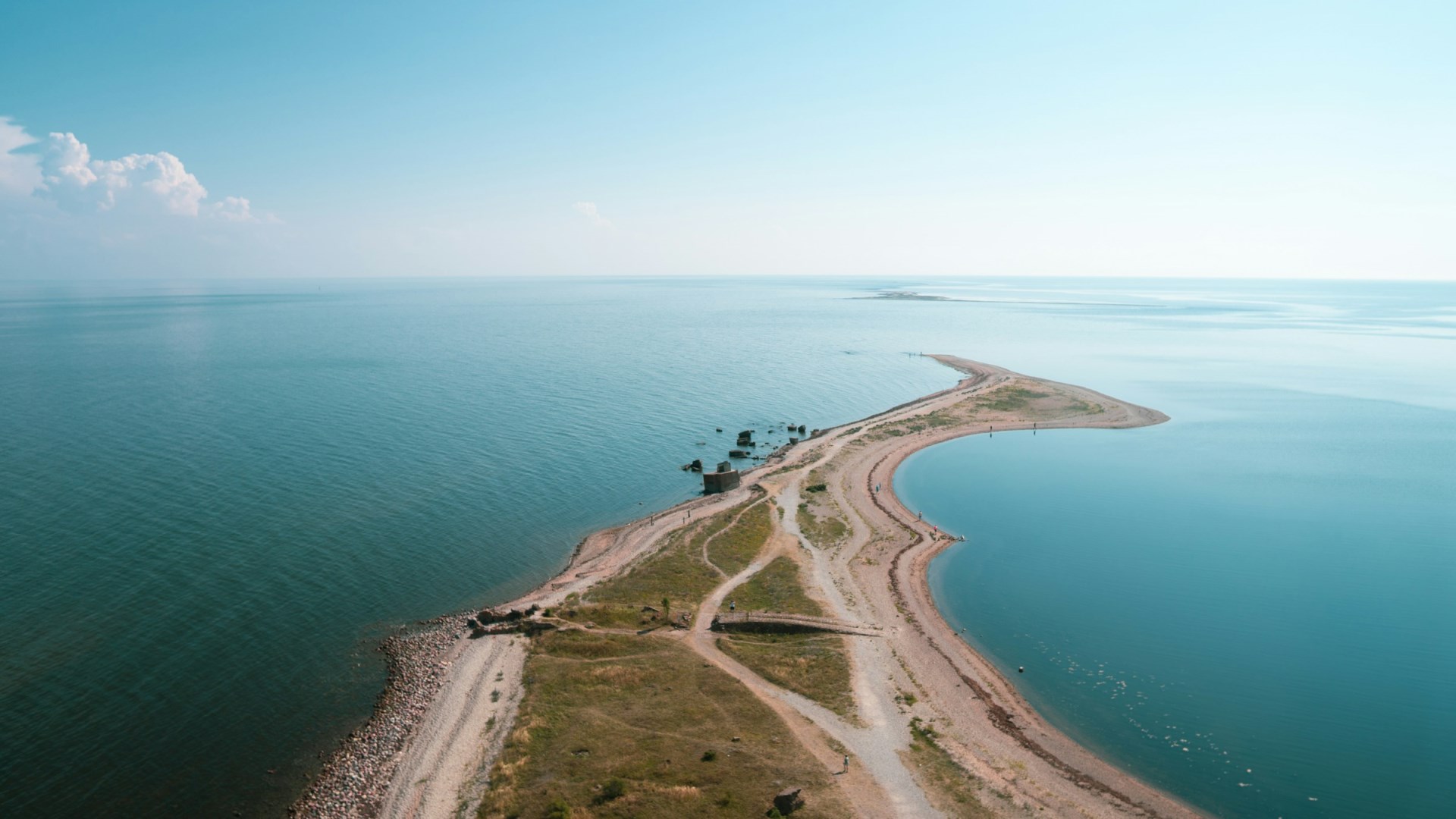
Kuressaare is the main town of Saaremaa, Estonia’s largest island, set beside a sheltered bay on the island’s southern coast. The town is known for its compact historic center, seaside setting, and strong links with Saaremaa’s island culture. Kuressaare Castle dominates the waterfront, while streets lined with wooden houses, small parks, and 19th-century villas extend inland.
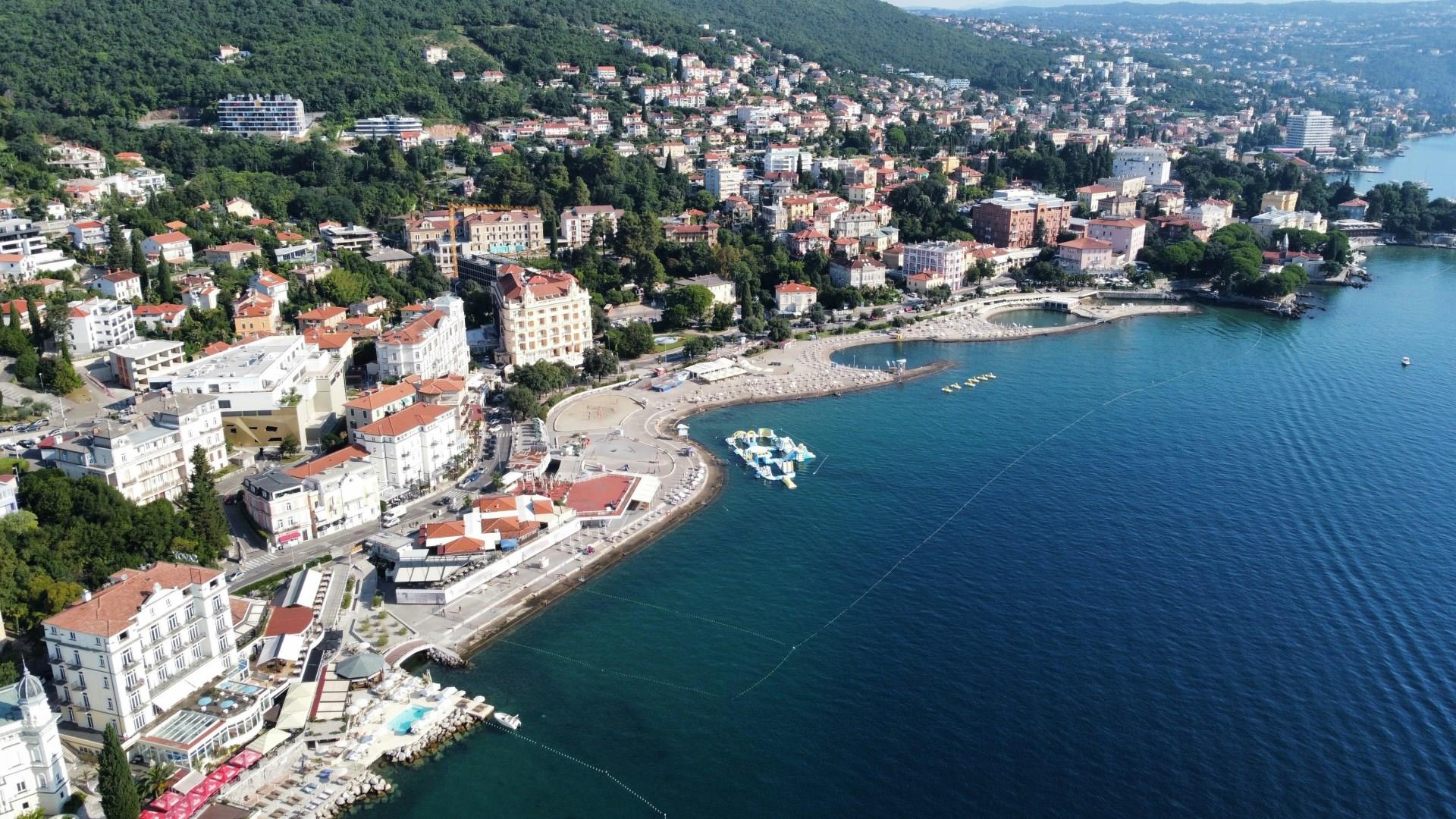
Opatija, located on Croatia’s Kvarner Bay, has been drawing visitors since the 19th century, when Austro-Hungarian aristocrats built grand villas along its Adriatic shoreline. Today, many of those same buildings still stand with some restored as luxury hotels and others preserved as cultural landmarks. The town’s most recognizable structure, Villa Angiolina, opened in 1844 and marked the start of Opatija’s rise as a fashionable seaside resort.
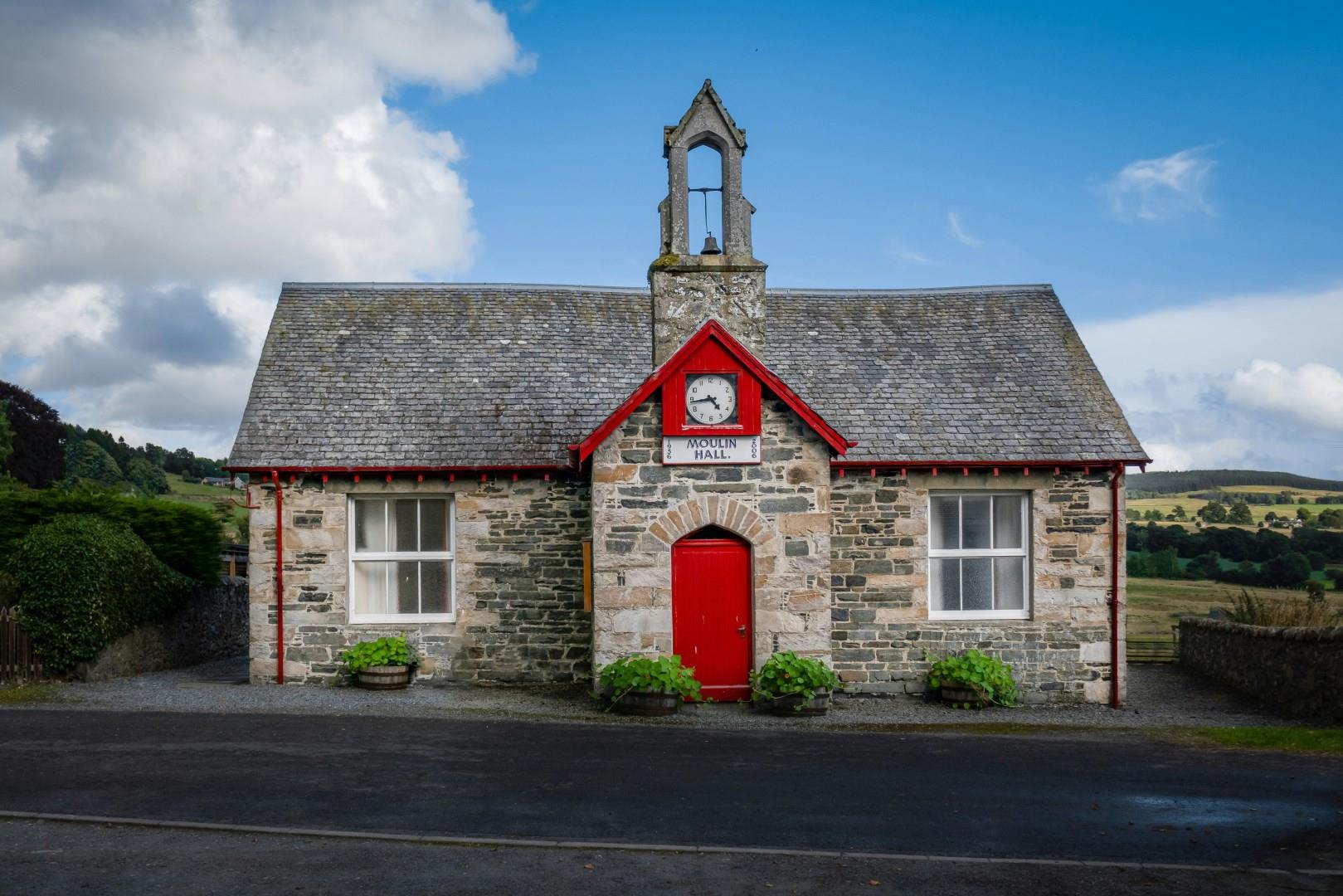
Pitlochry, a charming town in the heart of the Scottish Highlands, is celebrated for its Victorian architecture, scenic surroundings, and welcoming atmosphere.
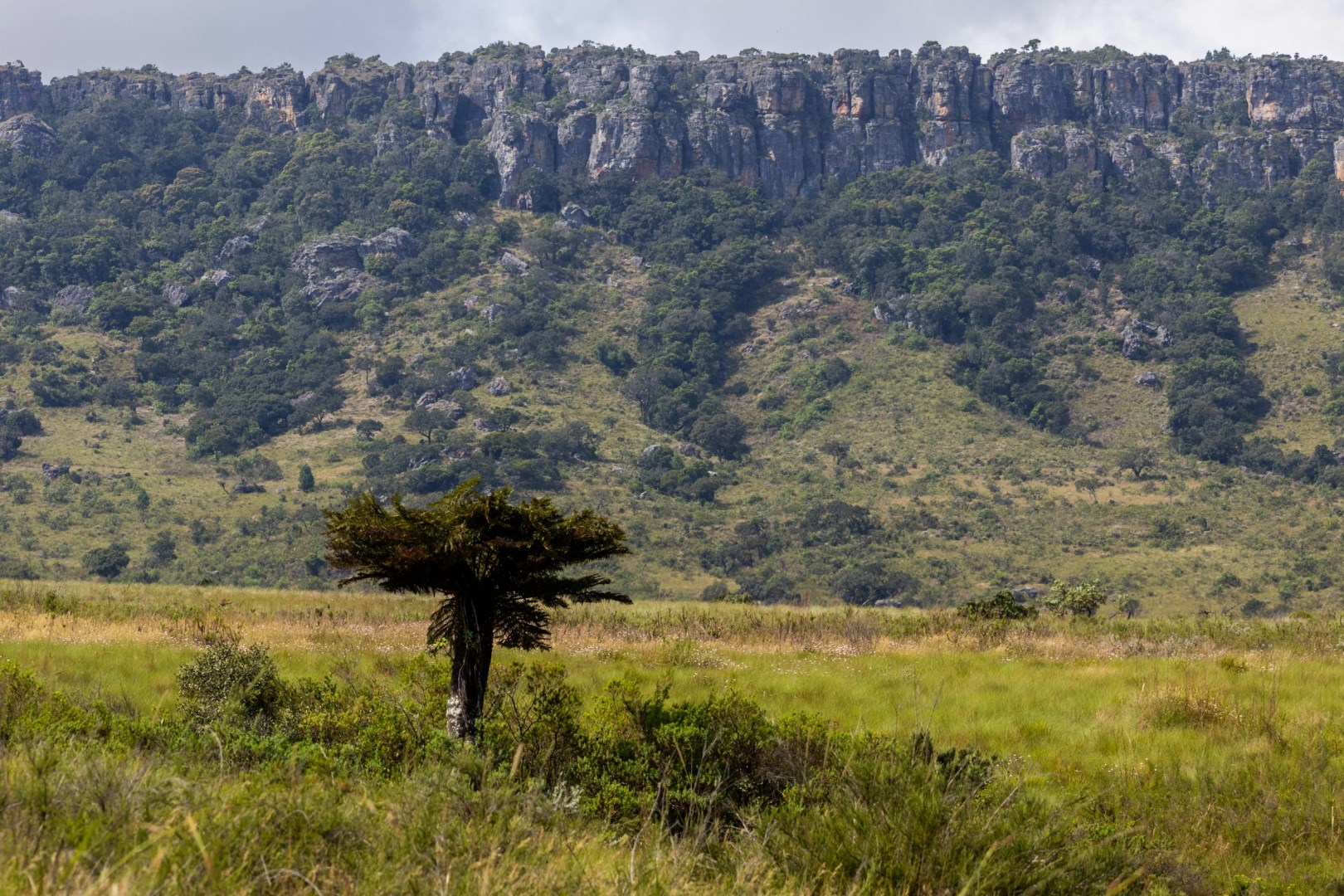
Hoedspruit is a small town in Limpopo province, positioned between the northern Drakensberg and the Greater Kruger wildlife region. It is surrounded by bushveld, mountains, private reserves, and important conservation areas, making wildlife and nature central to the local economy. The town serves as a practical base for exploring nearby protected areas and private reserves, while its agricultural surroundings produce citrus, mangoes, and other subtropical crops.
Photo Credit: Photo by Mylène Haudebourg on Unsplash
Photo Credit: Photo by Lightscape on Unsplash
Photo Credit: Photo by James Seddon on Unsplash
Photo Credit: Photo by Vidar Nordli-Mathisen on Unsplash
Photo Credit: Photo by Lightscape on Unsplash
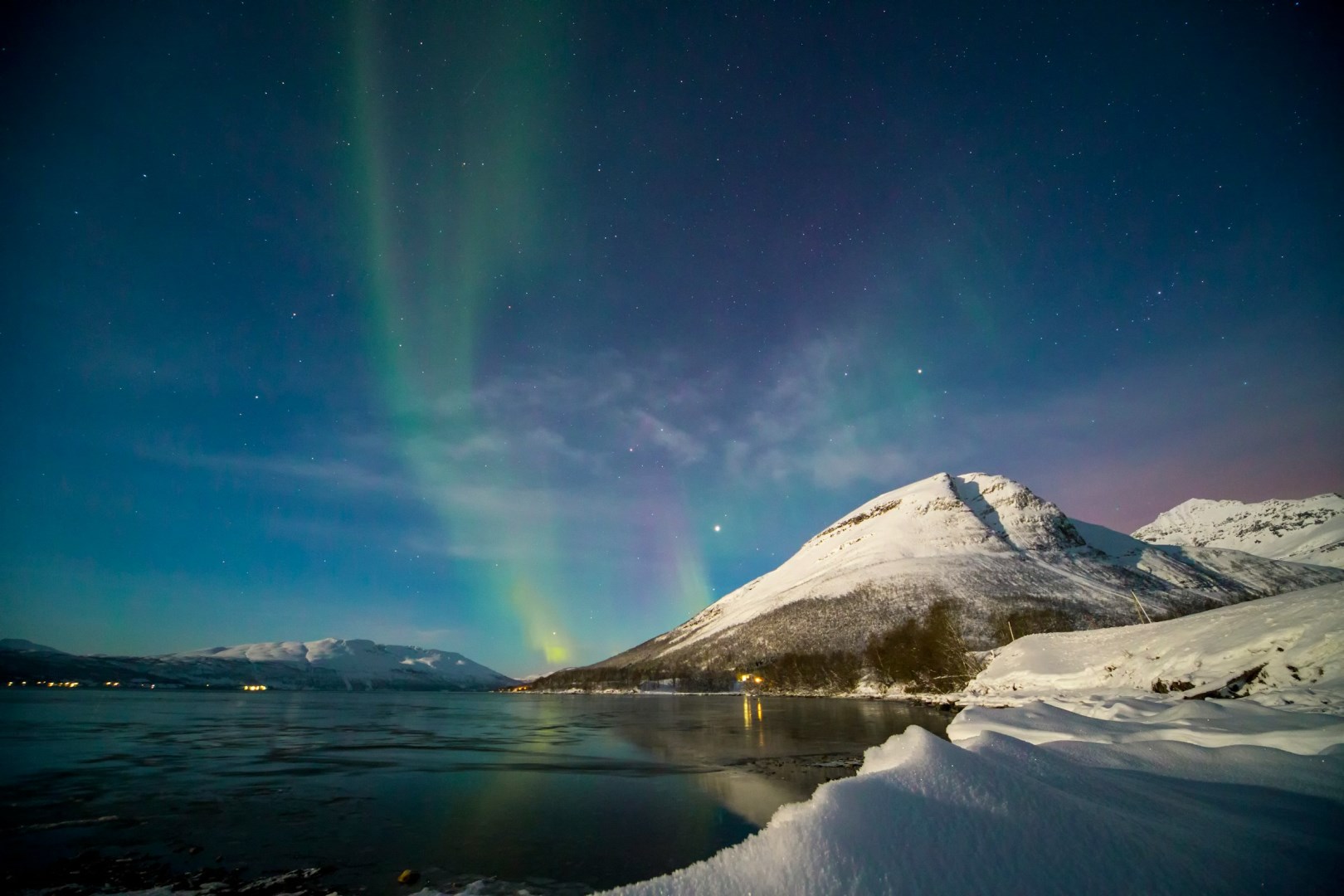
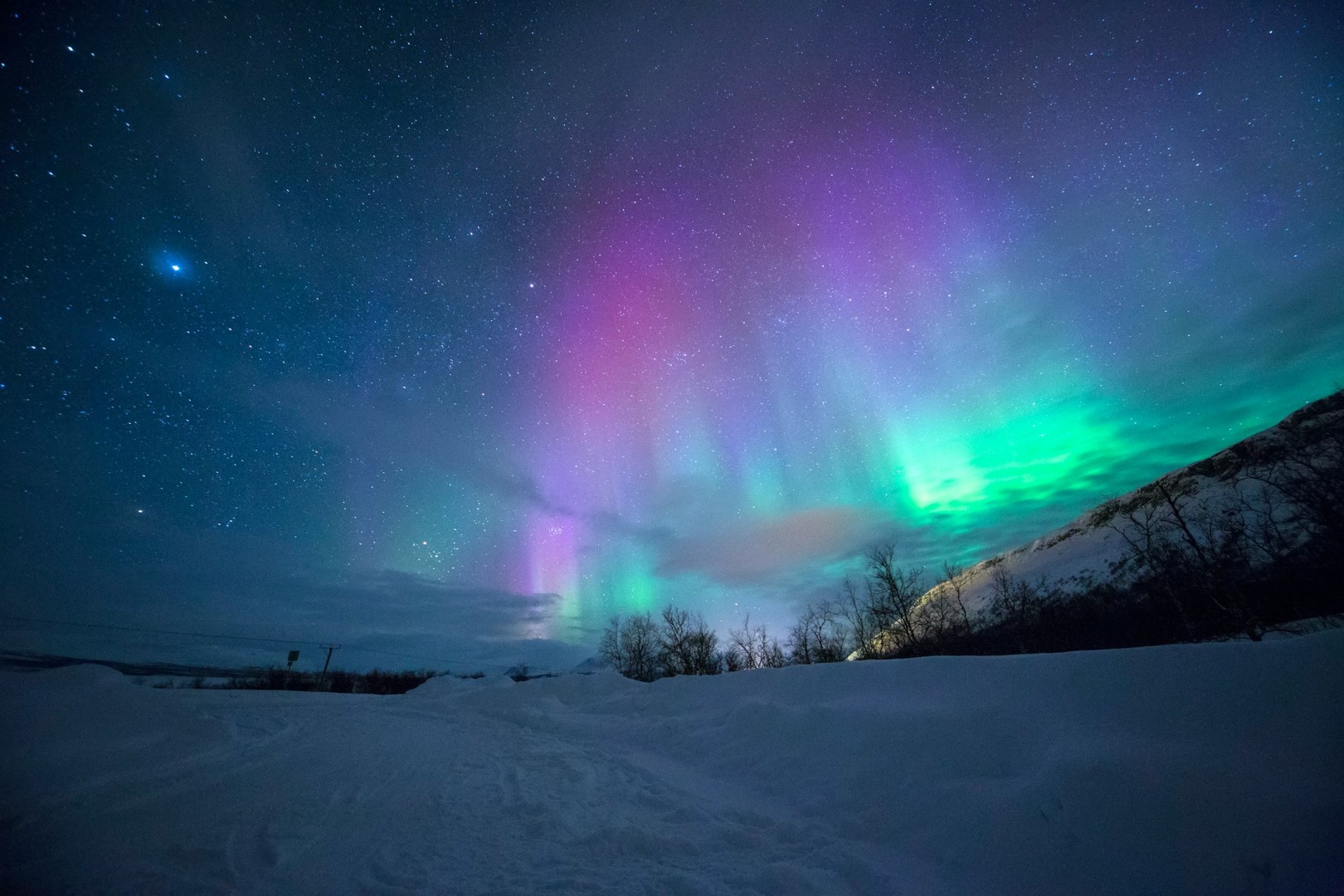
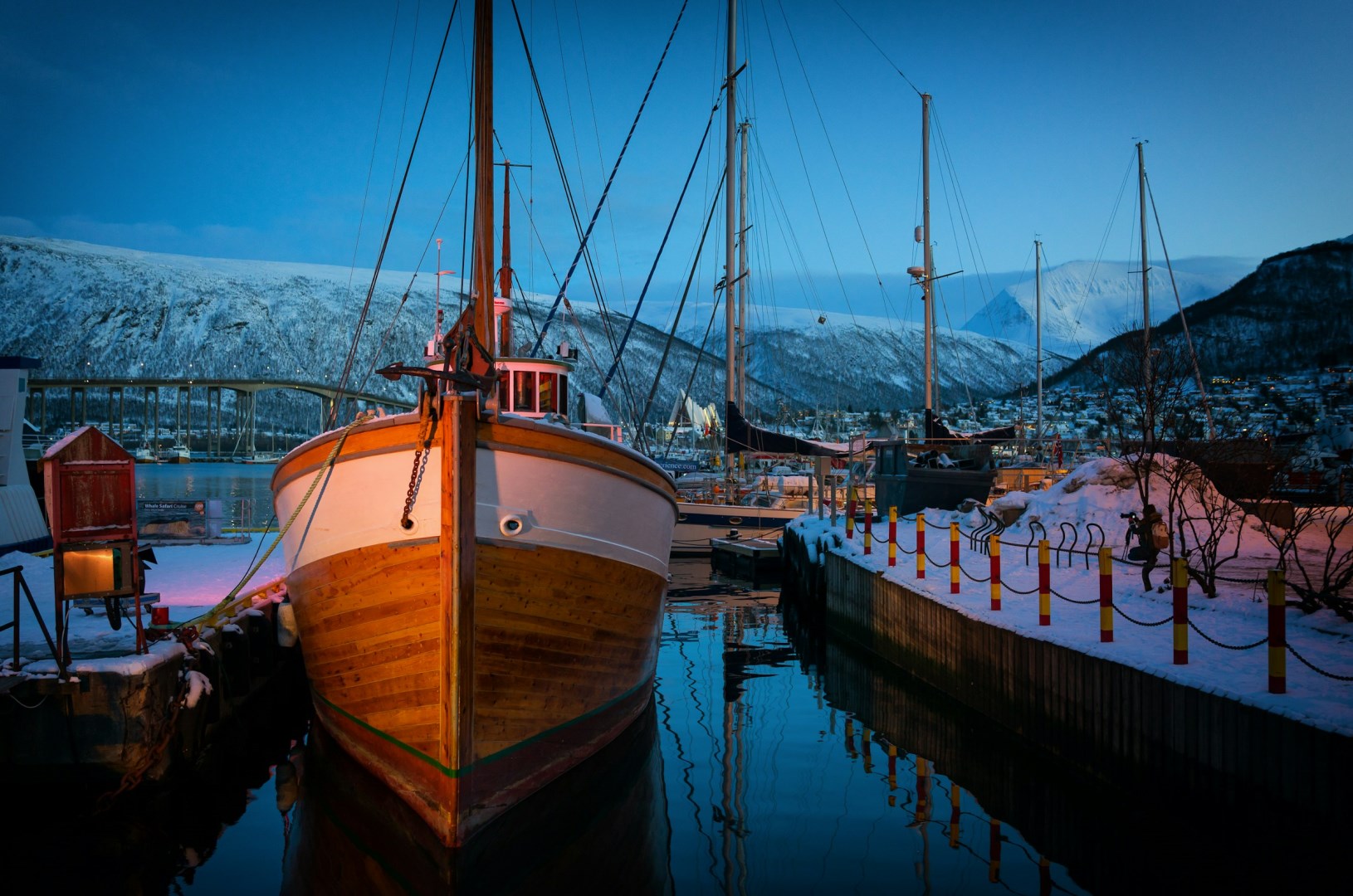
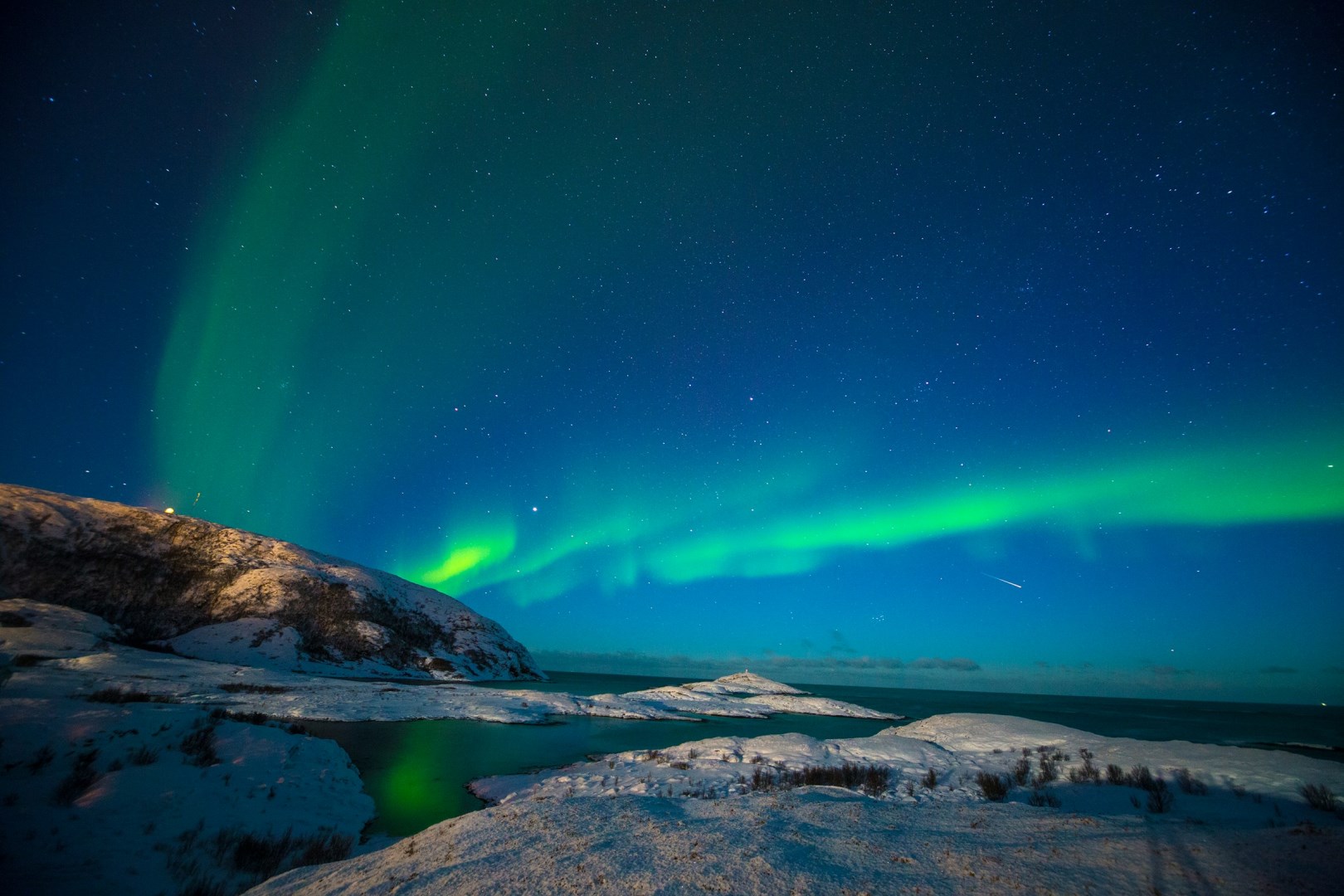
Tromsø, a gem nestled in the Arctic Circle, offers an unparalleled blend of natural wonders and cultural richness. Known as the "Gateway to the Arctic," this Norwegian city is famed for its spectacular Northern Lights. Between September and April, Tromsø becomes a prime location for witnessing the aurora borealis, a mesmerizing display of green, purple, and pink lights dancing across the polar sky.
A stroll through Tromsø’s city center reveals a vibrant blend of modern and historical architecture. The striking Arctic Cathedral, with its distinctive triangular shape and stained-glass windows, stands as a testament to the city's unique aesthetic. The Polar Museum provides fascinating insights into Tromsø’s history as a base for Arctic expeditions, including those of famed explorers like Roald Amundsen.
Tromsø is also a gateway to Arctic adventures. From whale watching tours that offer glimpses of orcas and humpback whales to snowshoeing and dog sledding across the snow-covered landscapes, the city offers a wealth of outdoor activities. For those keen on experiencing the midnight sun, Tromsø is one of the best places to enjoy this phenomenon from late May to late July.
Fun Fact: Tromsø is home to the world’s northernmost university, UiT The Arctic University of Norway. This makes Tromsø a hub of both academic and cultural activity in the Arctic region.
Other Popular Destinations in Norway
Bergen
Charming Bergen will sweep you away with its picturesque architecture and breathtaking natural beauty. Nestled between stunningly verdant mountains and the winding fjords of the North Sea, this scenic town will delight you at every turn.
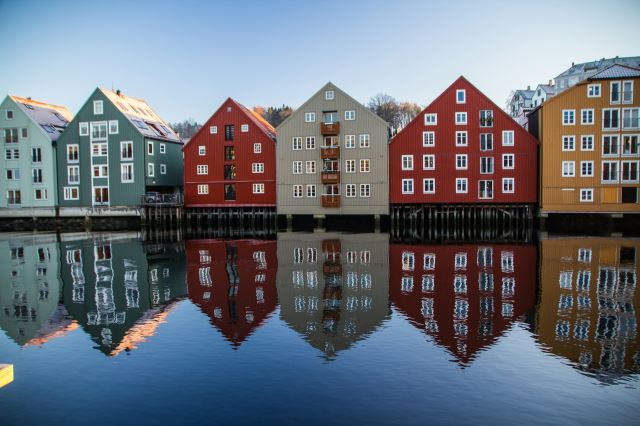
Trondheim
Nestled along the Trondheim Fjord in central Norway, Trondheim offers a captivating blend of rich history and vibrant modern life. As Norway’s first capital, Trondheim boasts a legacy that includes the striking Nidaros Cathedral, an iconic landmark whose construction began in the 11th century.