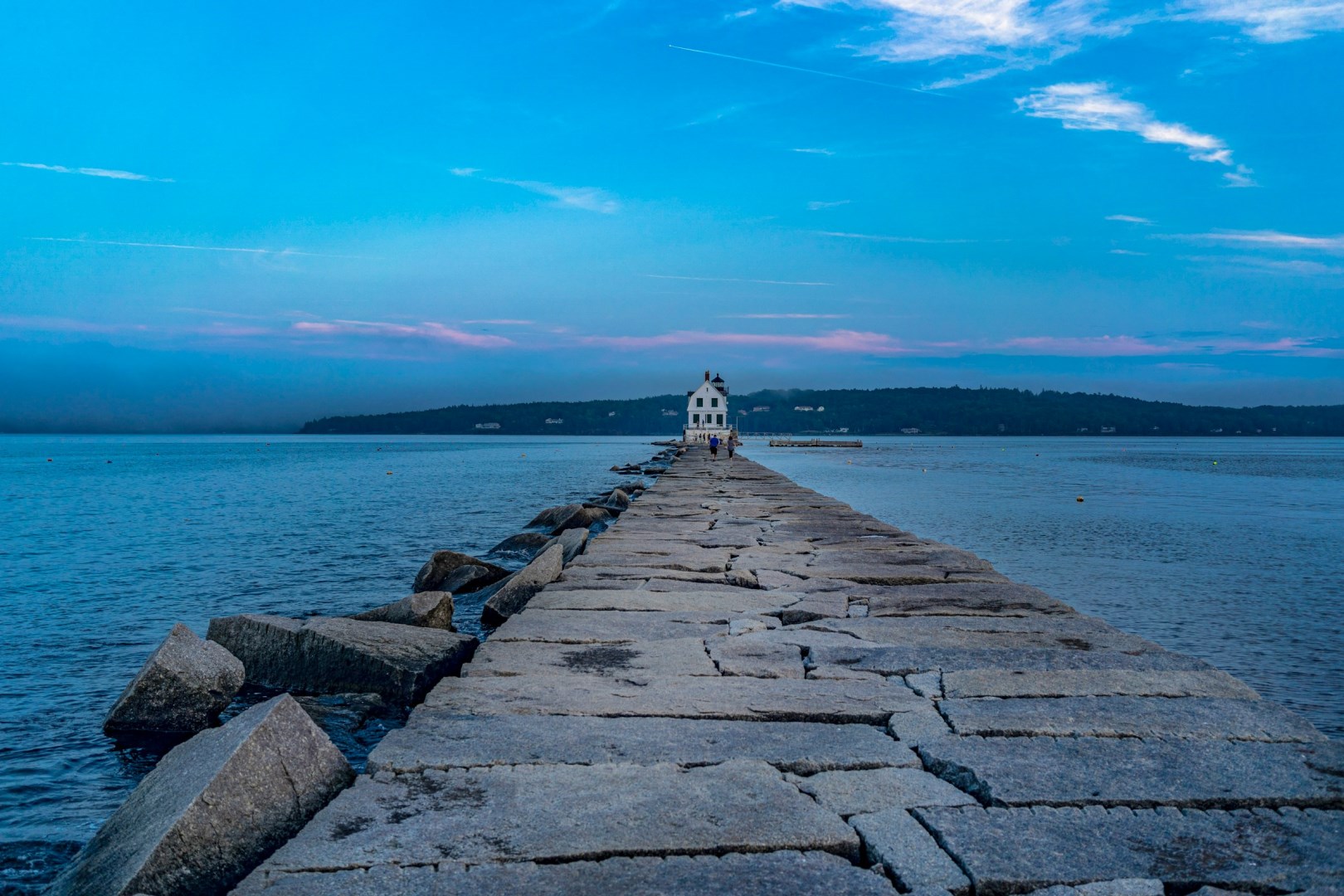
Rockland is a coastal city in Maine on the western shore of Penobscot Bay, known for its working harbor, maritime industries, and connection to the surrounding Midcoast landscape. The city developed around shipbuilding, fishing, lime production, and coastal trade, and its waterfront remains an important part of daily life. Rockland Harbor is sheltered by islands and peninsulas, with commercial fishing boats, pleasure craft, and passenger vessels using its waters.
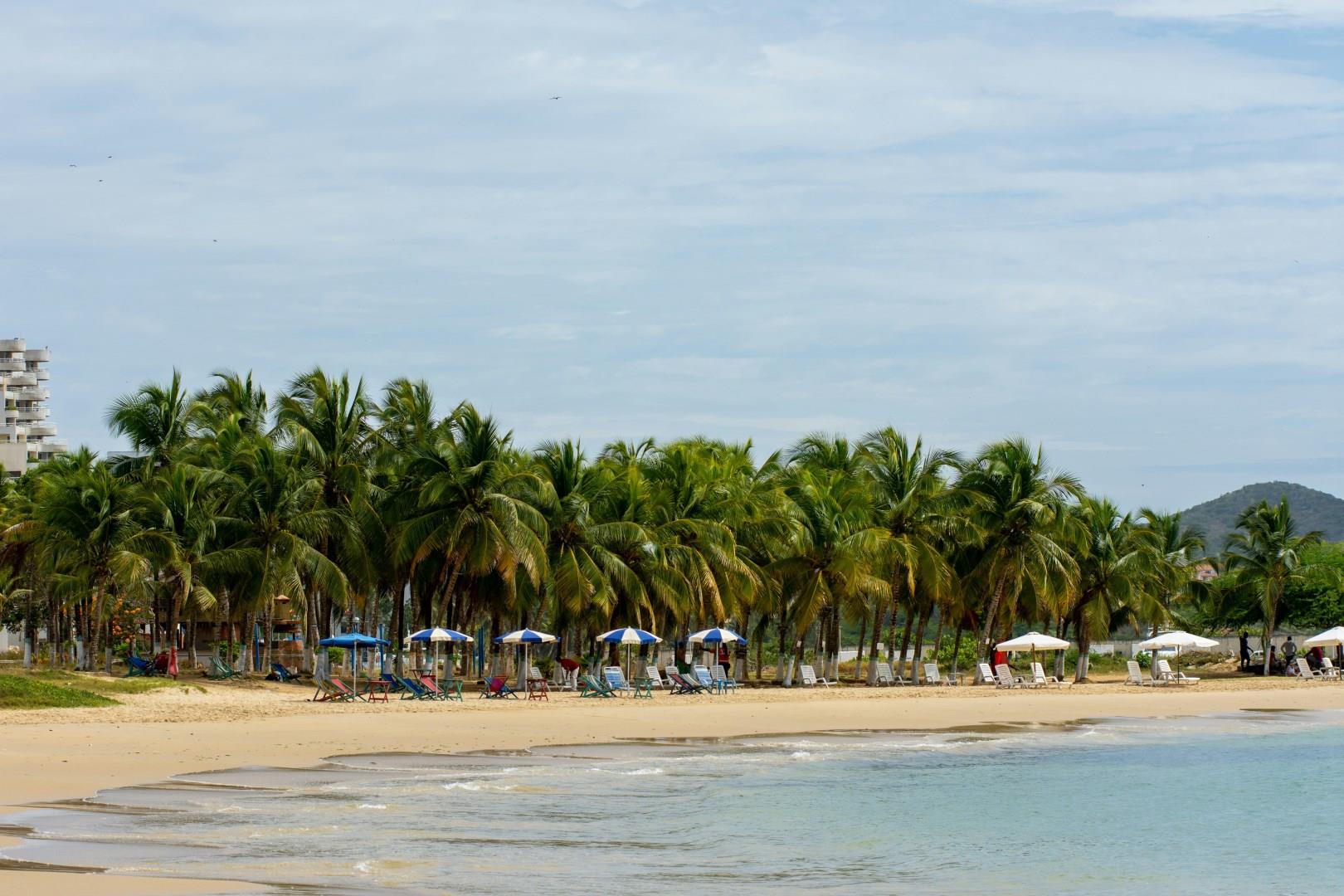
Margarita Island, known locally as Isla de Margarita, sits just off Venezuela’s northeastern coast in the warm Caribbean Sea. The island's famous beaches span from quiet coves to wide-open shorelines. Playa El Agua stretches for over two miles with swaying palms and lively beachfront restaurants serving fresh snapper, tostones, and cold Polar beer. For those seeking less crowded sands, Playa Zaragoza offers calm waters and a glimpse of everyday coastal life.
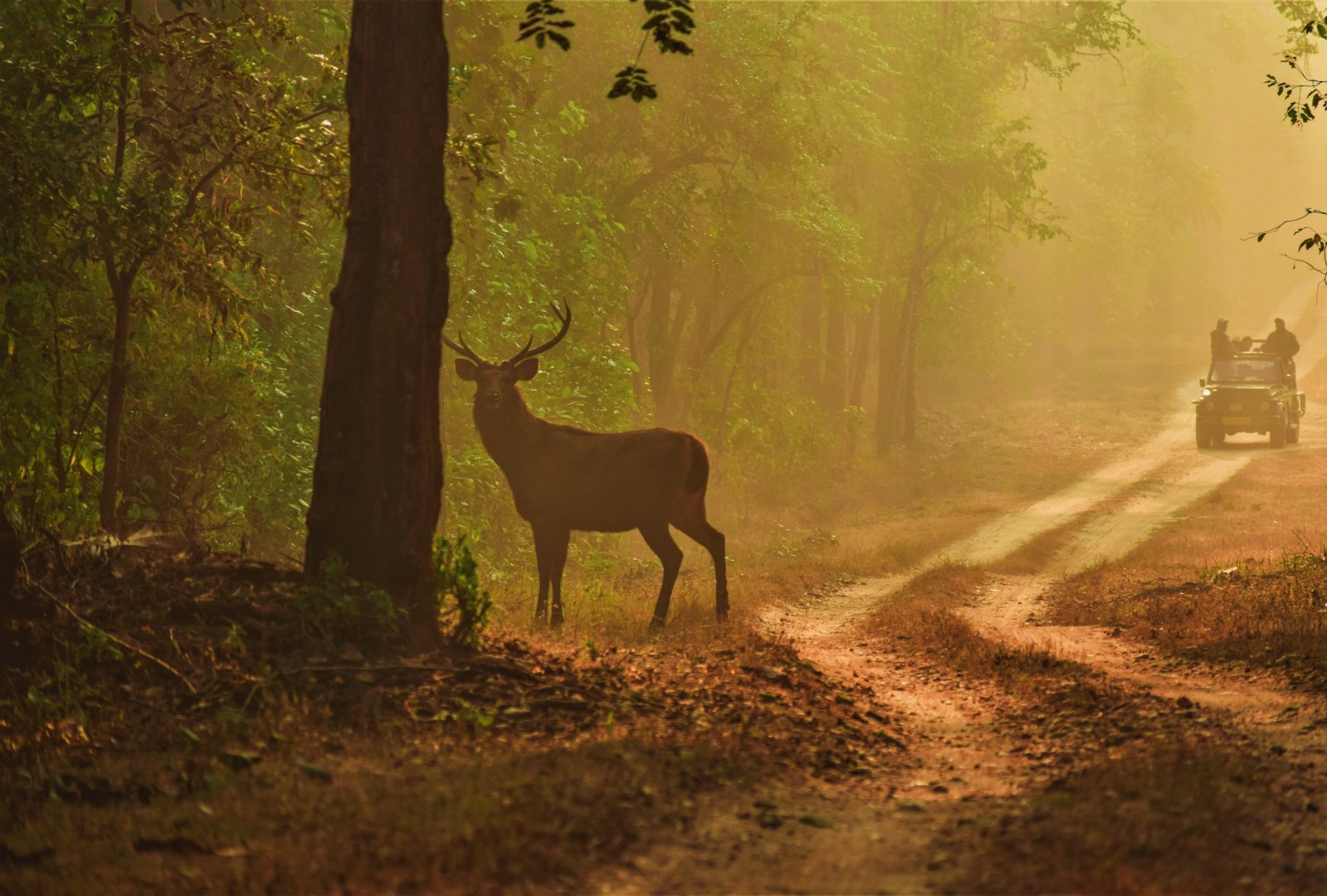
Kanha Tiger Reserve lies in the Maikal ranges of the Satpura hills in Madhya Pradesh, extending across the districts of Mandla and Balaghat. The reserve is known for its broad sal forests, bamboo groves, open meadows, streams, and diverse wildlife. The national park covers about 940 square kilometres within the larger tiger reserve. Bengal tigers are a major attraction, but Kanha is equally significant for its population of hard-ground barasingha, a subspecies of swamp deer that became closely a
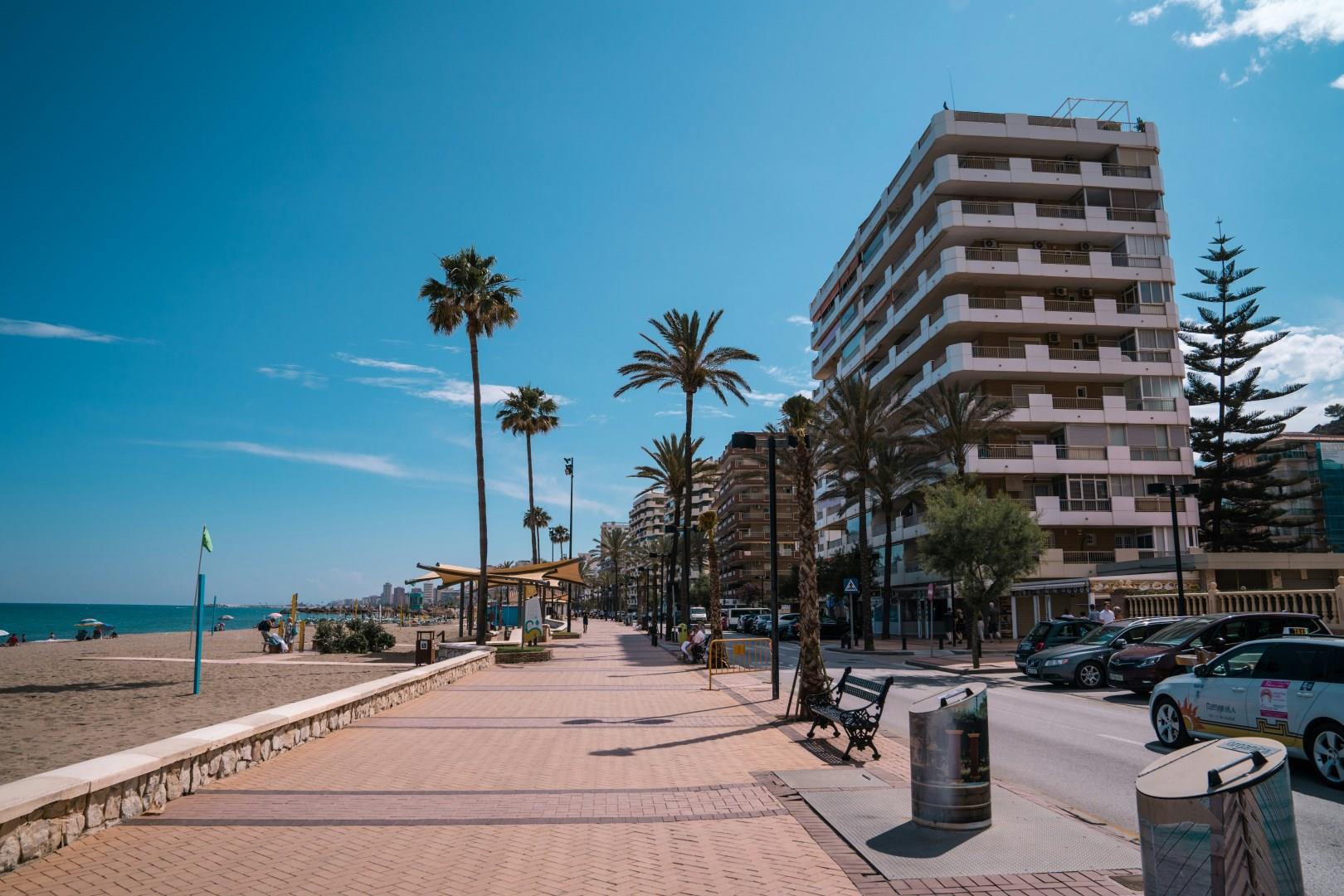
The Costa del Sol, stretching along the southern coast of Spain in Andalusia, is famed for its golden beaches, lively coastal towns, and sunny Mediterranean climate.
On coastal Iceland, the globe's northernmost capital, Reykjavík, invites visitors to discover its unique charms. Iceland is rife with natural wonders: geysers, geothermic spas, waterfalls and the spectacular Northern Lights. Reykjavik, dating back to 870 AD, offers world-class museums, restaurants, shopping and nightlife.
Photo Credit: Photo by Mylène Haudebourg on Unsplash
Photo Credit: Photo by Lightscape on Unsplash
Photo Credit: Photo by James Seddon on Unsplash
Photo Credit: Photo by Vidar Nordli-Mathisen on Unsplash
Photo Credit: Photo by Lightscape on Unsplash
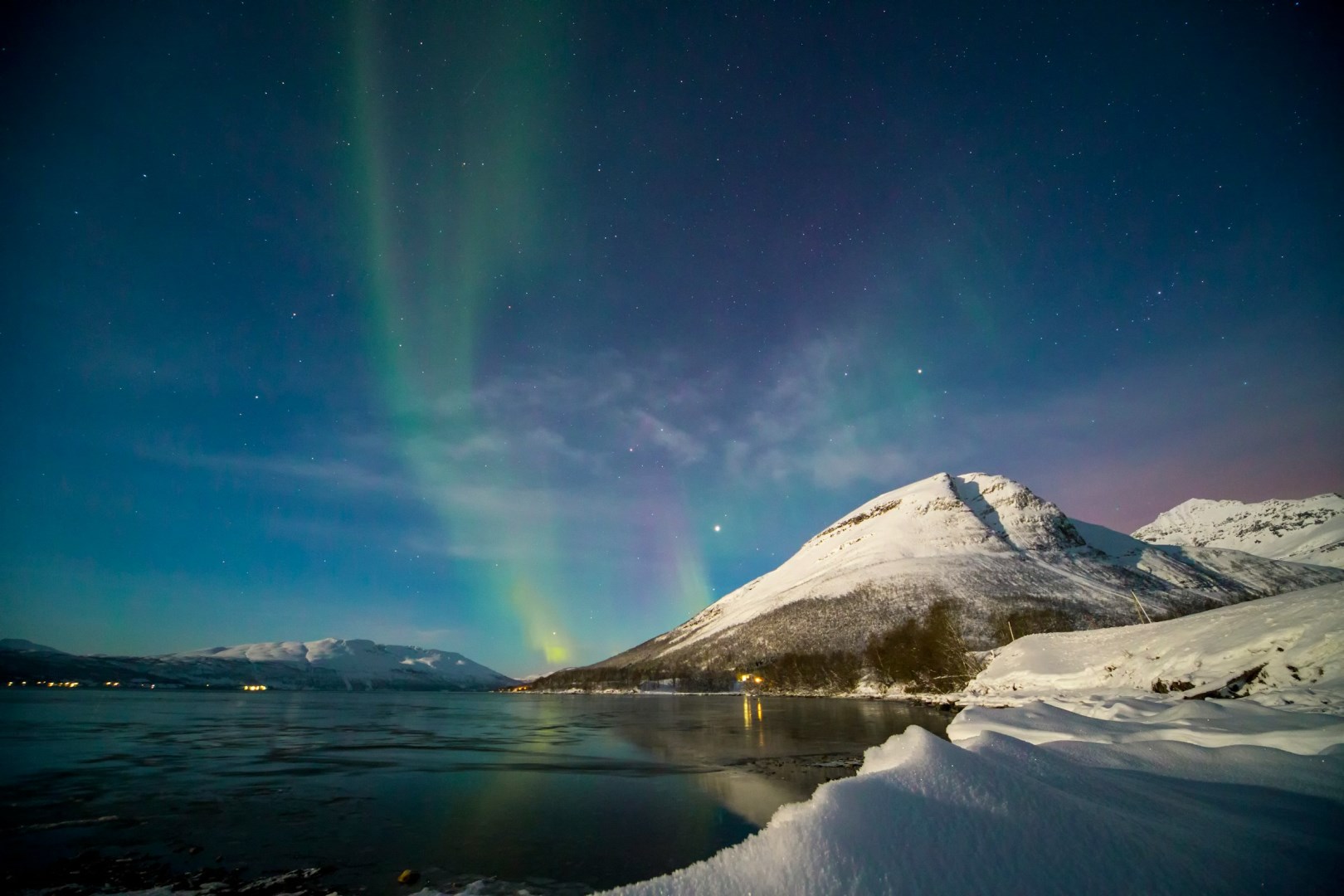
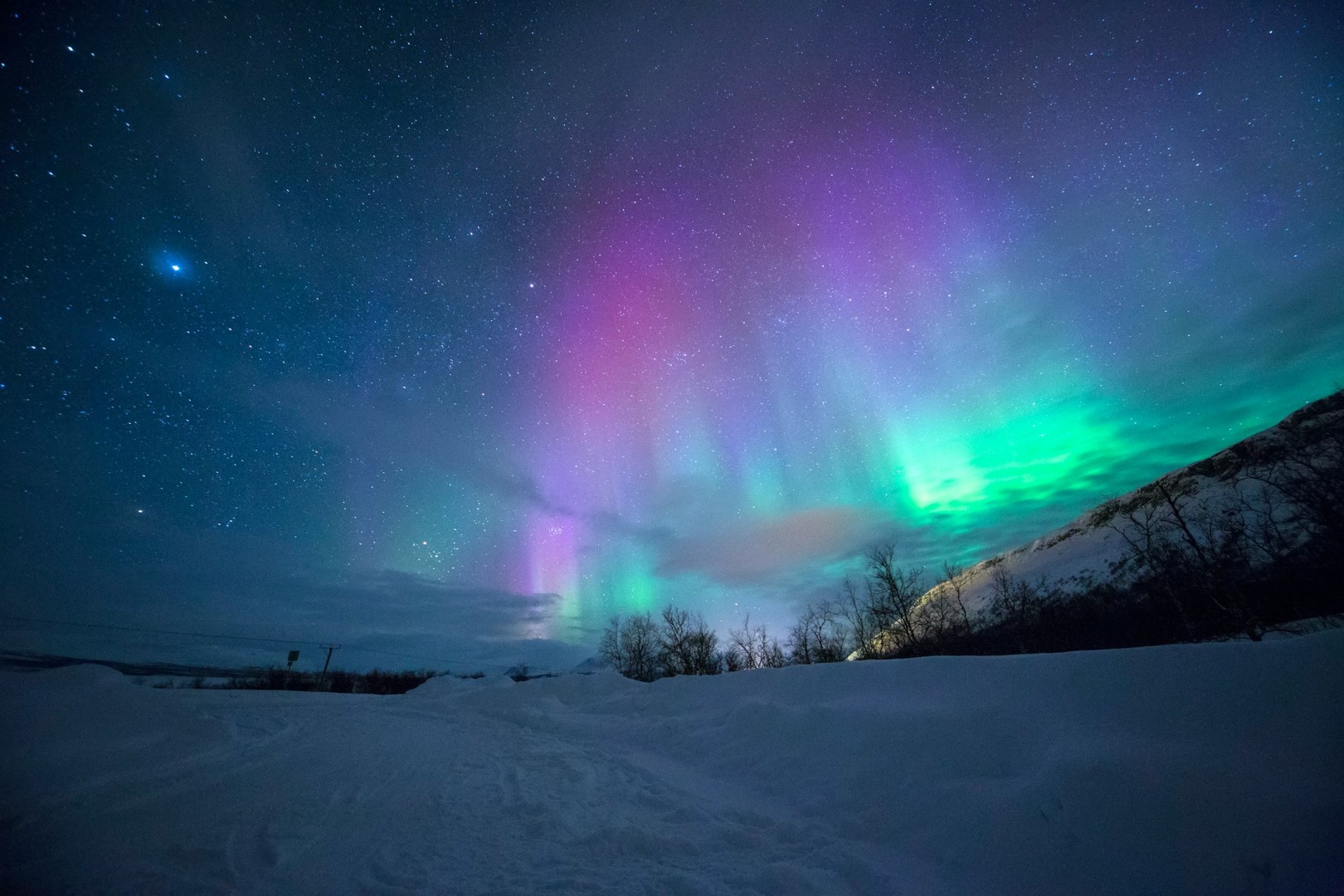
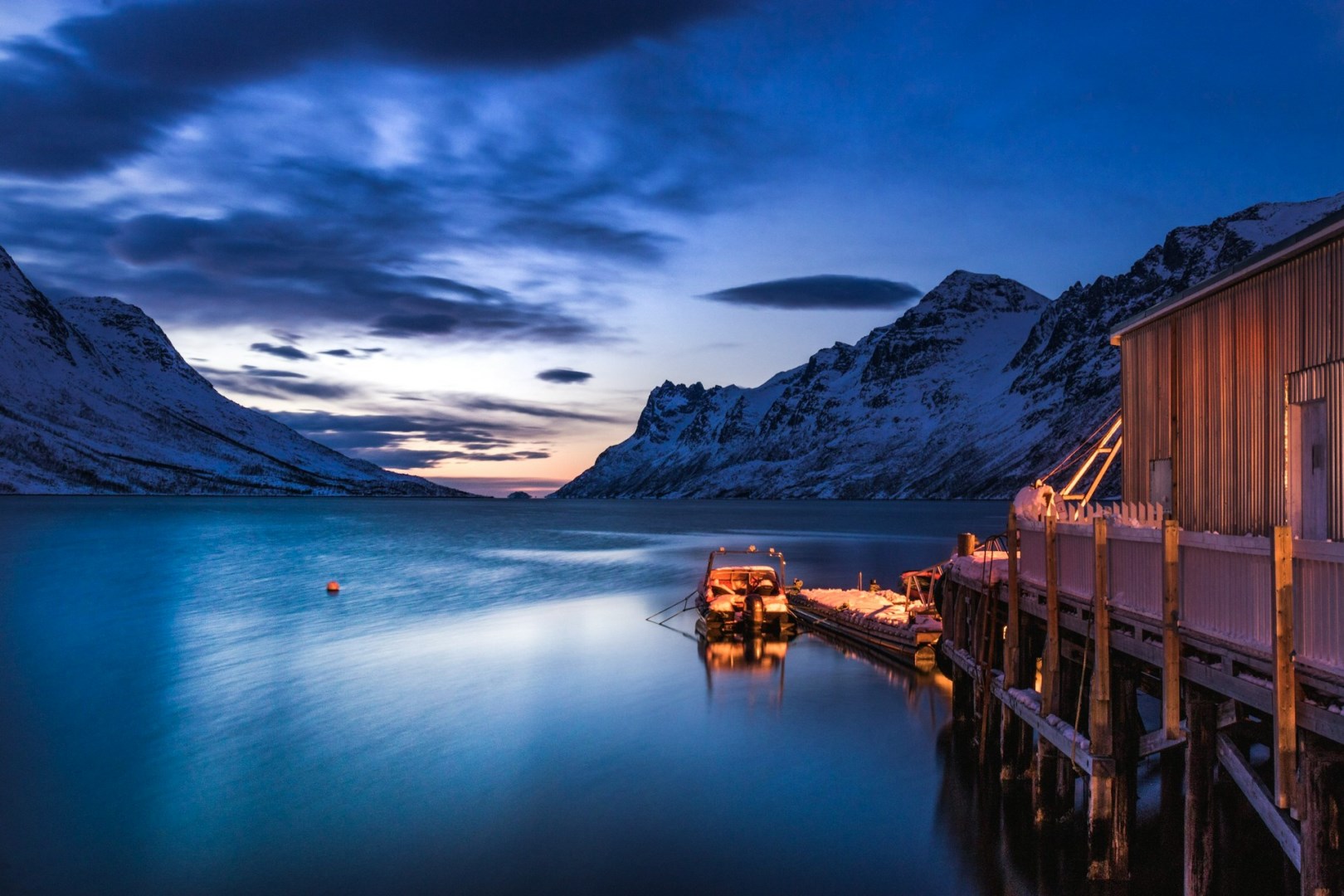
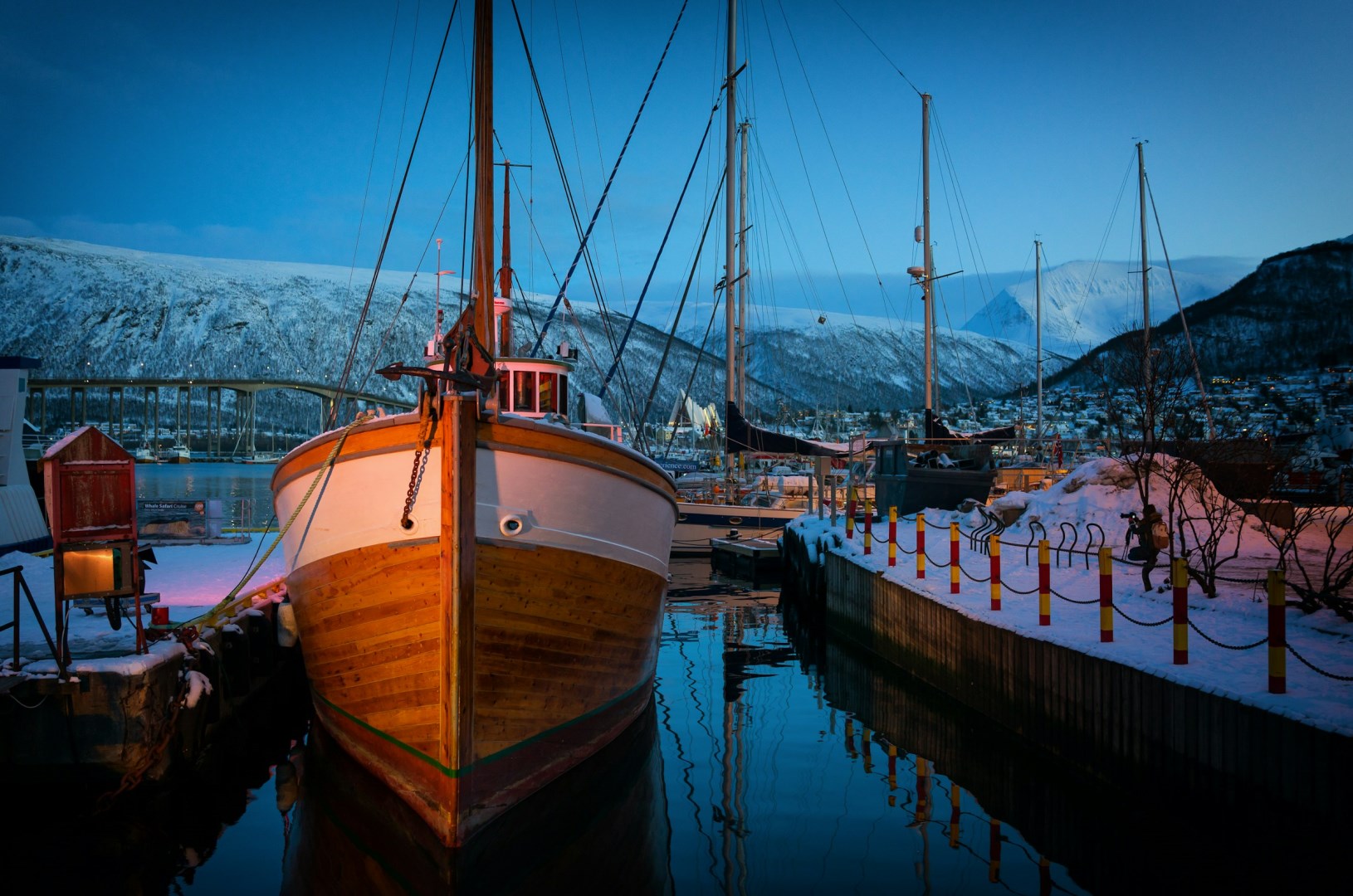
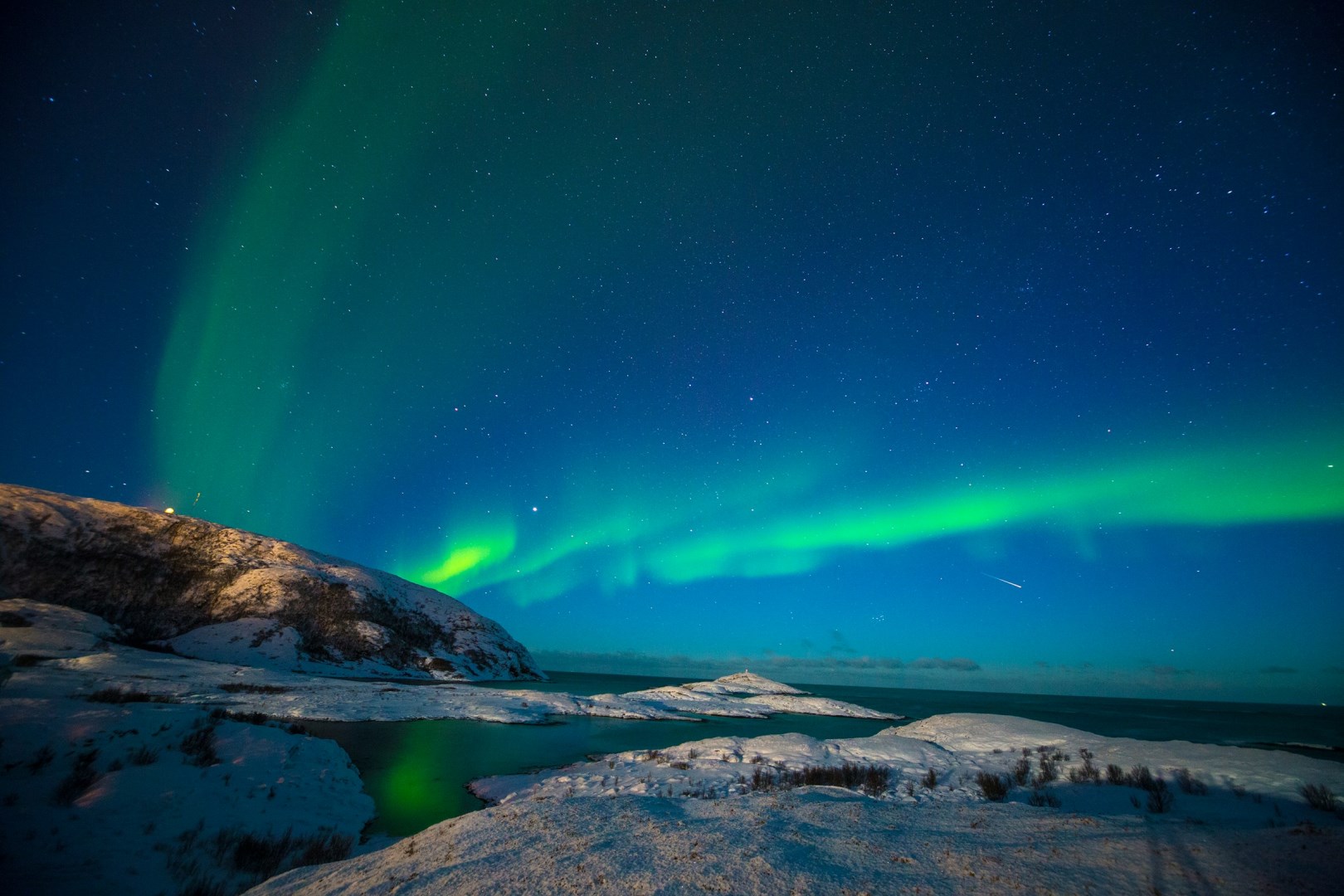
Tromsø, a gem nestled in the Arctic Circle, offers an unparalleled blend of natural wonders and cultural richness. Known as the "Gateway to the Arctic," this Norwegian city is famed for its spectacular Northern Lights. Between September and April, Tromsø becomes a prime location for witnessing the aurora borealis, a mesmerizing display of green, purple, and pink lights dancing across the polar sky.
A stroll through Tromsø’s city center reveals a vibrant blend of modern and historical architecture. The striking Arctic Cathedral, with its distinctive triangular shape and stained-glass windows, stands as a testament to the city's unique aesthetic. The Polar Museum provides fascinating insights into Tromsø’s history as a base for Arctic expeditions, including those of famed explorers like Roald Amundsen.
Tromsø is also a gateway to Arctic adventures. From whale watching tours that offer glimpses of orcas and humpback whales to snowshoeing and dog sledding across the snow-covered landscapes, the city offers a wealth of outdoor activities. For those keen on experiencing the midnight sun, Tromsø is one of the best places to enjoy this phenomenon from late May to late July.
Fun Fact: Tromsø is home to the world’s northernmost university, UiT The Arctic University of Norway. This makes Tromsø a hub of both academic and cultural activity in the Arctic region.
Other Popular Destinations in Norway
Bergen
Charming Bergen will sweep you away with its picturesque architecture and breathtaking natural beauty. Nestled between stunningly verdant mountains and the winding fjords of the North Sea, this scenic town will delight you at every turn.
Trondheim
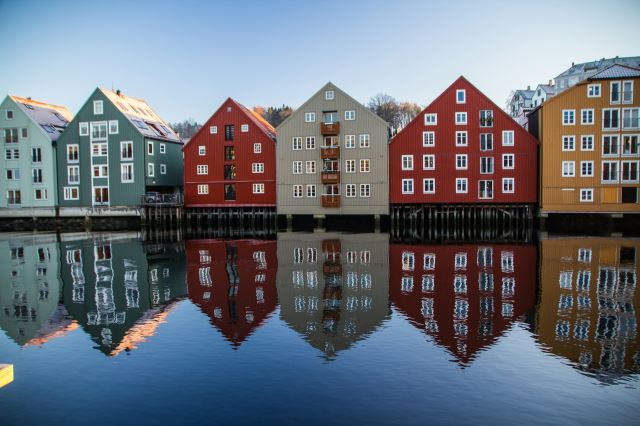
Nestled along the Trondheim Fjord in central Norway, Trondheim offers a captivating blend of rich history and vibrant modern life. As Norway’s first capital, Trondheim boasts a legacy that includes the striking Nidaros Cathedral, an iconic landmark whose construction began in the 11th century.