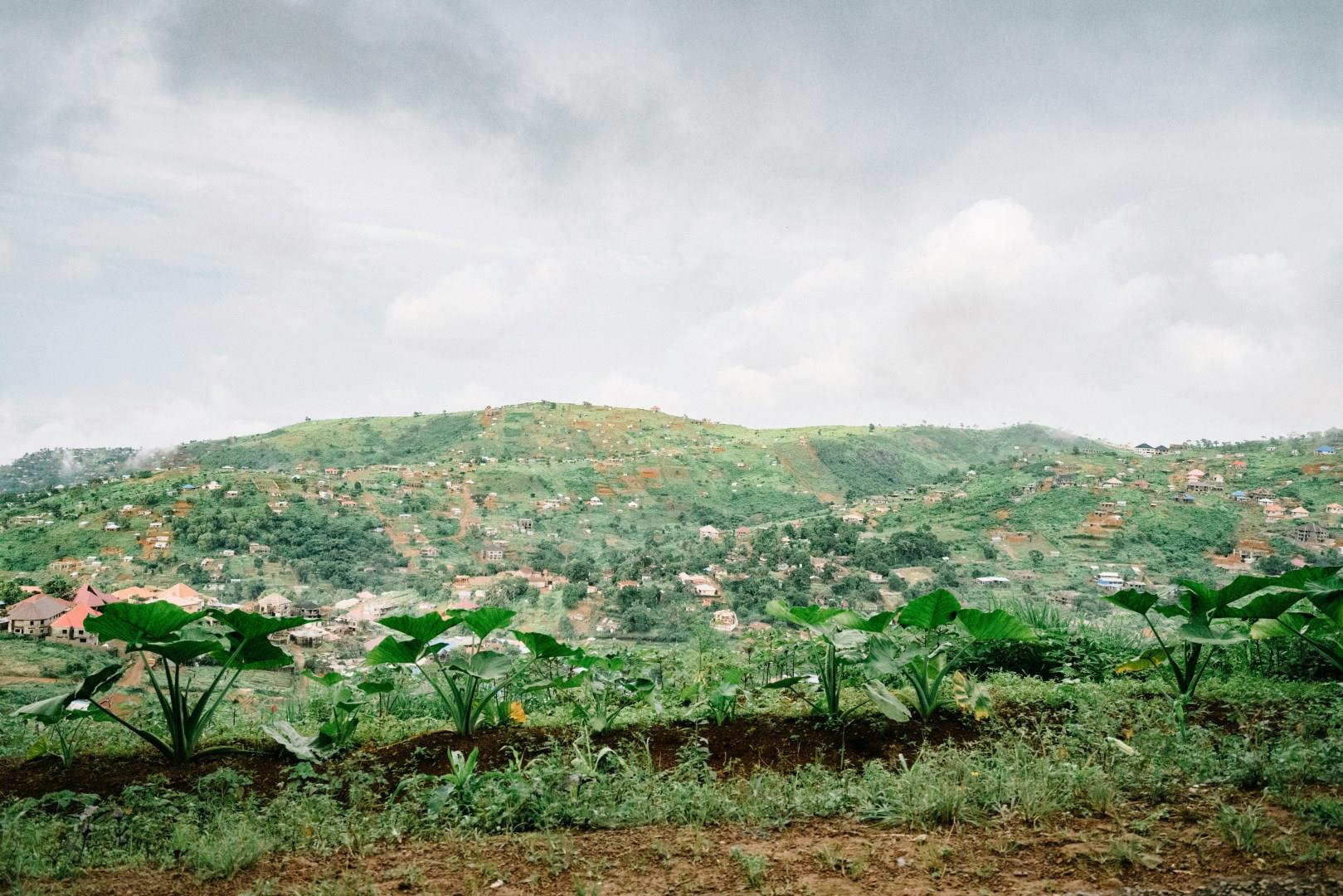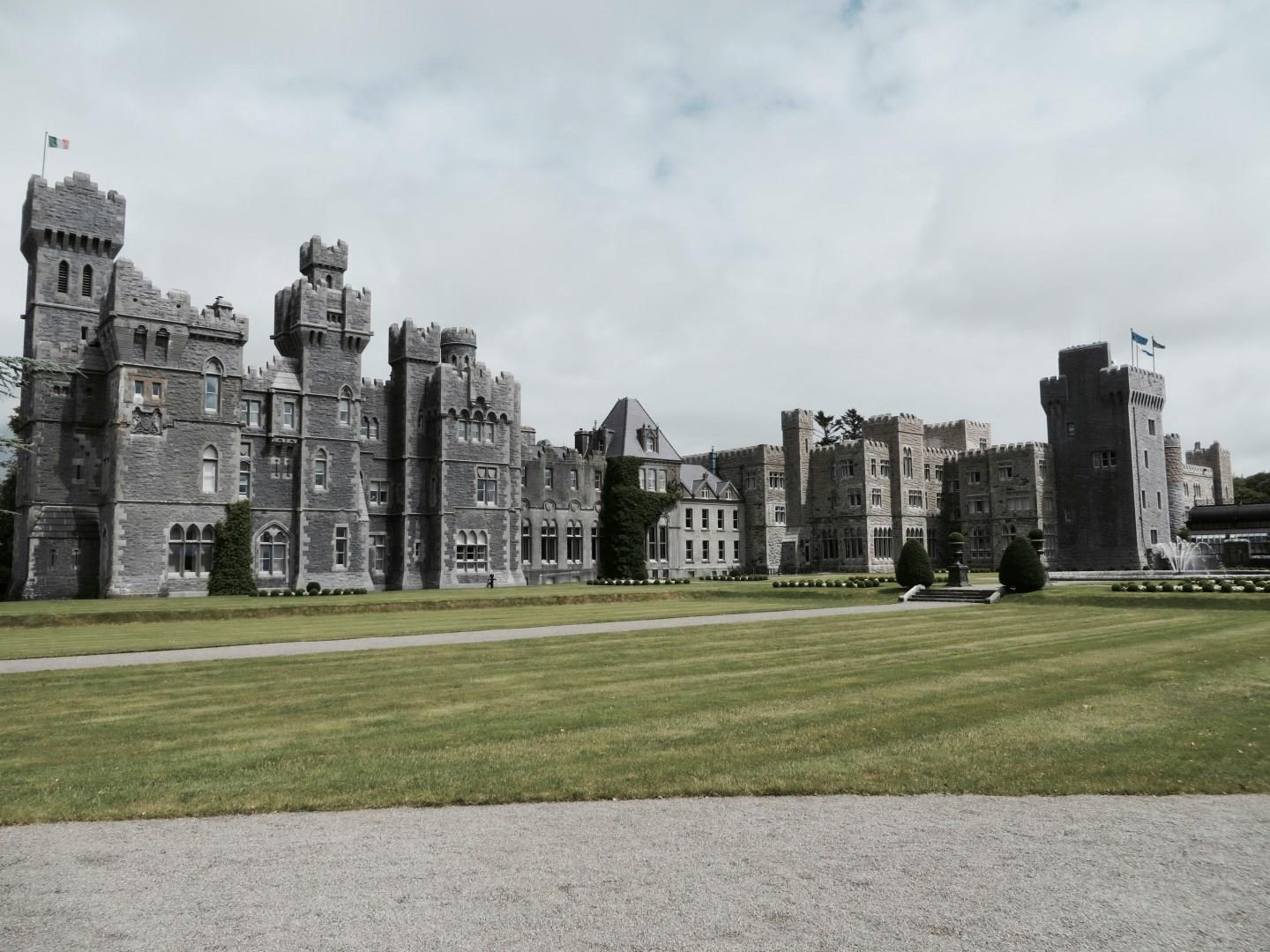
Cong is a small village in western Ireland, set where the River Cong flows between Lough Corrib and Lough Mask. Its history is closely tied to monastic settlement, most notably Cong Abbey, founded in the 12th century and later shaped by Norman influence.
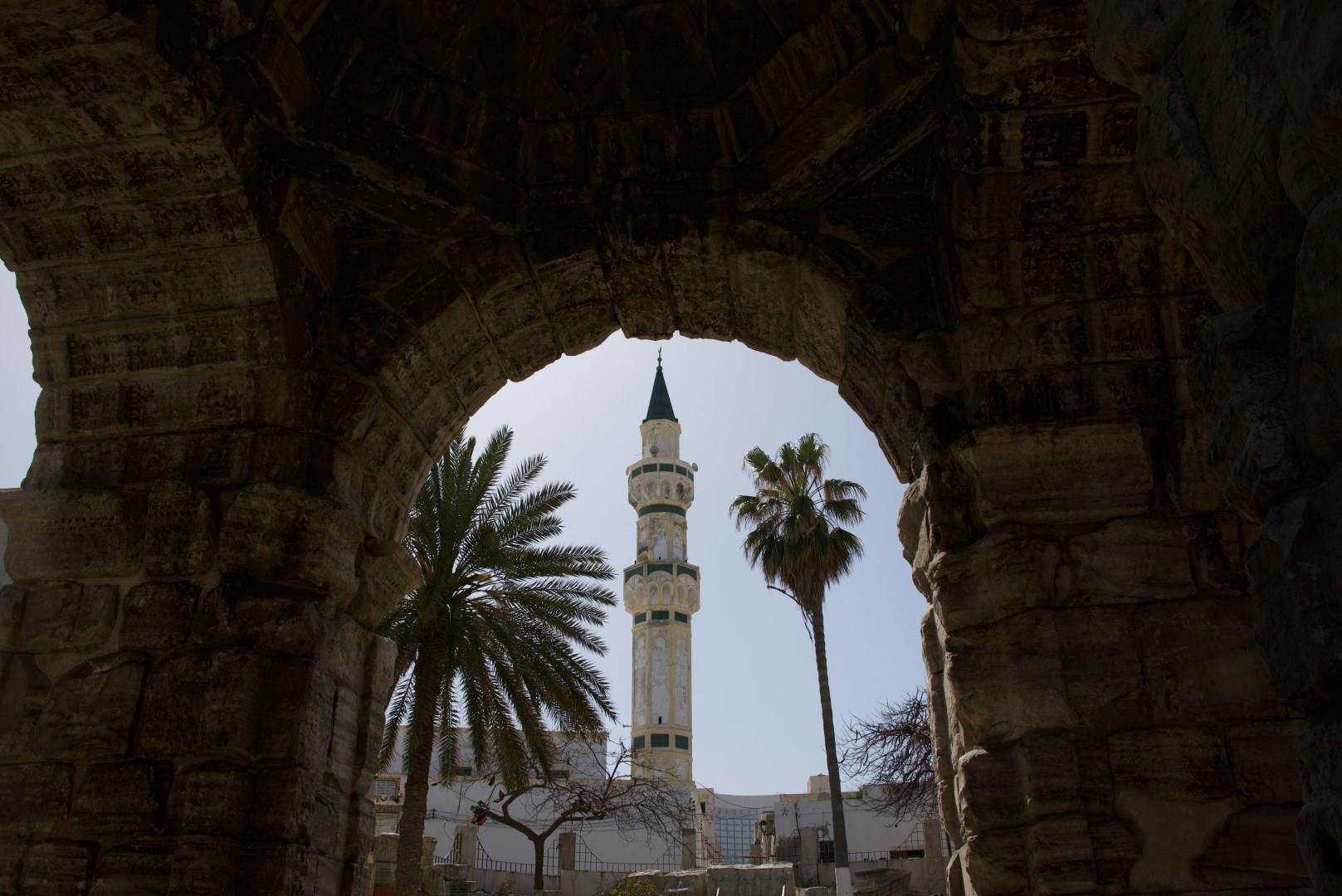
Freetown, the capital of Sierra Leone, is a city where history and daily life intertwine along the shores of the Atlantic. Founded in 1792 as a settlement for freed slaves from Britain and the Americas, it remains a place of cultural depth and resilience.
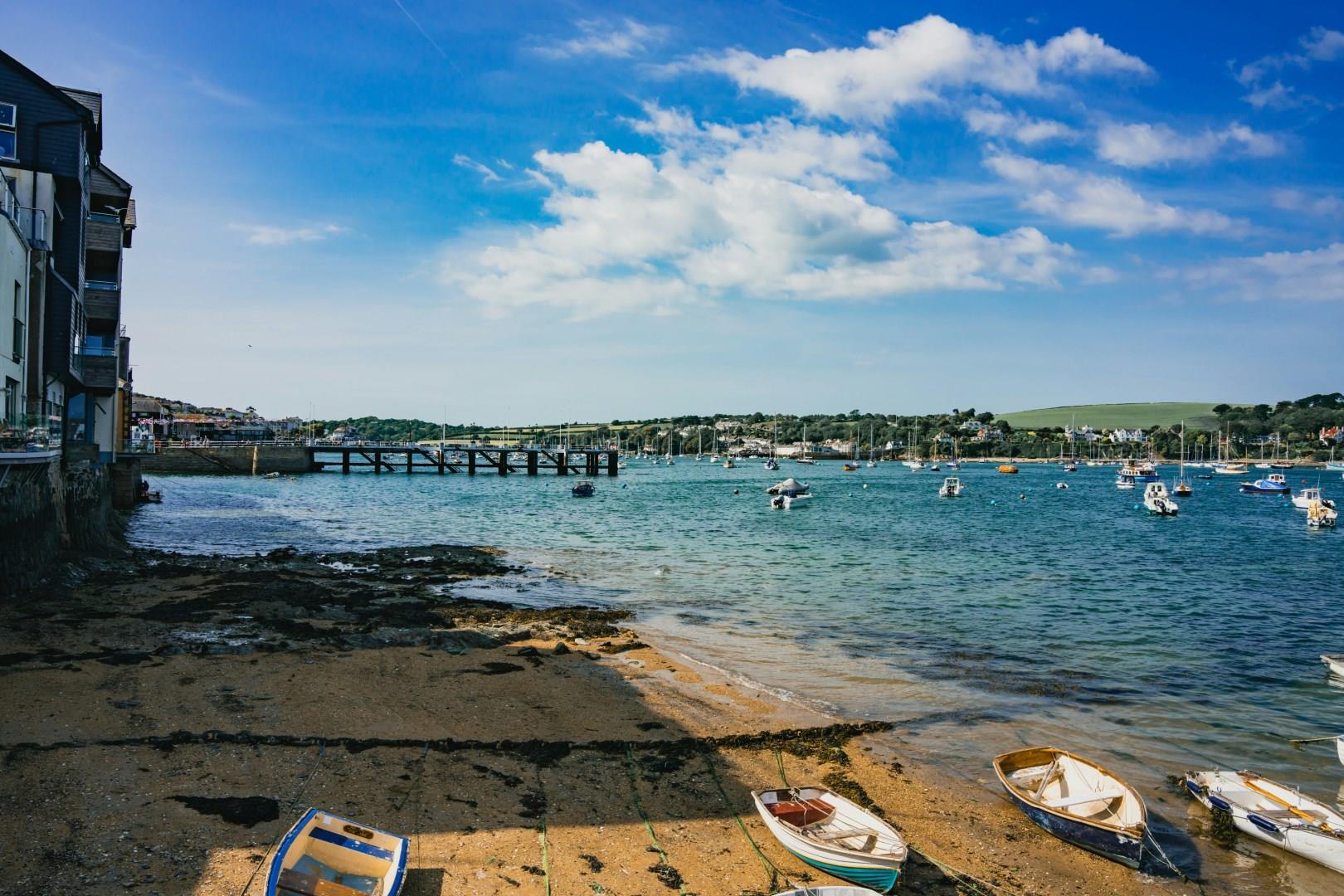
Falmouth, on Cornwall’s south coast, grew around one of the world’s largest natural harbors, a feature that has shaped its maritime identity for centuries. The town expanded during the age of sail, serving as a key port for packet ships, and landmarks like Pendennis Castle still anchor Falmouth firmly in its naval past.
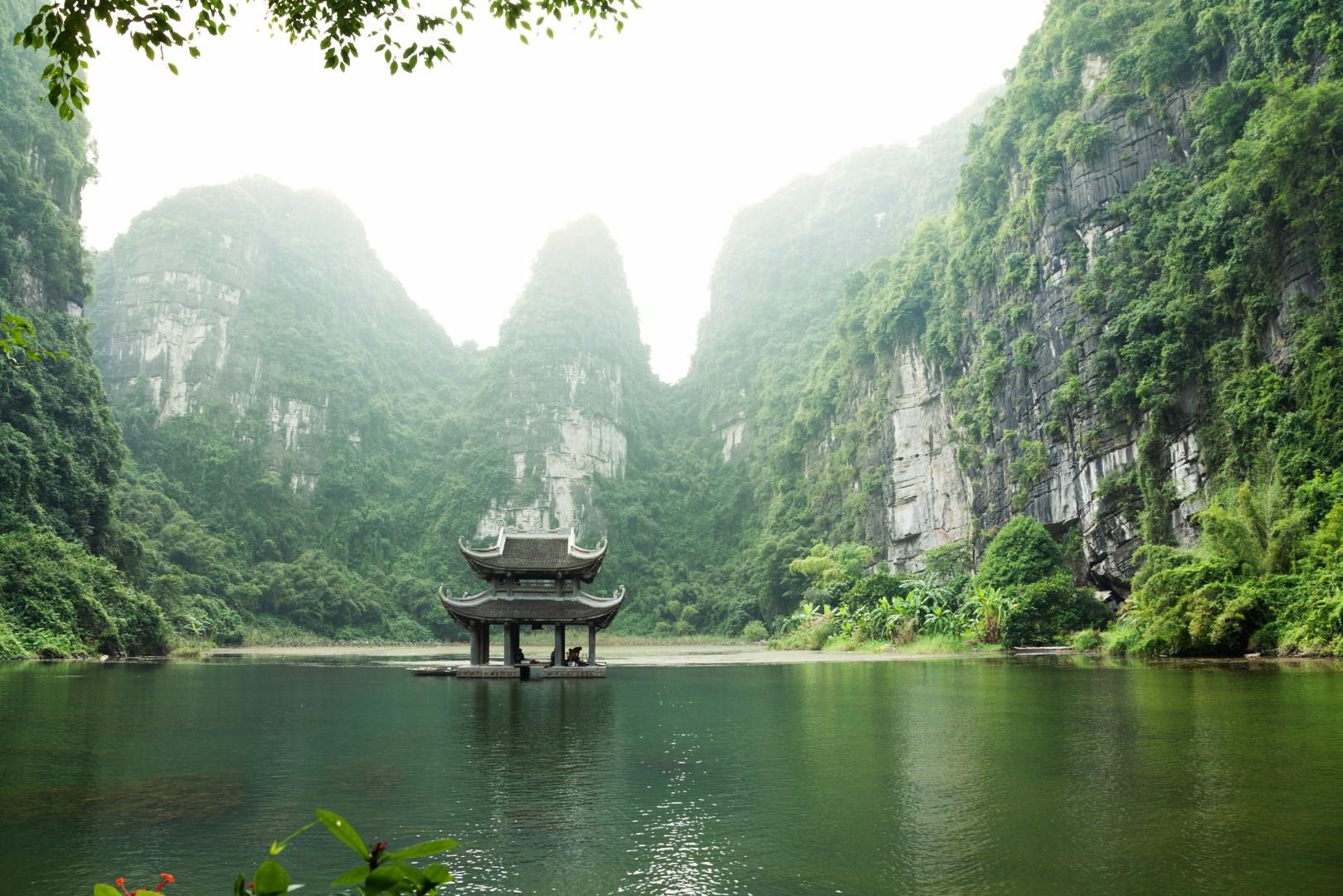
Ninh Binh, located about 100 kilometers south of Hanoi, offers a landscape shaped by limestone karsts, winding rivers, and flooded rice paddies. Often referred to as “Ha Long Bay on land,” the area is best explored by rowboat. At Trang An Scenic Landscape Complex, boat routes pass through caves, ancient pagodas, and valleys surrounded by towering cliffs. Local rowers often use their feet to paddle, an unusual technique that surprises many first-time visitors.
Tortola, the largest island in the British Virgin Islands, beckons travelers with its idyllic beaches and vibrant culture. Known for its stunning natural beauty, Tortola offers crystal-clear waters, lush landscapes, and a range of outdoor activities. Cane Garden Bay, one of the island’s most famous beaches, is renowned for its powdery white sand and turquoise waters. Whether you’re lounging under a palm tree or snorkeling among vibrant coral reefs, this beach provides a quintessential Caribbean experience. For more information on activities, visit the British Virgin Islands Tourism website.
The island’s capital city, Road Town, is a lively hub of local culture and commerce. Here, visitors can explore the colorful markets and historical sites such as the Old Government House Museum. This museum offers insights into the island's colonial past and its transformation into a modern destination. The town also features charming shops and restaurants where you can savor local cuisine, including fresh seafood and Caribbean specialties.
For nature enthusiasts, Tortola is a paradise. Hike the trails of Mount Sage National Park, the highest point on the island, to enjoy panoramic views of the surrounding archipelago. The park’s diverse flora and fauna make it a rewarding destination for eco-tourists. Additionally, Tortola is a gateway to the nearby Virgin Gorda and Anegada islands, each offering unique attractions such as the famous Baths on Virgin Gorda and the stunning coral reefs of Anegada.
Fun Fact: Tortola is named after the Spanish word "tortola," which means "turtledove." The island’s lush environment and tranquil waters provide an ideal habitat for these birds, adding a touch of local charm to your visit.