iSimangaliso Wetland Park
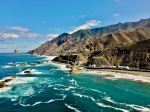
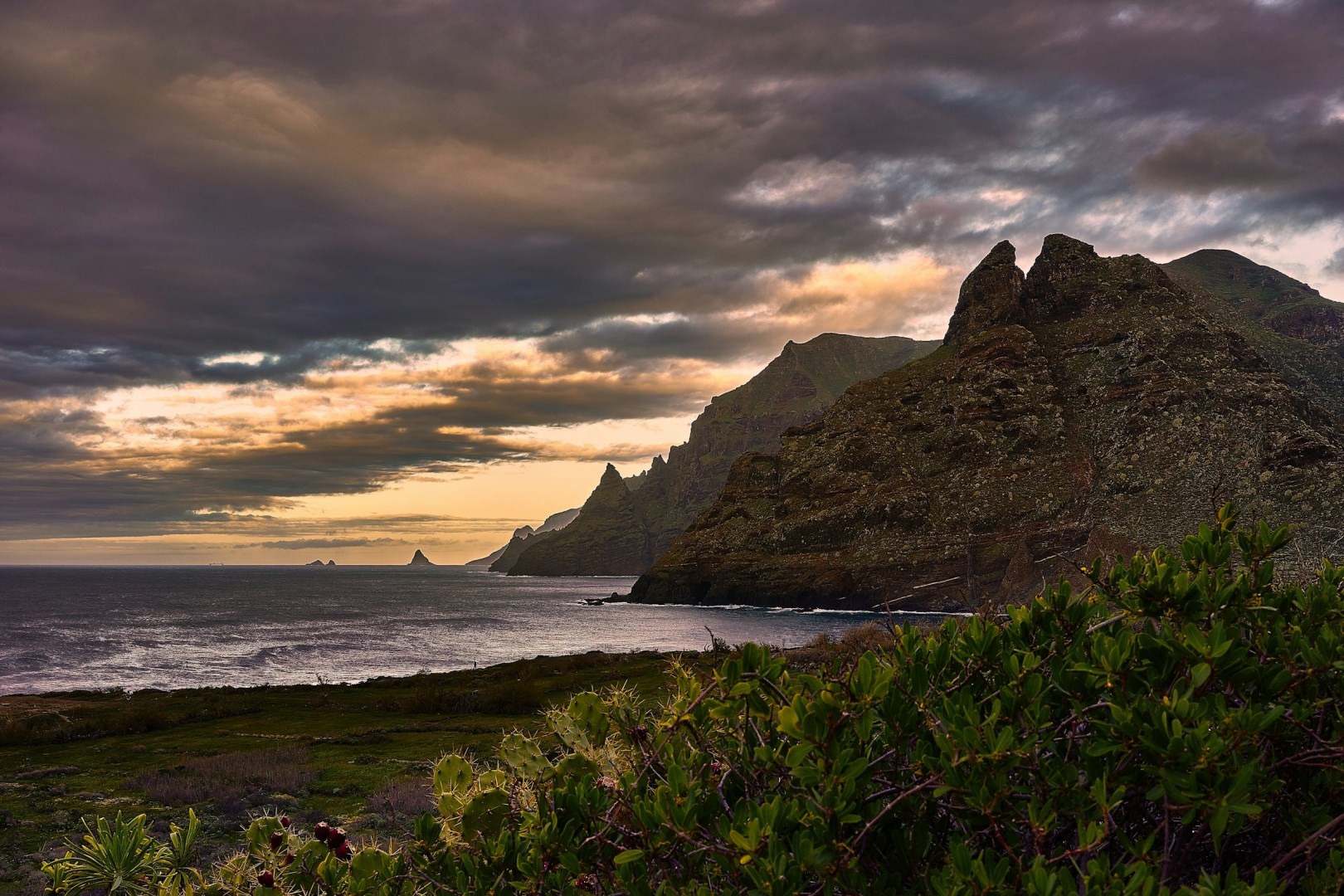
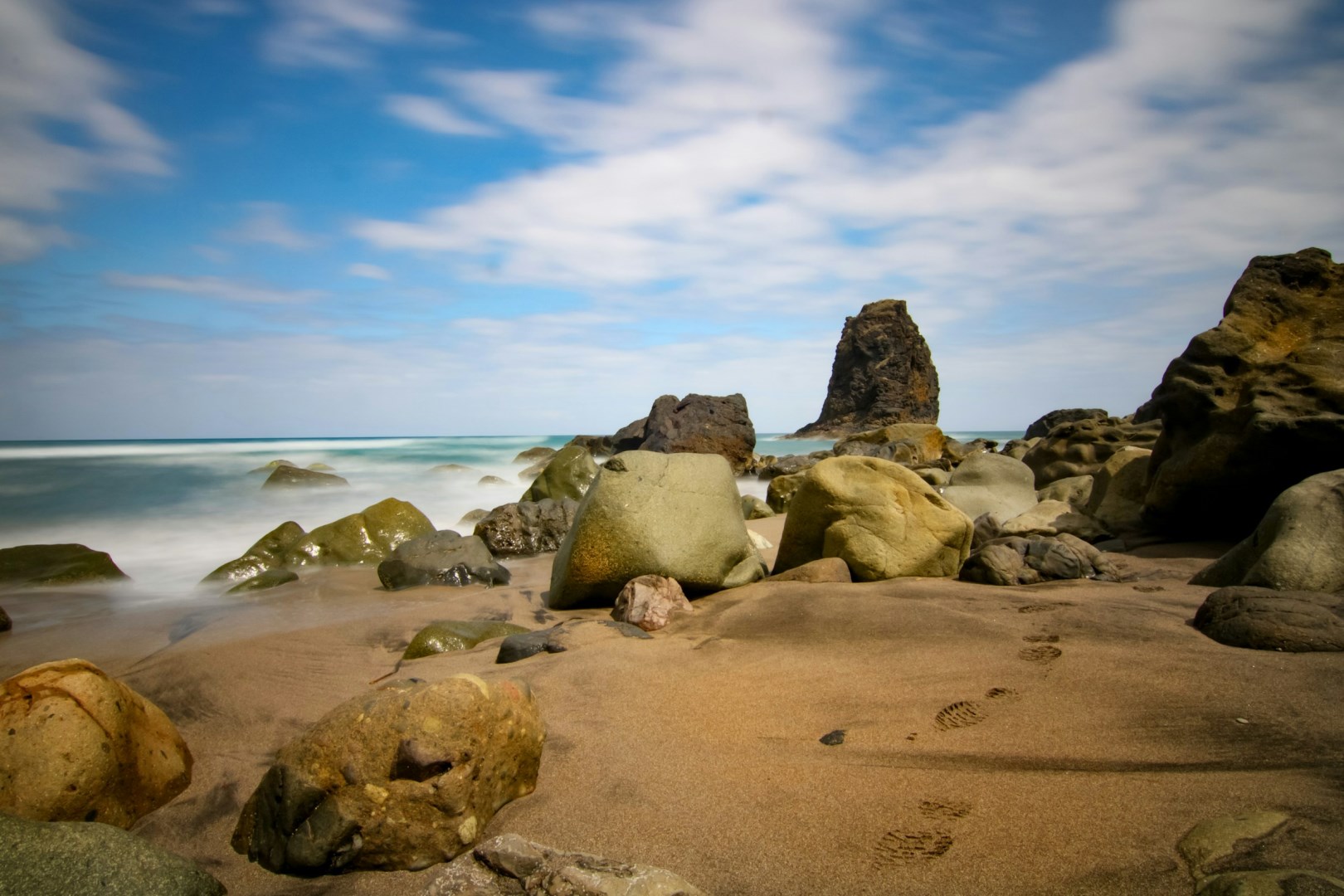
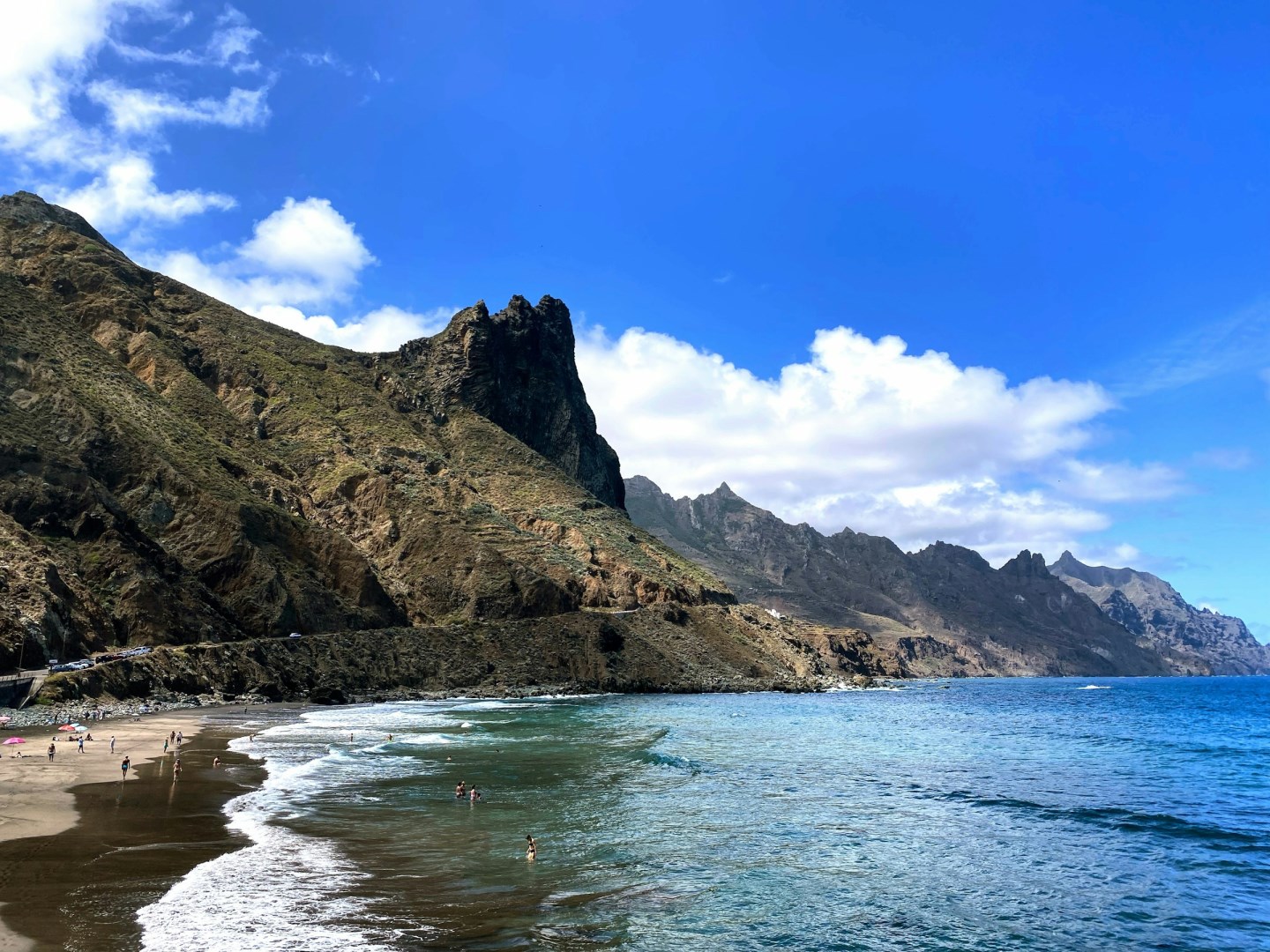
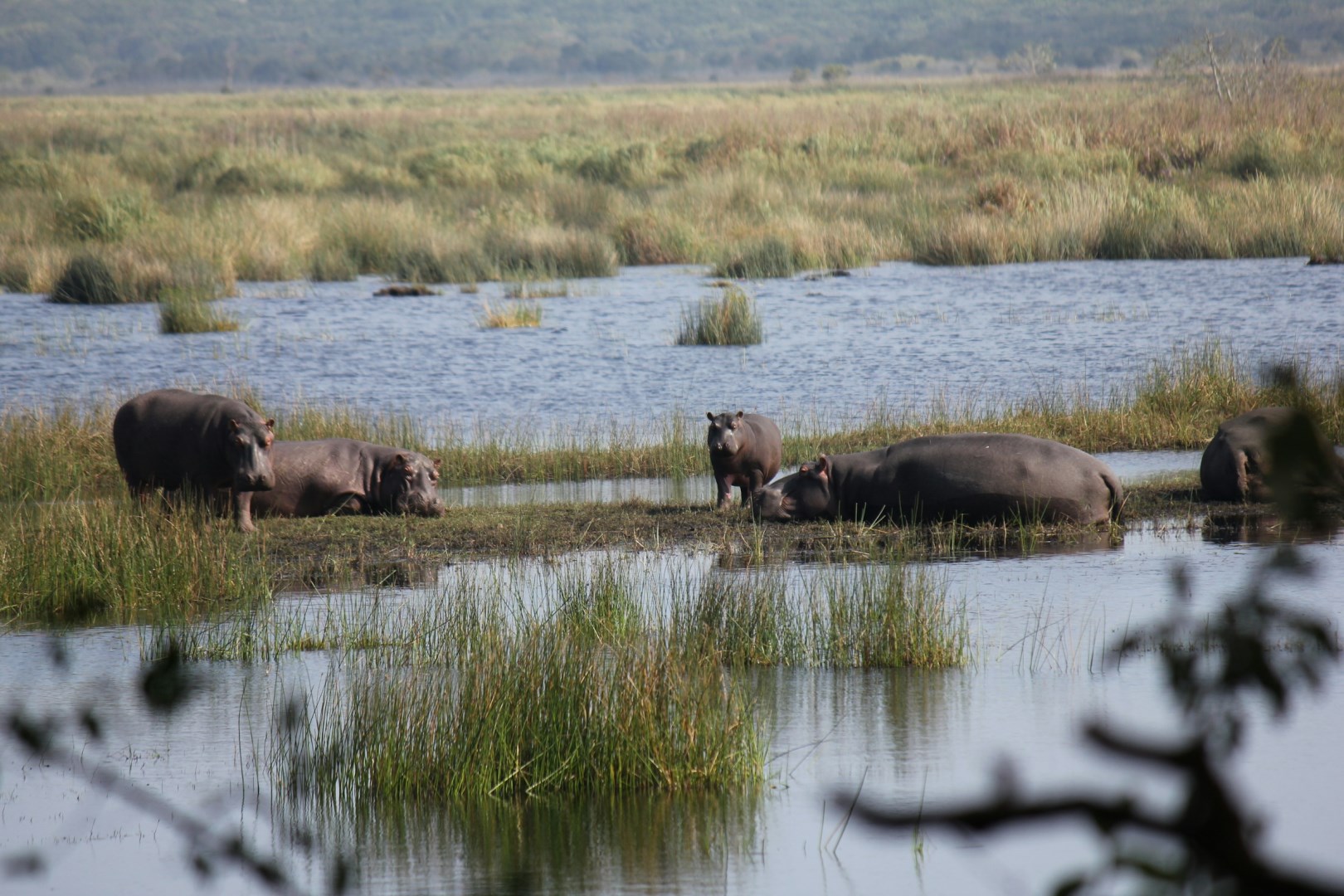
iSimangaliso Wetland Park stretches along the northern KwaZulu-Natal coast from Maphelane to the Mozambique border. It brings together beaches, coral reefs, coastal forests, dunes, lakes, wetlands, estuaries, grasslands, and savanna within one protected landscape. The park is South Africa’s first UNESCO World Heritage Site and includes several separate conservation areas linked by their ecological systems. Its name, iSimangaliso, is an isiZulu word associated with miracles and wonders.
Malang
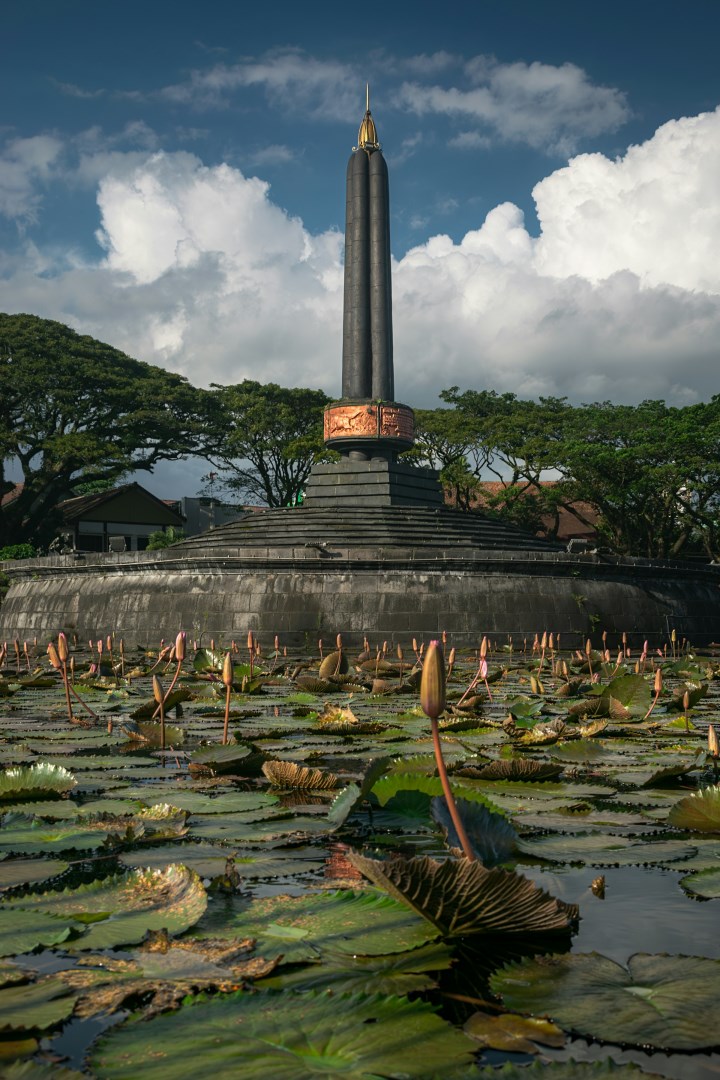
Malang, located in East Java, Indonesia, is a city known for its cool highland climate, colonial architecture, and rich Javanese heritage. Nestled between volcanic peaks and fertile valleys, it has long been a retreat for travelers seeking both cultural depth and natural beauty.
Cameroon
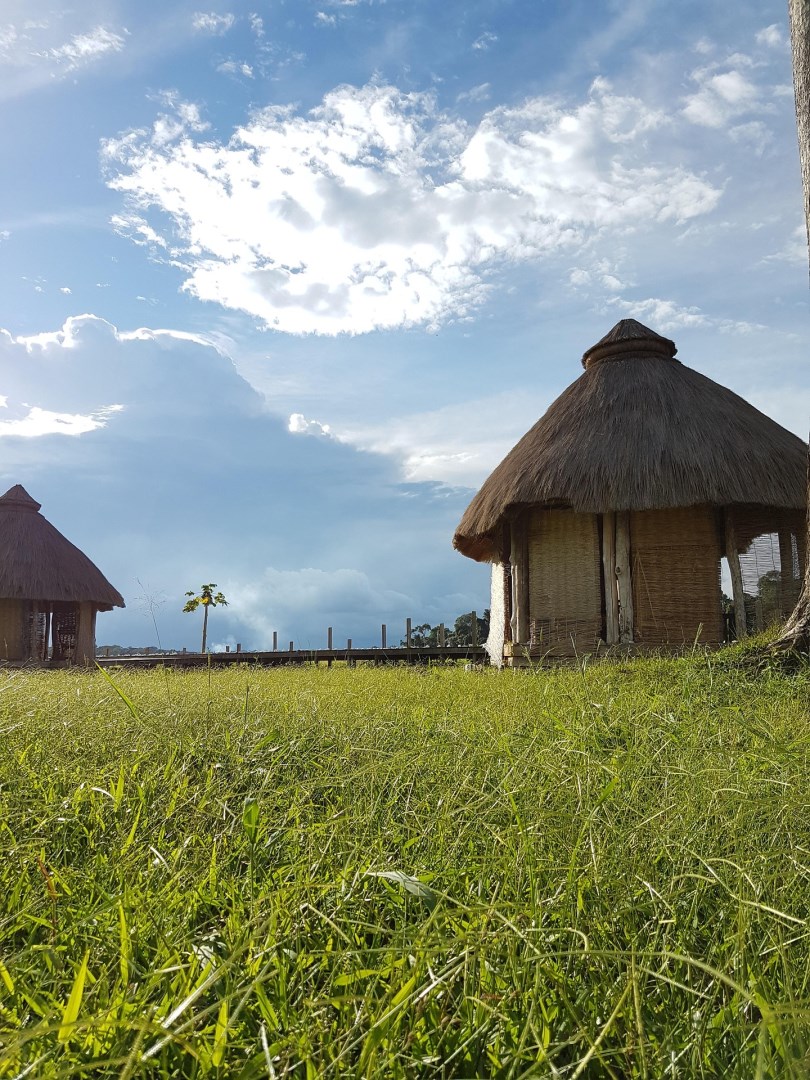
Cameroon is often called “Africa in miniature” for good reason. Within its borders, travelers can explore coastal beaches, dense rainforests, vast savannas, active volcanoes, and snow-capped peaks, all without crossing a border. The country’s most iconic landmark, Mount Cameroon, is the highest mountain in West Africa and an active volcano that draws hikers from around the world.

Santo Domingo
The capital city of the Dominican Republic is rich in history and beauty, boasting 16th-century Spanish architecture and the oldest cathedral in the Americas. The narrow streets of the old colonial city are a testament to the complex mixture of forces that contributed to the construction of the first European city in the Western Hemisphere.

Aalborg
Aalborg is the fourth largest city in Denmark and constitutes a natural center for the North Jutland region. In addition Aalborg is Denmark's largest conference center, outside Copenhagen. Aalborg has many cultural attractions which appeal to a wide variety of tastes; a varied night-life and more than 300 restaurants, bars and clubs.