Almería
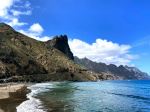
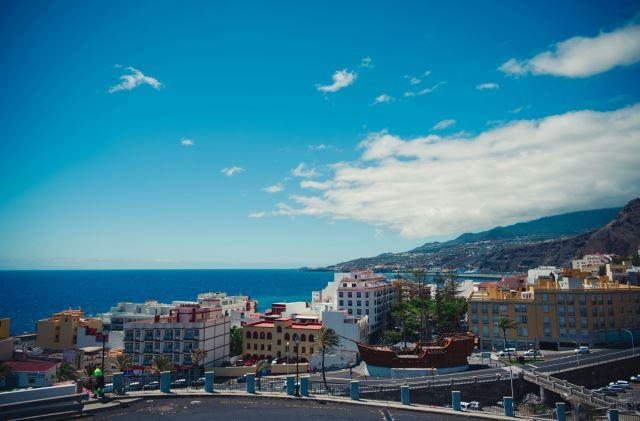
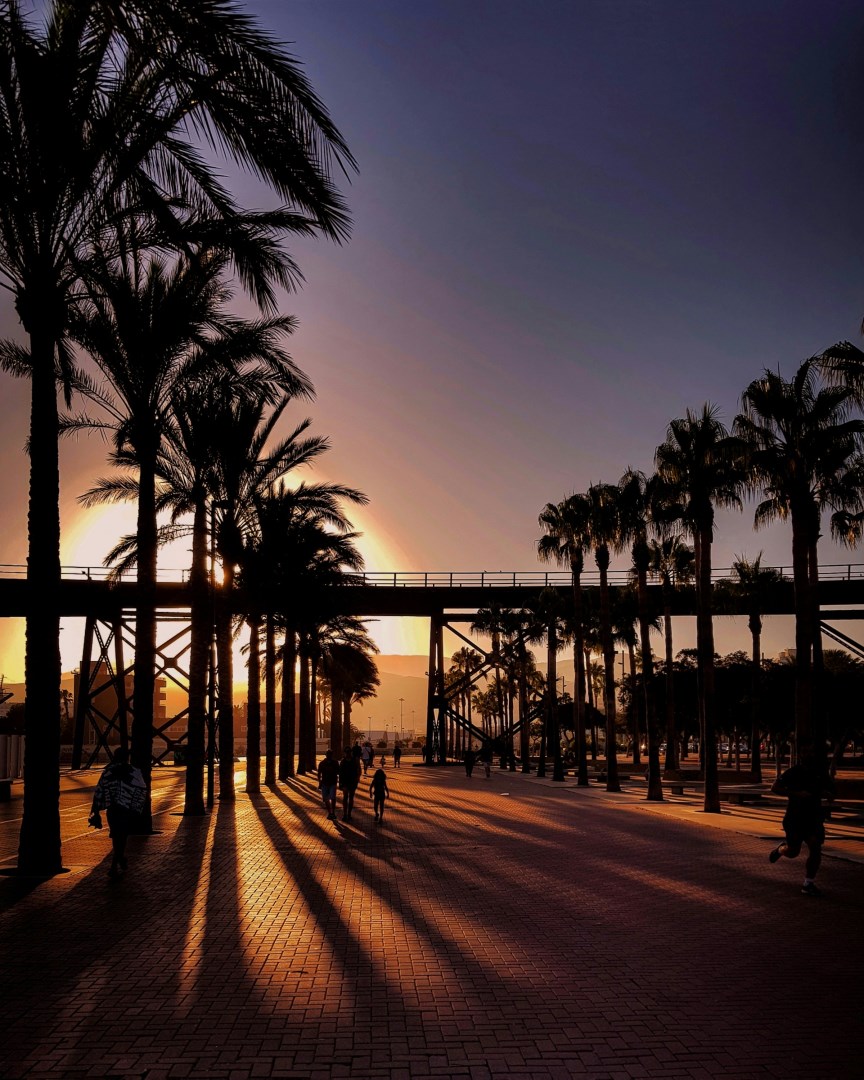
Almería is a coastal city and provincial capital in southeastern Spain, facing the Mediterranean Sea. It lies between a working port, dry coastal plains, and rugged mountains in one of the driest areas of mainland Europe.
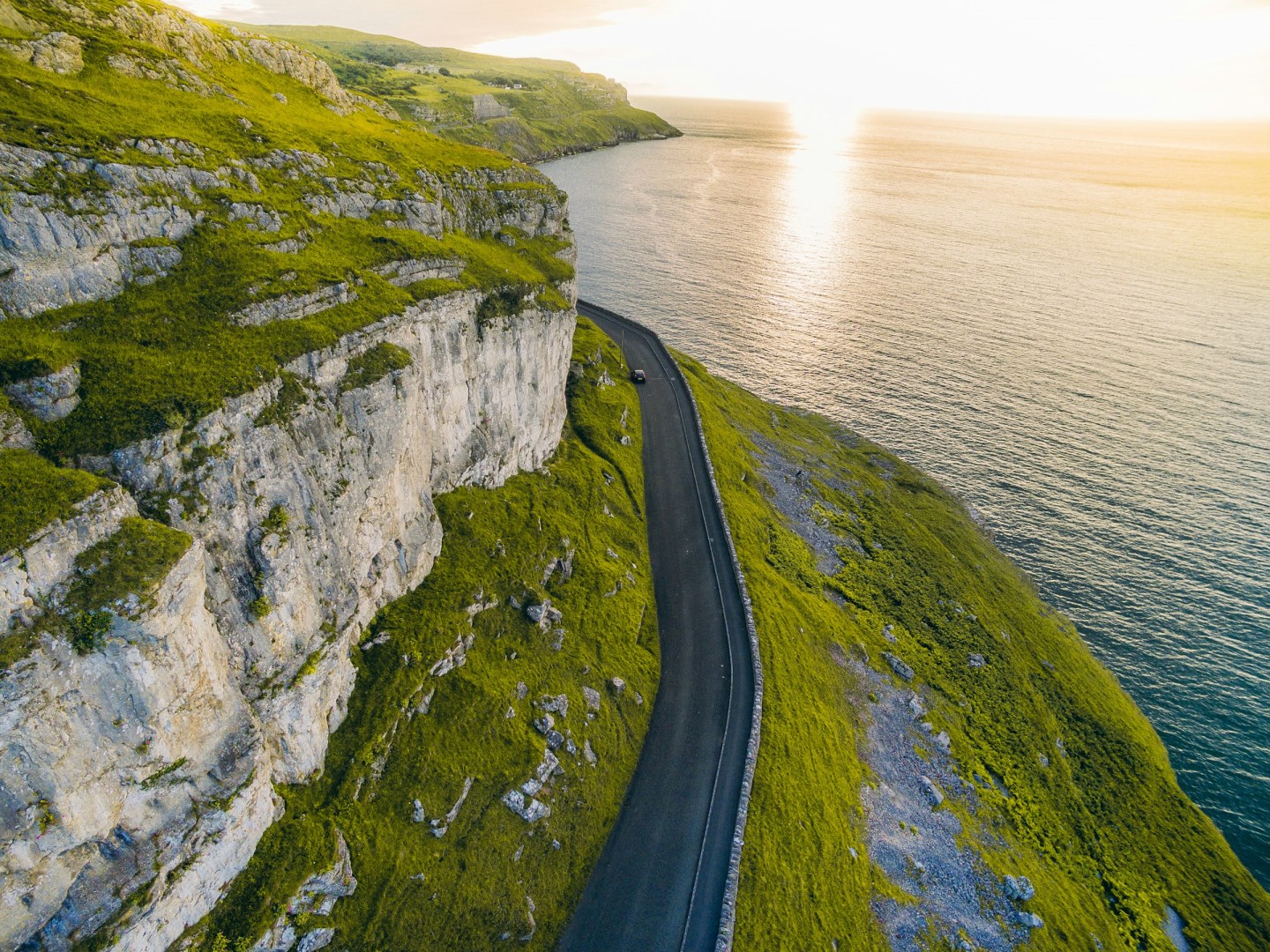
Llandudno
Llandudno has two beaches on either side of the town. The quieter West Shore with it's sandy beach has a view of the Conwy Estuary, Isle of Anglesy and Puffin Island, site of a Cistercian monastery. Spanning over two miles of the crescent bay is the North Shore. On the pier there are places of amusement including Professor Peabody's Playplace containing supervised activities for the children. On the opposite side is Craig-Y-Don, a paddling pool for the toddlers.
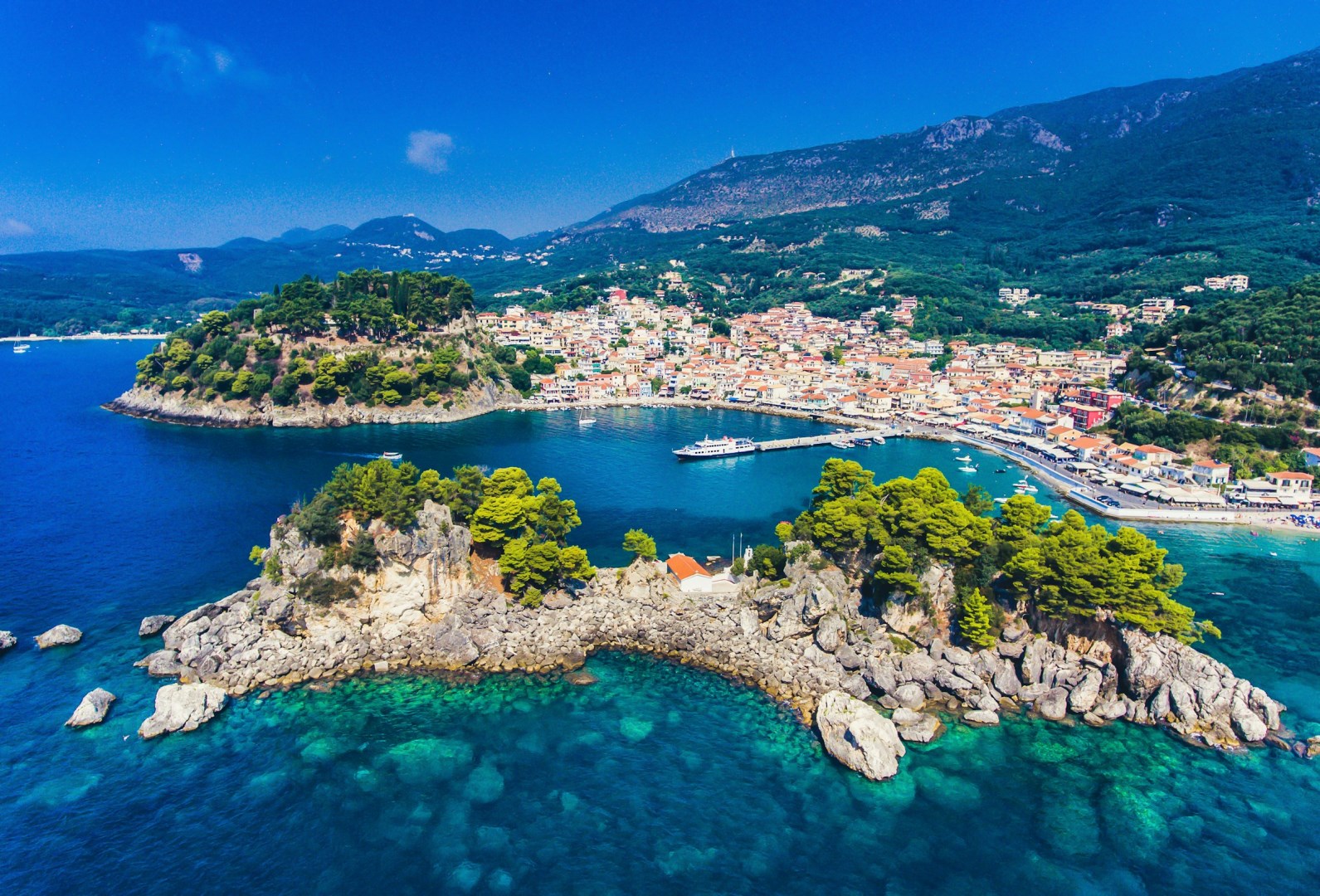
Parga
Parga is a coastal town in Epirus, northwestern Greece, built in an amphitheater around a sheltered bay on the Ionian Sea. Colorful houses rise along the hillside toward the Venetian castle, while the small islet of Panagia sits just offshore with a chapel and the remains of a French fort. The old town is characterized by narrow cobbled lanes, stone arches, and traditional houses, while the waterfront is lined with cafés, tavernas, and small boats.

Placencia
Tucked away on the southern tip of a narrow, 16-mile peninsula in Belize, Placencia is a charming seaside village that effortlessly blends laid-back Caribbean vibes with an adventurous spirit. Known for its vibrant local culture and idyllic beaches, Placencia invites visitors to relax on its soft sandy shores or dive into its crystal-clear waters.
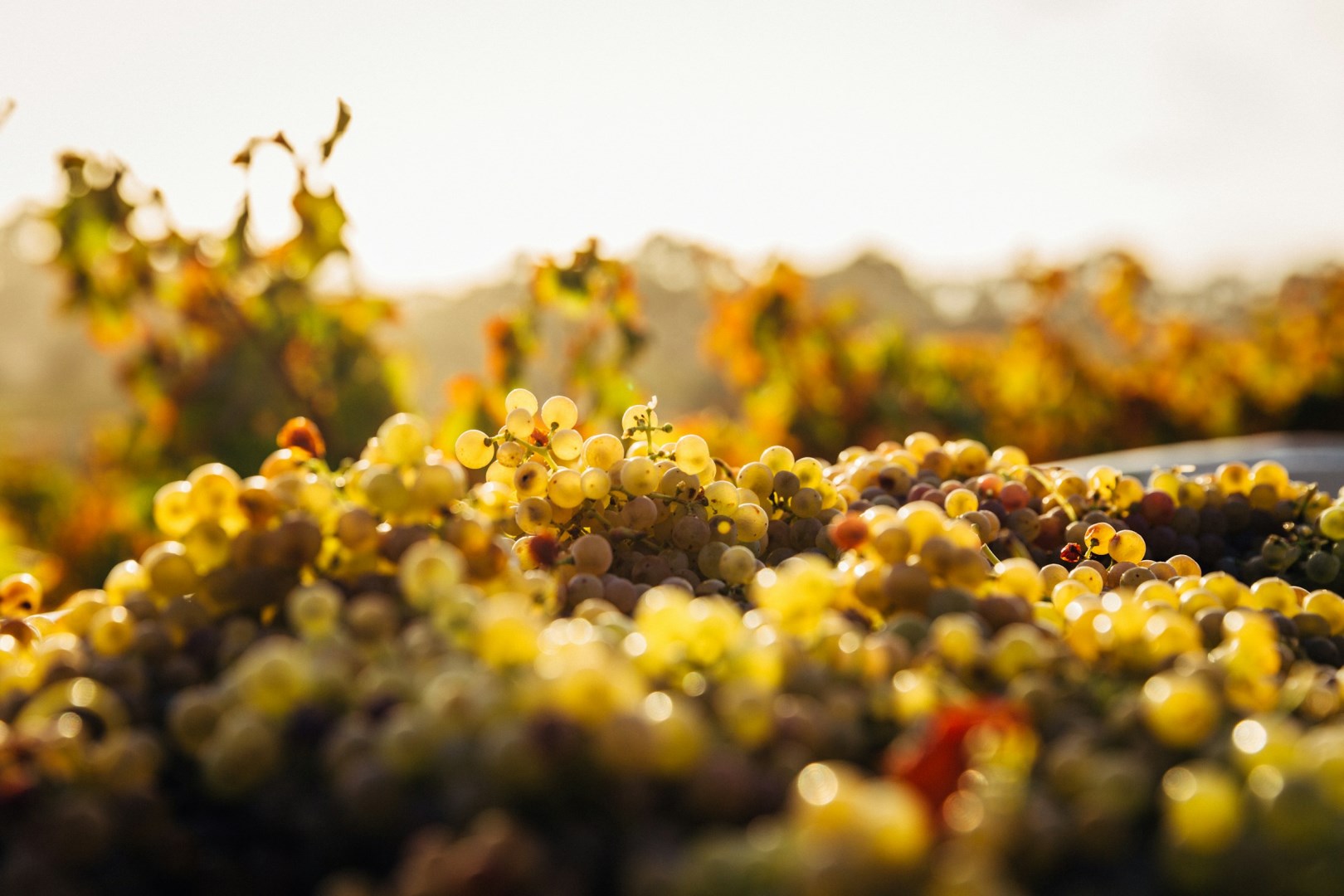
Barossa Valley
Barossa Valley is a wine-growing region in South Australia, northeast of Adelaide, known for its vineyards, historic villages, and strong food culture. The valley includes towns such as Tanunda, Angaston, and Nuriootpa, each with its own local character. Vineyards cover much of the surrounding landscape, while eucalyptus trees, rolling hills, and farm properties create a rural setting.