Sliema
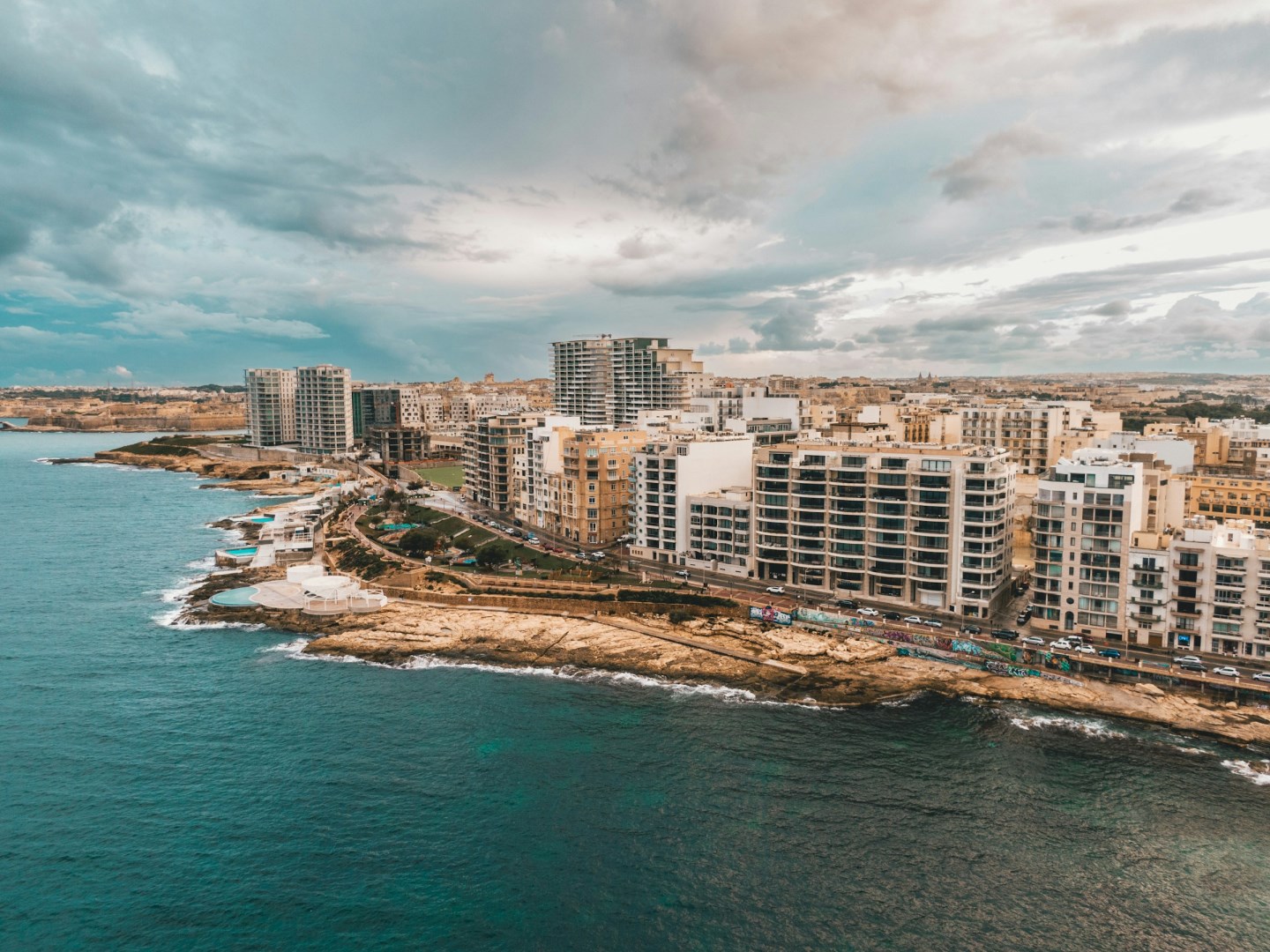
Sliema is a coastal town on Malta’s northeastern shore, facing Valletta across Marsamxett Harbour. Once a small fishing community, it has developed into one of Malta’s main residential, commercial, and waterfront areas. The coastline is lined with apartment buildings, hotels, cafés, shops, and a long promenade that follows the rocky shore toward neighboring St Julian’s. Views across the water include Valletta’s fortified skyline, the domes and bastions of the historic capital, and the entrances
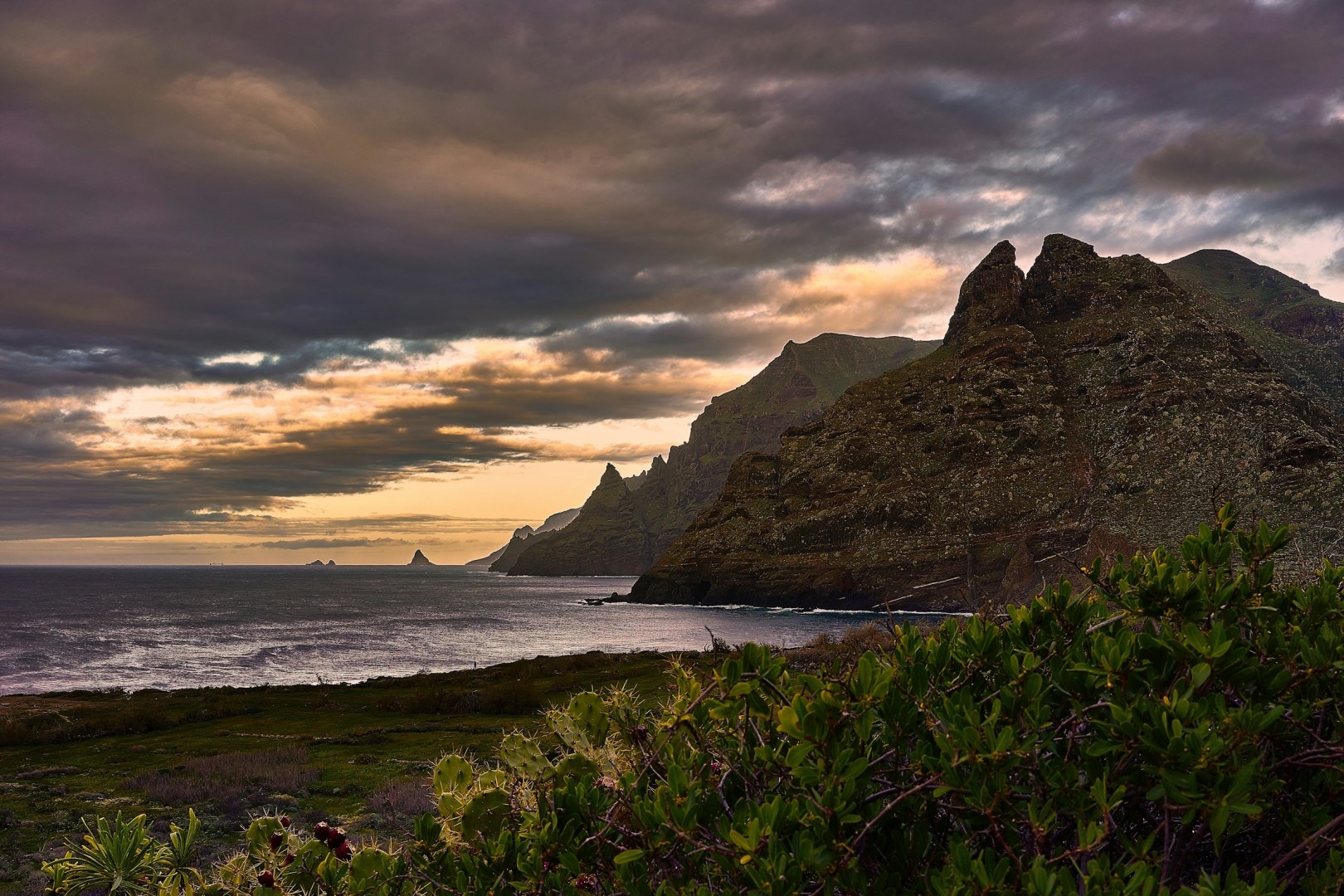
Gásadalur
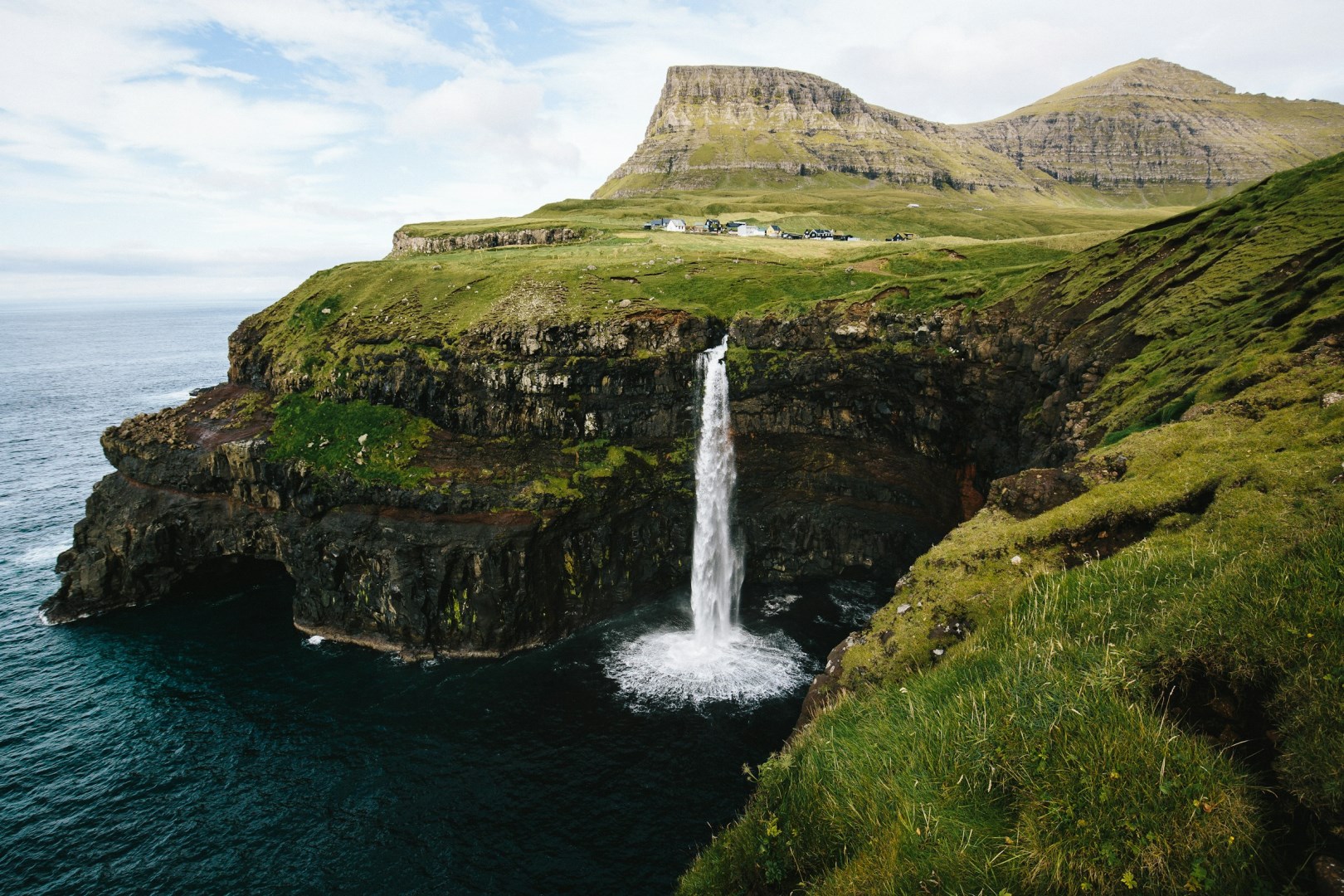
Gásadalur is a small village on the western side of Vágar in the Faroe Islands, set in a narrow valley between steep mountains and the North Atlantic. The settlement overlooks the sea toward the island of Mykines and is surrounded by high slopes, green pasture, and rugged cliffs. Its remote position shaped village life for generations, when access required crossing the mountains on foot.

Zákynthos
Zakynthos, also known as Zante, is a Greek island that captivates visitors with its stunning natural beauty and rich cultural heritage. Renowned for its breathtaking beaches, the island's most famous attraction is Navagio Beach, also known as Shipwreck Beach. This picturesque cove, accessible only by boat, features an iconic shipwreck lying on powdery white sand surrounded by dramatic limestone cliffs and crystal-clear turquoise waters.
Port Angeles
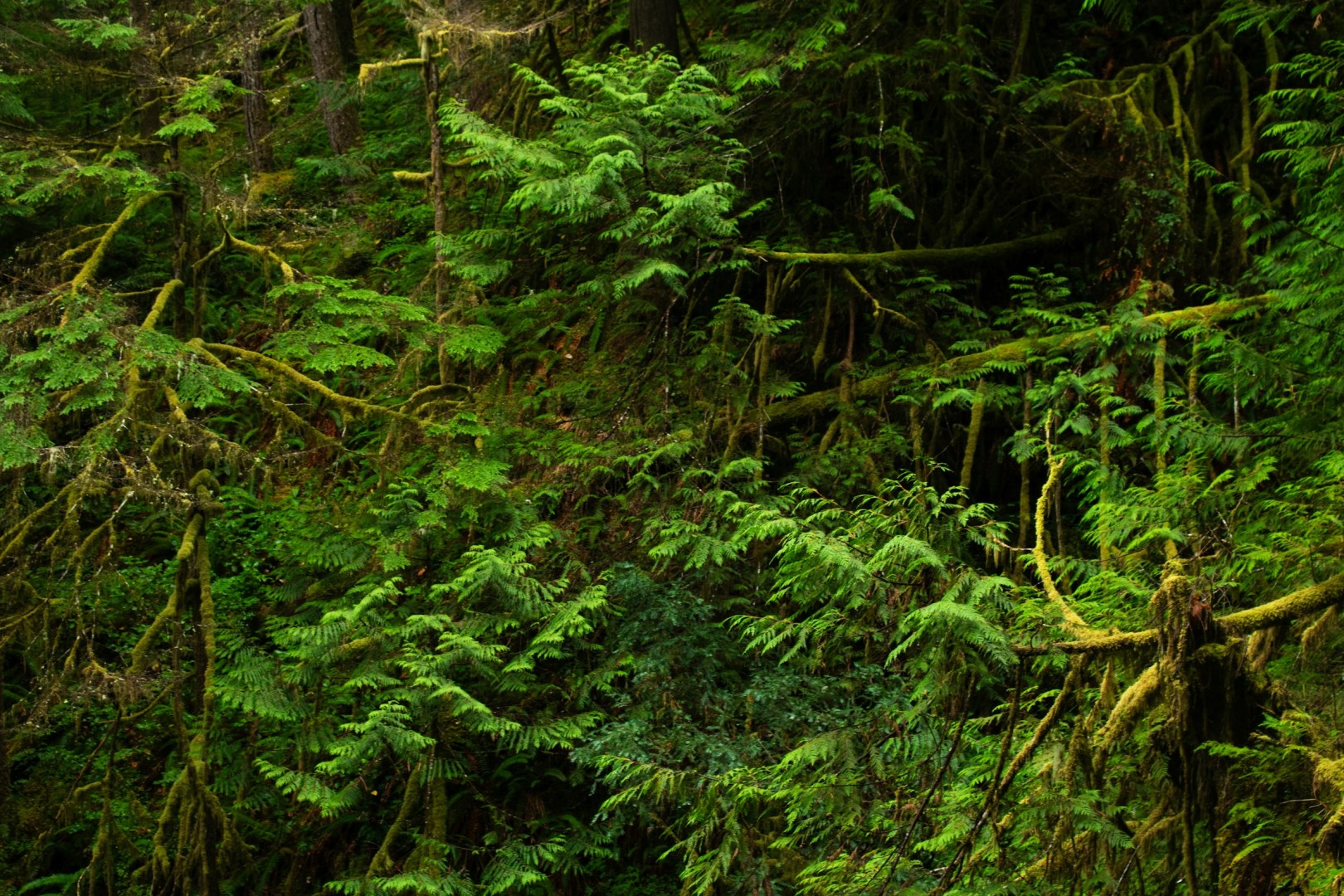
Port Angeles is a coastal city on Washington’s Olympic Peninsula, positioned along the Strait of Juan de Fuca with views toward Vancouver Island and the mountains of Olympic National Park. The city serves as an important gateway to the Olympic Peninsula, combining a working waterfront with a compact downtown, marinas, parks, and nearby forested landscapes.
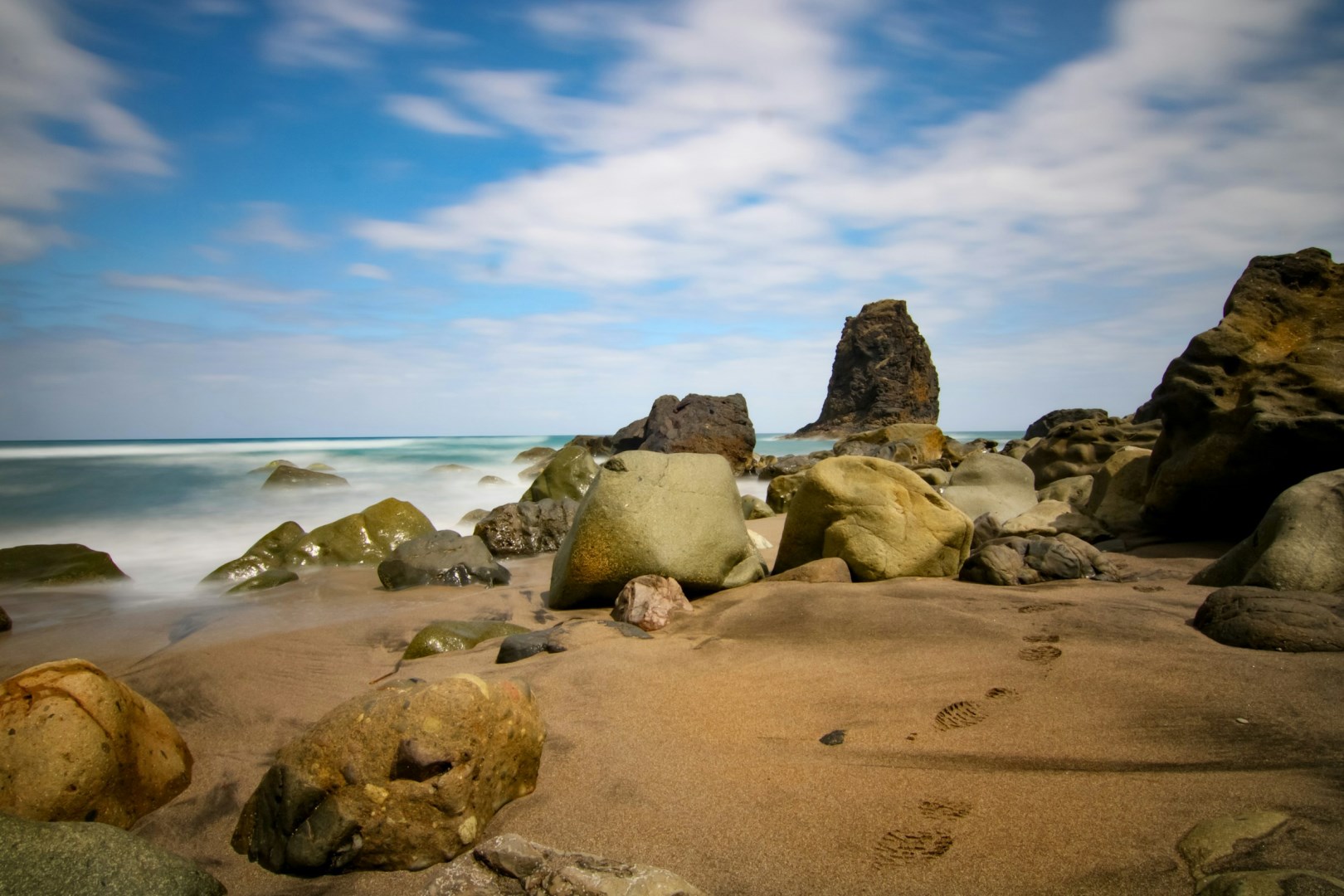
Corinna Tasmania
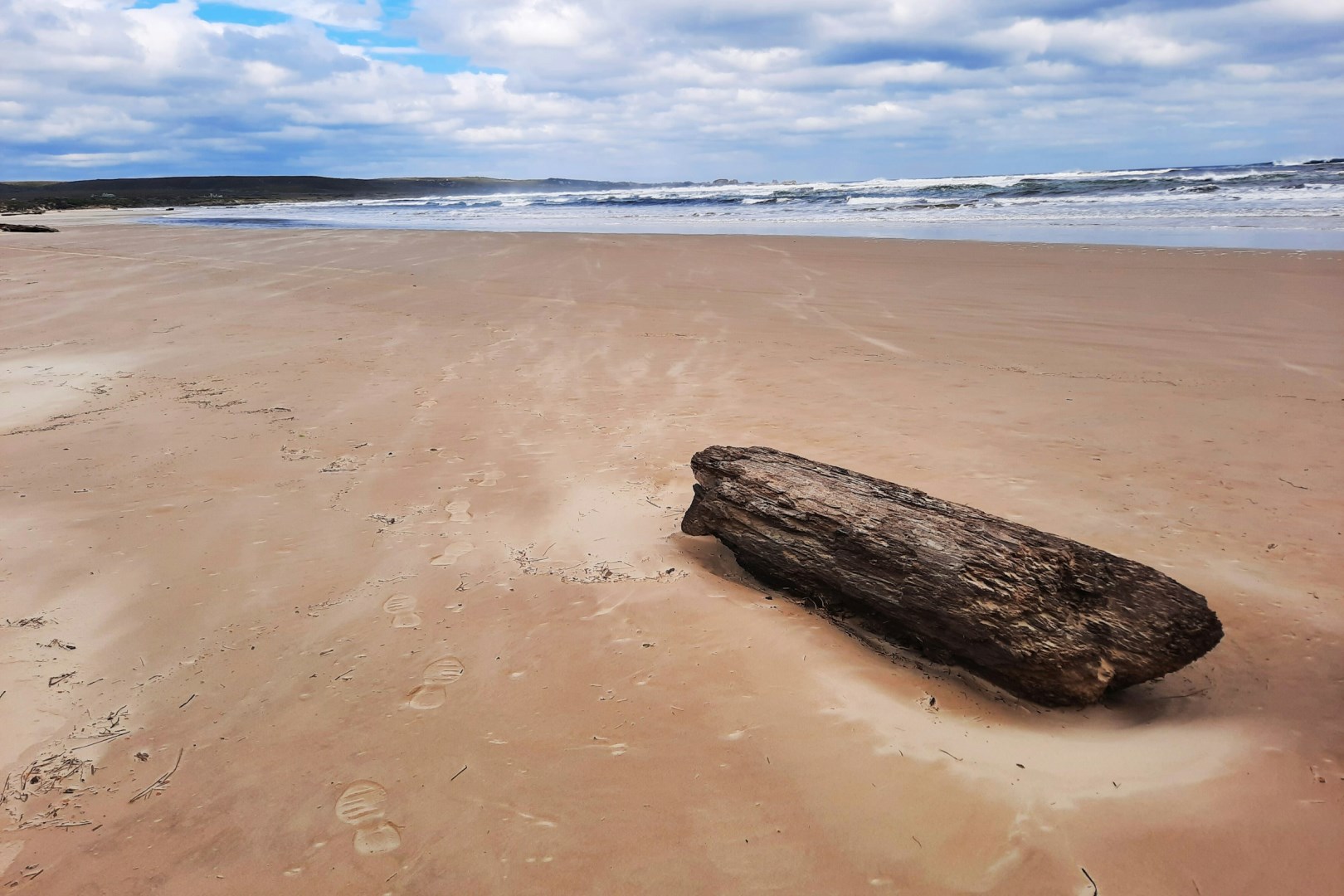
Corinna is a small, remote settlement on Tasmania’s west coast, set beside the dark waters of the Pieman River at the southern edge of takayna / Tarkine. Once a gold-mining settlement, it is now centred on a wilderness village surrounded by cool-temperate rainforest, rivers, and rugged country. Corinna has no mobile phone coverage and very limited supplies, giving it a distinctly secluded character.