
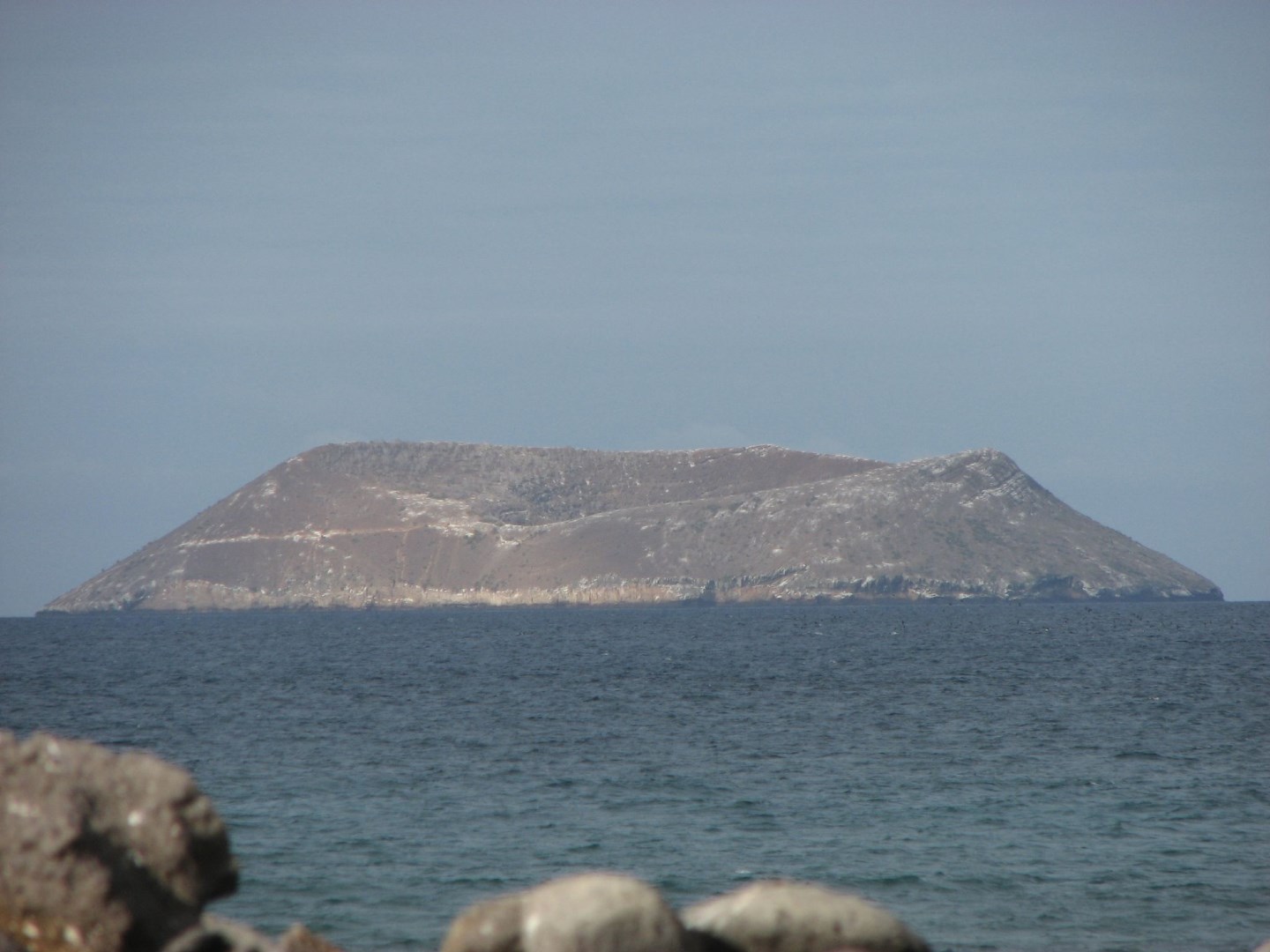
Daphne Major
Daphne Major is a small volcanic island in the Galápagos archipelago of Ecuador, located northwest of Santa Cruz Island. It rises steeply from the ocean, forming a crater-like shape with cliffs surrounding much of its coastline.

Las Vegas
Las Vegas, Nevada, is an electrifying city where glitz and glamour meet entertainment and excitement. Known as "The Entertainment Capital of the World," Las Vegas offers an unparalleled array of attractions, from its iconic casinos and luxurious hotels to its world-class dining and live shows. The city's entertainment scene is second to none, featuring legendary headliners, cutting-edge performances, and an array of themed attractions.
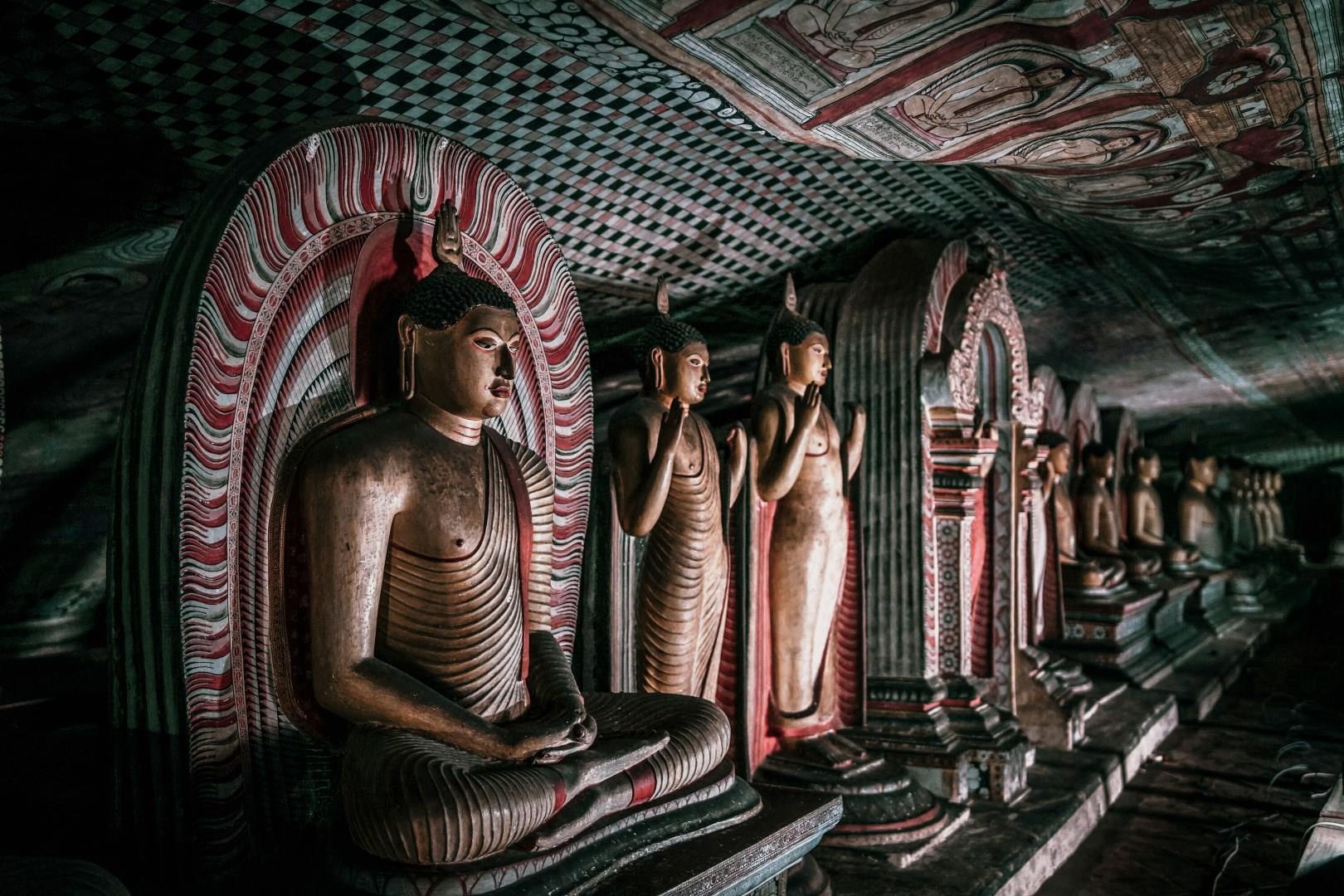
Dambulla
Dambulla, situated in the Central Province of Sri Lanka, is best known for its rock temple complex that has been in use for over two thousand years. The Dambulla Cave Temple, also called the Golden Temple of Dambulla, is made up of five caves carved into a granite outcrop, filled with over 150 Buddha statues and intricate wall paintings. These caves were first used by King Valagamba in the 1st century BCE as a refuge during exile, and later transformed into a sacred site.

Iguassu Falls
Iguassu Falls, straddling the border between Brazil and Argentina, is a breathtaking natural wonder that captivates visitors with its sheer scale and beauty. This UNESCO World Heritage Site boasts the largest waterfall system in the world, with nearly 275 individual falls cascading over a rugged landscape.

Punta Cana
Punta Cana, on the eastern tip of the Dominican Republic, is known for its wide sweep of white-sand beaches and warm Caribbean waters. Once a quiet stretch of coastline lined with coconut palms, it has grown into one of the Caribbean’s most popular destinations while still offering plenty of spots that feel calm and remote.


