

Wellington
On Cook Strait sits Wellington, New Zealand's charming windy city. Must-sees here include the waterfront, the lovely beaches, and the Wellington Cable Car that takes riders to botanical gardens. For cultural exposure, visit The Museum of New Zealand Te Papa Tongarewa, with its Maori national treasures and art gallery. Wellington Zoo is another key attraction, and features Tahi, a one-legged kiwi, as its mascot.
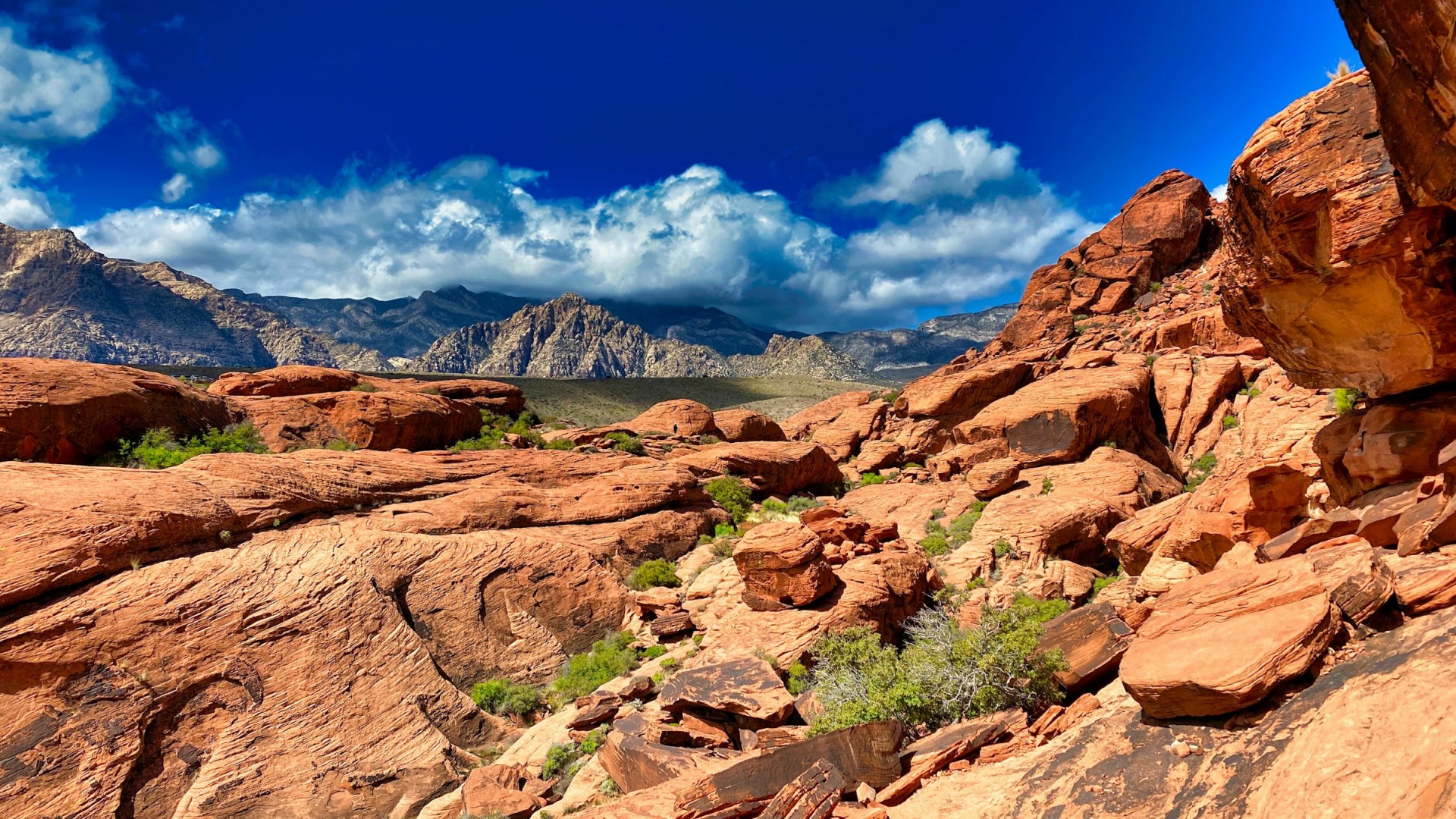
Red Rock Canyon National Conservation Area
Red Rock Canyon National Conservation Area lies about 17 miles west of the Las Vegas Strip, where the Mojave Desert rises into sandstone cliffs, rugged mountains, and broad desert valleys. Nevada’s first National Conservation Area, it covers nearly 198,000 acres and provides a sharp contrast to the developed landscape of Las Vegas. The area is best known for its red and cream-colored rock formations, especially the Calico Hills and the Red Rock escarpment.
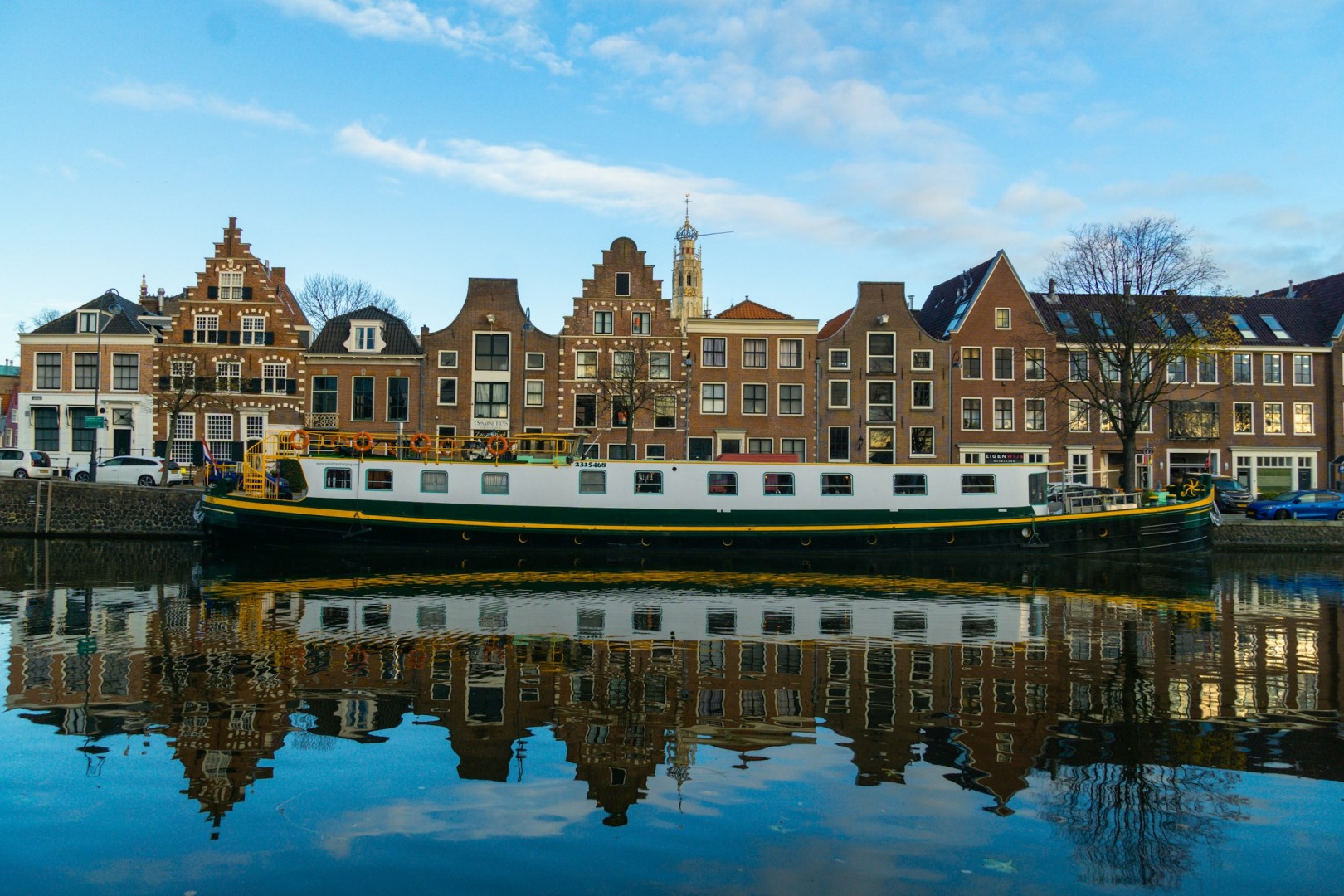
Haarlem
Haarlem is a historic city in the Dutch province of North Holland, located on the Spaarne River between Amsterdam and the North Sea coast. Its compact center contains canals, narrow streets, brick merchant houses, courtyards, and public squares, with the Grote Markt forming the traditional heart of the city. The Grote or St.-Bavokerk dominates the square with its tall tower and monumental organ.
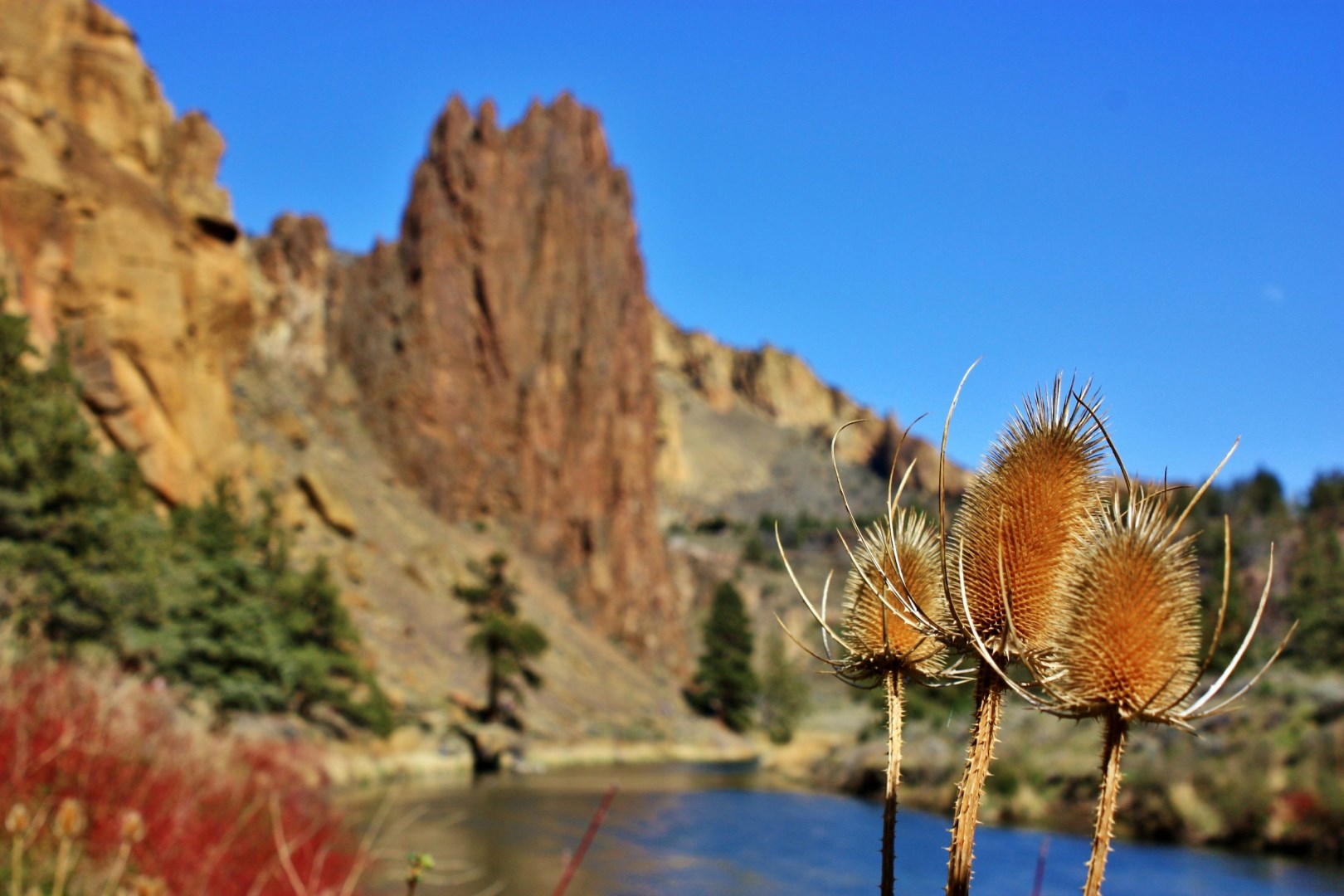
Smith Rock State Park
Smith Rock State Park is a high-desert landscape in central Oregon, where the Crooked River cuts through a canyon surrounded by towering cliffs of volcanic rock. Located near the community of Terrebonne, the park is known for its sheer rock walls, open grasslands, and rugged terrain.
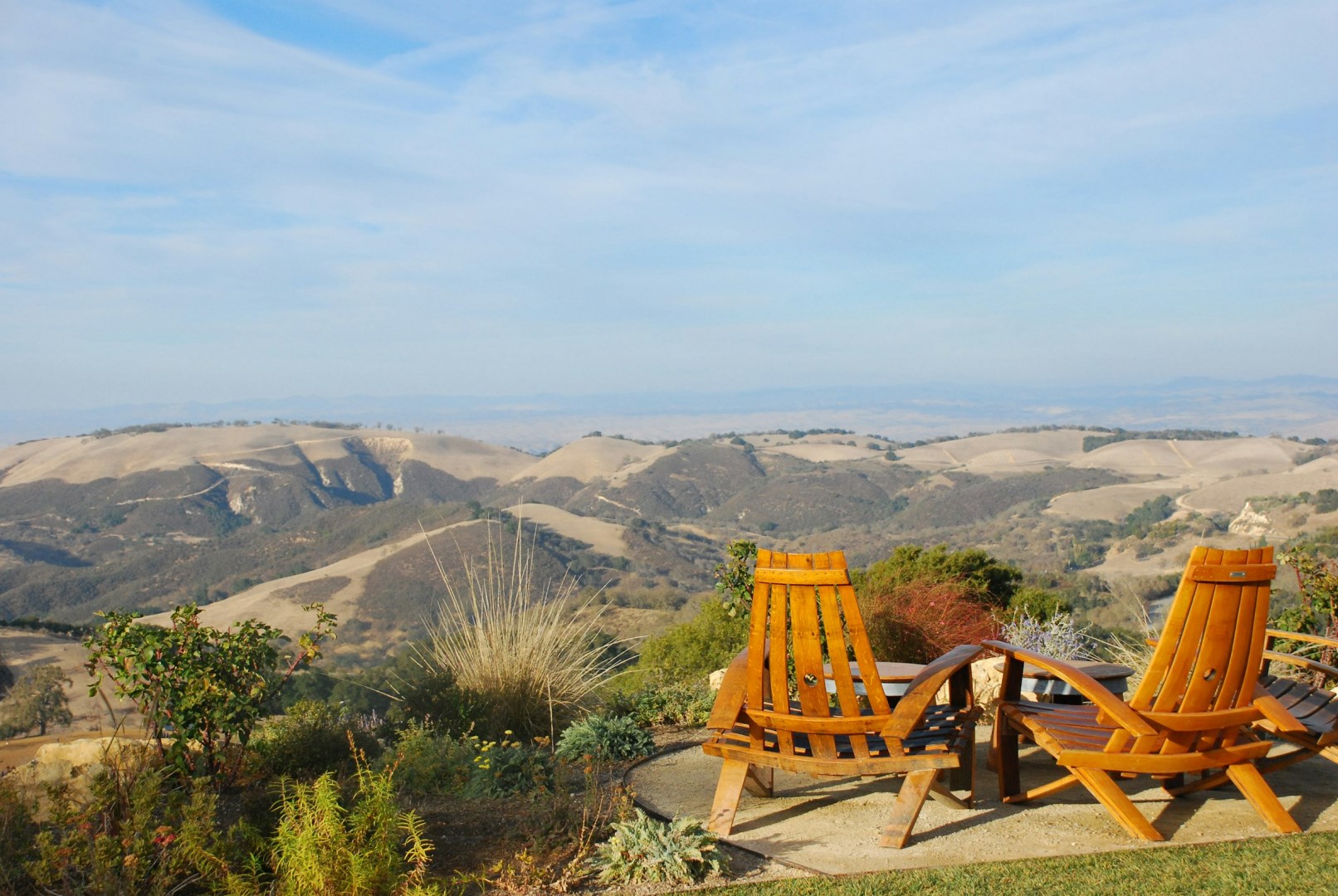
Paso Robles
Paso Robles is a city in California’s Central Coast, situated between the coastal mountains and the inland valleys of San Luis Obispo County. The surrounding landscape includes rolling hills, vineyards, oak woodlands, ranches, and agricultural fields, with the Salinas River passing through the area. The city’s compact downtown is centered on a historic public square and contains restaurants, tasting rooms, shops, and galleries.


