
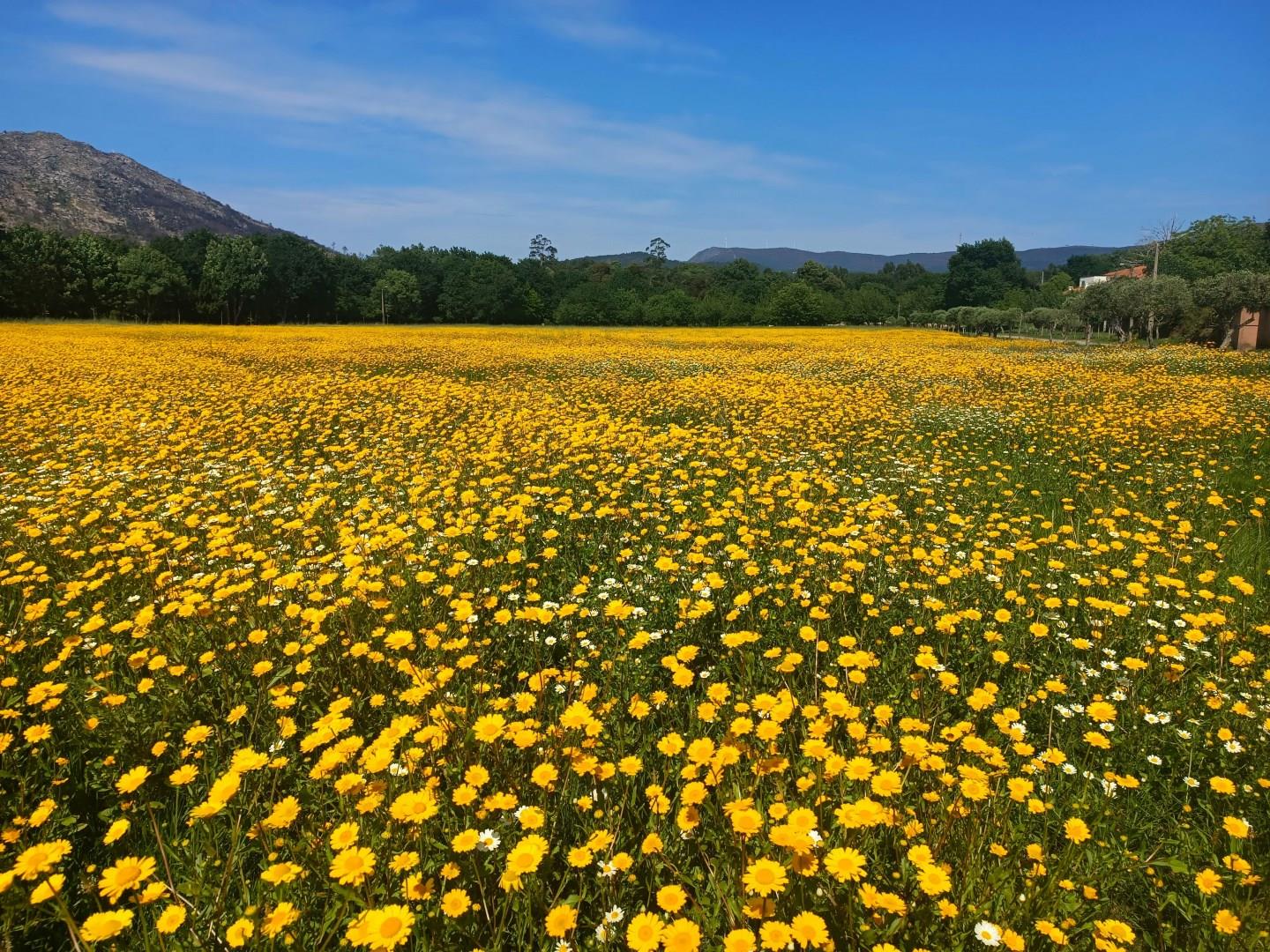
Caminha
Caminha sits at Portugal’s northern edge, where the Minho River meets the Atlantic and marks the border with Spain. Its history is closely tied to defense and trade, visible in remnants of medieval walls and a compact historic center that once guarded the river mouth.
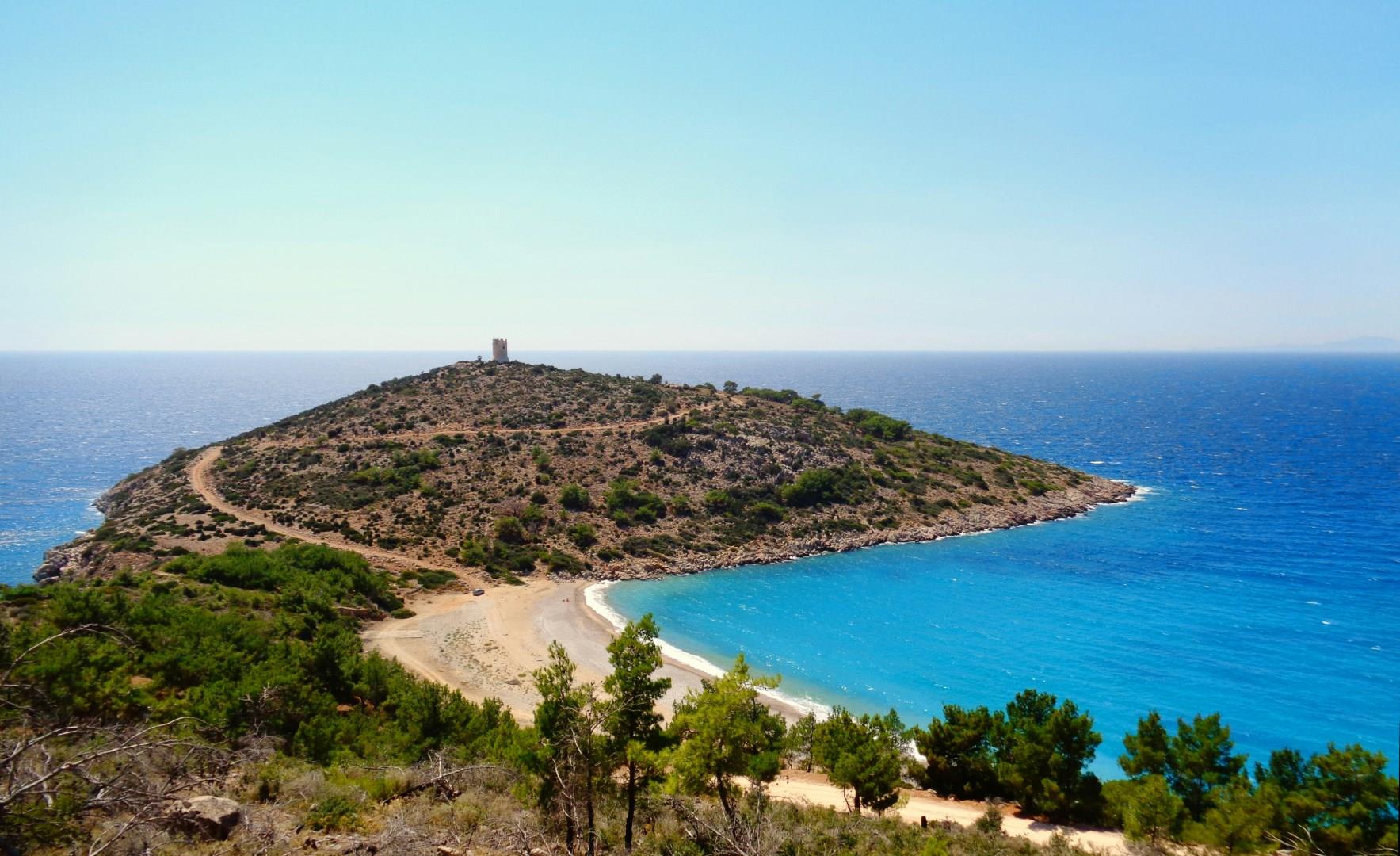
Chios
Chios lies in the northeastern Aegean, close enough to the Turkish coast that the mainland feels present in daily life.

Blackpool
Blackpool, located on England’s northwest coast, has long been a beloved seaside destination, famed for its vibrant entertainment and historic attractions. The city’s iconic Blackpool Tower, standing at 518 feet, offers panoramic views of the Irish Sea and the surrounding landscape from its SkyWalk glass viewing platform. Built in 1894, the tower houses the famous Blackpool Tower Ballroom, where visitors can step back in time and waltz under its glittering chandeliers.

Geneva
Geneva is a cosmopolitan metropolis proud of her traditions. It is the international meeting place of many worldwide organizations including the United Nations and W.H.O. The symbol of the city, the Jet D'Eau is located on the picturesque lake which is surrounded by the splendid gardens and parks. The elegant city has an astonishing variety of boutiques and department stores filled with every imaginable item.
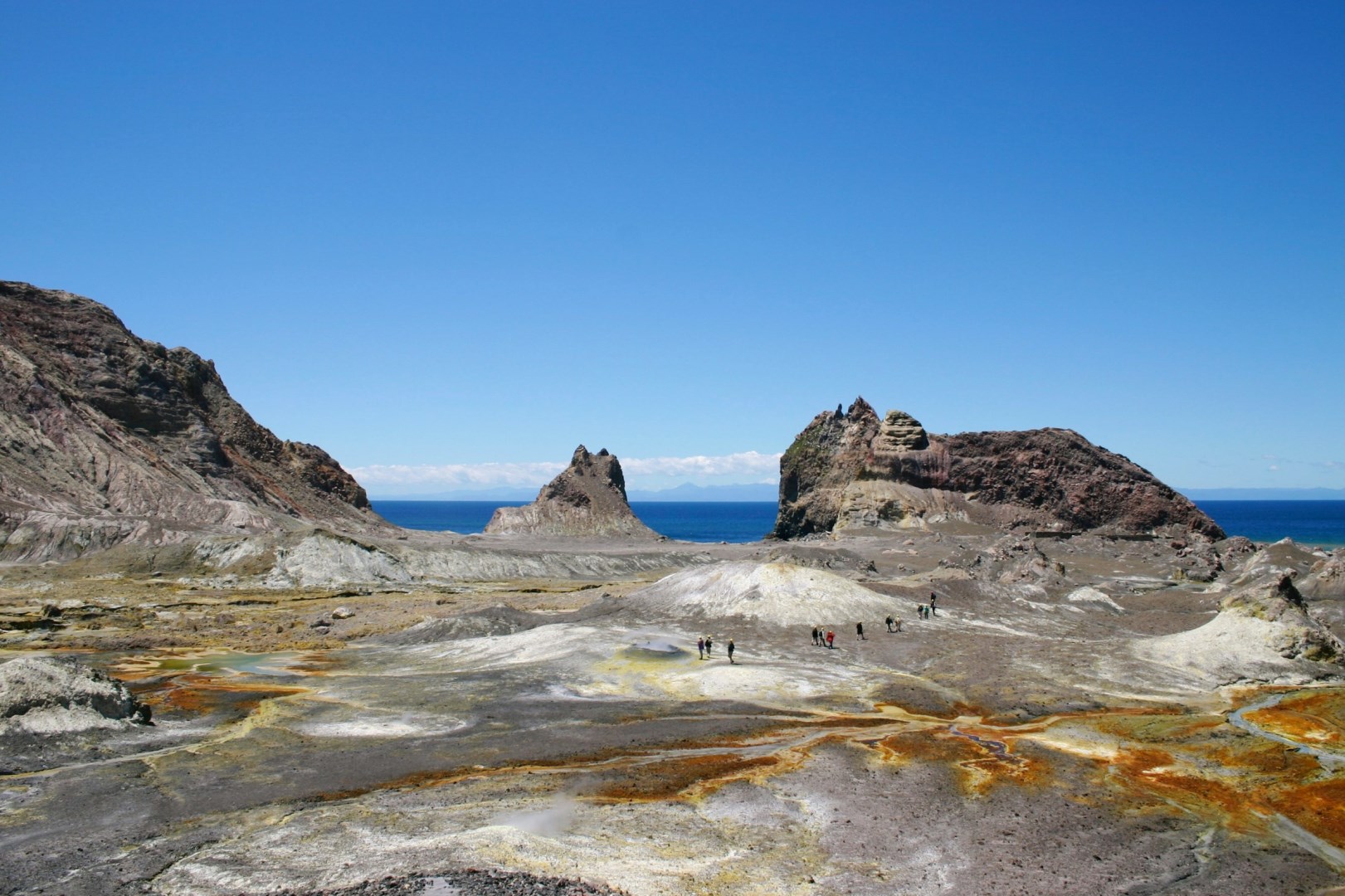
White Island Volcano
Do you want a vacation experience so unique and thrilling that you actually have to wear a hard hat? Look no further than New Zealand's White Island, where you can stand on an active volcano! Located offshore from Whakatane and Tauranga, White Island is New Zealand's only live marine volcano and one of the most active in the world. The tours are quite the experience, especially since you can hear the hissing and bubbling of the volcano all around you!


