
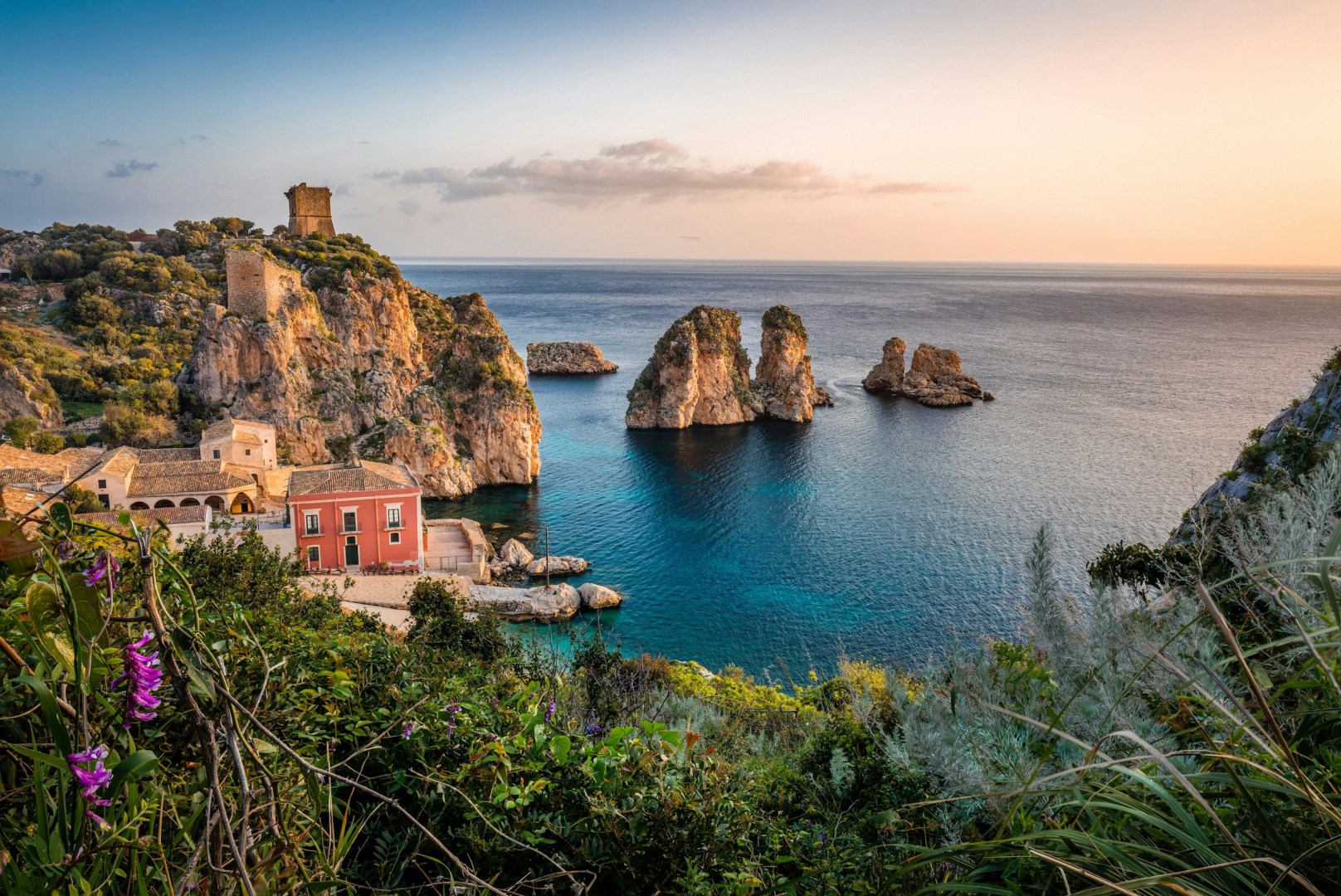
Castellammare del Golfo
Castellammare del Golfo is a coastal town in western Sicily, set around a broad bay in the province of Trapani. Its historic center rises above a working marina, while the Arab-Norman castle stands directly beside the sea and gives the town its distinctive profile. The waterfront is lined with fishing boats, small streets, and buildings that climb toward the slopes of Monte Inici.
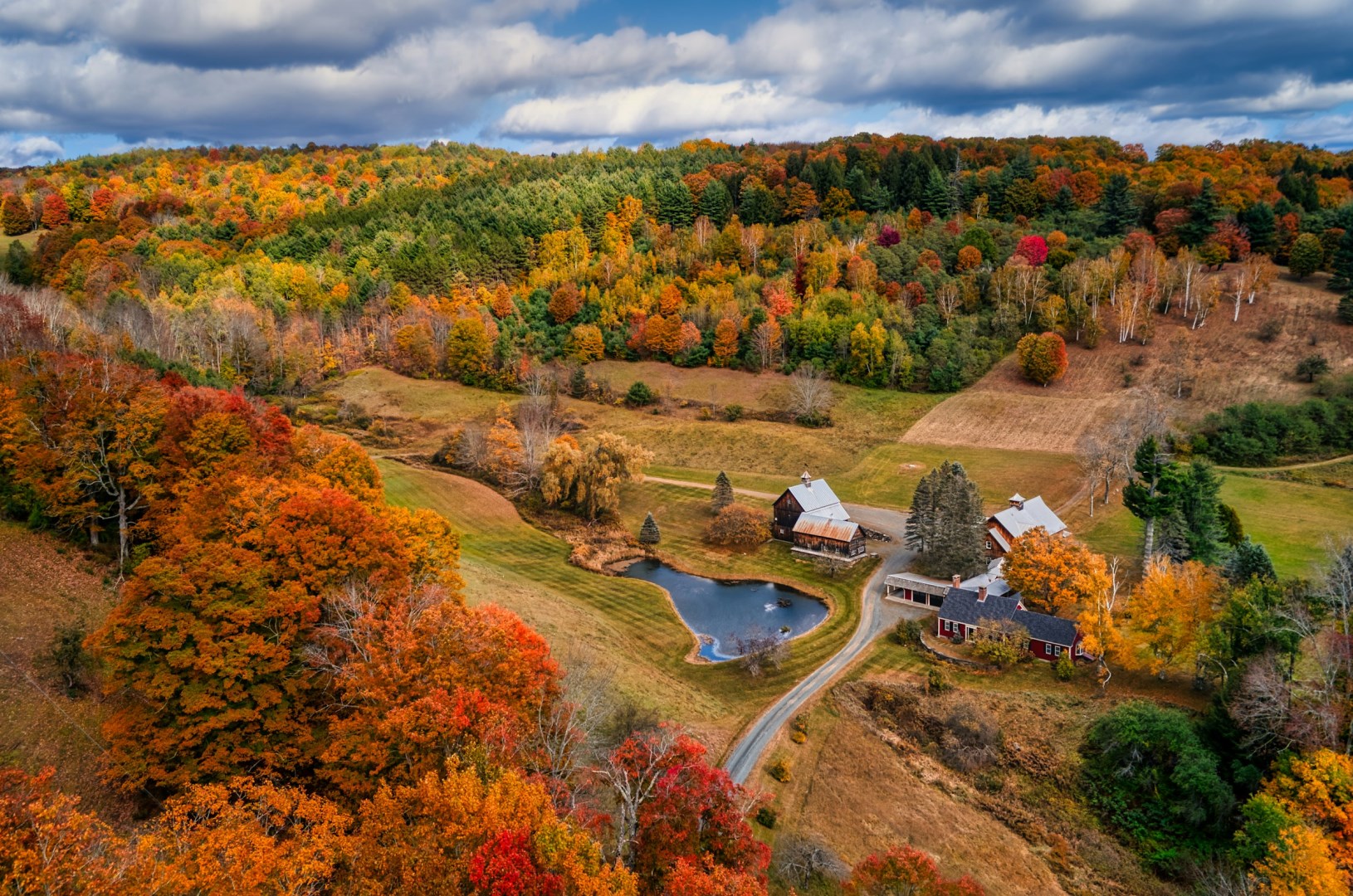
Vermont
Vermont offers visitors not just postcard-perfect views, but a state shaped by independence, craftsmanship, and deep-rooted community traditions. That independent streak is still felt in small towns like Montpelier, the nation’s smallest state capital, and in villages like Grafton and Woodstock, where restored 19th-century buildings now house general stores, cheese shops, and local galleries.
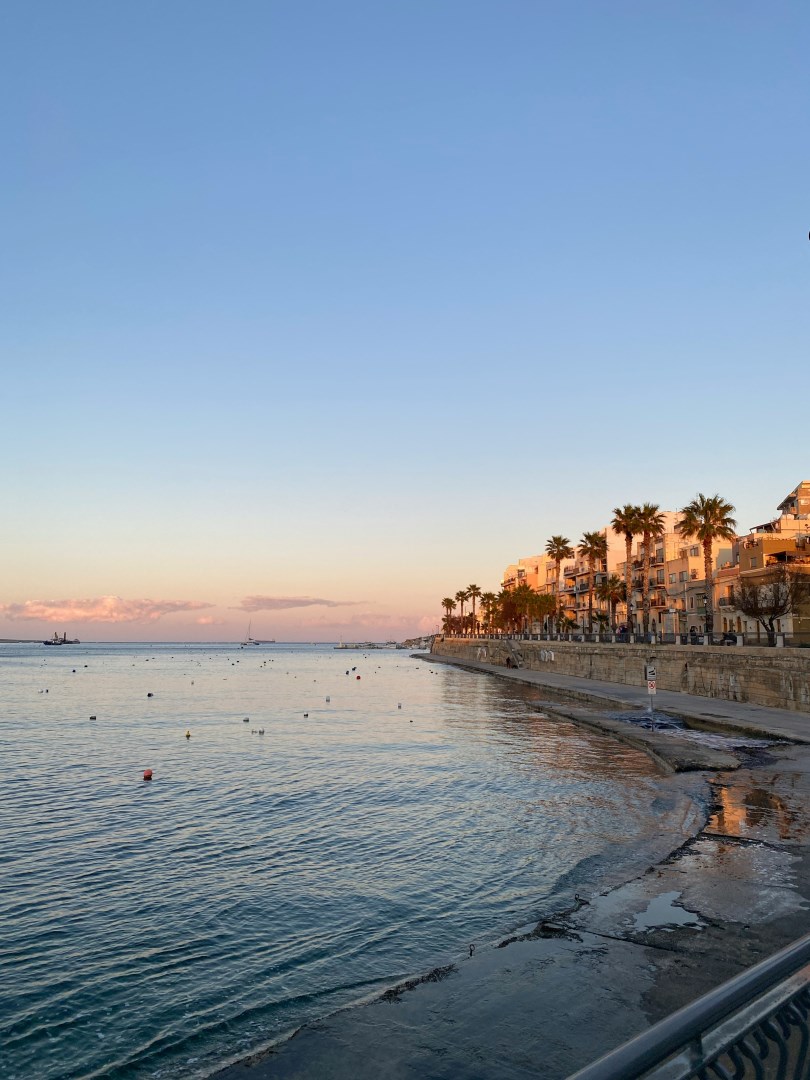
St. Paul's Bay
St. Paul’s Bay is a coastal town in northern Malta that stretches around a broad, indented section of the island’s northeastern shoreline. The area includes the neighborhoods of Bugibba, Qawra, and the original fishing settlement around St. Paul’s Bay itself. Its waterfront combines rocky shores, small bathing areas, marinas, promenades, and commercial streets filled with cafés and restaurants.
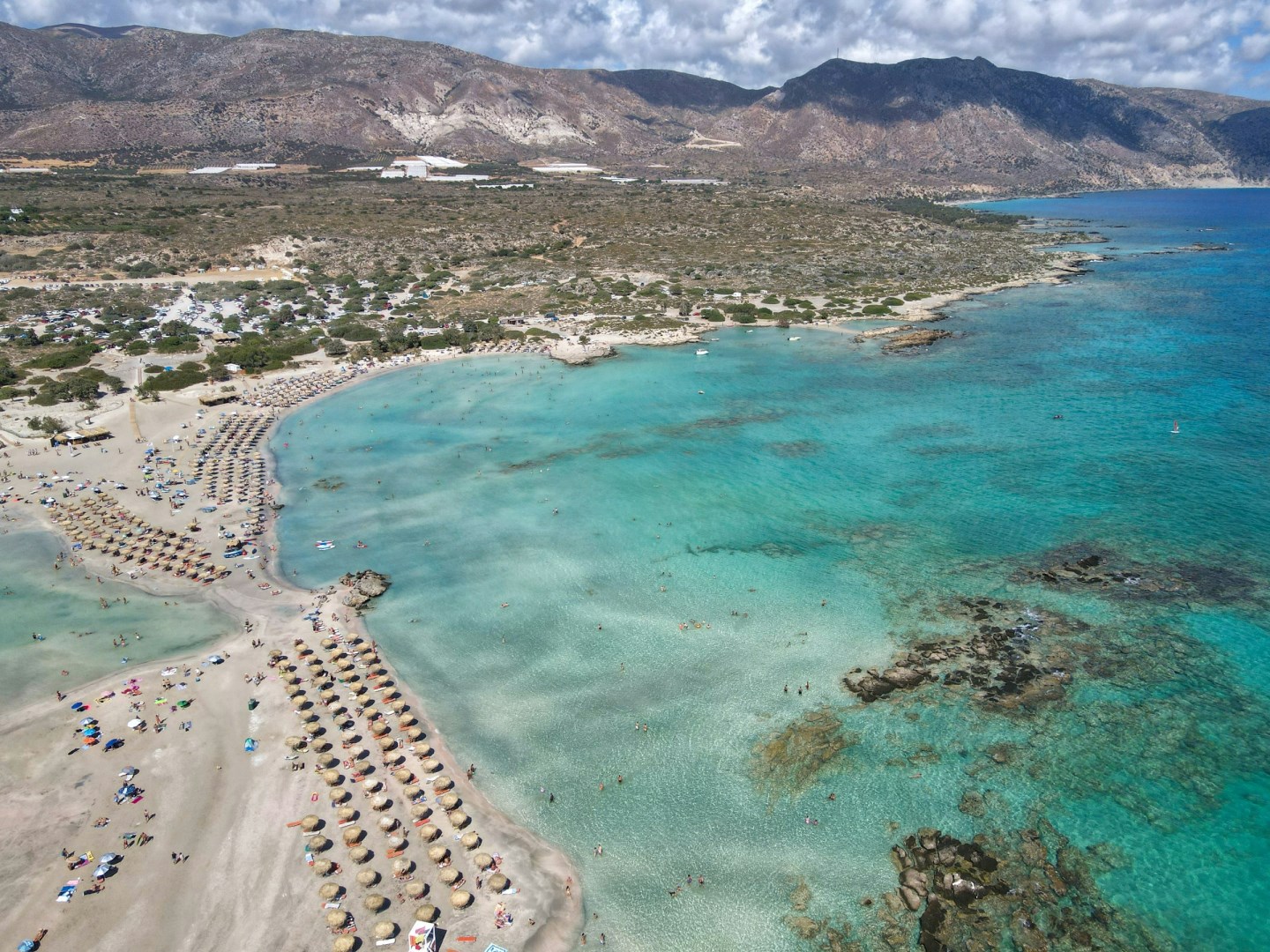
Elafonisi
Elafonisi is a coastal area in southwestern Crete, known for a shallow lagoon, pale sand mixed with pink shell fragments, and a narrow sandy crossing to a small offshore island. The beach lies within a protected Natura 2000 landscape that supports sea lilies, rare plants, seabirds, and other wildlife.
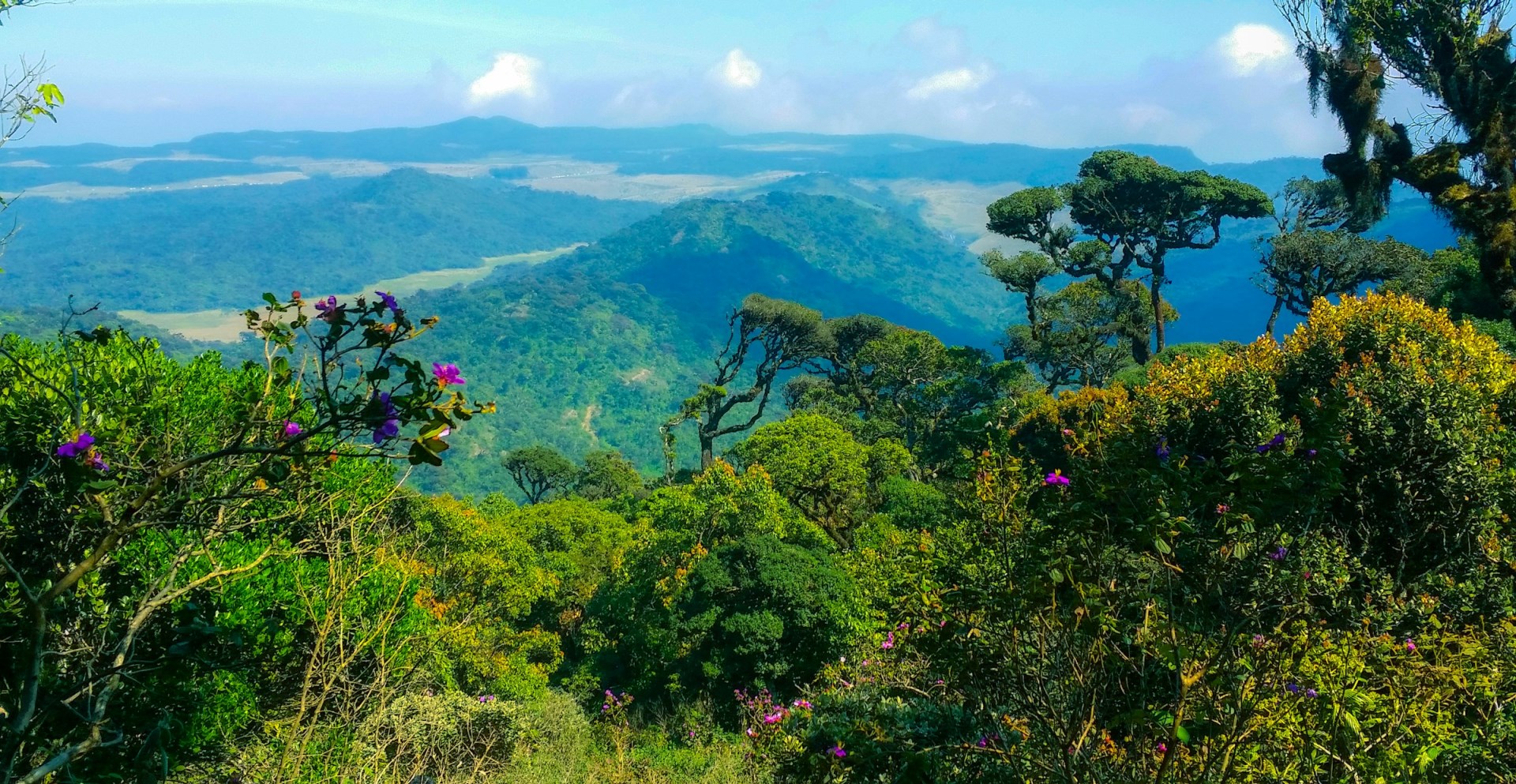
Horton Plains National Park
Horton Plains National Park is a high-altitude protected area in Sri Lanka’s central highlands, covering a landscape of grasslands, cloud forest, marshes, and rocky slopes. Located near Nuwara Eliya, the park sits at elevations above 2,000 metres, giving it a cool and often misty climate. Its open plateaus contrast with dense patches of montane forest, while streams and small waterfalls drain the high ground.


