
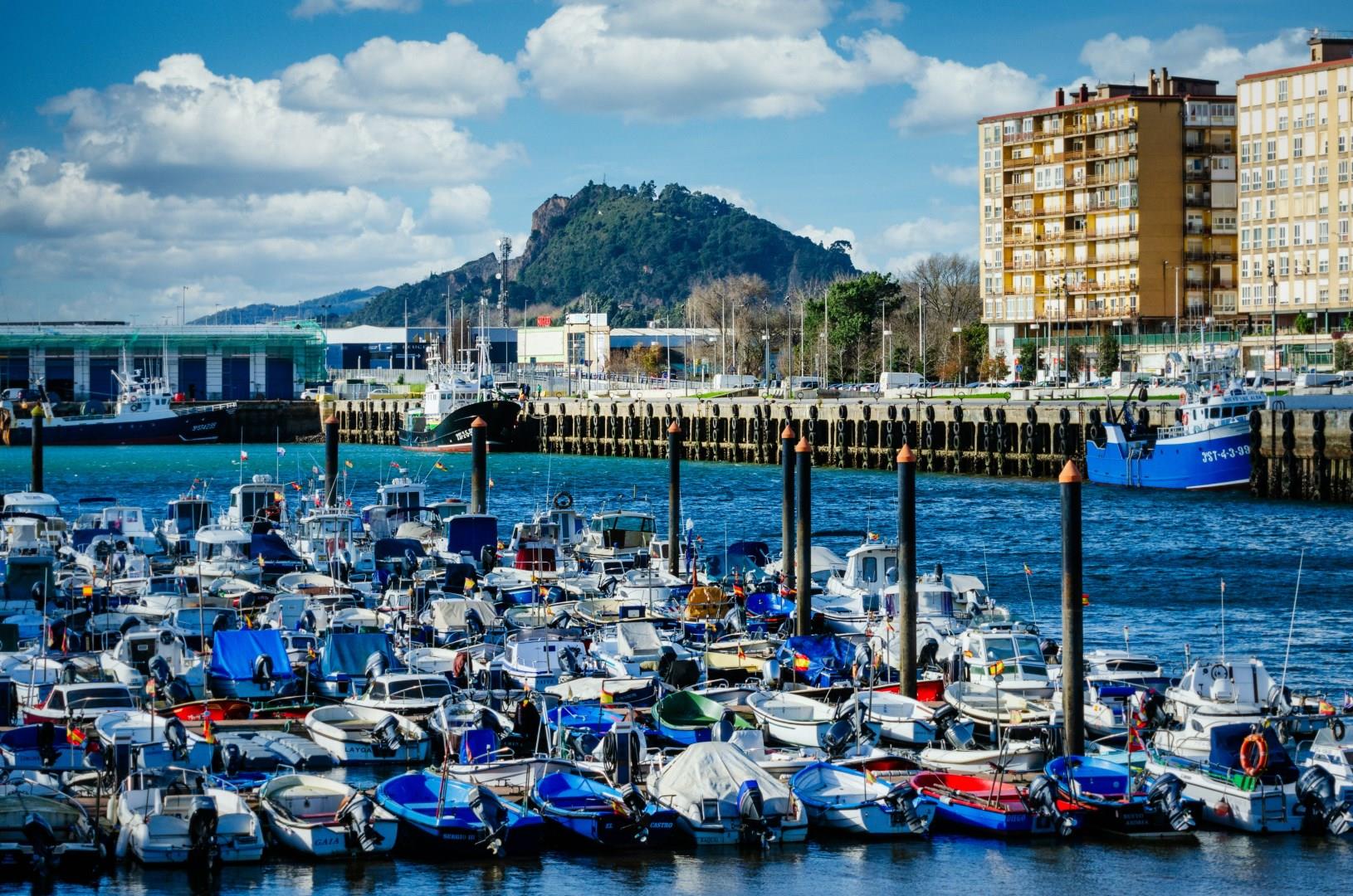
Santander
Santander, the capital of Spain’s Cantabria region, sits along the Bay of Biscay and offers travelers a mix of coastline, culture, and history shaped by centuries of maritime life. Once a bustling port for Castilian exports, Santander saw its golden age in the 19th century when Spanish royalty turned it into a summer retreat. The legacy of that era remains visible at the Palacio de la Magdalena, perched on a peninsula with views of the sea and home to royal stables, a mini zoo, and guided tours.

Sete
Sète is a lovely port city in southern France, often called the "Venice of Languedoc" because of its many canals. The old port area is full of history and charm, making it a great place to explore. Visitors can stroll along the canals while observing the daily activities of fishermen and admire the array of boats moored along the quays.
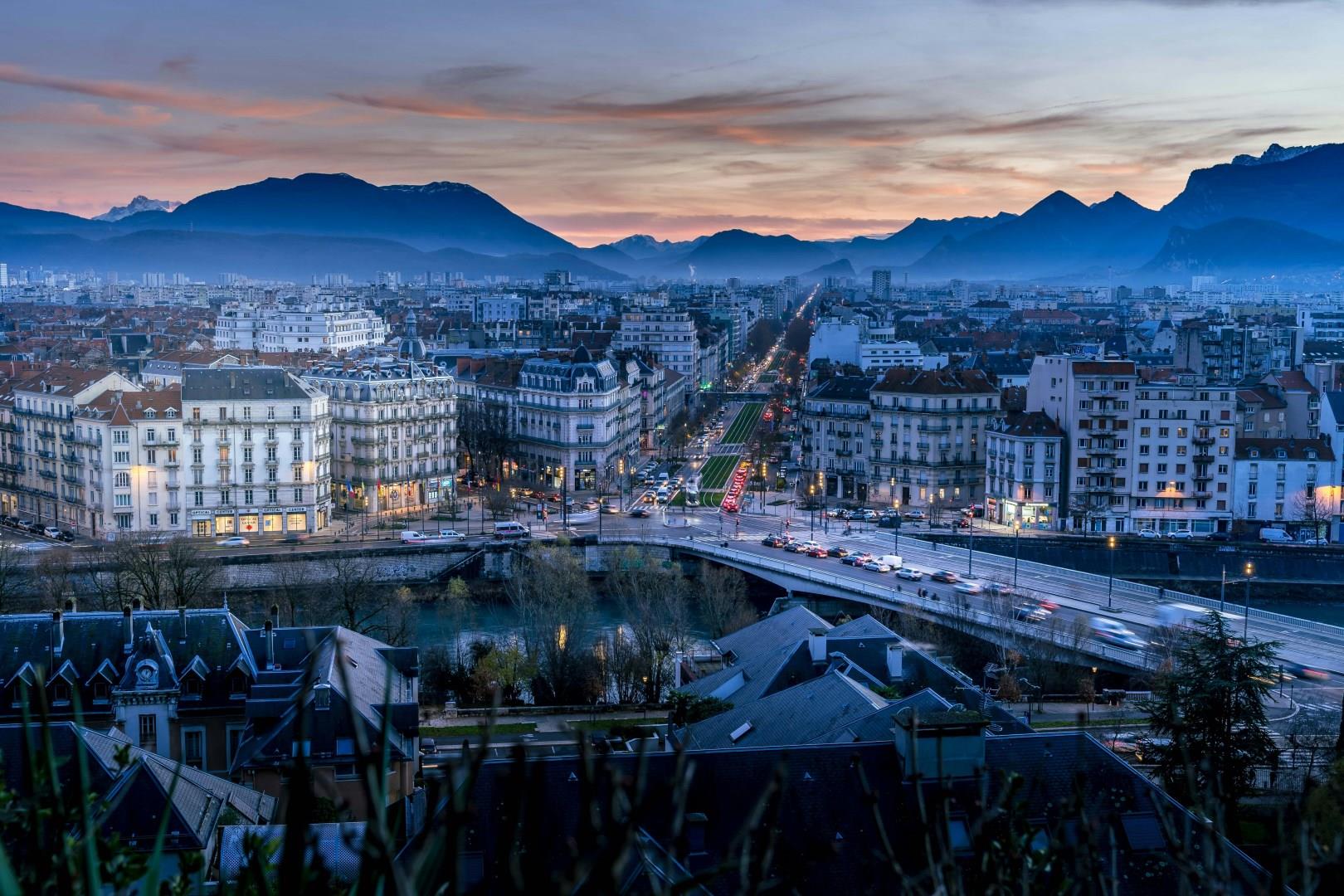
Grenoble
Grenoble sits at the meeting point of three Alpine mountain ranges in southeastern France, giving it a setting that feels both dramatic and lived-in. With origins dating back to Roman times, the city has long been a crossroads of trade, science, and political thought.

Newcastle
Newcastle is the capital of the Hunter Valley Region, in New South Wales. Lakes, beaches, rivers and bays, combine with lush countryside to make the Hunter region surrounding Newcastle almost unlimited in its appeal.

Panama City
Panama City, the vibrant capital of Panama, is a city where modernity meets history in a striking blend. As you stroll through its lively streets, the futuristic skyline is crowned by the awe-inspiring Panama Canal, an engineering marvel that has shaped global trade for over a century. The canal's Miraflores Locks Visitor Center offers an up-close look at the massive ships navigating through this critical waterway, complete with panoramic views.


