
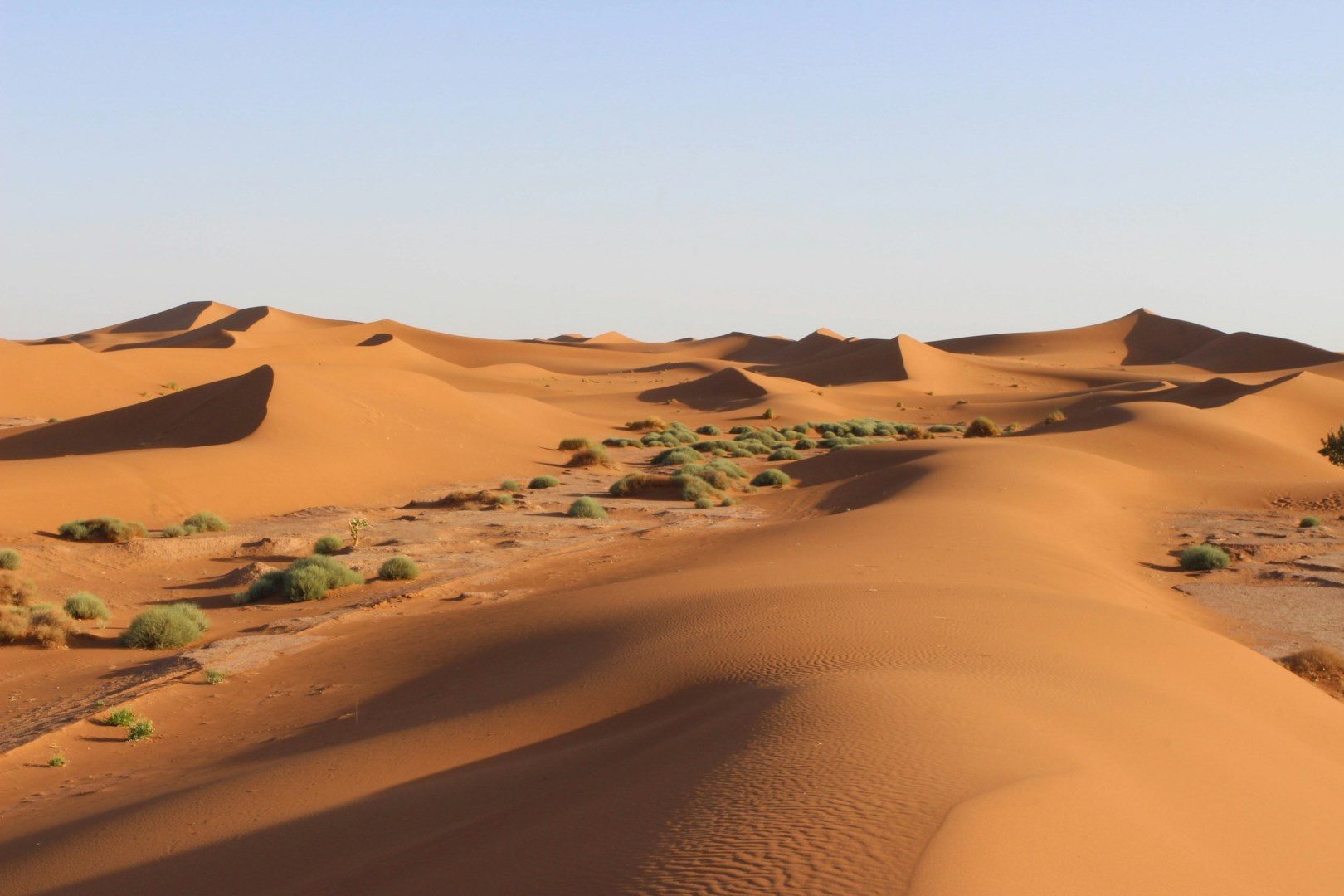
Erg Chigaga
Erg Chigaga is a remote field of large sand dunes in southeastern Morocco, extending across the Sahara near M'Hamid El Ghizlane in the Drâa Valley. It is one of the country’s largest dune areas, with sand ridges spread across a broad desert landscape far from major settlements. Some dunes rise to around 60 metres, while the surrounding terrain alternates between sand, gravel plains, and dry desert vegetation.
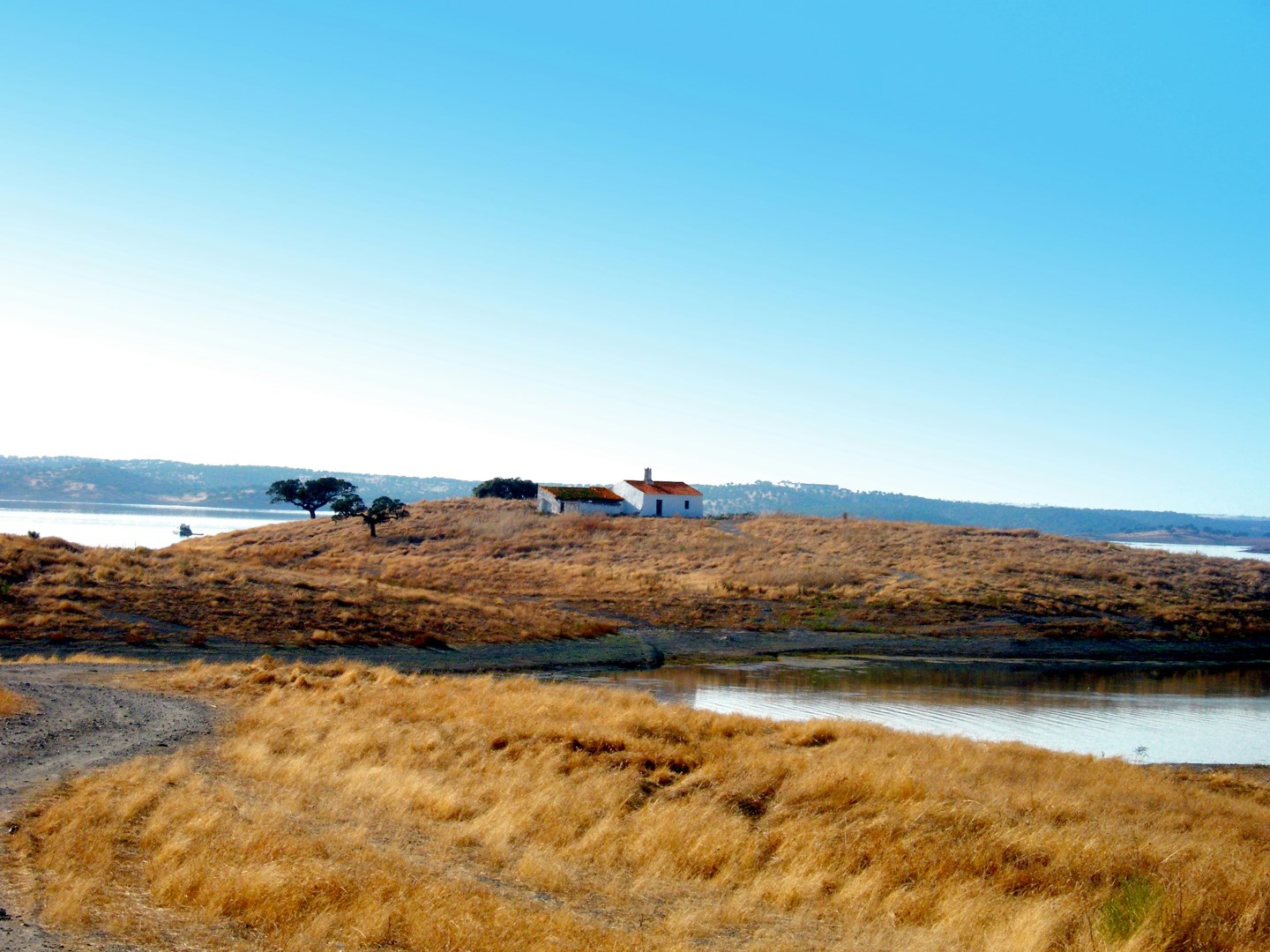
Alentejo
Alentejo is a large region in southern Portugal known for its wide plains, cork oak forests, whitewashed towns, and slower rural pace. Stretching from the Tagus River to the Algarve and from the Atlantic coast to the Spanish border, it covers much of the country’s interior farmland and wine-producing territory.
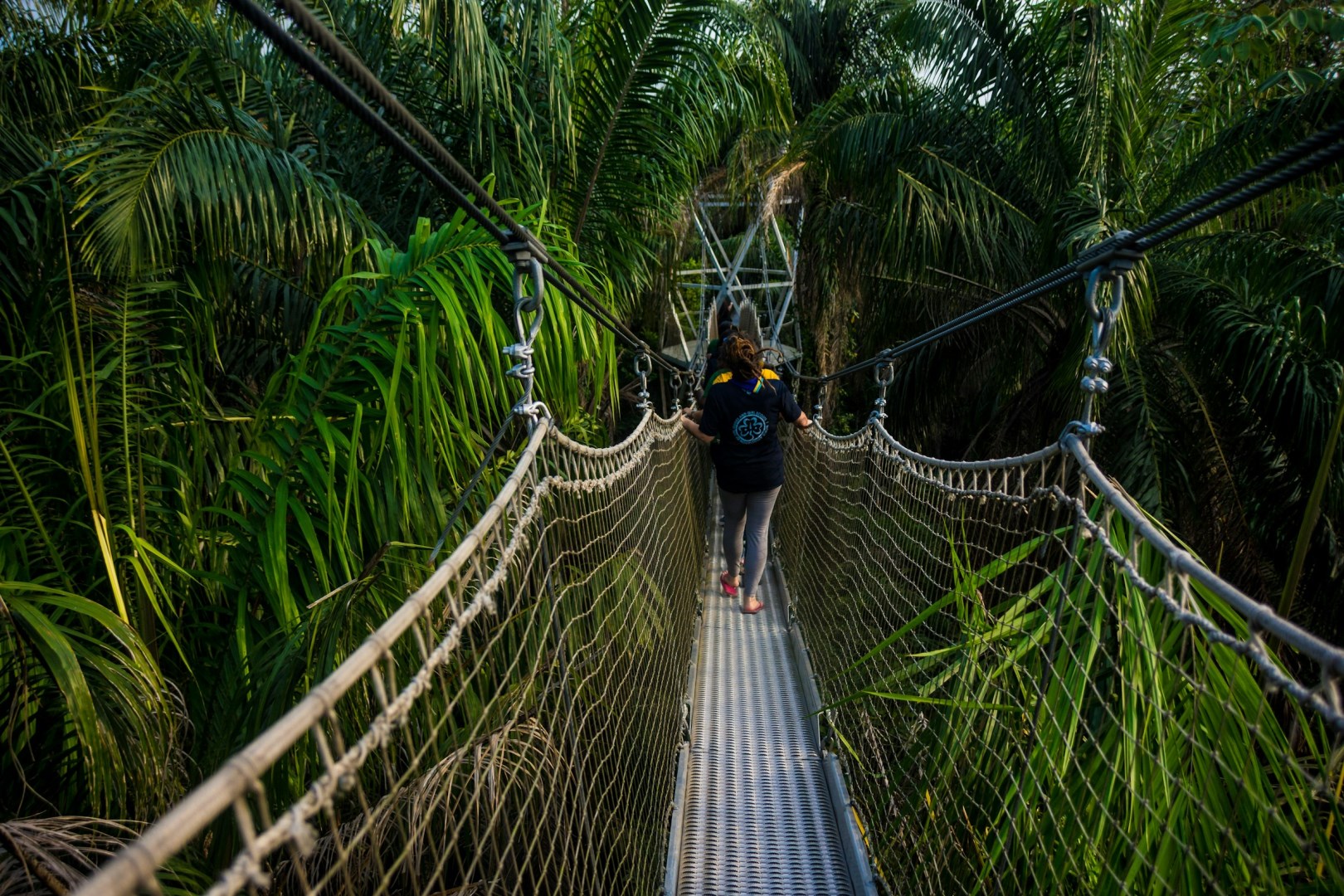
Lekki
Lekki is a rapidly developed coastal district of Lagos, Nigeria, extending eastward along the Lekki Peninsula between the Atlantic Ocean and Lagos Lagoon.
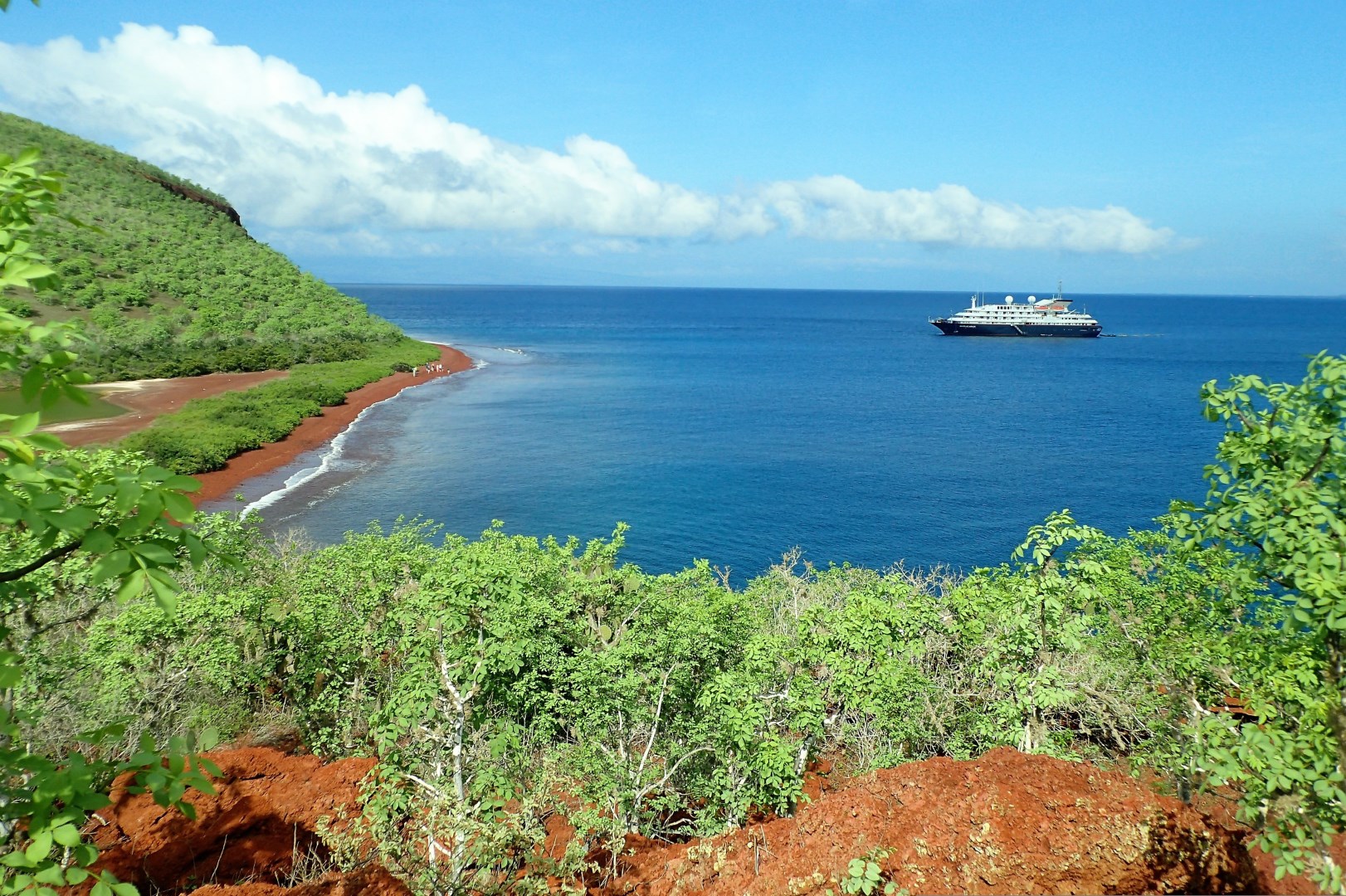
Santiago Island
Set in the heart of the Galápagos archipelago, Santiago Island offers a raw and untamed landscape shaped by volcanic forces. Unlike more developed islands in the region, Santiago remains largely uninhabited, giving visitors a rare look at ecosystems that have evolved with minimal human presence. Its coastline shifts from black lava fields to soft sandy beaches, while inland trails reveal hardened flows and scattered vegetation slowly reclaiming the terrain.
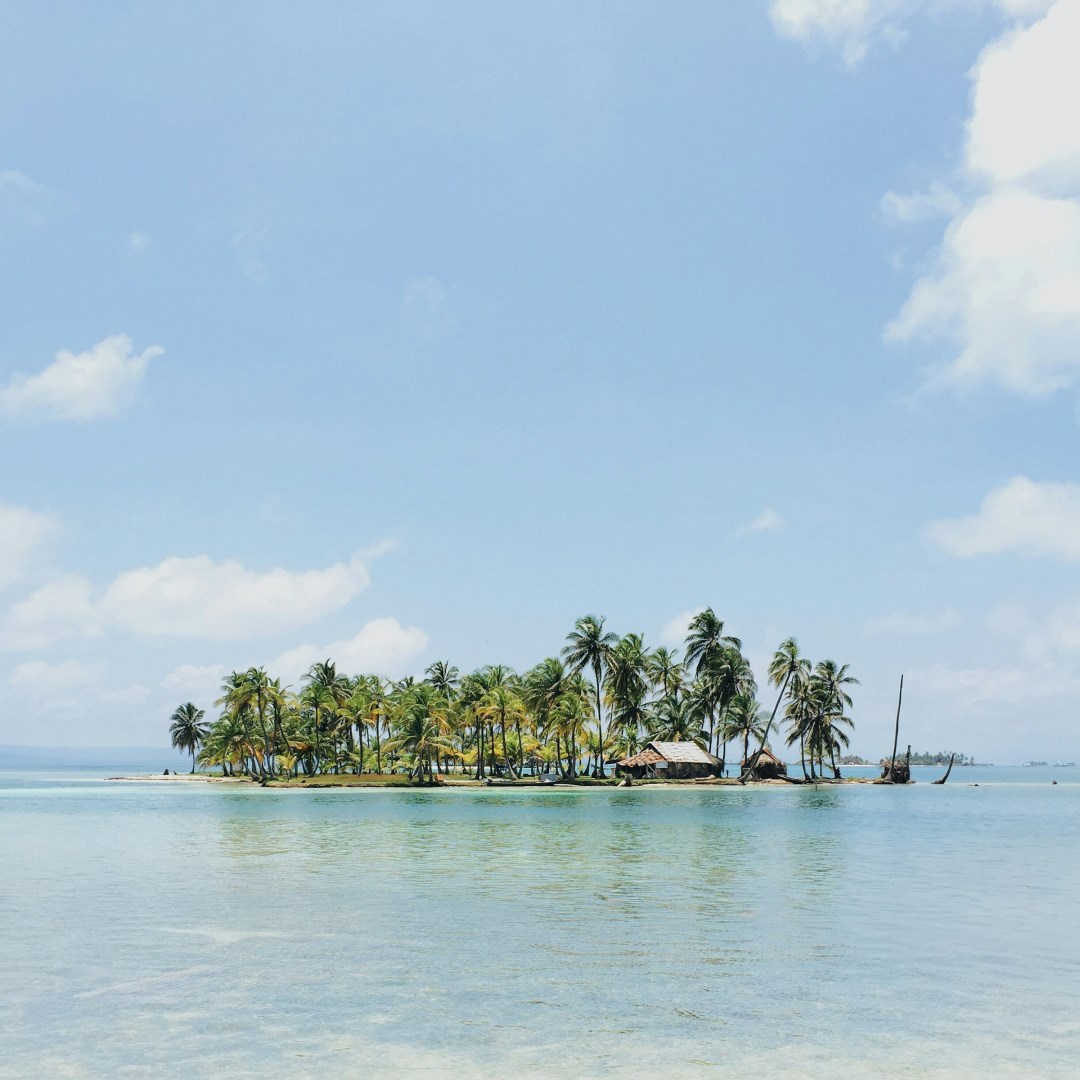
Kuna Yala
Kuna Yala, officially known as Guna Yala, is an Indigenous comarca along Panama's Caribbean coast, extending from the province of Colón toward the border with Colombia. Its best-known feature is the Guna Yala archipelago, made up of hundreds of small islands and islets surrounded by coral reefs and clear Caribbean waters. Many islands are low and covered with coconut palms, while others are uninhabited.


