

Puntarenas
Stretching along Costa Rica’s Pacific coast, Puntarenas offers more than just sandy shores. This historic port town once served as the country’s main gateway for coffee exports in the 19th century. Today, visitors can stroll along streets that echo stories of maritime trade and explore how Puntarenas helped shape Costa Rica's economic identity.

Jasper
Explore Jasper, Alberta and gaze in awe at one of Canada’s most beautiful national parks in the Canadian Rockies. A veritable paradise for the bold traveler, Jasper National Park has no shortage of natural marvels guaranteed to take your breath away.

Šiaulia
Šiauliai, often referred to as the "City of the Sun" due to its high number of sunny days, is a vibrant gem in northern Lithuania. The city's most iconic landmark is the Hill of Crosses, a profound site of pilgrimage adorned with thousands of crosses placed by visitors over the decades. This unique and moving monument, which has been recognized by UNESCO for its cultural significance, symbolizes the resilience and spirit of the Lithuanian people.

Indianapolis
Indianapolis, known as the Crossroads of America, is more than just a hub for interstates and conventions, it’s a city where speed, sports, and creativity intersect. At the center of it all is Monument Circle, a grand civic plaza anchored by the Soldiers and Sailors Monument, which visitors can climb for panoramic views of the skyline. Just a few blocks away is the Indianapolis Motor Speedway, the largest sporting venue in the world by capacity.
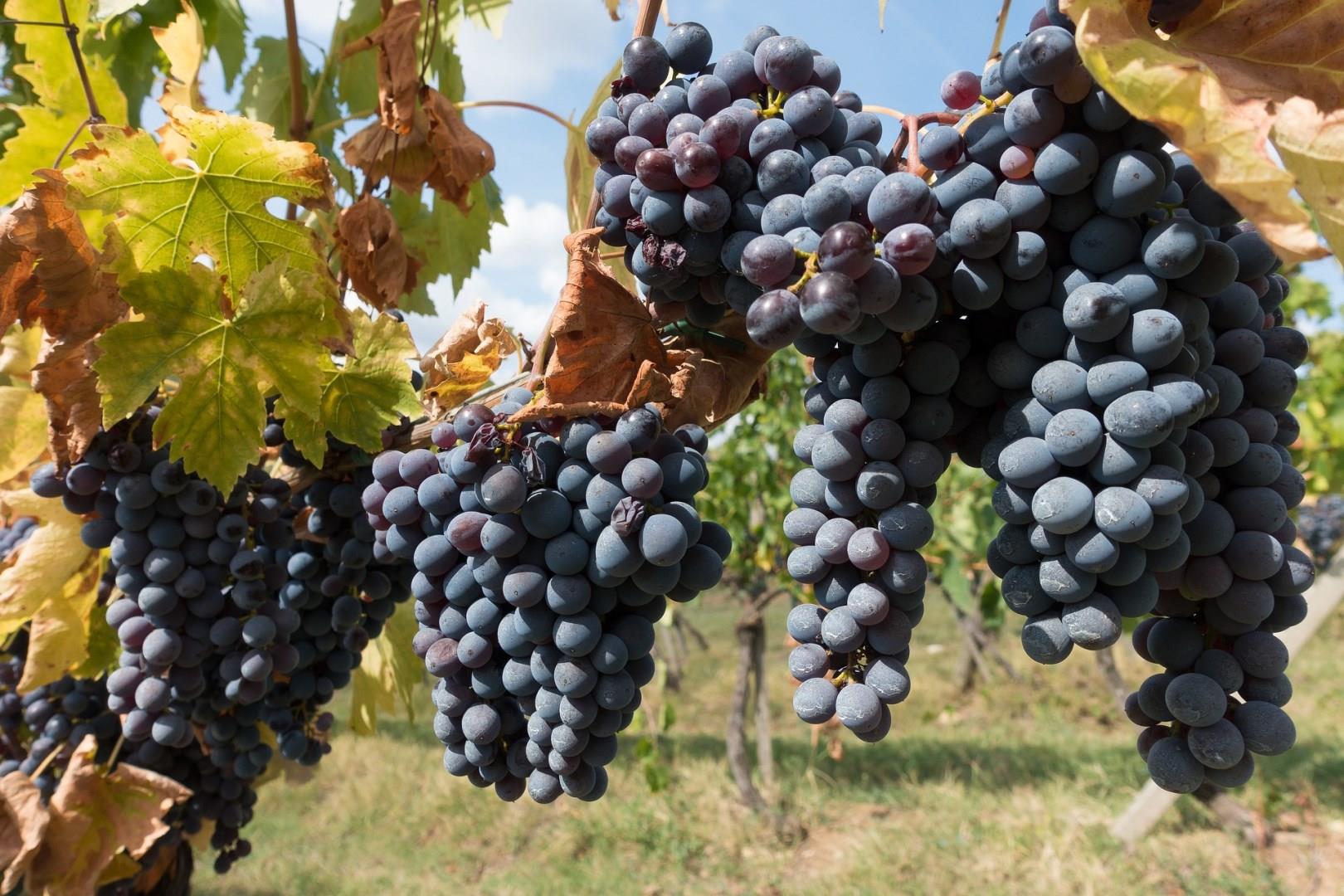
Chianti
Chianti, nestled in the heart of Tuscany between Florence and Siena, is a world-renowned wine region that exudes quintessential Italian charm. Famous for its rolling hills, cypress-lined roads, and sprawling vineyards, Chianti offers travelers an unforgettable experience of Italy’s rich viticulture and history. Visitors can explore charming medieval villages like Greve in Chianti and Castellina in Chianti, where cobbled streets, ancient stone buildings, and historic piazzas transport you back in


